



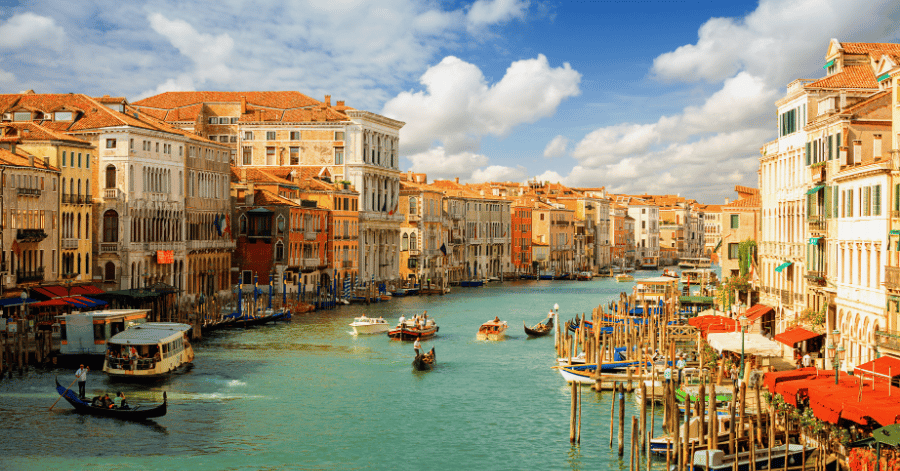

Heading to Italy? Here’s your complete Italy ATM withdrawal guide for 2026.
Italy is more cashless than most people think. Cards work almost everywhere, taxis are legally required to accept them, and a long espresso paid by tap is just normal life now. But there’s still a small cash habit you’ll want to feed: trattorias in tiny towns, market stalls, the odd tip.
The fastest way to get euros is at a Bancomat, the local term for a bank ATM. The slowest, most expensive way is the bright blue Euronet machines parked outside every tourist site. Pick the wrong one and you’ll lose 5–10% before you even hand over a note.
This guide cuts through the noise: which Bancomats to trust, which to skip, the on-screen prompt that costs travellers the most, and how a no-FX-fee card like YouTrip stacks on top to make the whole thing painless.
💜 Stay Up To Date:
– What to Buy in Japan: The Singapore Traveller’s Guide (2026)
– Things to Do in Penang: Itinerary, Food & Attractions Guide 2026
– Alishan Taiwan 2026: The Complete Travel Guide
Summary
| Highlights | Details |
|---|---|
| Local term for ATM | Bancomat (bank-attached); avoid Euronet (private) |
| Bank ATM machine fee | Often free; some banks charge 1–3 EUR (~S$1.50–S$4.50); always check on-screen |
| Euronet ATM fee | 1.99–4.99 EUR (~S$3–S$7.50) plus a much worse rate via DCC |
| Foreign transaction fee from SG bank | 2.5–3.5% (DBS 3.25%, OCBC 3%, UOB 2.5%) |
| Per-transaction limit | Typically 250–1,000 EUR (~S$370–S$1,490) |
| YouTrip ATM allowance | Free S$400/month, then 2% |
| Cash to carry | 100–200 EUR (~S$149–S$298) for trattorias, markets, tips |
| DCC trap | Always choose EUR at ATMs and terminals, never SGD |
| PIN length | Italian ATMs only accept 4-digit PINs |
📚 Table of Contents
- Do You Still Need Cash in Italy?
- Can I Use My Debit or Credit Card in Italy?
- What Is a Bancomat? Italian ATMs Explained
- Where to Find ATMs in Italy
- How to Withdraw Euros at an Italian ATM
- Do Italian ATMs Charge Fees for Foreign Cards?
- The Euronet Trap: Why You Should Avoid Private ATMs
- Dynamic Currency Conversion: The One Mistake That Costs You the Most
- Tips to Minimise ATM Fees in Italy
- ATM Withdrawal Limits in Italy
- Best ATMs at Italian Airports
- Should You Exchange Money Before Travelling to Italy?
- Cash vs Card in Italy: When to Use Which
- Best Card for Italy: Multi-Currency Comparison
- Safety Tips for Using ATMs in Italy
Do You Still Need Cash in Italy?
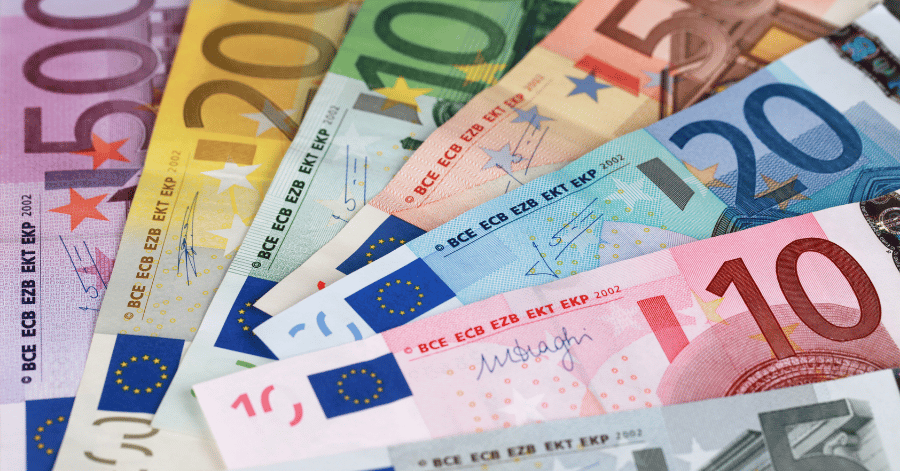
A bit, but not much.
Italy went genuinely cashless post-COVID, and faster than most travellers expect. Cards work pretty much everywhere now: restaurants, supermarkets, museums, trains and buses, even taxis (legally required to accept cards since 2014). To put it in perspective, one Italian commenter on TikTok said he spends maybe 50 euros in cash every six months. That’s pretty standard these days.
That said, cash still has its place:
- Small trattorias and family-run osterias in smaller towns may be cash-preferred
- Local markets (Mercato Centrale, weekend markets) for fresh produce and street food
- Tipping — not expected, but a couple of euros for great service is appreciated
- Coin-op things — public toilets in train stations, parking meters, some left-luggage lockers
- Festival stalls and small village events
💡 Tip: Plan to carry 100–200 EUR (~S$149–S$298) for a typical trip and top up at a Bancomat once you’ve burned through it.
📖 Related Guide: How to Get the Best Exchange Rate in Singapore
Can I Use My Debit or Credit Card in Italy?
Yes, very easily.
Visa and Mastercard are accepted virtually everywhere. American Express has decent coverage in larger cities, less so in small towns and family-run businesses. Contactless is universal in cities and standard in most rural cafes and shops too.
If you’re using a standard Singapore bank debit or credit card, expect the usual:
- Foreign transaction fee: 2.5–3.5% on every euro purchase
- Bank exchange rate markup: typically 1–3% above mid-market
- Overseas ATM fee: charged by your home bank on top of any local fee
A multi-currency card (YouTrip, Wise, Revolut) removes or significantly reduces all three.
💡 One handy thing to know: Italian POS terminals often default to asking if you want the transaction in your home currency. Always say no. More on this below.
📖 Related Guide: 15 Best Things To Do In Naples, Italy
What Is a Bancomat? Italian ATMs Explained
“Bancomat” is what Italians call a bank-attached ATM. The word’s been used since the 1980s, and you’ll see it on actual ATMs, on signage, and in shop windows (“Bancomat accettato”).
Roughly: if it says Bancomat, it’s a real bank machine. If it doesn’t, you’re probably looking at a private one.
A few things worth knowing:
- Bancomat is also a domestic Italian debit network (a bit like NZ’s Eftpos). Your Singapore card can’t tap that side directly, but every Bancomat ATM also runs Visa/Mastercard/Cirrus/Maestro, so withdrawals work fine.
- Italian ATMs only accept 4-digit PINs. If your PIN is longer, change it before you leave Singapore. Most SG banks let you do this in-app or at a branch.
- Bank ATMs are usually inside or right next to a branch. If the machine is on a sketchy alley wall with no bank attached, it’s a private one (probably Euronet).
📖 Related Guide: Dolomites, Italy Beginners Guide: Where to Go, Stay, and Explore
Where to Find ATMs in Italy
Italian banks are everywhere in cities, but ATM access thins out in tiny villages. Here’s the lay of the land.

Major Italian bank ATMs (Bancomats) to look for:
1. Intesa Sanpaolo — Locate your ATM here
Italy’s largest retail bank. Branches and Bancomats on most main streets in every major city. Some Intesa ATMs charge a small access fee to foreign cards (around 3 EUR per transaction); the screen will tell you before you confirm.
2. UniCredit — Locate your ATM here
The second-largest Italian bank with around 1,900 branches in Italy and extensive Bancomat coverage nationwide. Generally, tourist-friendly fees.
3. BNL (Banca Nazionale del Lavoro) — Locate your ATM here
Owned by BNP Paribas, with an extensive retail network across Italy. Notable because BNL is the only Italian bank in the Global ATM Alliance (more on that below).
4. BPER Banca — Locate your ATM here
Around 2,000 branches across Italy after merging with Banca Popolare di Sondrio in 2025, with strong coverage in central and northern regions.
5. Banco BPM — Locate your ATM here
Major bank with Bancomats across Lombardy, Tuscany, and central Italy.
6. Poste Italiane (Postamat) — Locate your ATM here
Italy’s postal banking network. Postamat ATMs are everywhere, including small towns where commercial banks have scaled back. Useful as a backup.
Where to reliably find Bancomats:
- Bank branch facades in city centres
- Train stations (Roma Termini, Milano Centrale, Firenze Santa Maria Novella)
- Major piazzas, but check the bank logo before withdrawing
- Larger supermarkets (Conad, Coop, Esselunga)
- Airport arrivals halls (look past the Euronet machines)
⚠️ Note: ATM fees are subject to change; always check the ATM screen before confirming your withdrawal.
📖 Related Guide: Should You Exchange Money in Singapore or Overseas?
How to Withdraw Euros at an Italian ATM
Here’s how to withdraw euros with YouTrip in 5 easy steps:
- Locate a Bancomat displaying the Visa/Mastercard logo and insert your YouTrip card
Look for a bank branch, skip blue Euronet kiosks

- Select ‘Saving account’
- Key in your 4-digit ATM & Card PIN
- Withdraw your desired amount in EUR
- Enjoy FREE S$400 monthly withdrawals with YouTrip per calendar month, with a 2% fee imposed thereafter
*Subject to local ATM fees
📖 Related Guide: Find out more about how to withdraw with YouTrip here
Do Italian ATMs Charge Fees for Foreign Cards?
Sometimes yes, sometimes no. It depends on the bank.
- What Italian Bancomats may charge: Most major Italian bank ATMs are friendly to foreign cards. A few do add a small access fee, typically 1–3 EUR (~S$1.50–S$4.50) per transaction.
- Intesa Sanpaolo is the most commonly reported example. The fee always shows on screen before you confirm; if you don’t like it, cancel and walk to the next branch (usually one block away).
- What your Singapore bank charges: That’s where the bigger hit comes. Standard Singapore bank cards stack:
- An overseas ATM fee per withdrawal (DBS S$7; OCBC 3% with min S$5, max S$20; UOB S$5)
- A foreign transaction or admin fee (DBS 3.25%, OCBC 3%, UOB 2.5%)
On a 200 EUR (~S$298) withdrawal with a DBS card, that’s roughly S$7 + S$9.69 (3.25%) = around S$17 in fees you never see itemised on the receipt.
| Fee | Who charges it | Typical amount |
|---|---|---|
| Bancomat access fee | Italian bank (varies) | 0–3 EUR (~S$0–S$4.50) |
| Euronet ATM fee | Euronet | 1.99–4.99 EUR (~S$3–S$7.50) plus DCC markup |
| Overseas ATM fee | Your Singapore bank | DBS S$7; OCBC 3% (min S$5, max S$20); UOB S$5 |
| Foreign transaction fee | Your Singapore bank | DBS 3.25%, OCBC 3%, UOB 2.5% |
🧠 The fix: Use a multi-currency travel card. YouTrip charges zero FX fees and gives you free S$400 in ATM withdrawals each month, so both those charges just disappear. Note: 2% fee applies thereafter.
What about the Global ATM Alliance?
BNL is a Global ATM Alliance member, so customers of other member banks (Bank of America, Barclays, BNP Paribas, Deutsche Bank, Scotiabank, Westpac) can use BNL Bancomats without an operator fee.
Most Singapore travellers bank with DBS, OCBC, UOB, or Citibank SG. None are Alliance members, so this perk won’t apply to you. A no-FX-fee travel card is the smarter play.
📖 Related Guide: The Ultimate 10-Day Italy Itinerary
The Euronet Trap: Why You Should Avoid Private ATMs
The bright blue Euronet ATMs you’ll see all over Rome, Florence, Venice, and Milan are private machines, not banks. They’re parked exactly where tourists need cash most: outside the Colosseum, near St Mark’s Square, in the airport arrivals hall. They’re convenient, and that convenience is the whole problem.
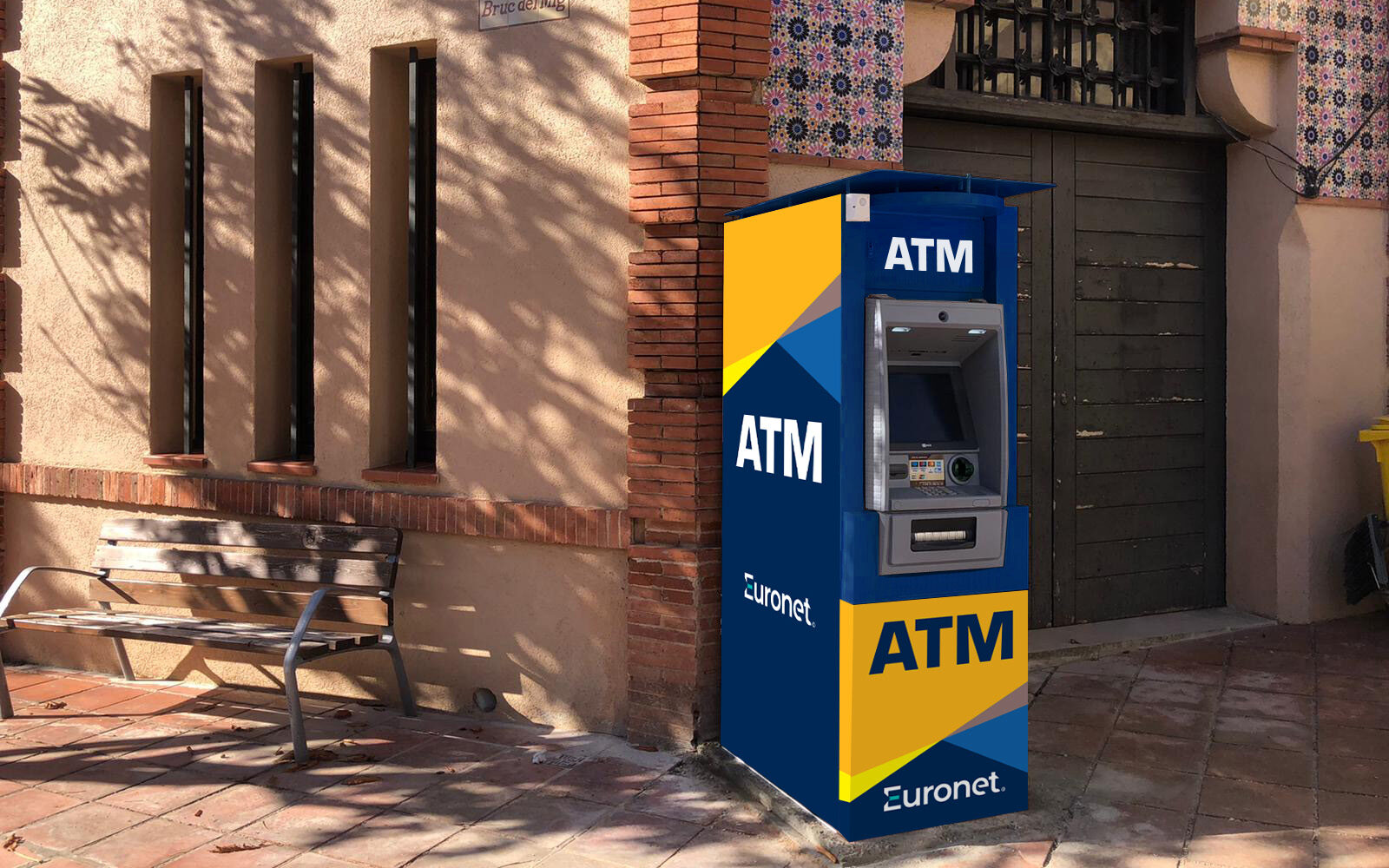
Image Credits: Euronet
What’s wrong with Euronet:
- Higher transaction fees. Euronet typically charges 1.99–4.99 EUR per withdrawal, sometimes more.
- The DCC trap is built in. Euronet aggressively pushes you to “lock in your home currency rate” using their own exchange rate, which is reliably 5–10% worse than the Mastercard or Visa wholesale rate.
- Real cost can be brutal. Travellers regularly report paying 50–200 EUR over what the same withdrawal would have cost at a Bancomat one block away.
How to spot a Euronet:
- Bright blue branding
- Standalone (no bank branch attached)
- Heavy presence in tourist hotspots and airports
- Multiple language options shouted at you on the welcome screen
What to do instead: Walk one block. There’s almost always an Intesa Sanpaolo, UniCredit, or BNL within 200 metres of any Euronet. The exception is some smaller airports where private ATMs dominate; in that case, withdraw the smallest amount you need and decline DCC.
📖 Related Guide: Best Miles Card in Singapore
Dynamic Currency Conversion: The One Mistake That Costs You the Most
This is the single biggest piece of advice in any Italy travel article worth reading. When you withdraw at an ATM (or pay at a POS terminal), you’ll be asked something like:
“Would you like to be charged in SGD instead of EUR?”
“Continue without conversion” / “Accept conversion”
Always pick EUR. Always decline conversion.
DCC (Dynamic Currency Conversion) lets the ATM operator set their own exchange rate. It’s typically 3–8% above the Mastercard or Visa wholesale rate, sometimes worse. The screen will frame it as helpful (“know exactly what you’ll pay in SGD”). It isn’t. Your bank or travel card always gives a better rate.
Worked example, 200 EUR withdrawal:
- Decline conversion: 200 EUR converted at the wholesale rate (~S$298 with YouTrip)
- Accept conversion: 200 EUR converted at the operator’s DCC rate (~S$310–S$320, plus the operator’s hidden margin)
That’s S$12–22 lost on a single withdrawal, for nothing. Multiply that across a trip, and DCC will cost you more than every other ATM fee combined.
The same logic applies at restaurant and shop POS terminals. If the machine asks “EUR or SGD?”, choose EUR every time.
📖 Related Guide: How To Get A VAT Refund In Italy
Tips to Minimise ATM Fees in Italy

- Use Bancomats at major Italian banks (Intesa Sanpaolo, UniCredit, BNL, BPER, Banco BPM, Poste Italiane); most don’t charge or charge a small flat fee
- Avoid Euronet ATMs entirely — the blue standalone machines in tourist zones charge more and push DCC
- Always decline DCC — choose EUR, not SGD, both at ATMs and at shop terminals
- Use a multi-currency travel card — eliminates the home-bank FX and overseas ATM fees
- Withdraw S$400 free/month with YouTrip — use it as your primary ATM card for Italy
- Withdraw larger amounts less often — fewer ATM visits means fewer potential fees
- Notify your Singapore bank before you fly if you’re using a home bank card; Italian transactions sometimes trigger fraud holds
📖 Related Guide: Best eSIM Singapore: Guide to Travel eSIMs, Cheap Options & Tips
ATM Withdrawal Limits in Italy
Italian ATMs cap each withdrawal lower than you might be used to. Whatever limit you actually hit is the smaller of the ATM’s cap and your own card’s daily limit.
| Limit | Amount |
|---|---|
| Per-transaction at most Italian ATMs | 250–1,000 EUR (~S$370–S$1,490) |
| Some bank ATMs | Up to 2,000 EUR (~S$2,980) |
| Your home bank’s daily ATM limit | Varies; check before travel |
| YouTrip free monthly ATM allowance | S$400 equivalent with a 2% fee imposed thereafter |
If you need a large amount of cash (say, for a long-stay rental deposit), you may need to do two separate withdrawals on consecutive days, or ask your bank to temporarily lift your daily limit before you fly.
📖 Related Guide: 30 Best Things To Do in Sydney: Attractions, Beaches & Hidden Gems
Best ATMs at Italian Airports
Airport ATMs are a mixed bag in Italy. Bank ATMs exist, but Euronet machines have aggressively colonised the prime locations near baggage claim. Here’s what to look for at the big three.
- Rome Fiumicino (FCO): A BNL Bancomat is in the arrivals area; it’s the closest thing to a “no-fee for the right card” option at the airport. You’ll also pass several Euronet machines on the way; ignore them.
- Milan Malpensa (MXP): Bank Bancomats (Intesa, UniCredit) are present in both terminals. They’re usually a short walk from baggage claim, often near the train station entrance.
- Venice Marco Polo (VCE): Bank Bancomats exist but are less prominent than Euronet kiosks. Walk past arrivals to the main terminal hall and scan for bank logos.
Should you withdraw at the airport at all? If you’ve got a no-FX-fee card and a bank Bancomat is nearby, sure: it saves you finding one in the city. But airport rates aren’t magically better, and the Euronet machines specifically are worse than anything you’ll find downtown. If a bank Bancomat isn’t obvious, just take a small amount or wait until you’re in the city.
📖 Related Guide: Tax Refund Europe: Ultimate Guide to VAT Refunds for Tourists
Should You Exchange Money Before Travelling to Italy?

Mostly no.
Italian Bancomats are widespread, foreign card acceptance is good, and pre-exchanging EUR in Singapore typically costs you 1–3% on the rate. You’ll usually do better withdrawing on arrival at a bank ATM with a no-FX-fee card.
If you want some EUR loaded before you fly (say, for the train into the city or your first dinner), YouTrip’s in-app exchange lets you lock in a rate ahead of time. That’s handy for budgeting. Just don’t pre-load your entire trip budget in cash; you’ll lose more on the rate than you save in convenience.
At the airport: Walk past the Travelex and Forexchange counters and the Euronet machines. Bank Bancomats are there if you look. So is the wholesale rate, if you’ve got the right card.
📖 Related Guide: Paris Travel Guide: Things To Do, Weather, Tips
Cash vs Card in Italy: When to Use Which
Use your card for:
- Hotels and apartment bookings
- Sit-down restaurants and chain cafes
- Supermarkets, museums, and ticketed attractions
- Trains (Trenitalia, Italo) and inter-city buses
- Taxis (legally required to accept card since 2014)
- Most shops, including small boutiques
Use cash for:
- Small family-run trattorias in towns and villages
- Local markets and weekend produce stalls
- Tipping (a few euros at a sit-down restaurant if service is good)
- Public toilets in train stations and tourist sites
- Coin-op parking and lockers
- Small festival or feast-day food stalls
For 90% of what you’ll spend, card is fine. Pull out 100–200 EUR (~S$149–S$298) on arrival and top up at a Bancomat once you’ve used most of it.
📖 Related Guide: International Driving License Singapore: Price, Validity & How to Apply
Best Card for Italy: Multi-Currency Comparison
A multi-currency card removes most of the friction of overseas spending in Italy: foreign transaction fees, exchange rate markups, and home-bank ATM charges.
| YouTrip | Revolut | Wise | Amaze | |
|---|---|---|---|---|
| Exchange Rate | 1 SGD = 0.6699 EUR | 1 SGD = 0.6698 EUR | 1 SGD = 0.6683 EUR | 1 SGD = 0.6697 EUR |
| FX Fees | No fees | On weekdays: No fees apply if you’re within your plan’s fair usage limit On weekends: 1% fee applies regardless of your plan | Currency Conversion Fee: From 0.26% *fee varies by currency | No fees for FX ✅ 1% domestic SGD fee |
| ATM Withdrawal Fees | Up to S$400 free/month; 2% fee thereafter | Up to S$350 or 5 withdrawals free/month; 2% fee thereafter | From 1 May 2026: Free up to S$100/month; 1.75% fee thereafter | 2% on all withdrawals |
Rates taken as of 5 May 2026
For a country like Italy, where bank ATMs (Bancomats) are easy to find, and contactless coverage is excellent, the YouTrip combo of zero FX fees on every euro purchase plus a free S$400 monthly ATM allowance (with a 2% fee thereafter) is the cleanest value. You’ll mostly tap, pull cash a couple of times, and pay no FX margin on anything.
📖 Related Guide: Find out what are the Best Multi-Currency Cards In Singapore
Safety Tips for Using ATMs in Italy
ATM crime in Italy is uncommon but not zero, especially in tourist-dense areas of Rome, Naples, and Milan. The basics:
- Use Bancomats inside or attached to bank branches when you can — better lighting, security cameras, and less foot traffic for would-be skimmers
- Inspect the card slot and keypad for anything loose, glued-on, or off-colour; skimming devices show up most often on standalone ATMs
- Cover the keypad with your free hand when entering your PIN
- Watch for distraction tactics — someone offering “help” or pointing at the floor near an ATM is a red flag, walk away
- Pocket your cash before stepping away from the machine; don’t count it in the open
- Enable transaction alerts in your banking app before you leave Singapore
- If your card is retained, call your issuer immediately. YouTrip lets you freeze the card instantly in-app
📖 Related Guide: Winter Wear Singapore Guide: Where to Buy, Rent & Save on Winter Clothes
Country ATM Guides:
Need fee-free or lower-fee ATM recommendations? Explore our country-specific withdrawal guides:
🇲🇾 Malaysia | 🇯🇵 Japan | 🇹🇭 Thailand | 🇰🇷 South Korea | 🇹🇼 Taiwan | 🇭🇰 Hong Kong | 🇮🇩 Indonesia | 🇻🇳 Vietnam | 🇦🇺 Australia | 🇲🇴 Macau | 🇨🇳 China | 🇺🇸 US | 🇿🇦 South Africa | 🇵🇭 Philippines | 🇫🇷 France | 🇬🇧 UK | 🇳🇿 New Zealand | 🇮🇹 Italy | 🇰🇭 Cambodia | 🇨🇦 Canada | 🇨🇦 Switzerland
Skip the Blue Machines, Drink the Espresso
Want to skip high fees and dodgy exchange rates altogether? YouTrip lets you pay with the best EUR rates — no fees, no hidden charges. You also get free monthly ATM withdrawals of up to S$400, with a 2% fee imposed thereafter. Perfect for hassle-free travel in Italy.
Sign up for your complimentary YouTrip card today with <YTBLOG5> and get FREE S$5 in your account!
Then, head over to our YouTrip Perks page for exclusive offers and promotions — we promise you won’t regret it.
For more great tips and articles like this, join our Telegram (@YouTripSG) and subscribe to our free weekly newsletter here or down below.
For travel tips, event invites, and more, join our Community Telegram Group @YouTripSquad! 💜
Happy travels!
Related Articles
Best Travel Agency in Singapore For Stress-Free Travel
Free Things To Do In Venice
YouTrip Exchange Rates: Everything You Need to Know


*The information stated above is true as of 27 Apr 2026