


Your wallet will thank you. Your luggage won’t.
Japan isn’t just a great place to visit — it’s one of the best places in the world to shop. A weak yen, 10% tax-free savings for tourists, and shelf after shelf of things you genuinely can’t get back home make Japan a dangerous destination for anyone with a budget.
Here’s what’s actually worth buying, where to find it, and how to make sure you’re getting the best deal.
💜 Stay Up To Date:
– Things to Do in Penang: Itinerary, Food & Attractions Guide 2026
– Alishan Taiwan 2026: The Complete Travel Guide
– Things to Do in Uji, Japan (2026): The Ultimate Day Trip Guide
⚡️ TL;DR: Uji at a Glance
| Best for | Details |
|---|---|
| Tax-free savings | Up to 10% off with tourist tax exemption |
| Minimum spend for tax-free | 5,000 JPY (~S$45) at one store, same day |
| Big change coming | From Nov 2026: pay full price, refund at airport |
| Best all-rounder store | Don Quijote (Donki) |
| Passport required? | Yes — bring the original |
📌 Table of Contents
- Which Brands Are Cheaper in Japan Than Singapore?
- Things You Can Only Buy in Japan
- Skincare Worth the Luggage Space
- Makeup Worth Picking Up
- Luxury Bags and Fashion: Is It Worth It?
- Electronics: What’s Actually Worth Buying
- Japanese Snacks and Food to Bring Home
- Stationery: Muji, Loft, and Beyond
- Kitchen and Homewares
- What to Buy at the 100-Yen Shop
- Where to Shop: Donki, Pharmacies, and Department Stores
- What to Buy in Tokyo vs Osaka vs Hokkaido
- Tax-Free Shopping and How to Pay Smart
- FAQ
Which Brands Are Cheaper in Japan Than Singapore?
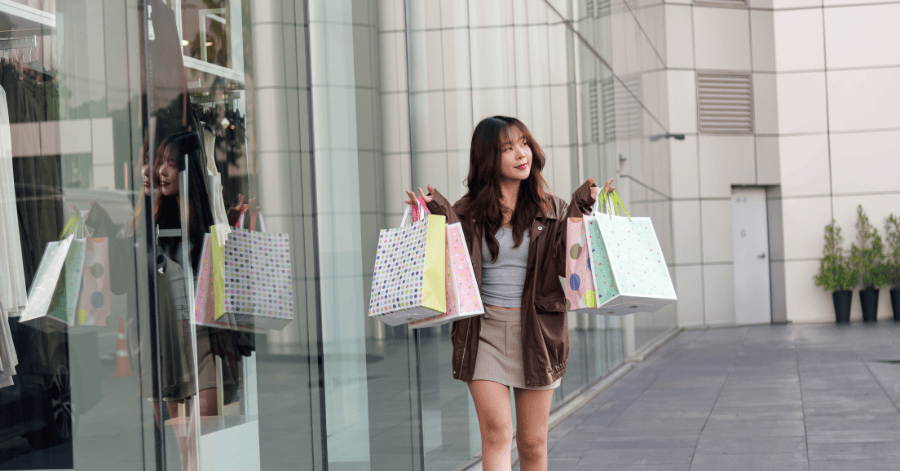
The short answer: quite a few. Japan combines a weak yen, 10% tourist tax exemption, and lower local retail pricing for Japanese brands.
What you’ll pay less for:
- Japanese skincare (Hada Labo, SK-II, Shiseido) — meaningfully cheaper buying at source
- Louis Vuitton — after the 10% tax refund, you’re looking at savings of around 17% vs Singapore pricing
- Cameras (Sony, Canon, Fujifilm) — Japan is home turf, and prices reflect it
- Uniqlo and Muji — not dramatic savings, but cheaper than Singapore with tax-free applied
- Japanese stationery, kitchen knives, ceramics — no equivalent back home
What isn’t necessarily cheaper:
- Global luxury brands at flagship prices — Gucci, Dior, Chanel: pricing is increasingly harmonised worldwide
- Electronics with international warranty — export models cost more; domestic models are cheaper but come with Japanese-only menus
📖 Related Guide: Japan Budget Airlines: The Singaporean Traveller’s Guide
Things You Can Only Buy in Japan
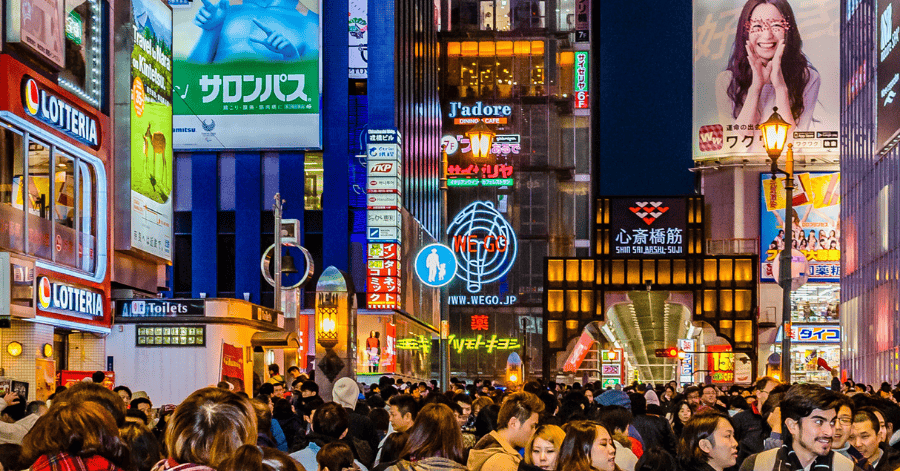
Some of the best Japan buys aren’t cheaper — they’re simply unavailable elsewhere:
- Konbini snacks — 7-Eleven and Lawson in Japan sell things their SG counterparts never will
- Region-exclusive Kit Kat flavours — Tokyo Banana Kit Kat, Uji Matcha from Kyoto, Wasabi from Shizuoka. Over 300 flavours exist; the interesting ones don’t export.
- Pokémon card Japan exclusives— certain promos, collaboration sets, and full-art cards are only sold through Japan channels
- Japanese stationery (Hobonichi, Midori, Stalogy)— cult items with no SG equivalent at the same price
- Daiso Japan originals — more SKUs than Singapore, and seasonal items rotate constantly
📖 Related Guide: 33 Things to Do in Kyoto, Japan: Top Attractions, Food & Travel Tips
Skincare Worth the Luggage Space
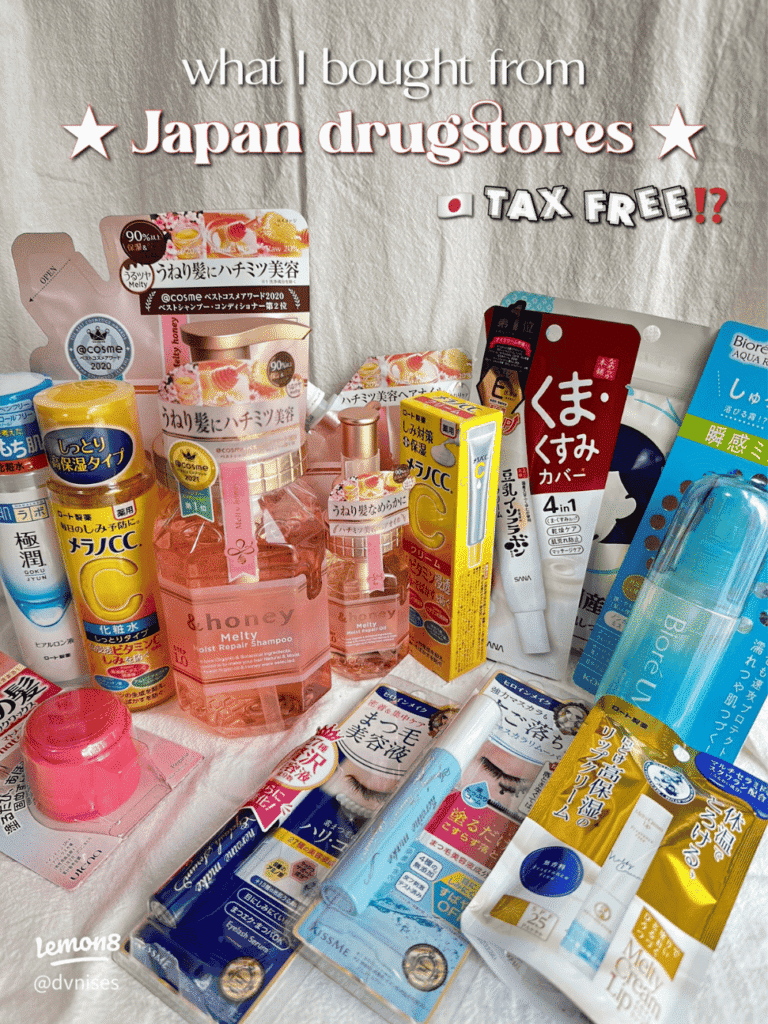
Image Credits: @dvnises on Lemon8
Japanese pharmacies (drugstores) are the undisputed highlight of any shopping trip. Matsumoto Kiyoshi, Sugi Pharmacy, and Sundrug carry a deep range of J-beauty at prices that undercut Singapore retailers — no parallel import markup, no retail premium.
Hada Labo is the clearest example. A 170ml bottle of the Gokujyun Hydrating Lotion retails for roughly 1,000–1,500 JPY (~S$9–S$14) in Japan, versus S$22–S$30 in Singapore. That’s a saving of 30–40% on one of the most-used skincare products in the region.
Other brands confirmed cheaper in Japan:
- Shiseido — 20–35% cheaper on most product lines; particularly good value on sunscreens and serums
- Anessa (Shiseido’s sunscreen sub-brand) — Anessa Perfect UV is cheaper and sometimes in larger sizes
- SK-II — noticeably cheaper buying direct in Japan versus Singapore
- Kose Cosme Decorte — accessible at department stores
- Curel and Kose — mid-tier brands that sit above drugstore but below luxury; excellent value
What to Pick Up at the Drugstore
- Hada Labo Gokujyun Hydrating Lotion (any size — buy multiples)
- Shiseido Anessa sunscreen — popular, cheaper, easy to find at any drugstore
- Biore UV Aqua Rich Watery Essence — the Japanese formulation is lighter than the exported version
- Kose Softymo cleansing oil — a staple that’s half the price in Japan
- Mentholatum Melty Cream Lip — variety of shades not available in Singapore
Note: the Japan version of a product is often different from the export version — different concentrations, packaging, sometimes formulation. The Japan version is typically the better one.
📖 Related Guide: SGD To Yen Guide: Capitalising On The Japanese Yen
Makeup Worth Picking Up
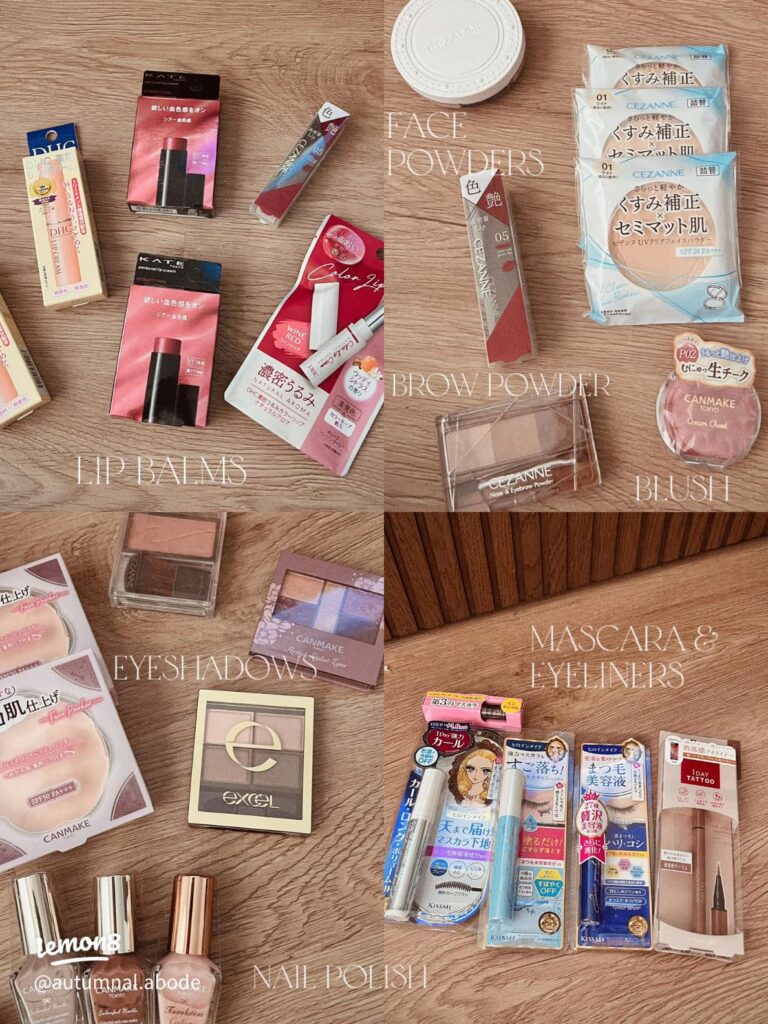
Image Credits: @autumnal.abode on Lemon8
Japan’s drugstore makeup punches well above its price point. Brands like Canmake, Integrate, and Kate Tokyo sit in the 500–2,000 JPY (~S$5–S$18) range and consistently outperform their price in quality.
What’s worth buying:
- Canmake — the Glow Fleur Cheeks blush and Cream Cheek blushers are cult items; colour range rotates seasonally and doesn’t export to Singapore in full
- Kate Tokyo (Kanebo) — the Designing Eyebrow pencil is a staple across East Asia for a reason; cheap, precise, long-lasting
- Integrate (Shiseido) — mid-range drugstore brand; the Mineral Glow Skin series and loose powder are consistently well-reviewed
- Excel Tokyo — eyebrow powder palettes and lip colours with limited shades that only hit Japan stores
- Majolica Majorca — discontinued in Singapore but still widely available in Japan; the lash expander mascara has a devoted following
- rom&nd and Clio — Korean brands with a strong physical presence in Japanese drugstores; grab what’s sold out back home
The Japan version of many of these products uses different shade ranges and packaging runs than what gets exported. Worth checking what’s locally available before assuming you can find it in Singapore.
Note: there’s a personal import limit for bringing cosmetics and medicines back into Singapore. Skincare and makeup for personal use in reasonable quantities is fine — check current ICA guidelines if you’re buying in bulk.
📖 Related Guide: Best Things To Do In Nagoya City, Japan: The Ultimate Guide
Luxury Bags and Fashion: Is It Worth It?
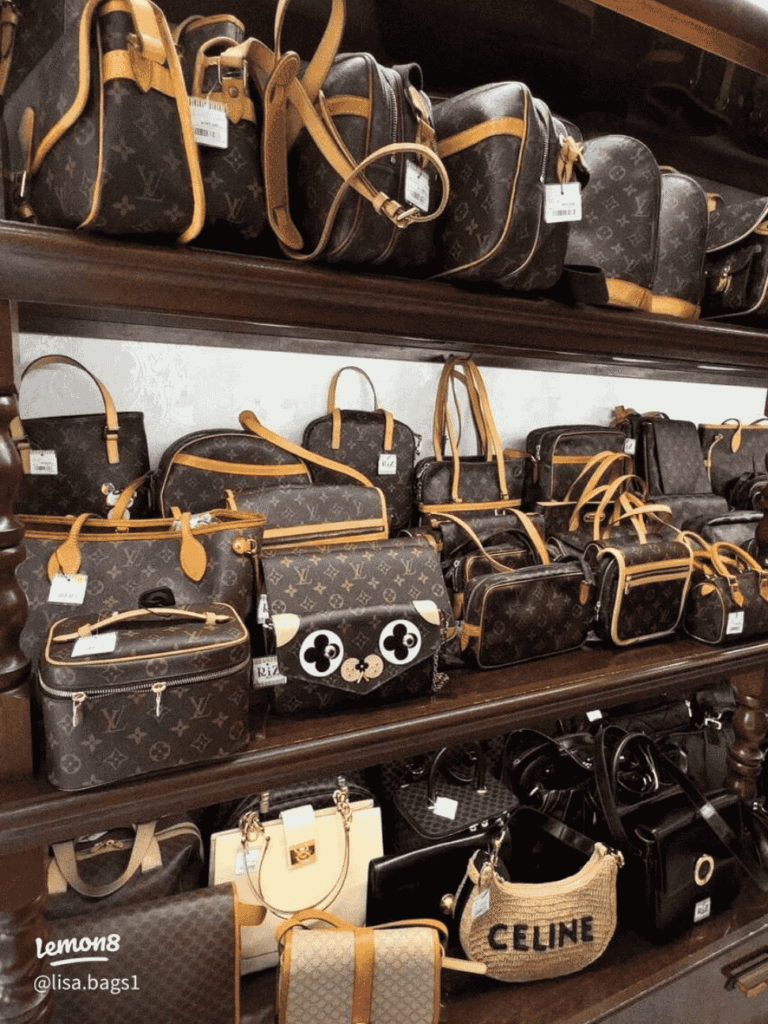
Image Credits: @lisa.bags1 on Lemon8
Yes — with caveats.
Louis Vuitton is one of the clearest wins. After the 10% tax refund, Singapore buyers are saving around 17% on direct comparisons like the Speedy Bandoulière 30. On a S$2,500+ bag, that’s S$400+ back in your pocket.
The catch:
- You’ll need to queue. LV stores in Tokyo and Osaka regularly have lines.
- Popular styles sell out. If you’re after a specific colourway, don’t assume it’ll be in stock.
- Chanel and Hermès have been aggressively harmonising global pricing — the gap is smaller than it used to be.
Better bets if you’re willing to explore:
- Japanese secondhand luxury shops (Komehyo, BRAND OFF, Treasure Factory) — pre-loved LV, Gucci, and Chanel at significant discounts, often in excellent condition
- Japanese fashion brands (Comme des Garçons, Issey Miyake, Y’s) — flagship prices in Japan are lower than their international retail; and Japan exclusives are the only way to get them
📖 Related Guide: Cherry Blossom Season Japan: Best Time to Visit, Sakura Forecast & Top Viewing Spots
Electronics: What’s Actually Worth Buying
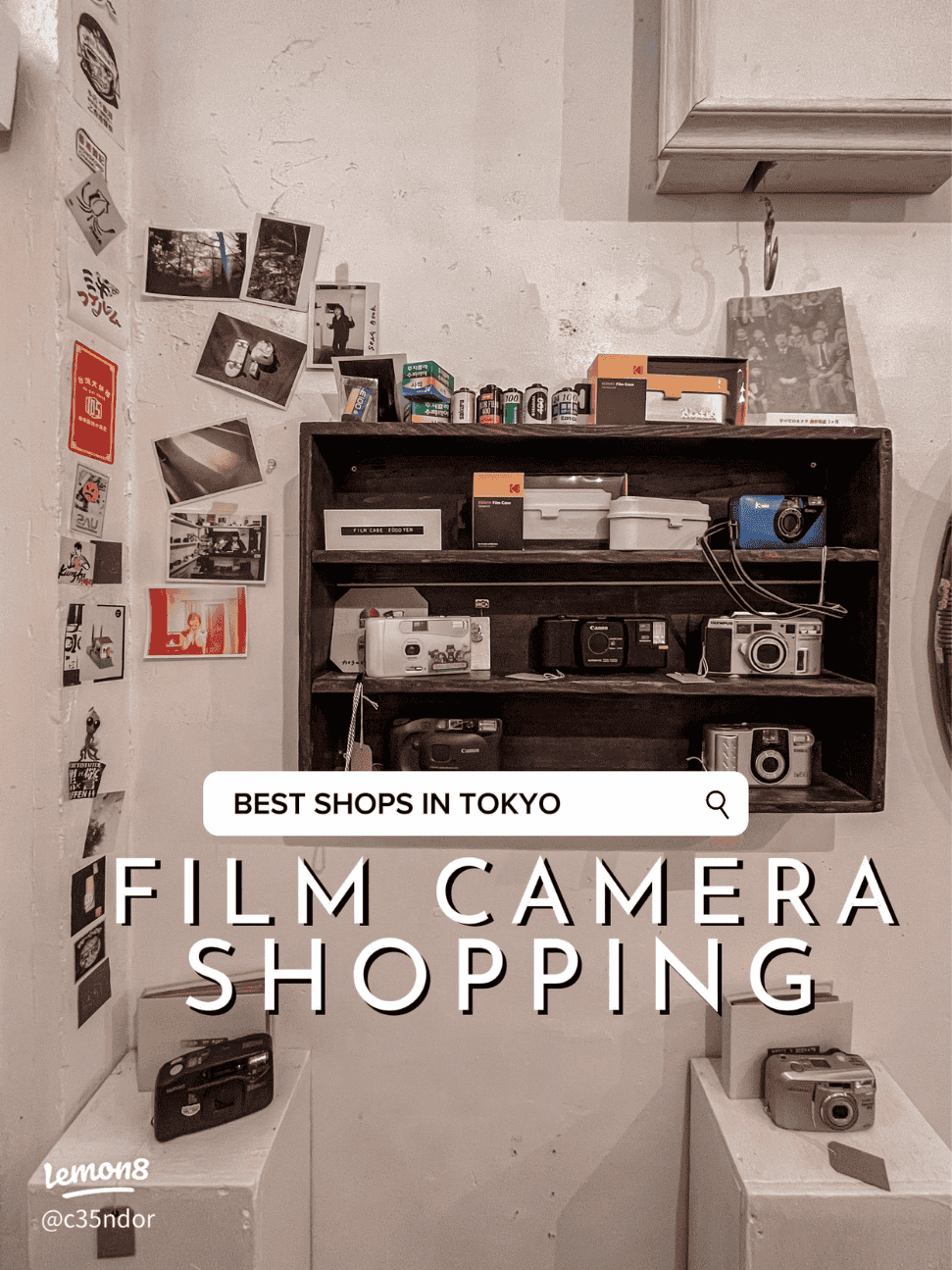
Image Credits: @c35ndor on Lemon8
Japan is home turf for Sony, Canon, Fujifilm, and Panasonic. Prices reflect that — especially for cameras.
Worth buying:
- Mirrorless cameras (Sony, Fujifilm, Canon) — genuine savings, especially with tax-free applied. Bic Camera and Yodobashi Camera both offer tax-free shopping from 5,000 JPY (~S$45) minimum spend.
- Nintendo Switch accessories and Japanese games — cheaper at source; region-compatible for most titles
- Retro gaming — Super Famicom cartridges, GameBoys, original Wii games — Japan’s secondhand market is the world’s best
Know before you buy:
- Domestic models vs export models — domestic versions are cheaper but have Japanese-only menus and Japan-only warranty. Export versions have English menus but cost more, usually closing the price gap with Singapore.
- Voltage compatibility — Japan runs on 100V. Most modern electronics auto-adjust (check the label), but always verify.
- Warranty — Japan warranty won’t be honoured in Singapore. Factor that into the risk for big-ticket items.
The sweet spot: cameras, lenses, and gaming items where you know the product, don’t need local warranty, and can read the menus.
📖 Related Guide: Japan ATM Withdrawal Guide: Fees, Locations, Exchange Rates
Japanese Snacks and Food to Bring Home
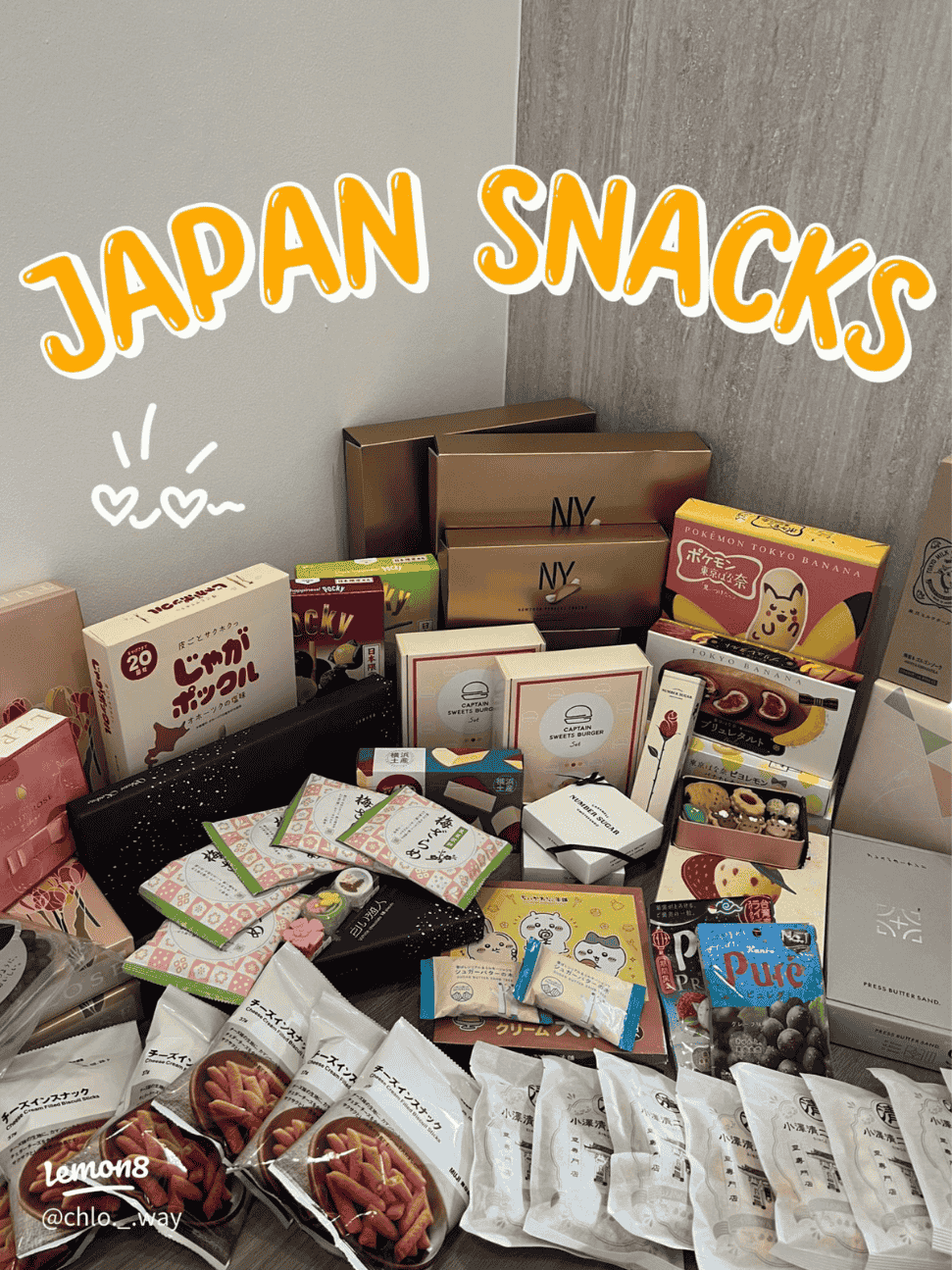
Image Credits: @chlo._.way on Lemon8
Snacks are the no-brainer Japan buy. Cheap, lightweight (mostly), and impossible to find the same version back home.
Kit Kats
Japan has produced over 400 Kit Kat flavours since 2000, and a good chunk are region-exclusive. This isn’t a gimmick — the flavours are genuinely thoughtful and often use local ingredients.
Confirmed flavours available in 2026:
- Matcha — the classic, available everywhere; go for the Uji Matcha (Kyoto) version for the real stuff
- Hojicha — roasted green tea, Kyoto-exclusive; earthy and less sweet than matcha
- Wasabi — Shizuoka specialty, actually spicy; incredible as a souvenir gag that turns into a real favourite
- Sakura — Osaka Castle Pack uses real sakura leaf powder; seasonal around spring
- Strawberry — the “Amaou” strawberry version from Kyushu is miles above the standard strawberry Kit Kat
- Sake — white chocolate base with a genuine hint of Japanese rice wine; airport-friendly
Note: not all flavours are available year-round. Check regional shops and Kit Kat Chocolatory boutiques (Tokyo, Osaka) for limited runs. At Don Quijote, the multipack assortment boxes are your best value for variety. Buy at First Avenue Tokyo Station for the widest range, or at airport shops on the way out.
Other Snacks Worth Luggage Space
- Shiroi Koibito (Hokkaido butter cookies) — once Hokkaido-exclusive, now widely sold
- Calbee Jagabee and potato chips — different varieties to Singapore; seasonal and regional flavours rotate constantly
- Pocky flavours — Biscuit & Cream, Men’s (dark chocolate), strawberry mousse; the flavours not exported are worth stocking up on
- Tokyo Banana — the OG souvenir from Tokyo Station; banana custard in a soft sponge
- Matcha products — Uji matcha powder, matcha chocolate, matcha mochi. Quality is noticeably higher than the exported stuff.
- Japanese curry (S&B, House Foods) — vacuum-sealed, easy to bring home, leagues better than what you get in SG supermarkets
- Instant ramen — Nissin in Japan includes limited editions and regional flavours; the packaging alone is worth it
Practical note: Singapore customs allows personal food imports, but declare if in doubt. Meats, fresh produce, and certain processed goods have restrictions.
📖 Related Guide: Kyushu, Japan: Complete Travel Guide, Map, Weather, Itinerary
Stationery: Muji, Loft, and Beyond
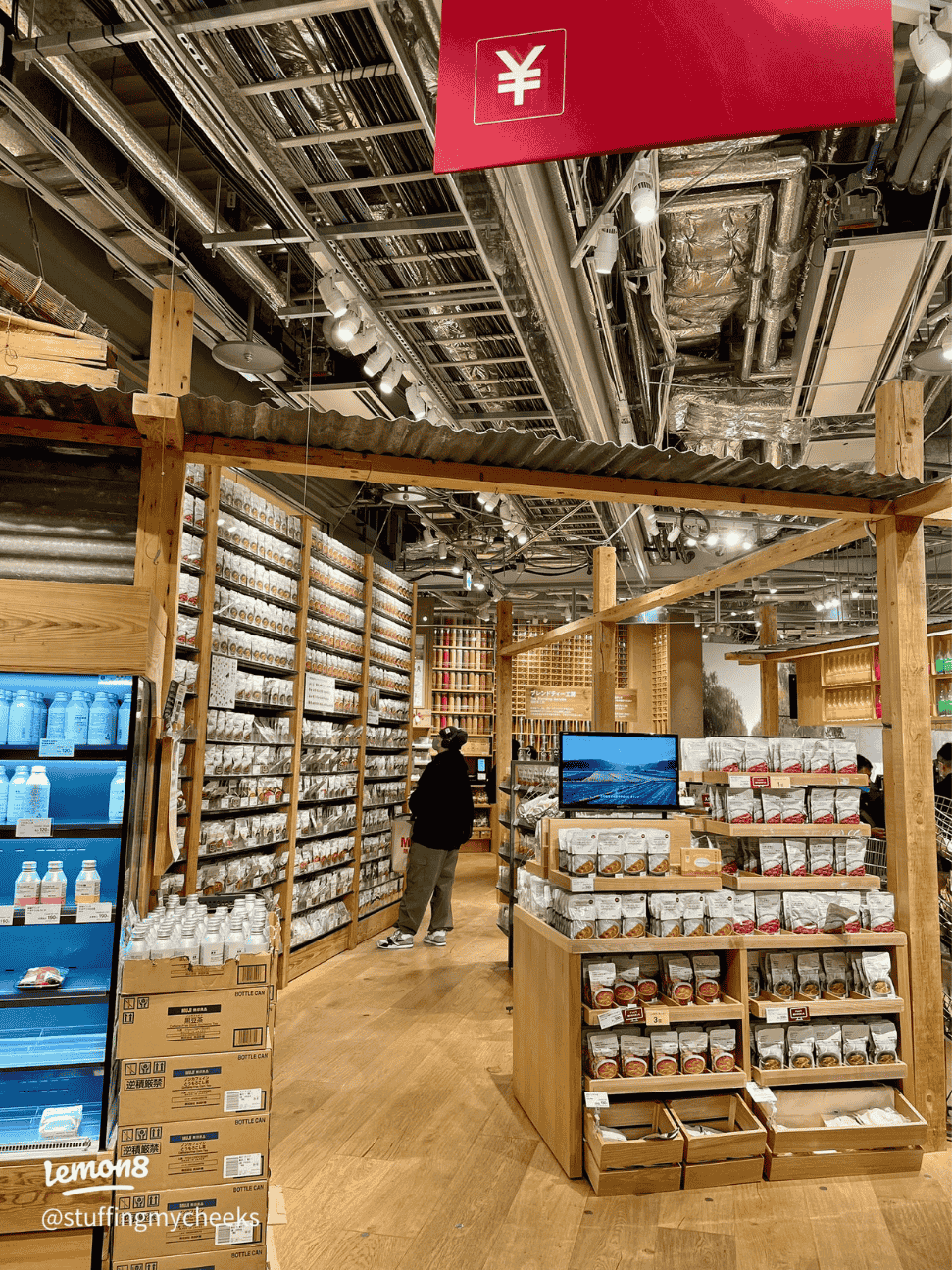
Image Credits: @stuffingmycheeks on Lemon8
Japan takes stationery seriously in a way that no other country does. Two stores dominate: Muji and Loft.
Muji
Muji Japan stocks items that don’t make it to Singapore — packaging sizes, seasonal collaborations, and product lines that get quietly discontinued before they reach overseas stores. The pen selection alone is worth a visit.
Best buys at Muji Japan:
- Gel ink pens — the 0.38mm and 0.5mm Smooth Gel Ink are cult favourites
- Recycled paper notebooks — better paper weight than the Singapore stock
- Portable diffusers and travel accessories — compact designs not stocked in SG stores
- Clothing basics — linen shirts, jersey shorts; quality holds up and the Japan stock is wider
Loft
Loft is the chaotic, brilliant cousin of Muji. Where Muji is minimal, Loft is maximum. Five floors of stationery, lifestyle goods, beauty tools, and seasonal items.
Don’t miss at Loft:
- Pilot Juice Up pens — the 0.3mm and 0.4mm sizes are hard to find in Singapore
- Stalogy and Hobonichi planners — planner nerds, this is your Vatican
- Masking tape (washi tape) — MT brand, Midori, and dozens of others; buy a whole roll, not the tiny tourist packs
- Face tools — eye masks, gua sha variants, silicone face pads; unbranded but high quality
📖 Related Guide: MITSUI OUTLET PARK KISARAZU: Your Ultimate Shopping Getaway From Tokyo
Kitchen and Homewares
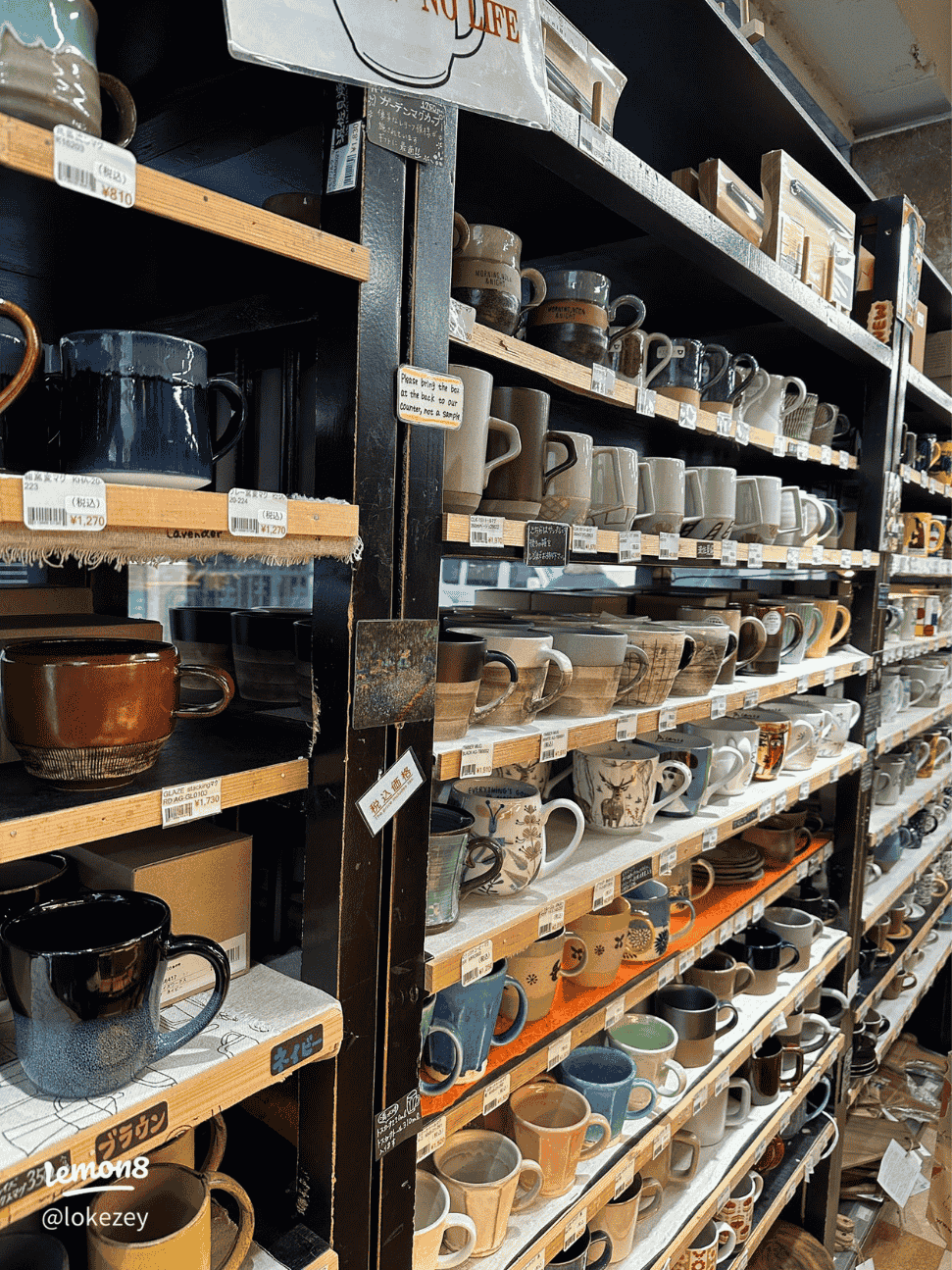
Image Credits: @lozkey on Lemon8
Japanese kitchen goods have a global reputation for good reason. These are items that hold up, look good, and are genuinely hard to find outside Japan at the same quality.
Kitchen Knives
Japan is the best place in the world to buy a kitchen knife. Even mid-range knives from brands like Kai (Sekimagoroku line) or Global perform above what you’d pay at the same price point in Singapore.
Where to buy:
- Kappabashi Street, Tokyo — entire street of professional kitchen supply shops; bring cash as some smaller shops are cash-only
- Department store kitchen floors — Takashimaya Shinjuku, Isetan Shinjuku, and Mitsukoshi have curated knife sections with staff who actually know the product
Budget: 3,000–15,000 JPY (~S$28–S$138) for a decent home cook’s knife. Professional-grade starts at 20,000 JPY (~S$183).
Other Kitchen Finds Worth Buying
- Cast iron tetsubin (iron kettles) — heavy but beautiful; Nambu ironware from Iwate is the most respected
- Donabe (clay pots) — for hot pot; Iga-yaki donabe from Mie Prefecture is the gold standard
- Ceramic chopstick rests — cheap, elegant, packs flat
- Benriner mandoline slicer — a cult kitchen tool; cheaper and more widely available in Japan than abroad
- Kuze Fuku & Sons sauces and condiments — ponzu, yuzu dressing, sesame sauces; airport-safe if sealed
📖 Related Guide: Marukyu Koyamaen Matcha: Best Matcha to Try, Prices & Where to Buy
What to Buy at the 100-Yen Shop
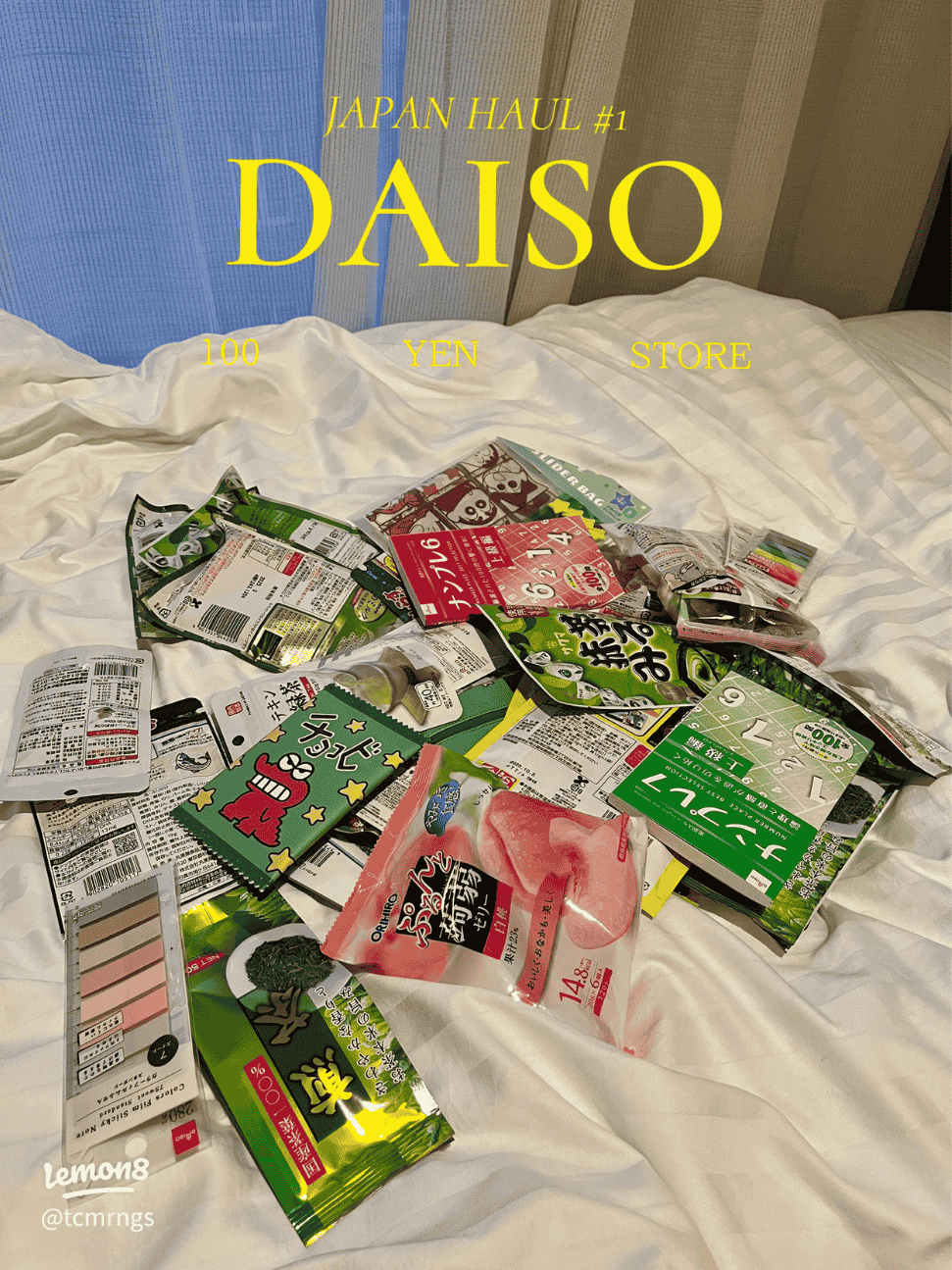
Image Credits: @tcmrngs
The three major chains are Daiso, Seria, and Can★Do. All are worth visiting; each has a slightly different flavour.
Quick pricing note: items are priced at 100 JPY before tax. At the register, you pay 110 JPY (10% consumption tax), or 108 JPY for food items (8% tax). Daiso and Can★Do have started introducing higher-priced items at 200–500 JPY, but the core range remains 100 JPY. Seria holds a strict 100 JPY policy on all items.
What’s actually worth buying:
- Cable organisers and travel accessories — cord clips, zip pouches, travel bottles; functional and cheap
- Kitchen tools — peelers, graters, silicone spatulas; replace when worn, don’t overthink it
- Cleaning goods — Japan’s cleaning product game is elite even at 100 JPY (Magic Erasers, drain cleaners)
- Stationery — sticky notes, correction tape, mini staplers; reliable brands at a fraction of the price
- Craft and wrapping supplies — origami paper, gift wrapping, seasonal decorations
- Beauty tools — eyelash curlers, face rollers, nail files; Daiso’s tools are genuinely useful
- Seasonal items — each chain stocks Japan-specific seasonal items (cherry blossom, summer festival, autumn) that aren’t exported
Seria tends to have the best aesthetic — cleaner, more Muji-adjacent styling. Daiso has the widest range. Can★Do sits somewhere between.
📖 Related Guide: Best Omakase Tokyo: Guide to Prices, Reservations & Top Restaurants
Where to Shop: Donki, Pharmacies, and Department Stores
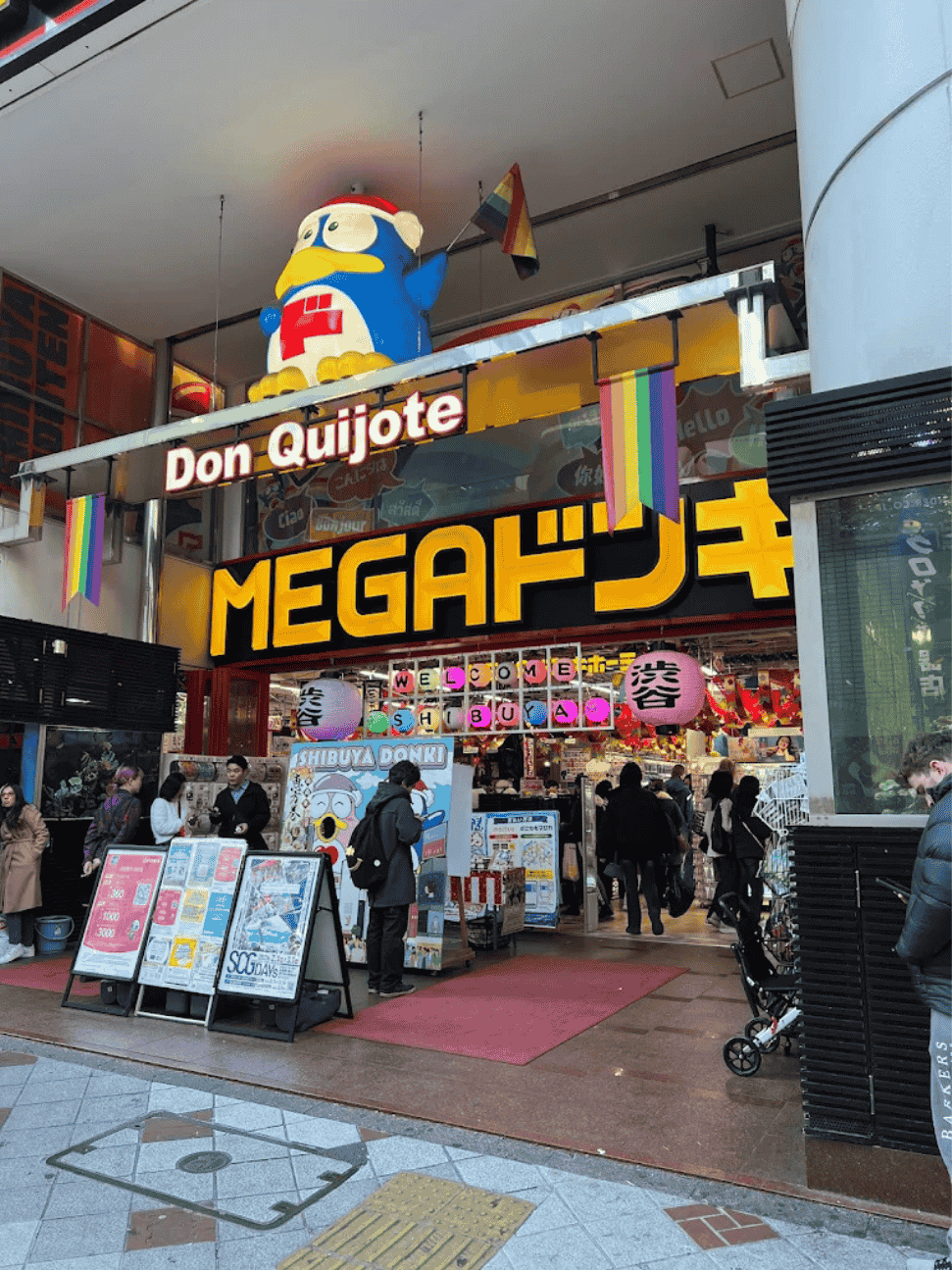
Image Credits: James McLennan on Google Reviews
- Don Quijote (Donki): The one-stop answer to most shopping questions. Donki stocks snacks, cosmetics, alcohol, electronics, branded goods, and tourist knick-knacks under one (chaotic) roof. Tax-free from 5,000 JPY with your passport. Opens late — most Tokyo locations run until midnight or later.
- Pharmacies (Matsumoto Kiyoshi, Sundrug, Tsuruha): Go here for J-beauty, skincare, and over-the-counter health products. Better prices than department stores, staff that can help you navigate the shelves, and tax-free available at most chains.
- Department stores (Isetan, Takashimaya, Mitsukoshi): Best for luxury brands, high-end Japanese food gifts (basement food hall), and traditional crafts. Prices are higher, but the selection and service are unmatched.
- Bic Camera / Yodobashi Camera: The go-to for electronics. Both offer tourist tax-free with your passport. Bic Camera offers a tourist discount coupon (10% tax-free + up to 7% off electronics). Worth picking up at the front desk.
- 100 yen shops (Daiso, Seria, Can Do): Japan Daiso and Seria carry a rotation of higher-quality items (stationery, kitchen tools, travel organisers) that never make it to Singapore. Seria in particular has a reputation for aesthetic finds at absurd prices.
- Convenience stores (7-Eleven, Lawson, FamilyMart): Categorically different from Singapore equivalents. Regional snack exclusives rotate seasonally, and some stores stock limited-edition character collaborations (Sanrio, Pokémon). All three major chains accept overseas Visa and Mastercard.
- Kappabashi Street (Tokyo): For kitchen tools and cookware. One kilometre of professional kitchen suppliers — knives, ceramics, cast iron, restaurant-grade equipment. Many shops are cash-preferred; bring JPY.
📖 Related Guide: Best Time To Visit Japan: Your Ultimate Guide
What to Buy in Tokyo vs Osaka vs Hokkaido
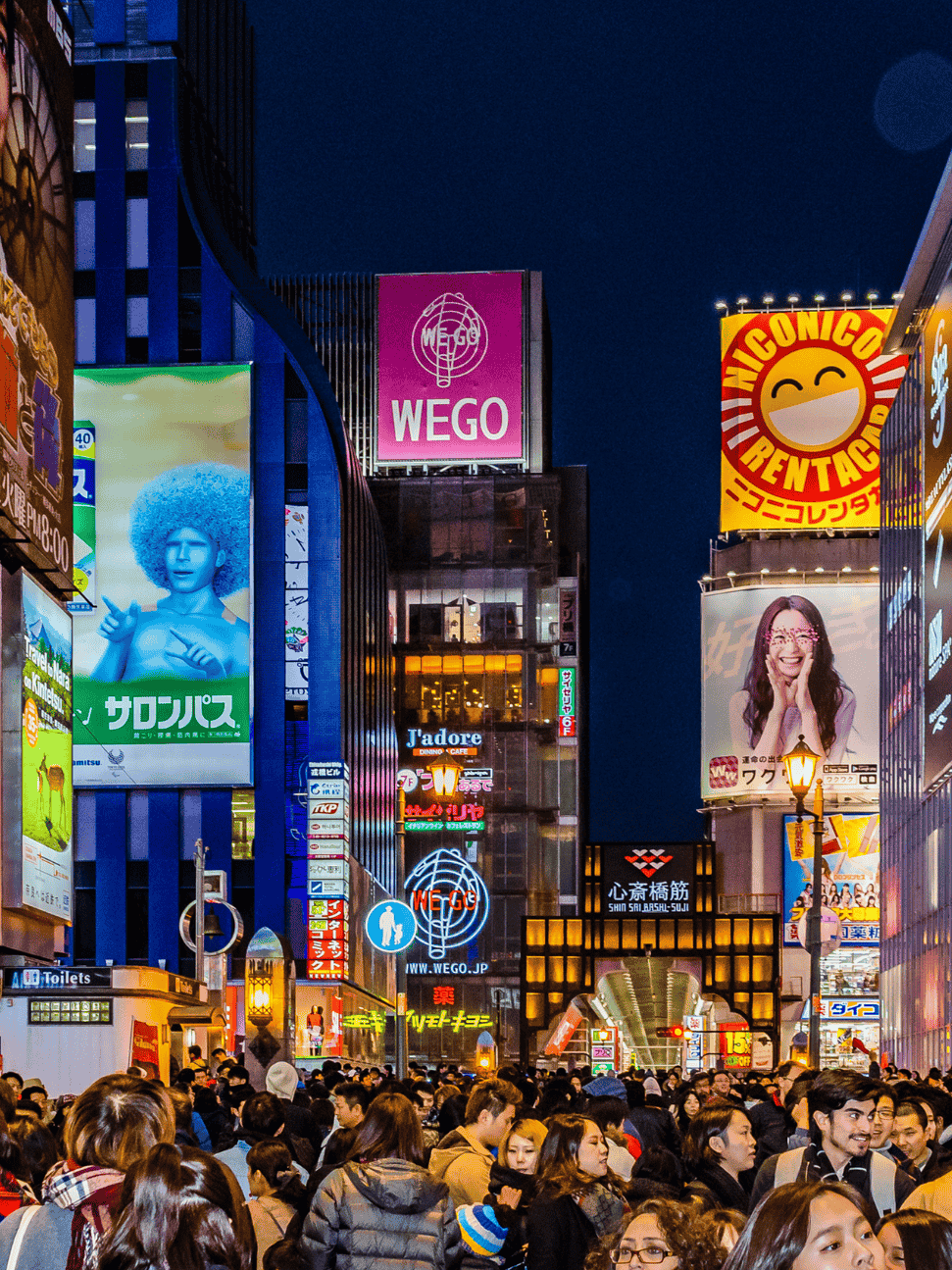
- Tokyo: The widest selection of everything. Shibuya and Shinjuku for fashion, Akihabara for electronics and gaming, and Harajuku for streetwear and niche brands. First Avenue Tokyo Station has one of Japan’s best omiyage (souvenir) selections under one roof.
- Osaka: Dotonbori and Shinsaibashi for shopping density. Osaka is particularly strong for street food snacks, local candy, and takoyaki-related souvenirs. Slightly cheaper eating and shopping than in Tokyo on average.
- Hokkaido: Hokkaido dairy products are genuinely special — butter, cheese, milk chocolate, soft serve. The regional Royce’ chocolate (especially the fresh cream version) is a Hokkaido signature and travels well in a cooler bag. Buy near Chitose Airport for convenience.
- Fukuoka and Kyushu: Hakata ramen, mentaiko (spiced pollock roe), and local shochu. Strong regional food identity means the souvenir buys here are more distinctive than standard tourist fare.
📖 Related Guide: ICOCA Card Japan Guide: Where to Buy, How to Use, Suica Comparison
Tax-Free Shopping and How to Pay Smart
How tax-free works (current system)
Tourists can claim the 10% consumption tax back on purchases of 5,000 JPY (~S$45) or more at a single store on the same day. You need your original passport — no digital copies, no photocopies.
Eligible categories:
- General goods (electronics, clothing, souvenirs): 5,000 JPY minimum
- Consumables (cosmetics, medicine, food): 5,000 JPY minimum, up to 500,000 JPY maximum per store per day
Big change from November 2026
If you’re travelling to Japan from November 2026 onwards, the system changes. You’ll pay the full tax-inclusive price in-store, then claim your refund at your departure airport after clearing immigration. Same savings, different process — plan for a bit of extra time at the airport. If you’re visiting before November 2026, use the current instant-deduction system while you can.
How to pay
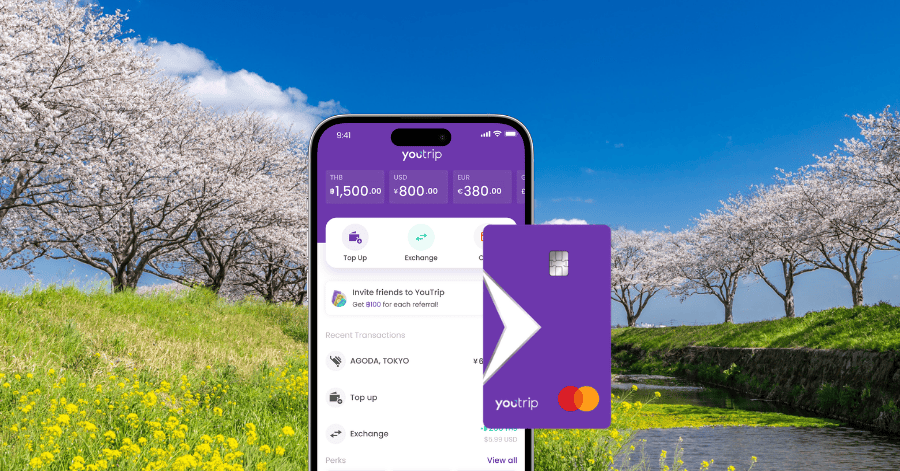
Most major stores and malls in Japan accept credit and debit cards. Smaller shops, izakayas, and markets are still often cash-only. Convenience stores accept IC cards (Suica, Pasmo) and most international card networks.
If you’re using a Singapore bank card, foreign transaction fees of 2.5–3.5% will quietly eat into whatever you saved on tax-free. Using YouTrip instead locks in the wholesale exchange rate with zero foreign transaction fees — meaning what you save on the tax refund, you actually keep.
📖 Related Guide: Japan Rail Pass (JR Pass): Prices, Calculator, Map & Full Guide
FAQs:
Skincare (Hada Labo, SK-II, Shiseido), snacks (Kit Kat regional flavours, matcha products, Calbee), luxury bags (Louis Vuitton after tax refund), cameras, and Japan-exclusive items like Pokémon cards and Hobonichi stationery.
These either don’t exist in Singapore or cost meaningfully more here.
Japanese skincare brands are significantly cheaper when bought at source. Louis Vuitton is around 15–17% cheaper after the tourist tax refund (the Speedy Bandoulière 30 is S$2,840 in Singapore; in Japan after tax refund you save S$400–S$480).
Electronics (cameras, especially) are cheaper when you opt for domestic models. Uniqlo and Muji are mildly cheaper with tax-free applied.
Yes, with some limits. Singapore’s personal duty-free allowance on goods is S$500 (or S$100 if you were away less than 48 hours). Alcohol and tobacco have separate limits. Food imports are generally fine for personal quantities — declare if in doubt.
5,000 JPY (~S$45) at a single store on the same calendar day. Bring your original passport. From November 2026, you pay first and claim the refund at the airport on departure.
Yes, if you know what you’re after. Japanese booster packs are cheaper than English equivalents, and certain promos are Japan-only.
Note: booster pack prices increase in May 2026 (from 180 JPY to 200 JPY per pack). Pull rates in Japanese boxes are fixed, which is actually more predictable than English packs.
Tokyo has the widest selection. Osaka tends to be slightly cheaper for food and everyday shopping. For regional specialities, go where the region is — Hokkaido dairy from Hokkaido, Uji matcha from Kyoto, Hakata ramen products from Fukuoka.
Your Suitcase Won’t Know What Hit It
Japan rewards the shopper who does a little homework. Know the tax-free rules, bring your passport everywhere, and allocate at least one morning to a pharmacy before you leave — you’ll fill a bag.
Not a YouTrooper yet? Sign up with <YTBLOG5> for a free YouTrip card + S$5 YouTrip credits!
Then, head over to our YouTrip Perks page for exclusive offers and promotions — we promise you won’t regret it. Join our Telegram (@YouTripSG) and Community Group (@YouTripSquad) for travel tips, event invites, and more!
Live your best life!
Related Articles:
35 Best Things To Do In Tokyo: Attractions, Food, Nightlife, Anime, Shopping
Sapporo, Hokkaido, Japan: The Ultimate Winter Wonderland Guide
Things To Do in Osaka: 30 Must-Dos, Food & Nightlife