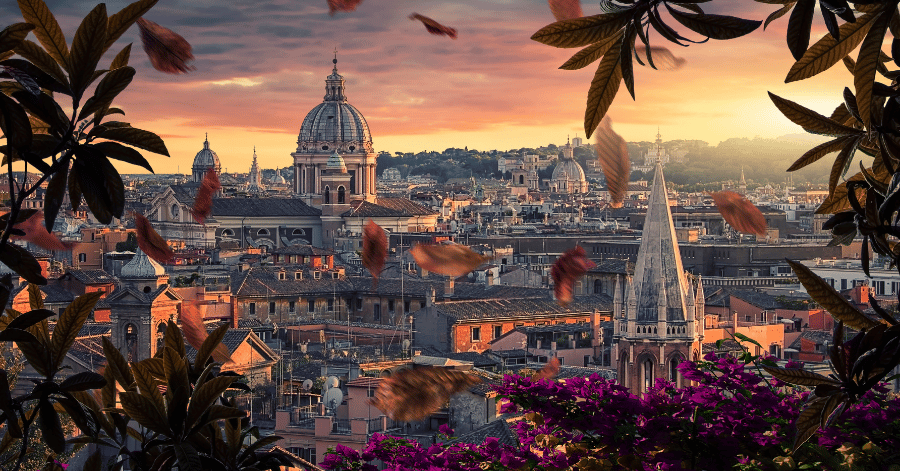



Looking for the best things to do in Paris?
You’re in for a treat. The City of Light never really goes out of style, and 2026 is a good year to be here. The Seine is swimmable again, Notre-Dame is back open after its restoration, and the café terraces are as busy as ever.
This guide covers the best things to do in Paris for a first trip: the landmarks worth queuing for, a sunset walk along the Seine, the view from Montmartre, and a croissant from a real neighbourhood bakery. It also covers where to stay and how to pay without losing money to bad exchange rates. Prices are in euros with a rough SGD equivalent, so you can plan the spend before you fly.
TL;DR: Best Things to Do in Paris (Quick Picks)
Short on time? These are the ones worth building a trip around:
| Paris Highlight | Best For | Cost |
|---|---|---|
| Eiffel Tower | The view you flew here for | From 14.80 EUR (~S$21) |
| The Louvre | The Mona Lisa and 35,000 others | 32 EUR (~S$46) |
| Musée d’Orsay | Monet, Van Gogh, Renoir under one clock | 16 EUR (~S$23) |
| Sainte-Chapelle | The best stained glass in the city | 22 EUR (~S$32) |
| Montmartre & Sacré-Cœur | Village lanes and the free hilltop view | Free |
| Seine River Cruise | Seeing every landmark in one hour | From 17 EUR (~S$24) |
| Palace of Versailles (day trip) | Royal excess, 40 minutes out | From 21 EUR (~S$30) |
Table of Contents
- What Is Paris Famous For?
- Best Time to Visit Paris
- Paris in 2026: What’s On
- How Many Days Do You Need in Paris?
- Is S$5,000 Enough for a Trip to Paris?
- 18 Best Things to Do in Paris
- Best Day Trips From Paris
- A 4-Day Paris Itinerary
- Paris Do’s and Don’ts for First-Timers
- Things to Do in Paris for Every Traveller
- Best Neighbourhoods to Explore in Paris
- What to Eat in Paris
- Where to Stay in Paris
- Getting To and Around Paris
- Paying in Paris: Cards, Cash and YouTrip
- FAQs
What Is Paris Famous For?
Paris is famous for its landmarks, art museums, café culture and fashion houses, all packed into a city small enough to cross on foot. In one afternoon, you can walk past a 12th-century cathedral, the world’s most visited museum and an iron tower that half the city once wanted torn down.
The short list of what defines it:
- Landmarks and architecture: the Eiffel Tower, Notre-Dame, Sacré-Cœur, the Arc de Triomphe, and mile after mile of cream-coloured Haussmann façades.
- Art and museums: the Louvre, the Musée d’Orsay and dozens more, from Monet’s water lilies to Rodin’s sculptures.
- Café and food culture: bakeries, bistros, cheese, wine and the national sport of people-watching from a terrace.
- Romance and atmosphere: the Seine at dusk, lamplit bridges and narrow lanes that earned it the “city of love” tag.
- Fashion and shopping: couture houses, the boutiques of Le Marais, and grand department stores like Galeries Lafayette.
If it’s your first time, that breadth can swallow a short trip. The city has more than anyone can see in one go, so the guide below sticks to the stops that actually earn a first-timer’s limited days.
Best Time to Visit Paris
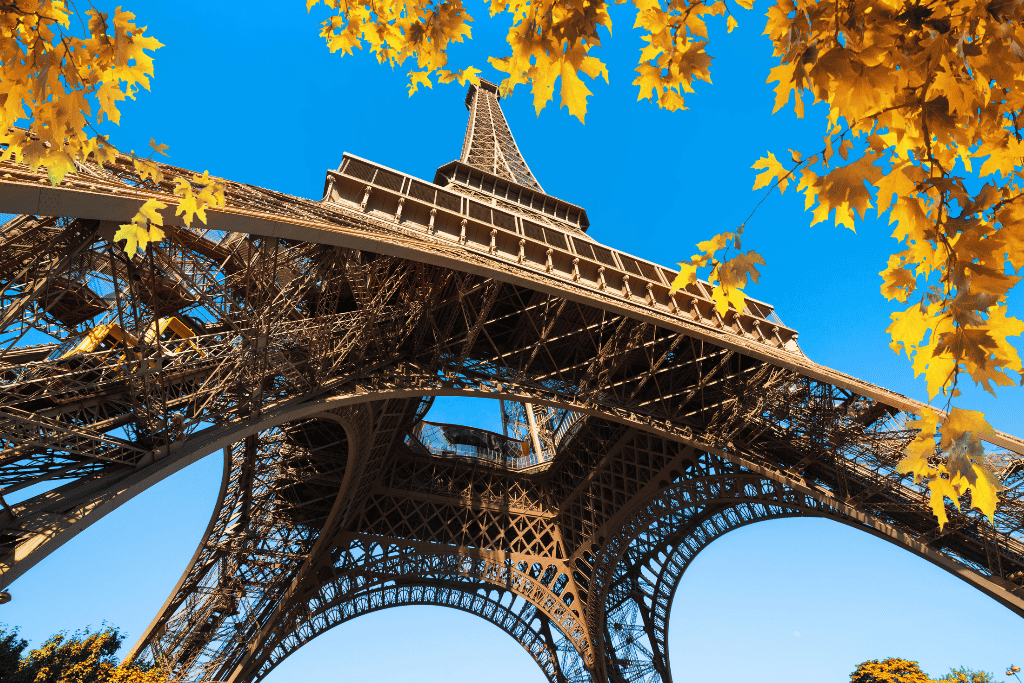
There’s no bad time to visit Paris, only trade-offs between weather, crowds and price.
- Late spring (May to June) and early autumn (September to October): mild days, long light, and thinner crowds than peak summer. The best all-round window for weather versus crowds.
- Summer (July to August): warm and lively, with the Seine swimming spots open and Paris Plages on the riverbanks. It’s also the busiest and priciest stretch, and heatwaves are increasingly common.
- December: cold and often grey, but the Christmas markets, lights and quieter museums make it properly atmospheric.
- January to February: the cheapest flights and hotels, if you don’t mind short days and damp weather.
Paris weather is mild rather than extreme: summers average around 25°C, winters hover near 5°C to 8°C, and rain can turn up in any season. Pack a light layer and something waterproof, whatever month you land in.
📖 Related Guide: Travelling in the colder months? Our Winter Wear Singapore guide covers where to buy or rent a proper coat before you fly.
Paris in 2026: What’s On
Paris doesn’t need an excuse to put on a show, but a few fixed dates are worth building a trip around, or avoiding.
- Bastille Day (14 July): fireworks light up the Eiffel Tower every year, with a military parade down the Champs-Élysées that morning.
- Paris Plages (4 July to 30 August 2026): the Seine’s banks and the Bassin de la Villette turn into a summer beach, deck chairs, sand and all.
- Paris Fashion Week (twice yearly): womenswear ready-to-wear runs late September into early October, with haute couture shows in January. Hotel rates spike both times, and the Marais gets crowded with the front-row crowd.
- Nuit Blanche: the city’s all-night contemporary art festival usually lands in October, though its 2026 edition moved to early June for a 25th-anniversary programme, so check that year’s dates before planning around it.
None of this needs to dictate your trip. But if you’d rather dodge a fashion-week price spike, or want to time a visit around the Bastille Day fireworks, now you know which weeks to watch.
How Many Days Do You Need in Paris?
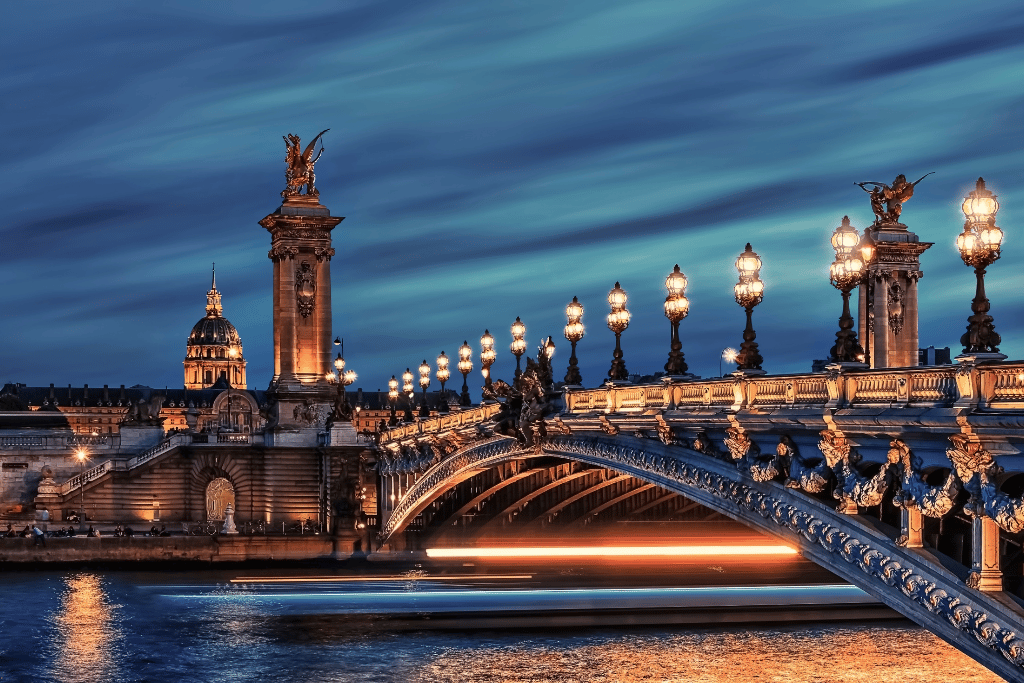
Most first-timers need 3 to 5 days, more if you’re adding a day trip. A rough guide by pace:
- 2 to 3 days: enough for the headline sights. The Eiffel Tower, the Louvre or Orsay, Notre-Dame and Île de la Cité, a Seine cruise and a wander through Montmartre.
- 4 to 5 days: the comfortable version. Add more museums, a Versailles day trip and unhurried time to just walk neighbourhoods.
- A week or more: room to slow down, take a second day trip like Giverny or Champagne, and treat Paris less like a checklist.
If it’s a first visit, resist the urge to cram. Locals will tell you the same thing: the best of Paris happens on the walk between the landmarks, not just at them.
Is S$5,000 Enough for a Trip to Paris?
Yes, comfortably, for a 5-day first trip if you’re not flying business class or booking a five-star.
A realistic per-person breakdown for two travellers sharing a mid-range hotel room:
| Expense | Daily Estimate | 5-Day Total |
|---|---|---|
| Flights (SIN–CDG return, economy) | — | 800–1,500 EUR (~S$1,150–2,160) |
| Hotel (mid-range, per person sharing) | 85 EUR (~S$122) | 425 EUR (~S$612) |
| Food (bakery breakfast, bistro lunch, sit-down dinner) | 60 EUR (~S$86) | 300 EUR (~S$432) |
| Attractions (1–2 paid sights a day) | 30 EUR (~S$43) | 150 EUR (~S$216) |
| Transport (Metro rides, airport transfer) | 10 EUR (~S$14) | 50 EUR (~S$72) |
| Total per person | ~1,725–2,425 EUR (~S$2,485–3,490) |
That leaves real headroom even at the higher end, so S$5,000 covers a comfortable 5-day trip with spare for shopping or an extra day trip to Versailles or Giverny. Flight prices swing the hardest with season and booking lead time. Check Google Flights closer to your actual dates, not the cheapest fare you spotted months ago.
Hotel estimate based on Paris’s current average 3-star rate of around 165 to 200 EUR per night, per Lavie Maison’s 2026 hotel-pricing data, split two ways. Flight range based on current Singapore Airlines SIN–CDG economy fares via Google Flights.
📖 Related Guide: France is in the Schengen Area, where travel insurance is mandatory for visa purposes. Our Best Travel Insurance Singapore guide compares 8 plans that meet the minimum cover.
18 Best Things to Do in Paris
Paris’s essential stops break into a short list of 18, grouped by area so you can string them together on foot. A few practical notes before the list: book the big-ticket sights (Eiffel Tower, Louvre, Catacombs) online in advance. If you’re hitting three or more paid museums, consider a Paris Museum Pass (2-day around 90 to 110 EUR / ~S$130–158, prices have been rising through 2026), since it skips most ticket queues.
One catch that trips up Singapore visitors in 2026: since January, several major sights (the Louvre, Sainte-Chapelle, the Arc de Triomphe and other national monuments) charge non-EEA visitors a higher entry price than EU residents. The prices below are the non-EEA rates you’ll actually pay, so budget for those.
There’s also one big closure to know: the Centre Pompidou shut in September 2025 for a five-year renovation and won’t reopen until 2030. Its modern-art collection is being shown at the Grand Palais and other partner venues in the meantime, so it’s off the first-timer list for now.
1. Eiffel Tower
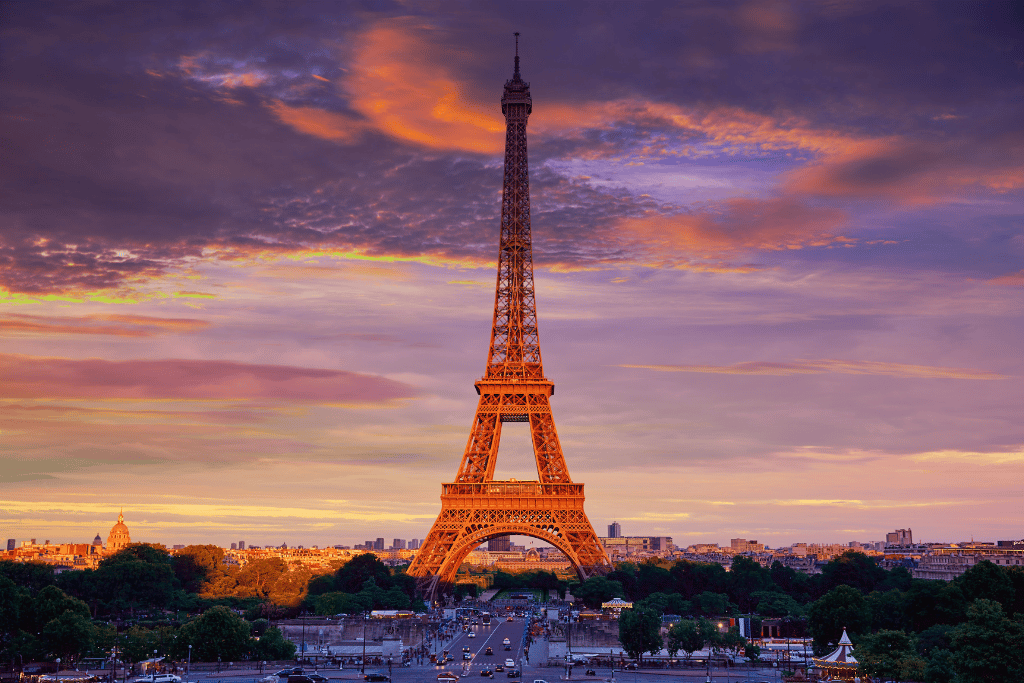
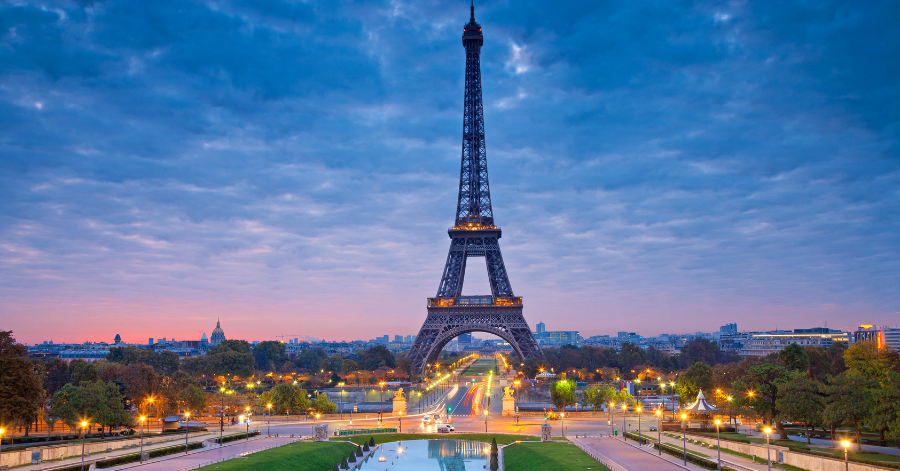
No Paris trip really starts until you’re standing under it. Built for the 1889 World’s Fair and once dismissed as an eyesore, the 330-metre Iron Lady is now the view everyone flies here for, with three levels and a glass of champagne waiting at the top if you want it.
The locals’ trick: the best photos of the tower aren’t from the tower, because you can’t see it once you’re on it. Save the climb if you’re short on time, and shoot it instead from Trocadéro across the river or the lawns of Champ de Mars. If you do go up, book ahead and aim for sunset, when the hourly light show sparkles on the hour after dark.
For the single best skyline view in the city, including the Eiffel Tower itself, locals send visitors up the unlovely Tour Montparnasse instead, a 15-minute Metro ride away.
- Address: Champ de Mars, 5 Avenue Anatole France, 75007 Paris
- Opening Hours: Daily, 9:30 AM to 11:45 PM
- Admission: From 14.80 EUR (~S$21) by stairs to level 2; around 36.70 EUR (~S$53) by lift to the summit
2. The Louvre
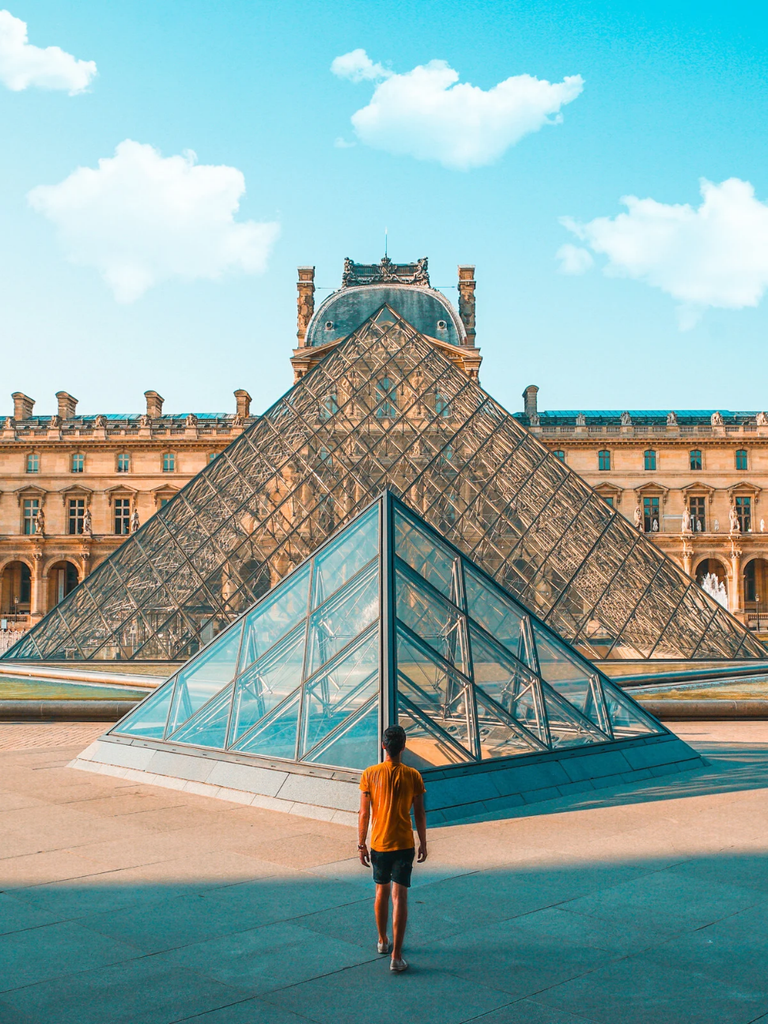
The world’s largest art museum holds over 35,000 works, the Mona Lisa and Venus de Milo among them, inside a former royal palace fronted by that glass pyramid. You could spend days here and still miss rooms.
So don’t try to see it all. Pick a wing, go early on a weekday, and know that the Mona Lisa herself is small, mobbed and, as most first-timers admit, a little anticlimactic. The building and the sheer scale of the collection are the real reward.
- Address: Rue de Rivoli, 75001 Paris
- Opening Hours: 9 AM to 6 PM, until 9 PM on Wednesday and Friday; closed Tuesday
- Admission: 32 EUR (~S$46) for non-EEA visitors (22 EUR for EU residents)
3. Musée d’Orsay
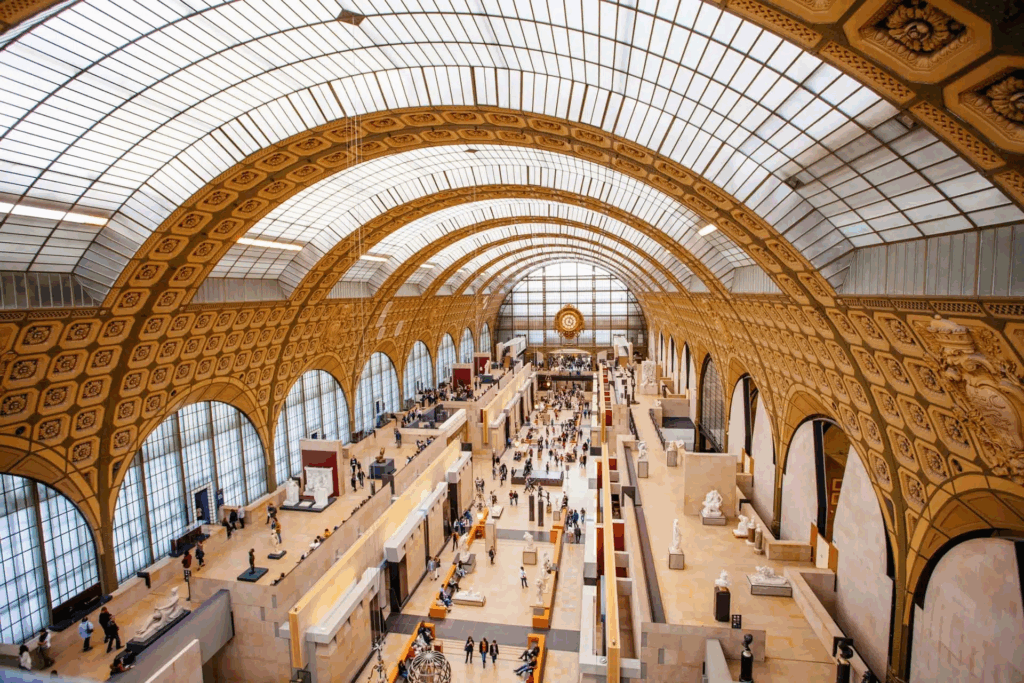
Image Credits: Paris
The Musée d’Orsay is the museum to love if the Louvre overwhelms. Set inside a grand former railway station, it holds one of the world’s best collections of Impressionist and Post-Impressionist art, with Monet, Van Gogh, Degas and Renoir all in one place. The top-floor café behind the giant clock face is a photo in itself.
It’s big enough to satisfy and small enough to finish, which makes it the ideal pick for anyone who wants one proper art day without museum fatigue.
- Address: Esplanade Valéry Giscard d’Estaing, 75007 Paris
- Opening Hours: 9:30 AM to 6 PM, until 9:45 PM on Thursday; closed Monday
- Admission: 16 EUR (~S$23)
4. Sainte-Chapelle
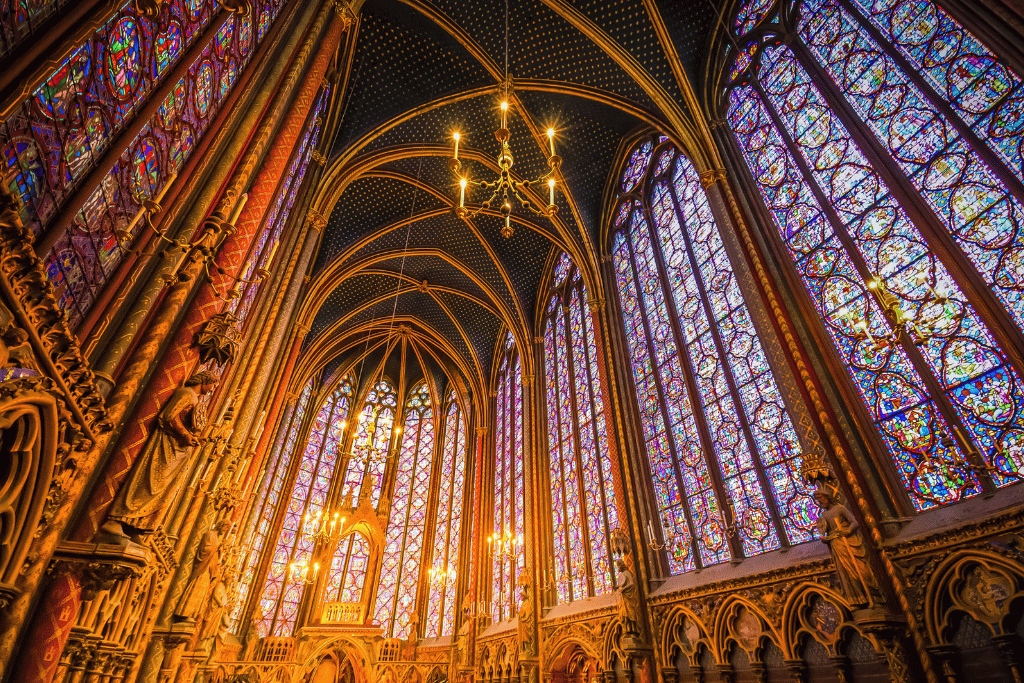
Sainte-Chapelle holds the single most striking stained-glass interior in Paris, and most first-timers walk straight past it. Tucked on Île de la Cité, this 13th-century royal chapel wraps you in 15 towering windows that turn the upper level into a kaleidoscope on a sunny afternoon.
Go on a bright day and time it for early or late light. It’s compact, so queues move, and a combo ticket pairs it with the Conciergerie next door if you want the history to go with the glass.
- Address: 10 Boulevard du Palais, 75001 Paris
- Opening Hours: 9 AM to 5 PM (until 7 PM in summer); check seasonal closures
- Admission: 22 EUR (~S$32) for non-EEA visitors (16 EUR for EU residents); combo with the Conciergerie around 30 EUR (~S$43)
5. Notre-Dame Cathedral & Île de la Cité
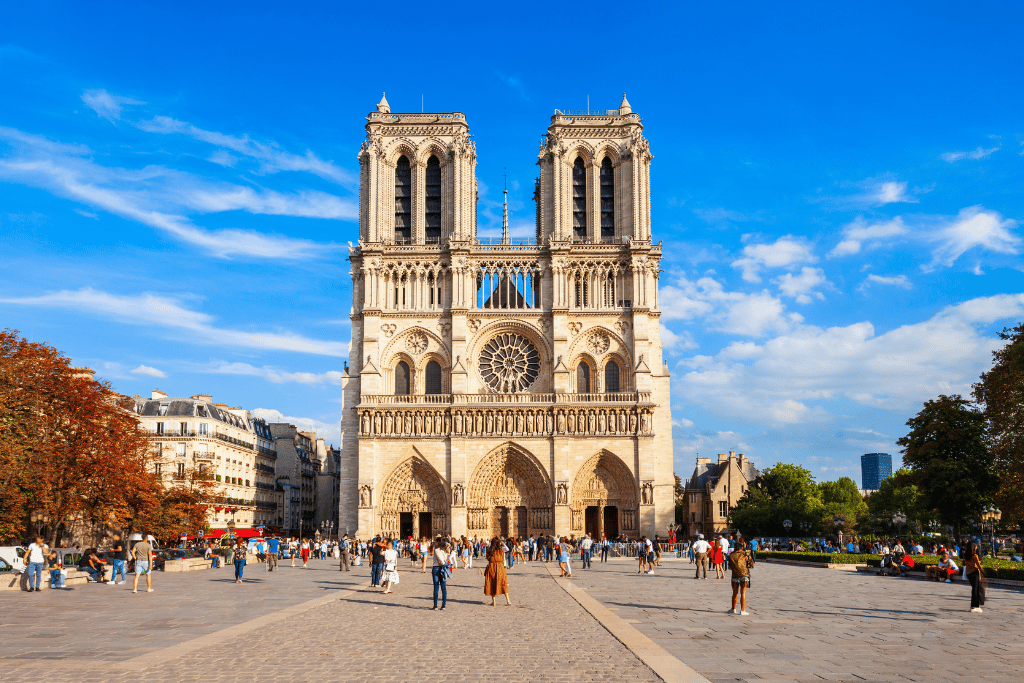
Reopened in December 2024 after the 2019 fire, Notre-Dame is once again the beating heart of Paris. The Gothic cathedral sits on Île de la Cité, the island where the city was founded over 2,000 years ago, and entry to the restored interior is free.
Entry is walk-in, but booking a free timed slot through the official app is worth it to skip the worst of the queue, especially from April to October.
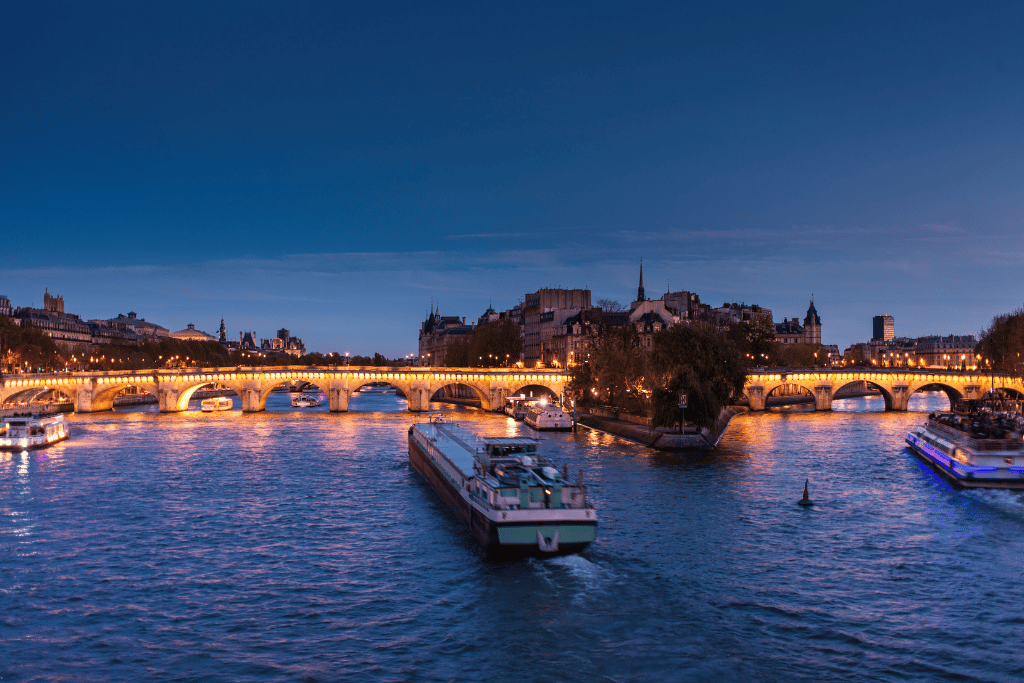
From there, wander the island itself: Sainte-Chapelle, the Conciergerie, the bookstalls along the Seine, and Pont Neuf, the oldest bridge in the city. The bell towers reopened in September 2025 too, though those need a separate ticket (around 16 EUR / ~S$24) and a compulsory reservation.
- Address: 6 Parvis Notre-Dame, Place Jean-Paul II, 75004 Paris
- Opening Hours: Roughly 8 AM to 7 PM daily; hours vary with services
- Admission: Free (cathedral interior); towers around 16 EUR (~S$23)
6. Seine River Cruise
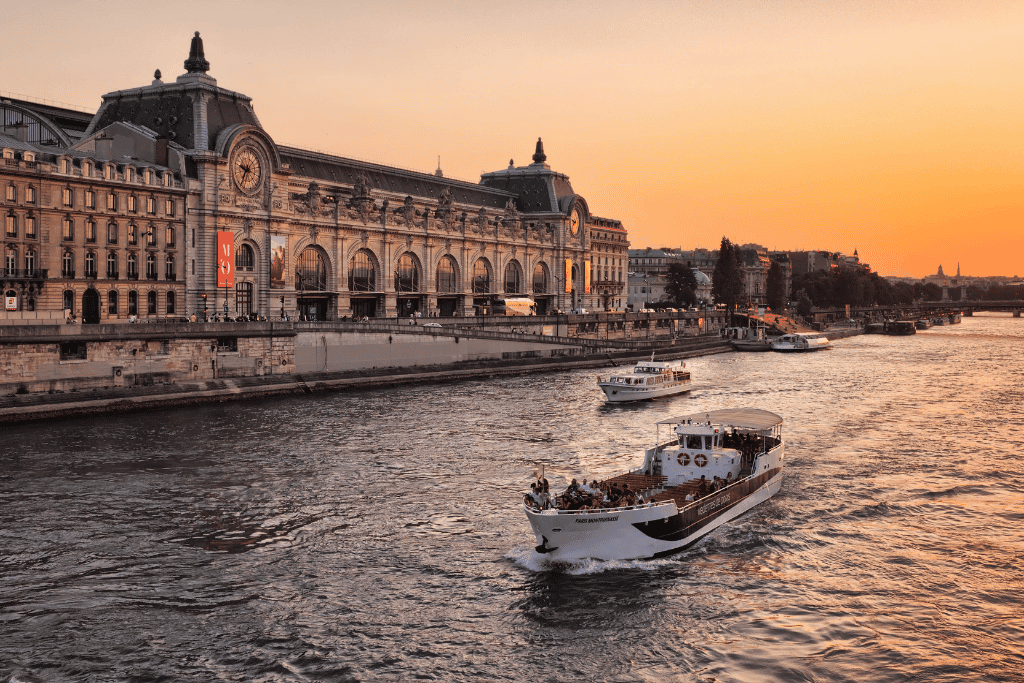
A one-hour cruise is the laziest, loveliest way to see half the city at once, gliding past the Eiffel Tower, the Louvre, Notre-Dame and a parade of bridges while someone else does the walking. Evening sailings add dinner and the lit-up skyline.
For a fraction of the price, you can get the same views for free with a sunset walk along the Seine’s banks, which locals will tell you is the single best free thing to do in Paris. Do one, or do both.
- Address: Boarding at Port de la Bourdonnais (Eiffel Tower) or Pont de l’Alma
- Opening Hours: Multiple daily departures, roughly 10 AM to 10:30 PM
- Admission: From 17 EUR (~S$24), more for dinner cruises
7. Montmartre & Sacré-Cœur
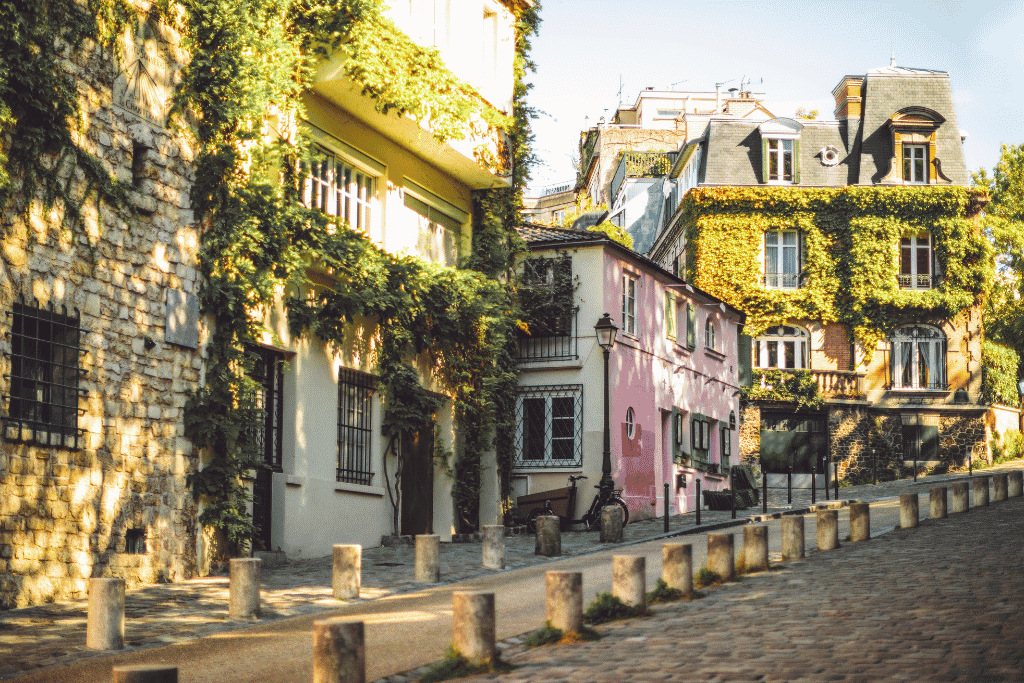
Perched on the city’s highest hill, Montmartre keeps just enough of its bohemian, artists’-village past under the tourist crowds. Wander the cobbled lanes, the painters’ square at Place du Tertre and the postcard corners around La Maison Rose, then climb to the white domes of Sacré-Cœur for one of the best free views in Paris.
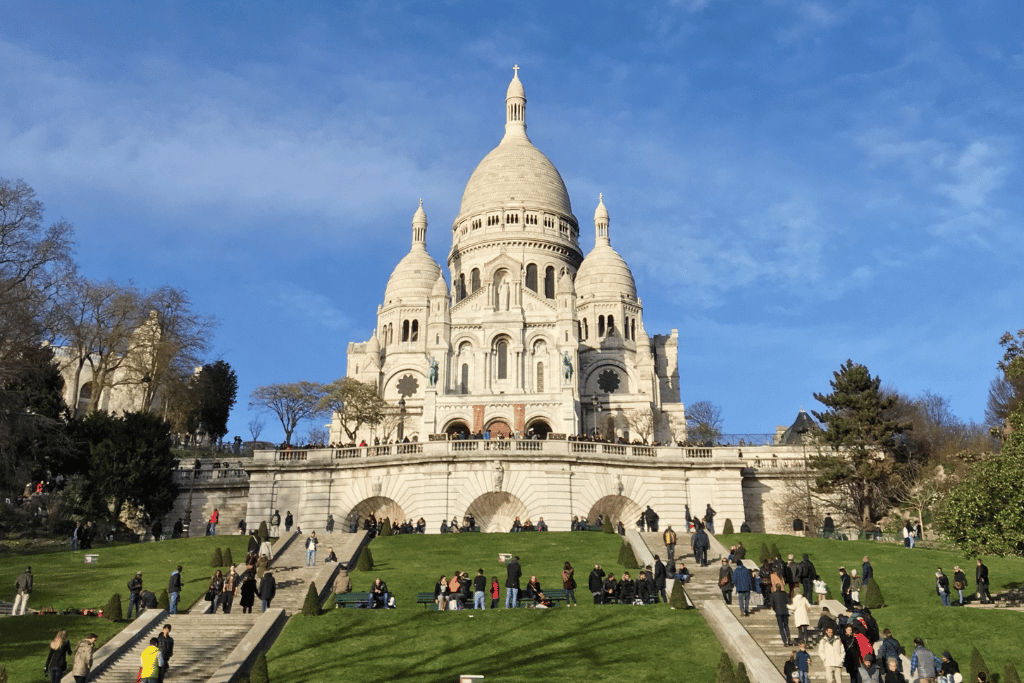
Come early, ideally by 9 AM, to beat the crowds and the pushy bracelet sellers on the basilica steps (a firm “non” and keep walking). It’s the neighbourhood that best rewards aimless wandering, so leave time to get lost.
- Address: 35 Rue du Chevalier de la Barre, 75018 Paris
- Opening Hours: Basilica 6:30 AM to 10:30 PM daily
- Admission: Free; dome access around 8 EUR (~S$12)
8. Arc de Triomphe & Champs-Élysées
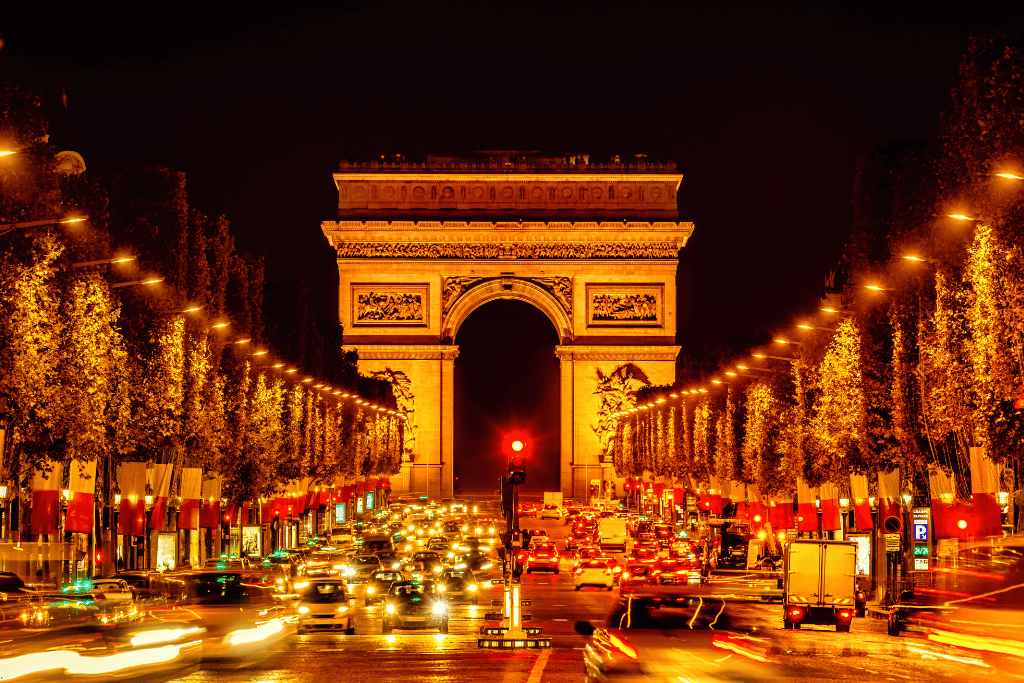
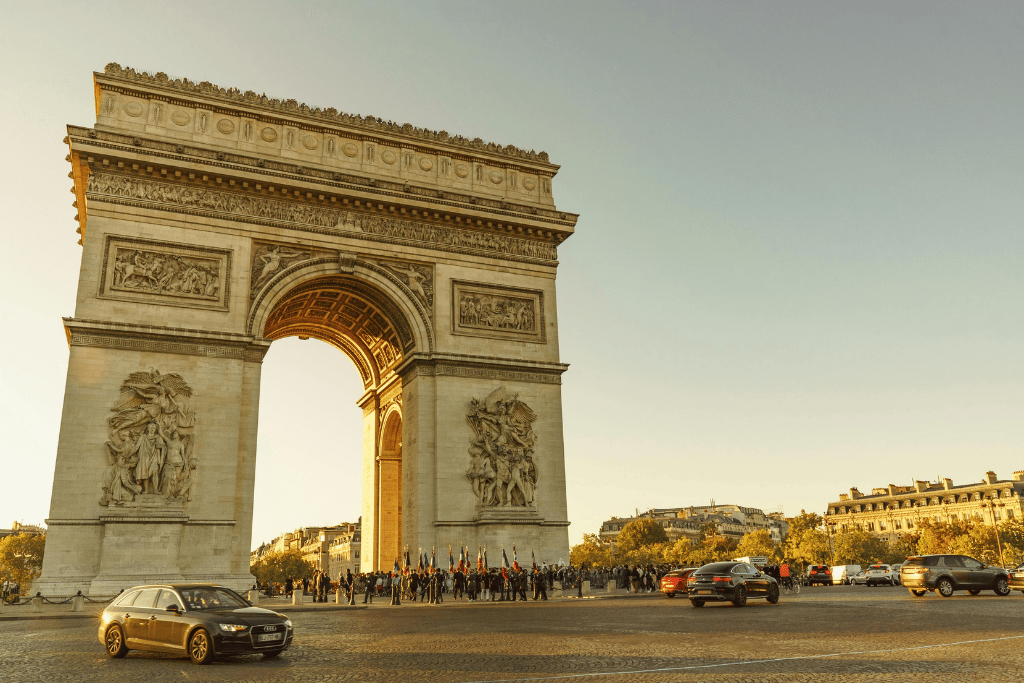
Napoleon’s triumphal arch anchors the western end of the Champs-Élysées, Paris’s most famous boulevard. Most people snap it from the ground, but far fewer climb the 284 steps to the rooftop, which is a shame, because the view down all twelve radiating avenues at sunset is one of the city’s best.
The Champs-Élysées itself is more spectacle than shopping these days, heavy on flagship stores and tourist prices. Walk it once for the grandeur, then do your actual shopping elsewhere.
- Address: Place Charles de Gaulle, 75008 Paris
- Opening Hours: 10 AM to 10:30 PM most days (11 AM on Tuesdays; until 11 PM April to September)
- Admission: Rooftop 22 EUR (~S$32) in peak season (April to September), 16 EUR (~S$23) off-peak; free for EU residents under 26
9. Palais Garnier (Opéra Garnier)
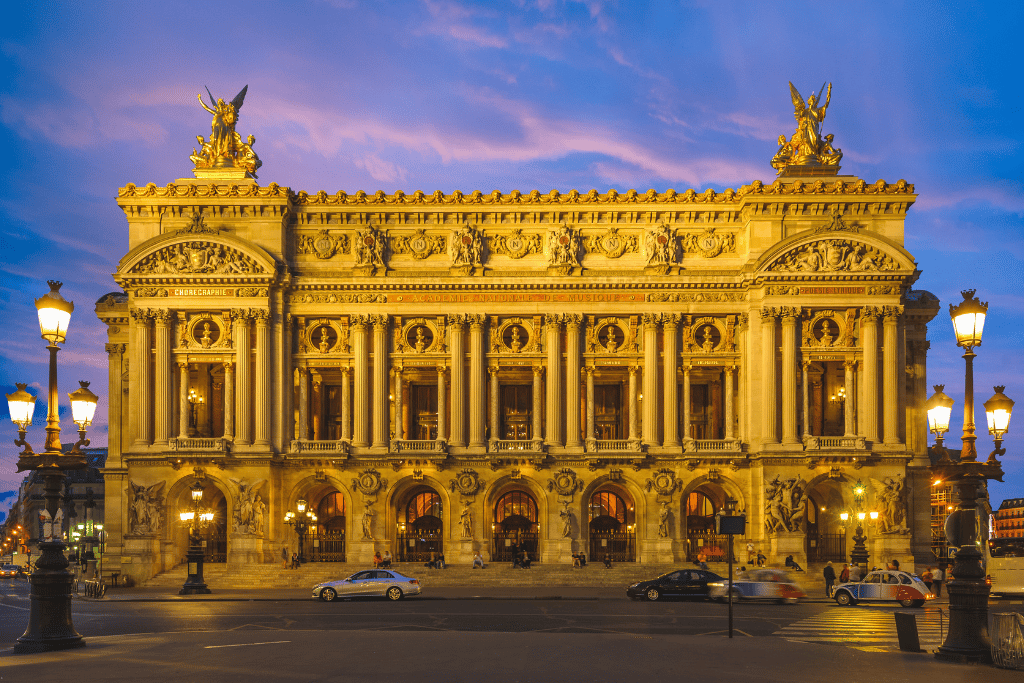
The real-life setting of The Phantom of the Opera doesn’t need a show ticket to visit. Behind the ornate façade wait a sweeping marble staircase, a Chagall-painted ceiling and enough gilt and chandelier to make Versailles blush.
Book a self-guided daytime visit and give it an hour. For anyone who loves architecture or a bit of drama, it’s a quieter, cheaper thrill than half the museums.
- Address: Place de l’Opéra, 75009 Paris
- Opening Hours: 10 AM to 3:30 PM daily (until 4:30 PM in August; varies on performance days)
- Admission: Self-guided visit 15 EUR (~S$22) for EU residents; 25 EUR (~S$36) for non-EEA visitors
10. Jardin des Tuileries & Musée de l’Orangerie
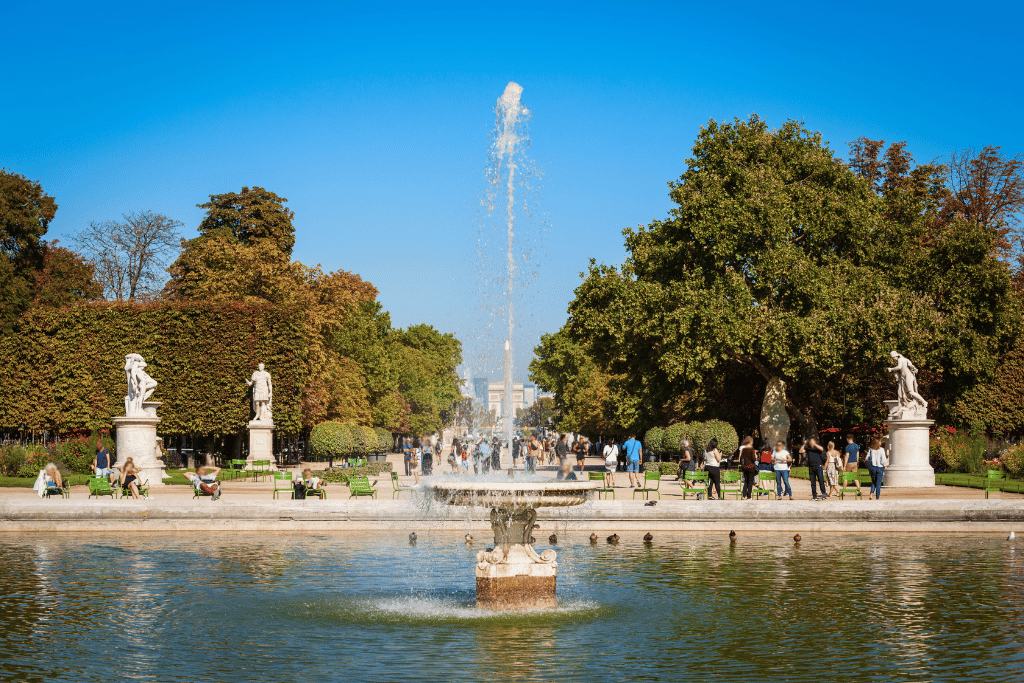
Between the Louvre and Place de la Concorde, the Tuileries is the manicured heart of Paris: statues, fountains and green metal chairs made for an afternoon sit. Entry is free, and in summer a small funfair sets up along the paths.
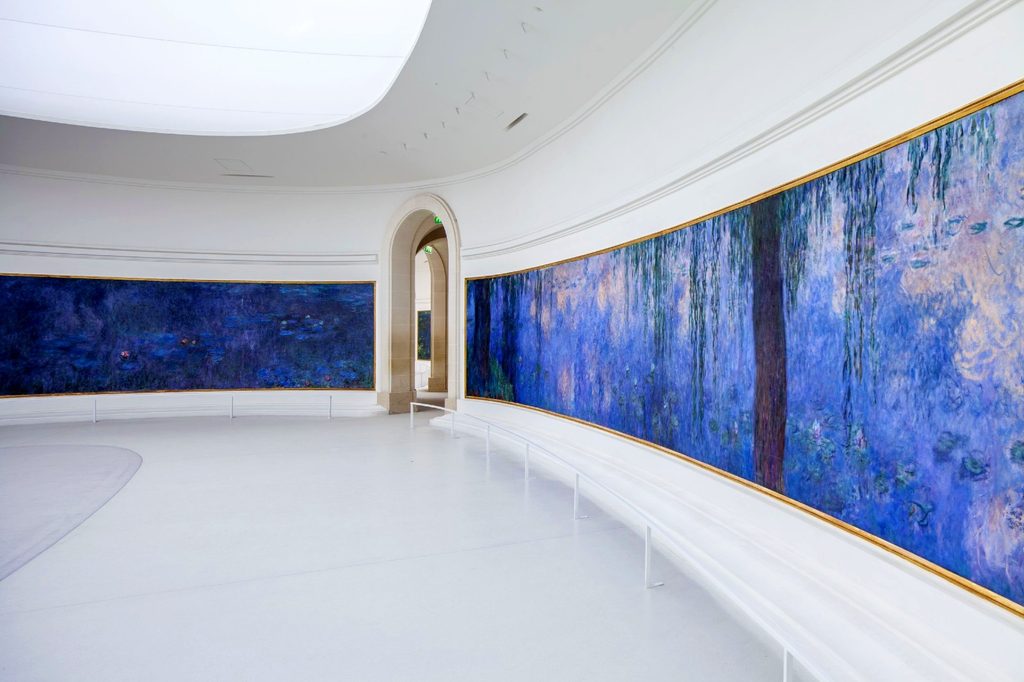
Image Credits: France
Tucked in the corner is the Musée de l’Orangerie, home to Monet’s giant Water Lilies displayed in two oval rooms built to wrap around you. It’s a short, unhurried visit and one of the most moving art experiences in the city, perfect if the mega-museums feel like too much.
- Address: Place de la Concorde, 75001 Paris
- Opening Hours: Gardens from 7 AM to dusk; Orangerie 9 AM to 6 PM, closed Tuesday
- Admission: Gardens free; Orangerie 12.50 EUR (~S$18)
11. Le Marais & Place des Vosges
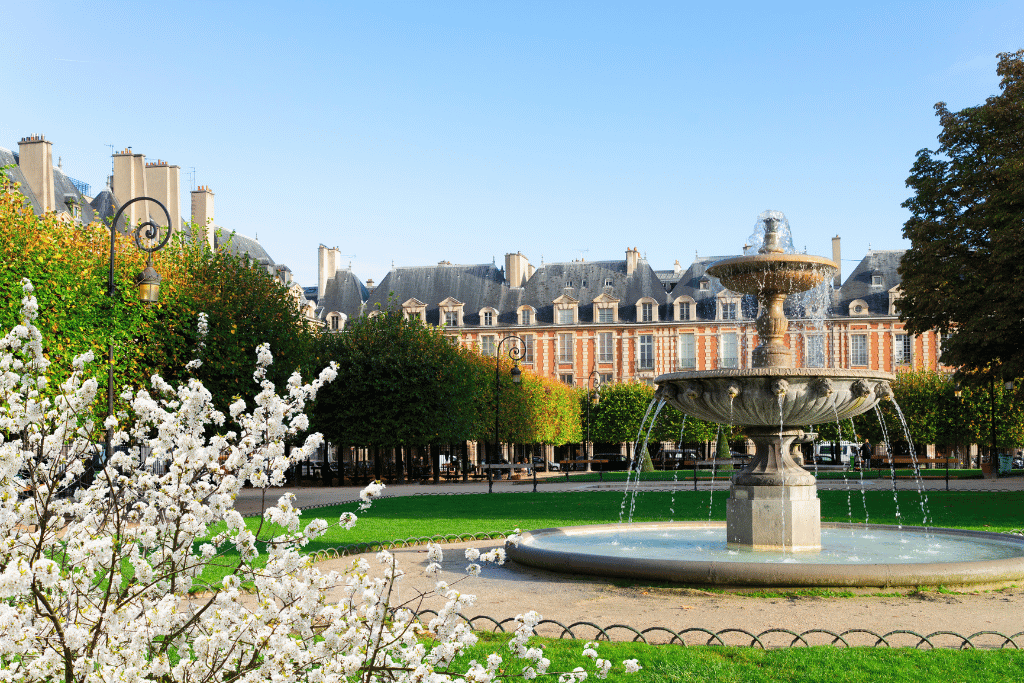
The Marais is Paris at its most walkable and eclectic: medieval lanes, mansions turned museums, vintage shops, falafel counters and a lively LGBTQ+ scene all in a few blocks. It’s the neighbourhood to shop, snack and simply drift through.
At its heart sits Place des Vosges, the oldest planned square in the city and one of its prettiest. Duck through the arcades, find Victor Hugo’s former house in the corner, and picnic on the lawn like the locals do.
- Address: 3rd and 4th arrondissements, Paris
- Opening Hours: Open area; most shops 10 AM to 7 PM
- Admission: Free
12. Latin Quarter & the Panthéon
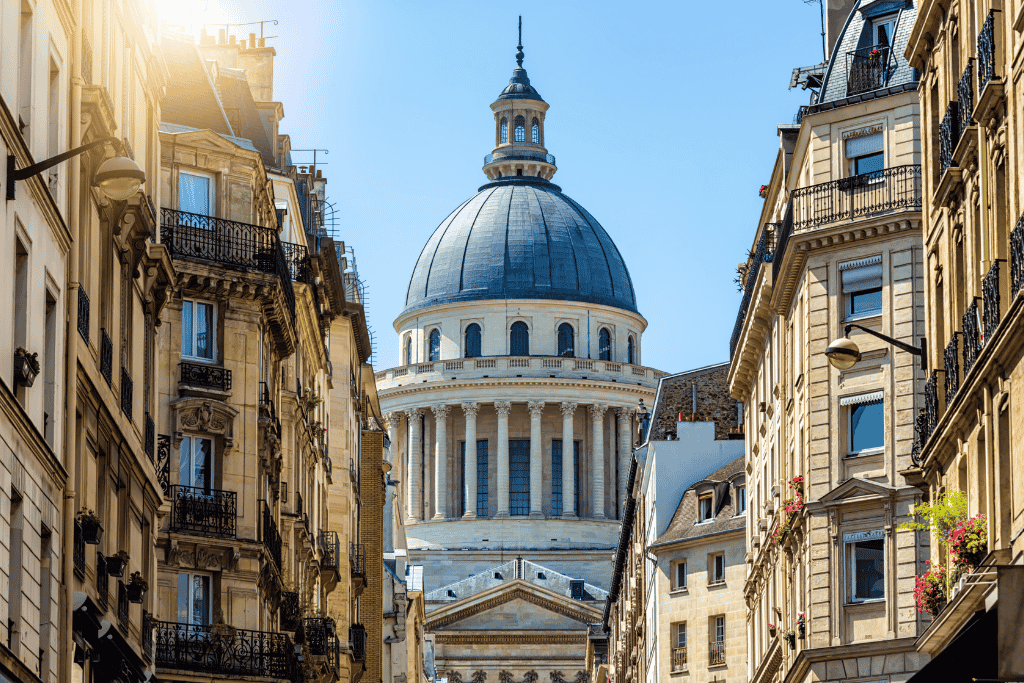
South of the river, the Latin Quarter is the city’s old student district, all narrow cobbled streets, cheap eats and centuries of history around the Sorbonne. It’s made for wandering with a coffee in hand.
Crowning it is the Panthéon, a neoclassical mausoleum where France buries its heroes, from Marie Curie and Voltaire to Victor Hugo. Nearby, don’t miss the free Saint-Étienne-du-Mont church next door, Shakespeare and Company bookshop by the Seine, and the medieval treasures of the Musée de Cluny.
- Address: Place du Panthéon, 75005 Paris
- Opening Hours: Panthéon 10 AM to 6 PM daily (until 6:30 PM in summer)
- Admission: Latin Quarter free; Panthéon around 13 EUR (~S$19), with a small seasonal premium in high season. Check the current rate on the Panthéon’s official site before booking!
13. Luxembourg Gardens
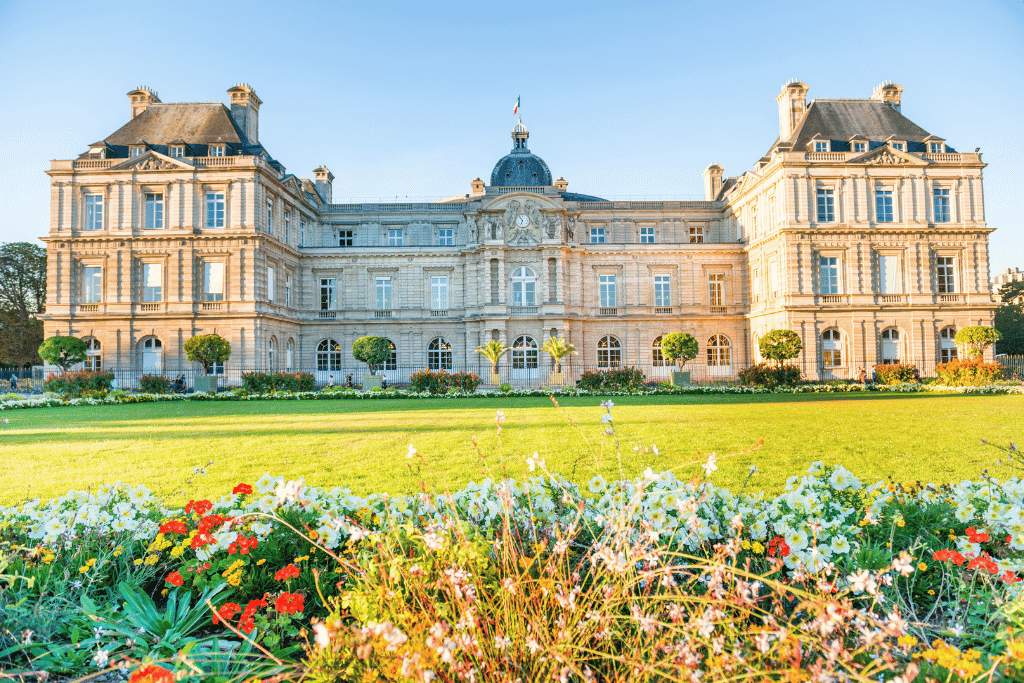
The Jardin du Luxembourg is the city’s most beloved park, and the one Parisians actually use. Locals jog, picnic and read in its famous moveable chairs, kids sail toy boats on the central pond, and the elegant Luxembourg Palace (now the French Senate) presides over it all.
It’s free, central and endlessly pleasant, which makes it the perfect midday reset between sights, or the best spot in Paris to do absolutely nothing for an hour.
- Address: Rue de Médicis, 75006 Paris
- Opening Hours: 7:30 AM to around 8:15 PM (varies by season)
- Admission: Free
14. Musée Rodin
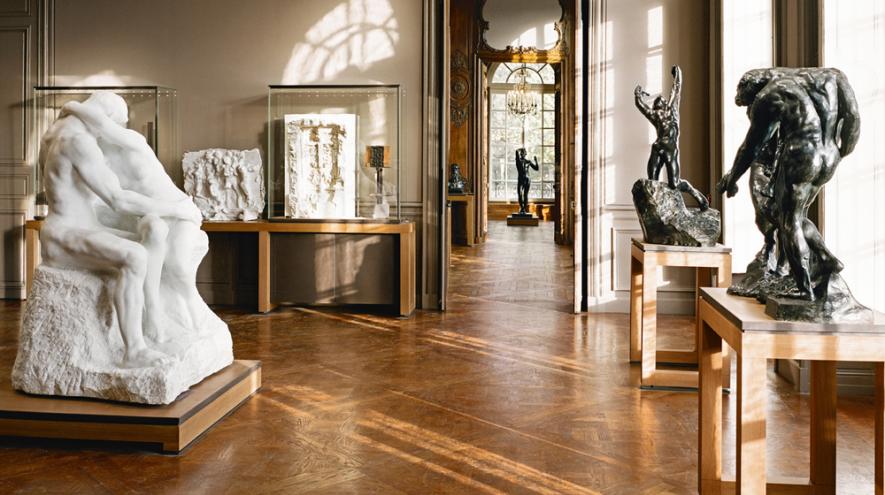
Image Credits: Musée Rodin
One of the loveliest small museums in Paris sits inside an 18th-century mansion with a sculpture garden to match. This is where you’ll find Rodin’s greatest hits in the flesh: The Thinker, The Kiss and The Gates of Hell, many of them displayed outdoors among the roses.
If you’re short on time or budget, look for the cheaper garden-only ticket sold on-site; strolling the grounds with The Thinker for company is a gentler, greener way to spend an hour than another crowded gallery.
- Address: 77 Rue de Varenne, 75007 Paris
- Opening Hours: 10 AM to 6:30 PM, closed Monday
- Admission: 14 EUR (~S$20); cheaper garden-only ticket sold on-site
15. Catacombs of Paris
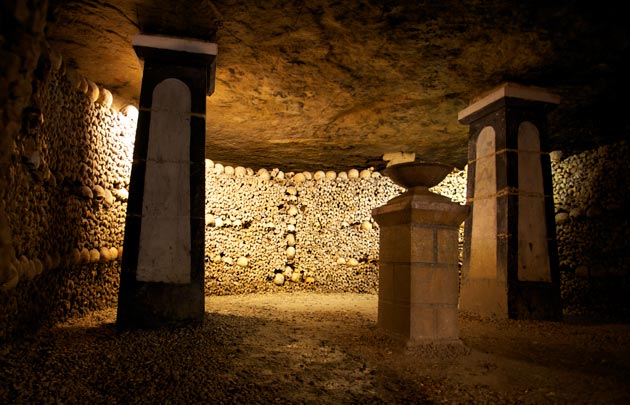
Image Credits: Office de Tourisme de Paris
For something genuinely eerie, descend 131 steps into the world’s largest ossuary, a maze of tunnels beneath the 14th arrondissement lined with the neatly stacked bones of around six million Parisians. It’s a cool 14°C down there year-round.
Book online well ahead: tickets are timed, queues are long, and walk-up spots are limited. Bring a jacket and comfortable shoes for the roughly 1.5-kilometre circuit, and skip it if tight, dark spaces aren’t your thing.
- Address: 29 Avenue du Colonel Henri Rol-Tanguy, 75014 Paris
- Opening Hours: 9:45 AM to 8:30 PM, closed Monday
- Admission: 31 EUR (~S$45) online, including audio guide
16. Galeries Lafayette
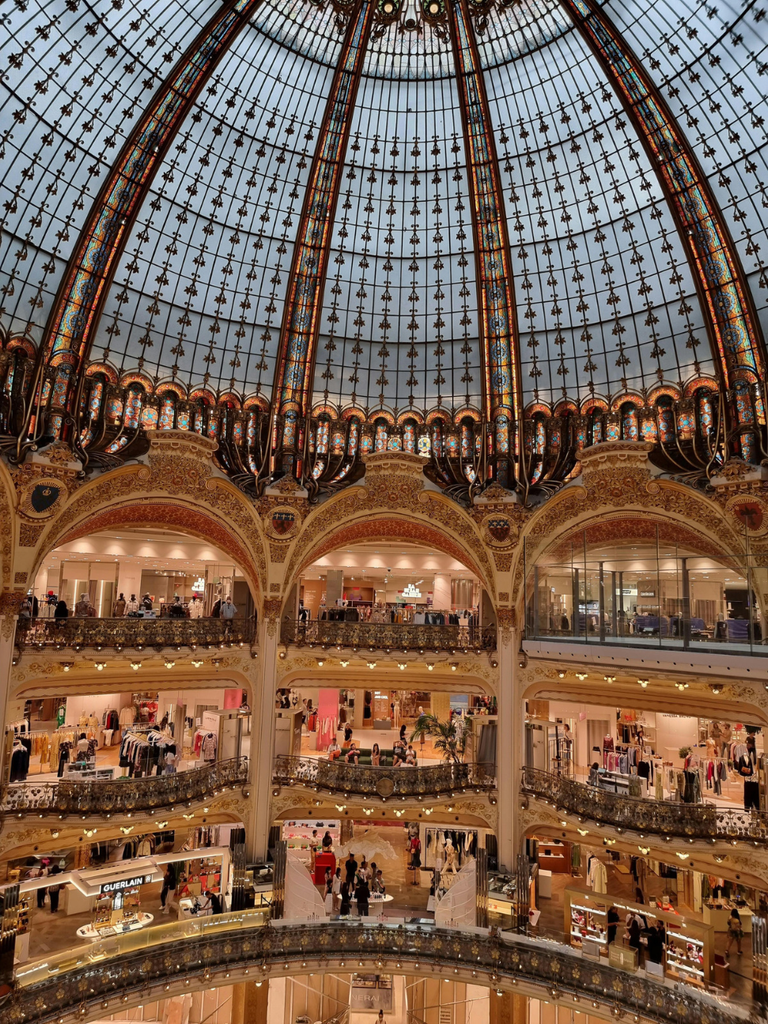
Even if designer shopping isn’t your thing, the flagship Galeries Lafayette is worth a look for the building alone: a Belle Époque glass dome soaring over a central atrium ringed with balconies. It’s part department store, part architectural showpiece.
Head up to the free rooftop terrace for a sweeping, no-ticket view over the Paris skyline with the Opéra and Eiffel Tower in the frame. Go early, since word is well and truly out.
- Address: 40 Boulevard Haussmann, 75009 Paris
- Opening Hours: Monday to Saturday 10 AM to 8:30 PM; Sunday 11 AM to 8 PM
- Admission: Free
17. Canal Saint-Martin
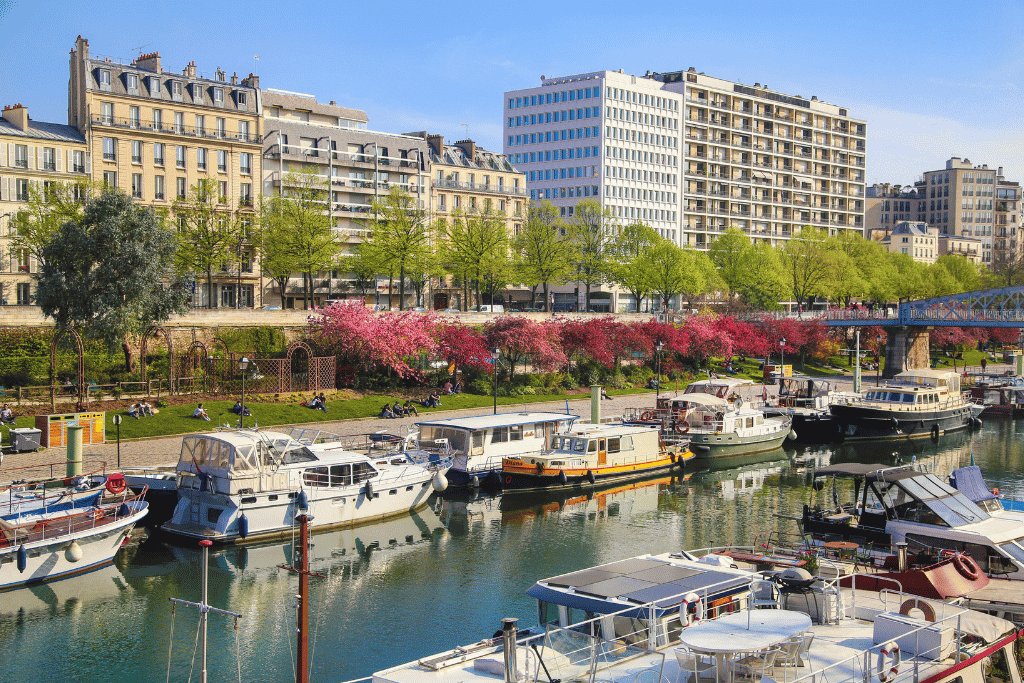
For a Paris that feels lived-in rather than photographed, head to the tree-lined Canal Saint-Martin in the 10th. This is where locals gather for canal-side picnics, drinks and slow afternoons, far from the tour-bus crowds. Fans of Amélie will recognise the spot where she skips stones.
Come in the late afternoon, grab something from a nearby shop, and join the row of people perched along the water. It’s less a sight to tick off than a mood to settle into.
- Address: Quai de Valmy / Quai de Jemmapes, 75010 Paris
- Opening Hours: Open area, best in daylight and early evening
- Admission: Free
18. Père Lachaise Cemetery
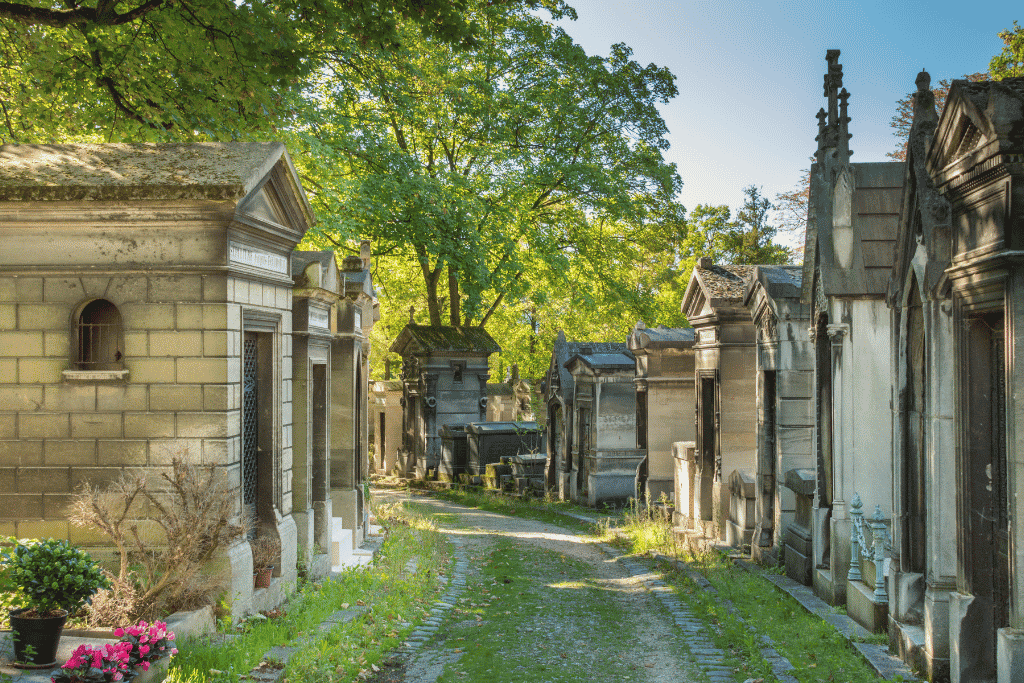
The most peaceful place on this list is, oddly, a cemetery. Père Lachaise is a hilly, tree-shaded open-air museum where cobbled paths lead to the graves of Jim Morrison, Oscar Wilde, Édith Piaf and Frédéric Chopin, among thousands of others.
Grab a map at the entrance so you don’t wander in circles, and give it an hour. It’s a quiet, atmospheric break from the city’s buzz, and one of the best free things to do in eastern Paris.
- Address: 16 Rue du Repos, 75020 Paris
- Opening Hours: 8 AM to 6 PM (until 5:30 PM in winter)
- Admission: Free
📖 Related Guide: Stacking more of Europe onto this trip? Our Dolomites Travel Guide covers another easy add-on for a longer itinerary.
Best Day Trips From Paris
Paris is a superb base for a day out, with fast trains fanning across the Île-de-France region and beyond. All four below are within about an hour by train and need no advance planning beyond a ticket.
Palace of Versailles
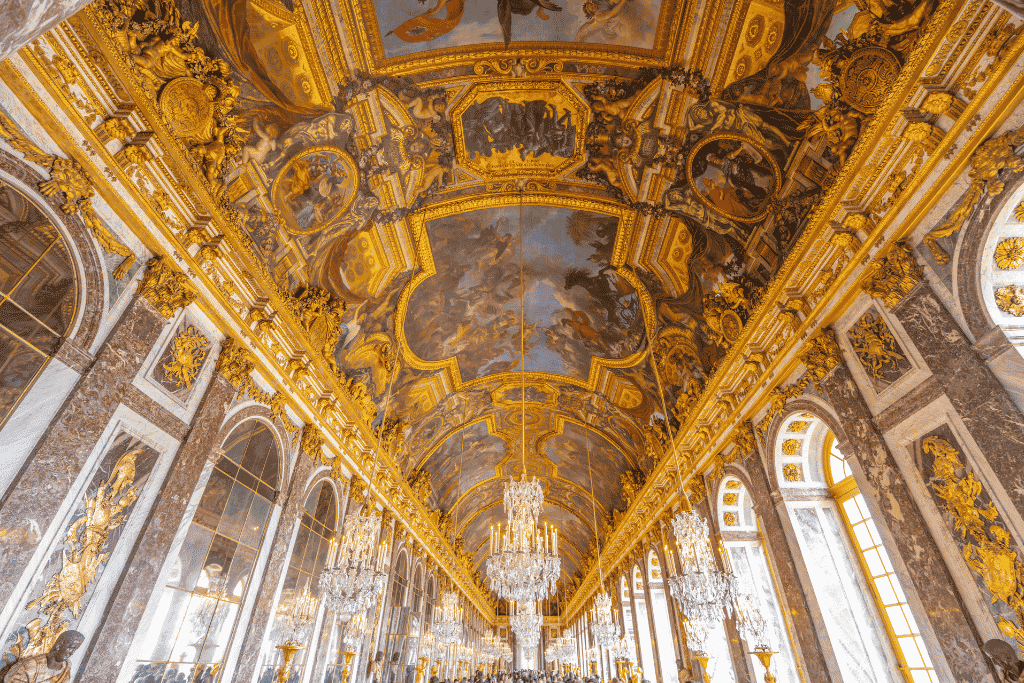
Versailles is the obvious day trip, and worth every queue. Louis XIV’s palace is a masterclass in royal excess: the mirror-lined Hall of Mirrors, the state apartments and the vast formal gardens designed by Le Nôtre. Save time for Marie Antoinette’s estate, a quieter, more human corner of the grounds.
Go on a weekday morning to dodge crowds, and give it at least half a day. It’s about 40 minutes out on the RER C (note: that line’s Versailles branch is closed for works from 15 July to 22 August 2026, so check for a replacement bus or take a Transilien train from Paris instead).
- Getting there: RER C to Versailles Château Rive Gauche, around 40 minutes
- Admission: Palace from 21 EUR (~S$30); whole-estate Passport from 25 EUR (~S$36) in low season to 35 EUR (~S$50) in high season
Giverny (Monet’s Garden)
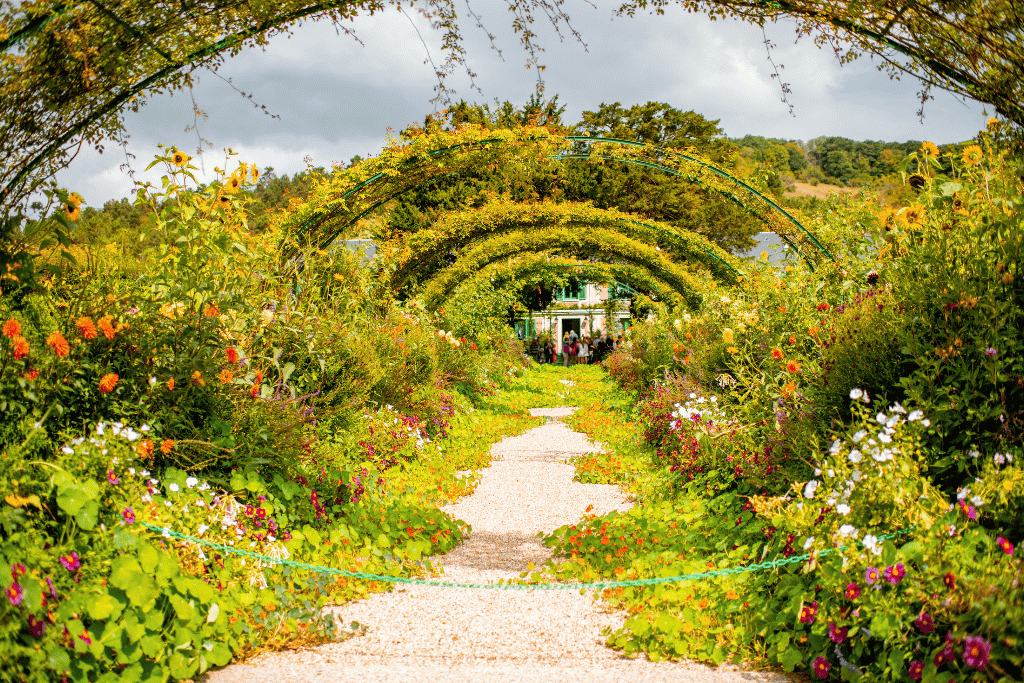
Between April and November, Monet’s house and water-lily gardens make the loveliest day trip from Paris. Walk the Japanese bridge and flower beds that inspired the paintings you’ll have just seen at the Orangerie and Orsay, then wander the pretty village around them.
It’s about an hour by train to Vernon, then a short shuttle or cycle to the gardens.
- Getting there: Train to Vernon-Giverny (~45 minutes), then shuttle bus
- Admission: Around 13 EUR (~S$19); open April to November only
Disneyland Paris

Image Credits: Disneyland Paris
Europe’s biggest theme park sits just 40 minutes east of the city on the RER A, making it an easy day out for families or anyone after a break from museums. Two parks, plenty of rides, and the familiar castle centrepiece.
Prices swing with the date, so book online in advance and pick a weekday if you can.
- Getting there: RER A to Marne-la-Vallée–Chessy, around 40 minutes
- Admission: One-park tickets from around 56 to 62 EUR (~S$81–89), date-dependent
Champagne (Reims & Épernay)
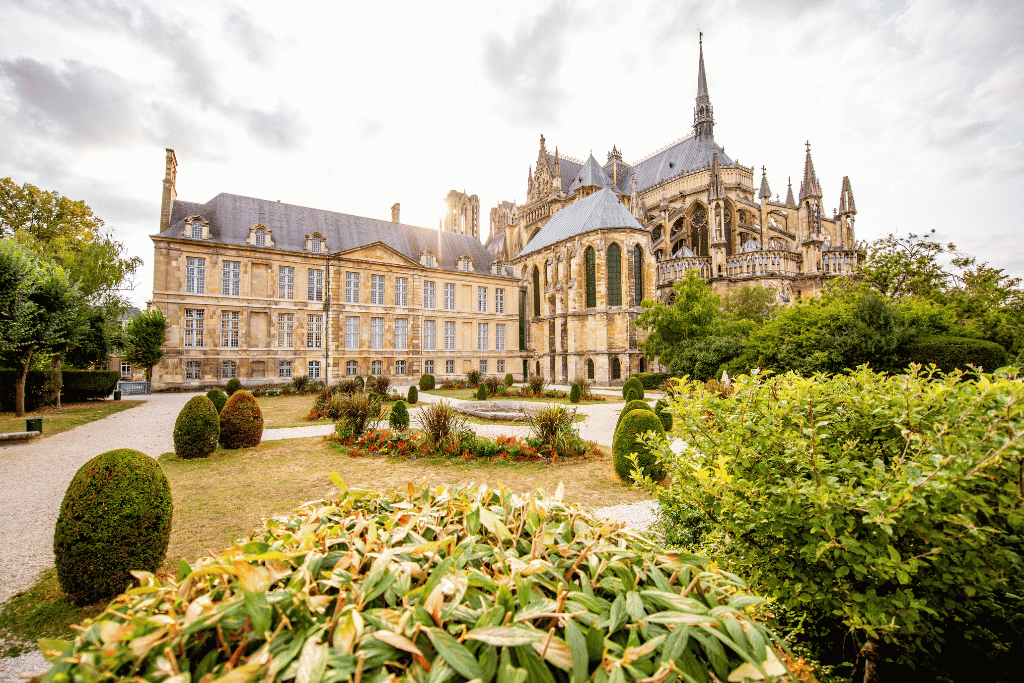
For a grown-up day trip, the Champagne region is under an hour away by high-speed train. Tour the cellars of the big houses in Reims and Épernay, taste at the source, and see the soaring Gothic cathedral where French kings were once crowned.
Book a cellar tour ahead, and if you’re driving the region’s quieter estates, sort your paperwork first.
- Getting there: TGV from Paris Gare de l’Est to Reims, around 45 minutes
- Admission: Cellar tours and tastings vary widely by house, roughly 25 to 50 EUR (~S$36–72). ⚠️ Check the specific house’s own site before booking, since entry-level and premium tastings differ a lot.
📖 Related Guide: Planning to drive between the villages? Sort an International Driving License in Singapore before you go.
A 4-Day Paris Itinerary
Four days is enough to hit the icons without sprinting, if you group stops by area instead of criss-crossing the city.
- Day 1 — Île de la Cité and the Eiffel Tower: Notre-Dame and Île de la Cité in the morning, Sainte-Chapelle next door, then the Eiffel Tower and a sunset Seine cruise to close the day.
- Day 2 — Museums: the Louvre first thing (book ahead, closed Tuesdays), then the Tuileries and Musée de l’Orangerie next door, finishing at the Arc de Triomphe and Champs-Élysées for the evening view.
- Day 3 — Montmartre and the canals: Montmartre and Sacré-Cœur early, before the crowds and the bracelet sellers arrive, then Palais Garnier, and an evening picnic along Canal Saint-Martin.
- Day 4 — Latin Quarter, or a day trip: the Latin Quarter, Panthéon and Luxembourg Gardens for a slower final day, or swap the whole day for Versailles if you’d rather see the palace than linger in the city.
Only have 1 or 2 days? Keep Day 1 as written and add the Louvre or Orsay on Day 2, whichever collection you’d rather see. Two museum closures to plan around: the Louvre and Musée d’Orsay are both closed on different days (Louvre on Tuesday, Orsay on Monday), and the Catacombs and Musée Rodin also close on Mondays.
Paris Do’s and Don’ts for First-Timers
A few habits separate a smooth trip from a frustrating one.
Do:
- Say “Bonjour” before launching into English, even badly pronounced. It changes how shopkeepers and waiters treat you, more than most first-timers expect.
- Book big-ticket sights (Eiffel Tower, Louvre, Catacombs) online, days ahead if you can.
- Ask for tap water (une carafe d’eau) at restaurants. It’s free, and nobody will look at you oddly for asking.
- Validate your Metro ticket or Navigo tap at the gate every time, even on connections. Fare inspectors fine on the spot, no excuses accepted.
Don’t:
- Don’t try to see everything. Pick a wing of the Louvre, not the whole museum, and build in walking time between sights rather than a tightly packed schedule.
- Don’t stop for anyone offering a “free” string bracelet near Sacré-Cœur or the Eiffel Tower. It’s a scam that ends with a hard sell. A firm “non” and keep walking.
- Don’t turn up to dinner at 6 PM expecting a kitchen that’s open. Most restaurants serve dinner from around 8 PM, and the kitchen stays shut between lunch and dinner service.
- Don’t say yes when a card machine asks to charge you in Singapore dollars instead of euros. That’s dynamic currency conversion, and it always costs more than letting your card convert at the real rate.
Things to Do in Paris for Every Traveller
Same city, different trip depending on who you’re with. A few tailored ideas.
Paris With Kids

Image Credits: Cité des Sciences
Beyond Disneyland, the Cité des Sciences et de l’Industrie is a hands-on science museum built for curious kids, while the Jardin d’Acclimatation pairs a small amusement park with playgrounds and a boating lake. For a gentler afternoon, the toy sailboats at Luxembourg Gardens and a Seine cruise both keep little ones happy without much effort. Most big museums are free for under-18s, too.
Paris for Couples
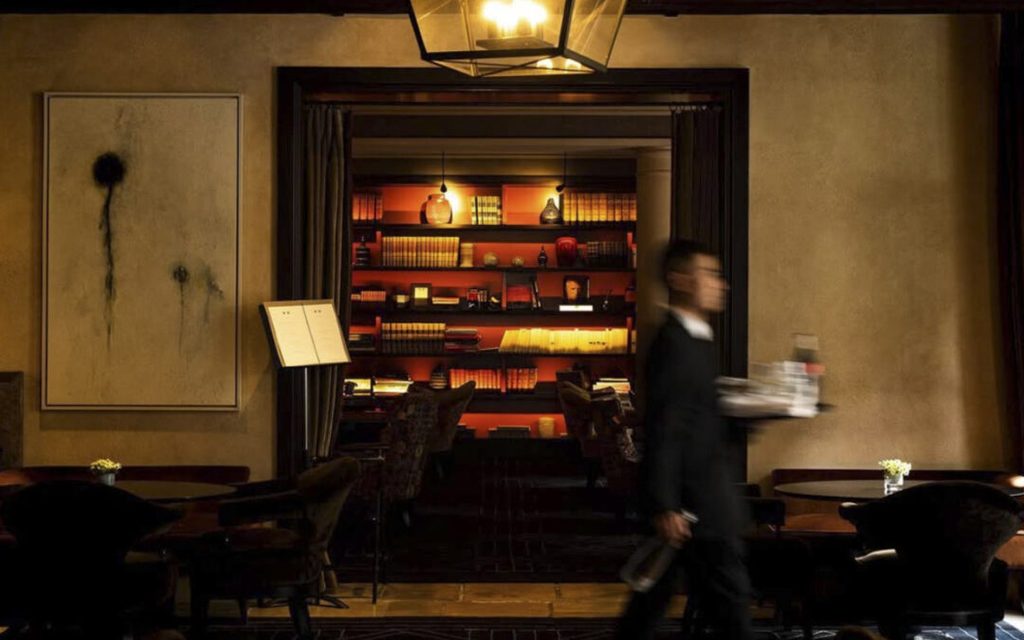
Image Credits: Le Marais Mood
Paris earns the romance cliché honestly. Time a sunset dinner cruise on the Seine, wander Montmartre at dusk with a hot chocolate, or lose an evening in the hidden courtyards and candlelit bistros of Le Marais. For the view without the crowds, skip the Eiffel queue and watch it sparkle from a quiet bench across the river.
Paris for Young Adults
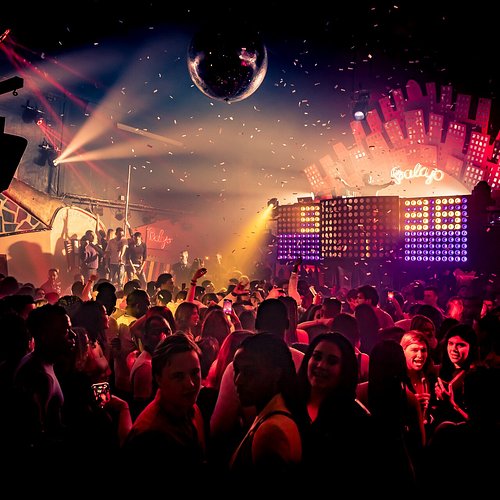
Image Credits: Tripadvisor
Base yourself around the canals and the east. Picnic and people-watch along Canal Saint-Martin, dig into the bar and live-music scene around Oberkampf and Bastille, and catch an immersive art show at the Atelier des Lumières. Days are for wandering Belleville street art; nights start late and run later.
Paris at Night

Image Credits: France Tourisme
After dark, watch the Eiffel Tower’s light show sparkle on the hour, catch a cabaret at the Moulin Rouge if you’re after the classic, or settle into a Saint-Germain jazz cellar with a glass of wine. Even a simple late walk along the lit-up Seine counts as a Paris night well spent.
Paris for Free
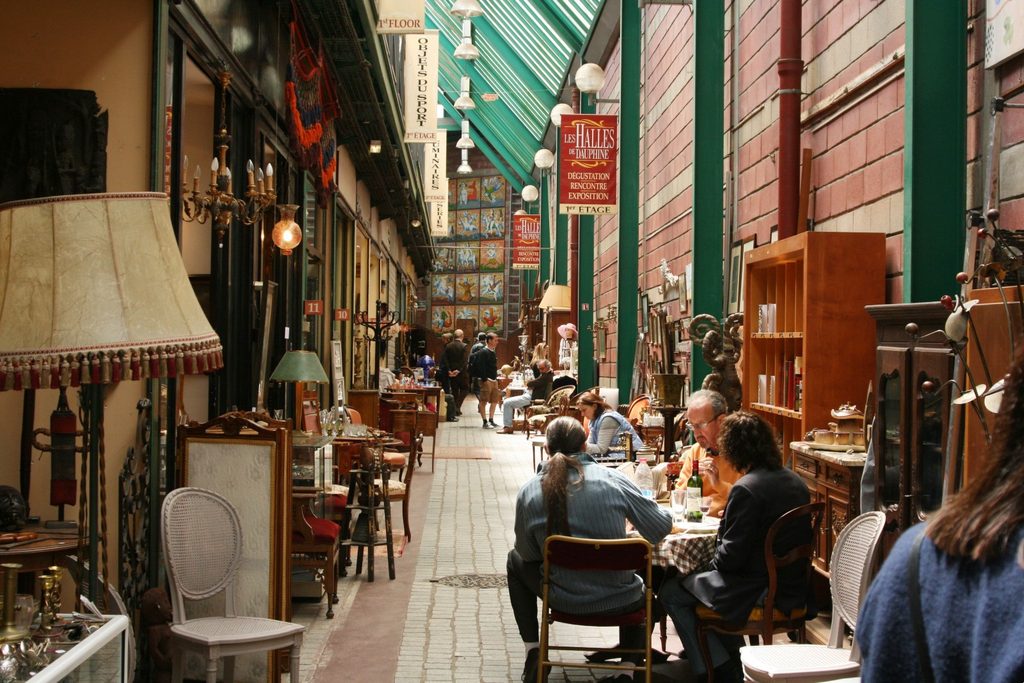
Image Credits: France
Some of the best of Paris costs nothing. Stroll the Tuileries and Luxembourg gardens, browse the sprawling Marché aux Puces de Saint-Ouen flea market, window-shop through Le Marais, and walk the Seine quays at golden hour. Many national museums are also free on the first Sunday of the month, and in summer, the city’s supervised Seine swimming spots are free too (more on that below).
Paris in December
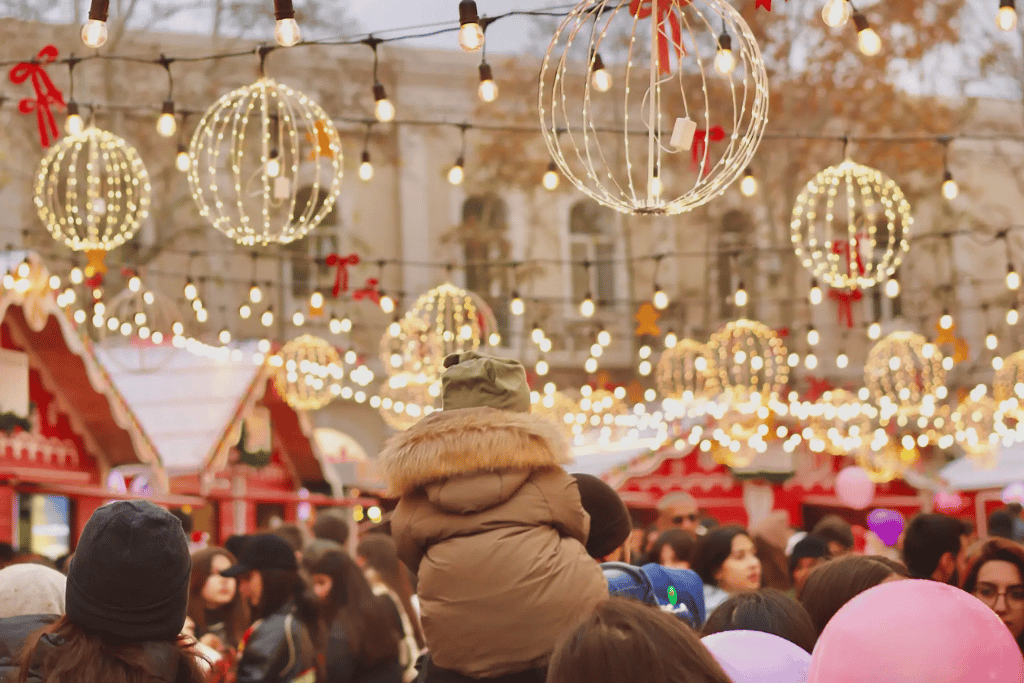
Image Credits: Les Frenchies
Winter Paris trades crowds for atmosphere. Christmas markets pop up along the Champs-Élysées and in Saint-Germain, seasonal ice rinks appear around the city, and the department-store windows go all out. It’s the season to duck into warm museums, cosy cafés and the city’s glass-roofed passages couverts (Galerie Vivienne and Passage des Panoramas are the two worth the detour) between the lights.
Best Neighbourhoods to Explore in Paris
Paris rewards wandering more than any checklist, and these four areas are where that wandering pays off.
- Le Marais (3rd & 4th): medieval lanes, vintage shops and falafel counters packed into a few blocks, with Place des Vosges, the city’s oldest planned square, at its centre. Best explored on foot with no fixed plan.
- Montmartre (18th): the hilltop village that still feels bohemian under the crowds, cobbled streets climbing past the painters’ square at Place du Tertre to Sacré-Cœur’s white domes. Go early, before the tour groups catch up.
- Quartier Latin (5th): the old student district around the Sorbonne, all narrow streets, secondhand bookshops and cheap crêpe stands. Cross the river from Notre-Dame and you’re straight into it.
- Saint-Germain-des-Prés (6th): the Left Bank’s literary quarter, café terraces where Sartre and Hemingway once argued, a short walk from the Luxembourg Gardens. Pricier than the rest, and worth it for an afternoon.
If you’ve already done the big four, Belleville (multicultural, strong street art, a hilltop park with a view that rivals Montmartre’s without the crowds) and Rue Crémieux (a single, improbably colourful cul-de-sac in the 12th) are the hour-long detours locals point first-timers toward once they’ve asked for something less obvious.
Pick one or two to properly slow down in rather than rushing all four in a single day. The sights on this list get you oriented; slow down in these neighbourhoods, and Paris stops feeling like a checklist.
📖 Related Guide: Done with Paris and adding another stop? Our Santorini Travel Guide covers where to stay and what to do next.
What to Eat in Paris
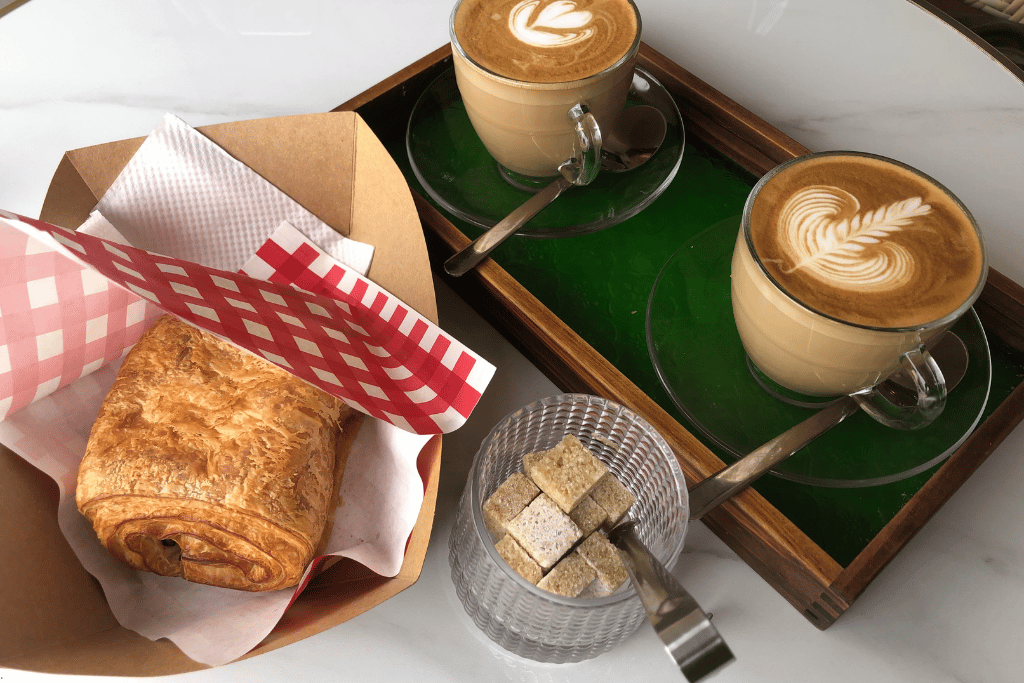
Eating well in Paris is less about hunting down famous restaurants and more about doing the everyday things right. A few rules from the locals:
- Start at a bakery, not a chain. Skip the hyped spots and join the queue at a neighbourhood boulangerie for a warm croissant, a pain au chocolat and a tiny espresso. For something with history, Stohrer on Rue Montorgueil has been doing this since 1730, making it the oldest patisserie in Paris. It’s the best few euros you’ll spend all trip.
- Sit down for a proper lunch. Give it an hour or more. Classic bistro plates like steak frites, duck confit and a cheese board are the point, and set lunch menus are often cheaper than dinner.
- Try a bouillon for cheap tradition. These old-school canteens pack long communal tables and serve simple French classics at low prices, with mains often under 15 EUR (~S$22). Bouillon Pigalle, near the Moulin Rouge, is the one locals queue for. Expect a wait and no reservations.
- Join the matcha wave if you want the current café scene. Spots like Kura-Ge in Le Marais and 66matcha nearby are drawing queues for Japanese-sourced matcha lattes and pastries, the café trend Paris is leaning into right now alongside its classic bakeries.
- Ask for tap water. A carafe d’eau is free at any restaurant, so there’s no need to pay for bottled.
- Eat on Paris time. Many kitchens close between lunch and dinner, and dinner service usually starts around 8 PM. Turn up too early, and you’ll find the doors shut.
And don’t feel you have to eat French at every meal. Paris is a big, multicultural city, and its Vietnamese, North African and Middle Eastern food is excellent too. This one’s for travellers who’d rather eat like a local than tick off a restaurant list.
Where to Stay in Paris
Paris is divided into 20 arrondissements that spiral out from the centre. For a first trip, stick to one of these five central picks, each suited to a different kind of traveller:
- Le Marais (3rd & 4th): central, walkable and packed with food and nightlife. The best all-round base for first-timers who want to walk everywhere.
- Saint-Germain-des-Prés (6th): chic, literary and a little pricier, on the Left Bank near the Luxembourg Gardens. Great for couples and a classic Paris feel.
- Latin Quarter (5th): lively, historic and the most budget-friendly central pick, popular with students and younger travellers.
- Montmartre (18th): village charm and lower prices, but hilly and a Metro ride from the main sights. Best for atmosphere over convenience.
- Near the Louvre & Opéra (1st & 9th): polished, central and well-connected, with the big department stores on your doorstep. Easy for first-timers who want everything close.
Wherever you land, prioritise being near a Metro line over a specific landmark. Paris is dense, and getting between neighbourhoods is quick.
Getting To and Around Paris
Getting there: Singapore Airlines flies direct from Changi to Paris Charles de Gaulle (CDG) in about 13.5 hours. From the airport, the RER B train reaches central Paris in roughly 30 to 35 minutes for 14 EUR (~S$20). A taxi runs a fixed fare of 56 EUR (~S$81) to the Right Bank or 65 EUR (~S$94) to the Left Bank, which is worth it after a long-haul flight with luggage.
Getting around: Paris is walkable, and half the fun is doing exactly that. When you don’t want to walk, the Metro goes everywhere, runs often and is cheap: a single ride is 2.55 EUR (~S$4). Paper ticket sales already stopped in late 2025, and paper tickets stop being accepted entirely by the end of 2026. Load a rechargeable Navigo Easy card or buy tickets on your phone instead. For heavy sightseeing days, a Paris Visite pass gives unlimited travel across zones. Skip taxis for short central hops; the Metro is almost always faster.
Paying in Paris: Cards, Cash and YouTrip
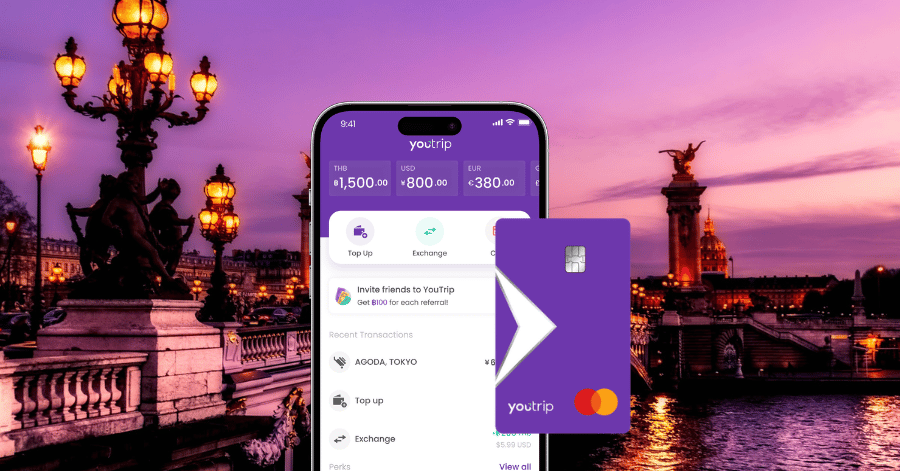
Paris runs on cards. Contactless is accepted almost everywhere, from Metro gates to bakeries, and you’ll rarely need much cash beyond a few coins for markets, tips or the odd small café.
The catch is the exchange rate. Pay with a regular Singapore credit or debit card and you’re typically hit with a foreign transaction fee of around 3.25%, plus a weaker bank exchange rate on top. Over a week of museums, meals and day trips, that adds up.
This is where a YouTrip card earns its keep. You hold and spend euros (one of YouTrip’s supported wallet currencies) at the wholesale exchange rate with no foreign transaction fee, so every tap converts at a rate the banks can’t match. If you do need cash, withdraw it from any Paris ATM: your first S$400 each month is free, then a flat 2% after.
Two rules keep more money in your pocket. Always choose to be charged in euros, not Singapore dollars, when a card machine asks, since saying yes to SGD triggers a marked-up “dynamic currency conversion” rate. And skip the airport money changers entirely.
📖 Related Guide: Landing with an empty wallet? Our France ATM Withdrawal Guide covers the best machines to use and the ones to avoid.
FAQs
Late spring (May to June) and early autumn (September to October) are ideal: mild weather, long daylight and fewer crowds than peak summer. December is colder but atmospheric thanks to the Christmas markets and lights.
Three days cover the major sights, four to five days lets you add a Versailles day trip and slow down, and a week or more gives room for a second day trip and deeper neighbourhood wandering.
Walking the Seine at sunset, the view from Sacré-Cœur, the Tuileries and Luxembourg gardens, Père Lachaise Cemetery, and the Saint-Ouen flea market are all free. Many national museums are also free on the first Sunday of the month, and Notre-Dame’s interior is free to enter.
Yes, in summer. Following a major clean-up, three supervised swimming sites on the Seine (Bercy, Bras de Grenelle, and Bras Marie at Pont Louis-Philippe) opened daily from 4 July to 30 August 2026, and they’re free. Several more free supervised swimming spots run across the city over summer, weather and water quality permitting.
If you have one museum day, many first-timers prefer the Musée d’Orsay: it’s smaller, easier to finish, and packed with famous Impressionist works. The Louvre is vast and overwhelming, so go only if you want the scale and can pick a wing.
No, but a little courtesy goes a long way. Start every interaction with “Bonjour”, and most people will happily switch to English. Tap water is free at restaurants (ask for une carafe d’eau), and dinner service usually starts around 8 PM.
Card, ideally a multi-currency travel card like YouTrip that charges no foreign transaction fee and uses the wholesale exchange rate. Keep a little cash for markets and small cafés, always choose to pay in euros rather than Singapore dollars, and avoid airport money changers.
📖 Related Guide: Want to track the rate before you fly? See the best SGD to EUR rate today and how to lock in a good one.
Seine Views and Café Brews: Paris Is Always a Good Idea
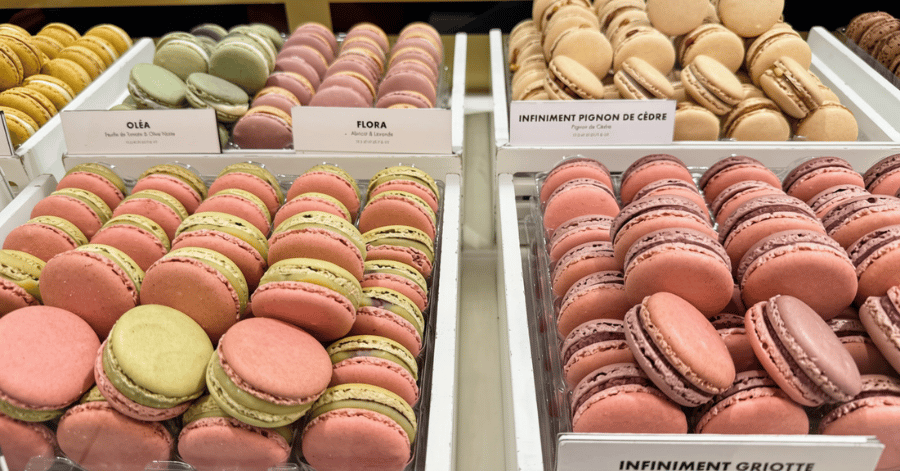
Paris in 2026 is the same city it always was, only fresher: a swimmable Seine, a restored Notre-Dame, and the same light, art and café culture that never gets old. Whether it’s your first trip or your fifth, the magic is in the walking between the monuments as much as the monuments themselves.
And wherever you tap, do it smart. Between museum tickets, café stops and day-trip trains, the euros add up fast, which is exactly why the wholesale exchange rate matters, leaving more of your budget for one more pain au chocolat.
Not a YouTrooper yet? Get a free YouTrip card + S$5 YouTrip credits with code YTBLOG5.
Then head over to our YouTrip Perks page for exclusive offers and promotions. Join our Telegram (@YouTripSG) and Community Group (@YouTripSquad) for travel tips, event invites and more.
For more before you fly, see our guides on the best multi-currency cards in Singapore and how to apply for a YouTrip card.
Happy travels!