


Spring and autumn are the safe bets, but winter is the season most people write off too early
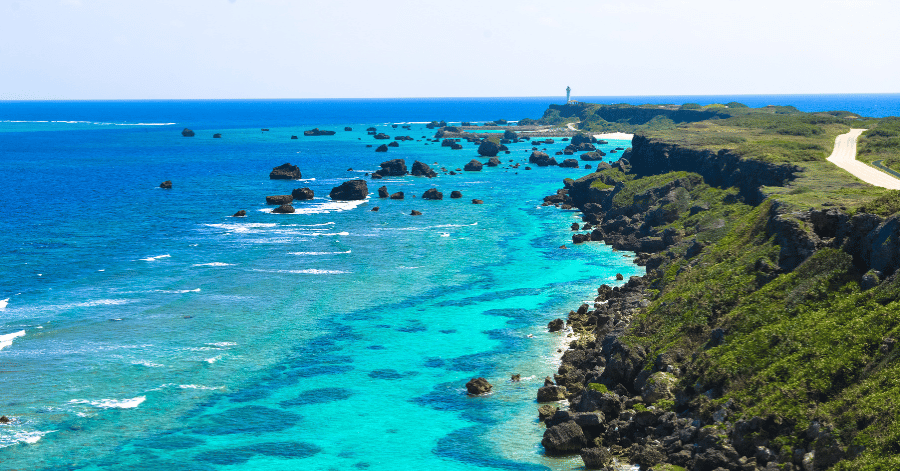
Okinawa is Japan without the winter. It’s a chain of 160 islands closer to Taipei than to Tokyo, where the sea stays swimmable into October and the cherry blossoms open in January. The catch is that its best weather and its worst weather sit only a few weeks apart.
| Quick answer | |
|---|---|
| Best overall | Late March to early May, and October to November |
| Best for beaches and diving | June to September, when the sea hits 27 to 29°C |
| Cheapest and quietest | January and February |
| Avoid if you can | Golden Week, Obon, and the August to September typhoon peak |
| Rainy season | Roughly early May to late June |
| How long to stay | 4 to 6 days on the main island, 6 to 8 if you add an outer island |
Temperature and rainfall figures are long-term averages for Naha. Weather shifts year to year, so check the forecast before you book.
Table of Contents
- When Is the Best Time to Visit Okinawa?
- Okinawa Weather Month by Month
- The Best and Worst Months to Visit Okinawa
- Okinawa’s Beach Season: When You Can Actually Swim
- Typhoon Season in Okinawa and How to Plan Around It
- Best Time for Diving and Snorkelling in Okinawa
- Why Winter in Okinawa Is Underrated
- Shuri Castle Reopens in November 2026
- Okinawa Festivals and Seasonal Events Worth Timing a Trip Around
- The Cheapest Time to Visit Okinawa From Singapore
- How Many Days Do You Need in Okinawa?
- Getting There From Singapore and Paying Once You Land
- FAQs
- Ready When You Are
When Is the Best Time to Visit Okinawa?
The best time to visit Okinawa is late March to early May, or October to November. Both windows give you warm, dry days in the low-to-mid 20s°C, a sea that’s still swimmable, and no serious typhoon risk.
Okinawa Prefecture’s own tourism board names those same two windows, calling autumn the island’s golden season. Spring gets you the tail of the dry months before the rains arrive. Autumn gets you warm water without the summer crowds.
The islands sit at about 26°N, roughly level with Taipei, so this is a humid subtropical climate rather than a Japanese one. There’s no winter to speak of. Naha’s coldest month averages 17.3°C, which is jumper weather, not coat weather.
What changes across the year isn’t really the heat. It’s rain, wind, and whether the sea is calm enough for the boat you booked.
📖 Related Guide: Planning the mainland leg too? Our best time to visit Japan guide breaks down Honshu’s four proper seasons, which run on a completely different clock.
Okinawa Weather Month by Month
Okinawa weather splits into four moods: mild and dry, wet, hot and stormy, then warm and settled again. The table covers Naha, the capital, where most trips start.
| Month | Avg high | Avg low | Rain | Sea temp | What it’s like |
|---|---|---|---|---|---|
| January | 19.8°C | 14.9°C | 100mm | 22.5°C | Coolest, quietest, cherry blossoms |
| February | 20.2°C | 15.1°C | 115mm | 22°C | Cool and breezy, peak whale season |
| March | 21.9°C | 16.7°C | 145mm | 22.5°C | Warming up, beaches start opening |
| April | 24.3°C | 19.1°C | 160mm | 23.5°C | Pleasant, until Golden Week hits |
| May | 27°C | 22.1°C | 245mm | 25°C | Rainy season begins |
| June | 29.8°C | 25.2°C | 285mm | 27°C | Wettest month, humid |
| July | 31.9°C | 27°C | 190mm | 29°C | Hot, sunny, typhoon risk climbing |
| August | 31.8°C | 26.8°C | 240mm | 29°C | Peak heat and peak typhoons |
| September | 30.6°C | 25.8°C | 275mm | 28.5°C | Still stormy, still very warm |
| October | 28.1°C | 23.5°C | 180mm | 27°C | Warm, settling, sea still swimmable |
| November | 25°C | 20.4°C | 120mm | 25.5°C | Dry, warm and comfortable |
| December | 21.5°C | 16.8°C | 110mm | 24°C | Mild, dry, low season |
Long-term averages for Naha. Sea temperatures are surface averages.
January to March: cool, dry and quiet
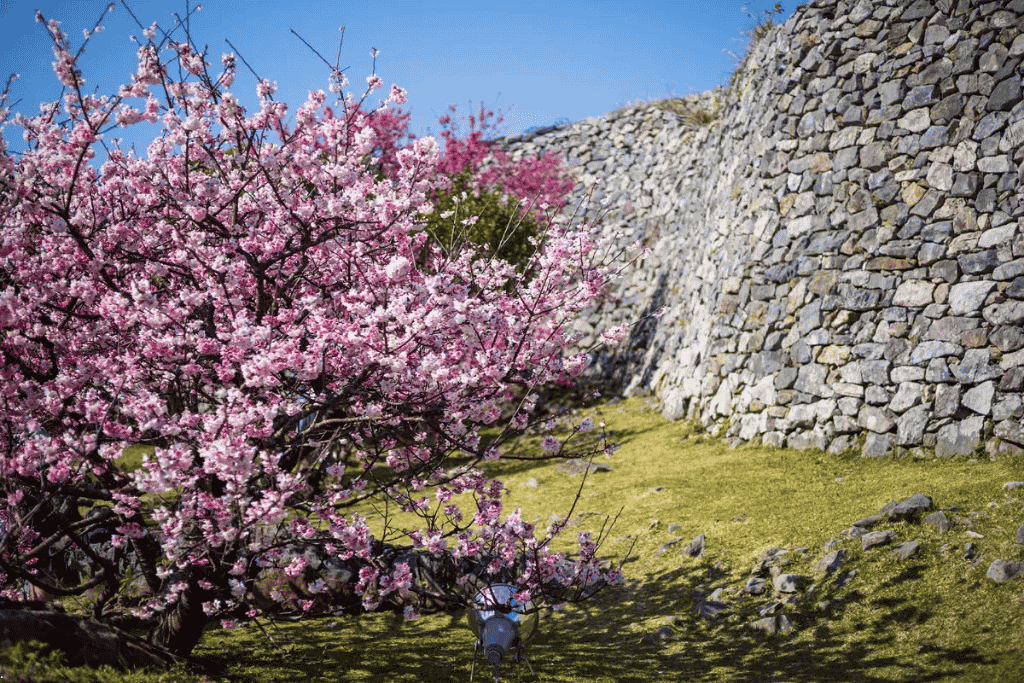
Image Credits: VISIT OKINAWA JAPAN
Naha in January feels like a mild Singapore evening that lasts all day. Highs sit near 20°C, the wind comes off the East China Sea with a bit of bite, and hotel rates are at their lowest.
You won’t be lying on a beach. What you get instead is empty roads, castle ruins to yourself, and Japan’s first cherry blossoms opening on the hillsides while Tokyo is still frozen.
One traveller filming on Zamami Island in late January found 23°C and, in their words, “pretty much had the entire island to ourselves”. That is the trade-off: no beach weather, but far fewer people.
April and May: warm, then the rainy season arrives
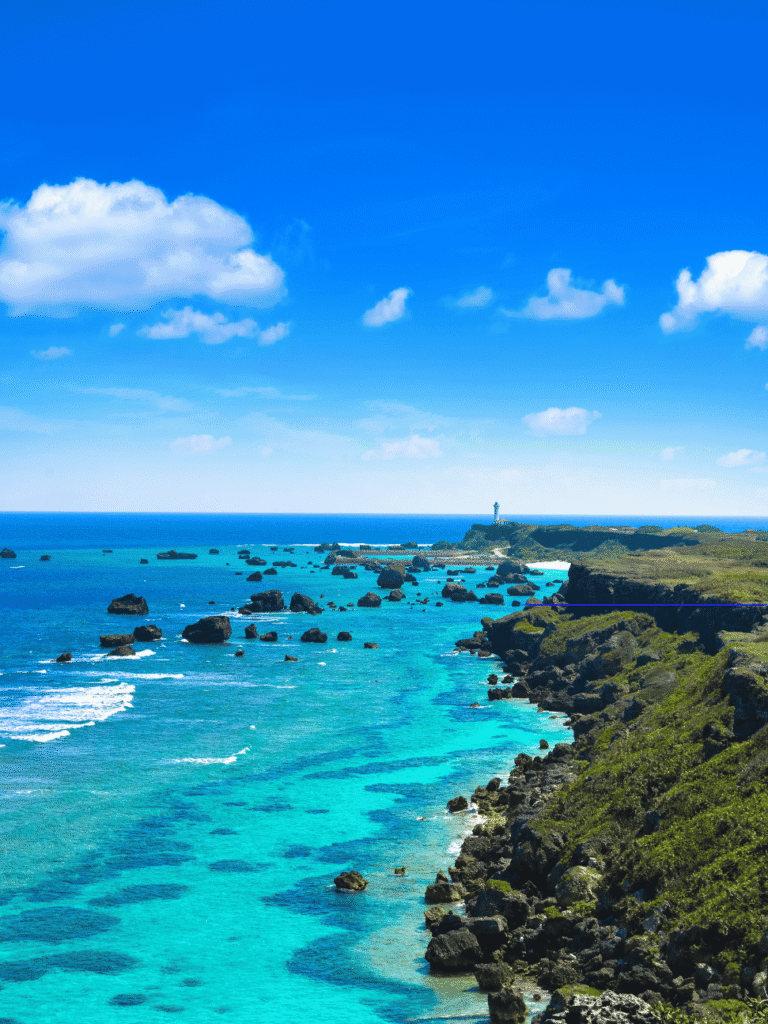
April is arguably the best single month on the island. Warm without being sticky, dry enough to plan around, and the sea has crept up to swimmable.
Then two things happen. Golden Week lands at the end of the month and fills every flight and rental car in the prefecture. And around the first week of May, the rainy season arrives.
June to September: hot, wet and typhoon-prone
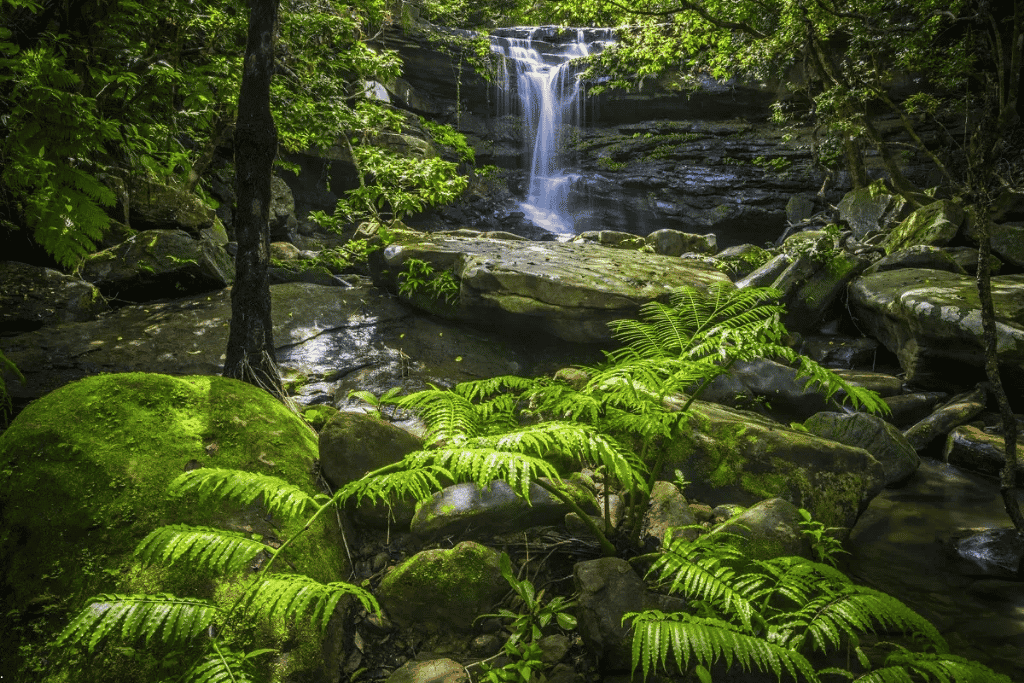
Image Credits: VISIT OKINAWA JAPAN
June is the wettest month of the year at 285mm, and the humidity is genuinely heavy. July and August are the hottest, with highs near 32°C and the most sunshine hours of the year.
They’re also the months when typhoons are most likely to reroute your trip. The water is a warm 29°C. The forecast is the part you can’t plan around.
October to December: warm days and fewer crowds
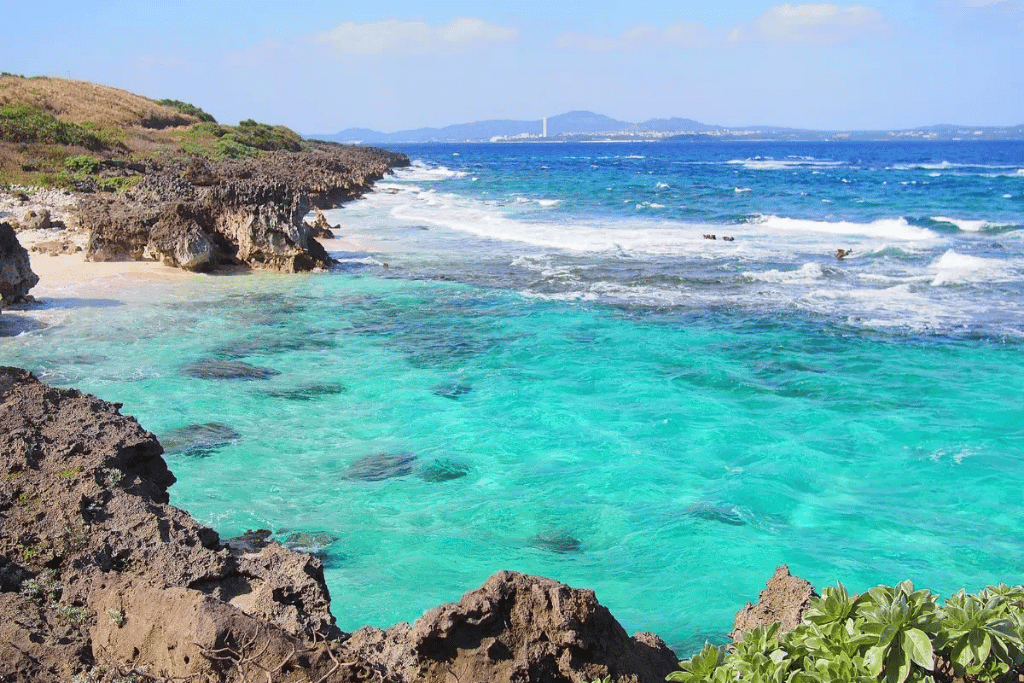
Image Credits: VISIT OKINAWA JAPAN
October still gives you 28°C days and a 27°C sea, with the typhoon risk falling away through the month. November is the last properly warm month, at a comfortable 25°C with only about 120mm of rain.
The three driest months are actually January, December and November, in that order. What separates November is that the sea is still 25.5°C.
By December the beaches have closed, and the crowds have gone, but the sightseeing weather is excellent, and the prices are low.
📖 Related Guide: Comparing month-by-month options across the region? Our best time to visit Taiwan guide runs the same breakdown for Okinawa’s closest neighbour.
The Best and Worst Months to Visit Okinawa
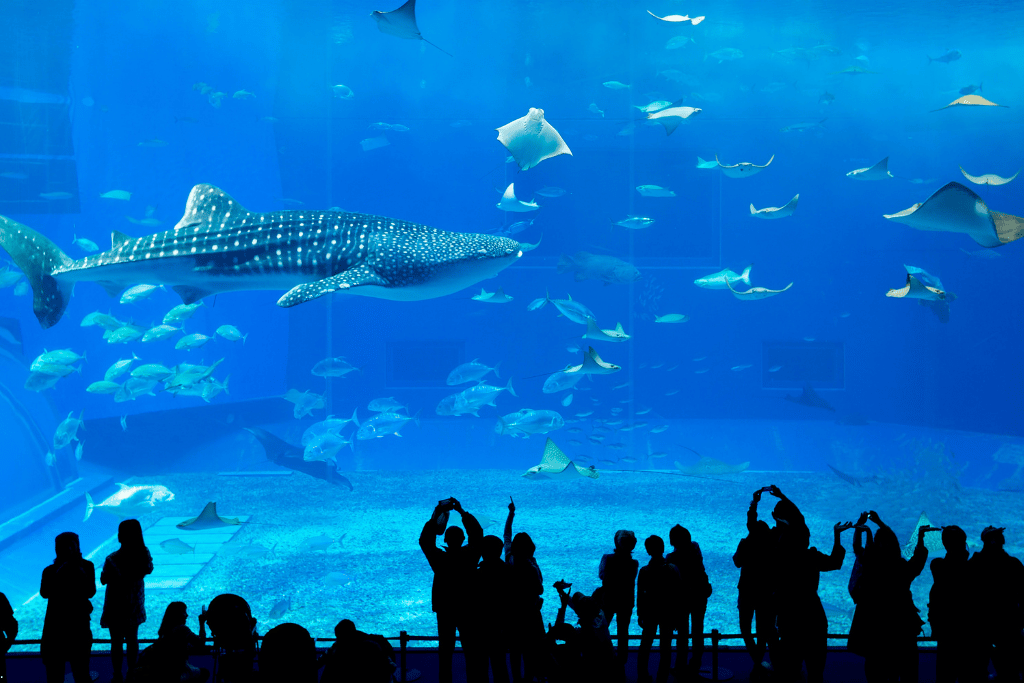
The best months are April, October and November. Each one gives you warm, mostly dry weather, a swimmable sea, and low typhoon risk, without the crowds or the price spike.
The worst month, on balance, is August. It’s the peak of the typhoon season, the peak of the heat, and the peak of Japanese domestic travel all at once.
June is the wettest, and September is close behind, but they fail for different reasons. June is a slog of grey humidity. September is when a storm is most likely to cancel a ferry you’ve already paid for.
- Best for a first trip: late March to early May, skipping Golden Week. More of the island is working in your favour then. The beaches have opened, the sea is warm enough to swim in, and the festival season is starting. Nothing has shut for the off-season yet.
- Best for a beach holiday: late June to early July, right after the rainy season lifts and just before the typhoon peak. The sea is at 27 to 29°C and the beaches are fully staffed.
- Best for a cheap trip: January and February, if you’re happy to swap swimming for sightseeing.
📖 Related Guide: Wondering whether a shoulder-season gamble is worth it elsewhere? Our best time to visit Macau guide weighs up the same trade-off.
Okinawa’s Beach Season: When You Can Actually Swim
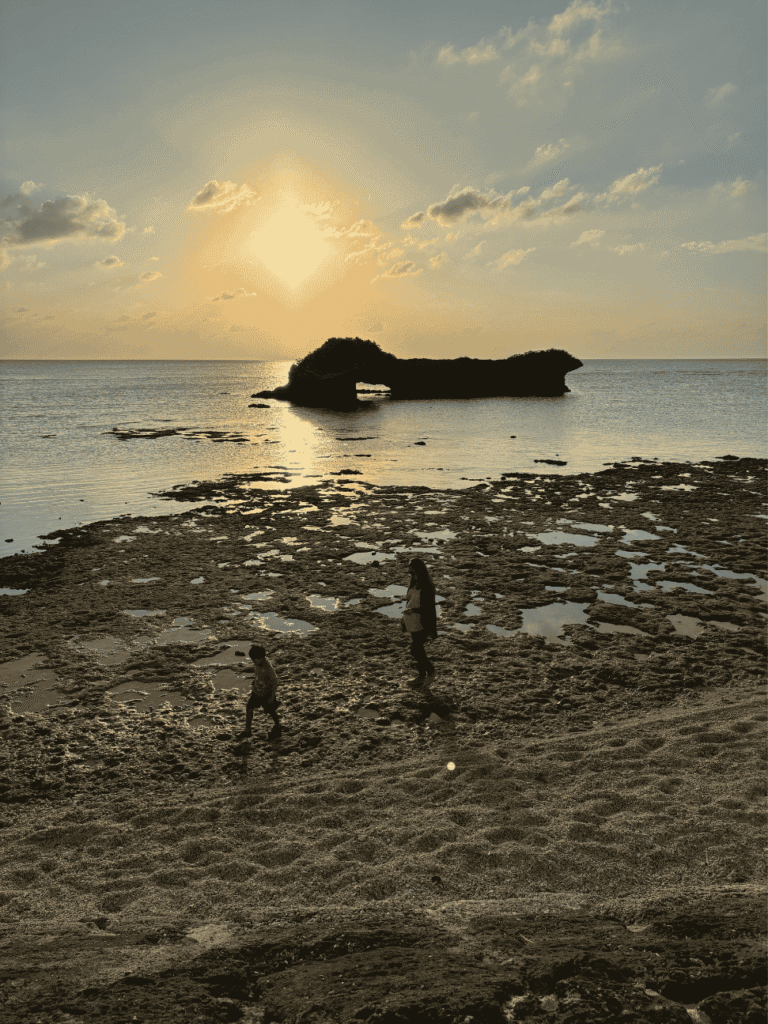
Okinawa’s beaches run on official opening dates, and this trips up more visitors than the weather does. Most main-island beaches hold an umibiraki, or beach opening, somewhere between mid-March and mid-April, and most close again at the end of October.
The date isn’t ceremonial. During the open season, a managed beach staffs lifeguards and posts swimming hours. It also sets up showers and changing rooms, and marks out the swimming zone with buoys and a jellyfish net.
Those managed beaches are the minority. Okinawa’s main island has over 100 beaches, and only around 30 have lifeguards on duty.
Outside that window, the beach is closed for swimming. The lifeguards go home, the jellyfish net comes down, and showers and toilets may be locked. Going in is at your own risk, though paddling at the shoreline is still fine.
Opening dates also move by island rather than by prefecture. In 2026, Ishigaki opened on 14 March while Zamami didn’t open Ama Beach until 18 April, more than a month later.
So the water is warm enough to swim from about May to October, but the beach infrastructure only matches that from roughly April to the end of October. Turn up in February, and the sea is a perfectly pleasant 22°C with no lifeguard on it.
A handful of resort beaches, including Manza, Okuma and Nirai, stay open year-round. Book near one of those if you’re set on swimming in winter.
Habu jellyfish season, June to September
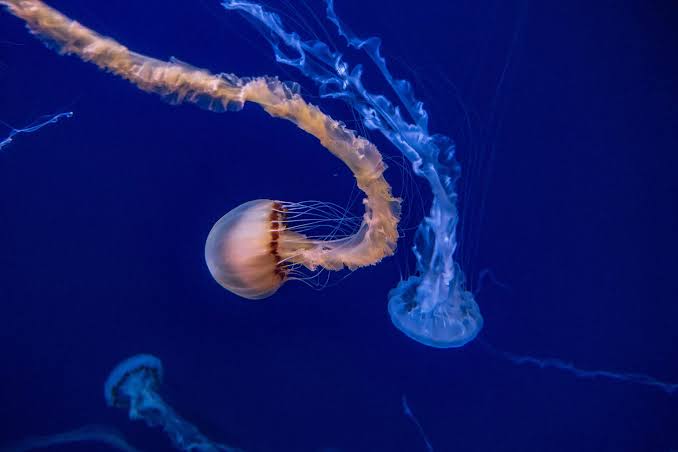
Image Credits: VISIT OKINAWA JAPAN
From 1 June to 30 September, Okinawa Prefecture runs an island-wide habu jellyfish advisory. Habu kurage are box jellyfish, and a bad sting will put you in hospital.
Managed beaches deal with this by netting their swimming enclosures, which is why the marked zone matters. Most stings happen to people swimming off an unmanaged stretch of coast because it looked empty and inviting.
A net lowers the risk rather than removing it, though. The prefecture’s own audit found maintenance problems at about 90% of netted beaches, 25 out of 28. In August 2023, a seven-year-old was stung inside a net at a Nago beach and stopped breathing, coming round about 15 minutes later.
Cover exposed skin, stay inside the nets during those four months, and carry vinegar. A rash guard is enough, because the stinging thread is only about a quarter of a millimetre long. If someone is stung, don’t rub it: pour on vinegar, lift the tentacles off, then cool it and get to a hospital.
Best for: anyone travelling with kids in summer should book near a managed beach rather than a scenic empty one. The nets, lifeguards and showers are the whole point.
📖 Related Guide: Weighing up another island escape where the sea season drives everything? Our best time to visit the Maldives guide covers the same calculation.
Typhoon Season in Okinawa and How to Plan Around It
Typhoon approaches climb from June and run through October, peaking in July, August and September. About 7.7 typhoons come near Okinawa in an average year, per Japan Meteorological Agency normals. August is the busiest month at 2.2 approaches, with September close behind at 1.9.
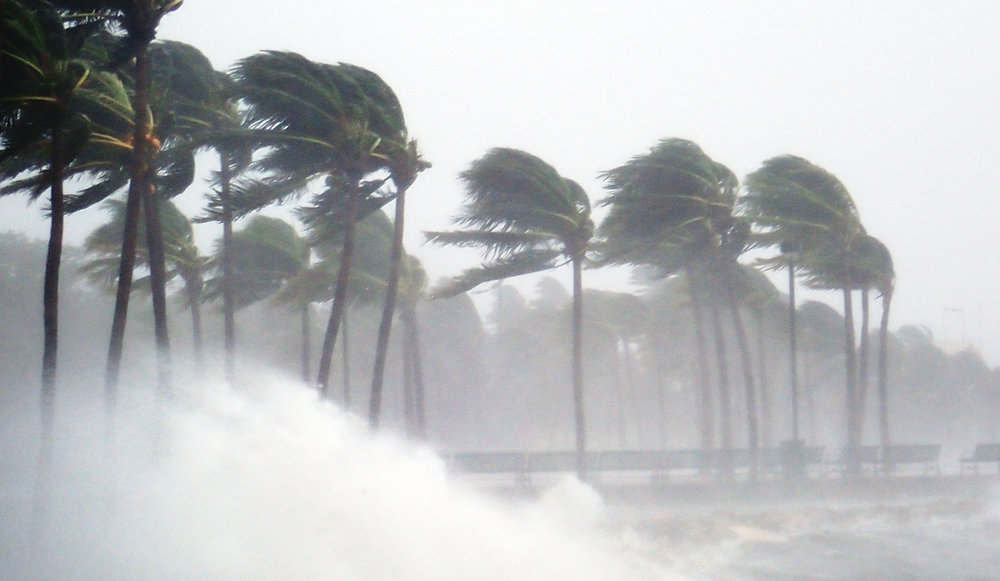
Image Credits: Japansophy
An “approach” is a low bar. The JMA counts any typhoon whose centre passes within 300km of an Okinawa weather station. That’s proximity, not landfall, so most approaches never put a storm over your hotel.
A typhoon rarely ruins a whole trip on the main island. Flights get delayed, attractions close for a day, and it passes. What it does reliably wreck is anything involving a boat.
Ferries to the Kerama Islands and the smaller outer islands stop running in rough seas, and operators pull them at the first sign of trouble rather than risk it. One travel couple filming in Okinawa over the summer had every ferry to Zamami cancelled for close to 10 days. Their island camping trip became an unplanned stay in Naha.
Build a plan B before you go, not on the day. Three things make a summer trip typhoon-resistant:
- Put your outer-island nights in the middle of the trip, never on the last two days. You need slack to get back for the flight home.
- Know a shorter crossing. The Kerama ferries all leave from Tomari Port in Naha. The Ie Island one goes from Motobu up north and takes about 30 minutes, and it’s far less likely to be cancelled.
- Book flexible accommodation for the island nights, and expect the main island to be your fallback.
High-speed ferries to the Keramas also sell out fast in summer, and the small inter-island connections often can’t be booked online at all. Some have to be arranged in person at the port.
If your trip has no flexibility in it at all, put it in October or November instead. The typhoon risk falls off sharply and the sea is still warm.
📖 Related Guide: Need a backup escape that doesn’t hinge on the weather? Our short trips from Singapore guide rounds up quick options you can book late.
Best Time for Diving and Snorkelling in Okinawa
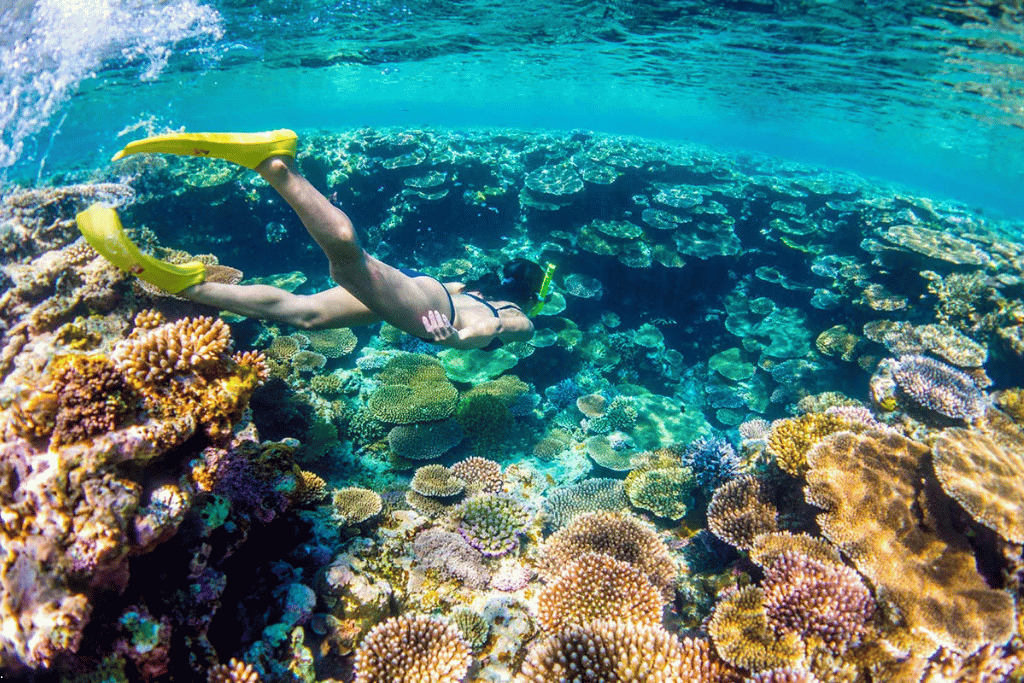
Image Credits: VISIT OKINAWA JAPAN
The best diving and snorkelling in Okinawa is between April and November, with late June to early July and October the two strongest windows. You want warm water, calm seas and clear visibility, and those three rarely peak together.
Sea temperatures climb from 23.5°C in April to a bathwater 29°C through July and August, then hold at 27°C into October. Wetsuit thickness is barely a question in summer.
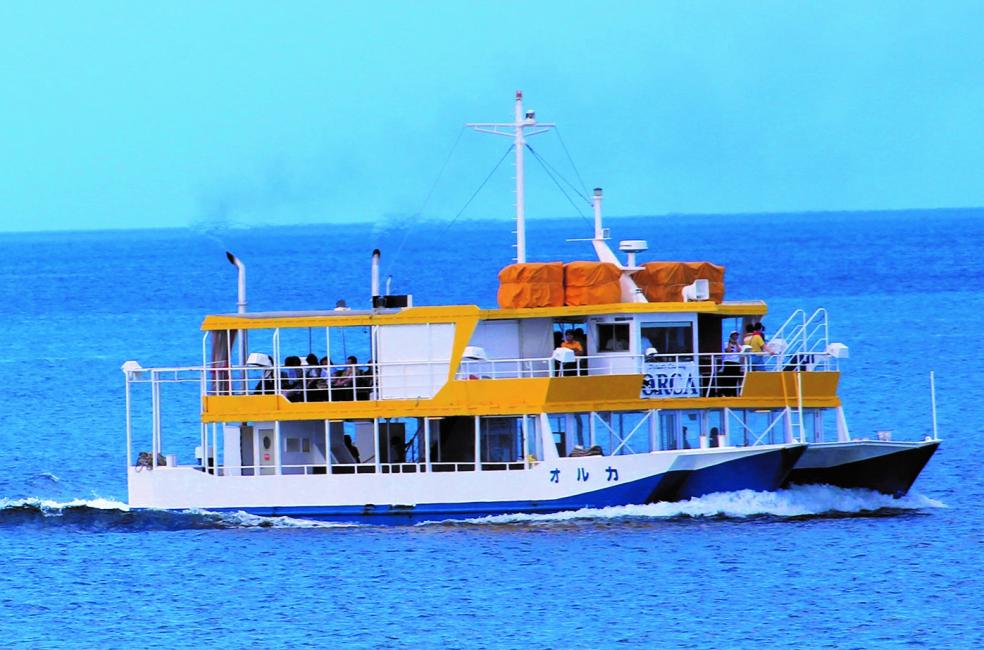
Image Credits: KKday
June and October are the calmest months for boat trips. Late June sits after the rainy season clears and before the typhoon peak. October has warm water with the storms receding.
The Blue Cave off Cape Maeda, Okinawa’s most booked snorkelling spot, is the clearest example of why calm matters. Tours run year-round but get cancelled on rough water, so a settled forecast is worth more than a warm one.
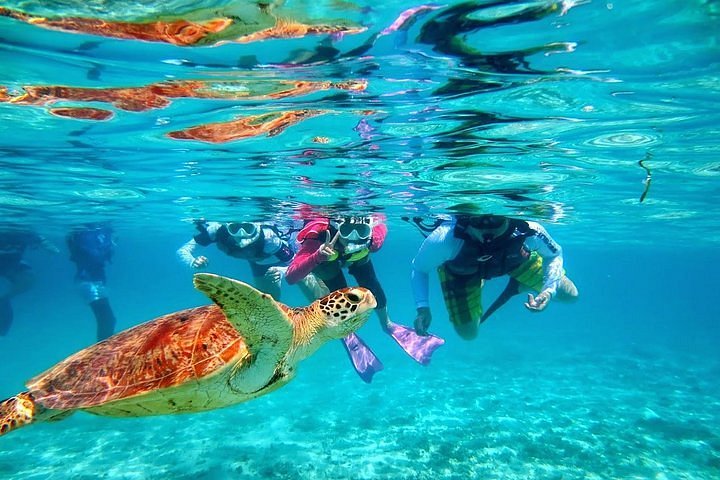
Image Credits: Tripadvisor
Around the Kerama Islands, the reefs sit close enough to shore that you can snorkel straight off the sand. Ama Beach on Zamami is the reliable turtle spot: they come in to graze the seagrass in the shallows, best around high tide. Nishibama on Aka Island is the better coral and tropical-fish swim, where a turtle is a lucky sighting rather than a given.
One thing to note: on managed Kerama beaches you’re expected to stay inside the marked swimming area unless you’re with a guide. That’s partly to protect the coral, partly because the water gets very shallow at spring low tide. If you want the healthy reef further out, book a tour.
If you’re a confident swimmer, aim for October. The water is warm, the boats are running, and the summer crowds have gone.
📖 Related Guide: Comparing dive seasons across Southeast Asia? Our best time to visit Bali guide maps out when the water clears up there.
Why Winter in Okinawa Is Underrated
Winter is the only season with humpback whales and Japan’s earliest cherry blossoms, and it’s the cheapest stretch of the year to be on the island.
Whale watching, January to March
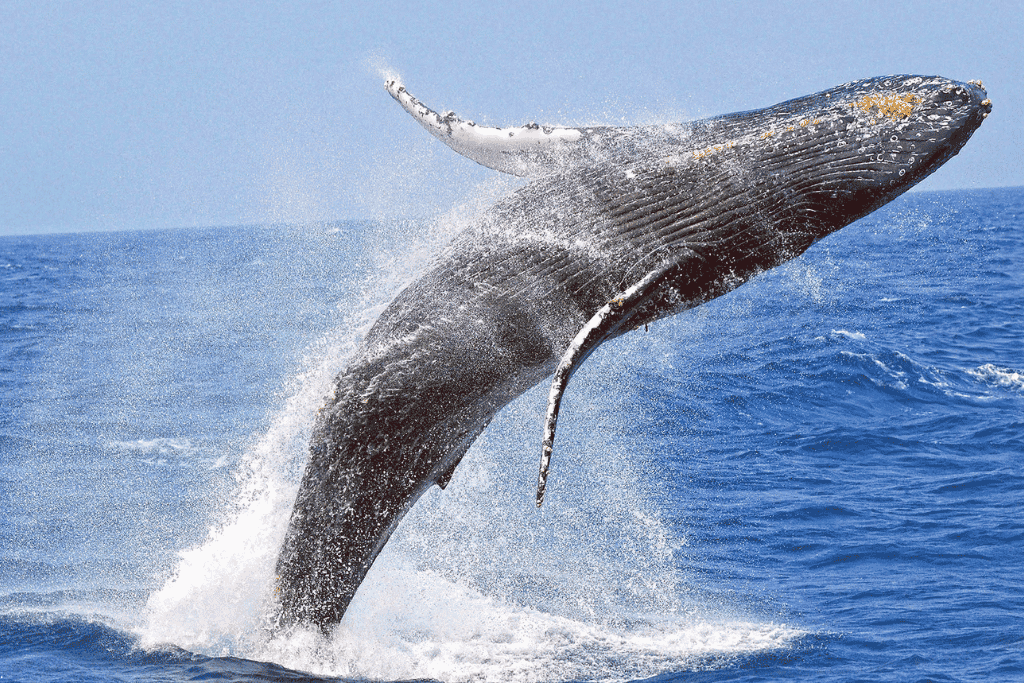
Humpback whales gather in the warm shallows around the Kerama Islands to breed and raise calves, arriving from late December and staying through to around April. Zamami Village runs its whale watching season roughly January to late March, and February is usually the most reliable month.
Boats leave from Naha, Chatan and Zamami itself. The Zamami Village Whale Watching Association has operated under voluntary rules since 1991, keeping boats 100 metres off rather than chasing.
It’s a cold, wet, bouncy few hours on open water in the middle of a Japanese winter. It’s also the only time of year you can do it.
Cherry blossoms in January, not April
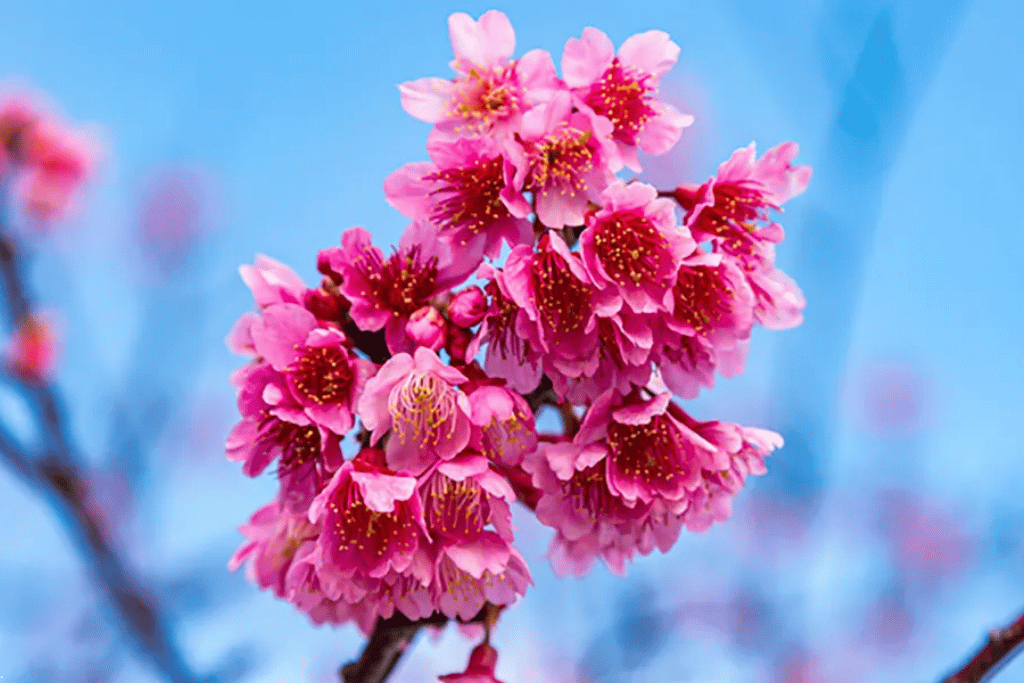
Image Credits: Japan National Tourism Organisation (JNTO)
Okinawa’s cherry blossoms have nothing to do with the mainland’s April rush. The local Ryukyu kanhi-zakura is a deep pink, bell-shaped variety that hangs downward from the branch, and it opens from mid-January into early February, the earliest in Japan.
The best of it is at Yaedake Sakuranomori Park, on the slopes of Mount Yaedake between Motobu and Nago. Around 7,000 trees flower across the park and the roads climbing up to it. The Motobu Yaedake Cherry Blossom Festival has run there for nearly half a century, from late January into early February.
Nago Central Park is the other main viewing spot, with over 20,000 trees and an easier walk from town.
This is the season for anyone who’s tried and failed to time a mainland hanami trip. January in Okinawa is warmer, emptier and cheaper, and you’ll still be standing under cherry blossoms.
📖 Related Guide: Chasing the mainland bloom instead? Our Japan cherry blossom forecast tracks when each city is due to open.
Shuri Castle Reopens in November 2026
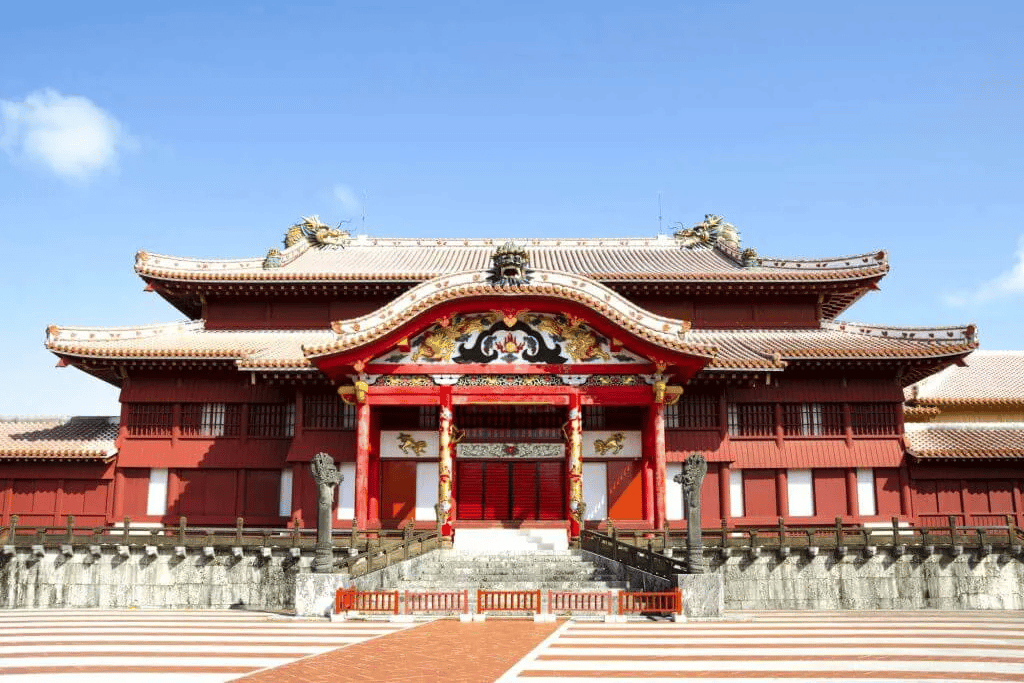
Image Credits: VISIT OKINAWA JAPAN
Shuri Castle’s main hall, the Seiden, reopens to the public on 23 November 2026, seven years after the fire of 31 October 2019 destroyed it and eight other buildings. If you’ve been putting off Okinawa’s biggest historic site because it was a building site, that is the date to plan around.
The rebuild leaned on traditional Ryukyuan craft, from lacquerwork to prefecture-sourced red roof tiles, which is part of why it took so long. Modern fire suppression went in alongside it. The red lacquered exterior was finished first and has been visible from the castle grounds through 2026, with interior work running behind.
Three things to know if you’re timing a trip around it:
- Entry to the main hall is by advance booking only, in 30-minute time slots. The park caps numbers inside the Seiden for safety and to head off overcrowding, so you can’t just turn up and walk in. Maximum nine tickets per transaction.
- Admission is 1,000 JPY (~S$8) for adults, 760 JPY (~S$6) for high schoolers, 370 JPY (~S$3) for primary and junior high, and free for under 6.
- Slots open two months ahead, on the 1st of the month at 1 PM Japan time. The opening batch covering 23 November to 31 December went on sale on 1 September and 1 October.
A government ceremony marking the completed reconstruction takes place on 22 November, the day before public access opens. Note that 23 November is a Monday public holiday in Japan, so expect the first few months to be busy. Late November also happens to be one of the best-weather stretches of the year, so the crowds and the conditions arrive together.
If Ryukyu history is a real draw rather than a box to tick, wait for late 2026 or go in 2027. Before that date, you’re looking at castle walls and a construction display.
📖 Related Guide: Building a wider Japan heritage trip? Our things to do in Kyoto guide covers the country’s densest run of temples and shrines.
Okinawa Festivals and Seasonal Events Worth Timing a Trip Around
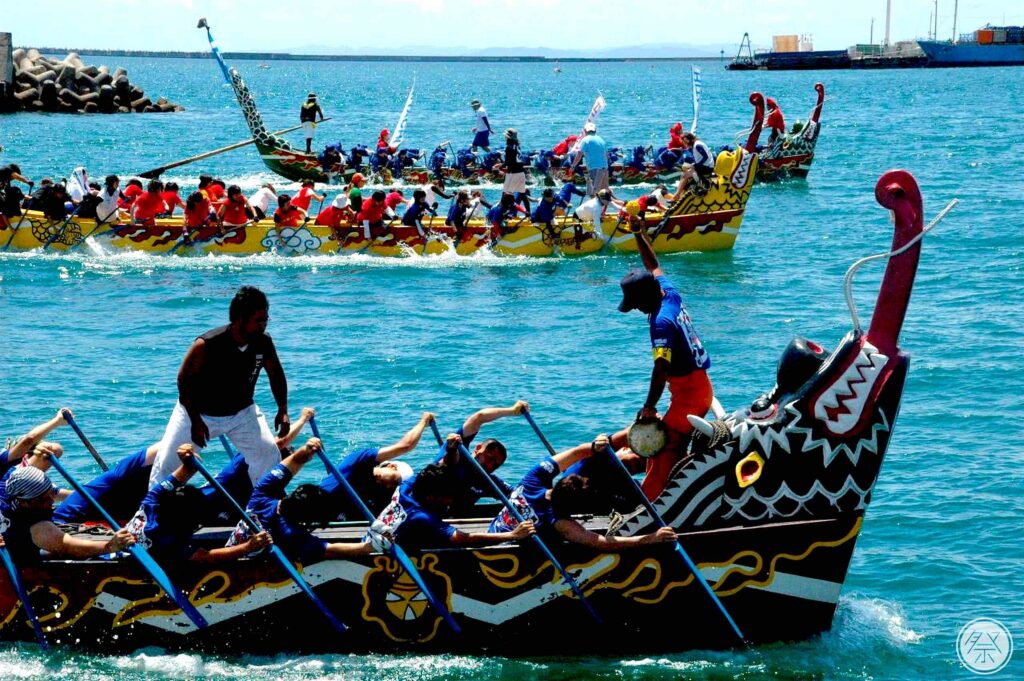
Image Credits: OH! MATSURi
Okinawa’s festival calendar is Ryukyuan rather than Japanese, so it looks nothing like the mainland’s. A few things are worth building a trip around.
- Naha Hari dragon boat races, 3 to 5 May. Three days over Golden Week at Naha Port, with about 5,000 rowers and 200,000 spectators. The atmosphere is closer to a seaside carnival than a solemn ceremony, and it’s free to watch from the harbour.
- Eisa season, August and September. Eisa is Okinawa’s drum-and-dance tradition, performed by neighbourhood youth groups in bright Ryukyuan dress to a wall of taiko and hand drums.
- The Okinawa Zento Eisa Festival in Okinawa City is the biggest eisa event of the year. In 2026 it’s the 71st edition, running 4 to 6 September. Opening night is a street parade around Goya Crossroads, then it moves to Koza Sports Park for the last two days, both starting at 3 PM.
- Naha Great Tug-of-War, October. A 200-metre rope, a Guinness World Record, and tens of thousands of people pulling on it in the middle of Route 58. In 2026 it falls on Sunday 11 October, with a parade along Kokusai-dori from 11:30 AM to 2 PM and the tug itself from 2:30 PM to 5 PM.
- Okinawa Karate Day, and its floating festival. Karate was born here, and the prefecture fixed 25 October as Karate Day back in 2005. The headline event is a mass kata demonstration along a 1km stretch of Kokusai-dori. In 2016 it put 3,973 people through the same sequence at once for a Guinness World Record, smashing a previous mark of 809 set in India.
One catch: the demonstration doesn’t sit on 25 October. It moves to a nearby weekend, and in 2026 it falls on Sunday 8 November. A smaller dedication performance does happen on the 25th at the Karate Kaikan. Check the year’s listing before you book around it.
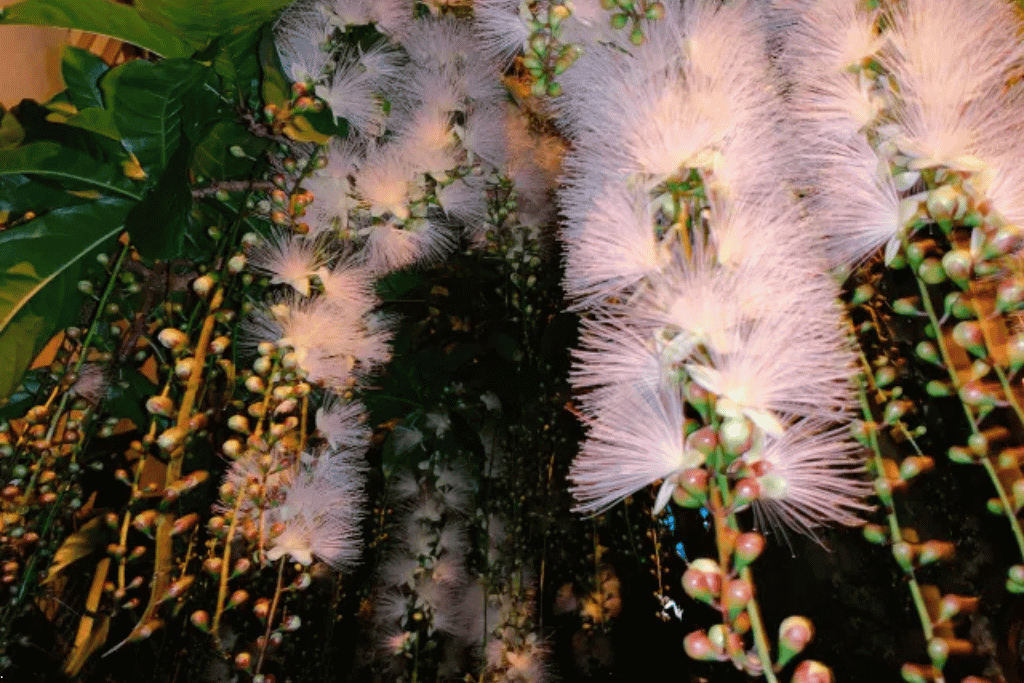
Not everything worth timing is a festival. Sagaribana trees flower for a few weeks from late June into July, once the rainy season lifts. The pink and white blooms open after dark and carry a heavy sweet scent. They’re gone by morning, so people go looking for them around 8:30 PM with a torch.
Iriomote is the best-known spot for them. You can see them on the main island too, at Uchima Udun in Nishihara Town and around Sueyoshi Park near Shuri.
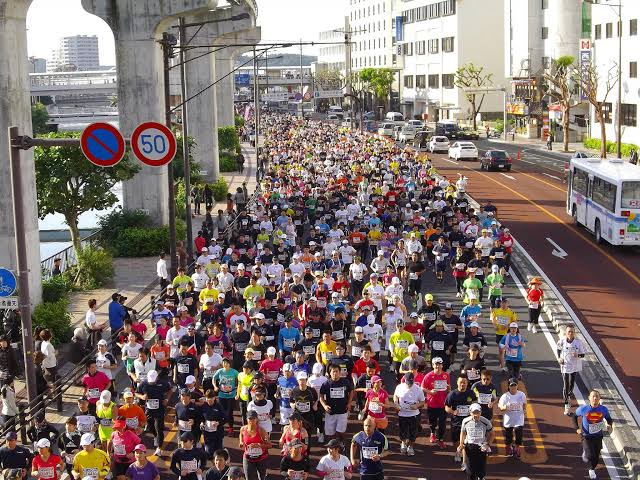
Image Credits: VISIT OKINAWA JAPAN
For runners, the Naha Marathon takes its 40th edition on Sunday 6 December 2026, starting at 9 AM from Onoyama Park with 30,000 entrants on a coastal course. Entry closed in July, so treat it as a spectator event and expect Naha hotels to be full that weekend.
Eisa feels the most distinctly Okinawan of the three, but it lands inside typhoon season. The tug-of-war gives you the same scale of spectacle in far more dependable October weather.
📖 Related Guide: Want a mainland festival city to pair it with? Our things to do in Osaka guide covers the year-round street-food capital.
The Cheapest Time to Visit Okinawa From Singapore
The cheapest months to visit Okinawa are January and February, followed by early December. Japanese domestic demand collapses after New Year, hotels drop rates, and rental cars stop being scarce.
The expensive weeks are predictable and worth memorising, because they’re driven by Japanese holidays rather than Singaporean ones:
| Period | Dates | Why it’s expensive |
|---|---|---|
| Golden Week | 29 April to 5 May 2027 | Japan’s biggest domestic travel week |
| Obon | 14 to 16 August 2027 in Okinawa | Family travel season, peak summer |
| Summer holidays | Late July to August | School holidays plus beach season |
| New Year | Late December to early January | Domestic peak, then a sharp drop |
Golden Week 2027 runs from Thursday 29 April to Wednesday 5 May, and one day of leave on 30 April turns it into a seven-day break for Japanese travellers. Book Okinawa in that window and you’ll pay peak rates for a crowded island.
Okinawa’s Obon is its own thing. The islands keep the old lunar calendar, so Kyu Bon falls on 14 to 16 August in 2027, a day later than the mainland’s 13 to 15 August.
Two Singapore-specific things affect what you’ll pay. Scoot is the only airline flying non-stop from Changi to Naha, so there’s no price competition on the direct route. And that service goes from three to five weekly flights on 31 October 2026, which adds seats over the winter season.
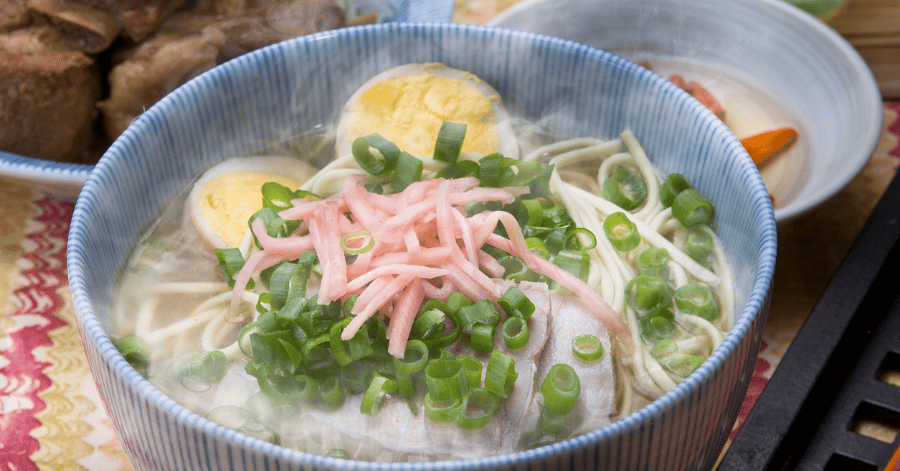
Once you’re there, Okinawa isn’t an expensive island. A bowl of Okinawa soba runs about 500 to 800 JPY (~S$4 to S$6) at a local shop. Casual meals land between 800 and 2,000 JPY (~S$6 to S$16), and a proper dinner out runs 2,000 to 5,000 JPY (~S$16 to S$40). The beaches are free.
The one cost that swings hard by season is the rental car, which you’ll need. Budget operators can go as low as about 2,500 JPY (~S$20) a day in the quiet months, and rates climb steeply in summer. Book it early anyway: Okinawa’s rental fleets are back to pre-pandemic size, but staff shortages mean firms still cap how many cars they release.
📖 Related Guide: Watching the yen before you book? Our SGD to JPY rate guide tracks where the rate sits and what counts as a good one.
How Many Days Do You Need in Okinawa?
Four to six days covers the main island properly. Add two more if you want an outer island, so six to eight days total for a trip that includes the Keramas.
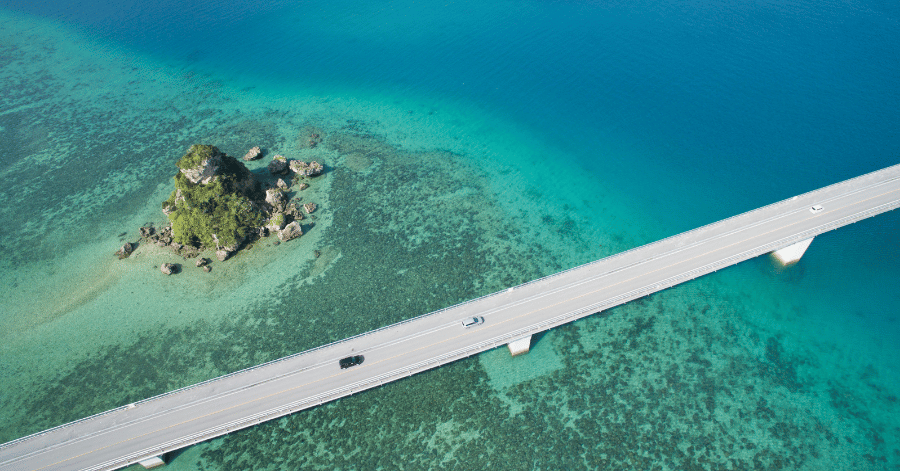
The main island is bigger than it looks, running about 100km north to south. The best beaches and the Churaumi Aquarium sit up north; the airport, castles and nightlife are down south. Driving between them eats real time.
A workable shape:
- Days 1 to 2: Naha, Shuri Castle, Kokusai-dori and the southern coast
- Days 3 to 4: drive north for Churaumi Aquarium, the Motobu peninsula and the west-coast beaches
- Days 5 to 6: the middle of the island, Zanpa and Cape Manzamo, or a day on Ie Island
- Days 7 to 8: an overnight in the Kerama Islands, with a Naha night either side
That last point matters more than it sounds. Because ferry timetables are strict and cancellations are common, plan a night in Naha both before and after any island stay rather than connecting straight to a flight.
For a first trip with beach time, six days works best. Three days covers Naha and one drive north, but you’ll spend a lot of it in the car.
Pairing Okinawa with Tokyo or Osaka
Plenty of people bolt Okinawa onto a mainland trip, and the timing is trickier than it looks. The two calendars barely overlap. Okinawa’s best beach months are the mainland’s wettest and stickiest, and the mainland’s two big draws, cherry blossoms and autumn leaves, land when Okinawa is at its coolest.
Two windows work for both. Late March to mid-April gives you cherry blossoms on Honshu and Okinawa’s beaches just opening. Late October to November gives you mainland autumn colour and a sea down south that’s still around 25 to 27°C.
Getting between them is easy. Tokyo to Naha takes about 3 hours, and the return leg is quicker at roughly 2 hours 15 minutes. It’s one of Japan’s busiest domestic routes, so Haneda has departures right through the day.
Avoid stitching the two together in August. A typhoon near Okinawa disrupts domestic flights as well as ferries, and you don’t want that landing in the middle of a two-city itinerary.
📖 Related Guide: Ready to fill in the itinerary? Our Okinawa travel guide covers the best things to do, where to stay and how to get around the island.
Getting There From Singapore and Paying Once You Land
Scoot flies non-stop from Changi to Naha in about 5 hours 10 minutes. It’s the only direct option, currently four times a week. That rises to five weekly flights from 31 October 2026, when Saturday joins the schedule.
The outbound is a red-eye, leaving Singapore in the small hours and landing around 8 AM. You get a full first day out of it, assuming you can sleep on a plane.
Okinawa is more card-friendly than rural Japan but less so than Tokyo. Hotels, the aquarium, chain restaurants, petrol stations and Don Quijote all take cards. Small soba shops, island guesthouses, ferry ticket counters and beach parking machines often don’t.
A few things to know before you go:
- You need an International Driving Permit to rent a car, and you’ll want a car. Okinawa has no train network beyond Naha’s Yui Rail monorail, and the buses are infrequent.
- A Suica or PASMO card from Tokyo works on the Yui Rail monorail, but not on Okinawa’s buses. Those take cash or the local OKICA card, sold at monorail ticket machines with a 500 JPY (~S$4) deposit.
- Carry more cash than you would in Tokyo. The outer islands especially run on it.
For the cash you do need, withdraw it from an ATM once you land rather than changing money in Singapore. Money changers don’t charge a visible fee; they build a markup of a few percent into the rate they quote you, and it’s wider at airport and mall counters.
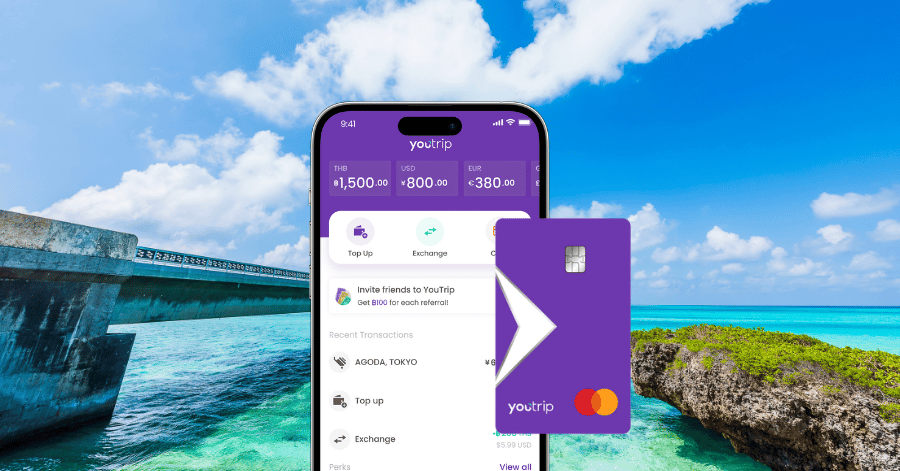
With a YouTrip card, your first S$400 of overseas ATM withdrawals each calendar month is free, then a flat 2% after that, and the allowance resets on the 1st. Some Japanese ATM operators add their own on-screen fee, so read the screen before you confirm.
For everything else, tap the card. The Japanese yen is one of the currencies you can hold and lock in the app, so you can convert at a rate you’re happy with before you fly. Spend it down over the trip with no foreign transaction fee on top.
For deeper detail, our Japan ATM withdrawal guide covers which machines actually accept foreign cards. And if you’re pairing Okinawa with a mainland leg, our guide to topping up a virtual Suica card handles the transit side.
FAQs
April and November are the two strongest single months. Both give you warm, mostly dry weather in the low-to-mid 20s°C, low typhoon risk, and a sea that’s warm enough to swim in. Pick April if you want the beaches opening and the festival season starting. Pick November for reliably dry, calm weather with the sea still at 25.5°C.
June is the wettest month, averaging about 285mm of rain in Naha. September is close behind at 275mm, though that rain arrives as heavy storm bursts rather than the steady grey drizzle of the rainy season. May is the third wettest at 245mm, when the rainy season sets in.
Typhoon approaches climb from June and run through October, peaking in July, August and September. August has the most at roughly 2.2 approaches, followed by September at 1.9. Okinawa sees about 7.7 approaches in an average year. October risk drops off sharply through the month, which is part of why late October and November are so dependable.
Golden Week is a run of Japanese public holidays in late April and early May. It’s the busiest domestic travel week of the year, and in 2027 it runs from 29 April to 5 May. Flights, hotels and rental cars all spike. It’s also when the Naha Hari dragon boat races take place.
The sea is about 24°C in December, which is swimmable if you’re hardy, but nearly all managed beaches have closed for the season by then. That means no lifeguards, no showers and no changing rooms. A few resort beaches like Manza and Okuma stay open year-round, so book near one if swimming matters. Otherwise December is better treated as a sightseeing month.
It can be, if you plan for it. Rainy season runs from roughly early May to late June, and the rain arrives in heavy bursts rather than all day. Prices are lower and the island is quieter. Weather also varies a lot across the island, so it can pour in Naha and stay clear 40 minutes north. Build in indoor options like Churaumi Aquarium at 2,180 JPY (~S$17).
For Golden Week, Obon or the summer school holidays, book flights and rental cars three to four months ahead. Rental cars run out before hotels do, and outer-island guesthouses fill weeks or months in advance because there are so few rooms. For January or February, a few weeks is usually enough.
Okinawa Runs on Its Own Calendar
Okinawa doesn’t follow mainland Japan’s seasons, so the advice you’ve read about cherry blossoms in April and autumn leaves in November simply doesn’t apply here. Blossoms come in January. The sea is warm in October. Summer is the least predictable season, not the safest.
If you want one answer: go in late October or November. Warm water, dry days, no typhoons, no crowds. If you want the trip most people never consider, go in January for whales and cherry blossoms at low-season prices.
Not a YouTrooper yet? Singapore’s go-to multi-currency wallet helps you save with great FX rates and zero fees. Skip the money changer and get a free YouTrip card + S$5 YouTrip credits with code YTBLOG5.
Then, head over to our YouTrip Perks page for exclusive offers and promotions — we promise you won’t regret it. Join our Telegram (@YouTripSG) and Community Group (@YouTripSquad) for travel tips, event invites, and more!
Happy travels!
Related Articles:
18 Best Things to Do in Hakone: Loop Guide From Tokyo
18 Things to Do in Kanazawa: Japan’s Little Kyoto
Universal Studios Japan (USJ) Guide: Tickets & Rides
What to Buy in Japan: The Singapore Traveller’s Guide