



Little Kyoto, without the Kyoto crowds
Kanazawa is a castle town on the Sea of Japan coast, and the war spared it. Its Edo-era face survived intact, from the geisha districts to the samurai lanes to one of Japan’s three great gardens. It gives you Kyoto’s old-Japan atmosphere with far fewer crowds, and the Shinkansen now puts it about two and a half hours from Tokyo. This guide sorts the must-dos from the photo stops, and shows you how to pay without bleeding FX fees.
| Quick Planner | Kanazawa at a glance |
|---|---|
| ⏱️ Time needed | One full day covers the core; one night is the sweet spot |
| 📍 Where | Ishikawa Prefecture, on the Sea of Japan coast |
| 🚄 Getting there | Hokuriku Shinkansen, Tokyo to Kanazawa in about 2.5 hours |
| 🎋 Famous for | Kenroku-en garden, gold leaf, three geisha districts, Kaga cuisine |
| 📅 Best time | Winter for snow-draped Kenroku-en; spring and autumn for comfort |
| 💰 Rough cost | A full day of sights runs about S$30 to S$50 with lunch |
| 💳 Pay with | Tap your YouTrip card (0% FX); pull yen from an ATM for cash-only stalls |
Here’s the shortlist before we get into it:
| Spot | Area | Cost (~S$) | Best for |
|---|---|---|---|
| Kenroku-en Garden | Central | ~S$3 | Japan’s finest landscape garden |
| Kanazawa Castle Park | Central | Free (some halls ~S$3) | Rebuilt castle and Saturday night light-up |
| Higashi Chaya District | Northeast | Free to wander | Edo teahouse streets and gold-leaf ice cream |
| Myoryuji (Ninja Temple) | Teramachi | ~S$10 | Trapdoors and hidden stairs (book ahead) |
| 21st Century Museum | Central | Free zones, paid exhibits | Leandro Erlich’s Swimming Pool |
| Omicho Market | Central | Free to browse | Fresh seafood, Kanazawa’s kitchen |
| D.T. Suzuki Museum | Central | ~S$3 | A Zen water garden to sit with |
| Nagamachi Samurai District | Central | Free (Nomura-ke ~S$5) | Earthen-walled samurai lanes |
| Gold leaf workshop | Higashi Chaya | From ~S$8 | Make your own gilded keepsake |
| Kanazawa Station | Gateway | Free | The Tsuzumi-mon drum gate |
Table of Contents
- Is Kanazawa Worth Visiting?
- What Is Kanazawa Famous For?
- How Many Days in Kanazawa Is Enough?
- Best Time to Visit Kanazawa
- The Best Things to Do in Kanazawa
- What to Eat in Kanazawa
- Things to Do in Kanazawa at Night
- How to Get to Kanazawa From Singapore
- Day Trips From Kanazawa
- How to Pay in Kanazawa
- FAQs
- Give Kanazawa the Night
Is Kanazawa Worth Visiting?
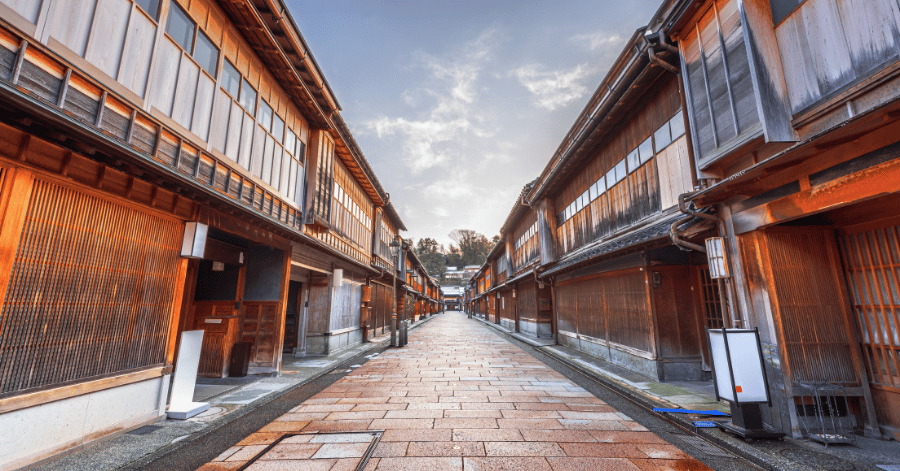
Yes, if you want the old-Japan atmosphere of Kyoto without the wall-to-wall crowds. Kanazawa kept three geisha districts, a samurai quarter and one of the country’s three great gardens, and none of them gets swamped the way Kyoto’s sights now do.
What makes it distinctive is how compact and lived-in it feels. The teahouse lanes, the market and the castle grounds sit within a walkable core, and locals still shop, eat and work among them rather than around a rope line.
Kanazawa was one of Japan’s wealthiest domains for 300 years under the Maeda clan, and that money went into craft: gold leaf, silk dyeing, Noh theatre and refined Kaga cuisine. That heritage is the reason a mid-sized provincial city punches so far above its size.
Set your expectations on one thing. This is a slow-culture destination, not a thrill-a-minute one, so if your idea of a good trip is theme parks and neon, Kanazawa will feel quiet. Come for gardens, craft and food, and it delivers.
📖 Related Guide: Already done Japan’s classic first-timer loop? Our Kyoto things-to-do guide maps out the original imperial capital.
What Is Kanazawa Famous For?
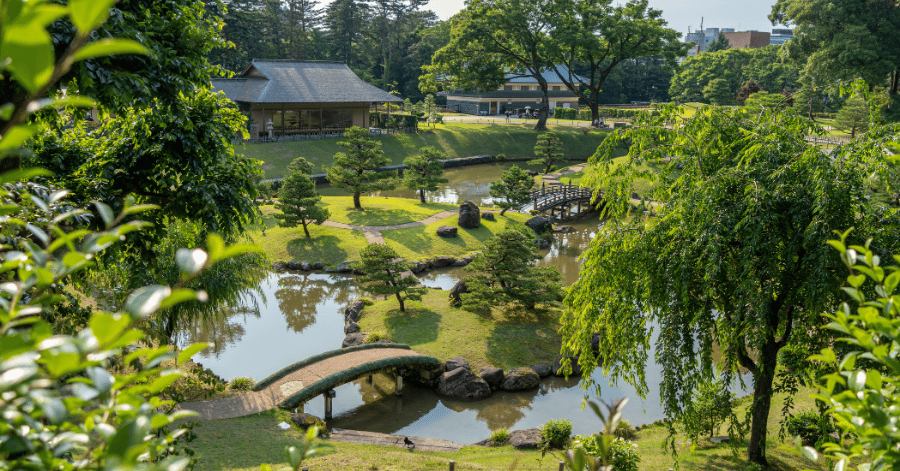
Gold leaf, gardens and geisha districts. Kanazawa produces about 99% of all the gold leaf made in Japan, a craft it has held for over 400 years thanks to a humid climate and pure water that suit the beating process.
Beyond the gold, it’s known for Kenroku-en, ranked among Japan’s three most beautiful landscape gardens, and for three surviving chaya (teahouse) districts where geisha still perform. On the plate, it’s Kaga cuisine, the refined castle-town cooking best known through jibuni, a silky duck or chicken stew.
The city isn’t all history, though. The 21st Century Museum of Contemporary Art draws art crowds from across Japan, so the city reads as traditional and contemporary at once rather than a preserved-in-amber museum piece.
📖 Related Guide: Want to bring the craft home? Our what to buy in Japan guide covers the souvenirs worth the suitcase space and the tax-free rules.
How Many Days in Kanazawa Is Enough?
One full day covers the core sights; one overnight turns a rush into a proper visit. Two nights is comfortable if you want to use the city as a base for day trips. The big question for most Singaporean travellers is whether Kanazawa earns a stopover at all, and for the culture and food, it does.
One day in Kanazawa
A single day works if you move with a plan. Start early at Kenroku-en, cross to Kanazawa Castle Park next door, walk the Nagamachi samurai lanes, then spend the afternoon in Higashi Chaya with a gold-leaf ice cream. You’ll see the headliners and eat well, but you’ll skip the museums and the slower corners. Best for anyone slotting Kanazawa between Tokyo and the Japan Alps on a tight itinerary.
Two days, and whether two nights is too much
Two days is the sweet spot, and two nights is not too much. The extra time lets you fold in the 21st Century Museum, the D.T. Suzuki Museum, the Ninja Temple (which needs a booking) and a long graze through Omicho Market, all at a human pace. You also get the city after dark, when the castle and station light up and the day-trippers have gone.
Three days, using Kanazawa as a base
Three days pays off only if you day-trip. Kanazawa is the gateway to Shirakawa-go’s thatched farmhouses, the old streets of Takayama and the Kaga Onsen hot springs, all reachable by direct bus or a short train. Stay in the city, ride out for the day, come back for dinner. One for travellers who’d rather unpack once than hop hotels.
📖 Related Guide: Building a bigger route around it? Our 14-day Japan itinerary shows where a Kanazawa stopover slots into the Tokyo–Kyoto–Osaka run.
Best Time to Visit Kanazawa
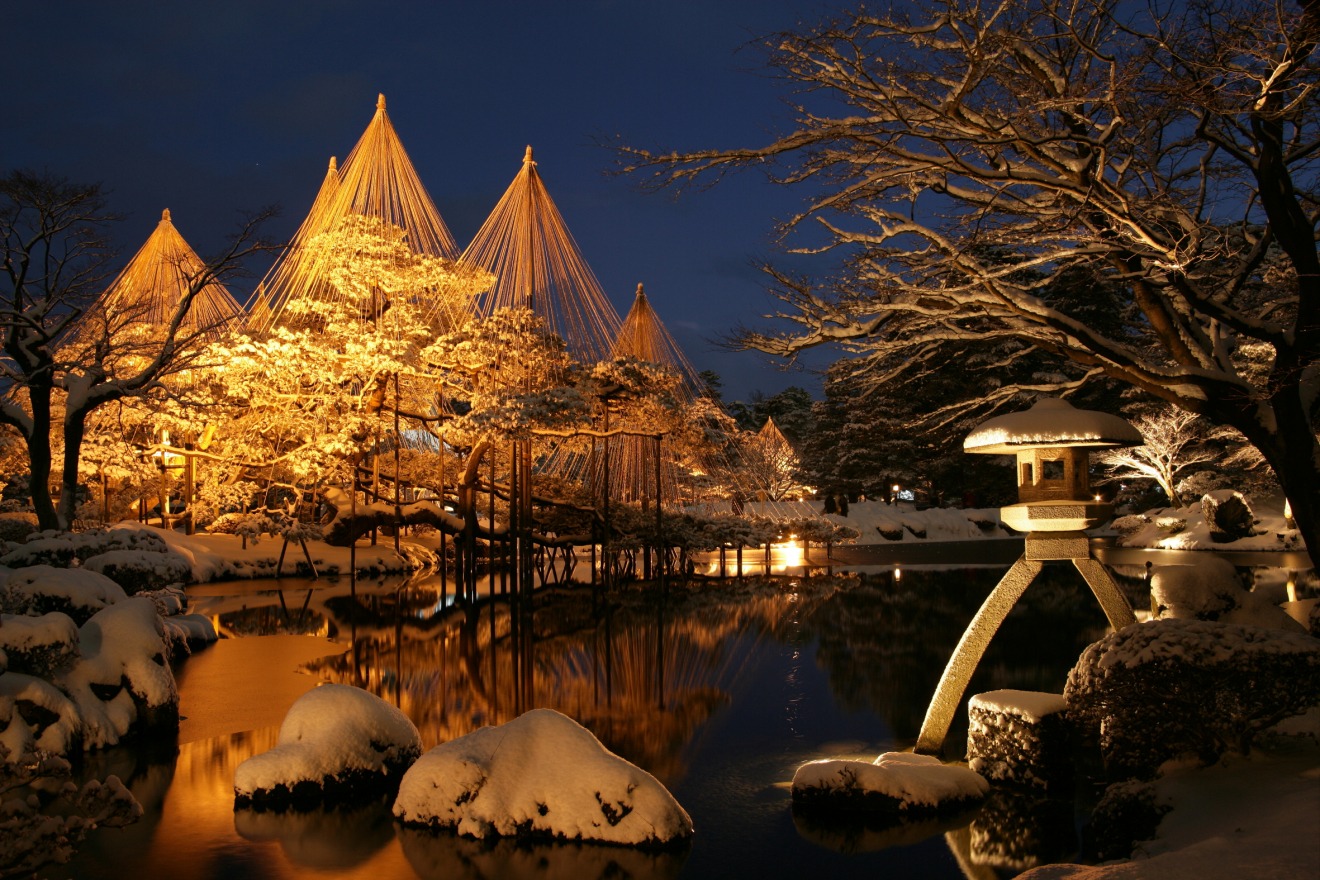
Image Credits: VISIT KANAZAWA JAPAN
Kanazawa is a year-round destination, but the season changes what you get. It rains and snows more than much of Japan thanks to the coast, so pack for weather whenever you come.
- Winter (December to February): the prettiest, if the coldest. Kenroku-en’s yukitsuri ropes and snow-laden pines are the signature Kanazawa image, and crowds are thin. Expect grey skies and real snow.
- Spring (March to May): blossom season and mild walking weather, with cherry trees framing the castle moat. Golden Week in late April is the busy stretch.
- Summer (June to August): green and lively but hot, humid, and wet through the June rainy season. The festivals help.
- Autumn (October to November): arguably the best all-round window, with maples turning across the gardens and comfortable temperatures.
Whenever you visit, weekdays beat weekends at the headline sights. For Singaporean travellers, the winter and autumn windows give the most distinctive scenery; just pack a warm layer and a brolly.
📖 Related Guide: Timing the wider trip around blossoms or leaves? Our best time to visit Japan guide breaks the country down season by season.
The Best Things to Do in Kanazawa
The core sights cluster in three walkable pockets: the central garden-castle-market zone, the Higashi Chaya teahouse quarter to the northeast, and the Nagamachi samurai lanes to the west. You won’t fit everything below into one day, so skim each and build the route that matches your mood.
Kenroku-en Garden
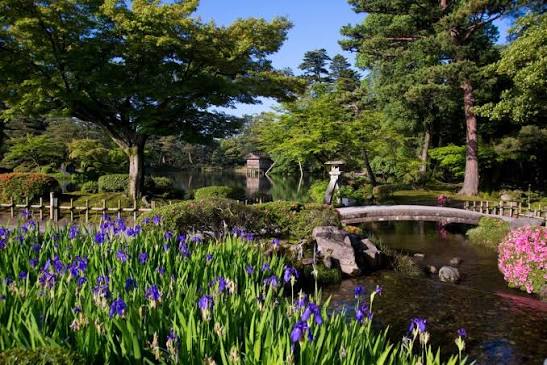
Image Credits: VISIT KANAZAWA JAPAN
The reason many people come, and it earns it. Kenroku-en is ranked among Japan’s three greatest landscape gardens, laid out by the Maeda lords over nearly two centuries around ponds, teahouses, streams and the oldest fountain in Japan. Its name means “garden of the six sublimities”, the six contradictory qualities a perfect garden was said to need.
Every season rewrites it. Plum and cherry blossom in spring, deep green in summer, maples in autumn, and in winter the famous yukitsuri, the cone of ropes strung from tall poles to protect the pines from heavy snow. Admission is a bargain 320 JPY (~S$3), and the garden opens free before official hours for early risers.
- 📍 Central Kanazawa, next to Kanazawa Castle Park
- 🕘 7 AM to 6 PM (March to mid-October), 8 AM to 5 PM (mid-October to February)
- 💰 320 JPY (~S$3); a 500 JPY (~S$4) combo ticket adds one nearby cultural site
Kanazawa Castle Park
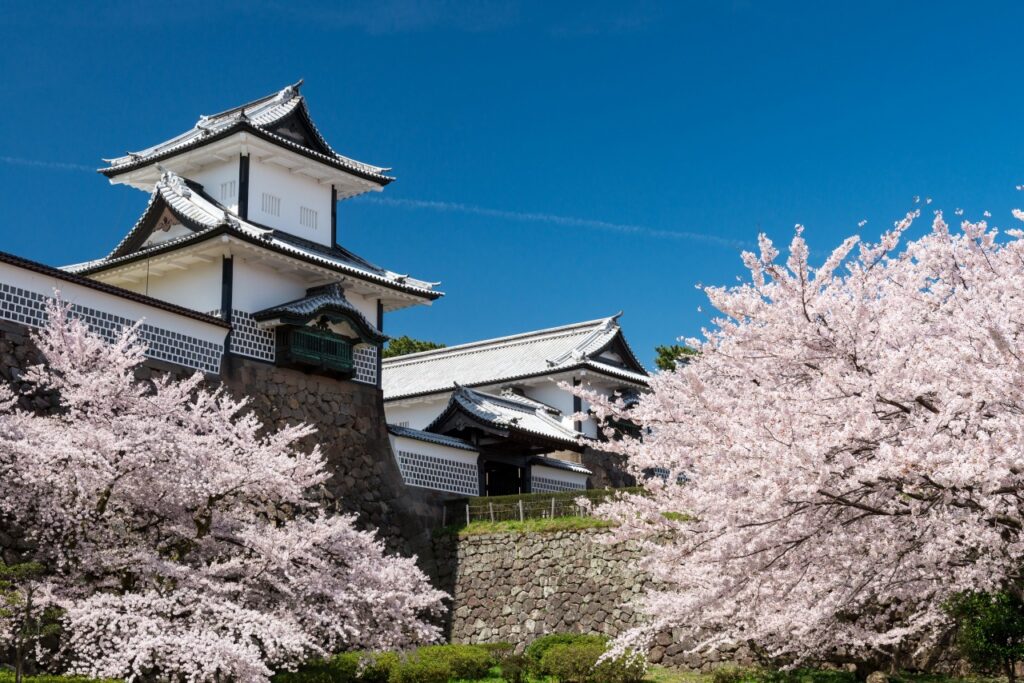
Image Credits: Visit Kanazawa
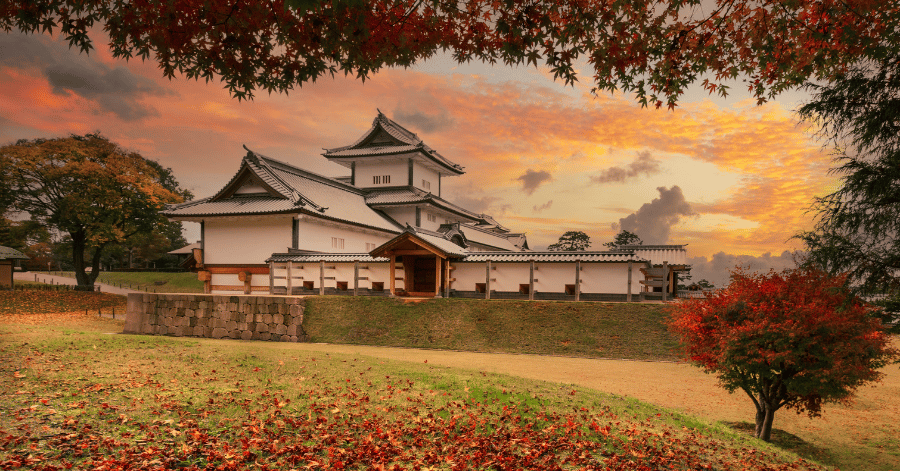
The garden’s natural pairing, right across the road. Kanazawa Castle was the seat of the Maeda clan, and while fire destroyed much of it over the centuries, several structures have been faithfully rebuilt using traditional joinery and the distinctive white lead-tile roofs. The grounds are a broad, open park that’s free to wander, with a couple of interior halls charging a small entry.
It connects to Kenroku-en across a short bridge over the road, so the two make one easy loop. Come for the scale and the moat-and-turret views, and don’t rush the walk between them. Do it as a pair with the garden rather than a standalone stop.
Higashi Chaya District
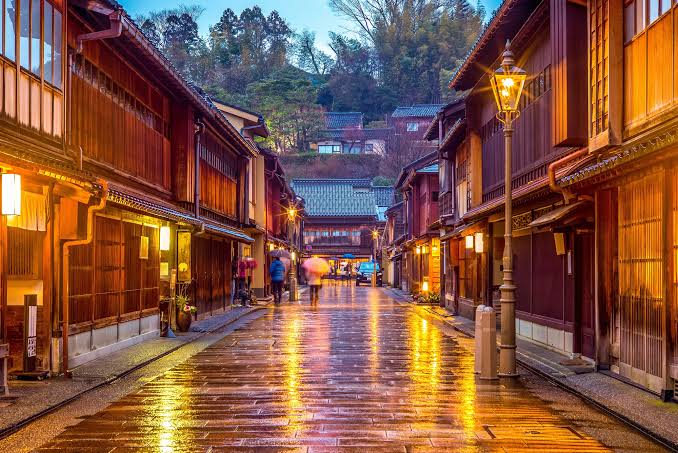
Image Credits: NAGOYA TRAVEL GUIDE
The postcard quarter, and the busiest for good reason. Higashi Chaya is Kanazawa’s largest teahouse district, a lattice-fronted grid of two-storey ochaya where geisha have entertained since the early 1800s. A few of the old houses are open to tour, and the whole lane glows at golden hour when the wooden facades catch the light.
This is also ground zero for gold-leaf ice cream: a soft serve wrapped in a full sheet of edible gold leaf, around 1,189 JPY (~S$10) at Hakuichi’s shop on the main lane. It tastes like ordinary vanilla, so you’re buying the spectacle and the photo, which is entirely the point. Best for first-timers who want the classic Kanazawa image in one stop.
Kazuemachi Chaya District
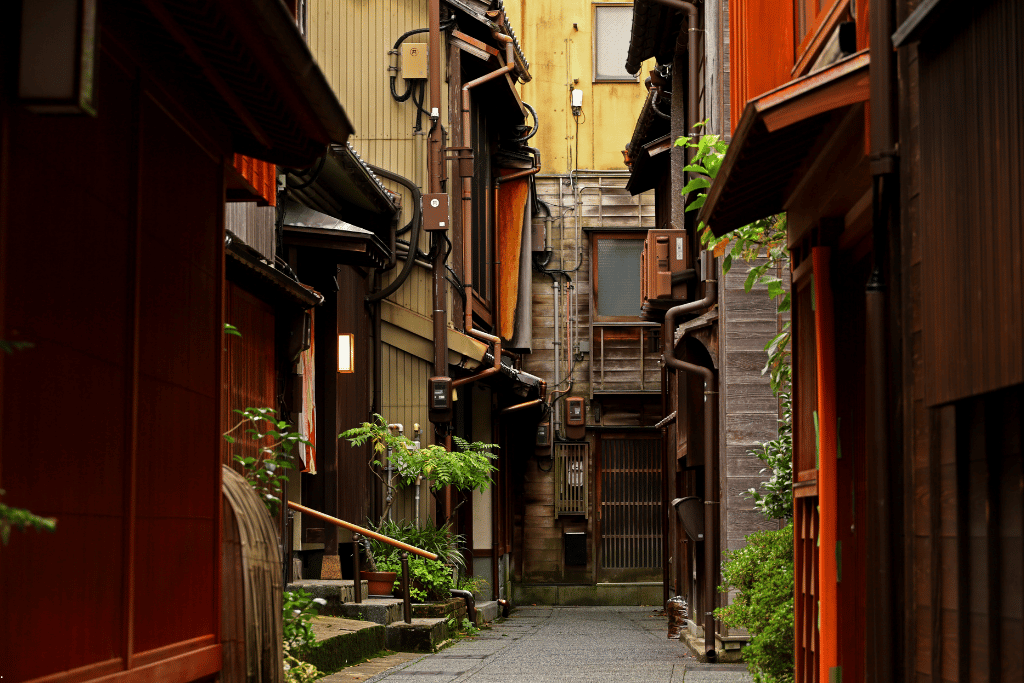
The quieter geisha district, and the more atmospheric one. Kazuemachi runs along the Asano River a short walk from Higashi Chaya, and because it’s smaller and less signposted, it stays calm even when the main quarter fills up. Come at dusk, when lanterns light the riverside teahouses and you might hear a shamisen through a screen. One for travellers who found Higashi Chaya lovely but too crowded, and want the same beauty with breathing room.
Nishi Chaya District
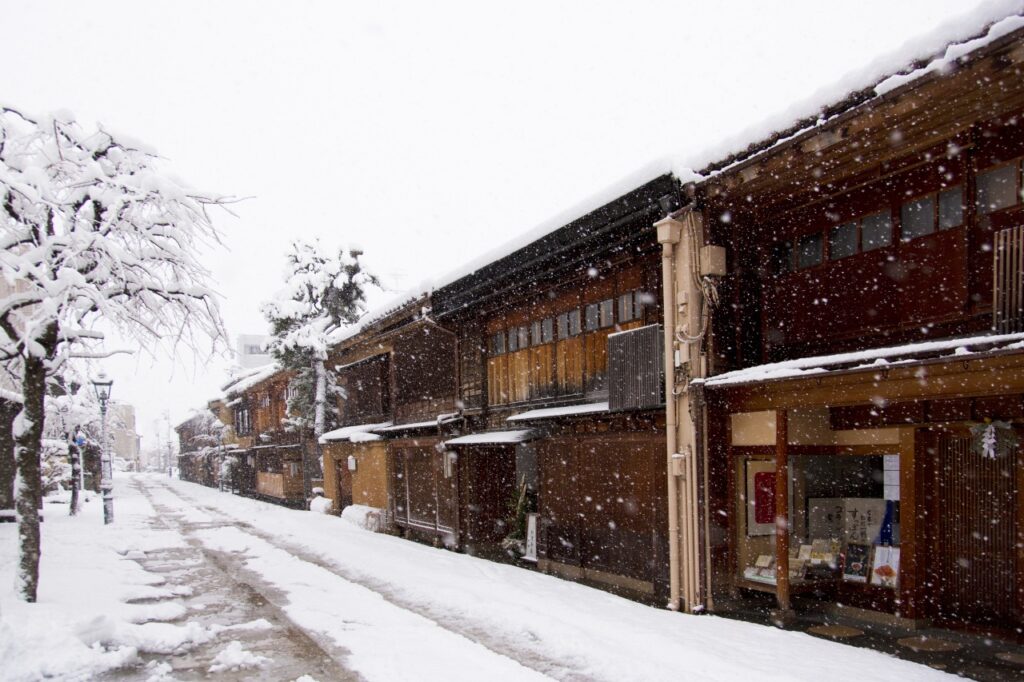
Image Credits: Visit Kanazawa
The smallest of the three, and an easy add-on. Nishi Chaya sits on the west side near the Ninja Temple, a single short street of teahouses with a small free museum recreating an ochaya interior. It takes ten minutes to walk, so pair it with Myoryuji rather than making a special trip. Best for completists doing all three chaya districts, or anyone already over on the Teramachi side.
Nagamachi Samurai District
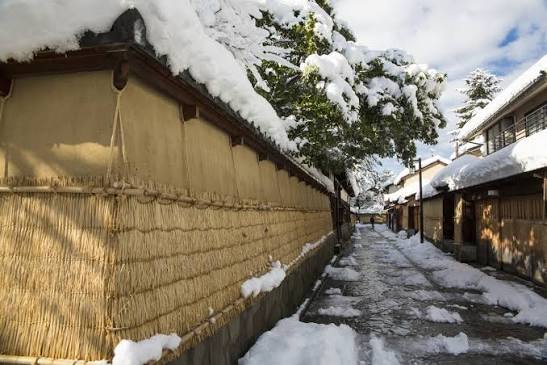
Image Credits: Visit Kanazawa
Where the warriors lived, and it still looks the part. Nagamachi is a maze of narrow lanes lined with earthen walls, private gates and old samurai residences, with a small canal running through it. The standout to enter is the Nomura-ke, a restored samurai family home with a jewel of a small garden, tatami rooms and a tea room, for around 550 JPY (~S$5).
The walls are the draw as much as the houses: in winter they’re wrapped in komo straw mats to protect the mud from frost, a detail that’s pure old Japan. Give it a slow half-hour on foot. Best for history and architecture fans, and a good quieter counterpoint to the teahouse crowds.
Oyama Shrine
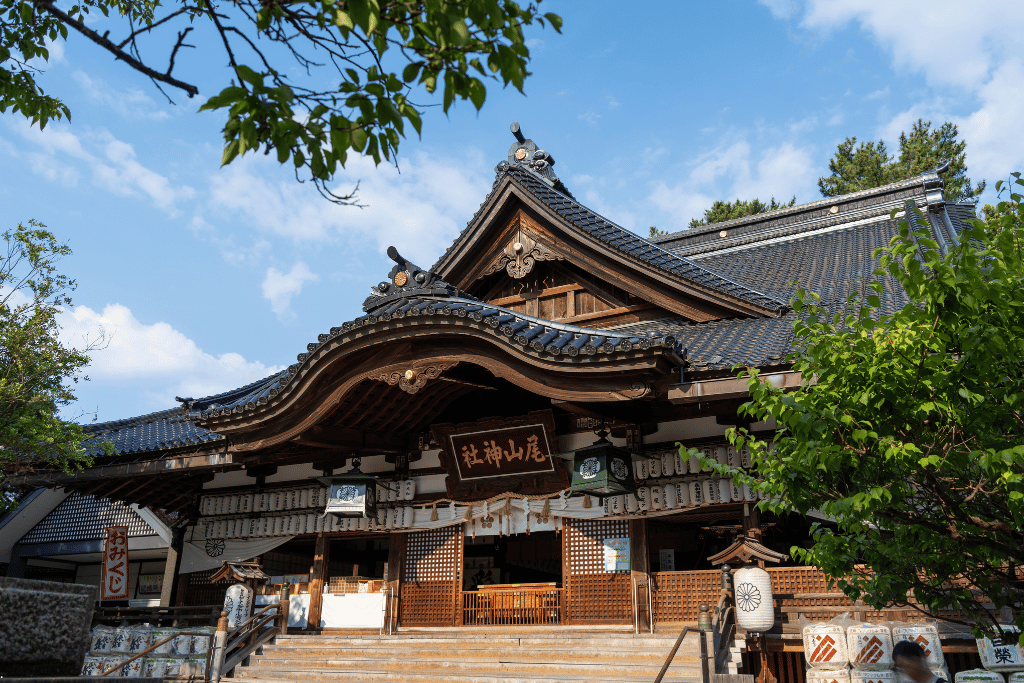
Worth the stop for one genuinely unusual feature. Oyama Shrine honours the first Maeda lord, but everyone comes for its gate: a three-storey Shinmon topped with Dutch-influenced stained glass, unlike anything on a normal Japanese shrine. It was designed with input from a foreign engineer in the 1870s and once doubled as a lighthouse beacon.
The shrine grounds are free and central, an easy ten-minute add between the castle and the market. It’s a quick visit rather than a long one. One for anyone who likes an architectural oddity, and it’s especially good lit up after dark.
Myoryuji, the Ninja Temple
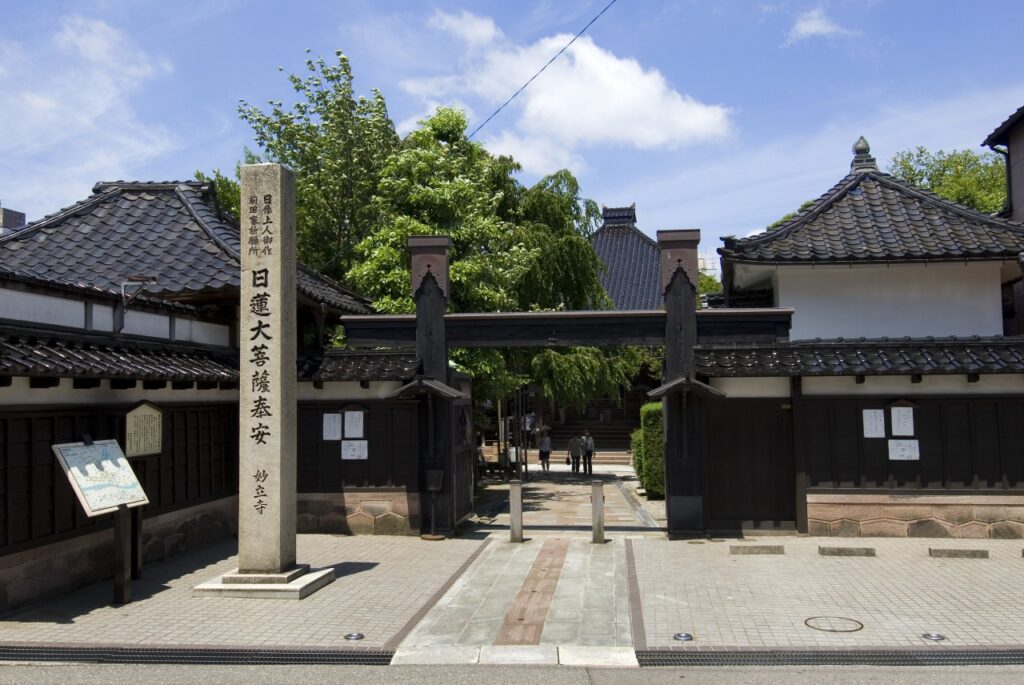
Image Credits: VISIT KANAZAWA, JAPAN
The most fun sight in the city, and the one you must book ahead. Despite the nickname, Myoryuji has nothing to do with ninja. It was a fortified temple built to defend against attack, riddled with hidden staircases, trapdoors, a concealed well tunnel, and a fake offering box rigged as a pitfall. A guided tour walks you through the tricks in about 40 minutes.
You have to reserve by phone in advance (English is fine), entry is 1,200 JPY (~S$10), and it’s cash only, with preschoolers not admitted. It’s the rare temple visit that kids and adults both leave grinning. Best for families and anyone bored of standard temple-and-shrine sightseeing.
21st Century Museum of Contemporary Art
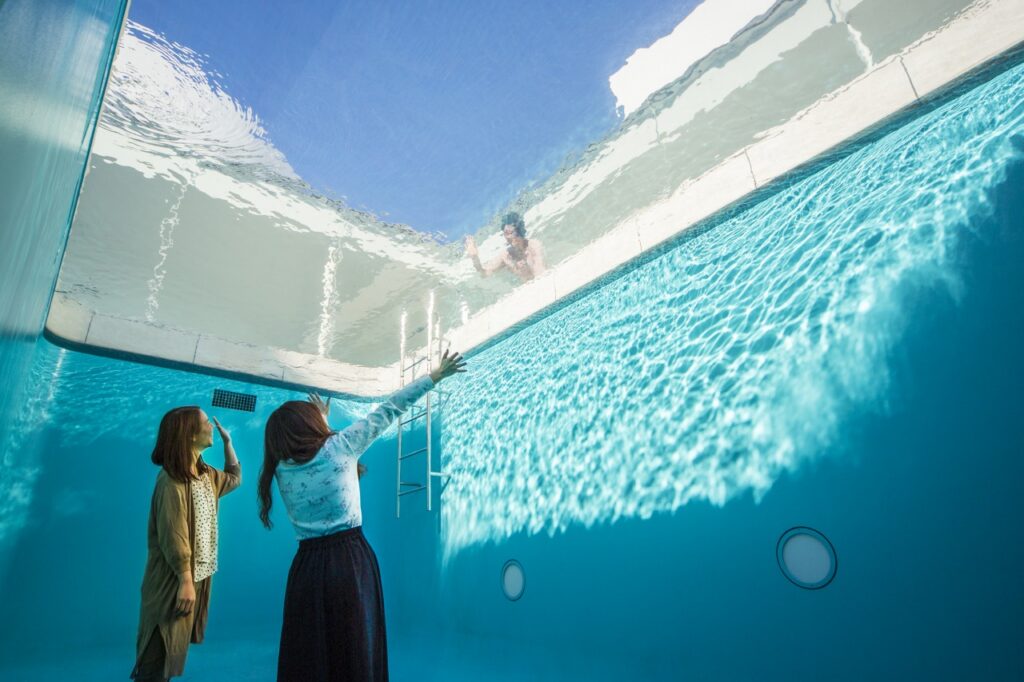
Image Credits: Visit Kanazawa
Proof Kanazawa isn’t stuck in the Edo period. This circular, glass-walled museum is one of Japan’s most-visited contemporary art spaces, designed to be entered from any direction with no front or back. The signature piece is Leandro Erlich’s Swimming Pool, where a trick of glass and water lets people appear to stand fully clothed at the bottom of a pool.
The outer ring and grounds are free, so you can see several installations and the building itself without a ticket. Entering the paid exhibition zone needs a ticket, and stepping into the pool interior can involve a same-day timed booking, so check at the desk on arrival. Best for design and art lovers, and a reliable rainy-day pick.
D.T. Suzuki Museum
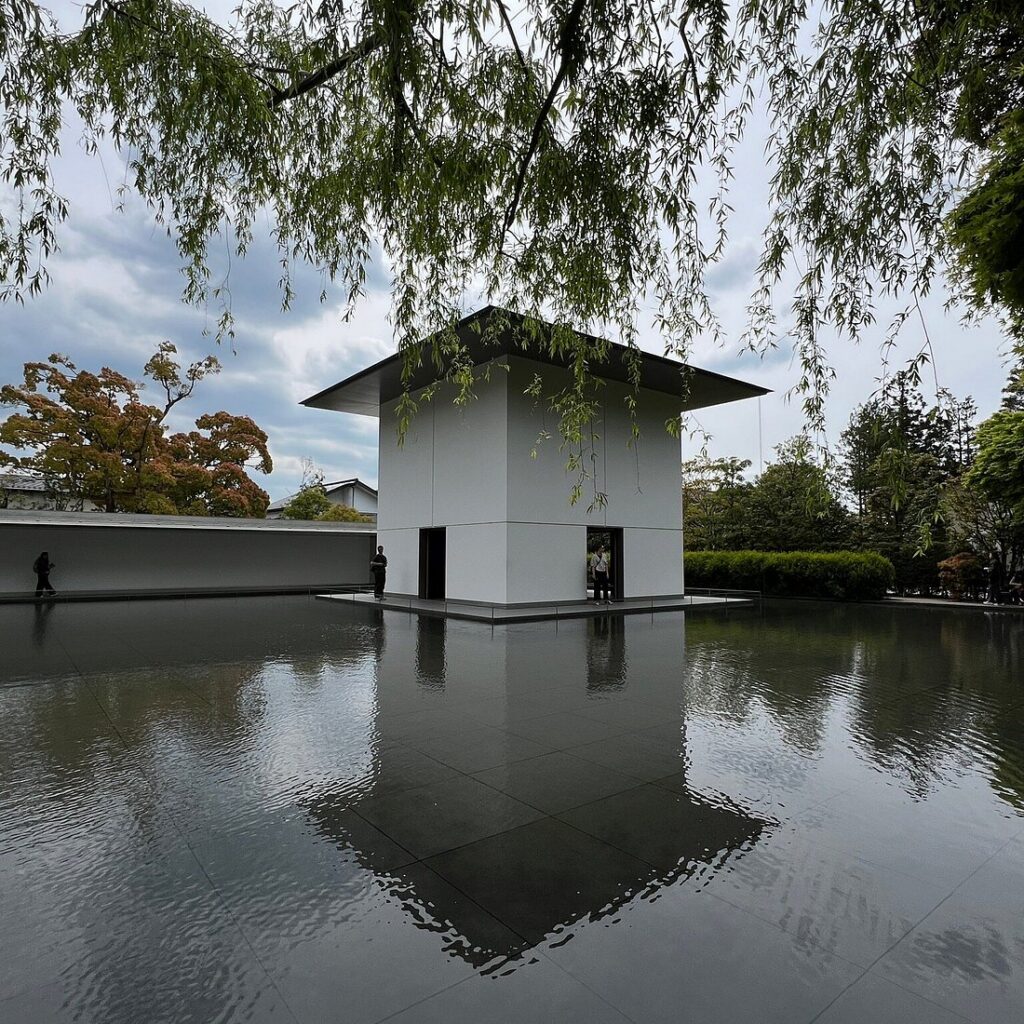
Image Credits: Tripadvisor
The city’s most quietly moving space. This small museum honours Daisetz Teitaro Suzuki, the Kanazawa-born scholar who introduced Zen Buddhism to the West. It’s less about exhibits than architecture: three low pavilions arranged around a Water Mirror Garden, a still black pool you sit beside in a bare Contemplative Space and simply watch.
Entry is 310 JPY (~S$3), and the whole visit takes maybe 40 minutes if you let it slow you down. It’s closed on Mondays. Come here for ten minutes of calm between busier stops, a welcome antidote to sightseeing fatigue.
Omicho Market
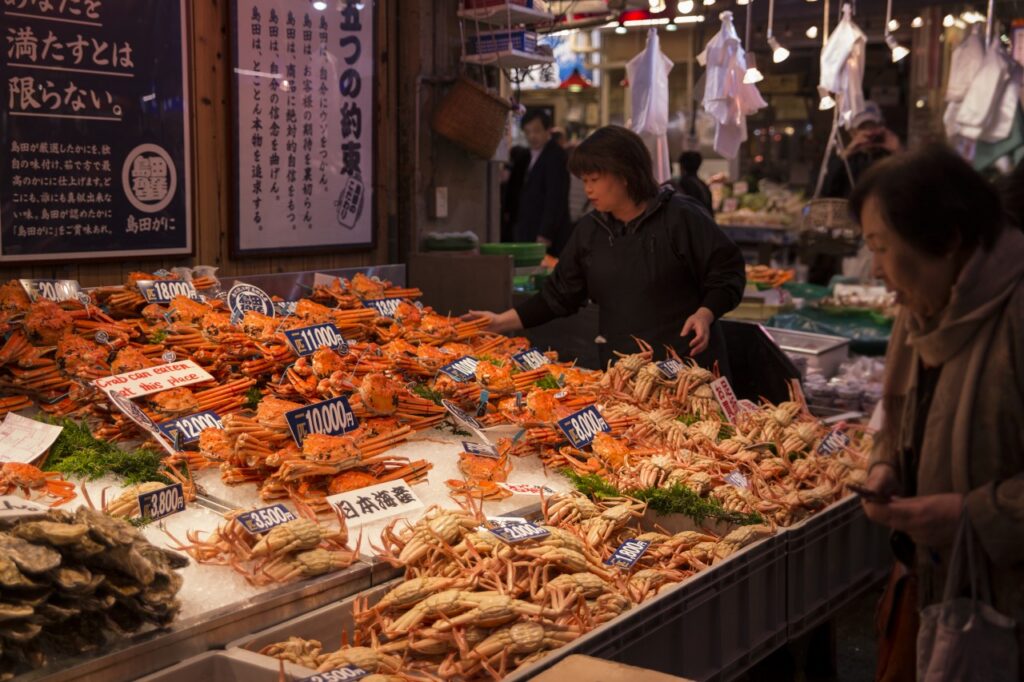
Image Credits: Visit Kanazawa
Kanazawa’s kitchen for 250 years, and the best cheap lunch in town. Omicho is a covered warren of more than 180 stalls selling snow crab, sweet shrimp, sea urchin and whatever the Sea of Japan gave up that morning. Some vendors will grill or plate seafood on the spot, and the upstairs and side eateries do the famous kaisendon, a rice bowl heaped with raw seafood.
Go hungry and go before 2 PM, when the freshest stalls start winding down. Many small stalls are cash-preferred, so carry some yen. Best for seafood lovers and anyone who’d rather eat where locals shop than in a tourist restaurant.
A Gold Leaf Workshop
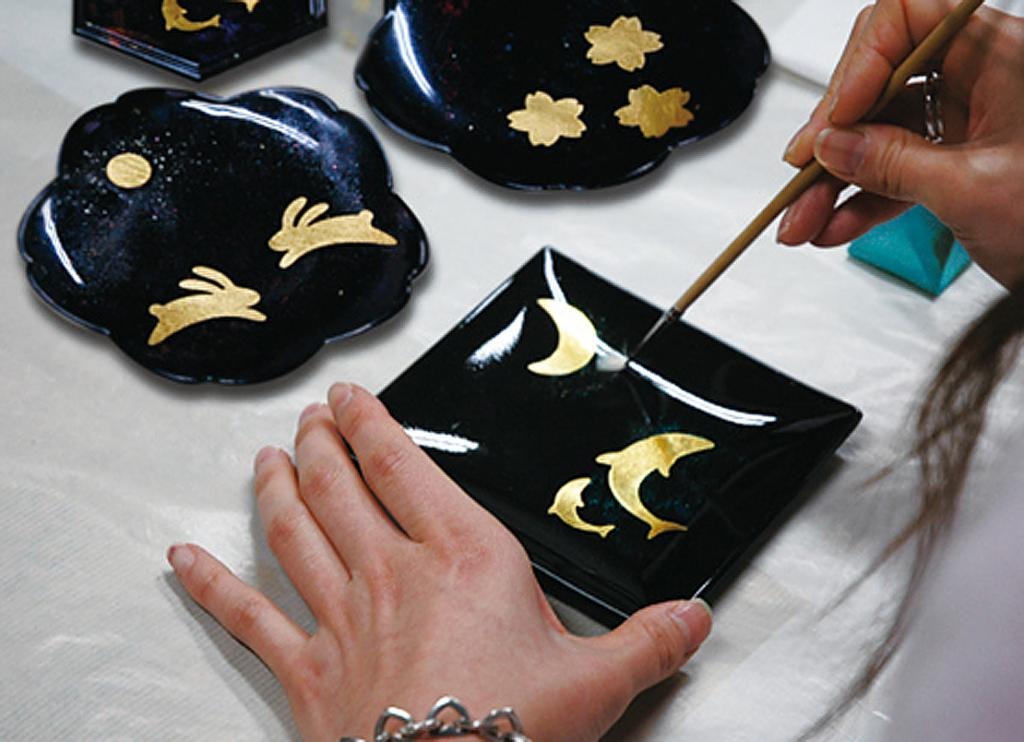
Image Credits: Visit Kanazawa
The one souvenir you make yourself. Since Kanazawa produces nearly all of Japan’s gold leaf, a gilding workshop here is the real thing, not a gimmick. Studios like Hakuza and Sakuda in and around Higashi Chaya let you press gold leaf onto chopsticks, a small plate or a trinket box, guided step by step, from around 1,400 JPY (~S$11).
The leaf is so thin it lifts on your breath, which is half the fun and half the challenge. Sessions run under an hour and suit older kids and adults. One for anyone who’d rather bring home something they made than something they bought.
Walk the Onosho Canal and the Asano Riverside
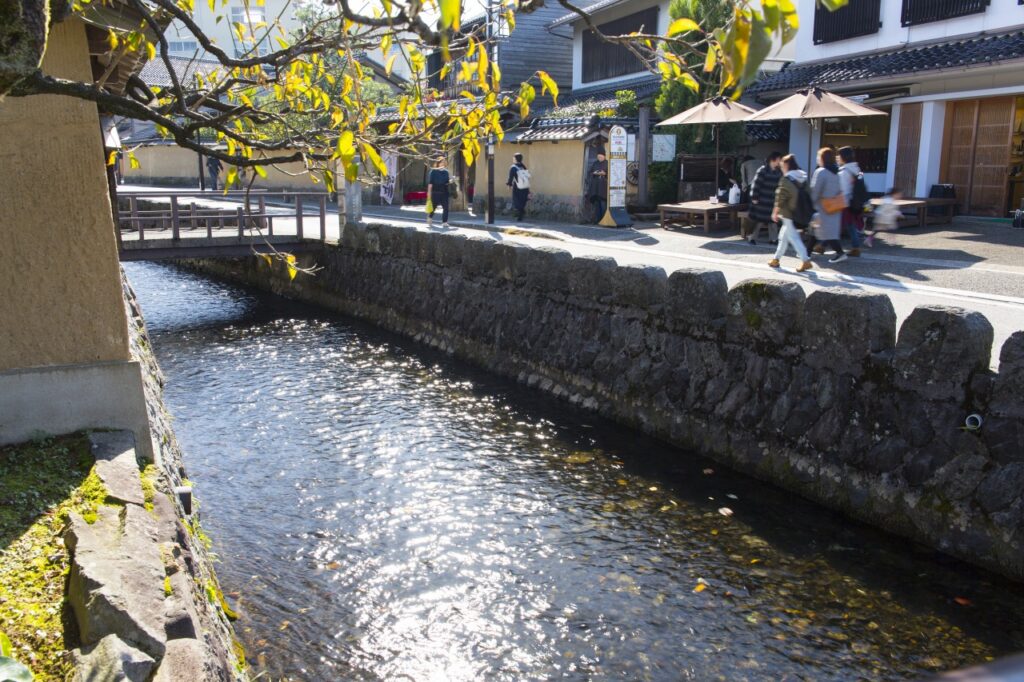
Image Credits: Visit Kanazawa
The free pleasure that ties the city together. Kanazawa is threaded with old irrigation canals, and the prettiest is the Onosho Canal, the city’s oldest, which runs right through the Nagamachi samurai district past the earthen walls. More stretches follow the Asano River by the teahouse quarters. There’s no ticket and no queue, just willow-lined water, stone bridges and the occasional heron.
It’s the kind of aimless walk that turns a checklist trip into a real one, especially in early morning or at dusk. Best for slow travellers and photographers, and a lovely way to link the samurai and geisha quarters on foot.
Kanazawa Station and the Tsuzumi-mon Gate
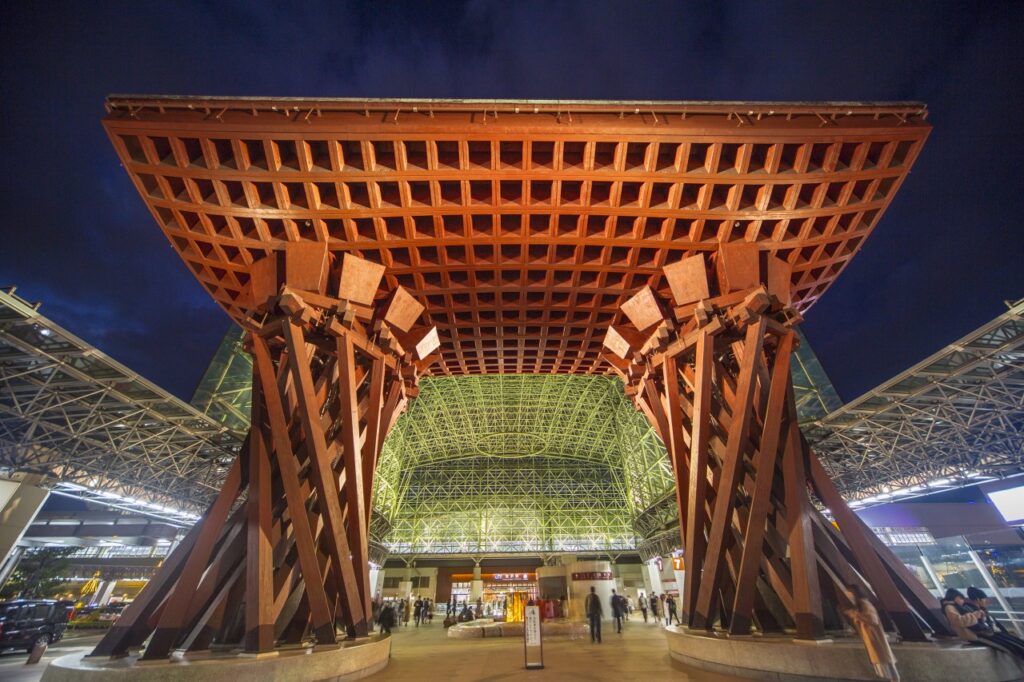
Image Credits: Visit Kanazawa
Your first sight of the city, and a landmark in its own right. Kanazawa Station’s east exit is guarded by the Tsuzumi-mon, a soaring wooden gate shaped like the twin drums of Noh theatre, framed by a vast glass-and-steel Motenashi (“welcome”) Dome. Travel & Leisure once named this one of the world’s most beautiful stations.
The gate is lit from sunset to midnight, so it’s worth a look on the way in and again after dinner. The station is also your hub for day-trip buses and the Shinkansen. Best for the arrival photo, and an easy night stop since you’ll pass through anyway.
📖 Related Guide: Chasing more craft and matcha nearby? Our Uji things-to-do guide heads to Japan’s green-tea capital near Kyoto.
What to Eat in Kanazawa
Kanazawa eats extremely well for its size, built on Sea of Japan seafood and the refined Kaga cuisine of the old castle town. Here are the dishes to prioritise, and where to find each.
Jibuni
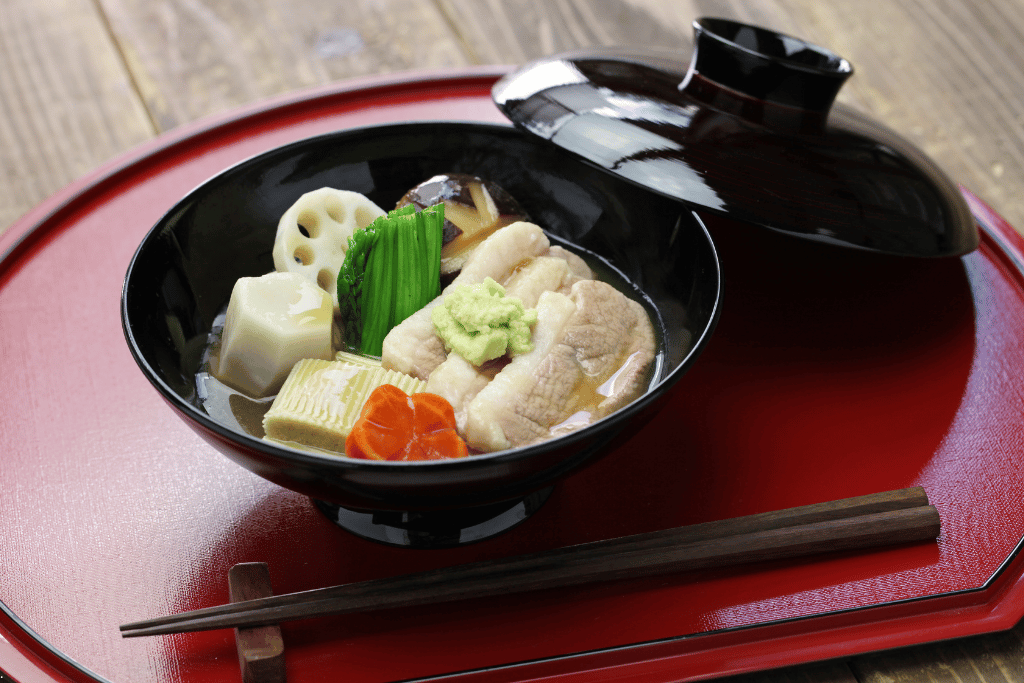
Start with the city’s signature dish. Jibuni is a comforting stew of flour-dusted duck or chicken simmered with seasonal vegetables and wheat gluten in a silky soy broth, finished with a dab of fresh wasabi that cuts the richness. The flour coating thickens the broth and keeps the meat tender, and it’s the clearest taste of Kaga cooking you’ll get.
| Where to try | Area | What to know |
|---|---|---|
| Kaga-cuisine restaurants | Central and Katamachi | The classic sit-down version |
| Omicho Market eateries | Central | Casual bowls alongside the seafood |
Nodoguro
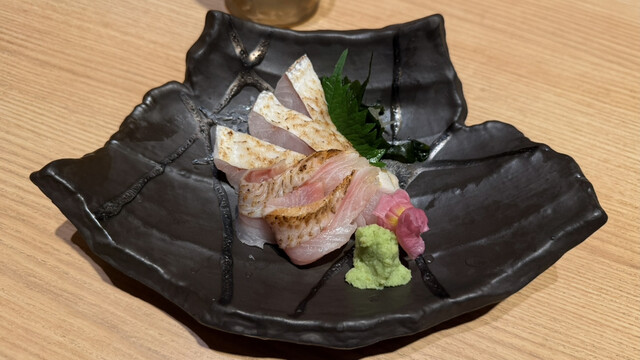
Image Credits: 食べログ
The splurge fish, and Kanazawa’s most prized catch. Nodoguro (blackthroat seaperch) is a small, intensely fatty white fish that locals rate above almost anything else from the Sea of Japan, served grilled until the skin crisps or as a lightly seared piece of sushi. It’s rich enough that a little goes a long way, and it’s at its best from autumn into winter.
A single piece of nodoguro sushi at Omicho runs around 500 to 800 JPY (~S$4 to S$6); a whole grilled fish at a sit-down restaurant is 2,000 to 4,000 JPY (~S$16 to S$32). One for seafood lovers who want to taste why this fish has such a reputation.
| Where to try | Area | What to know |
|---|---|---|
| Mori Mori Sushi | Omicho Ichiba-kan | Conveyor sushi; a local-fish trio with nodoguro |
| Omicho Ichibazushi | Omicho Market | Nodoguro seared and topped with roe |
Kaisendon at Omicho Market
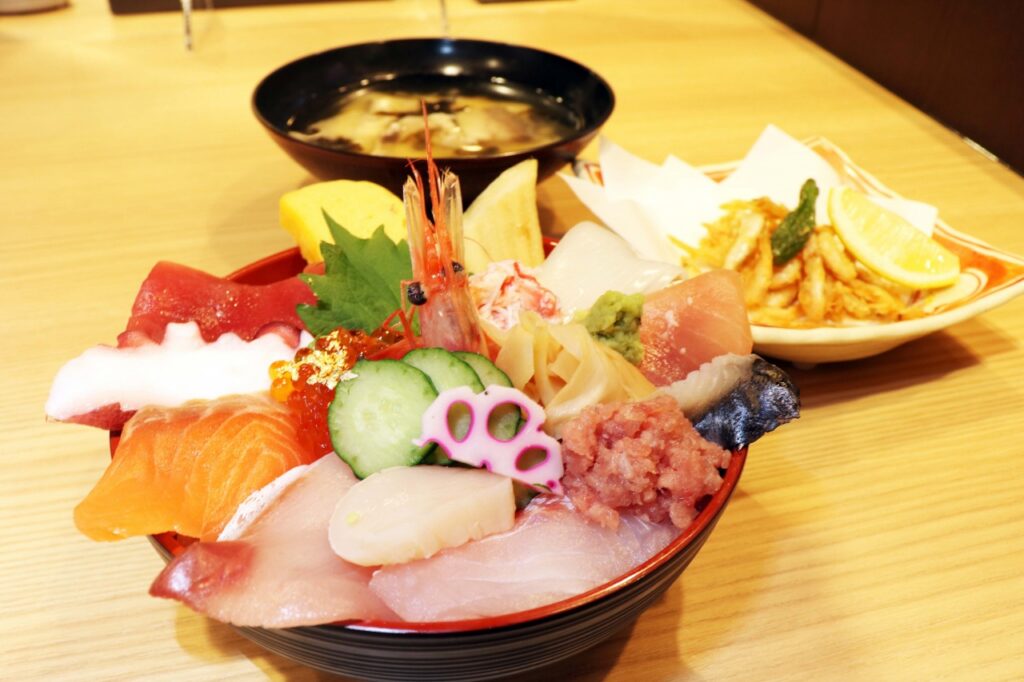
Image Credits: Visit Kanazawa
The lunch worth planning your day around. A kaisendon is a bowl of vinegared rice piled with raw seafood, and at Omicho the fish is often hours off the boat: sweet shrimp, snow crab in season, scallop, sea urchin and glistening tuna. Prices climb with the toppings, but a good bowl is one of Japan’s great cheap-luxury meals.
| Where to try | Area | What to know |
|---|---|---|
| Omicho Market upstairs and side stalls | Central | Freshest before 2 PM; queues at peak |
| Kanazawa Station food floor | Gateway | Handy if you’re catching a train |
Kanazawa Oden
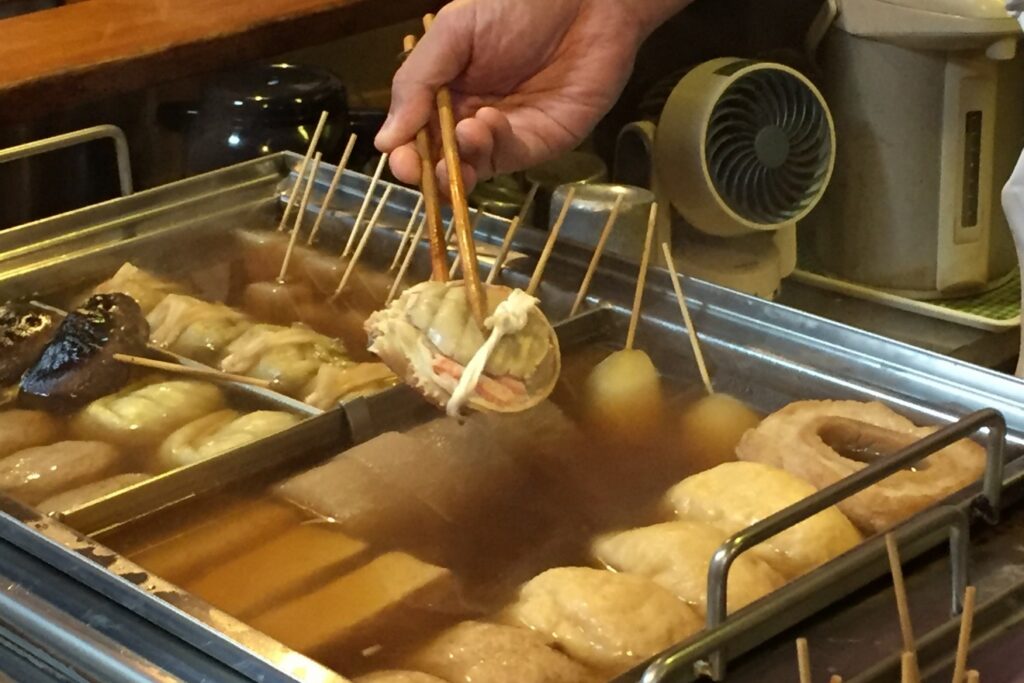
Image Credits: Visit Kanazawa
The local comfort food, and a proper winter treat. Kanazawa keeps oden (ingredients simmered in a light dashi broth) on the menu all year, with regional additions you won’t see elsewhere, like fu (wheat gluten) and, in the cold months, the famous kani-men: a female snow crab shell packed with its own meat and miso, dropped into the broth. It’s a warming, low-key izakaya meal rather than a fancy one.
Ordinary oden pieces are a few hundred yen each, while the winter kani-men crab oden is a seasonal splurge worth budgeting for. Look for oden houses around the Katamachi and Korinbo nightlife streets, and note that kani-men only shows up roughly from November to the end of winter.
| Where to try | Area | What to know |
|---|---|---|
| Katamachi oden houses | Central nightlife | Year-round oden, sake alongside |
| Winter kani-men (crab oden) | Citywide, seasonal | Female snow crab, roughly November onward |
Kanazawa Curry
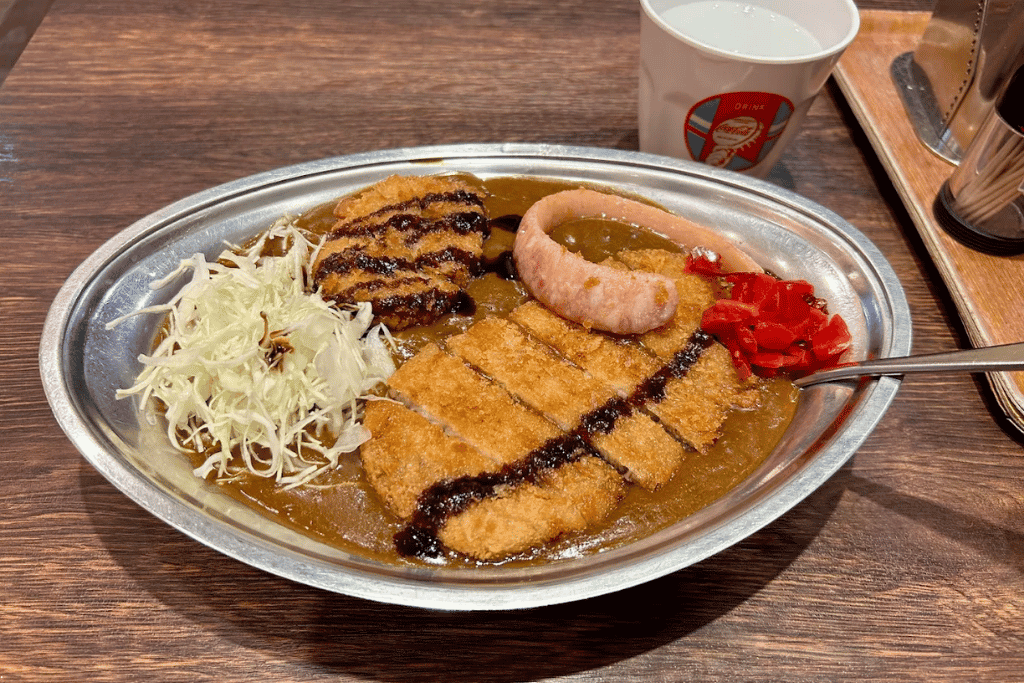
Image Credits: Kenichi T on Google Reviews
The cult casual dish, and the cheapest good meal in town. Kanazawa curry is its own genre: a thick, almost black roux ladled over rice, topped with a breaded cutlet and shredded cabbage, and eaten off a stainless plate with a fork. It’s heavier and darker than regular Japanese curry, and the city takes it seriously.
The two names to know both started here, Champion Curry (going since 1961) and Go Go Curry, and a cutlet curry runs around 800 JPY (~S$6). One for a fast, filling lunch when you want something that isn’t seafood.
| Where to try | Area | What to know |
|---|---|---|
| Champion Curry | Omicho Ichiba-kan B1, Nonoichi | The original, since 1961 |
| Go Go Curry | Kanazawa Station (Hyakubangai) | The most accessible branch |
Gold Leaf Ice Cream
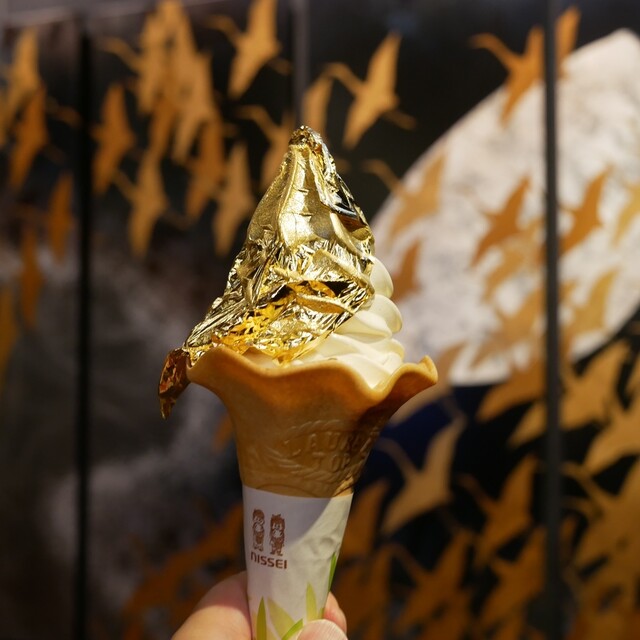
Image Credits: 食べログ
The dessert that’s pure Kanazawa theatre. A soft-serve cone gets crowned with a whole shimmering sheet of edible gold leaf, applied in front of you. It’s a nod to the city’s gold-beating heritage, and while the gold is tasteless, the ice cream underneath is good, and the photo is unbeatable.
| Where to try | Area | What to know |
|---|---|---|
| Hakuichi Higashiyama | Higashi Chaya | The best-known spot, around 1,189 JPY (~S$10) |
| Higashi Chaya main lane | Northeast | Several stalls do their own version |
📖 Related Guide: Planning a food-first leg elsewhere? Our Osaka things-to-do guide covers the country’s most famous eating city.
Things to Do in Kanazawa at Night
Kanazawa is quiet after dark compared with Tokyo, but that’s the appeal: the crowds thin, the landmarks light up, and the teahouse lanes turn cinematic.
The Kanazawa Castle and Kenroku-en Light-Up
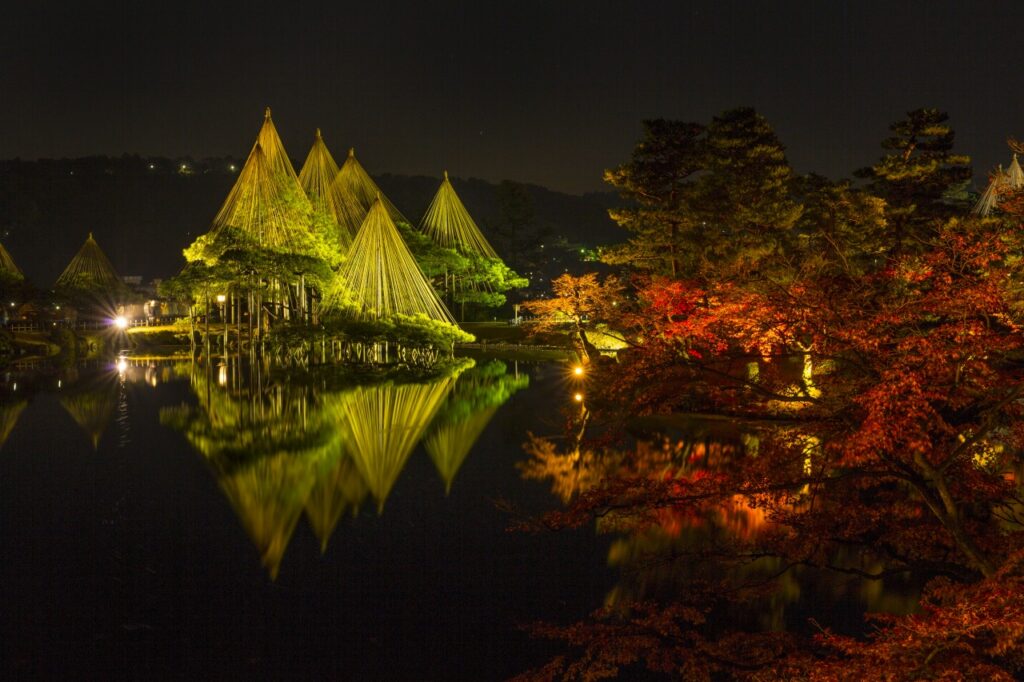
Image Credits: Visit Kanazawa
The city’s headline night event, and often free. Kanazawa Castle Park is illuminated every Saturday night, its rebuilt turrets and white roofs glowing above the moat. On selected seasonal dates, Kenroku-en also opens after dark with free night admission, the garden lit and mirrored in its ponds.
Check the dates before you go, since the garden’s free evenings cluster around winter, spring and autumn events rather than running nightly. When they line up with your visit, it’s the best free thing to do in Kanazawa after dark. Best for photographers and anyone who wants a marquee sight without a marquee price.
Kazuemachi After Dark
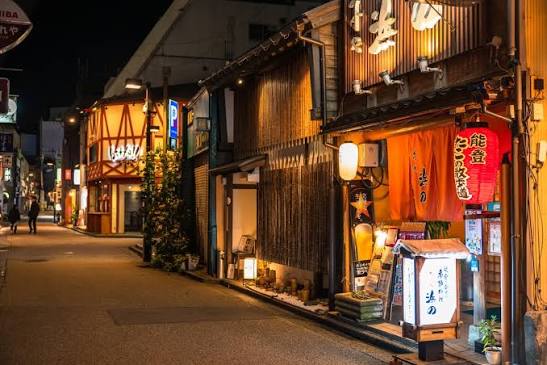
Image Credits: VISIT KANAZAWA
The most atmospheric evening walk in the city. The Kazuemachi teahouse district along the Asano River is at its best once the lanterns come on and the day-trippers leave. Reflections of the ochaya ripple in the water, and if you’re lucky, the sound of a shamisen drifts out from an evening engagement.
There’s nothing to buy and nothing to queue for, just a slow riverside stroll through old Japan. One for couples and slow travellers who’d take mood over activity.
Dinner in the Katamachi and Korinbo Quarter
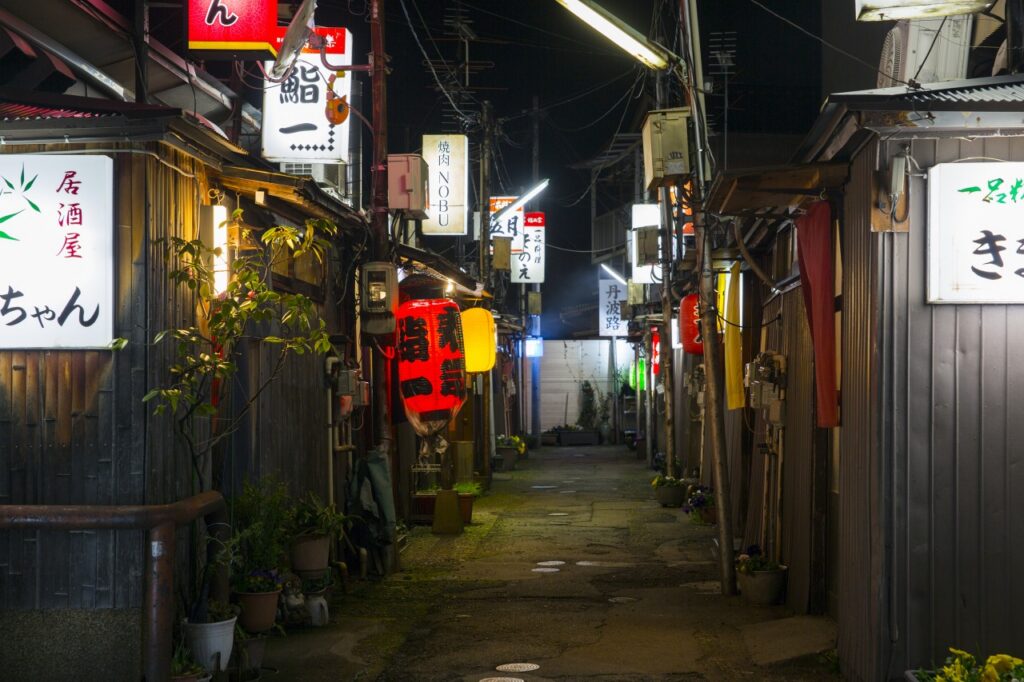
Image Credits: Visit Kanazaws
Where the city actually eats and drinks at night. Katamachi is Kanazawa’s main nightlife pocket, a dense tangle of izakaya, sushi counters, sake bars and tiny alley eateries. This is the place to work through local sake (Ishikawa is a serious brewing region) and a plate of the day’s sashimi without a tourist markup.
Wander the back lanes and pick the place that’s full of locals. Best for food-and-drink travellers and anyone who wants one lively evening after a day of gardens and temples.
📖 Related Guide: Want more after-dark art on the same trip? Our teamLab Tokyo guide sorts the two digital museums so you pick the right one.
How to Get to Kanazawa From Singapore
There’s no direct flight from Singapore to Kanazawa, so the realistic route is to fly into Tokyo or Osaka and finish by rail. The Hokuriku Shinkansen has made this far easier than it used to be.
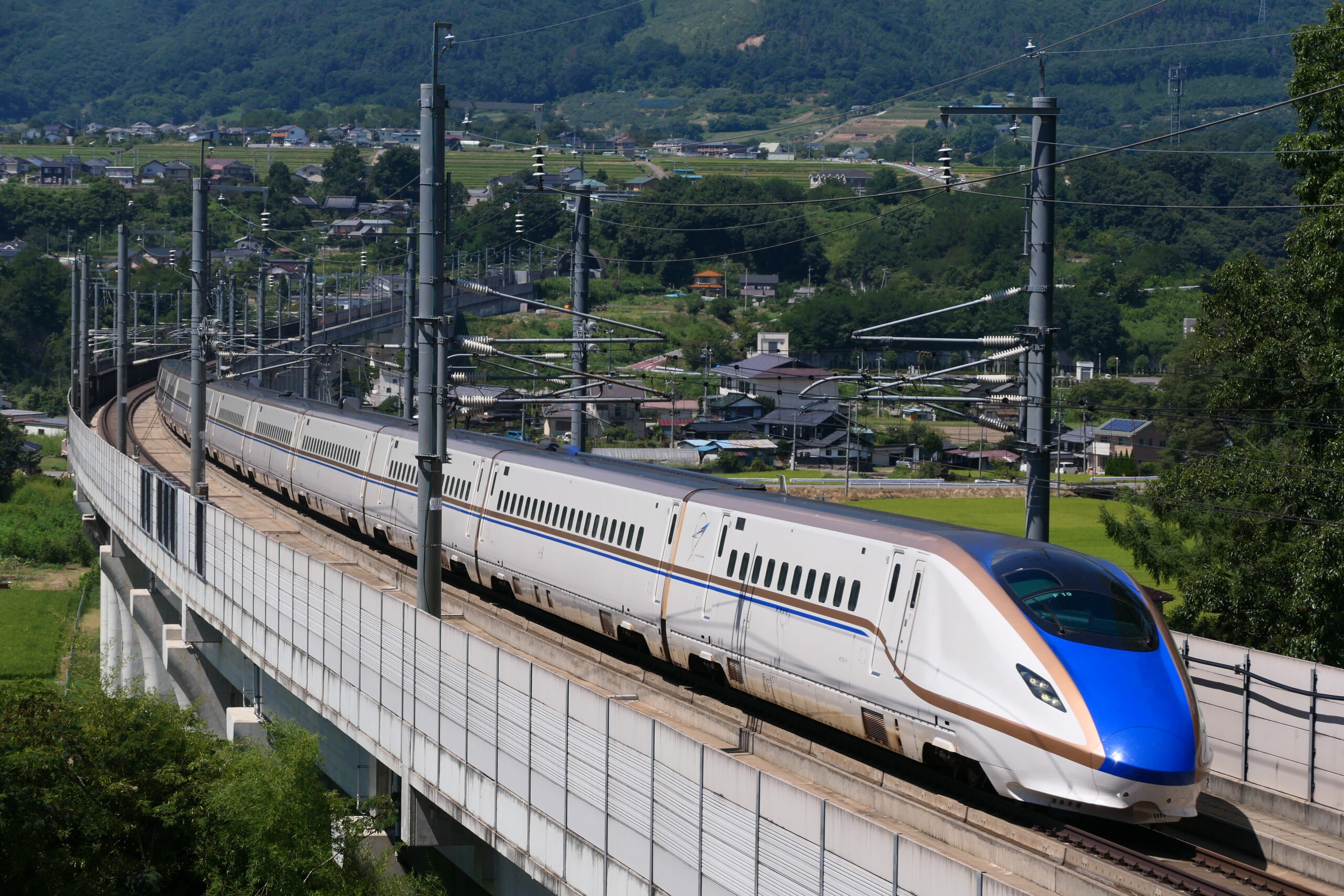
Image Credits: Wikipedia
From Tokyo, the fastest Kagayaki service reaches Kanazawa in about 2 hours 28 minutes, with a reserved seat costing around 14,380 JPY (~S$115) each way. From the Kansai side, you take a Thunderbird limited express to Tsuruga and transfer to the Hokuriku Shinkansen, which puts Osaka around 2 to 2.5 hours out and Kyoto a touch closer. Book seats online in advance, especially over weekends and holidays.
Whether a Japan Rail Pass pays off depends on your wider route. For a Tokyo to Kanazawa round trip alone it usually doesn’t, but if you’re criss-crossing the country by Shinkansen, it can. Work it out against your actual itinerary rather than buying one by default.
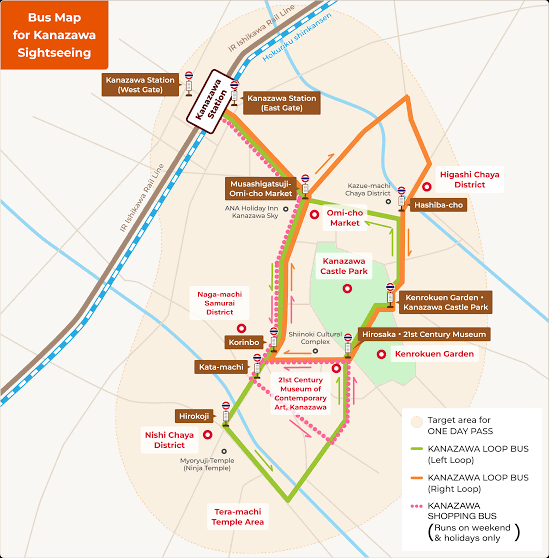
Image Credits: HOKURIKU RAIL ROAD
Getting around once you arrive is easy. The Kanazawa Loop Bus circles the main sights, from Kenroku-en to the chaya districts, Nagamachi and Omicho Market, on left and right loops every 15 to 20 minutes. It’s 220 JPY (~S$2) a ride, or 800 JPY (~S$6) for an all-day pass, and it takes contactless card and IC payment. Buy the day pass in advance at the station information counter, since it isn’t sold onboard.
📖 Related Guide: Weighing the pass? Our JR Pass guide breaks down the 2026 prices and whether it still pays off for your route.
Day Trips From Kanazawa
Kanazawa is a natural base for some of central Japan’s best-loved sights, all reachable by direct bus or a short ride. Reserve bus seats ahead in peak season, since these routes fill up.
Shirakawa-go
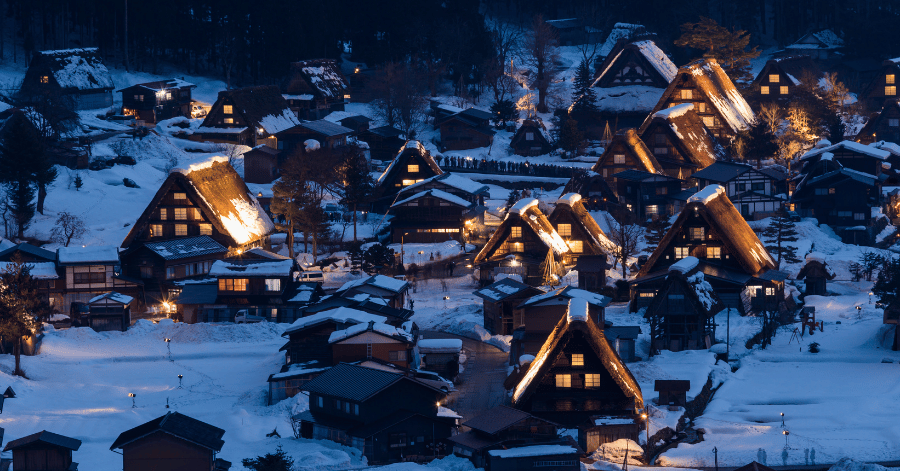
The famous thatched-roof village, and the easiest day trip. Shirakawa-go is a UNESCO-listed valley of steep-roofed gassho-zukuri farmhouses, some over 250 years old, especially dreamlike under snow. Direct buses run from Kanazawa Station in about 1 hour 15 minutes for around 2,800 JPY (~S$22) each way, and seats must be reserved.
Half a day is enough to walk the village and the hillside viewpoint. Best for a classic postcard stop, and especially good under snow if you can time it.
Takayama
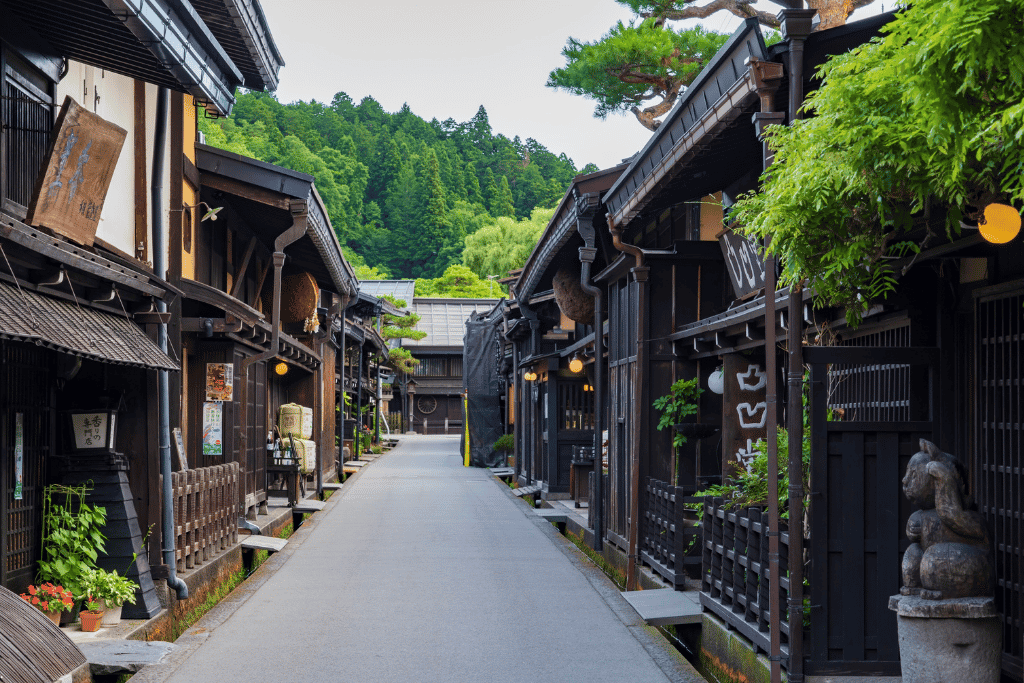
Old-town Japan, a little further on. Takayama sits over the mountains in the Japan Alps, known for its beautifully preserved Edo merchant streets, morning markets and sake breweries. The direct bus from Kanazawa takes roughly 2 hours 15 minutes for about 4,200 JPY (~S$34) each way, often stopping at Shirakawa-go en route, so you can pair the two.
Give it a full day, or an overnight if you want the morning market. One for travellers who liked Kanazawa’s old-town feel and want another dose.
Kaga Onsen and Kakusenkei Gorge
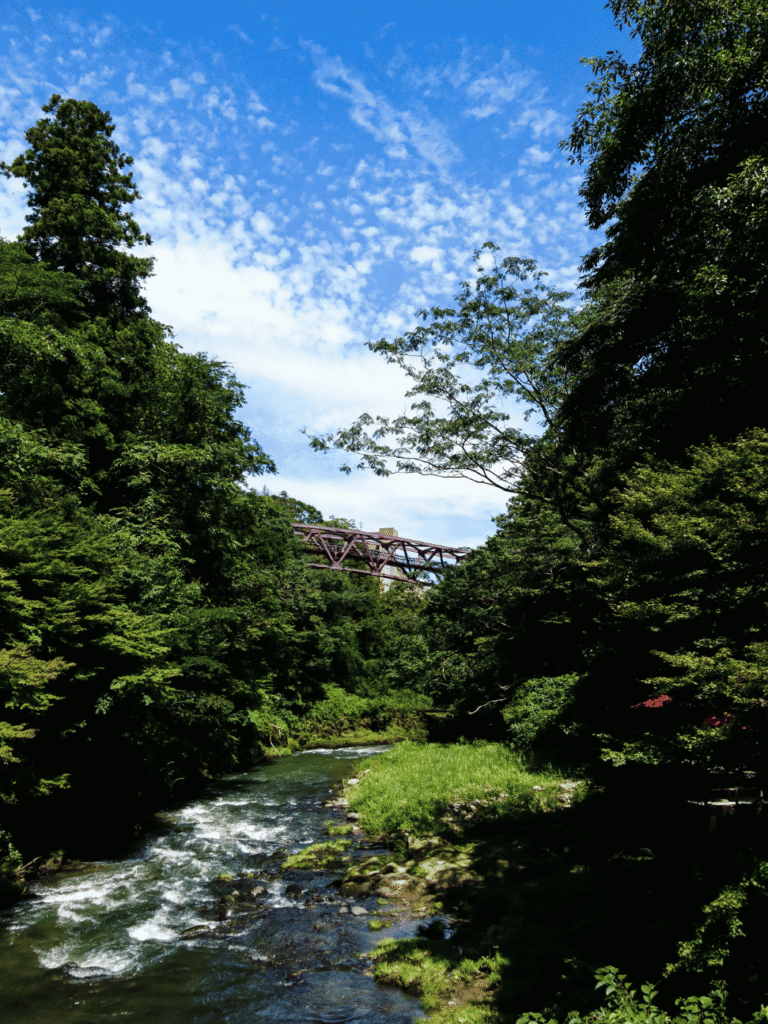
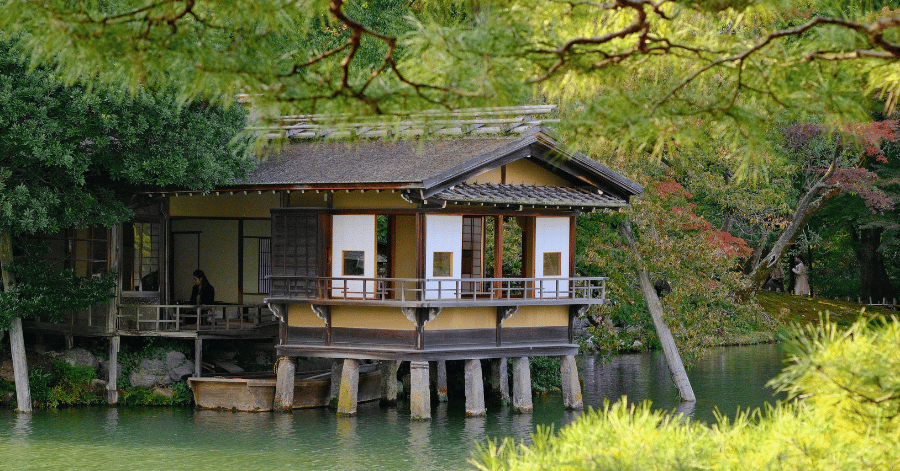
The relaxed hot-spring option close to home. The Kaga Onsen area is a cluster of historic hot-spring towns about 20 minutes south by Hokuriku Shinkansen (or 45 minutes by local train), where you can soak day-use or stay overnight in a ryokan. Nearby Yamanaka Onsen has the lovely Kakusenkei Gorge walk, a riverside trail with a teahouse platform over the water.
It’s the low-key, restorative day trip after all the walking. Best for travellers who want an onsen fix without committing a whole trip to it.
📖 Related Guide: Tempted to keep going into the Alps? Our Takayama road-trip guide maps the drive through Japan’s mountain heart.
How to Pay in Kanazawa
Kanazawa is more cash-friendly than Tokyo, so carry some yen. The big sights, department stores and chain restaurants take cards and IC payment, but the Ninja Temple is cash only, Omicho Market stalls lean cash, and small teahouse cafes and workshop studios often do too. A little cash plus a fee-free card covers everything.
The smart way to get that cash is to skip the money changer and withdraw yen from an ATM once you land. A money changer doesn’t charge an obvious fee; it quietly bakes a markup of a few percent into the rate it quotes you, and airport counters are worse. vcv ccƒ
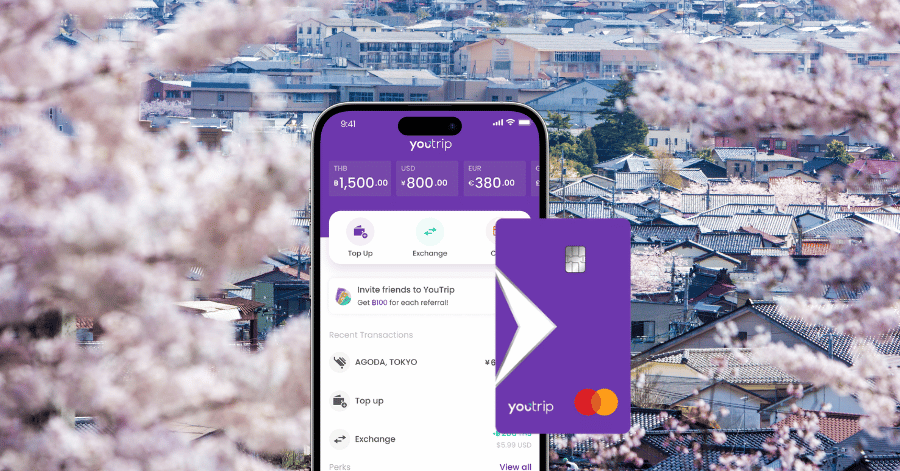
With YouTrip, your first S$400 of overseas ATM withdrawals each calendar month is free, then a flat 2% after that, and the allowance resets on the 1st. Pull yen from a 7-Eleven or Japan Post ATM on arrival, and you’ve sorted your cash at a fair rate.
For everything card-friendly, tap the YouTrip card and pay no foreign transaction fee, with each spend converting from SGD to yen at the Mastercard wholesale rate. That beats a typical credit card quietly adding 3% to 3.5% FX on every overseas swipe. Since JPY is one of YouTrip’s holdable wallet currencies, you can even lock in your yen rate ahead of the trip if the rate looks good.
Bottom line: bring a little cash for the market and the temple, withdraw it fee-free on arrival, and tap the card for the rest. For deeper detail, see our Japan ATM withdrawal guide and the SGD to JPY rate guide.
FAQs
Yes, especially if you love Kyoto’s culture but not its crowds. Kanazawa keeps three geisha districts, a samurai quarter and one of Japan’s three great gardens, all walkable and far less swamped. It’s a slow-culture city built on gardens, craft and food, so it suits travellers after atmosphere over action.
One full day covers the headline sights, but two days (one night) is the comfortable sweet spot, letting you add the museums, the Ninja Temple and a proper market lunch. Add a third day only if you plan to day-trip to Shirakawa-go or Takayama using the city as a base.
Gold leaf above all: the city produces about 99% of Japan’s gold leaf. It’s also known for Kenroku-en garden, its three surviving geisha teahouse districts, the refined Kaga cuisine best tasted through jibuni duck stew, and a standout contemporary art museum.
Take the Hokuriku Shinkansen. The fastest Kagayaki service runs from Tokyo Station to Kanazawa in about 2 hours 28 minutes, with a reserved seat costing around 14,380 JPY (~S$115) each way. Book ahead online, especially on weekends.
You can, but it’s a stretch. Trains link Kanazawa with Kyoto and Osaka in about 2 to 2.5 hours each way, with a transfer at Tsuruga onto the Hokuriku Shinkansen, so a day trip still means a fair bit of that day on the rails. One overnight makes the trip far more worthwhile and lets you see the city after dark.
Not better, but a great complement, and easier going. Kanazawa offers similar old-Japan atmosphere with a fraction of the crowds, though Kyoto has far more temples and sheer scale. Many travellers pair the two rather than choosing.
Yes, more than its refined reputation suggests. The Ninja Temple’s trapdoors and hidden stairs are a hit with children, the 21st Century Museum’s Swimming Pool is pure interactive fun, and a gold-leaf workshop makes a hands-on afternoon. Pokemon fans can also hunt down the Milotic Poke Lid, a manhole cover unveiled by a kimono-clad Pikachu, outside the National Crafts Museum near Kenroku-en.
Plenty, which makes it a good-value city to explore on foot. Kanazawa Castle Park, the three chaya districts, the Nagamachi samurai lanes and the Onosho Canal walk are all free to wander, and Oyama Shrine costs nothing to visit. Kenroku-en opens free before its official hours in the early morning, and both the castle and the garden hold free night illuminations on selected dates.
Give Kanazawa the Night
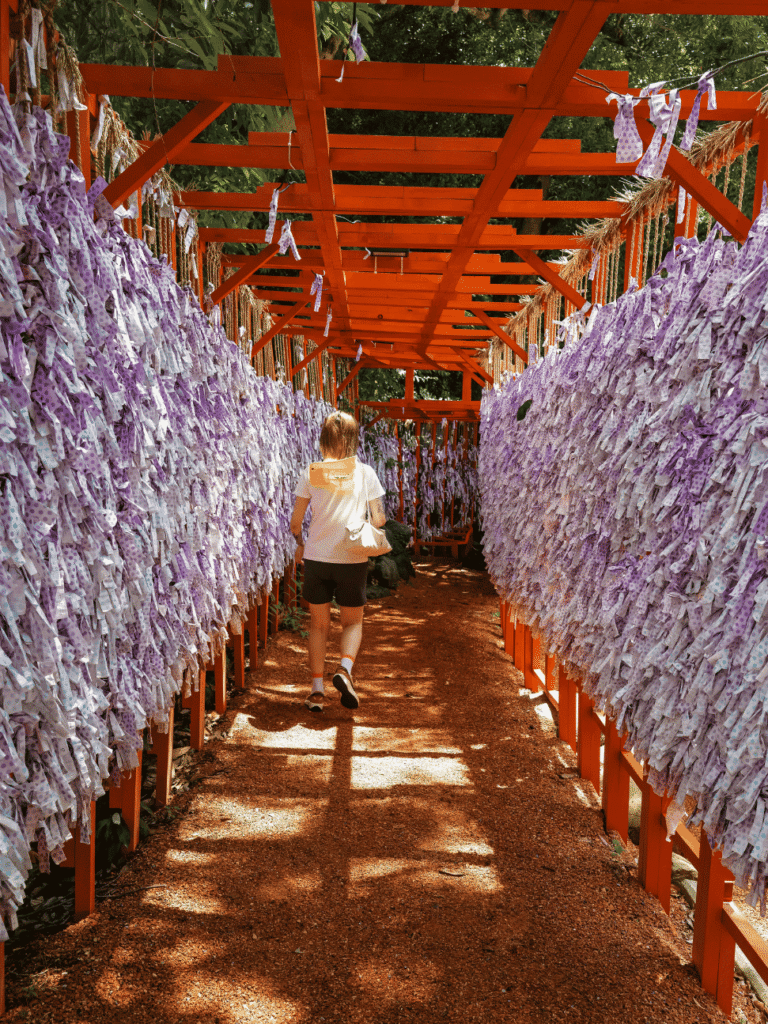
Kanazawa rewards the traveller who slows down, and that means staying over. Give it one night and the gardens, gold leaf and geisha lanes stop being a checklist and start being a place.
Wherever your Japan trip goes next, spend smart while you’re there. Tap your YouTrip card for zero foreign transaction fees at the Mastercard wholesale rate, and withdraw yen fee-free on your first S$400 each month for the cash-only stalls.
Not a YouTrooper yet? Sign up with code YTBLOG5 for a free YouTrip card and S$5 in credit. Lock in your rate across 12 currencies and spend in 150+ countries with no foreign transaction fees. Check out the latest YouTrip Perks, join our Telegram for deals, and swap tips in our Community Group.