


TL;DR: go in autumn, brave winter if you hate rain
Macau packs a lot into a small space, so the weather makes or breaks a trip built around walking the old town, queuing for egg tarts and hopping between Cotai resorts. The sweet spot is October to December, when the air turns dry and mild after a long, sticky summer. Here’s how every month actually feels, and when to book.
| Quick answer | |
|---|---|
| Best overall | October to December (dry, mild, comfortable for walking) |
| Best for events | Mid-to-late November (Macau Grand Prix, 19–22 Nov 2026) |
| Cheapest | June to August (hot, wet, typhoon season) |
| Avoid if you can | Golden Week (1–7 Oct) and Chinese New Year (17 Feb 2026) for crowds |
| Coldest month | January (around 14–15°C on average) |
| How long to stay | 2–3 days, or a single day-trip from Hong Kong |
Temperature figures are long-term averages. Weather shifts year to year, so check the forecast before you pack.
Table of Contents
- When Is the Best Time to Visit Macau?
- Macau Weather Month by Month
- The Cheapest (and Worst) Time to Visit Macau
- Best Time for Macau’s Festivals and Events
- How Many Days Do You Need in Macau?
- Where to Stay in Macau
- Should You Pair Macau With Hong Kong?
- Is Macau Worth Visiting if You Don’t Gamble?
- Getting Around and Paying in Macau
- FAQs
- Ready When You Are
When Is the Best Time to Visit Macau?
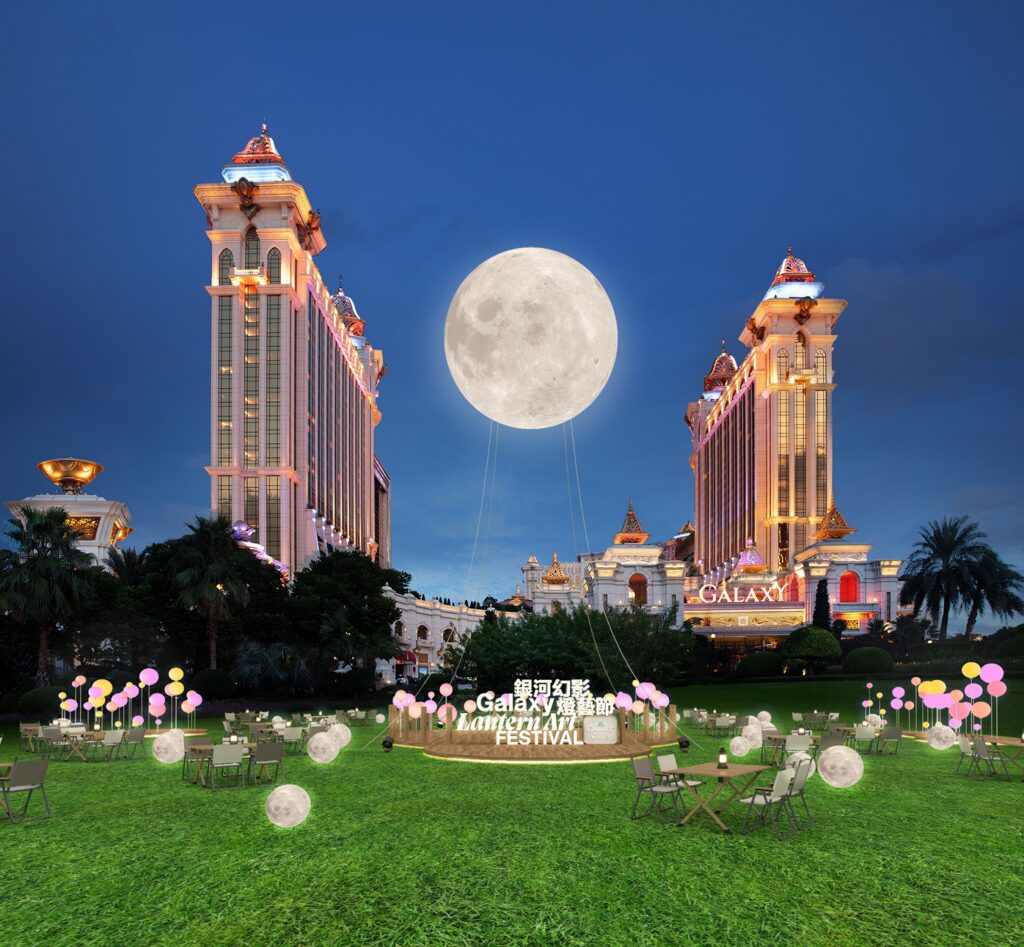
Image Credits: Galaxy Macau
The best time to visit Macau is October to December, when autumn brings dry, mild days that are comfortable for walking. Humidity drops, the rain eases off, and typhoon season is winding down. It’s the stretch nearly every local and guidebook points to, and for good reason.
Macau sits just below the Tropic of Cancer and runs on a humid subtropical climate. That means two things travellers care about: a long hot-and-wet summer, and a short mild-and-dry winter. Autumn is the gap in between, and it’s short.

Image Credits: Macau Lifestyle
If you don’t mind a chill, December to February is the other smart window. It can get cool, occasionally down to jacket weather, but it’s the driest part of the year. No typhoons, minimal rain, and clear skies for the outdoor spots that make Macau worth the trip. Pick autumn for the gentlest weather, winter if you’d rather be a little cold than caught in a downpour.
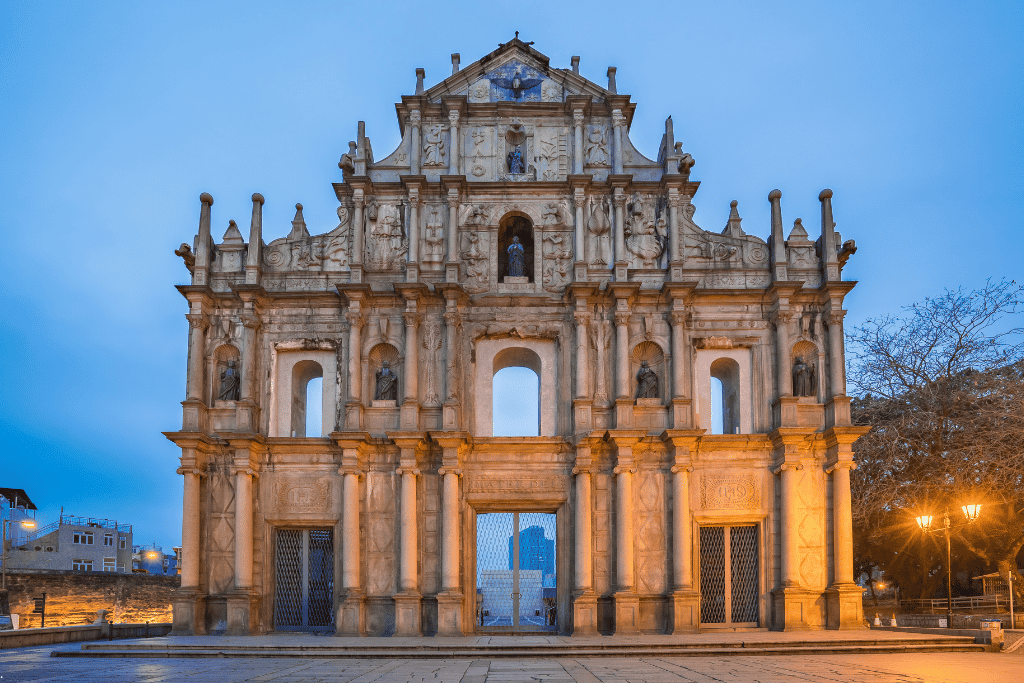
Time of day matters on a smaller scale, too. Hit the big outdoor sights like the Ruins of St. Paul’s and Senado Square early, before the tour groups and midday heat roll in. Save the Cotai Strip and its neon skyline for after dark, when the resorts light up, and the walking is cooler.
📖 Related Guide: Planning your whole year of trips around the weather? Our best time to visit Taiwan guide breaks down another nearby favourite month by month.
Macau Weather Month by Month
Macau has four seasons, but summer and winter do most of the talking. The full year is below, followed by a season-by-season breakdown of what to expect and pack.
| Month | Avg high / low | Rain | Feels like |
|---|---|---|---|
| January | 19° / 13°C | Low | Cool, dry, occasionally chilly |
| February | 19° / 14°C | Low | Cool, damp, foggy mornings |
| March | 22° / 17°C | Moderate | Mild, humid, grey |
| April | 26° / 21°C | Moderate | Warm, muggy, high humidity |
| May | 29° / 24°C | High | Hot, sticky, rain sets in |
| June | 31° / 26°C | High | Hot, wet, typhoon season starts |
| July | 32° / 27°C | Very high | Peak heat and humidity |
| August | 32° / 27°C | Very high | Hottest, wettest month |
| September | 31° / 26°C | High | Still hot, typhoon risk |
| October | 28° / 23°C | Low | Warm, drying out, lovely |
| November | 24° / 19°C | Low | Cool, dry, the sweet spot |
| December | 20° / 15°C | Low | Cool, crisp, driest month |
Figures are typical monthly averages. Actual conditions vary, so always check the forecast close to your trip.
Spring (March to May)
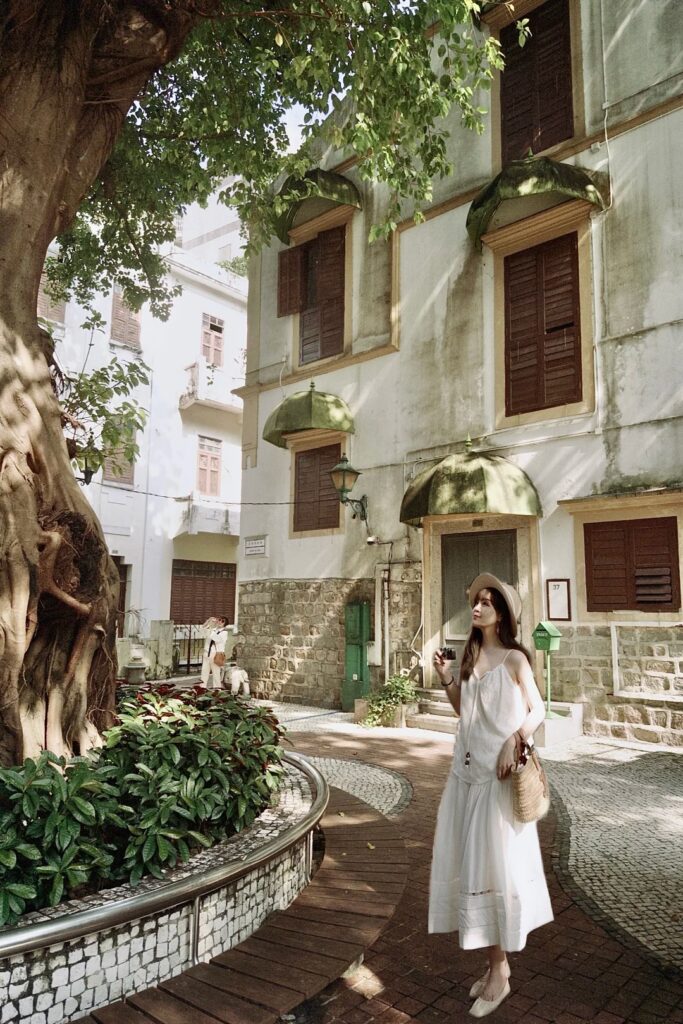
Image Credits: 101629491 on rednote
Spring in Macau is warm but grey and damp. Temperatures climb from the high teens into the high twenties, and humidity is at its heaviest, often hitting the mid-80s. Expect fog, drizzle and muggy afternoons.
It’s not a washout, and prices are still reasonable before the summer peak. But it’s a transitional stretch: not as crisp as autumn, not as cheap as deep summer. Best for travellers who want lower crowds and don’t mind trading clear skies for the odd misty day.
Summer (June to August)
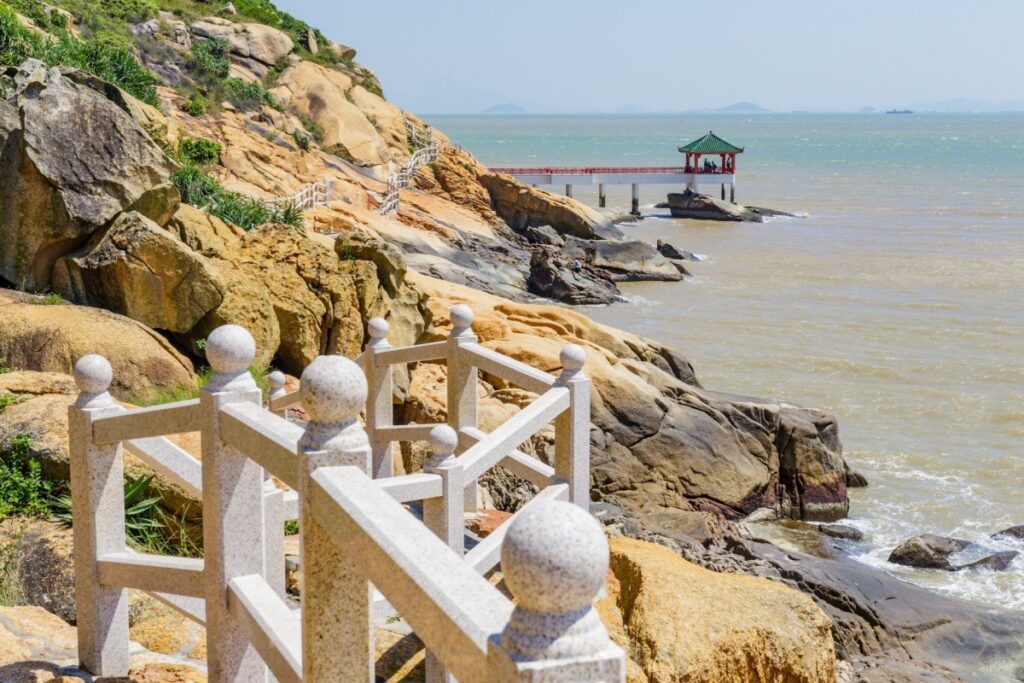
Image Credits: Agoda
Summer is hot, humid and the wettest season by far, with August the peak on both counts. Daytime highs sit around 32°C and rarely dip much at night. This is also typhoon season, which runs roughly May to October, so a stalled itinerary from a passing storm is a real risk.
The upside is cost: this is the cheapest time to fly and stay. Pack light, breathable clothes, a compact umbrella and a flexible mindset. Best for budget travellers who can handle the heat and keep their plans loose.
Autumn (September to November)
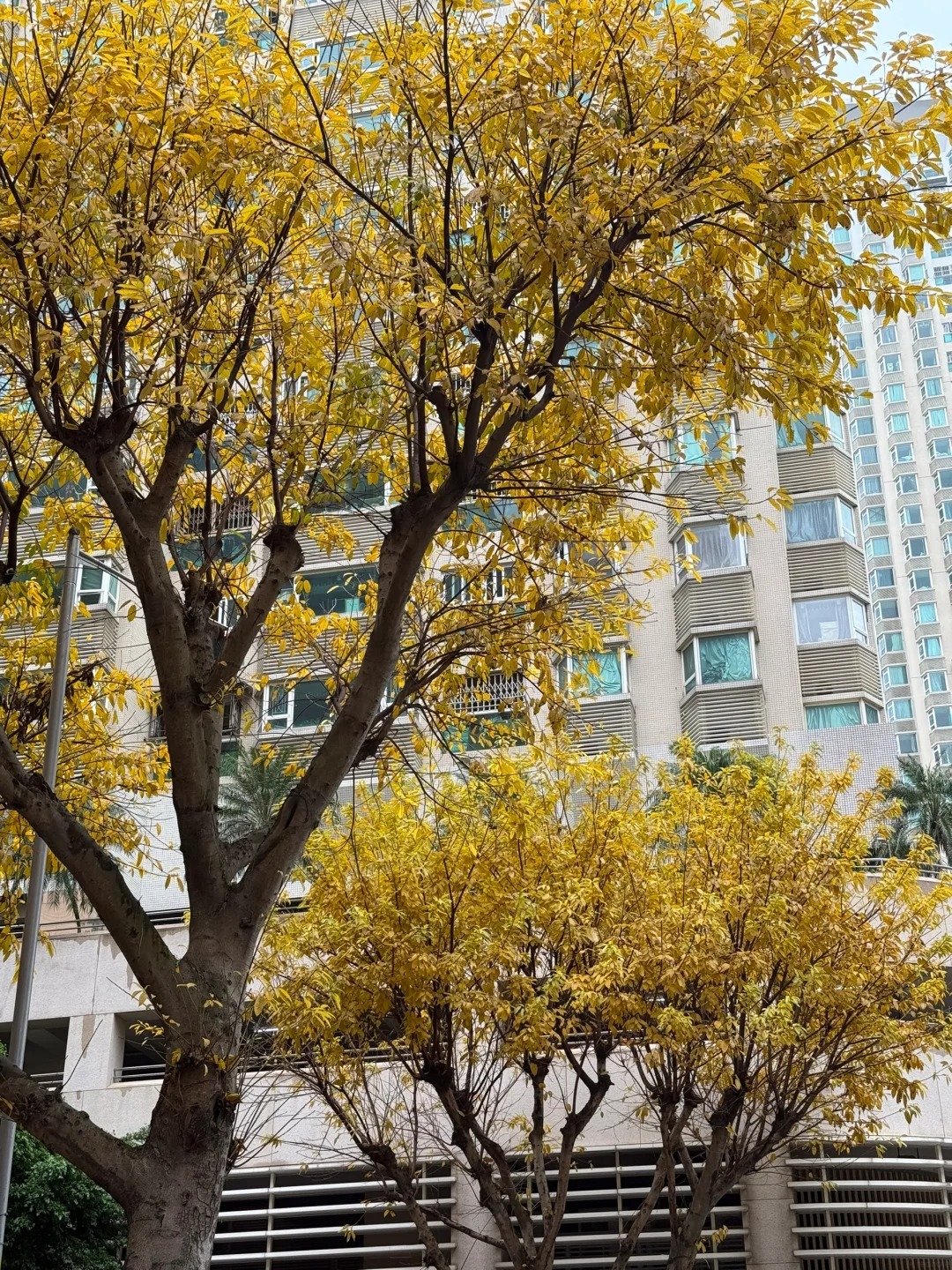
Image Credits: 422108700 on rednote
Autumn is the season to aim for. September still carries summer’s heat and typhoon risk, but by October the air dries out and cools to a very pleasant 28°C or so. November is the pick of the year: cool, dry and comfortable for walking the old town all day.
A light jacket for the evenings is all you’ll need by late autumn. If your trip revolves around being outdoors, this is the season to book, and it’s the easiest call for first-timers.
Winter (December to February)

Image Credits: 494954252 on rednote
Winter is dry, cool and the calmest weather of the year, with January the coldest month at around 14–15°C on average. It can feel genuinely chilly on windy days, though snow never happens. Most days are clear and comfortable once the sun’s up.
You’ll want a sweater and a proper jacket for January and February, but nothing heavier than you’d pack for a cold snap back home. Best for travellers who prize dry, typhoon-free days over warmth, and don’t mind bundling up at night.
📖 Related Guide: Weighing up a bigger North Asia trip? Our best time to visit Japan guide covers the same month-by-month call for cherry blossoms and autumn leaves.
The Cheapest (and Worst) Time to Visit Macau
The cheapest time to visit Macau is June to August, when the heat, humidity and typhoon risk keep demand down and drag flight and hotel prices with it. Cheapest and “worst” happen to be the same window, so it comes down to what you’ll trade.
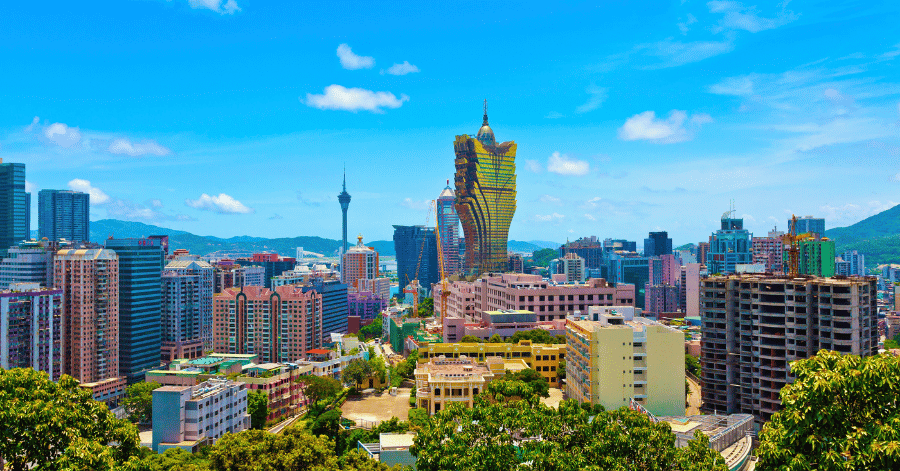
- Summer is the best for budget travellers. You’ll sweat, you might lose a day to rain, but you’ll pay noticeably less for the same trip. If your plans lean indoors anyway (casinos, malls, the big resort shows), the weather matters less than the savings.
- Autumn and winter are the most expensive months, but you get the weather that makes Macau’s outdoor spots sing. The trick is dodging the crowd spikes, which is where prices really jump. More on those below.
Worth knowing: whenever you go, the bigger drain on your budget isn’t the season, it’s losing a slice of every payment to poor exchange rates and card fees. Sort that once and it saves you across the whole trip.
📖 Related Guide: Want the card that keeps trip costs down wherever you land? Our best multi-currency cards in Singapore comparison ranks the options for overseas spending.
Best Time for Macau’s Festivals and Events
If you want an event to build a trip around, mid-to-late November is it: the Macau Grand Prix takes over the city, running 19–22 November 2026 on the street circuit through town.
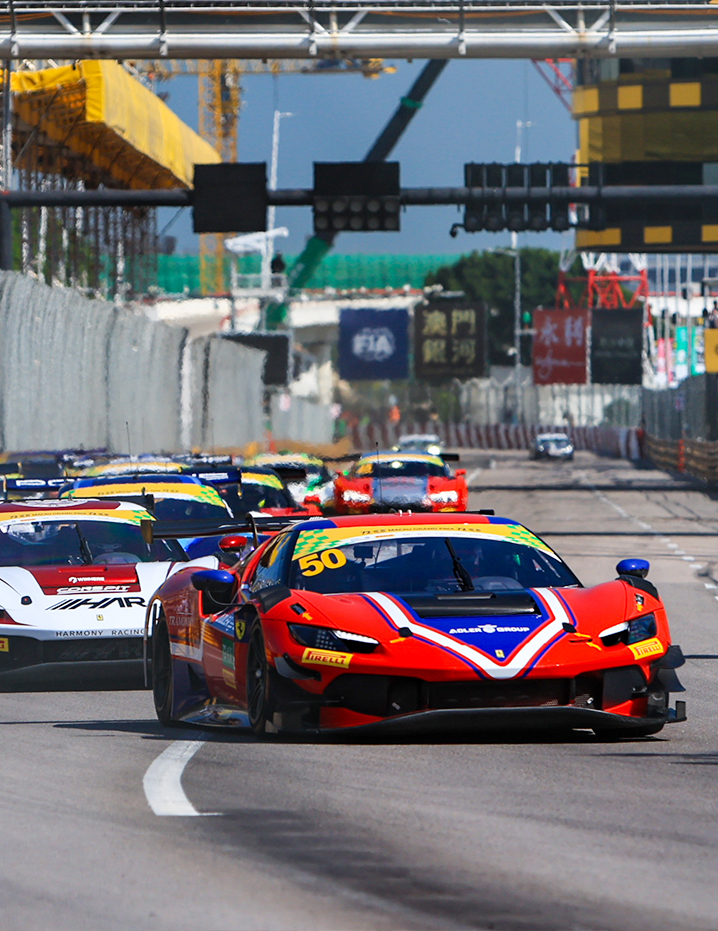
Image Credits: Macau Grand Prix
The Grand Prix is Macau’s biggest event of the year: the only street race in the world open to both cars and motorcycles. The whole city gets a festive buzz over race weekend. The catch is demand. Hotels fill up and prices climb hard, so book early or you’ll be paying a premium for whatever’s left.
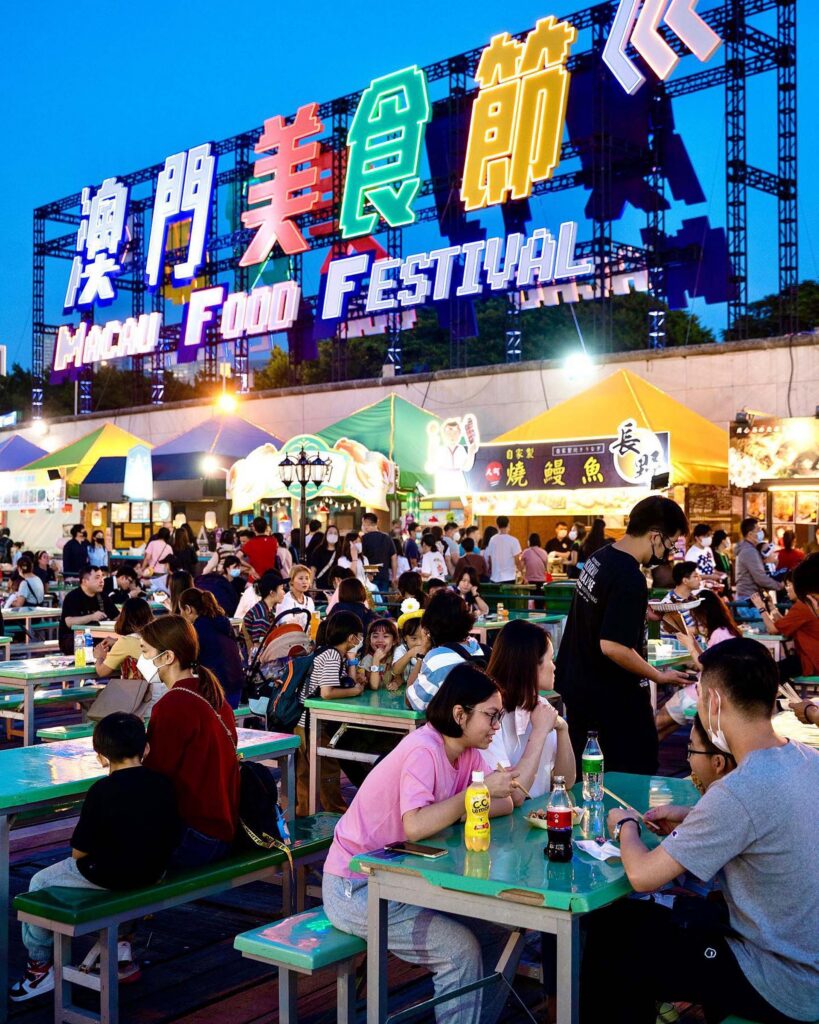
Image Credits: Macao Government Tourism Office
November is a good month for food, too. The Macau Food Festival takes over Sai Van Lake Square for a couple of weeks each November, with stalls dishing up Macanese, Asian and European bites. It’s one more reason autumn earns its “best time” tag. (2026 dates weren’t confirmed at time of writing; recent editions ran mid-to-late November.)
Two crowd periods are worth planning around:
- Golden Week (1–7 October 2026): China’s National Day holiday sends huge numbers of mainland visitors into Macau. Key sights get packed and rooms get pricey. The local advice is consistent: skip the first week of October if you can.
- Chinese New Year (17 February 2026): another major travel wave, with crowds and higher prices. Festive to witness, but not the relaxed stroll you might picture.
If you’re chasing calm over spectacle, the shoulder days on either side of these peaks give you the same weather without the squeeze.
📖 Related Guide: Building a Pearl River Delta loop? Our Guangzhou travel guide covers another gateway city an easy hop from Macau.
How Many Days Do You Need in Macau?
Two to three days is enough to see Macau properly, and even a single day works if you’re crossing over from Hong Kong. It’s a compact place, and the highlights cluster into a few walkable areas.
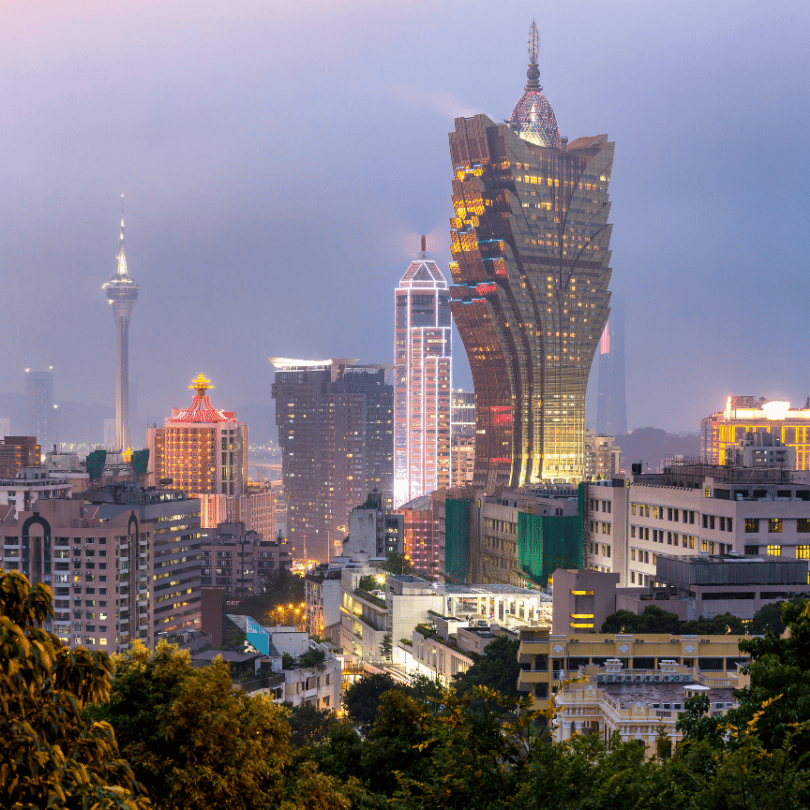
A rough guide by trip length:
- 1 day: doable as a day-trip from Hong Kong. Hit the Historic Centre, the Ruins of St. Paul’s and Senado Square, eat your way through egg tarts and a pork chop bun, and head back by evening.
- 2 days: add the Cotai resorts, the big shows, and time to wander Taipa Village properly without rushing.
- 3 days: slow it down with Coloane village, a viewpoint or two, and a relaxed hotel-buffet lunch. Comfortable, not packed.
Beyond three days, you’ll likely want to pair Macau with Hong Kong or a mainland city to keep things fresh. More on that next.
📖 Related Guide: Got extra days to fill nearby? Our things to do in Shenzhen guide maps out a tech-and-food city just across the border.
Where to Stay in Macau
Macau splits into a few distinct areas, and where you base yourself shapes the trip. There’s no single right answer, just trade-offs between convenience, price, and atmosphere.
- Cotai Strip: best for first-timers and luxury. Huge resorts, big-name shows, endless dining, and free hotel shuttles that make getting around easy. Flashy and convenient, but pricier and short on local character.
- Macau Peninsula: best for history and old-town charm. You’re within walking distance of Senado Square and the Ruins of St. Paul’s, closer to traditional eateries, and hotels tend to be more affordable.
- Taipa Village: best for foodies and a calmer vibe. Colourful lanes, cafes and Portuguese-Macanese restaurants, right next to Cotai so you get local life plus easy resort access.
- Coloane: best for a quiet escape. Beaches, hiking trails and a slow, laid-back feel, well away from the crowds. Great for a restful last night, less so if you want to be in the thick of it.
If it’s your first trip, the Peninsula gives you the best mix: central, walkable and cheaper than Cotai, with the resorts a short shuttle ride away.
📖 Related Guide: Since many Macau spots quote prices in Hong Kong dollars, our best SGD to HKD rate guide helps you gauge what you’re actually paying.
Should You Pair Macau With Hong Kong?
For most Singapore travellers, yes. Macau and Hong Kong sit right next to each other, and combining them turns a short Macau visit into a fuller trip without much extra effort.
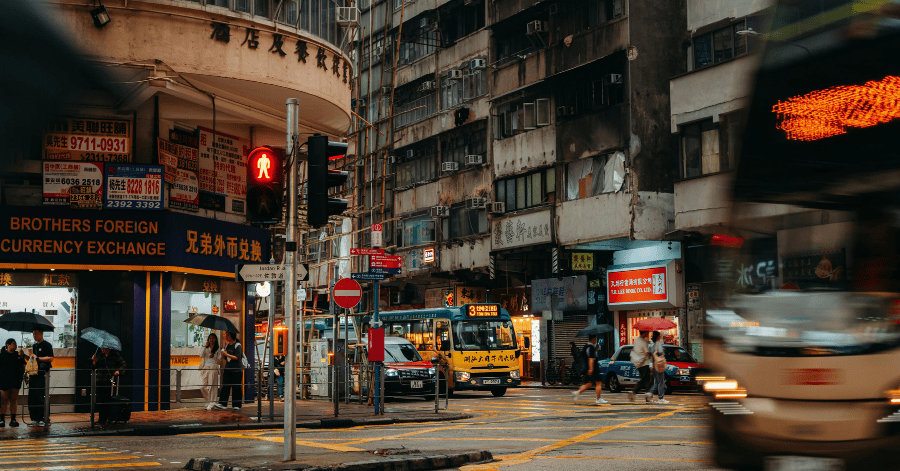
Getting between the two is easy. The ferry takes around an hour; the shuttle bus across the Hong Kong–Zhuhai–Macau Bridge is faster at roughly 40 minutes. Both run frequently through the day, so you can treat Macau as a relaxed day-trip from a Hong Kong base, or the other way around.
The weather advice lines up neatly, too. Both cities share a similar climate, so October to December suits both. Plan the pair for autumn and you get the best of each. Book your border-crossing tickets ahead during peak periods, when seats sell out.
📖 Related Guide: Basing yourself across the water? Our things to do in Hong Kong guide covers the highlights, food and day trips next door.
Is Macau Worth Visiting if You Don’t Gamble?
Absolutely. Macau’s casinos grab the headlines, but the city’s real draw is its blend of Portuguese and Chinese heritage, and almost all of it is free to explore.
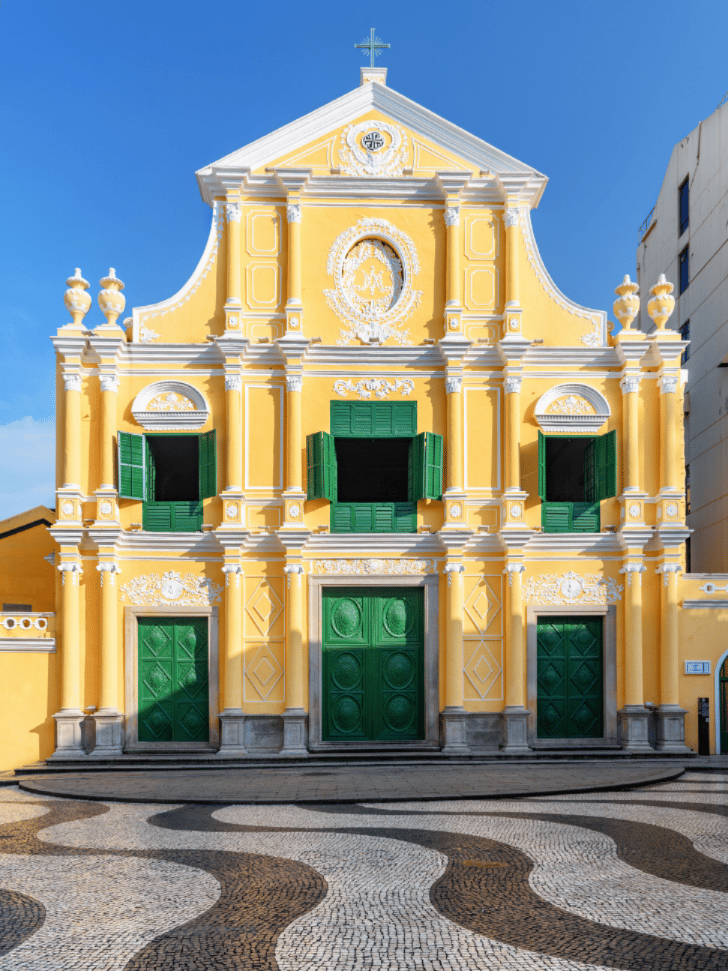
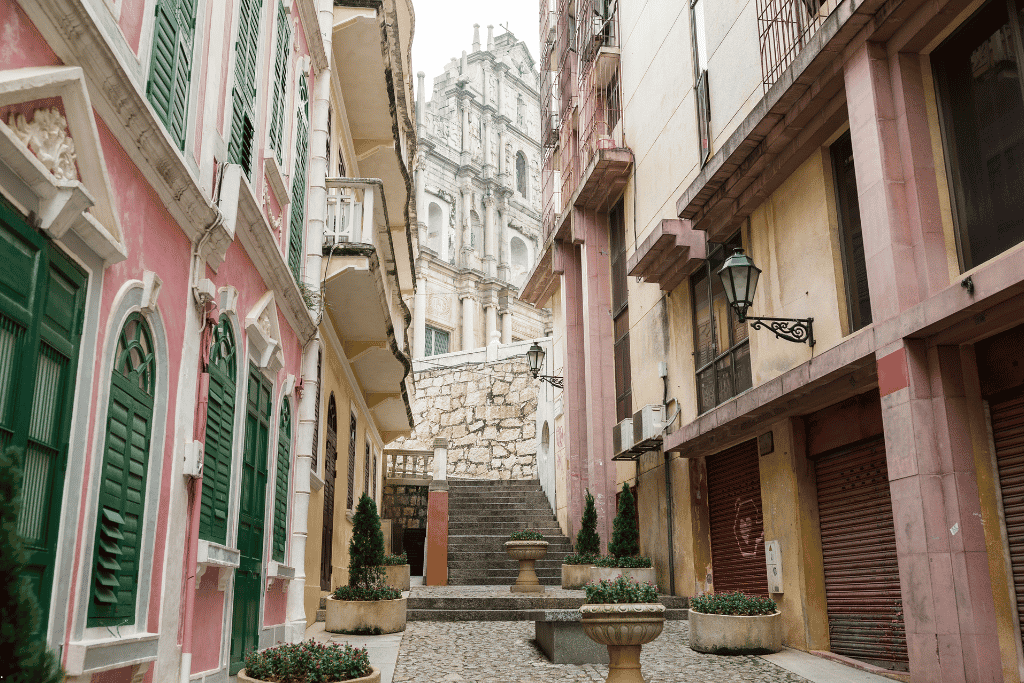
The Historic Centre is the heart of it. The Ruins of St. Paul’s, the stone facade of a 17th-century church, is Macau’s signature sight and costs nothing to visit. Just behind it, Mount Fortress and the Macau Museum give you the city’s history for a small admission. Nearby, Senado Square feels like a slice of Lisbon: pastel buildings, wave-patterned tiles and souvenir shops, all walkable and free.
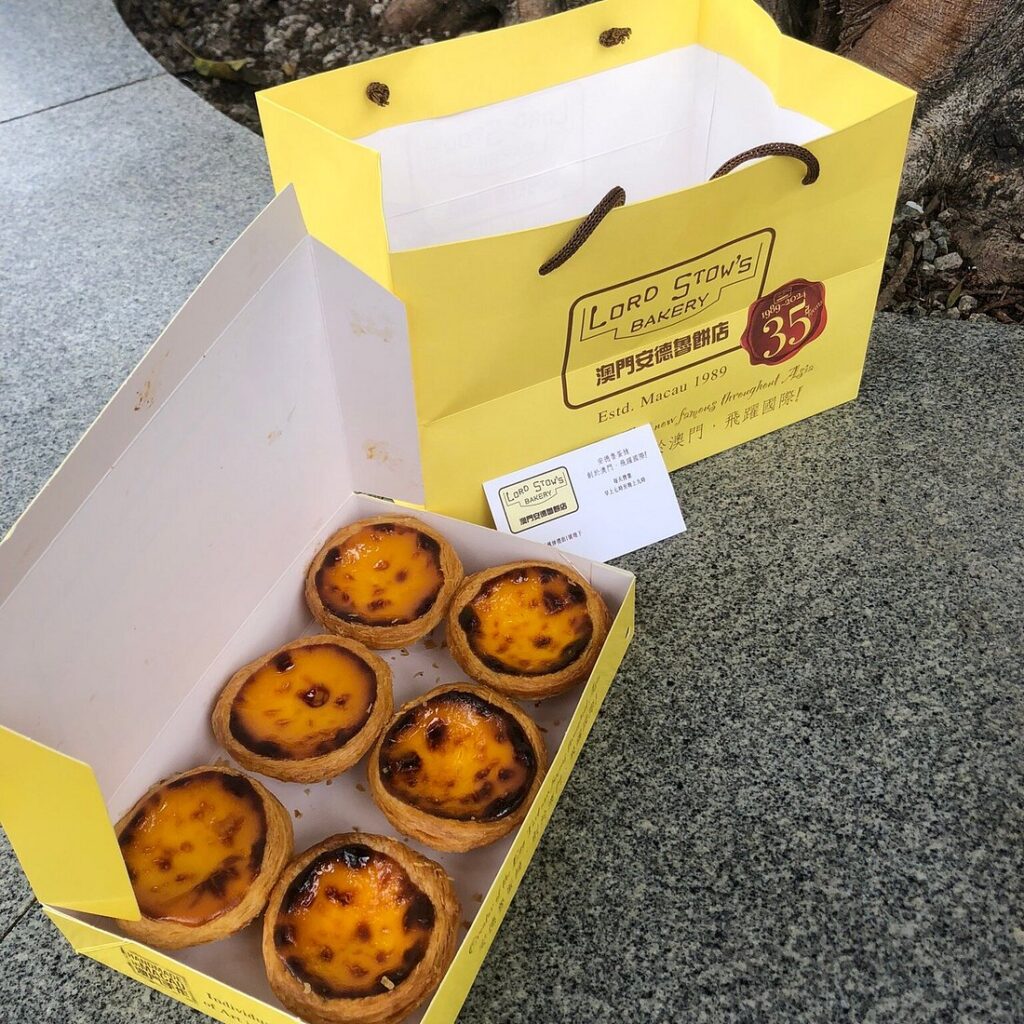
Image Credits: Tripadvisor
Then there’s the food, which is a genuine reason to come. Macau’s egg tarts are the icon, and there’s a friendly rivalry worth tasting your way through: Lord Stow’s Bakery in Coloane against Margaret’s Café e Nata on the Peninsula, run by Lord Stow’s ex-wife. Try both and pick a side. Round it out with a pork chop bun, Macanese African chicken, and minchi, the local minced-meat comfort dish.
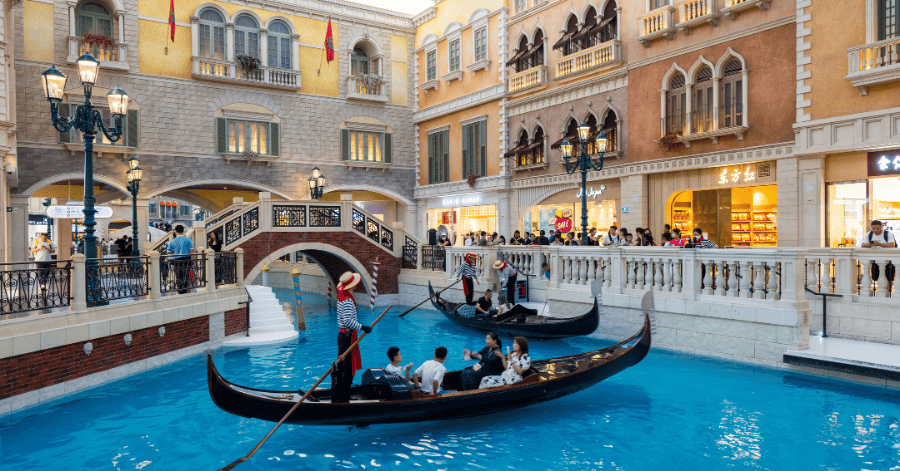
Beyond the old town, the Cotai resorts are free to walk through even if you never place a bet: think the Venetian’s indoor canals, replica landmarks and grand architecture. Best for travellers who care more about heritage, food and photos than the gaming floor.
📖 Related Guide: Pairing Macau with Hong Kong’s transit maze? Our Octopus card guide for tourists explains the tap-and-go card you’ll want next door.
Getting Around and Paying in Macau
Macau is compact and easy to get around, and the smartest money move is sorting how you pay before you go. The city is still fairly cash-heavy, so you’ll want some local currency on hand.
Getting around is refreshingly cheap, and often free:
- Free hotel shuttles: Cotai’s resorts run complimentary shuttles between the casinos, the ferry terminals and the airport. You don’t need to be a guest to hop on, so you can chain them together to cross the city for nothing.
- Public buses: the cheapest paid option, with low flat fares. Pay in exact cash; drivers don’t give change.
- Taxis: easy to find at ranks, handy with luggage or a group. There’s no Grab or Uber, so keep cash ready.
On money: Macau’s currency is the pataca (MOP), which is pegged to the Hong Kong dollar. Hong Kong dollars are accepted almost everywhere, which is convenient if you’re arriving from Hong Kong. Just note you’ll usually pay HKD at 1:1 and get change in patacas, so you lose a little on the peg. Paying in patacas is marginally better value.
The best way to get pataca cash is simple: withdraw it from a local ATM when you land with your YouTrip card. Your first S$400 of overseas ATM withdrawals each calendar month is free, then it’s a flat 2% after that, with the allowance resetting on the 1st.
Some ATM operators add their own small on-screen fee (around 20–30 MOP, ~S$3–5), so take out a sensible lump sum rather than lots of small pulls. Skip the money changers, which quietly bake a markup of a few percent into the rate they quote.
For card spending, tap your YouTrip card at malls, resorts, restaurants and larger shops. There’s no foreign transaction fee, and every tap converts your SGD to patacas at the Mastercard wholesale rate.
Since Hong Kong dollars are a currency you can hold in your YouTrip wallet, you can also lock in HKD when the rate looks good and spend it across Macau. That beats a credit card tacking on 3–3.5% FX on every overseas swipe.
👉 Bottom line: bring a little cash for the cash-only spots, withdraw patacas from an ATM when you land, and tap your YouTrip card for everything else. For deeper detail, see our Macau ATM withdrawal guide for fees and locations, and our Hong Kong ATM withdrawal guide for the paired-trip leg.
FAQs
October to December is the best time to visit Macau. Autumn brings dry, mild weather that’s comfortable for walking the old town and Cotai resorts, humidity drops, and typhoon season is winding down. Winter (December to February) is a strong second choice if you don’t mind the chill, as it’s the driest stretch of the year.
January is the coldest month in Macau, averaging around 14–15°C and occasionally dipping to jacket weather on windy days. It never snows, but you’ll want a sweater and a proper jacket for the evenings. The upside is that January is dry and clear, with almost no rain.
May is a transitional month and only an okay time to visit. It’s warm and increasingly humid, and it marks the start of both the rainy stretch and typhoon season, so the risk of a wet day climbs. Prices are still reasonable, but for reliable weather, October to December is the safer bet.
Early morning is best for the big outdoor sights. Visit the Ruins of St. Paul’s and Senado Square before the tour groups and midday heat arrive, ideally by 9 AM. Save the Cotai resorts and their lit-up skyline for after dark, when it’s cooler and the neon is at its best.
Two to three days is enough to see Macau properly, covering the Historic Centre, the Cotai resorts and the Taipa and Coloane villages at a relaxed pace. A single day works if you’re crossing over from Hong Kong and want to hit the main sights. Beyond three days, pair it with Hong Kong or a mainland city.
Neither is nicer, they’re just different. Macau is smaller, calmer and steeped in Portuguese-Chinese heritage, with egg tarts, old-town lanes and glitzy Cotai resorts. Hong Kong is bigger, faster and stronger for food, shopping and nightlife. Since they sit about an hour apart, the easy answer is to visit both.
Macau is generally very safe at night, including around the casinos and tourist areas, which are busy and well-lit. Standard travel sense applies: keep an eye on your belongings in crowds and stick to main routes late at night. Solo evening strolls around Senado Square and Cotai are common and comfortable.
Macau can be cheaper than Hong Kong for food and local transport, especially if you stick to Peninsula eateries and free sights, though Cotai’s luxury resorts push the top end up. Hotel prices in both cities spike during peak periods like the Grand Prix, Golden Week and Chinese New Year, so timing matters more than the city you pick.
Ready When You Are
Macau rewards good timing more than most short-trip destinations. Go in autumn for the gentlest weather, brave winter if you’d rather be cool than caught in a typhoon, and save summer for when the budget matters more than the forecast. Dodge Golden Week and Chinese New Year, book early for the Grand Prix, and you’ll get the version of Macau that lives up to the egg-tart hype.
Not a YouTrooper yet? Singapore’s go-to multi-currency wallet helps you save with great FX rates and zero fees. Skip the money changer and get a free YouTrip card + S$5 YouTrip credits with code YTBLOG5.
Then, head over to our YouTrip Perks page for exclusive offers and promotions — we promise you won’t regret it. Join our Telegram (@YouTripSG) and Community Group (@YouTripSquad) for travel tips, event invites, and more!
Happy travels!