

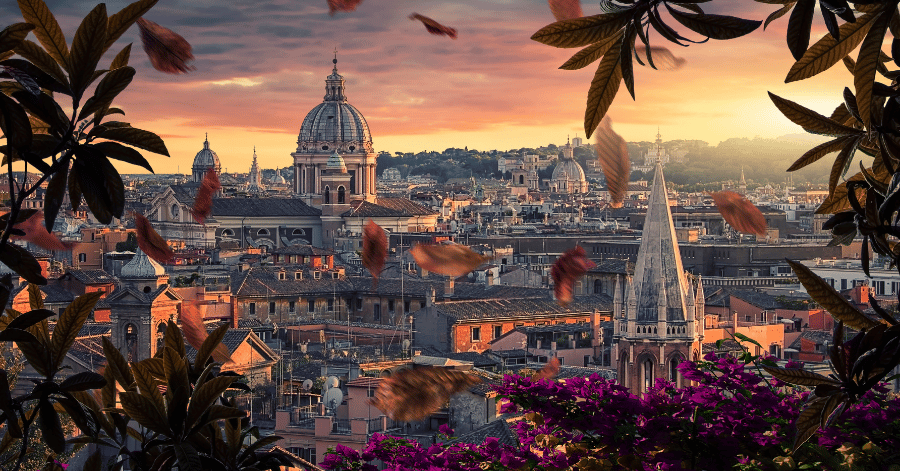

Rome: where the ruins have more structure than your itinerary
Most cities give you one or two things to brag about. Rome hands you a 2,000-year-old amphitheatre that once held 50,000 people baying for blood, a dome that Michelangelo spent his final years obsessing over, a fountain where the pigeons look like they’re posing for a Fellini film, and a bowl of cacio e pepe that will ruin every other version you eat afterwards, all within a 20-minute walk of each other.
The catch is that everyone else knows this too. Skip the booking and the Colosseum and Vatican queues alone can eat half your first day. Plan it right, go early, pick your battles between the icons and the quieter corners, and Rome turns out to be cheaper and calmer than its reputation suggests. This guide covers what’s worth paying for, what’s free, and what Singaporeans typically get wrong.
TLDR: Rome at a Glance
| Quick answer | Detail |
|---|---|
| Is Rome expensive? | Moderate. Big sights run 7-24 EUR (~S$11-36) each; food and transport are cheap if you skip tourist-trap restaurants |
| How many days | 3 days covers the essentials without rushing; add a day for the Vatican Museums properly |
| Don’t miss | Colosseum, Roman Forum, Pantheon, Trevi Fountain, Vatican Museums, Trastevere |
| Best free spots | Villa Borghese gardens, Pantheon’s piazza, Capitoline Hill viewpoint, Orange Garden |
| Best time to visit | April-June or September-October for mild weather and thinner crowds |
| Day trips | Florence (under 1h 30min by train) and Naples (about 1h 15min) |
Table of Contents
- The must-sees: Rome’s first-timer list
- Free things to do in Rome
- Things to do in Rome that aren’t touristy
- Best viewpoints and sunset spots
- What to eat and drink in Rome
- Trastevere, Monti and other neighbourhoods
- What shouldn’t you miss, and what can you skip?
- Is Rome expensive or cheap?
- How many days do you need in Rome?
- Best time to visit Rome
- Day trips from Rome
- Rome with kids, on a Sunday, or when it rains
- Dos and don’ts in Rome
- Getting around and practical tips
- Rome FAQs
The Must-Sees: Rome’s First-Timer List
The six sights below are what nobody skips in Rome, and for good reason. Book every one of them ahead, because walk-up queues at all six can eat an entire day between them.
Colosseum, Roman Forum and Palatine Hill
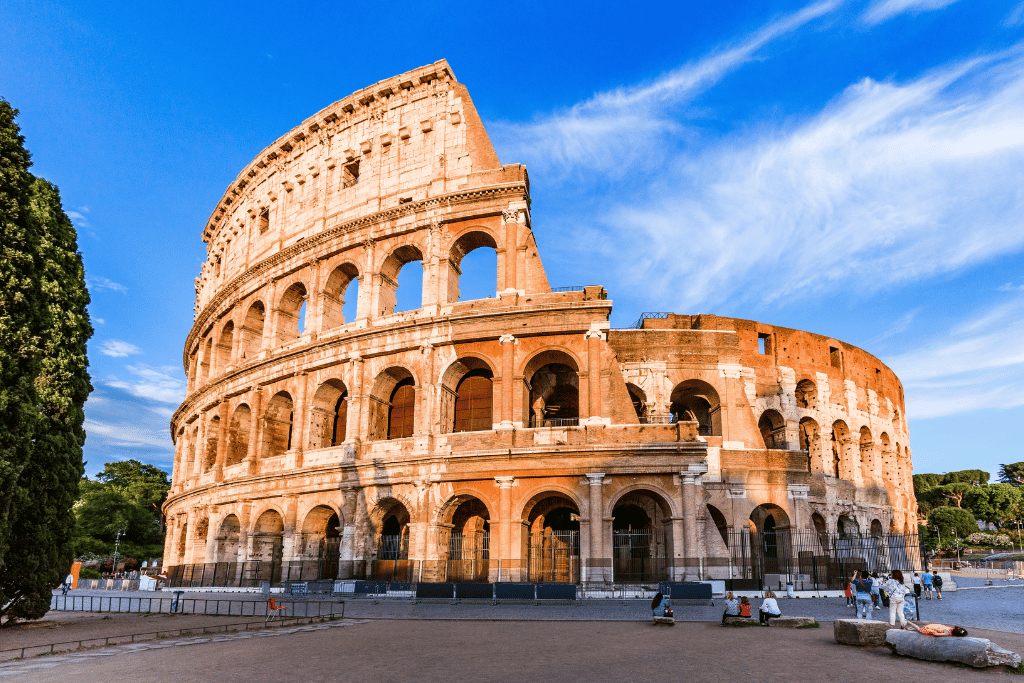
The world’s largest standing ancient amphitheatre once held around 50,000 spectators for gladiator fights and public spectacles. For context on what’s underneath the floor you walk past, the arena once had trap doors and lifts to hoist animals and fighters up from below.
A standard ticket at 18 EUR (~S$27) covers all three sites and is valid for 24 hours, with one timed entry slot for the Colosseum itself.
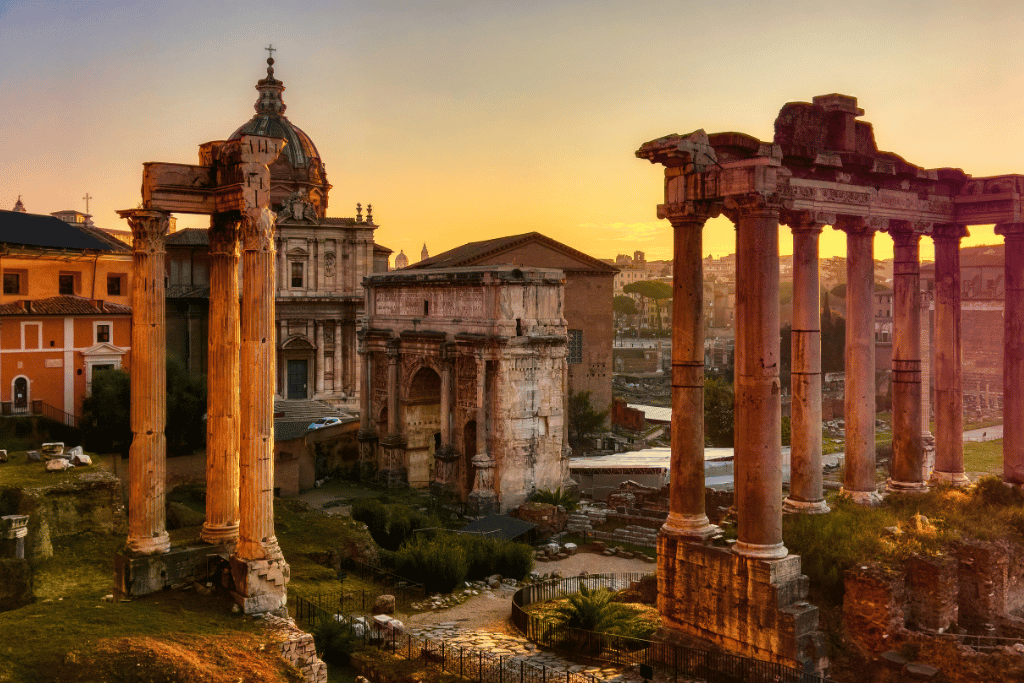
Most visitors do the upper-tier walkthrough and leave. The better version is the underground and arena-floor tour, which runs 24 EUR (~S$36) and actually takes you down to where the gladiators waited. Buy your ticket online in advance; the Roman Forum entry is included in the same ticket, and it’s bigger than it looks from the road, so budget at least two hours for both sites together.
Best for first-timers who book ahead. Skip the day-of queue entirely if you can; it’s the single longest line in the city most afternoons.
Vatican Museums and the Sistine Chapel
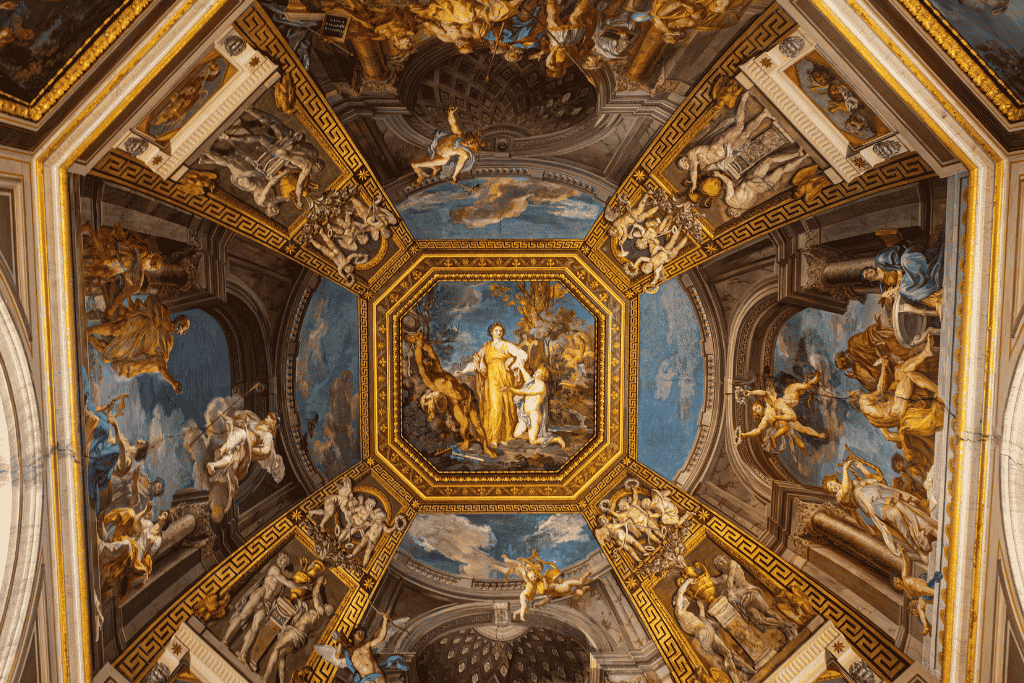
This is not a quick stop. A full visit means walking through room after room of Renaissance art and ancient sculpture before reaching the Sistine Chapel, where Michelangelo spent four years painting the ceiling. Standard entry is 20 EUR (~S$30) at the door or 25 EUR (~S$38) booked online in advance, and booking ahead is close to mandatory: the walk-up queue here is consistently the worst in the city.
Go early morning or late afternoon if you can. At peak hours, the museum gets so crowded that you’re shuffling through packed corridors with no room to actually look at the art. The last Sunday of each month is free, but expect it to be the busiest day of the month too.
Best for art and history, but go in knowing it’s a half-day minimum, not a 45-minute add-on before lunch.
St Peter’s Basilica
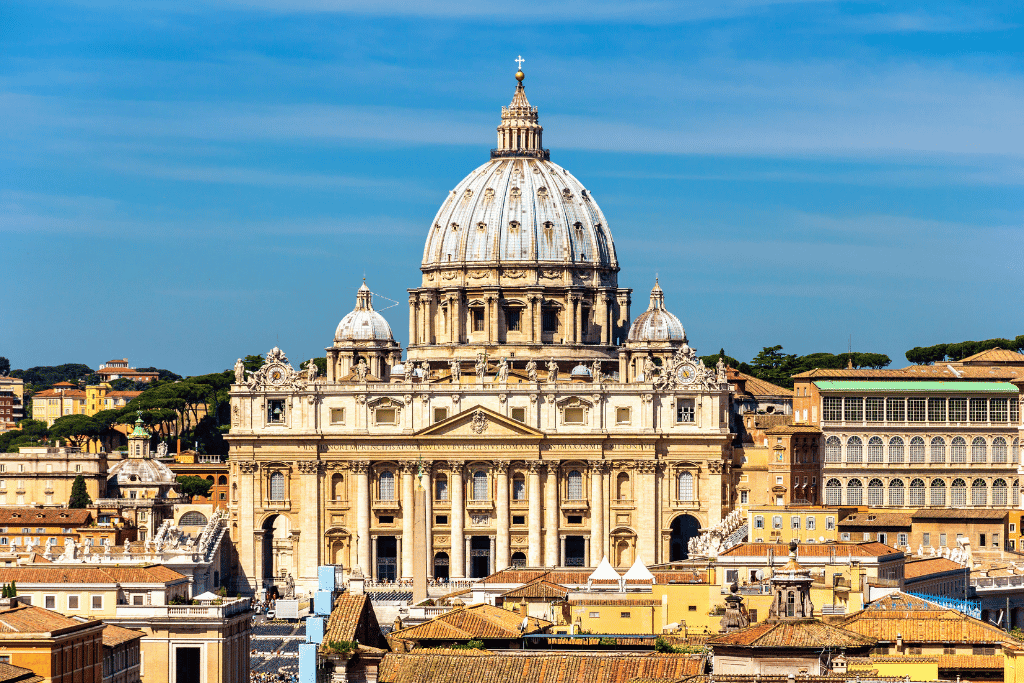
St Peter’s is the largest church in the world, built over more than a century and finished with Michelangelo’s dome. General entry is free, but the queue without a pre-booked slot can run long.
For the dome climb, buying on the day at the basilica ticket booth gets you the full 551 steps for 8 EUR (~S$12), or an elevator partway up followed by the remaining 320 steps for 10 EUR (~S$15). Booking ahead online through the official Vatican site costs more: 17 EUR (~S$26) stairs-only or 22 EUR (~S$33) with the lift. It guarantees a timed slot and skips the queue, which matters more in peak season than the extra euros.
Best for the view from the dome if you’ve got the legs for it; otherwise the basilica’s free interior alone, with its Bernini and Raphael pieces, is worth the visit on its own.
Pantheon
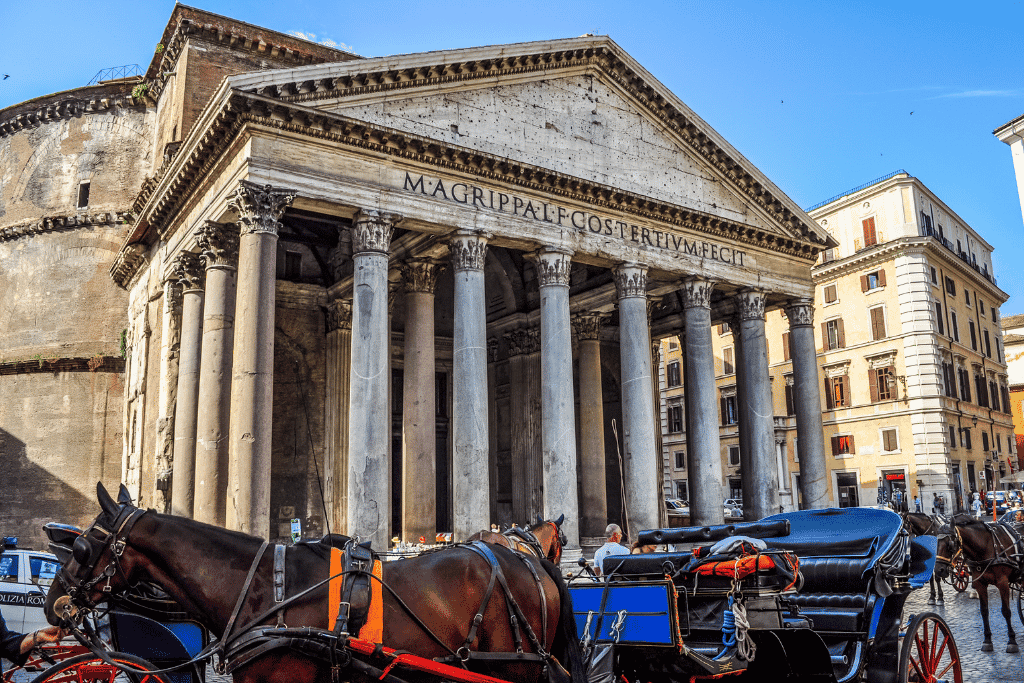
The Pantheon is nearly 2,000 years old and still stands in close to its original form, right down to the marble floor underfoot. The oculus, the open hole at the top of the dome, is the building’s only light source. It still rains through when it does, draining away through hidden channels in the floor built for exactly that.
Since 1 July 2026, entry costs 7 EUR (~S$11), with a reduced 2 EUR (~S$3) rate for EU residents aged 18-25. It’s free on the first Sunday of every month. Book a timed slot online rather than queueing at the door.
Best for anyone with 30 minutes to spare between bigger sights. It’s one of the fastest must-sees to fit into a packed day.
Trevi Fountain
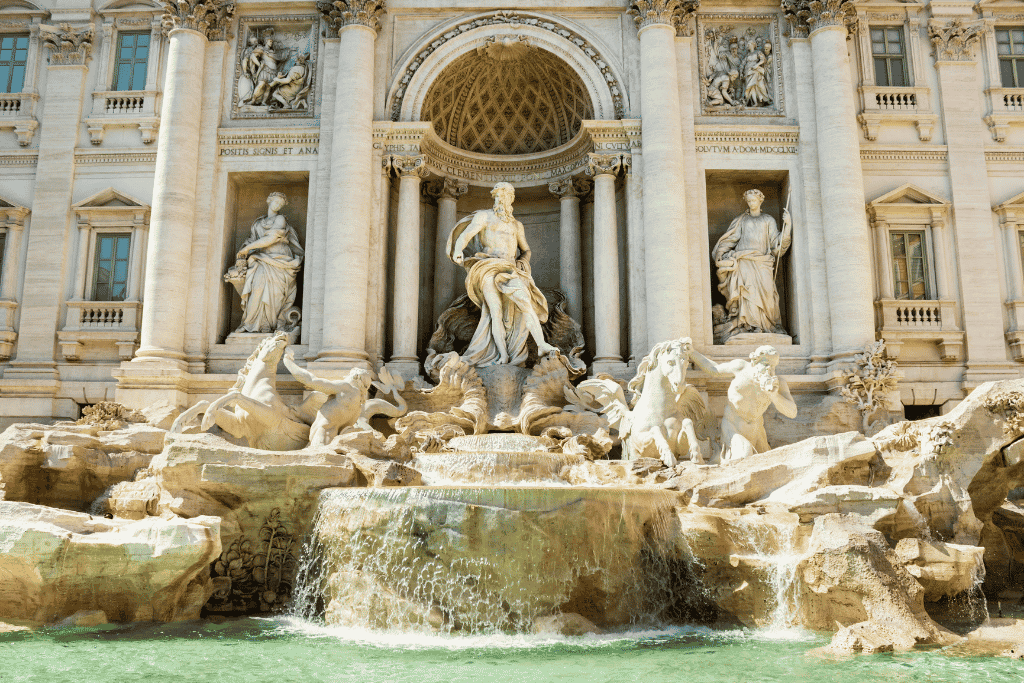
Rome’s most photographed fountain is loud, crowded, and still somehow worth it: a wall of sea gods and horses carved straight into the side of a palace. The coin-toss tradition goes right hand, left shoulder, and legend says you’re guaranteed to return.
As of 2 February 2026, getting right down to the basin area, the stone steps closest to the water, costs 2 EUR (~S$3). It’s charged daily from 9 AM to 10 PM, with Mondays and Fridays starting later, around 11:30 AM, after the morning coin collection.
The piazza above remains free at all times, so you can see and photograph the fountain without paying anything. The fee only applies if you want to step down to the water’s edge, and outside those hours, even the basin area is free. Residents of Rome and children under 5 don’t pay at all.
Go before 8 AM or after dark if you want the view without a crowd three rows deep.
Best for an early-morning or late-evening visit. Midday here is standing-room only most of the year.
Piazza Navona
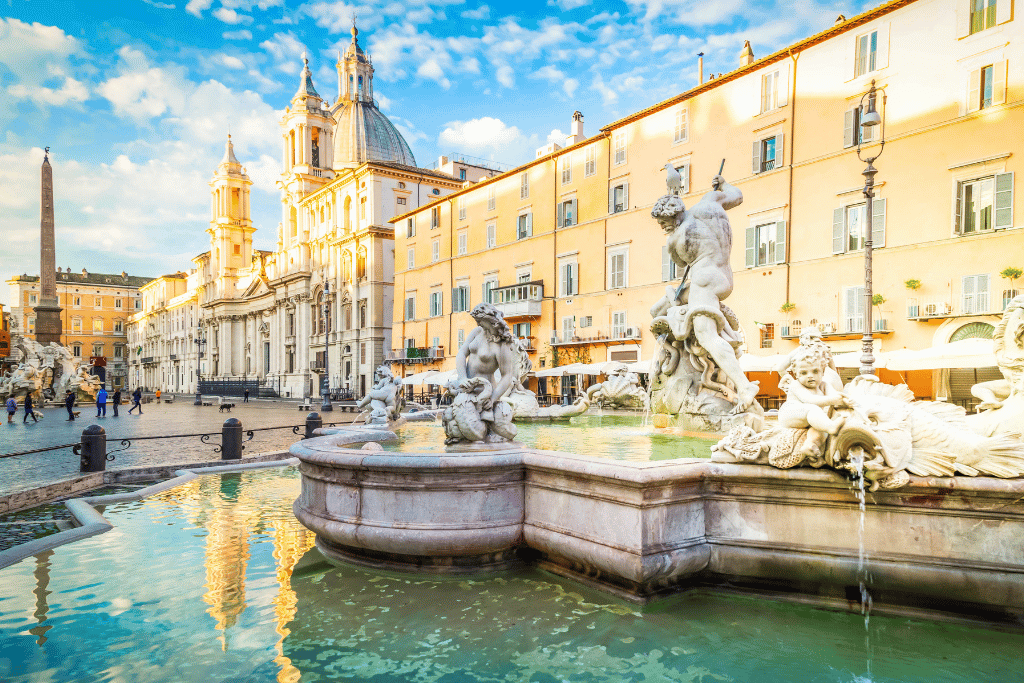
Piazza Navona is built on the site of an ancient Roman stadium, which explains its long oval shape. Bernini’s Fountain of the Four Rivers anchors the centre, flanked by the Moor Fountain and the Neptune Fountain, with cafes and street artists filling the space between, busiest once the evening crowd moves in.
It’s free to walk through any time of day, though a seat at one of the cafes ringing the square comes at a location premium.
Best for an evening stroll between dinner and a gelato stop; it’s one of the liveliest free spaces in the city after dark.
📖 Related Guide: Rome isn’t the only Italian showstopper. Our Dolomites travel guide covers the mountain version of the same country.
Free Things to Do in Rome
Rome’s free list is longer than most first-timers expect, and several of these beat the paid sights for value.
Villa Borghese gardens
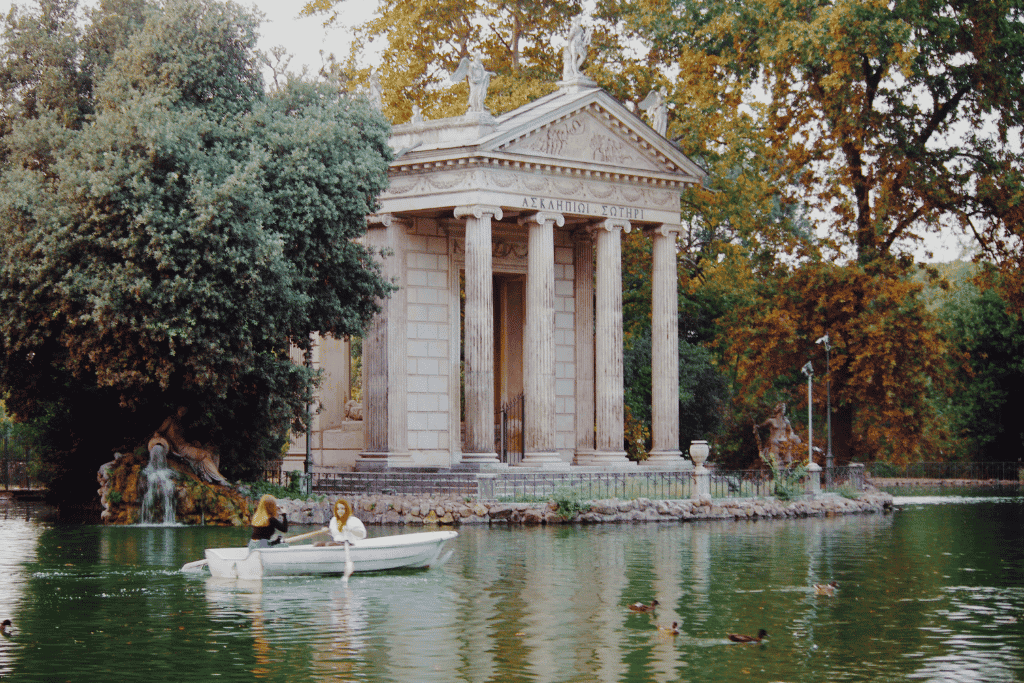
Villa Borghese is Rome’s largest park, and the green lung of the city centre. The gardens themselves are free to wander, with shaded paths and views back toward the centre. There’s also a small lake where you can rent a rowboat, roughly 3-5 EUR (~S$5-8) per person for 20 minutes. Prices vary by source, so confirm at the kiosk before budgeting around it.
The Borghese Gallery inside the park, home to Bernini and Caravaggio works, needs a separate timed ticket at 18 EUR (~S$27). Book well ahead, since only 180 visitors are let in per two-hour slot.
Best for a slow morning away from the crowds, with the option to add the gallery if you book early enough.
Capitoline Hill and the Cordonata
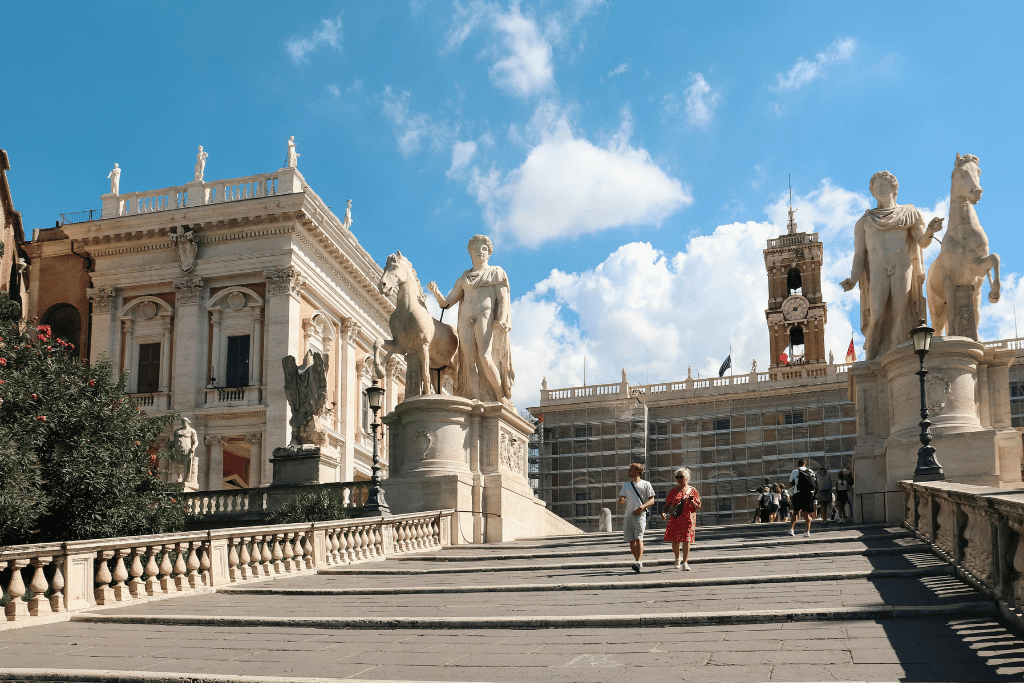
Michelangelo designed this entire square, from the geometric paving pattern to the staircase leading up to it. The Capitoline Museums charge for entry, but the real payoff here is free: step out onto the ridge behind the square for one of the clearest views over the Roman Forum you’ll get anywhere in the city.
Best for pairing with your Colosseum and Forum morning. It’s a five-minute walk and costs nothing.
Piazza del Popolo and Terrazza del Pincio
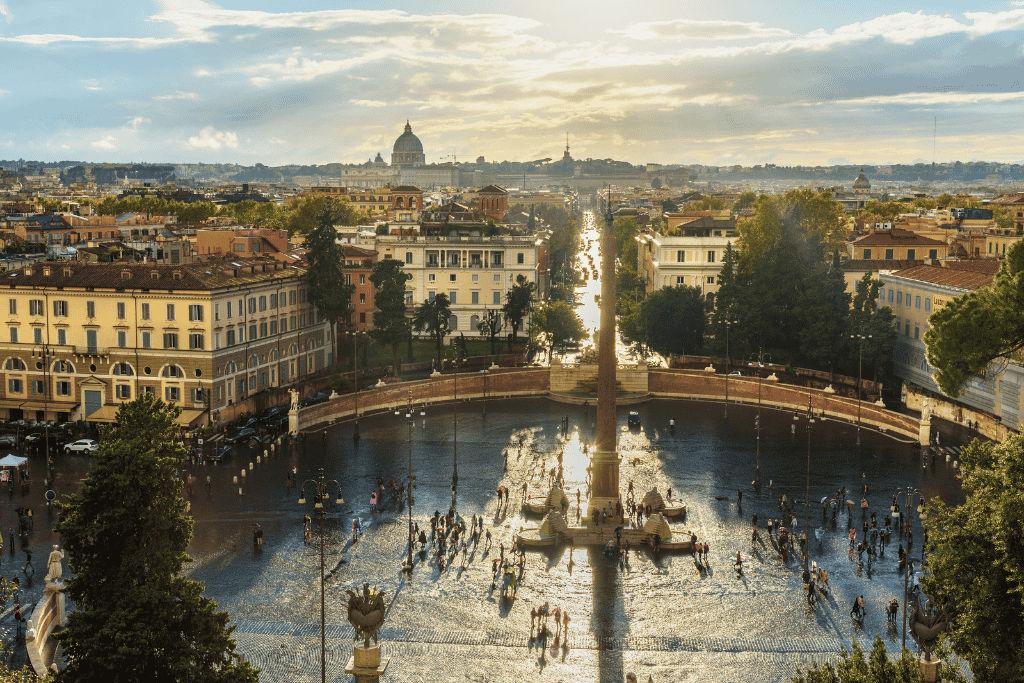
An Egyptian obelisk marks the centre of this square, which sits at the northern edge of the historic centre. Climb from here (or from the Spanish Steps) to the Terrazza del Pincio, a terrace with one of the calmer, uncrowded views over the square below and a clear line to St Peter’s dome in the distance.
Best for sunrise or late-afternoon light, when the terrace is at its quietest.
Arch of Constantine
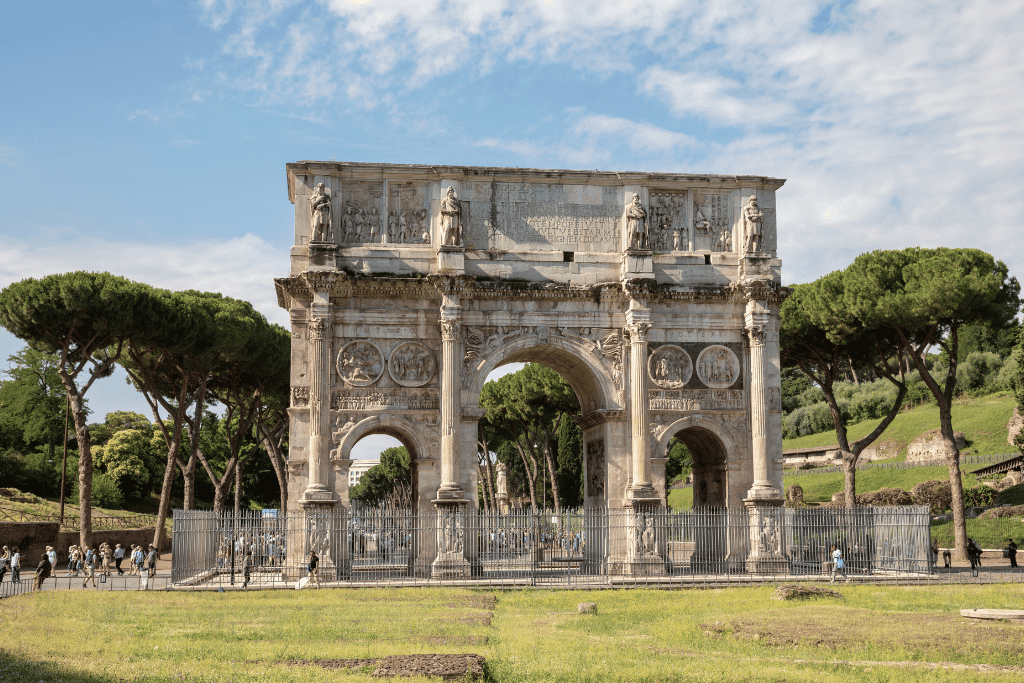
Right next to the Colosseum and included in the same walk, this triumphal arch was built in 312 AD and, notably, recycled decorative sculptures from older monuments to older emperors. You don’t need a ticket, since it stands out in the open. The Circus Maximus, ancient Rome’s chariot-racing stadium, is a flat, free, ten-minute walk south if you want another no-ticket ruin on the same loop.
Best for a two-minute add-on before or after the Colosseum.
📖 Related Guide: Sorting your card before a budget-conscious trip? Our guide to applying for YouTrip takes about three minutes with Singpass.
Things to Do in Rome That Aren’t Touristy
Four spots below rarely make the standard checklist, but each earns its place on a second (or even first) Rome trip.
Largo di Torre Argentina
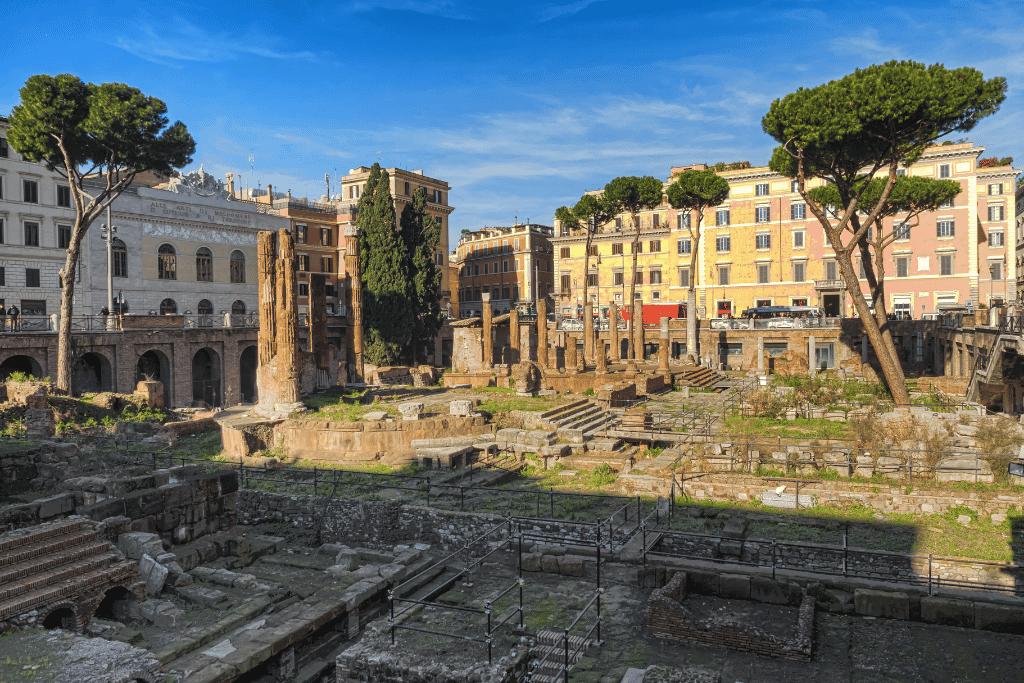
Largo di Torre Argentina is a sunken square of Republican-era ruins, traditionally linked to the assassination of Julius Caesar. It also happens to house a volunteer-run sanctuary for around 150 stray cats living among the 2,000-year-old columns. It’s free to view from street level, with walkways down into the ruins; photographing or feeding the cats isn’t allowed.
Best for an odd five minutes between two more famous stops; it sits a short walk from the Pantheon.
Monti
Once Rome’s old working-class district (and Julius Caesar’s reported birthplace), Monti has since become one of the city’s trendier neighbourhoods, close to the Colosseum and the main train station, with a concentration of independent boutiques and restaurants that don’t cater specifically to tour groups.
Best for a base if you want to walk to the big sights without staying in the busiest tourist strip.
Jewish Ghetto
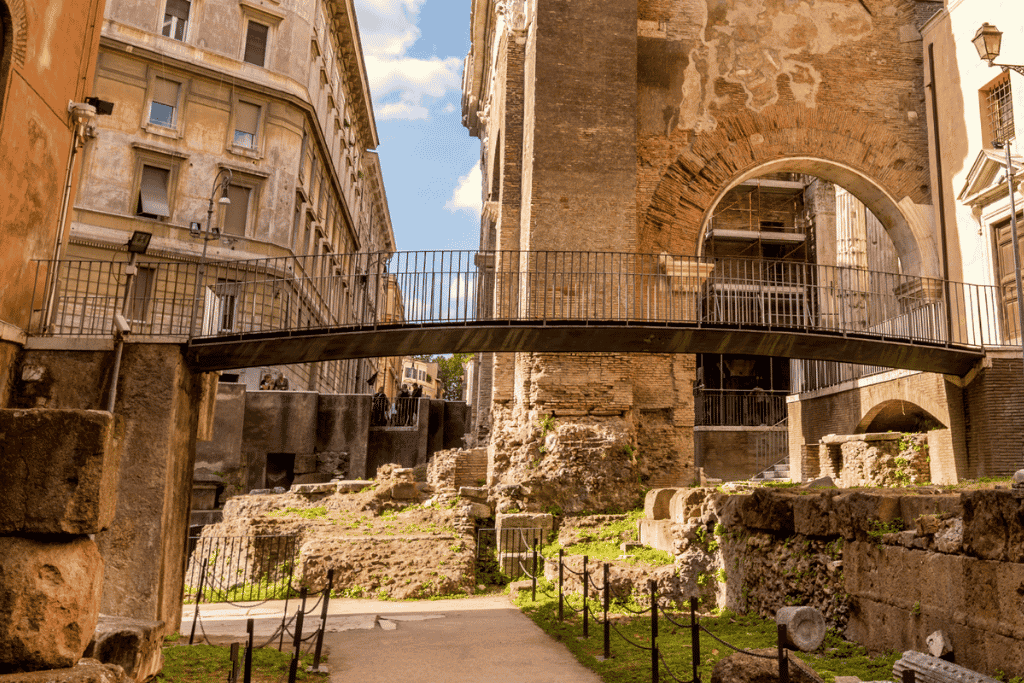
Image Credits: Italy
The Jewish Ghetto is one of Europe’s oldest Jewish quarters, with its own distinct culinary tradition, including fried artichokes (carciofi alla giudia) that are hard to find outside the neighbourhood. It’s a short walk from Largo di Torre Argentina and the Tiber.
Best for a lunch stop that’s a genuine change of pace from pasta-and-pizza fatigue.
Via Condotti and the shopping streets
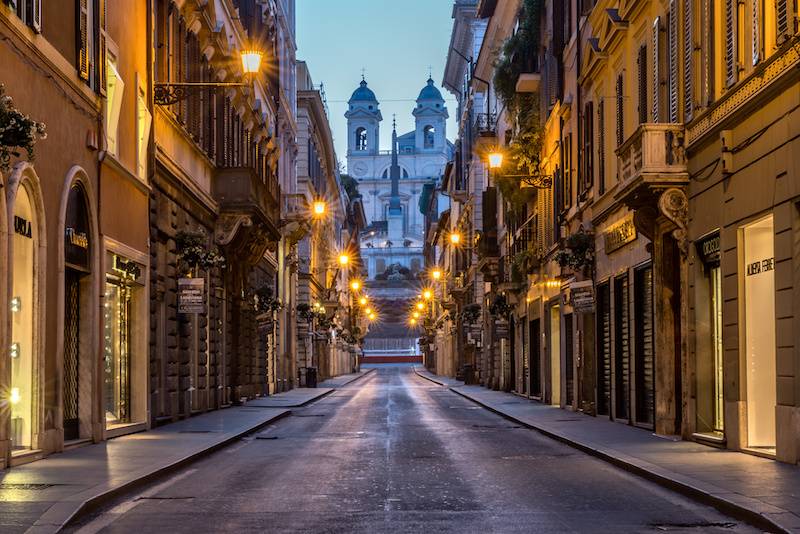
Image Credits: Colosseum and Vatican Tours
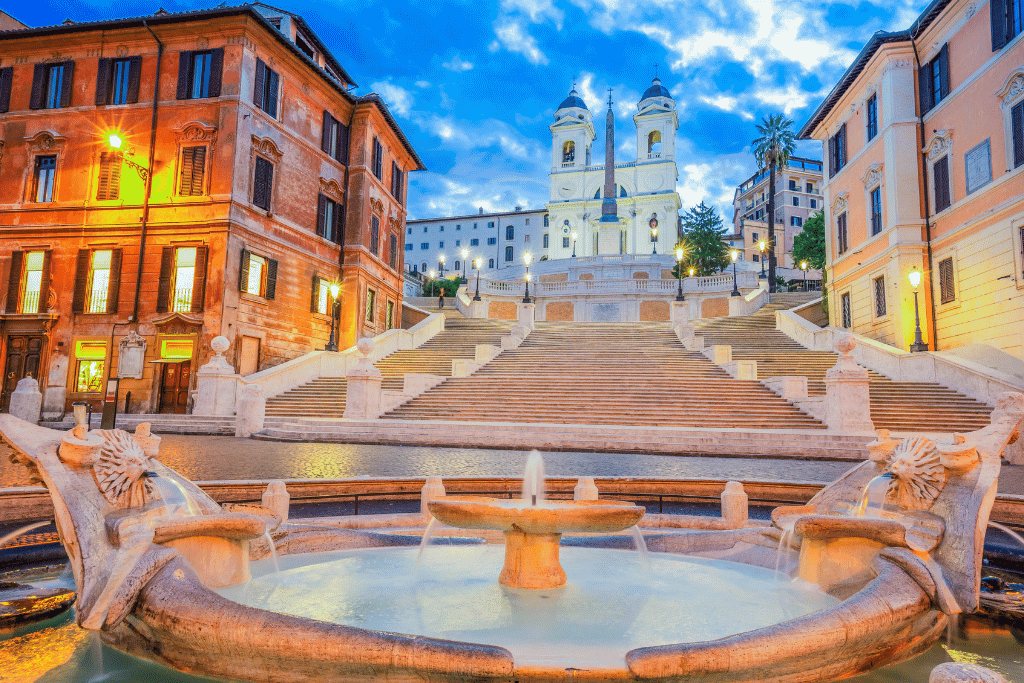
If shopping is part of your Rome agenda, Via Condotti near the Spanish Steps is where the designer flagships sit. It’s worth a walk-through even without buying, if only to see the Spanish Steps from a different angle.
Best for a quick detour after the Spanish Steps, not a dedicated afternoon unless shopping is the actual goal.
Best Viewpoints and Sunset Spots
Giardino degli Aranci (Orange Garden)
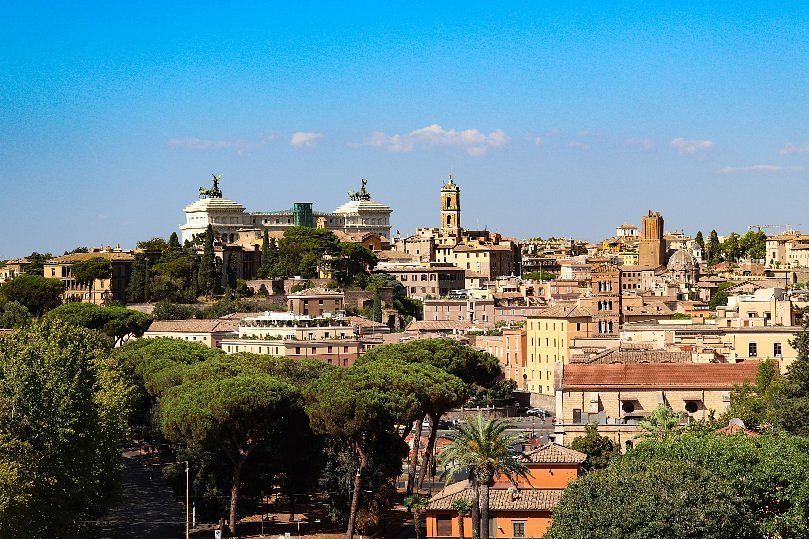
Image Credits: Tripadvisor
A quiet, free terrace on the Aventine Hill with a wide panorama over the Tiber and St. Peter’s dome, lined with orange trees. Actual Romans come here to walk dogs and watch the sunset, a sign of how quiet it still is compared to the Aventine Keyhole next door.
Best for sunset without a queue. It sits right next to the Aventine Keyhole (below), so do both in one stop.
Aventine Keyhole
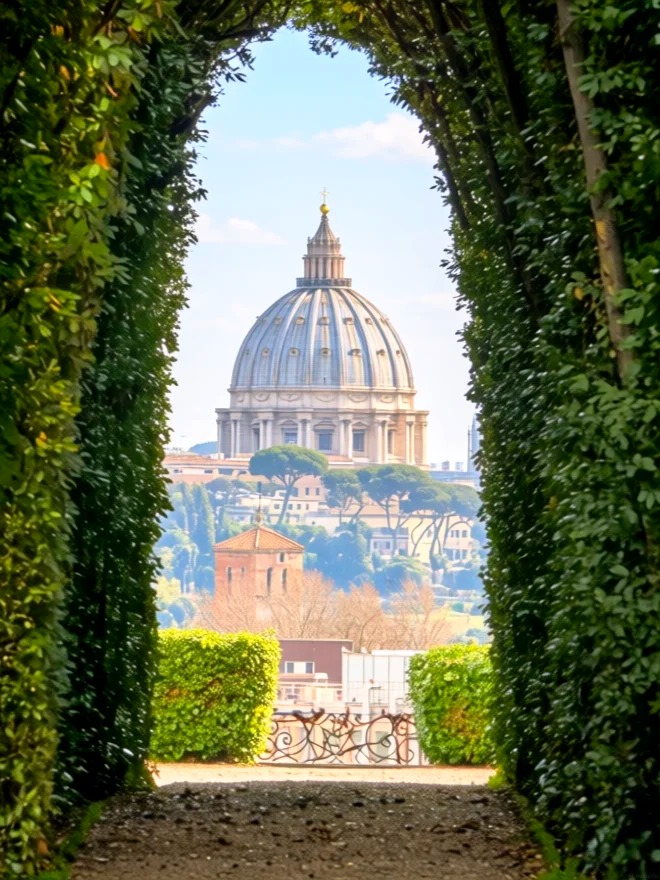
Image Credits: 6805949995 on Rednote
A famous green door a short walk from the Orange Garden, where looking through the keyhole frames a perfectly aligned view of St Peter’s Basilica through a trimmed hedge. It’s gone viral on social media, so the queue to peer through a single keyhole can now run long, especially near sunset.
Best for the photo if you’re prepared to queue, but if the line’s too long, the Orange Garden next door gives you a wider, free view of the same dome with no wait.
Janiculum Hill (Belvedere del Gianicolo)
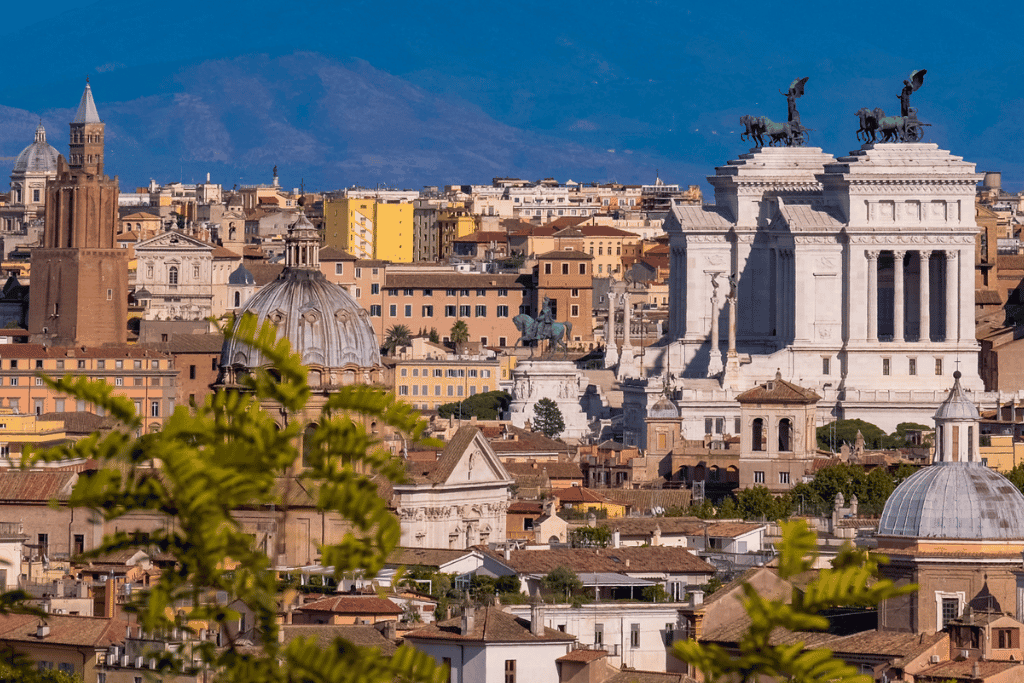
Image Credits: Italy
A terrace with one of the widest views over central Rome, including the Vatican dome and the Monti district. It sits inside the Orto Botanico, a large garden with thousands of plant species, and connects on foot down toward Trastevere, making it a natural stop on the way to dinner.
Best for combining with a Trastevere evening; the walk down from here lands you right in the neighbourhood.
Castel Sant’Angelo
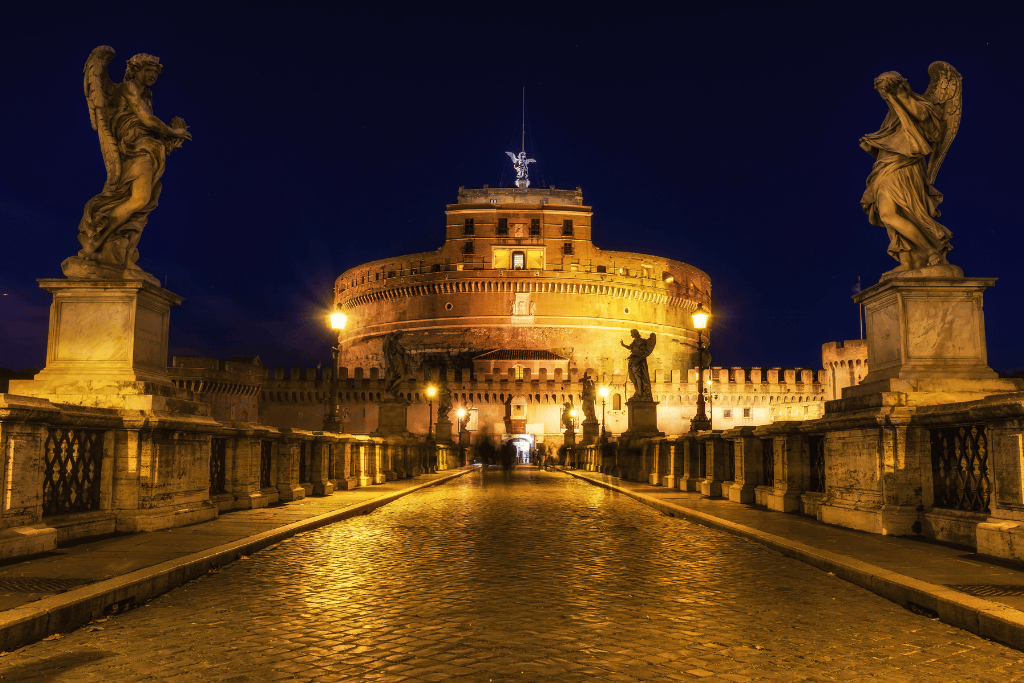
Originally built as Emperor Hadrian’s mausoleum before becoming a fortress and papal residence, this circular riverside monument costs 18 EUR (~S$27) to enter. The upper terrace delivers one of the best framed views of the Tiber and the Vatican dome together, and it’s a quieter alternative to Castel Sant’Angelo’s approach bridge, Ponte Sant’Angelo, which has its own row of angel statues worth seeing on the way in.
Best for pairing with a Vatican day; it’s a short walk from St Peter’s.
What to Eat and Drink in Rome
Rome’s food culture runs on a few rules locals don’t break. Standing coffee is cheaper than sitting, most restaurants close between lunch and dinner, and the four pasta dishes below, built almost entirely from pecorino, pepper and guanciale, are what the city is actually known for, not a tourist-menu spaghetti bolognese.
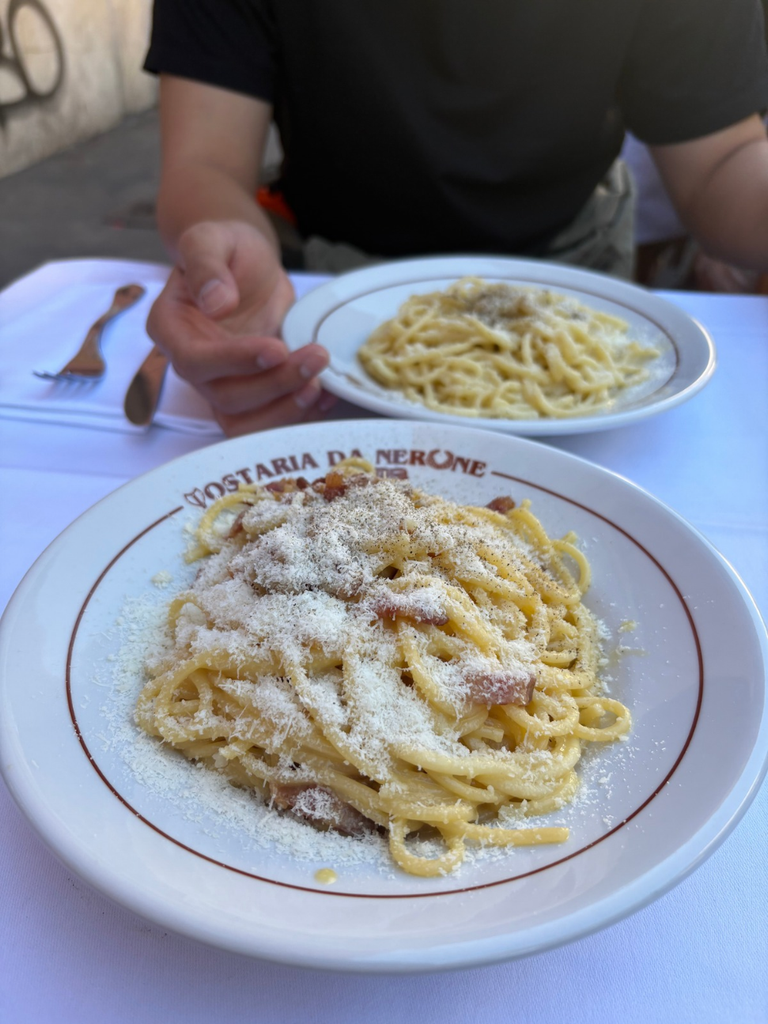
Roman pasta: carbonara, cacio e pepe, amatriciana, gricia
| Dish | What’s in it | Where to try | Typical price |
|---|---|---|---|
| Cacio e pepe | Pecorino cheese and black pepper, nothing else | Tonnarello, Trastevere | 10-15 EUR (~S$15-23) |
| Carbonara | Guanciale, egg, pecorino, black pepper, no cream | Tonnarello, Trastevere | 10-15 EUR (~S$15-23) |
| Amatriciana | Guanciale, tomato, pecorino | Tonnarello, Trastevere | 10-15 EUR (~S$15-23) |
| Gricia | Guanciale and pecorino, the “white amatriciana” | Most traditional trattorias in Trastevere and the Jewish Ghetto | 10-15 EUR (~S$15-23) |
Pizza al taglio (pizza by the slice)
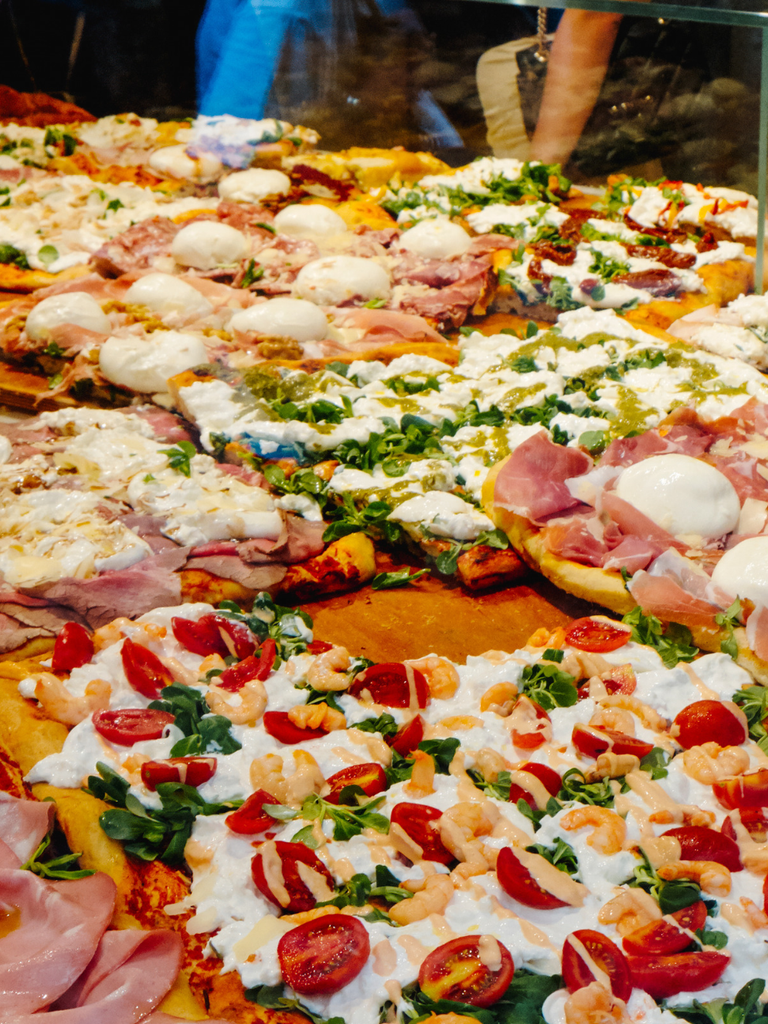
You point at the rectangular slab you want, the vendor cuts it with scissors, weighs it, and heats it up. It’s Rome’s answer to a quick, cheap meal, and especially useful on an afternoon when most sit-down restaurants are closed between lunch and dinner service. Antico Forno Roscioli, the bakery side of the well-known Roscioli family of shops, is one of the better-regarded spots for this, with a wide rotation of toppings.
Other Roman street food worth trying
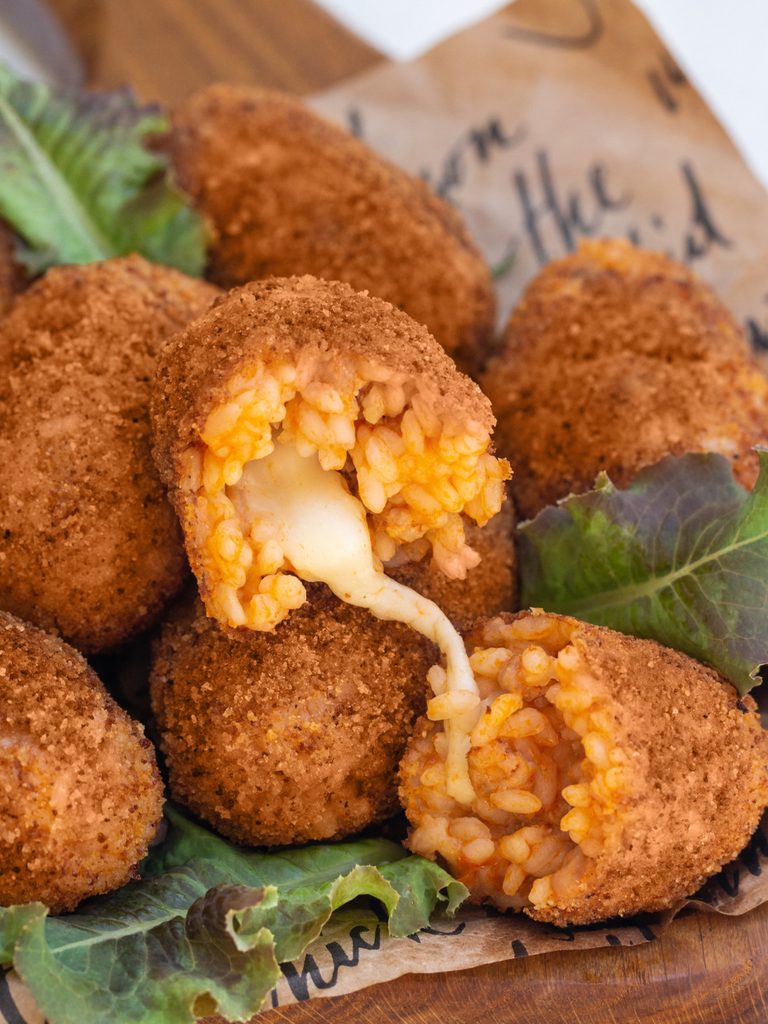
Supplì, deep-fried rice balls with a molten mozzarella centre, are the city’s answer to an arancino and sold at the same bakeries and pizza-by-the-slice counters as the pizza above. In spring, look for fried zucchini flowers (fiori di zucca), usually stuffed with anchovy and mozzarella before frying. A cornetto, Italy’s answer to a croissant, is the standard pairing with a standing espresso at breakfast rather than anything sweeter.
Gelato and pastries
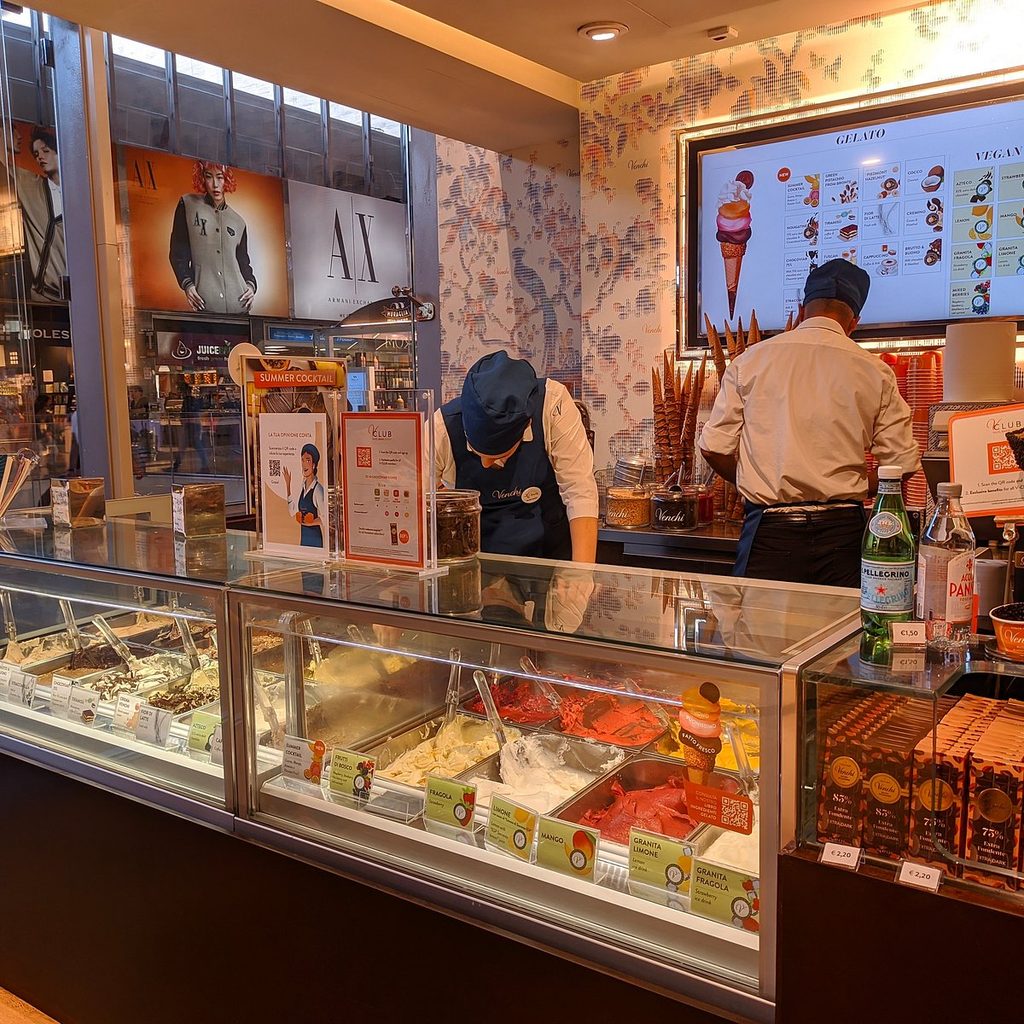
Image Credits: Tripadvisor
Ask for doppia panna, a layer of whipped cream in the cone and another on top, which is how a lot of locals order theirs at gelaterias across the city, including popular chains like Venchi. Some spots charge a little extra for it, so don’t expect it free everywhere.

For something sweeter, Regoli Pasticceria near Piazza Vittorio is a century-old bakery (open since 1916) best known for its maritozzo cream buns, the cream-filled brioche Rome actually eats for breakfast.
Aperitivo
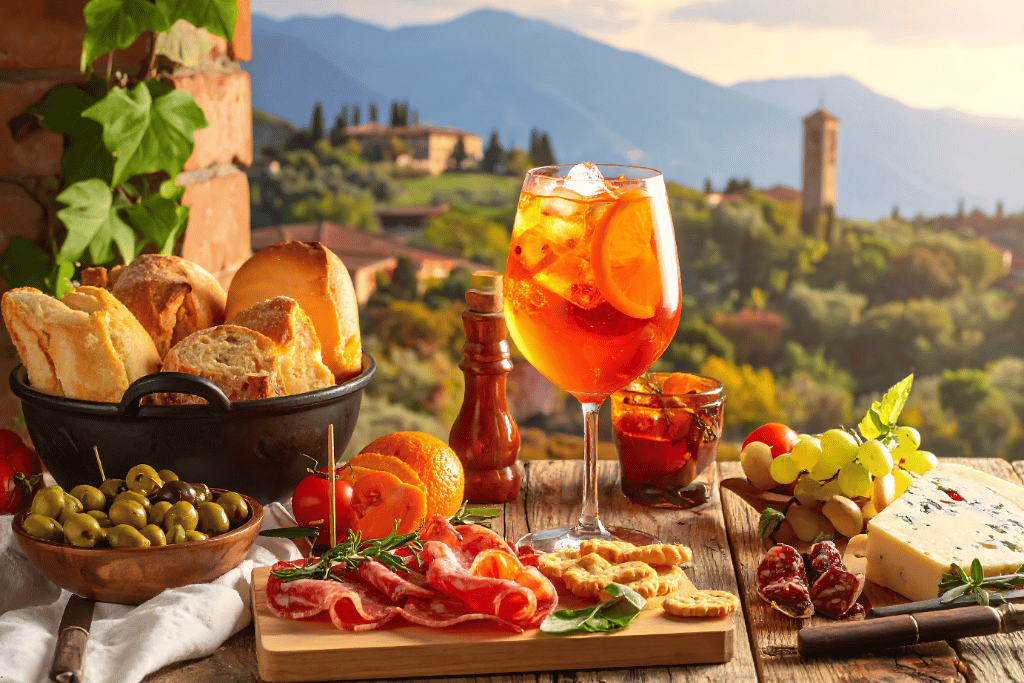
Between 6 PM and 8 PM, before Roman dinner service properly starts around 8 PM, bars across the city run aperitivo: an Aperol Spritz or similar drink served alongside small bites. It’s not compulsory, but it’s a local ritual worth building into an evening, especially around Piazza Navona or Trastevere.
A note on restaurant hours: most Roman kitchens shut between roughly 3 PM and 7 PM, even in busy areas. Plan your meals around that gap rather than assuming you can eat whenever you’re hungry.
Trastevere, Monti and Other Neighbourhoods
Trastevere
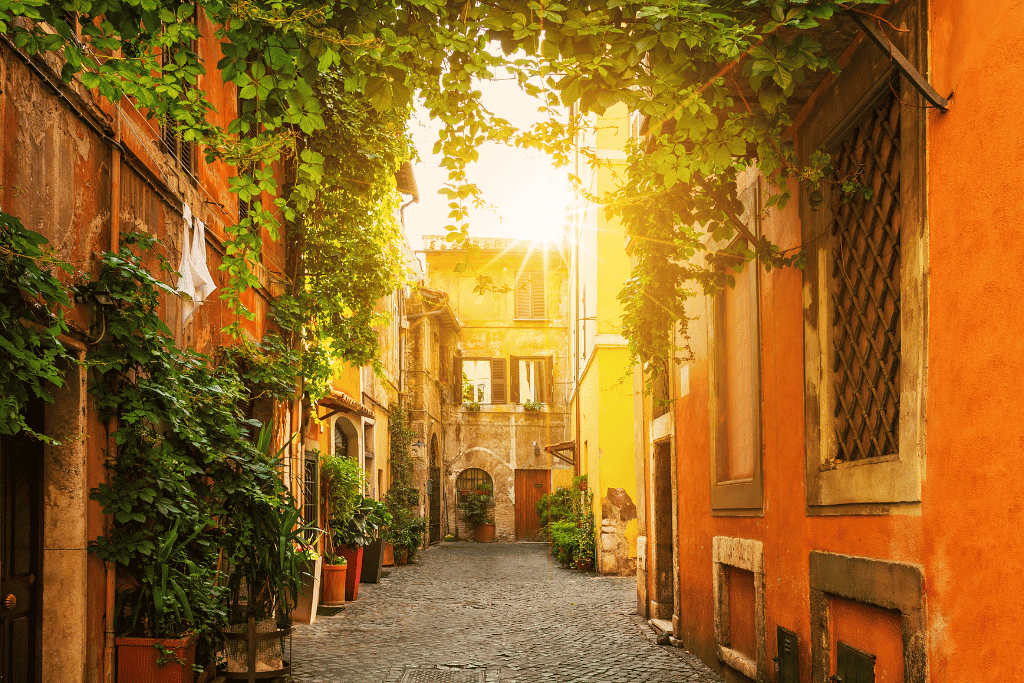
Trastevere is cobblestone streets, ivy climbing the buildings, and restaurant tables spilling onto the pavement the second the sun starts going down. Some Romans will tell you it’s lost some authenticity to tourism, and there’s truth to that. For a first-time visitor, though, an evening wandering here with no fixed plan, following whichever alley has the best smell coming out of it, is still one of the best few hours Rome offers.
It’s also one of the better areas to eat, provided you check reviews before sitting down rather than taking whoever waves a menu at you.
Best for evenings, not early mornings. It’s lively, which also means it’s noisy if you’re staying here to sleep.
Prati
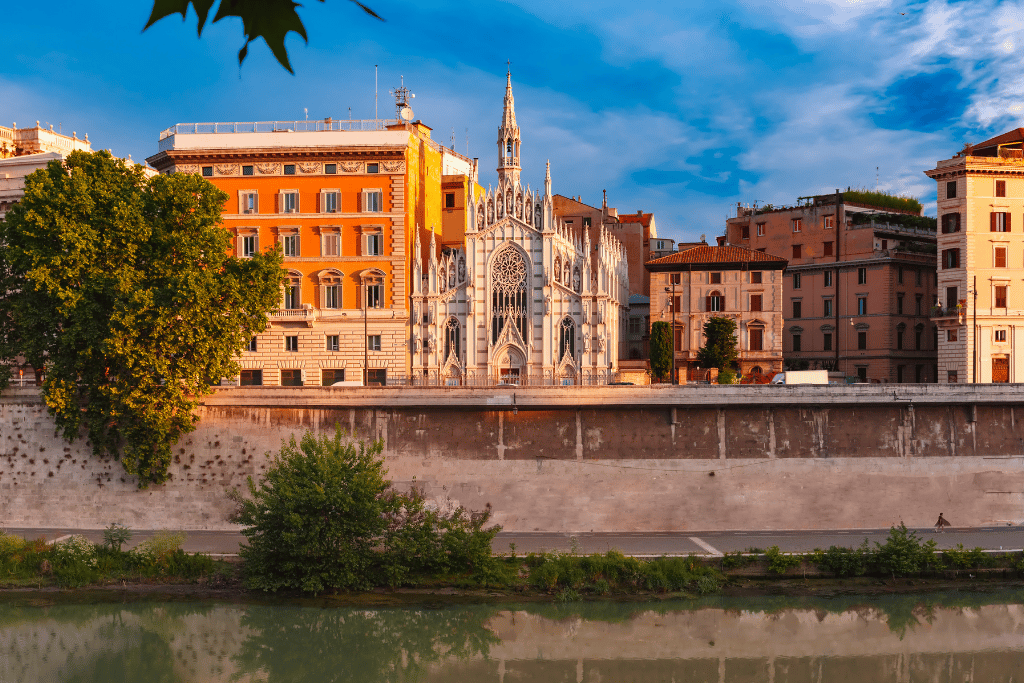
Calmer and more residential, sitting just beside the Vatican once you walk a few streets off the main approach road. Hotel prices here tend to run lower than in the historic centre, with a solid run of local restaurants once you’re off the main tourist drag.
Best for travellers prioritising a Vatican-adjacent base without the Vatican’s tourist-area pricing.
Where to avoid staying
The area around Termini Station, particularly southeast toward Esquilino, has some of the cheapest hotel rates in the city, and the rates reflect it. It’s not dangerous, just a less pleasant base than the alternatives above, given how many better options sit a short walk or metro ride away.
What Shouldn’t You Miss, and What Can You Skip?
The non-negotiables are the Colosseum, the Pantheon, the Vatican, and Trevi Fountain. Beyond those four, a few popular stops are worth rethinking.
- Spanish Steps: Worth seeing, not worth building your schedule around. Sitting on the steps is banned and fined, so budget 15-20 minutes for the view and move on rather than planning an afternoon here.
- Aventine Keyhole: The photo is real, but so is the queue, now that it’s a social-media fixture. If the line looks long, the Orange Garden next door gives a similar view of the same dome, free and usually empty.
- Vatican Museums without a plan: Skipping isn’t the right call, since the art collection is genuinely extraordinary, but going in without booking ahead or without a sense of how long it takes is the mistake. Budget a true half-day, go early or late, and book online.
- Mouth of Truth: The marble face at Santa Maria in Cosmedin, famous for “biting” the hand of liars, is a two-minute photo stop and nothing more. Worth the short detour on the way to or from the Circus Maximus, not worth a special trip.
Is Rome Expensive or Cheap?
Rome sits in the middle. The headline sights cost real money, but a lot of what makes the city special, like the piazzas, the free museums on the first Sunday of the month, and the drinking fountains, costs nothing.
What things actually cost, in EUR with S$ equivalents
| Sight | Price | S$ equivalent |
|---|---|---|
| Colosseum + Roman Forum + Palatine Hill | 18 EUR | ~S$27 |
| Pantheon | 7 EUR | ~S$11 |
| Vatican Museums + Sistine Chapel (door) | 20 EUR | ~S$30 |
| Trevi Fountain basin access | 2 EUR | ~S$3 |
| Borghese Gallery (timed entry) | 18 EUR | ~S$27 |
| Castel Sant’Angelo | 18 EUR | ~S$27 |
| St Peter’s dome climb (stairs, on the day) | 8 EUR | ~S$12 |
| Single transport ticket (100 min) | 1.50 EUR | ~S$2 |
Do the maths on a typical day: Colosseum ticket, lunch, a gelato, and a transport pass lands around 35-40 EUR (~S$53-60) per person. Add the Vatican on another day, and you’re looking at roughly 60-70 EUR (~S$90-105) across your two biggest sightseeing days, before food.
Where Singaporeans lose money in Rome
Three habits cost Singaporeans the most money here. A restaurant with a tout outside waving menus at you is pricing for tourists, not locals, so walk two streets further. Sitting down for coffee instead of standing at the bar adds a surcharge that locals simply avoid. And paying for a day-of Colosseum ticket means queueing in the sun when a pre-booked slot gets you straight in.
Card terminals in Italy will often ask “charge in SGD or EUR?” at checkout. Always pick EUR. Choosing your home currency triggers Dynamic Currency Conversion (DCC), where the terminal applies its own, worse exchange rate instead of your card issuer’s. More on sorting the payment side out in Getting Around below.
📖 Related Guide: Wondering how EUR compares right now? Our SGD to EUR rate guide breaks down the current wholesale rate.
How Many Days Do You Need in Rome?
Three days cover a first visit well: enough time for ancient Rome, the Vatican, and a proper evening in Trastevere, without the exhaustion that comes from trying to see everything.
- 1 day: Pick one half: either ancient Rome (Colosseum, Forum, Pantheon) or the Vatican. Trying both in one day means rushing through at least one of them.
- 2 days: Day 1 for ancient Rome and the historic centre (Trevi, Pantheon, Piazza Navona). Day 2 for the Vatican in the morning, Trastevere in the evening.
- 3 days: Day 1 for ancient Rome (Colosseum, Forum, Palatine Hill). Day 2 for piazzas and Villa Borghese (Trevi, Pantheon, Navona, Borghese Gallery). Day 3 for the Vatican, then Castel Sant’Angelo and Trastevere.
- 4+ days: Add a day trip to Florence or Naples, or slow down and add the less-touristy spots covered below.
The most important rule: never put the Colosseum and the Vatican on the same day. Both are half-day commitments on their own, and stacking them means rushing both.
📖 Related Guide: Tacking on another European city? Our things to do in Paris guide covers the other classic first stop.
Best Time to Visit Rome
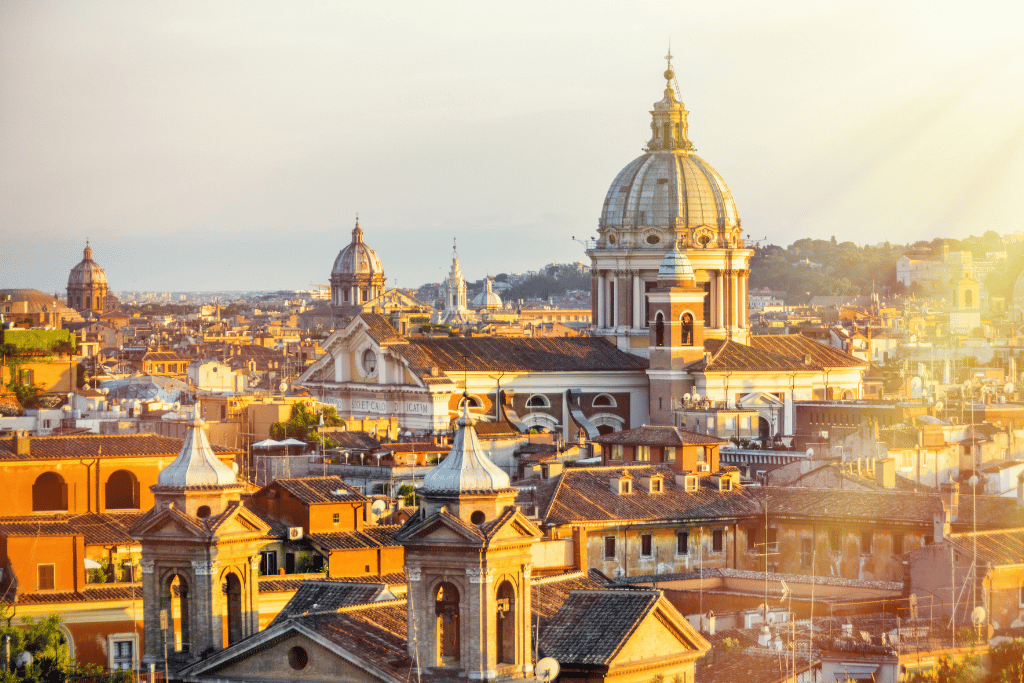
April to June and September to October bring the most comfortable weather for walking the city, with daytime temperatures roughly 18-24°C (65-75°F) and thinner crowds than the summer peak. July and August run hot and heavily crowded, with daytime temperatures that make long walks between sights uncomfortable.
Winter (December to February) runs mild at roughly 7-13°C (45-55°F), with the smallest crowds and the easiest time getting into popular sights. The trade-off is shorter daylight hours and a higher chance of rain.
Day Trips From Rome
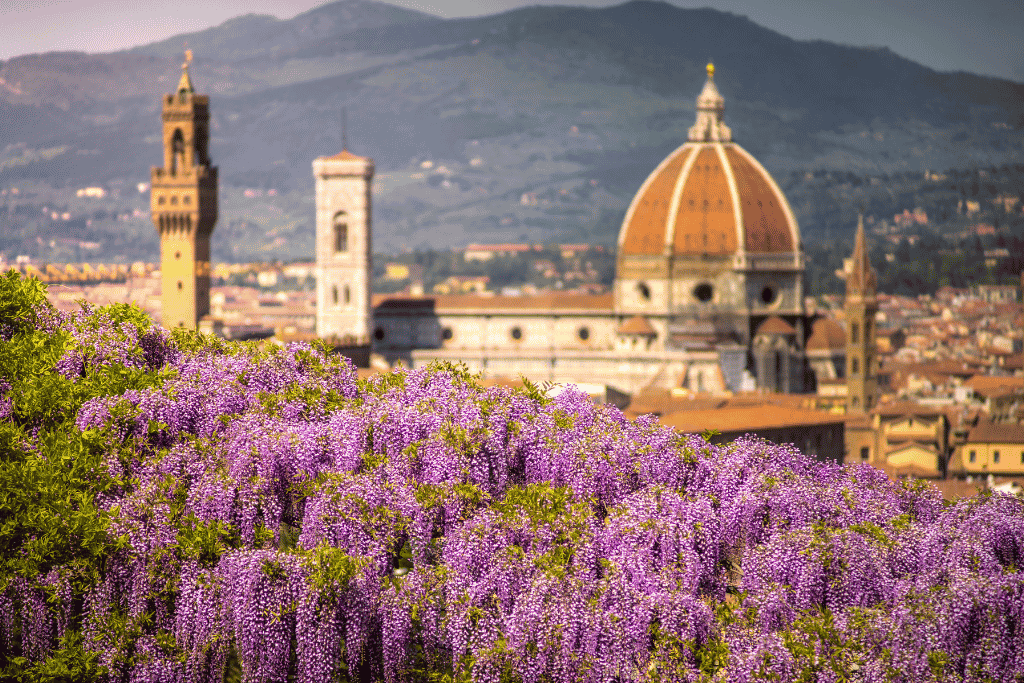
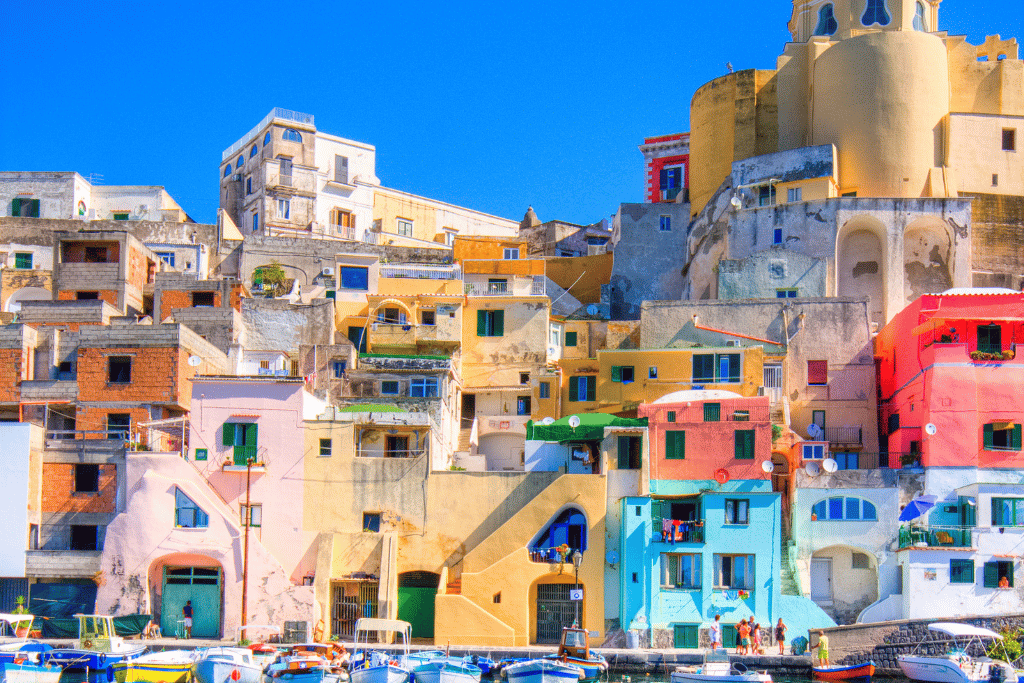
Italy’s high-speed rail network makes two cities realistic day trips from Rome, both city centre to city centre, with no airport transfer involved.
- Florence: Under 1 hour 30 minutes by high-speed train, making it the easier of the two for a single day covering the Duomo and the Uffizi area.
- Naples: About 1 hour 15 minutes, worth it for the food scene and as a jumping-off point if you’re tempted to add Pompeii or the Amalfi Coast on a longer trip.
Book trains on Trenitalia or Italo in advance for the cheapest fares; prices climb the closer you get to departure.
Rome With Kids, on a Sunday, or When It Rains
With kids: Villa Borghese’s lake and rowboats are an easy win for younger children, and the Colosseum’s scale tends to land well with most ages. Skip the Vatican Museums with very young kids; the crowds and the walking distance make it a hard sell.
On a Sunday: State museums and archaeological sites across Rome, including the Colosseum and the Pantheon, are free on the first Sunday of every month, though expect it to be the busiest day of the month too. If your visit falls on an ordinary Sunday, check Porta Portese, a large flea market that runs in Trastevere.
When it rains: The Vatican Museums, Capitoline Museums, and Borghese Gallery are all indoor options that work regardless of weather, provided you’ve booked ahead. The Pantheon’s oculus is more atmospheric with rain coming through it than on a dry day.
Dos and Don’ts in Rome
Do:
- Book the Colosseum, Vatican Museums, and Pantheon online in advance. Walk-up queues at all three can eat half a day.
- Validate a paper regional train ticket at the stamping machines before boarding. High-speed Frecce and Italo trains, tied to a QR code or booking reference, don’t need this.
- Keep shoulders and knees covered for churches and the Vatican, regardless of weather.
- Pick EUR, not SGD, when a card terminal asks which currency to charge. Choosing your home currency triggers Dynamic Currency Conversion at a worse rate.
Don’t:
- Schedule the Colosseum and the Vatican on the same day. Both are half-day commitments on their own.
- Sit down for coffee if you’re watching your budget. Standing at the bar is cheaper almost everywhere.
- Feed or try to photograph up close the cats at the Torre Argentina sanctuary; it’s a volunteer-run space with its own rules.
- Engage if someone tries to tie something to your wrist or hand you something unsolicited near crowded sights. Keep walking.
Getting Around and Practical Tips
From the airport
The Leonardo Express runs non-stop from Fiumicino Airport to Termini Station in about 32 minutes, departing every 15 minutes, for 14 EUR (~S$21) booked online. A fixed taxi fare of 55 EUR (~S$83) covers anywhere within Rome’s historic centre, so there’s no meter surprise, though it costs roughly four times the train fare for a similar journey time in traffic.
Public transport in the city
A single ticket covers buses, trams, and one metro ride for 100 minutes at 1.50 EUR (~S$2), or a 24-hour pass at 8.50 EUR (~S$13) if you’re moving around a lot in one day. Contactless bank cards and phones now tap directly at metro gates and on buses, so there’s no need to queue at a ticket machine.
For water, skip the bottled stuff near the big sights. Rome’s nasoni, the small cast-iron drinking fountains scattered across the city, run cold and drinkable around the clock, so carry a bottle and refill as you go.
One catch applies if you’re heading out on a regional day trip: a paper regional train ticket needs validating at the small stamping machines before boarding, and travelling with an unvalidated one can get you fined even though you paid for it. High-speed intercity trains (Frecce, Italo) work differently: your ticket is tied to a specific train and seat via a QR code or booking reference, so there’s nothing to stamp.
Dress code and etiquette
Churches and the Vatican enforce a dress code: shoulders and knees covered for everyone, regardless of weather. Keep a light scarf or shawl in your bag as a backup rather than getting turned away at the door after queueing.
Staying aware
Pickpocketing is a real issue on crowded transport and around the major sights. If someone tries to tie something to your wrist or hand you something unsolicited, keep walking rather than engaging.
Paying without the markup
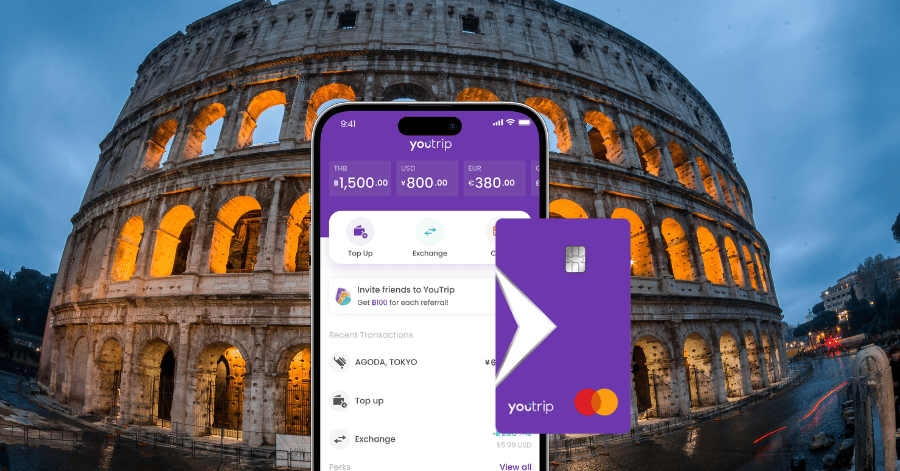
Tap the YouTrip card anywhere contactless payment is accepted, which covers the metro gates, most restaurants, and the majority of ticket machines at the big sights. There’s no foreign transaction fee, and the rate applied is the Mastercard wholesale rate rather than a card-issuer markup. EUR is one of YouTrip’s 12 lockable wallet currencies, so you can top up and lock the rate before you fly if certainty on a fixed budget matters more to you than chasing the best daily rate.
For the cash-only exceptions, like smaller market stalls, withdraw from a local ATM instead. The first S$400 a month is free with YouTrip, then 2% after, reset on the 1st of each month. Use code YTBLOG5 if you’re signing up for the first time.
📖 Related Guide: Want the ATM breakdown in full before you land? Our Italy ATM withdrawal guide covers fees by machine type.
FAQs
The Colosseum (with the Roman Forum and Palatine Hill on the same ticket), the Vatican Museums and Sistine Chapel, St Peter’s Basilica, the Pantheon, and the Trevi Fountain. Book all five in advance where possible, and never schedule the Colosseum and the Vatican on the same day.
A pasta-making class, a sunset walk through Trastevere, an aperitivo at a café on Piazza Navona, or an afternoon wandering the Jewish Ghetto’s food shops all count as genuine Rome activities beyond the monument checklist.
Late April, May, September, or early October, when temperatures sit around 18-24°C (65-75°F) and the crowds thin out compared to the July-August peak.
No. The piazza and the view are free at all times. Since February 2026, only stepping down to the basin’s edge, the stone steps closest to the water, costs 2 EUR (~S$3), charged from 9 AM to 10 PM most days.
No foreign transaction fee on card taps, settled at the Mastercard wholesale rate. EUR is one of YouTrip’s 12 lockable currencies, so you can top up and lock the rate ahead of your trip if you want cost certainty.
Yes, for a first visit covering ancient Rome, the Vatican, and an evening in Trastevere. Add a fourth day if you want to fit in a Florence or Naples day trip, or slow the pace down.
Ancient Roman history (the Colosseum, the Forum), the Vatican and Catholic Church, Renaissance art and architecture, fountains and piazzas (Trevi, Navona), and a food culture built around a handful of pasta dishes done exactly one way: carbonara, cacio e pepe, amatriciana, and gricia.
Via Condotti near the Spanish Steps has the designer flagships, and Via del Corso nearby covers more general high-street shopping. For something less polished, Porta Portese flea market runs in Trastevere on ordinary Sundays.
Visit the stray cat sanctuary at Largo di Torre Argentina, look through the Aventine Keyhole for a framed view of St Peter’s dome, or skip the keyhole queue for the free, quieter Orange Garden next door.
One last thing before you book that Colosseum slot
Book the big three ahead, leave room for one aimless evening in Trastevere, and Rome stops feeling like a queue-and-checklist exercise.
Not a YouTrooper yet? Singapore’s go-to multi-currency wallet helps you save with great FX rates and zero fees. Skip the money changer and get a free YouTrip card + S$5 YouTrip credits with code YTBLOG5.
Then, head over to our YouTrip Perks page for exclusive offers and promotions — we promise you won’t regret it. Join our Telegram (@YouTripSG) and Community Group (@YouTripSquad) for travel tips, event invites, and more!
Happy travels!