

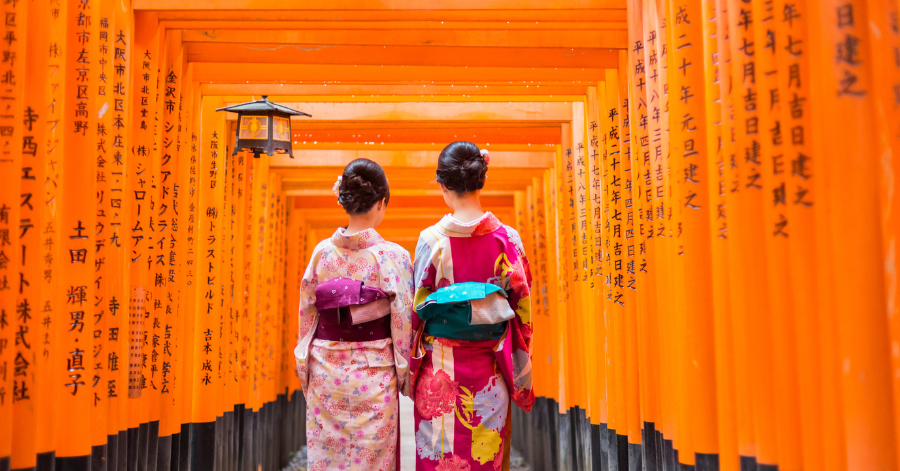

Japan’s ancient imperial capital needs no introduction — but it still manages to surprise.
Kyoto served as the imperial capital for over 1,000 years until 1868 and remains the heart of traditional Japanese culture, home to 17 UNESCO World Heritage Sites, Buddhist temples, Shinto shrines, and one of the world’s most refined food scenes. Whether you’re planning your first visit or returning for more, this guide covers everything: things to do in Kyoto, what to eat, buy, and when to go.
💜 Stay Up To Date:
– Car Rental Tokyo Guide 2026: Top Providers, Prices & Tips for Tourists
– HSBC Revolution Card Singapore 2026: Benefits, Fees, Rewards
– South Korea ATM Withdrawal Guide: Fees, Locations, Exchange Rates (2026)
⚡️ TL;DR: Kyoto at a Glance
| Question | Quick Answer |
|---|---|
| Best time to visit | March–May (cherry blossoms) or October–November (autumn foliage) |
| Ideal trip length | 3–4 days minimum; 5–7 for a fuller experience |
| Kyoto’s signature dish | Kaiseki (multi-course seasonal cuisine) and yudofu (tofu hot pot) |
| Top souvenir | Yatsuhashi (traditional rice-flour sweet) |
| Not to miss | Fushimi Inari, Arashiyama Bamboo Grove, Kinkaku-ji, Gion district |
| Best for off-the-beaten-path | Ohara, Kurama, Fushimi, Philosopher’s Path at dawn |
| Budget tip | Many temples and shrines are free or under 600 JPY to enter |
| Getting there | From Kansai International Airport — ~75 min by train or ~100 min by limousine bus |
📚 Table of Contents
- What Is Kyoto Famous For?
- Kyoto Weather & Temperature by Month
- Top 10 Things to Do in Kyoto
- Unique Things to Do in Kyoto
- Things to Do in Kyoto at Night
- Things to Do in Kyoto in Winter
- Things to Do in Kyoto with Kids
- Kyoto Day Trips
- What to Eat in Kyoto
- Restaurants in Kyoto
- What to Buy in Kyoto
- 2-Day & 3-Day Kyoto Itineraries
- FAQ
What Is Kyoto Famous For?
Kyoto is famous for its golden temples and vermilion shrines, Zen rock gardens, swaying bamboo forests, and centuries-old geisha culture. It’s one of the only places in the world where you can still spot geisha in full kimono rushing between wooden teahouses, while monks in flowing robes perform ceremonies in living, working temples and shrines.
The city is also the undisputed capital of Japanese culinary tradition. Highlights of Kyoto’s cultural identity include:
- Fushimi Inari Shrine with its brilliant vermilion torii gates
- Kinkaku-ji (the Golden Pavilion)
- Nijo Castle
- The preserved Gion geisha district
- Uji matcha green tea, tofu cuisine, and traditional confectioneries
Kyoto Weather & Temperature by Month
Kyoto experiences a humid subtropical climate with distinct seasons. Summers (June–August) are hot and humid with highs of 28–33°C, while winters (December–February) are cool with lows near 0–2°C and highs around 8–10°C. Spring and autumn offer the most comfortable temperatures, ranging from 10–20°C.
| Month | Avg High | Avg Low | Conditions |
|---|---|---|---|
| Jan–Feb | 9°C | 0°C | Cold, occasional snow, fewer crowds |
| Mar–Apr | 15–20°C | 6–9°C | ⭐ Cherry blossom season — peak crowds |
| May | 24°C | 13°C | ⭐ Ideal — warm, sunny, greenery |
| Jun–Jul | 28–31°C | 20–23°C | Rainy season (tsuyu); expect rain |
| Aug | 33°C | 24°C | Very hot and humid |
| Sep–Oct | 22–28°C | 13–20°C | ⭐ Autumn foliage in October–November |
| Nov | 16°C | 7°C | ⭐ Best for fall colours |
| Dec | 10°C | 2°C | Cold but atmospheric; fewer crowds |
- Best time to visit: Kyoto’s weather is most enjoyable during April, May, and November, with comfortable temperatures of 17–24°C — ideal for exploring on foot.
- What to pack: Layers year-round. Waterproof jacket for June–September. Warm coat and gloves for December–February.
🏯 Top 10 Things to Do in Kyoto
1. Fushimi Inari Taisha
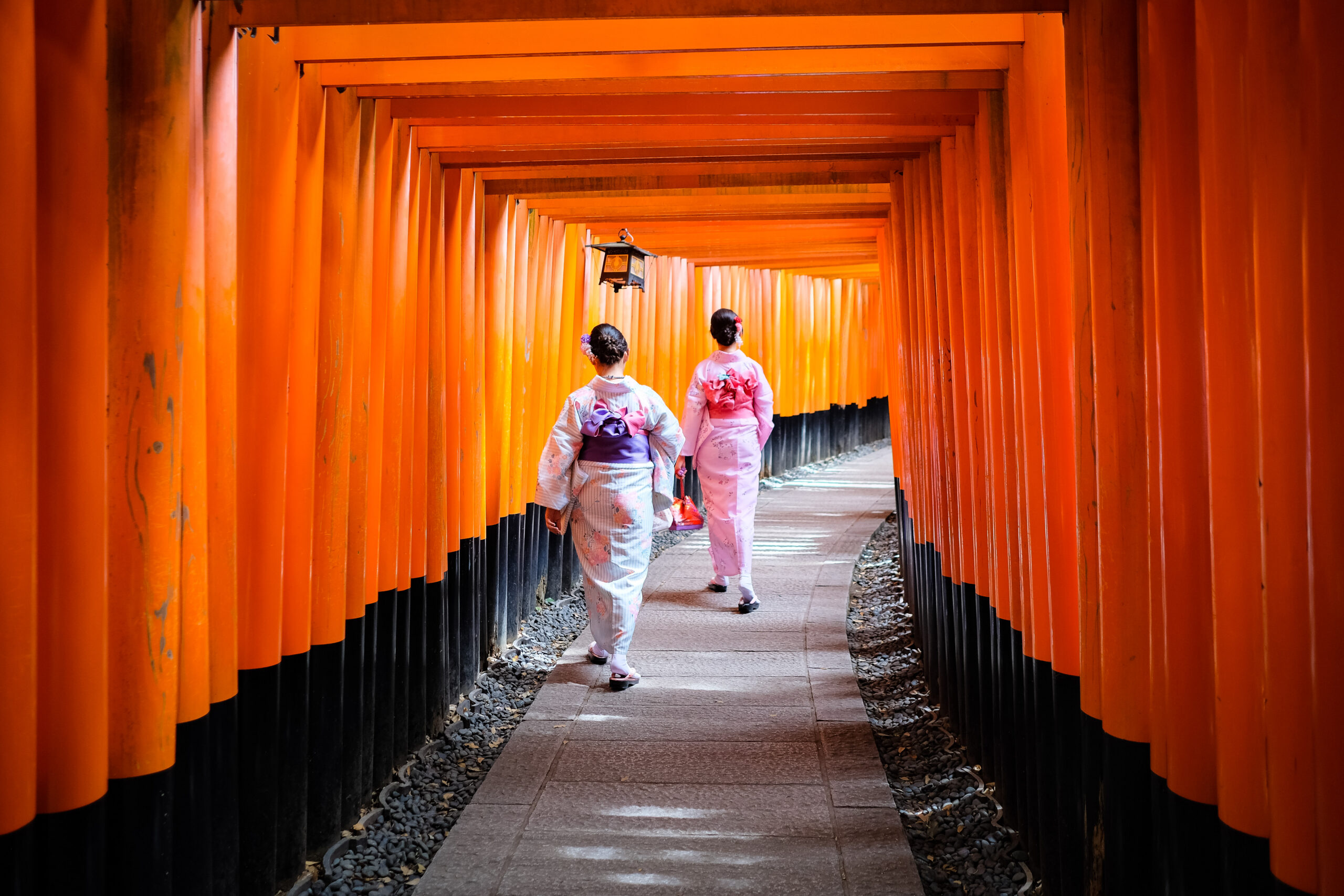
Image credits: Wikimedia Commons
Known for its iconic trail lined with thousands of vermillion torii gates, Fushimi Inari Taisha is one of Japan’s most photographed Shinto shrines, dedicated to Inari, the god of rice and prosperity. The shrine is located on Mount Inari and has been a place of worship since 711 AD.
The full hike to the summit takes around 2–3 hours, but even a 30-minute walk up through the lower gates is spectacular. Go at dawn to beat the crowds and catch golden-hour light filtering through the gates.
- Address: 68 Fukakusa Yabunouchicho, Fushimi Ward, Kyoto, 612-0882
- Opening Hours: 24 Hours
📖 Related Guide: SGD To Yen Guide: Capitalising On The Japanese Yen
2. Arashiyama Bamboo Grove
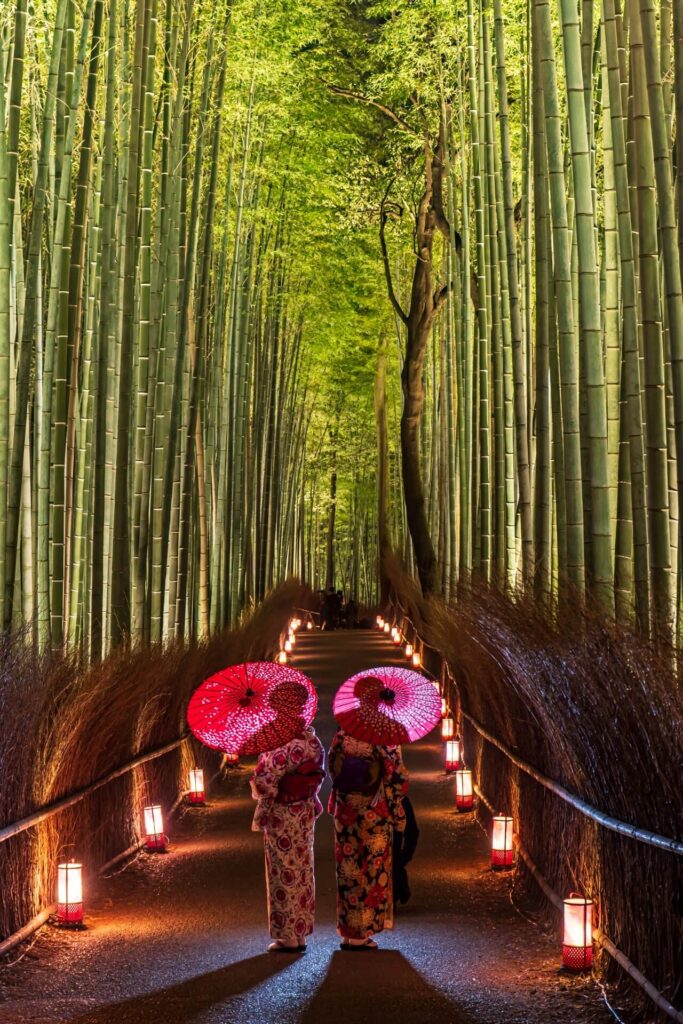
Image credits: snow monkey resorts
Another one of Kyoto’s most iconic sights, the Arashiyama Bamboo Grove is a towering forest of bamboo that creates a surreal, otherworldly atmosphere unlike anything else in Japan. The trail is about 500m long and takes around 30 minutes to walk through. For the best experience — and empty photos — arrive by 7 AM.
While you’re in the area, the nearby Tenryu-ji temple garden and the Togetsukyo Bridge are well worth combining into a half-day visit.
- Address: Arashiyama, Ukyo Ward, Kyoto, 616-0007
- Opening Hours: 24 hours
- Admission: Free
📖 Related Guide: Cherry Blossom Season Japan: Best Time to Visit, Sakura Forecast & Top Viewing Spots
3. Kinkaku-ji (Golden Pavilion)
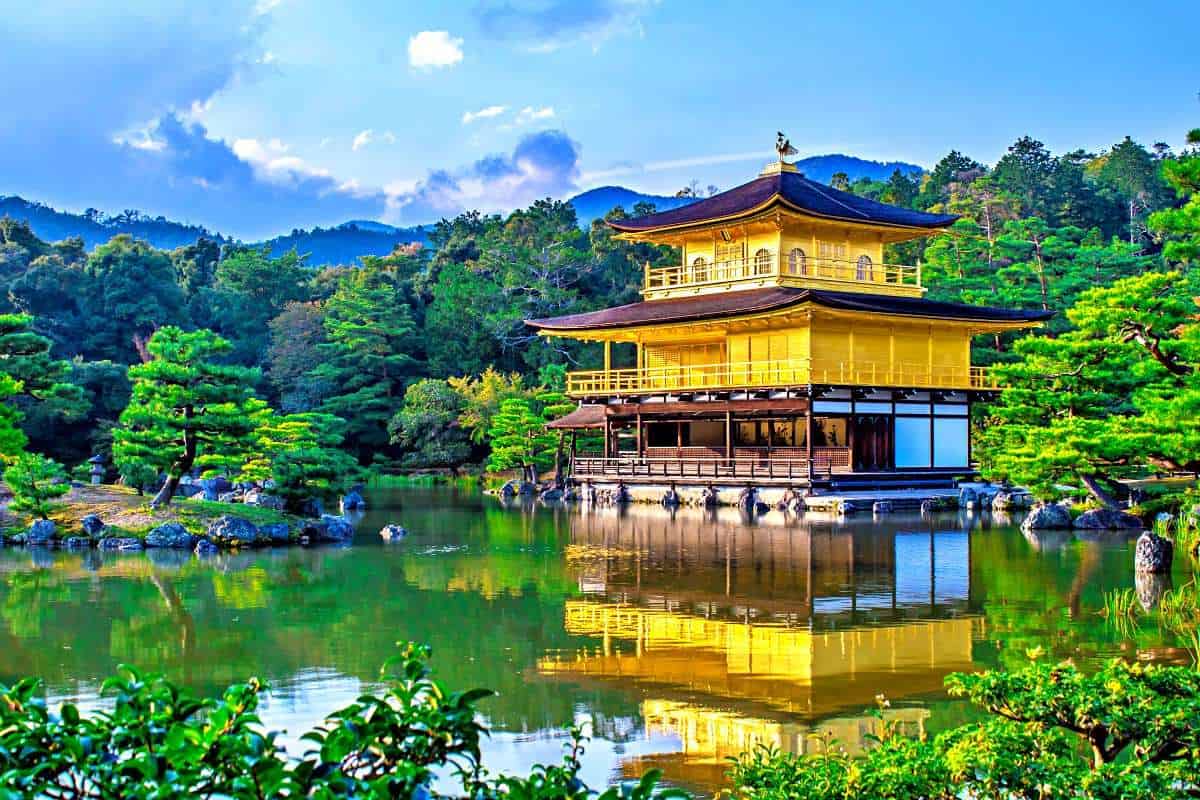
Image credits: Kinkaku-ji Temple (金閣寺), Kyoto
The Kinkaku-ji is perhaps the single most recognisable image of Kyoto — a Zen Buddhist temple whose top two floors are entirely covered in gold leaf, reflected in the still pond that surrounds it. The grounds date back to before 1408, originally built as the retirement villa of a shogun before being converted into a Rinzai Zen temple after his death.
The temple building covered in gold is one of Kyoto’s most visited landmarks, so arrive early or on a weekday to avoid the largest crowds.
- Address: 1 Kinkakujicho, Kita Ward, Kyoto, 603-8361
- Opening Hours: 9 AM – 5 PM
- Admission Fee: 500 JPY (~S$4.50)
📖 Related Guide: Japan ATM Withdrawal Guide: Fees, Locations, Exchange Rates
4. Kiyomizu-dera Temple
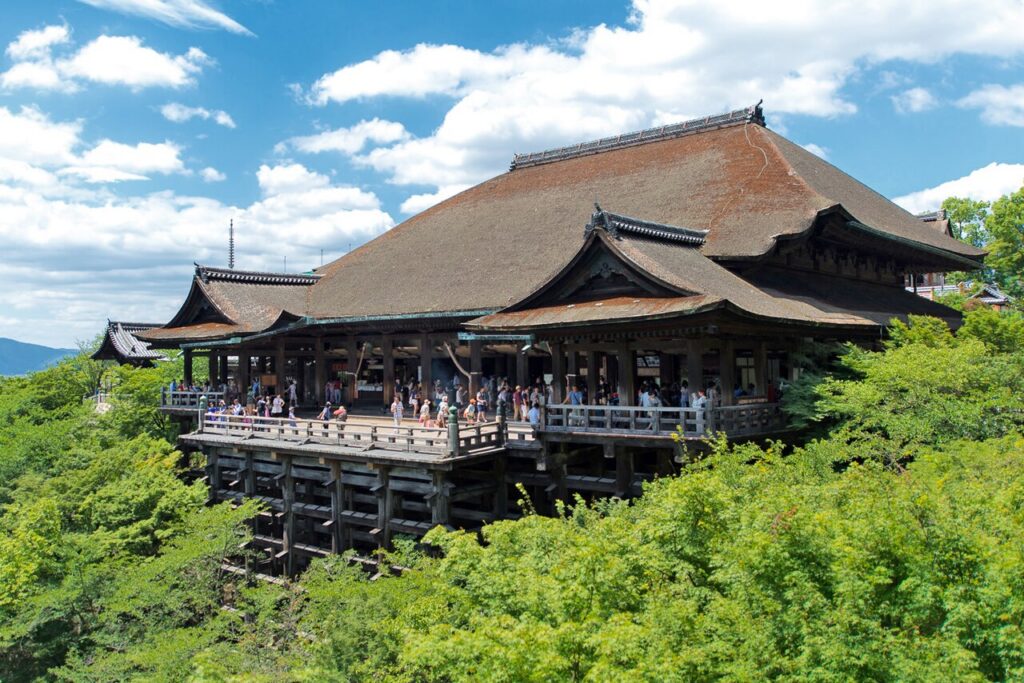
Image credits:
Kiyomizu-dera is a UNESCO World Heritage Site perched on the hillside of eastern Kyoto, famous for its massive wooden veranda — built without a single nail — that juts out over the forested valley below. The views from the terrace over the city are spectacular in any season, but especially breathtaking during cherry blossom season and autumn foliage.
The cobblestone streets of Ninenzaka and Sannenzaka leading up to the temple are equally worth exploring, lined with traditional shops, sweets, and craft stores.
- Address: 1-294 Kiyomizu, Higashiyama Ward, Kyoto, 605-0862
- Opening Hours: 6 AM – 6 PM (extended hours during special seasons)
- Admission: 500 JPY (~S$4.50)
📖 Related Guide: Kyushu, Japan: Complete Travel Guide, Map, Weather, Itinerary
5. Nijo Castle
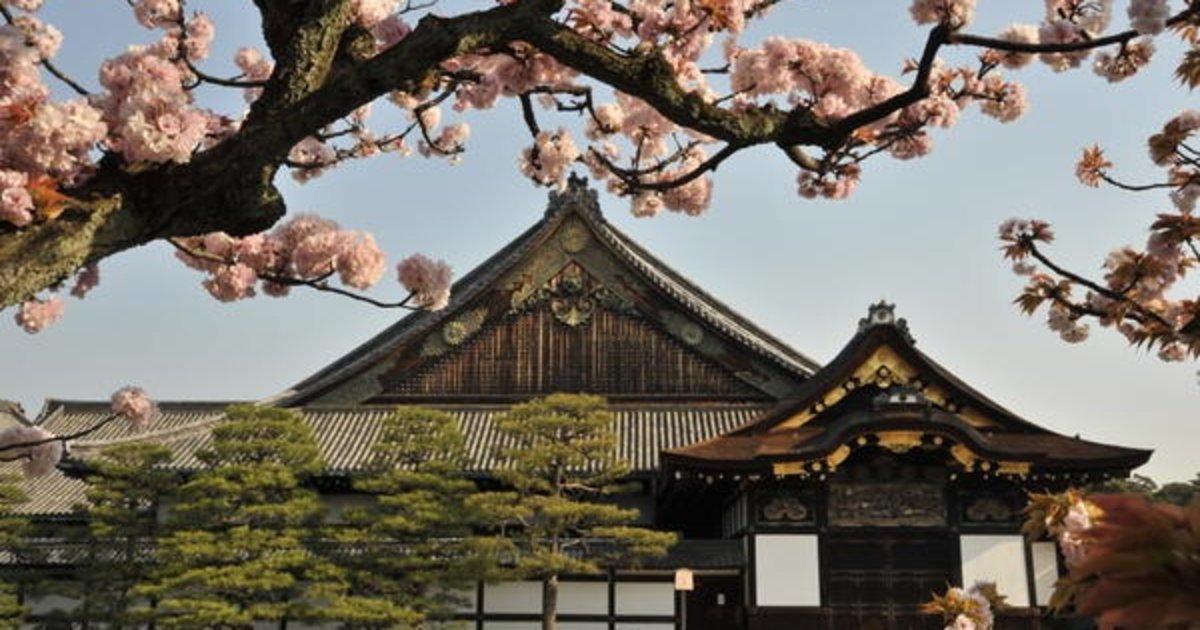
Image credits: Klook
The former Kyoto residence of the shogun, Nijo Castle, was built in 1603 for Tokugawa Ieyasu, the first shogun of the Edo Period. It was designated a UNESCO World Heritage Site in 1994 and is famous for its “nightingale floors” — wooden corridors deliberately designed to squeak underfoot, alerting guards to any intruder approaching the shogun’s quarters. The ornate painted interiors and expansive garden make it one of the most historically rich sites in the city.
- Address: 541 Nijojocho, Nakagyo Ward, Kyoto, 604-8301
- Opening Hours: 8:45 AM – 5 PM
- Admission: 1,030 JPY (~S$9.30)
📖 Related Guide: Best Time To Visit Japan: Your Ultimate Guide
6. Ryoan-ji Zen Garden
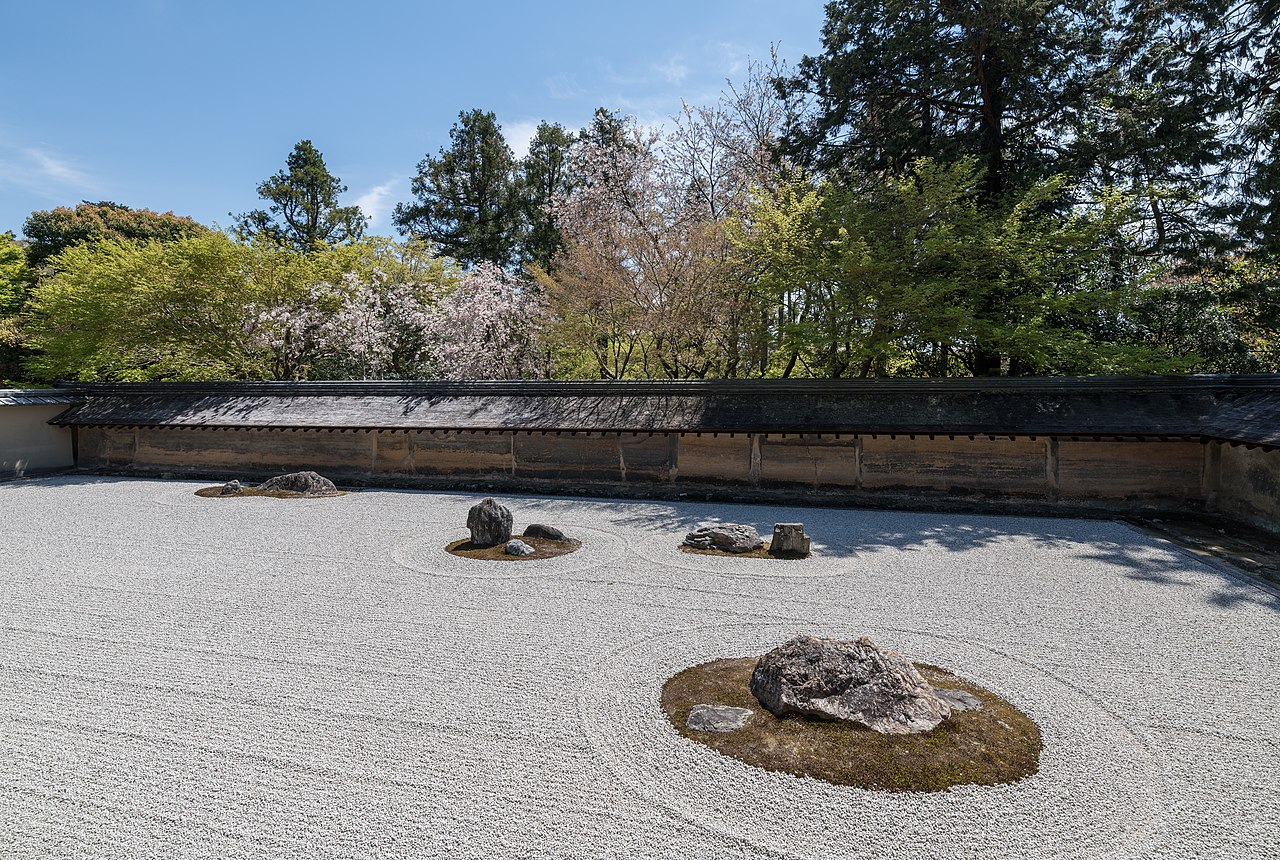
Image credits: Wikipedia
Ryoan-ji is home to Japan’s most famous karesansui (dry rock garden) — 15 carefully arranged stones set in a bed of white raked gravel, positioned so that at least one stone is always hidden from view, no matter where you stand. The meaning of the arrangement has been debated for centuries.
Beyond the rock garden, the temple’s mirror pond and surrounding woodland are equally worth a slow wander. It is one of Kyoto’s best-known Zen temples and a UNESCO World Heritage Site.
- Address: 13 Ryoanji Goryonoshitacho, Ukyo Ward, Kyoto, 616-8001
- Opening Hours: 8 AM – 5 PM (Mar–Nov), 8:30 AM – 4:30 PM (Dec–Feb)
- Admission: 600 JPY (~S$5.40)
📖 Related Guide: ICOCA Card Japan Guide: Where to Buy, How to Use, Suica Comparison
7. Gion District & Hanamikoji Street
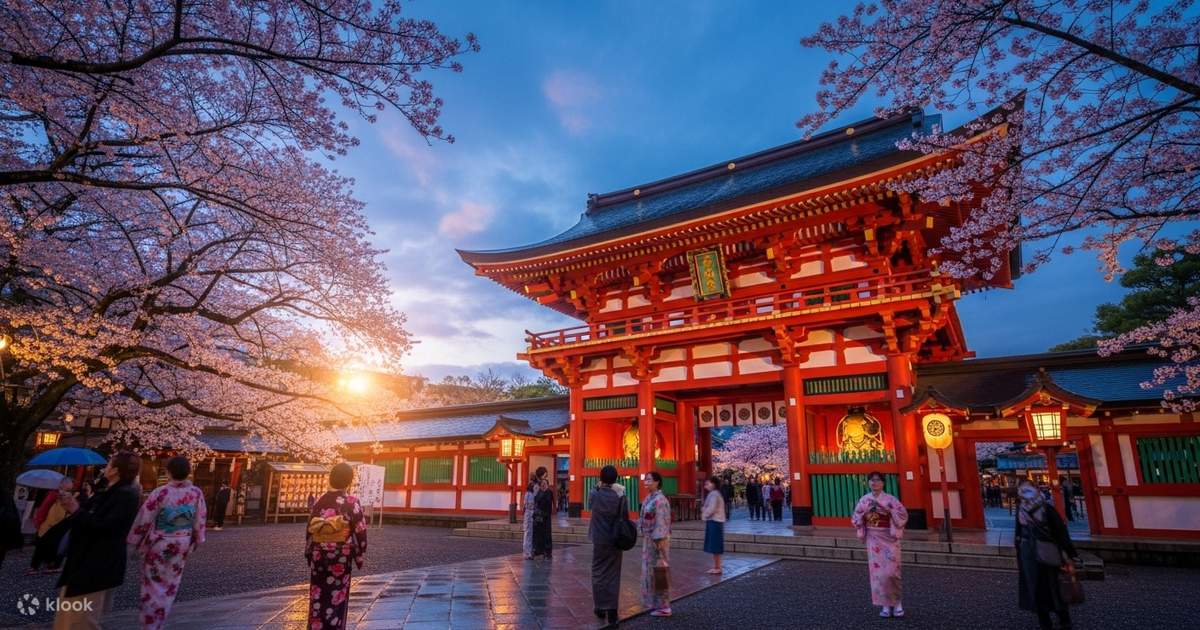
Image credits: Klook
Gion is Kyoto’s most famous geisha district, a beautifully preserved neighbourhood of wooden machiya townhouses, lantern-lit alleys, and ochaya (teahouses) that still operate today. Hanamikoji Street is the main artery of Gion — lined with high-end restaurants and teahouses — and is especially magical after dark when lanterns glow, and kimono-clad maiko and geiko can occasionally be spotted making their way to evening engagements.
Be respectful: photography of geisha without permission is considered intrusive.
- Address: Hanamikoji Street, Higashiyama Ward, Kyoto, 605-0074
- Opening Hours: Always accessible
- Admission: Free
📖 Related Guide: Japan Rail Pass (JR Pass): Prices, Calculator, Map & Full Guide
8. Philosopher’s Path (Tetsugaku-no-Michi)
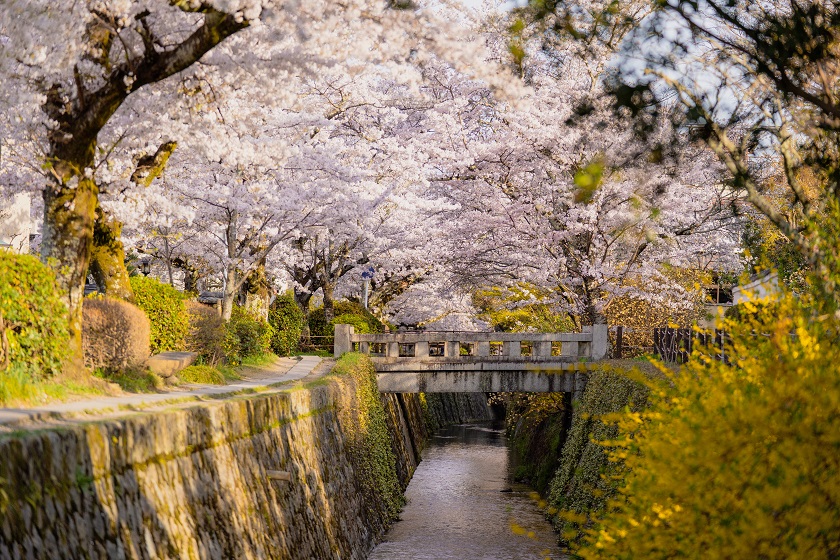
Image credits: Japan Rail Pass
The Philosopher’s Path is a 2km stone-paved canal-side walkway connecting Nanzen-ji to Ginkaku-ji (the Silver Pavilion), named after the philosopher Nishida Kitaro, who reportedly walked it daily in meditation. I
It’s one of the most beloved walks in Kyoto — quieter than most landmarks and extraordinarily beautiful during cherry blossom season when the canal is lined with flowering sakura trees. The path takes about 30–45 minutes to walk at a leisurely pace, with small cafés, craft shops, and temples dotted along the way.
- Address: Tetsugaku-no-Michi, Sakyo Ward, Kyoto
- Opening Hours: Always accessible
- Admission: Free
📖 Related Guide: Autumn in Japan: Fall Foliage Forecast & Best Viewing Spots
9. Sannenzaka & Ninenzaka
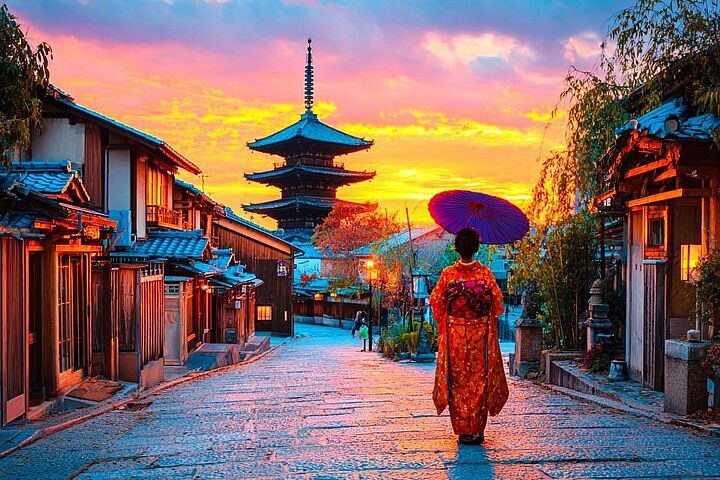
Image credits: Tripadvisor
Step back into old Kyoto along the cobblestone lanes of Sannenzaka and Ninenzaka, the beautifully preserved pedestrian streets that wind uphill toward Kiyomizu-dera. The streets are lined with traditional shops and restaurants, filled with local delicacies, souvenirs, and traditional Japanese crafts.
These lanes are among the most photographed in Japan — for empty streets and stunning photos, visit at dawn or after dark, when the lanterns glow and the crowds thin out considerably.
- Address: Higashiyama Ward, Kyoto, 605-0826
- Opening Hours: Always accessible (shops open approx. 9 AM – 6 PM)
- Admission: Free
📖 Related Guide: Best Things To Do In Nagoya City, Japan: The Ultimate Guide
10. Nishiki Market
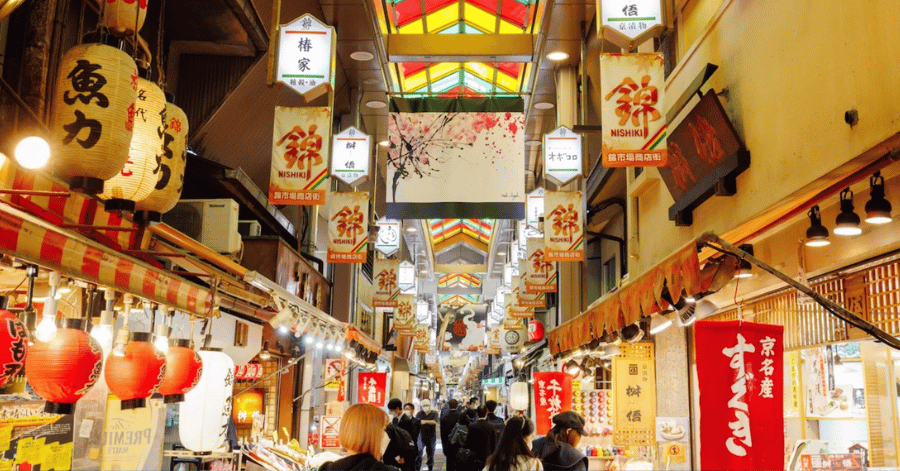
Image credits: Japan National Tourism Organisation (JNTO)
Nishiki Market — affectionately known as “Kyoto’s Kitchen” — is a lively, five-block covered food street home to more than 100 shops and stalls. You’ll find everything from fresh seafood, tofu, pickles, and street snacks to kitchen knives, ceramics, and local produce.
Many shops offer free samples, and the sheer variety of food makes it ideal for grazing. Popular bites include tempura skewers, freshly made fish cakes, yuba croquettes, and sesame ice cream. Go on a weekday morning for the best experience before tour groups arrive.
Remember to use your YouTrip card while booking your food tour to get up to 5% cashback on Klook!
- Address: Nakagyo Ward, Kyoto, 604-8054
- Opening Hours: 9 AM – 6 PM (varies by store)
- Admission: Free
📖 Related Guide: 16 Best Things To Do In Fukuoka, Japan: Attractions & Tips
🎨 Unique Things To Do In Kyoto
11. TeamLab Biovortex Kyoto
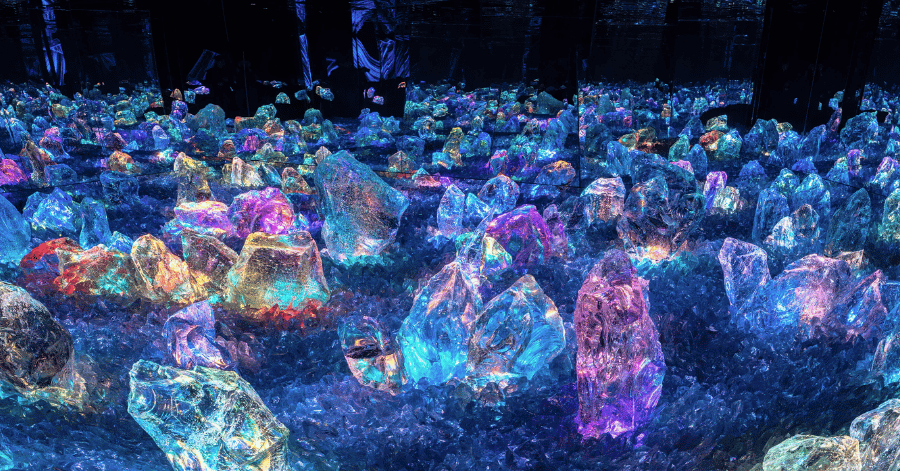
Image credits: teamLab
TeamLab Biovortex opened in October 2025 and is the biggest TeamLab museum yet — packed with fully interactive digital art installations exploring themes of life, perception, and the natural world. Unlike the Tokyo TeamLab museums, Biovortex Kyoto features several unique exhibits, including rooms where visitors walk through massive bubbles and immersive tornado-like environments.
It’s a genuinely memorable experience for adults and children alike, and one of the most exciting new additions to Kyoto’s cultural scene. Book tickets in advance as time slots sell out quickly!
- Address: 21-5 Higashikujo Higashi-Iwamotocho, Minami Ward, Kyoto, 601-8006
- Opening Hours: Check teamlab.art for current session times
- Admission: From 3,600 JPY (~S$32) — varies by date and time slot
📖 Related Guide: Okinawa, Japan Travel Guide: Best Things to Do, Itinerary & Tips
12. Gekkeikan Okura Museum (Fushimi Sake District)
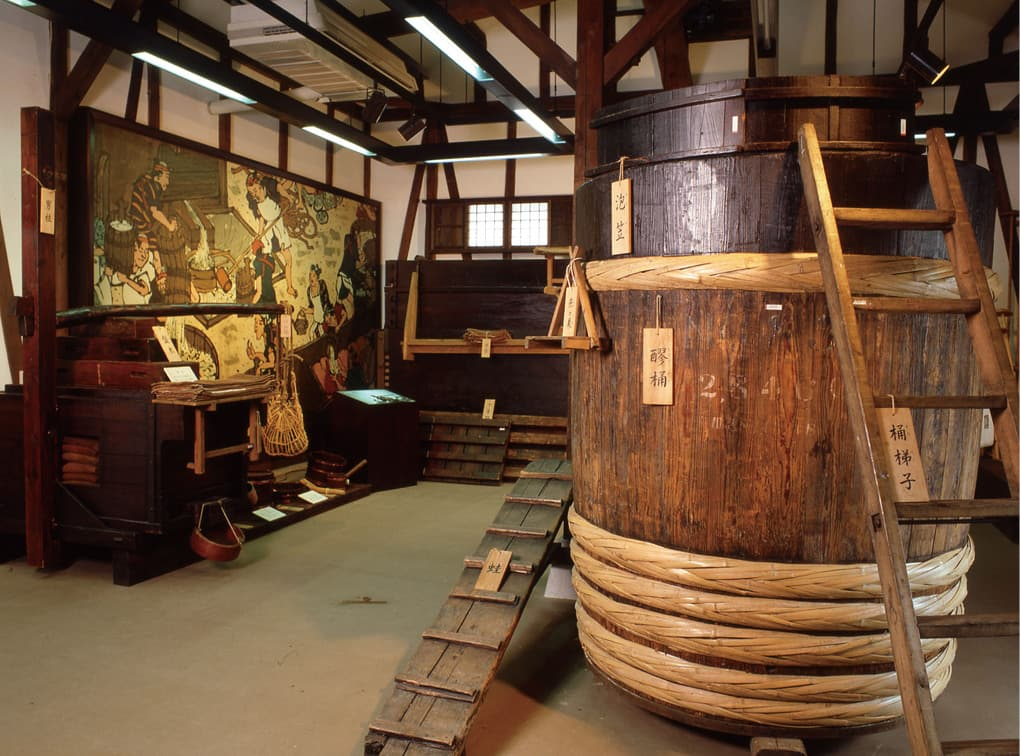
Image credits: Kyoto Museum
Dive into Kyoto’s rich sake brewing heritage at the Gekkeikan Okura Museum, located within the historic Fushimi sake district. Gekkeikan has been brewing sake here since 1637, and the museum walks visitors through the full production process, from rice polishing to fermentation, inside beautifully preserved wooden brewery buildings. The tour concludes with a tasting session of several sake varieties.
The narrow canals and old merchant architecture of the surrounding Fushimi district make this area one of Kyoto’s most photogenic and least-touristy neighbourhoods.
- Address: 247 Minamihama-cho, Fushimi Ward, Kyoto, 612-8660
- Opening Hours: 9:30 AM – 4:30 PM (last entry 4 PM)
- Admission: 600 JPY (~S$5.40)
📖 Related Guide: Shinkansen Tokyo To Osaka Guide: Fares, Trains, Tickets, Alternatives
13. Nakamura-Rosoku (Japanese Candle Painting)
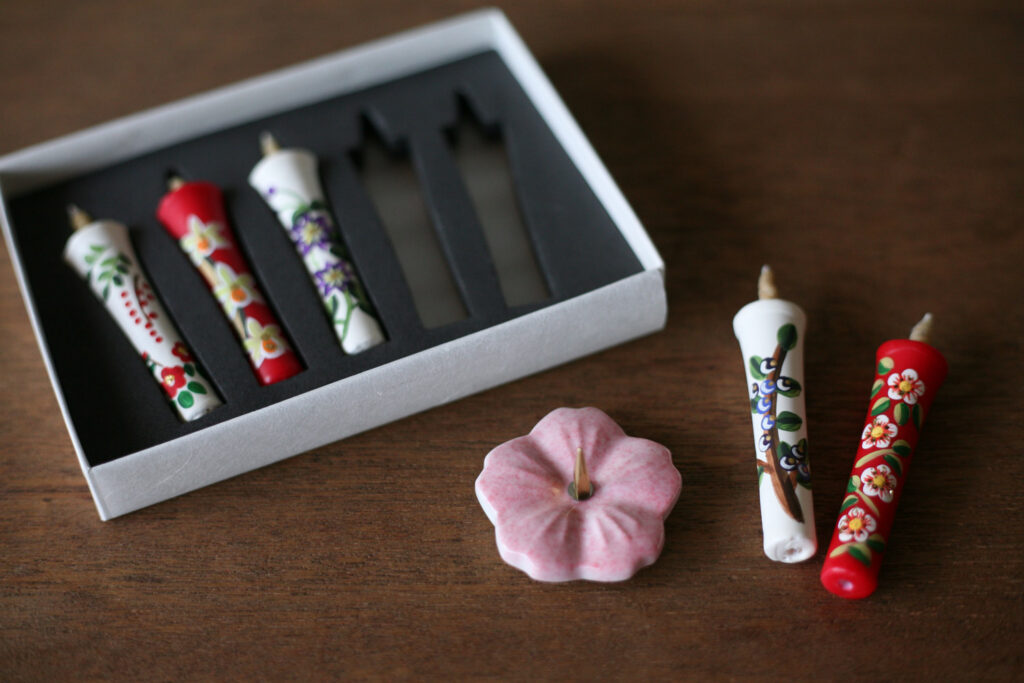
Image credits: 職人.com
Traditional Japanese candles — washi-wrapped and hand-painted with seasonal flowers — have been used in ceremonies and temples for centuries. At Nakamura-Rosoku, which has been handcrafting candles since 1887, visitors can try their hand at painting their own candle to take home. It’s an intimate, meditative experience that gives real insight into a craft most visitors to Kyoto never know exists.
Book your workshop slot online in advance, though the store is open daily for browsing and purchases if you just want to take a look.
- Address: 57-8 Takeda Mitsuguicho, Fushimi Ward, Kyoto, 612-8413
- Opening Hours: 9 AM – 5:30 PM
- Workshop Prices: 2,000–3,000 JPY (~S$18–27)
📖 Related Guide: Sapporo, Hokkaido, Japan: The Ultimate Winter Wonderland Guide
14. Kamitowa (Washi Paper-Making Workshop)
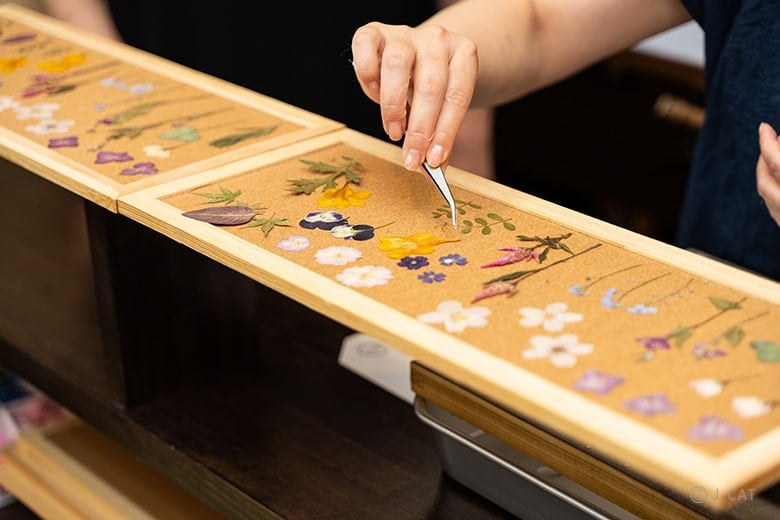
Image credits: Wabunka
If you’ve ever wondered where washi tape comes from, Kyoto is the place to find out. At Kamitowa, guided by skilled artisans, you can try traditional Japanese paper-making, creating your own sheet of washi with intricate textures and patterns to take home.
It’s a hands-on, unhurried activity that’s suitable for all ages, and the finished piece makes for one of the most personal souvenirs you can bring back from Japan. Reservations are advised and can be made directly on their website.
- Address: 345 Sanjo-cho, Nakagyo Ward, Kyoto, 604-8006
- Opening Hours: 10:30 AM – 5 PM (Closed Tuesdays, Wednesdays, Thursdays)
- Workshop Prices: 2,500–4,000 JPY (~S$22–36)
📖 Related Guide: The Ultimate Universal Studios Japan (USJ) Guide
15. Kuoe Kyoto (Watchmaking Workshop)

Image credits: Kuoe Kyoto
For a truly unique Kyoto souvenir, head to Kuoe — a local watchmaker offering hands-on workshops where you assemble your own timepiece from scratch. Combining Japanese minimalist aesthetics with Swiss-style watchmaking, the finished watch is entirely wearable and genuinely beautiful.
It’s an experience that sits at the intersection of craftsmanship and design, and one of the more original things to do in Kyoto for travellers who want something beyond temples and markets. Reservations are required — book ahead through their website.
- Address: 224 Eirakucho, Tohbeh Building #105, Nakagyo Ward, Kyoto, 604-8071
- Opening Hours: 11 AM – 5:30 PM (Closed Tuesdays)
- Workshop Prices: 15,000–20,000 JPY (~S$135–180)
📖 Related Guide: Suica Card Japan Guide: How To Use, Where To Buy & Tourist Tips
16. Kyoto Meditation Centre
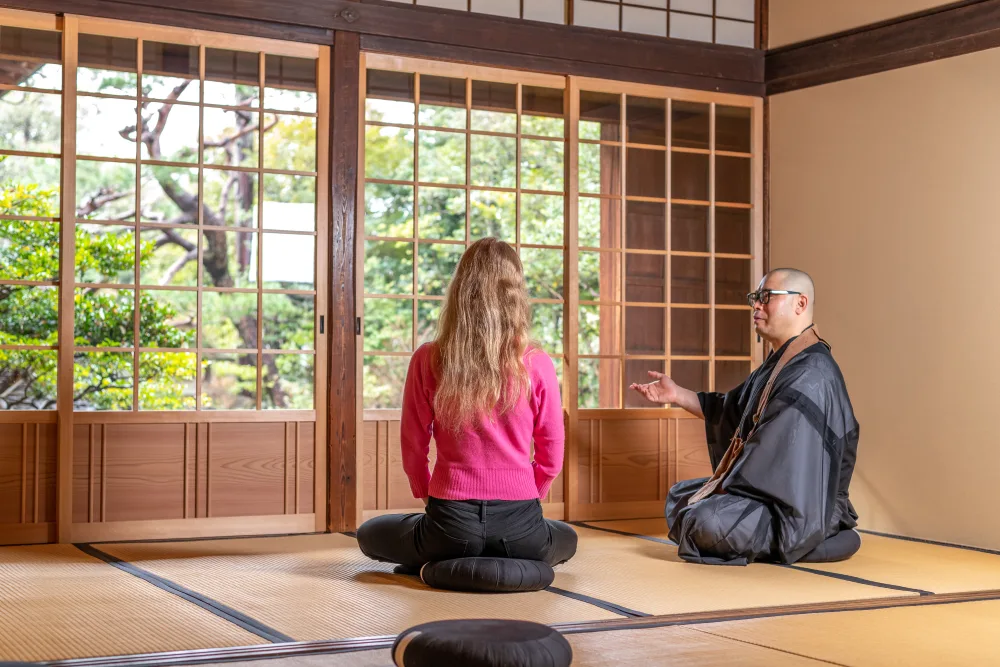
Image credits: Japan National Tourism Organisation
Take a step back from the sightseeing pace and experience Zen meditation as it was meant to be practised — inside a working temple, led by a trained monk. Sessions at the Kyoto Meditation Centre cover breathing techniques and mindfulness practices that have been part of Kyoto’s monastic tradition for centuries.
Some sessions include a vegetarian meal and a traditional tea ceremony, making this a deeply immersive cultural experience rather than just a wellness activity. Ideal for solo travellers and anyone wanting a more reflective side to their Kyoto trip.
- Address: Varies by session location
- Opening Hours: Varies
- Workshop Prices: From 20,000 JPY per pax (~S$180)
📖 Related Guide: Welcome Suica Mobile App Guide: Your Solution To Getting Around Japan
17. Okazaki Shrine
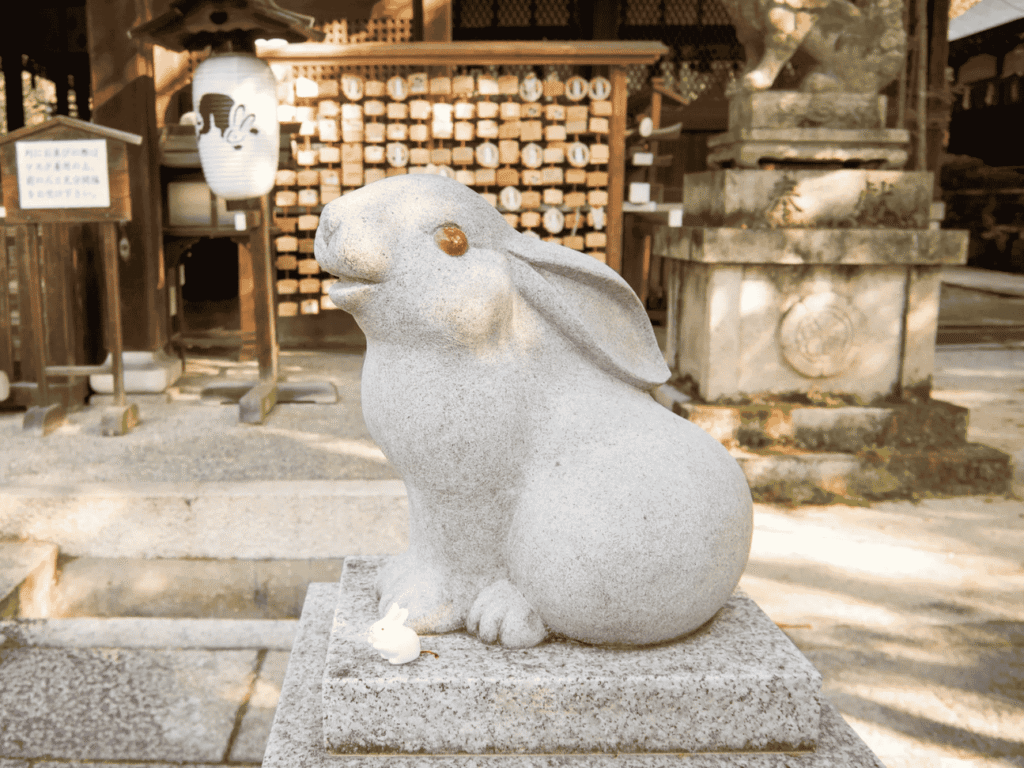
Image credits: Japan National Tourism Organisation
Arguably the most charming shrine in all of Kyoto, Okazaki Shrine is dedicated to rabbits — specifically to the deity who appears as a rabbit under the moonlight — and is absolutely filled with bunny statues, rabbit-shaped charms, fortune papers, and even rabbit-themed snacks.
It’s a wonderfully quirky stop that feels genuinely off the beaten path despite being tucked within the broader Okazaki cultural district. A delightful detour for couples (it’s also considered a shrine for safe pregnancy and childbirth) and animal lovers alike.
- Address: 4 Okazakisaaoyama-cho, Sakyo Ward, Kyoto, 606-8342
- Opening Hours: 6 AM – 6 PM
- Admission: Free
📖 Related Guide: 10 Must-Buy Items At Don Quijote In Japan
18. Kitano Tenmangu Shrine Flea Market
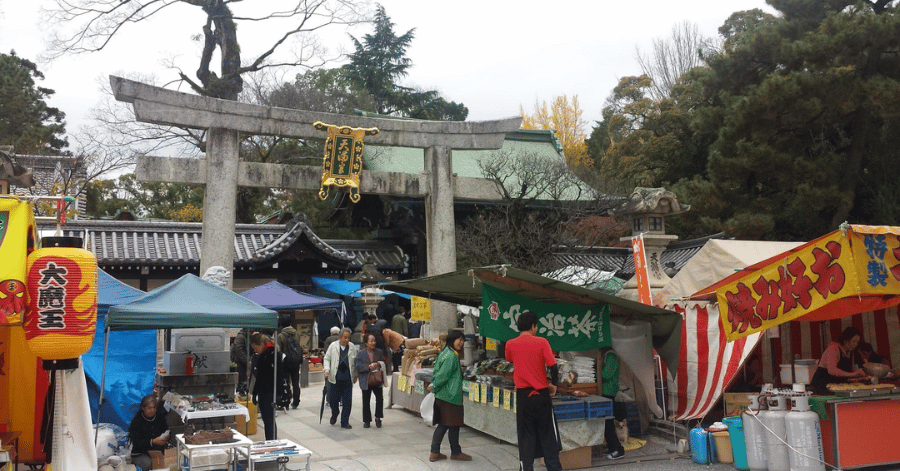
Image credits: Tripadavisor
The Kitano Tenmangu Shrine — dedicated to the god of scholarship — doubles as one of Kyoto’s best cultural experiences thanks to its monthly flea market, held on the 25th of every month. Stalls overflow with antique kimonos, vintage ceramics, lacquerware, and local street food, making it one of the best places in Kyoto to find something genuinely unique to take home.
The shrine itself is worth visiting year-round, but is especially beautiful in late February and early March when the plum blossoms lining its walkways are in full bloom.
- Address: Bakurocho, Kamigyo Ward, Kyoto
- Opening Hours: 5 AM – 6 PM (April–September), 5:30 AM – 5:30 PM (October–March)
- Admission: Free (shrine); market stalls vary
📖 Related Guide: Car Rental Tokyo Guide: Top Providers, Prices & Tips for Tourists
🌙 Things to Do in Kyoto at Night
19. Pontocho Alley
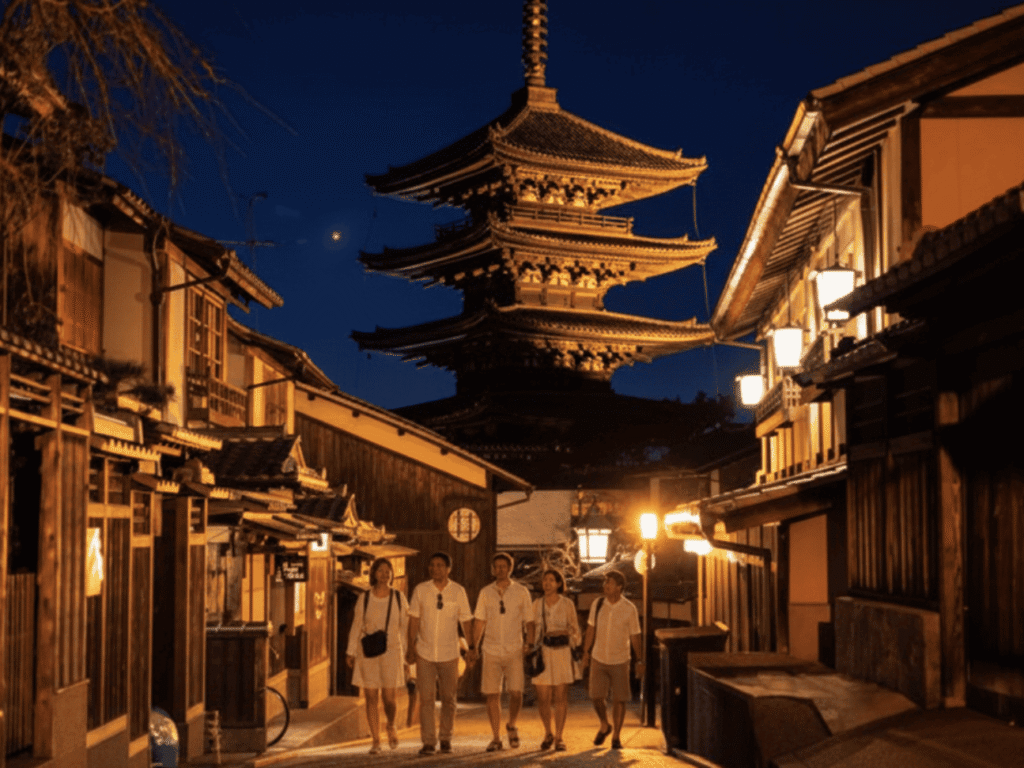
Image credits: pontocho.org
Pontocho is a narrow lantern-lit dining lane running parallel to the Kamo River — one of the most atmospheric streets in all of Japan after dark. It is one of Kyoto’s most famous narrow lanes, offering atmospheric dining, lined with traditional restaurants, small izakayas, and intimate bars tucked into wooden machiya buildings.
In summer, many restaurants extend wooden terraces over the river for kawayuka dining — an outdoor riverside experience that’s quintessentially Kyoto. This is the street to come to for a proper Kyoto dinner.
- Address: Pontocho, Nakagyo Ward, Kyoto, 604-0924
- Opening Hours: Restaurants typically open 5 PM – 11 PM
- Admission: Free to walk; dining costs vary
📖 Related Guide: Things To Do in Osaka: 30 Must-Dos, Food & Nightlife
20. Minami-Za Theatre Kabuki Show
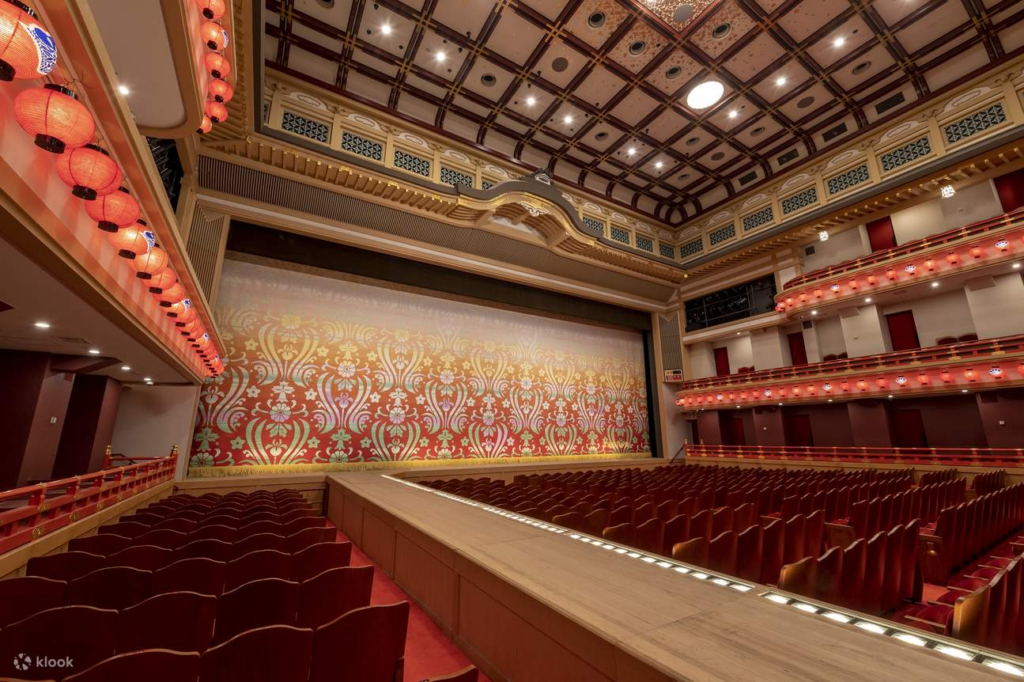
Image credits: Klook
Minamiza, which first opened in the 1600s, is the only kabuki theatre in Kyoto still standing today. A kabuki performance is one of the most distinctive cultural experiences you can have in Japan — elaborate painted costumes, slow stylised movement, sudden explosive choreography, and real-time costume changes performed in full view of the audience.
Performances are in Japanese, but the visual spectacle more than carries the experience. Single-act tickets are available if a full four-hour performance feels ambitious.
- Address: 186-3 Gojomachi, Higashiyama Ward, Kyoto, 605-0812
- Opening Hours: Varies by performance schedule
- Admission: 4,000–10,000 JPY (~S$36–90)
📖 Related Guide: Best eSIM Singapore: Guide to Travel eSIMs, Cheap Options & Tips
❄️ Things to Do in Kyoto in Winter
Winter brings fewer tourists to Kyoto, making it ideal for relaxed sightseeing — and the city blanketed in snow is a sight to behold. Here are the best winter-specific experiences:
21. Kinkaku-ji Under Snow
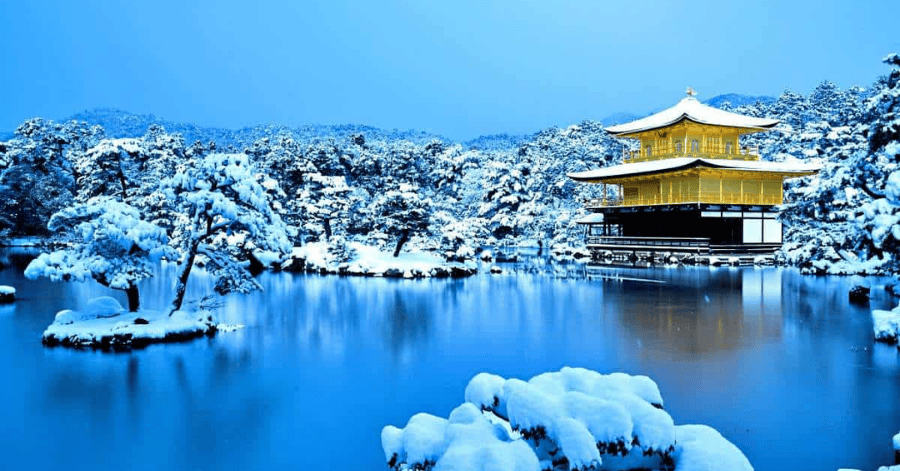
Image credits: Kinkaku-ji Temple
There is arguably no more beautiful version of the Golden Pavilion than in winter, when its gold-leafed roof is dusted with snow and the surrounding pond reflects a still, grey sky. Snow falls in Kyoto most reliably in January and February, and the combination of gold and white makes for some of the most iconic images in Japanese photography.
Arrive at opening time (9 AM) for the fewest crowds and the best morning light.
- Address: 1 Kinkakujicho, Kita Ward, Kyoto, 603-8361
- Opening Hours: 9 AM – 5 PM
- Admission: 500 JPY (~S$4.50)
📖 Related Guide: MITSUI OUTLET PARK KISARAZU: Your Ultimate Shopping Getaway From Tokyo
22. Jonangu Shrine Plum Blossom Festival
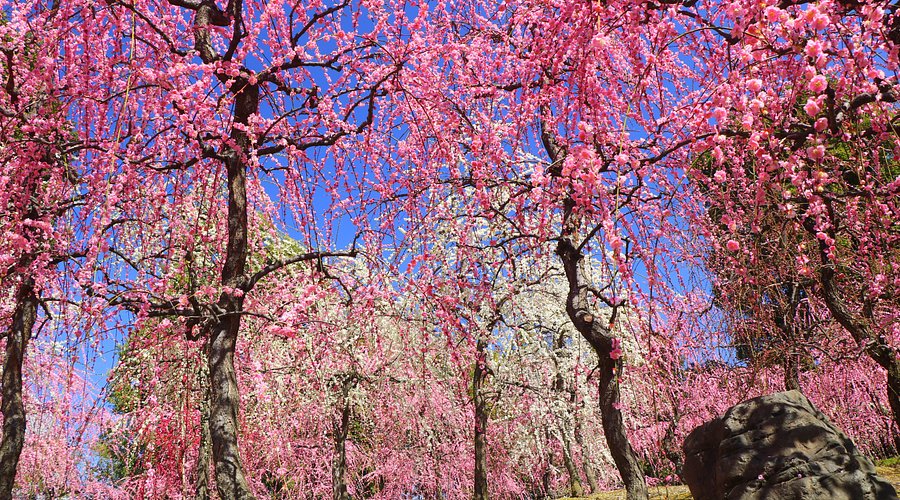
Image credits: Tripadvisor
While cherry blossoms get all the attention, Kyoto’s plum blossom season — which runs from late February through March — is equally spectacular and far less crowded. Jonangu Shrine in Fushimi is one of the best spots in the city to see weeping plum trees in full bloom, framing the shrine’s traditional garden in soft pink and white. It’s a serene, unhurried experience that represents Kyoto at its most quietly beautiful.
- Address: 1 Nakajimacho, Fushimi Ward, Kyoto, 612-0864
- Opening Hours: 9 AM – 5 PM
- Admission: 600 JPY (~S$5.40)
📖 Related Guide: 35 Best Things To Do In Tokyo: Attractions, Food, Nightlife, Anime, Shopping
👨👩👧 Things to Do in Kyoto with Kids
23. Monkey Park Iwatayama
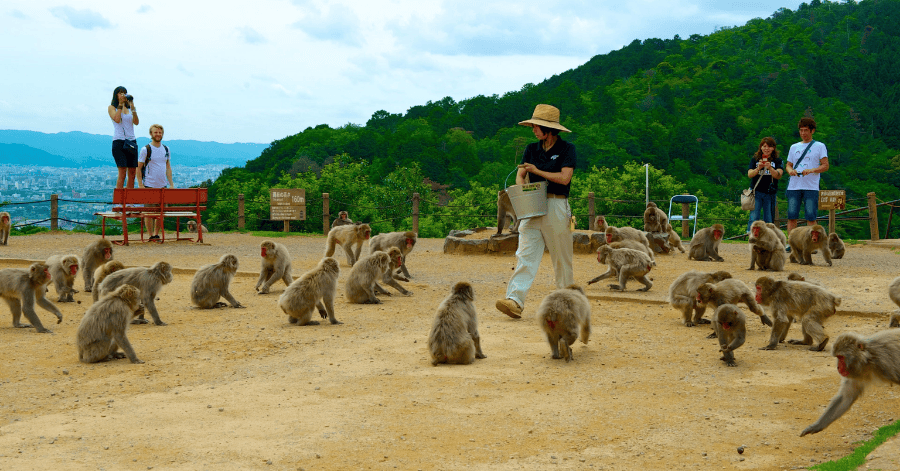
Image credits: Monkey Park Iwatayama
Monkey Park Iwatayama is home to approximately 130 snow monkeys that roam freely through the park. Visitors can buy apple chunks to feed them — but listen carefully to the caretakers, don’t look the monkeys in the eyes, and don’t try to pet their heads!
The park is accessed via a short hike up the hillside from Arashiyama, and the views from the top over Kyoto and the Katsura River are worth the climb alone. One of the most genuinely fun experiences for families visiting Kyoto.
- Address: Arashiyama, Nishikyo Ward, Kyoto, 616-0007
- Opening Hours: 9 AM – 5 PM (last entry 4:30 PM)
- Admission: 600 JPY adults, 300 JPY children (~S$5.40 / S$2.70)
📖 Related Guide: Marukyu Koyamaen Matcha: Best Matcha to Try, Prices & Where to Buy
24. Kyoto Railway Museum

Image credits: Kyoto Railway Museum
The Kyoto Railway Museum is a large, excellent museum about trains in Japan, housing 53 historical railway vehicles that trace the evolution of Japan’s legendary rail network. The museum includes a working steam locomotive, a full-scale diorama, a hands-on driving simulator, and a rooftop observation deck overlooking active train lines. There’s even a life-sized Thomas the Tank Engine car on display!
Located just a short walk from Kyoto Station, it’s an easy addition to any family itinerary.
- Address: Kankijicho, Shimogyo Ward, Kyoto, 600-8835
- Opening Hours: 10 AM – 5:30 PM (closed Wednesdays)
- Admission: 1,200 JPY adults (~S$10.80), 500 JPY children
📖 Related Guide: How to Get the Best Exchange Rate in Singapore
🏞️ Kyoto Day Trips
25. Uji Day Trip
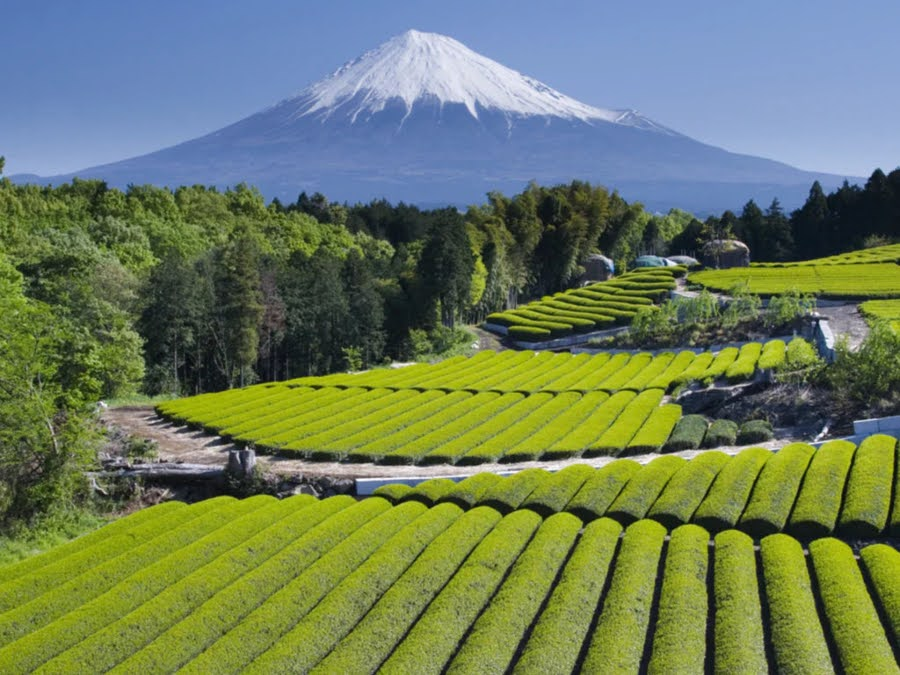
Image credits: Encha Matcha
Uji is a charming riverside city just 20–30 minutes from Kyoto by train and is widely regarded as the matcha capital of Japan. Kyoto Prefecture is the birthplace of matcha, and Uji is where the finest ceremonial-grade matcha is still grown and processed today.
The Byodoin Temple — a UNESCO World Heritage Site whose Phoenix Hall appears on the 10-yen coin — is the architectural centrepiece of the town. Take a stroll along the Uji River, visit teahouses, pick up artisan teaware, and get your matcha fix at one of the many local tea shops.
Getting There: Uji Station on the JR Nara Line (~20 min from Kyoto Station)
26. Ine Funaya Day Trip
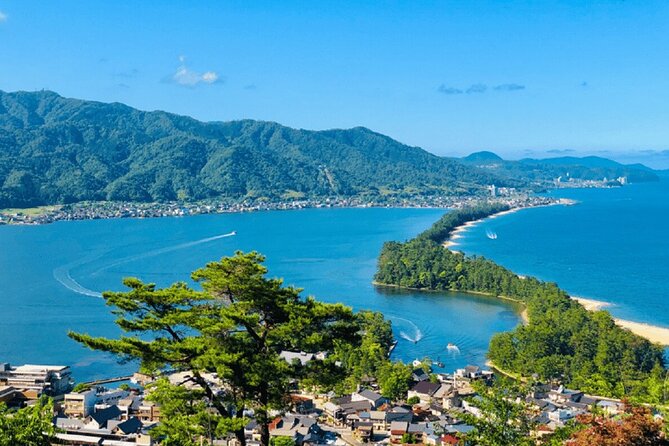
Image credits: Tripadvisor
Less than three hours from Kyoto by train and bus, the fishing village of Ine is one of the most beautiful and least-visited destinations in all of Kyoto Prefecture. It is famous for its funaya — traditional wooden boathouses built directly over the water, with the ground floor used to dock fishing boats and the upper floor as living quarters.
Go on a boat cruise around the bay, rent a bicycle, or simply eat fresh seafood by the water. It looks and feels like a scene from a Studio Ghibli film.
Getting There: Amanohashidate Station on the JR Hashidate Limited Express, then local bus to Ine
27. Kurama Day Trip
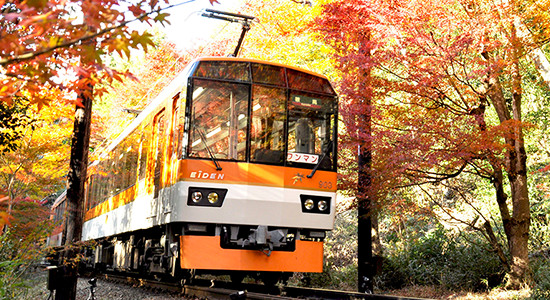
Image credits: eizandensha.co.jp
Nestled in the mountains just 30 minutes north of central Kyoto by train, Kurama is a serene village known for ancient forest hikes and natural hot springs. The highlight is Kurama-dera, a temple perched on a steep hillside accessible via a scenic hiking trail or a small funicular railway.
After exploring the temple, soak in the Kurama Onsen — one of Kyoto’s few natural hot spring resorts surrounded by cedar forest. A perfect half-day escape from the city that feels worlds away from the tourist crowds.
Getting There: Kurama Station on the Eizan Electric Railway (~30 min from Demachiyanagi Station)
🍡 What to Eat in Kyoto
28. Kaiseki (Kyoto’s Signature Cuisine)
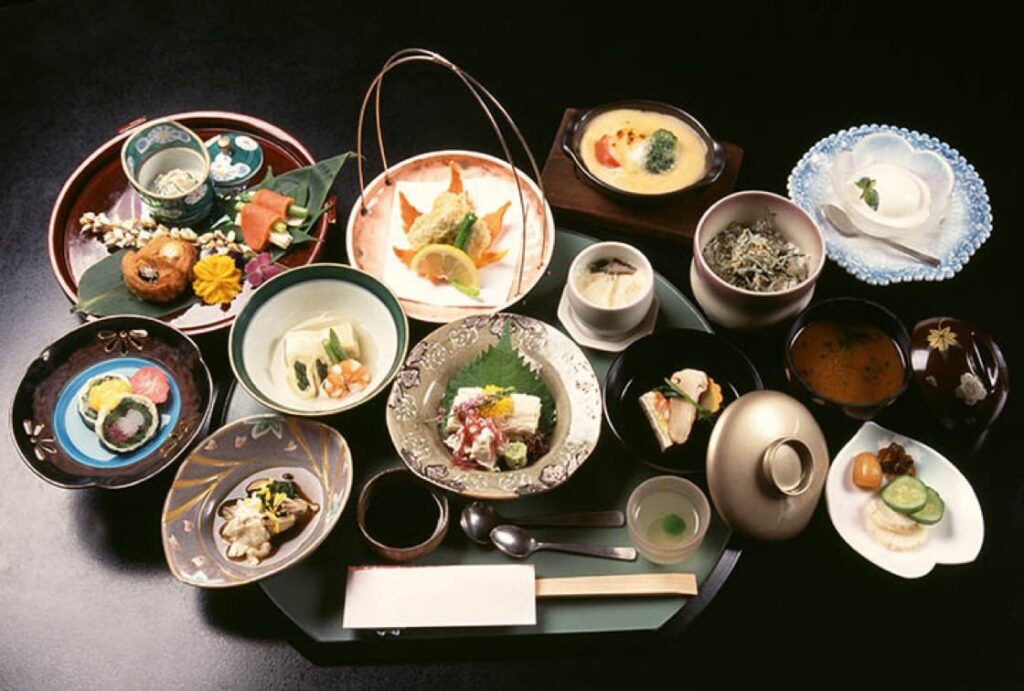
Image credits: MICHELIN Guide
Kaiseki is Japan’s most refined form of multi-course dining, showcasing seasonality and precise technique. A typical kaiseki meal begins with a small appetiser, progresses through sashimi, grilled and simmered dishes, and closes with rice, miso soup, pickles, and a light dessert. It originated as small bites served during the traditional tea ceremony and evolved over centuries into Japan’s haute cuisine.
Kyoto remains the spiritual home of kaiseki, and experiencing it here — even a budget lunch set — is one of the defining things to do in the city. An affordable kaiseki lunch starts from around 5,000 JPY (~S$40); high-end Michelin-starred dinners can exceed 60,000 JPY (~S$485) per person
29. Yudofu (Tofu Hot Pot)
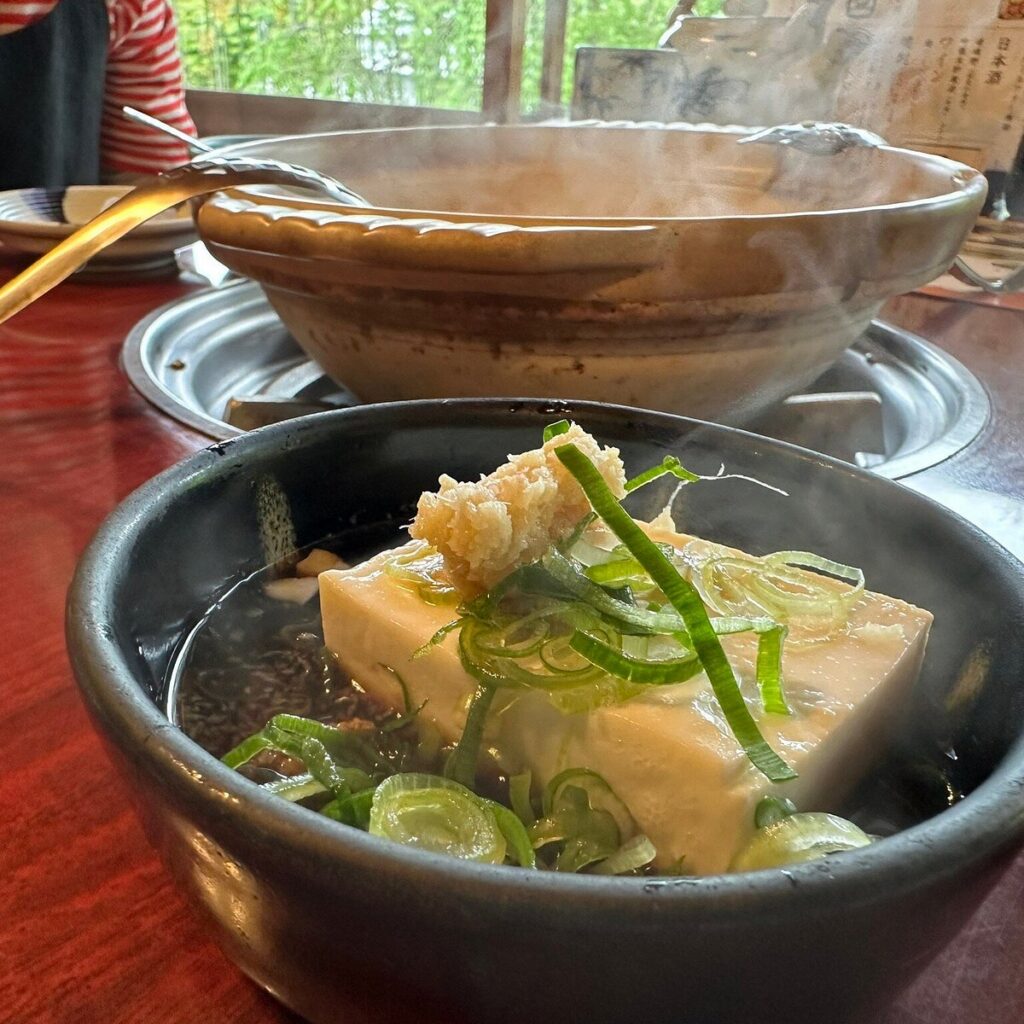
Image credits: Tripadvisor
Kyoto is widely regarded as Japan’s tofu capital. The city’s soft, mineral-light groundwater is ideal for making tofu, and yudofu — silken tofu warmed gently in kombu broth and served with ponzu, grated daikon, and spring onion — is one of its most beloved preparations.
It’s deceptively simple and deeply comforting, best experienced at a traditional restaurant near Nanzen-ji temple, where the dish has been a neighbourhood speciality for centuries. Simple temple-style yudofu sets start from around 2,000–4,000 JPY (~S$16-32).
30. Obanzai & Nishiki Market Street Food
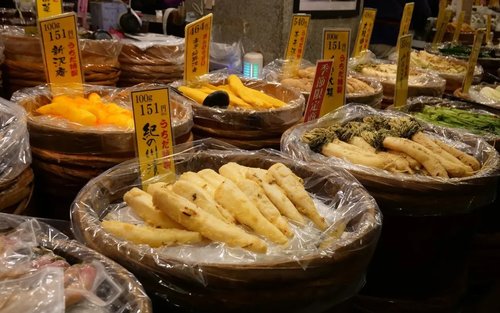
Image credits: Klook
Obanzai is Kyoto’s everyday home-style cooking — simple, seasonal dishes built around local vegetables, tofu, and fish that reflect the city’s Buddhist culinary roots. The best place to experience it casually is Nishiki Market, where stalls sell everything from yuba croquettes and tamagoyaki to mitarashi dango and matcha soft-serve.
Most snacks cost 200–800 JPY (~S$2-6), making Nishiki Market ideal for affordable grazing across multiple stalls. Look out for nishin soba (sweet-soy herring on buckwheat noodles) — a Kyoto noodle speciality that’s harder to find outside the city.
🍽️ Restaurants in Kyoto
31. Nanzenji Junsei
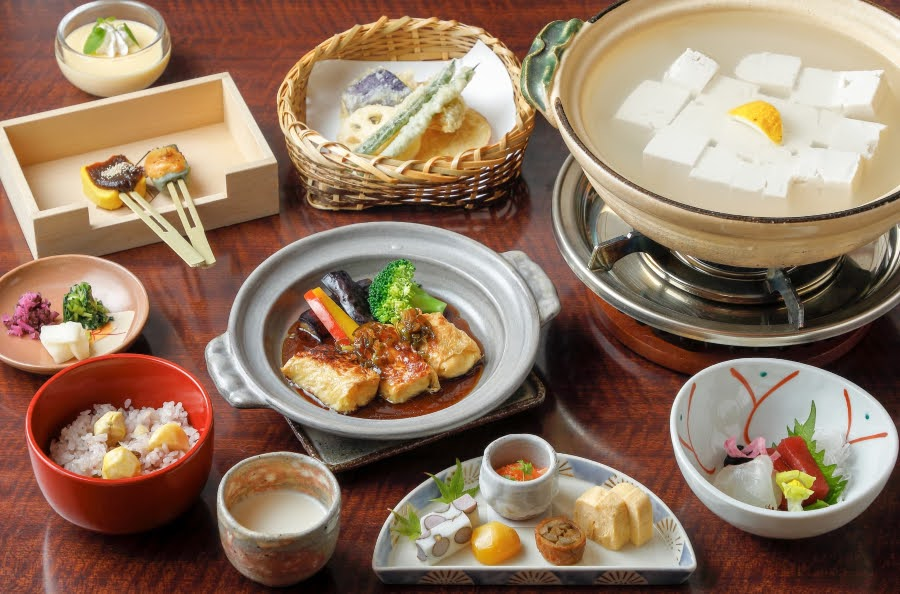
Image credits: Kyoto City Official Travel Guide
This one’s for the tofu lovers. Nanzenji Junsei is one of Kyoto’s most famous yudofu restaurants, offering serene garden views and temple-style tofu meals. The kaiseki courses are built around yudofu served in different styles, and the restored historic building and traditional garden make for one of the most atmospheric dining settings in Kyoto. Even if tofu isn’t usually your thing, the quality and care here tends to convert sceptics. Lunch sets are an excellent value.
- Address: 60 Nanzenji Fukuchicho, Sakyo Ward, Kyoto, 606-8435
- Opening Hours: 11 AM – 7:30 PM
- Price Range:4,000–10,000 JPY (~S$36–90)
Opening Hours: 11 AM – 3 PM (Closed on Tuesdays)
32. Honke Owariya Soba
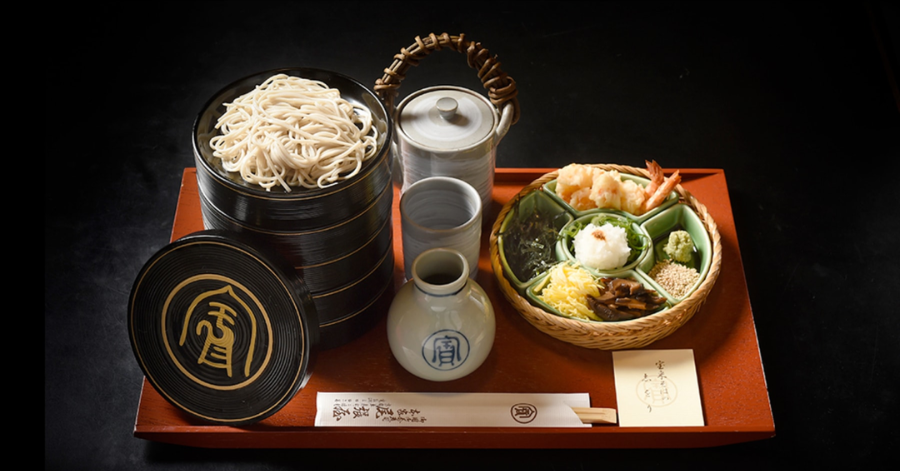
Image credits: Honke Owariya
Honke Owariya is one of Kyoto’s oldest and most celebrated restaurants, founded in 1465 — originally as a confectionery shop before evolving into a soba restaurant that eventually supplied the Imperial Family and Zen temples during the Edo Period. The classic Ho-Rai Soba — a multi-tiered serving of cold soba noodles with dipping broth — remains their signature, and finishing with their Sobamochi dessert is a must. One of the best dining experiences in Kyoto for those who want history on the plate.
- Address: 322 Niomontsukinukecho, Nakagyo Ward, Kyoto, 604-0841
- Opening Hours: 11 AM – 3 PM (Closed Tuesdays)
- Price Range: 1,500–4,000 JPY (~S$14–36)
33. Arashiyama Itsukichaya
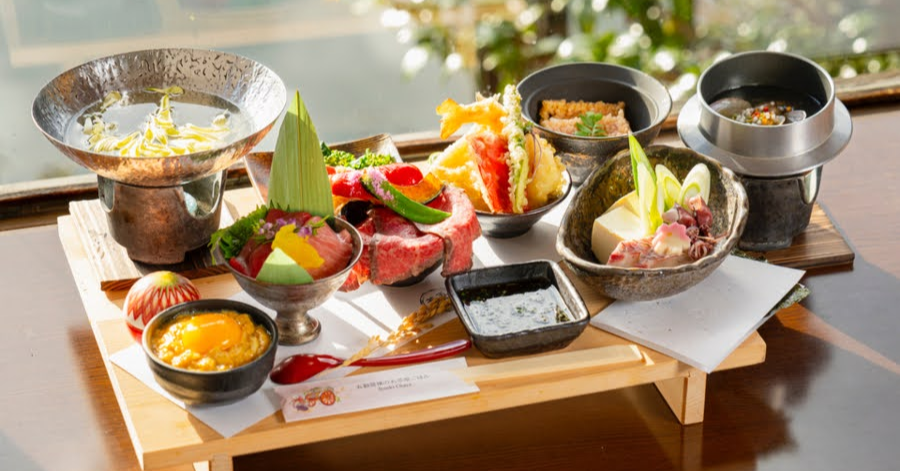
Image credits: Table Check
For a meal with a view, Arashiyama Itsukichaya is a charming teahouse-style restaurant offering Japanese dishes — crispy tempura, wagyu rice bowls, and seasonal kaiseki-influenced plates — carefully prepared and beautifully presented against the backdrop of the Katsura River and Arashiyama hills. It’s the kind of meal where the setting is as memorable as the food.
Reservations are strongly recommended as the restaurant fills up quickly, particularly during cherry blossom and autumn foliage seasons.
- Address: 1-1 Arashiyama Kamikawaracho, Nishikyo Ward, Kyoto, 616-0006
- Opening Hours: 10 AM – 5 PM
- Price Range: 3,000–8,000 JPY (~S$27–72)
📖 Related Guide: Best Multi-Currency Cards In Singapore: A Full Comparison Guide
🛍️ What to Buy in Kyoto
Yatsuhashi
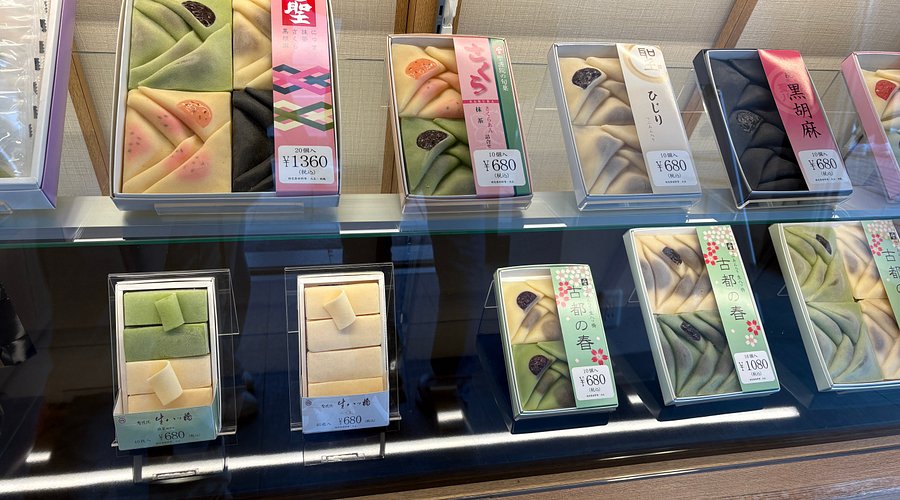
Image credits: Tripadvisor
Yatsuhashi is Kyoto’s most famous traditional sweet, made from glutinous rice flour, sugar, and cinnamon. It comes in two forms: baked yatsuhashi, which is crisp like a cookie, and nama yatsuhashi, a soft mochi-style version often filled with red bean paste, matcha, chocolate, or seasonal flavours. Boxes start from 500 JPY (~S$4).
The two most established brands are Shogoin Yatsuhashi and Izutsu Yatsuhashi — both available at Kyoto Station for last-minute souvenir shopping.
Matcha & Uji Tea Products
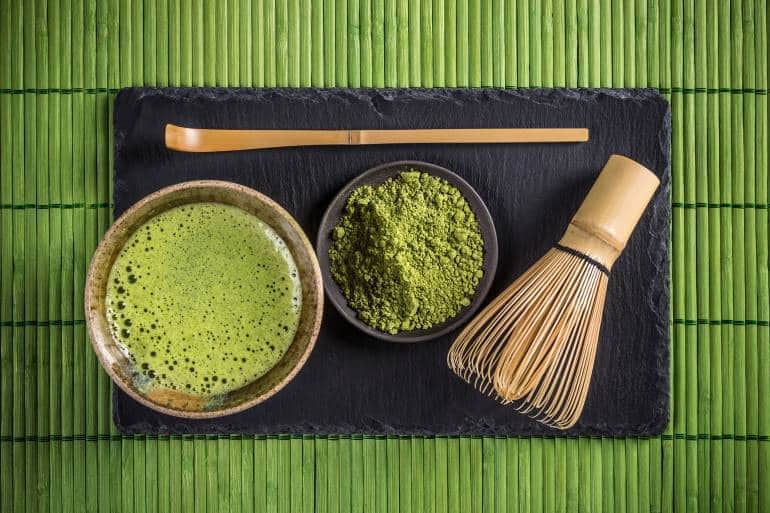
Image credits: Japan Cheapo
Ceremonial-grade matcha from nearby Uji is one of the best value souvenirs you can bring home from Kyoto. Look for matcha powder, hojicha, matcha KitKats, wagashi sweets, and matcha baumkuchen. Available throughout Nishiki Market, the Gion district, and Kyoto Station.
Kiyomizu-yaki Pottery
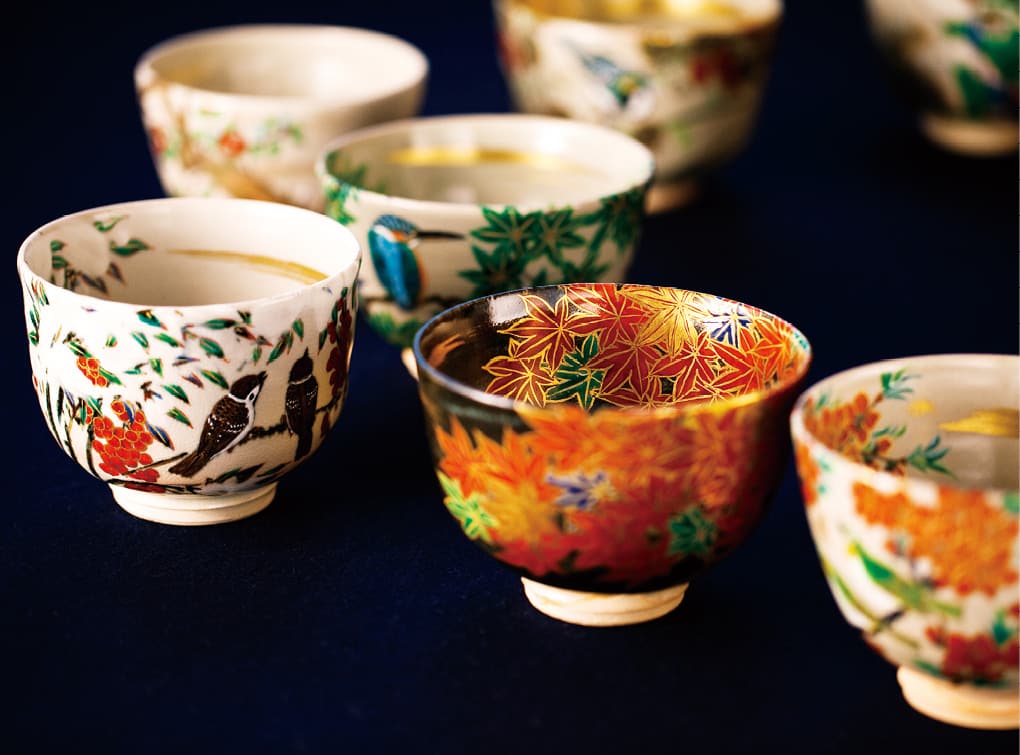
Image credits: www.kyoto-museums.jp
Kiyomizu-yaki is handcrafted Kyoto pottery — matcha bowls, plates, and mugs made by local ceramic artists whose workshops have been operating in the Higashiyama district for centuries. Look for pieces along Ninenzaka and Sannenzaka streets or at dedicated pottery shops near Kiyomizu-dera.
Other Top Picks
- Sensu (folding fans) — Hand-painted, available in Arashiyama and Gion
- Kyoto incense — Refined traditional fragrances crafted using centuries-old techniques; find them at Shoyeido near Nijo Castle
- Nishijin-ori textiles — Luxurious silk weaves from Kyoto’s historic textile district, sold as scarves, accessories, and kimono fabric
- Artisan kitchen knives — Aritsugu in Nishiki Market is a 450-year-old knife shop famous for its handcrafted kitchen knives
Where to buy: Nishiki Market, Ninenzaka and Sannenzaka, Arashiyama Shopping Street, Kyoto Station (last-minute gifts)
📖 Related Guide: Best Omakase Tokyo: Guide to Prices, Reservations & Top Restaurants
🗺️ 2-Day & 3-Day Kyoto Itineraries
What to Do in Kyoto for 2 Days
- Day 1 — Eastern Kyoto Kiyomizu-dera (dawn) → Sannenzaka & Ninenzaka → Gion district & Hanamikoji Street → Nishiki Market → Pontocho dinner
- Day 2 — Western & Northern Kyoto Arashiyama Bamboo Grove (early) → Monkey Park Iwatayama → Tenryu-ji garden → Kinkaku-ji → Ryoan-ji → Nijo Castle
Is 3 Days Enough in Kyoto?
Three full days is comfortable for all the major highlights. Most travellers who have spent significant time in the city recommend at least four full days — a week is ideal and allows time for day trips and less well-known neighbourhoods. Three nights is absolutely not too much — it’s close to the minimum if you want to explore without rushing. A fourth day could be spent on a Uji or Nara day trip, or exploring the quieter Ohara and Kurama areas to the north.
Not-Touristy Things to Do in Kyoto
- Sumiya Teahouse — Virtually unknown to most visitors; completely absorbing
- Philosopher’s Path at dawn — Near-empty, even during cherry blossom season
- Fushimi sake district — Old wooden breweries and canals; very few tourists
- Ohara village — Ancient temples (Sanzenin, Jakkoin), 30 minutes north by bus
- Kurama — Mountain village with a hot spring and an ancient hilltop temple
📖 Related Guide: Nintendo TOKYO: Complete Guide to the Official Shibuya Store
🏨 Where to Stay in Kyoto
Searching for accommodations? To make your trip planning seamless, here are some of the best hotels in Kyoto across different travel styles:
- For the traditional Ryokan experience: Hiiragiya Ryokan
- For a trip with friends: Sakura Terrace The Gallery
- For a romantic getaway: Hoshinoya Kyoto
- For the solo-travellers: Nine Hours Kyoto
- For families with young children: The Thousand Kyoto
📖 Related Guide: 12 Best Hotels In Osaka, Japan From S$56/Night
FAQ
Kyoto is known as Japan’s cultural heart — famous for its golden temples, Zen gardens, bamboo forests, and geisha culture, alongside 17 UNESCO World Heritage Sites and one of the world’s most refined food traditions, including kaiseki cuisine and Uji matcha.
Don’t miss Fushimi Inari Taisha, the Arashiyama Bamboo Grove, Kinkaku-ji, Gion district after dark, a kaiseki or yudofu meal, and a stroll along the Philosopher’s Path.
Kaiseki ryori — a traditional multi-course Japanese meal — is Kyoto’s defining cuisine. Yudofu (tofu simmered in light kombu broth), yuba (tofu skin), and obanzai (seasonal Kyoto home-style cooking) are equally iconic.
Kaiseki, yudofu, yuba, nishin soba, obanzai, matcha sweets, mitarashi dango, and Nishiki Market street food.
The Philosopher’s Path at dawn, Fushimi sake district, Ohara village, Kurama hot springs, and Sumiya Teahouse all offer a quieter, more local side of the city.
Three full days covers all the major highlights comfortably. For day trips or slower exploration, 4–5 days is ideal.
Top souvenirs include yatsuhashi sweets, high-quality Uji matcha, Kiyomizu-ware ceramics, hand-painted folding fans, Nishijin-ori textiles, and Kyoto incense.
April, May, and November offer the most pleasant conditions for exploring, with temperatures of 17–24°C and either cherry blossoms or autumn foliage depending on the month.
The closest major airport is Kansai International Airport (KIX), roughly 75 minutes from Kyoto by direct train or around 90–100 minutes by limousine bus. From Tokyo, the Shinkansen takes approximately 2 hours 15 minutes.
Experience the Cultural Heart of Japan in Kyoto!
There’s so much to see and do while in Japan! We’ve found the best time to visit Japan and all you can do each month. And if you’re looking to make more than one stop, here’s the ultimate 14-day itinerary that’s all planned out for you.
Before you go, don’t forget to exchange and lock in the best JPY rates!
Not a YouTrooper yet? Singapore’s go-to multi-currency wallet helps you save with great FX rates and zero fees. Skip the money changer and get a free YouTrip card + S$5 YouTrip credits with code <YTBLOG5>.
Then, head over to our YouTrip Perks page for exclusive offers and promotions — we promise you won’t regret it. Join our Telegram (@YouTripSG) and Community Group (@YouTripSquad) for travel tips, event invites, and more!
And now, you’re ready!
Related Articles
Nagano Travel Guide: Things To Do, Weather, Ski Resorts & More
Winter Wear Singapore Guide: Where to Buy, Rent & Save on Winter Clothes
The Ultimate Tokyo Disneyland Guide: Rides, Tickets, Hotels & Tips