



What Lake Como is, and why it’s worth the trip
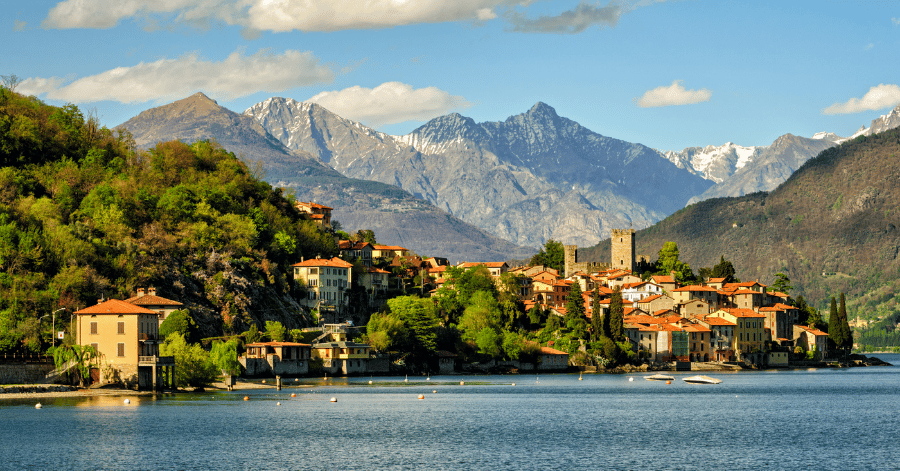
Lake Como isn’t one town, it’s a cluster of small towns spread around a Y-shaped lake ringed by the Alps, each with its own price point, pace and postcard view. Butter-yellow villas line the shore, and the whole thing looks like a screensaver until your ferry actually pulls up to one.
Most first-timers land in Milan, add on two or three days, and pick between the famous Golden Triangle towns and quieter, cheaper alternatives a short ferry ride away. Which one suits you depends less on which sights you want and more on how much crowd and cost you’re willing to trade for the view.
| Highlights | Details |
|---|---|
| Where | Lombardy, northern Italy, about an hour by train from Milan |
| Best time to go | May–June and September for warm weather without peak crowds |
| How long you need | 1 day from Milan is doable; 3 days lets you cover the Golden Triangle properly |
| Getting around | Ferry (Navigazione Laghi) between towns; a car only if you’re doing day trips beyond the lake |
| Where to stay | Bellagio for the postcard view, Como city or Bellano for the same lake at half the price |
| Rough daily budget | 60–120 EUR (~S$89–S$178) a day covering ferries, one villa ticket, and meals |
| Pay smart | Tap your YouTrip card in EUR at the wholesale rate, no FX fee, and withdraw cash free on your first S$400/month |
Table of Contents
- Where Is Lake Como and Why Is It So Special?
- How Many Days Do You Need in Lake Como?
- Best Time to Visit Lake Como
- The Golden Triangle: Bellagio, Varenna and Menaggio
- Como City and the Brunate Funicular
- Underrated Spots: Bellano, Nesso and Piani dei Resinelli
- The Lake’s Signature Villas
- How to Get to Lake Como from Milan
- Where to Stay in Lake Como
- Is Lake Como Expensive? Budgeting for Your Trip
- What to Eat in Lake Como
- FAQs About Lake Como
Where Is Lake Como and Why Is It So Special?
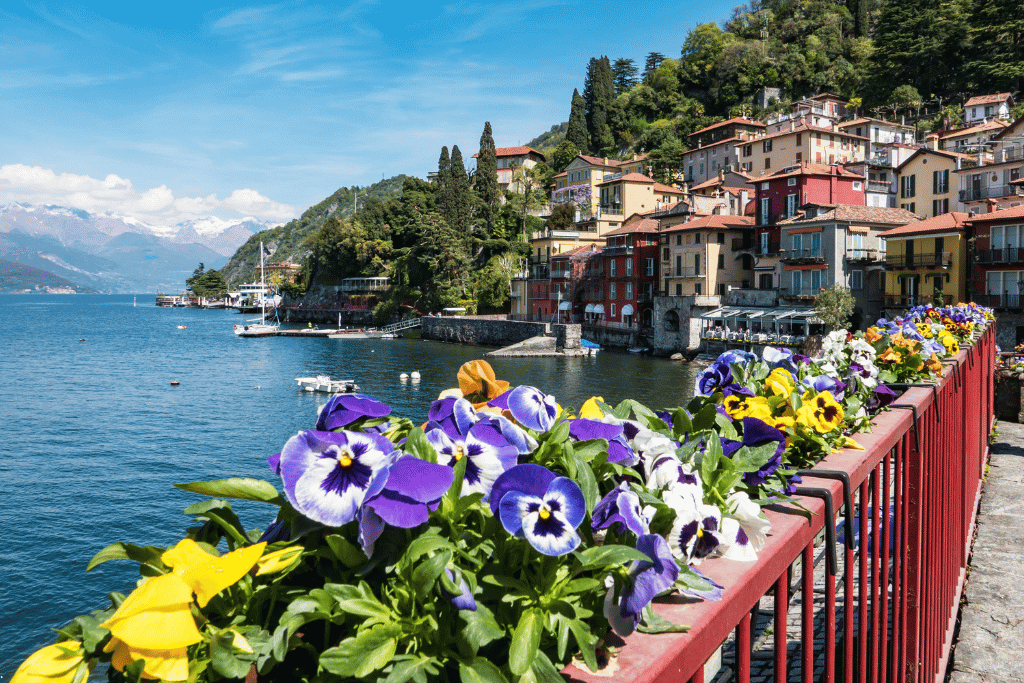
Lake Como is entirely in Italy, not Switzerland. The lake sits in the Lombardy region, though its northernmost reaches sit close enough to the Swiss border for the confusion to make sense. Most of the towns worth visiting, Como, Bellagio, and Varenna, sit well within Italy, an hour or so north of Milan by train.
The lake itself is shaped like an upside-down Y, stretching around 46 km at its longest, with three branches splitting around a mountainous peninsula. That shape is why the lake feels dramatic rather than flat; steep, forested hills crowd right up to the water on all three arms, and by early evening the snow-capped ridgeline behind them catches the last light long after the towns below have gone quiet. Villas from the 18th and 19th centuries line the shore between them, built by wealthy Milanese families as summer escapes, with the Alps as a backdrop.
What Lake Como is known for, in short:
- Neoclassical villas with terraced gardens open to the public
- A ring of lakeside towns you get between by ferry, not by driving around the whole lake
- Steep hiking trails minutes from the water, with Alpine and even Swiss Alps views from the ridgelines
- A slower, more residential feel than the Amalfi Coast, closer to a countryside escape than a beach holiday
Lake Como vs Amalfi Coast: Which Should You Pick?
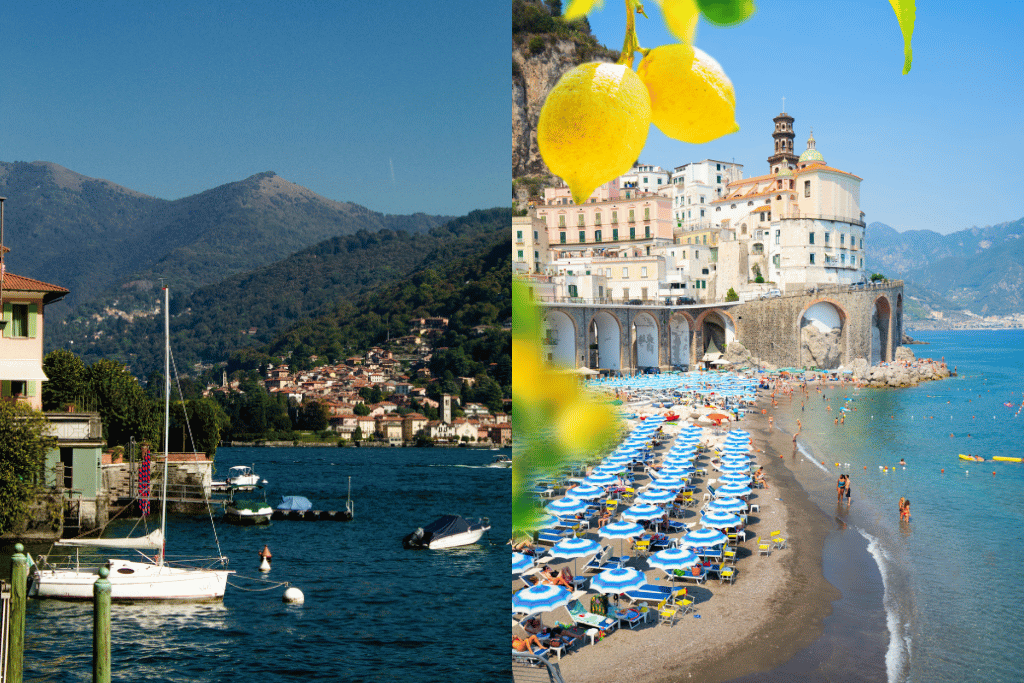
Lake Como suits a shorter, calmer add-on to a Milan trip. The Amalfi Coast suits a dedicated beach-and-cliffside holiday further south, closer to Naples. Lake Como is reachable in a single day from Milan. Its towns are compact enough to see two or three in an afternoon by ferry, and the lake itself stays calm rather than crashing against cliffs. The Amalfi Coast, by contrast, means winding coastal drives, beach clubs, and a longer flight-plus-transfer if you’re not already in southern Italy.
Best for: travellers bolting a 2–4 day detour onto Milan, or anyone who wants villas and hiking over beach clubs and cliffside driving.
📖 Related Guide: Flying into Milan first? Our Milan travel guide covers the Duomo, the Galleria, and how to slot a Lake Como day trip into a longer city stay.
How Many Days Do You Need in Lake Como?
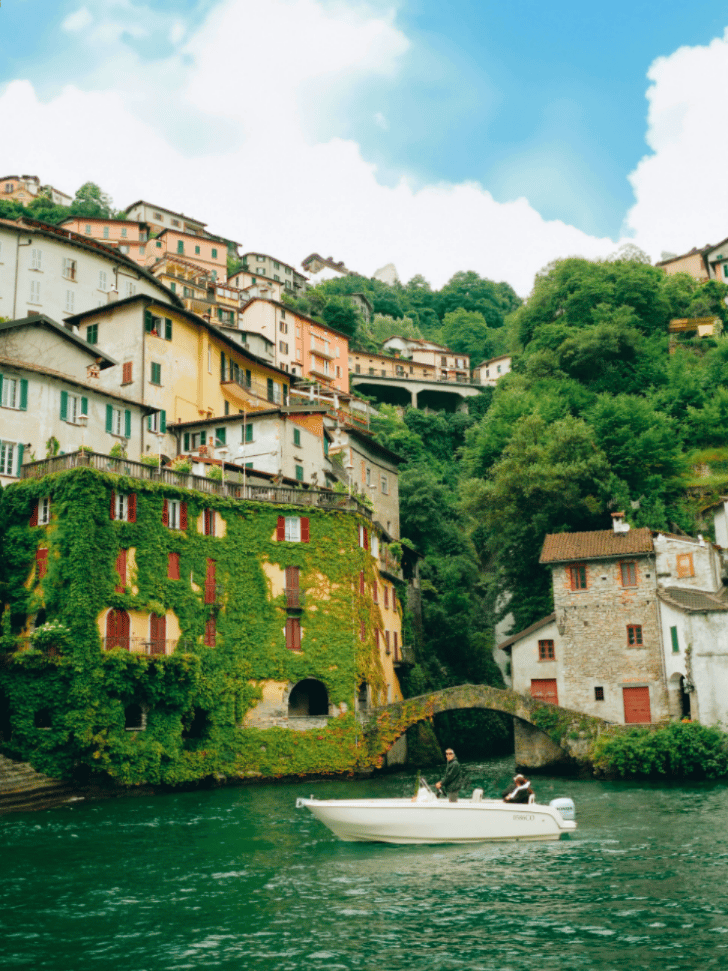
Two to three days. That’s what it takes to see more than one town properly. A single day still works as a side trip from Milan, but only for one base. Bellagio or Como city, not both, once you factor in the train and ferry connections.
One Day vs Three Days: What’s Realistic
A one-day trip from Milan means picking a single base. Take the train to Como, under an hour, explore the old town, and ride the funicular up to Brunate for the view. From there, decide whether you have time left for one ferry hop to Bellagio. Squeezing Bellagio, Varenna and Menaggio into a single day is possible on paper, but you’ll spend more time on ferries than in any one town.
Three days is where Lake Como opens up properly. It’s enough time to base yourself in one of the Golden Triangle towns, do a villa or two, and hike a short trail. There’s still room for a slow afternoon with no itinerary at all. Three days tends to fall into the same rhythm: one town per day, ferries in between, an early dinner while the light’s still good.
Best for: a one-day add-on if Milan is your main base; three days if Lake Como is the whole point of the trip.
📖 Related Guide: Como’s northern tip nudges into Swiss territory, and the Bernina Express connects further north from here. Our best time to visit Switzerland guide is worth a read if you’re stitching a longer Alpine loop together.
Best Time to Visit Lake Como
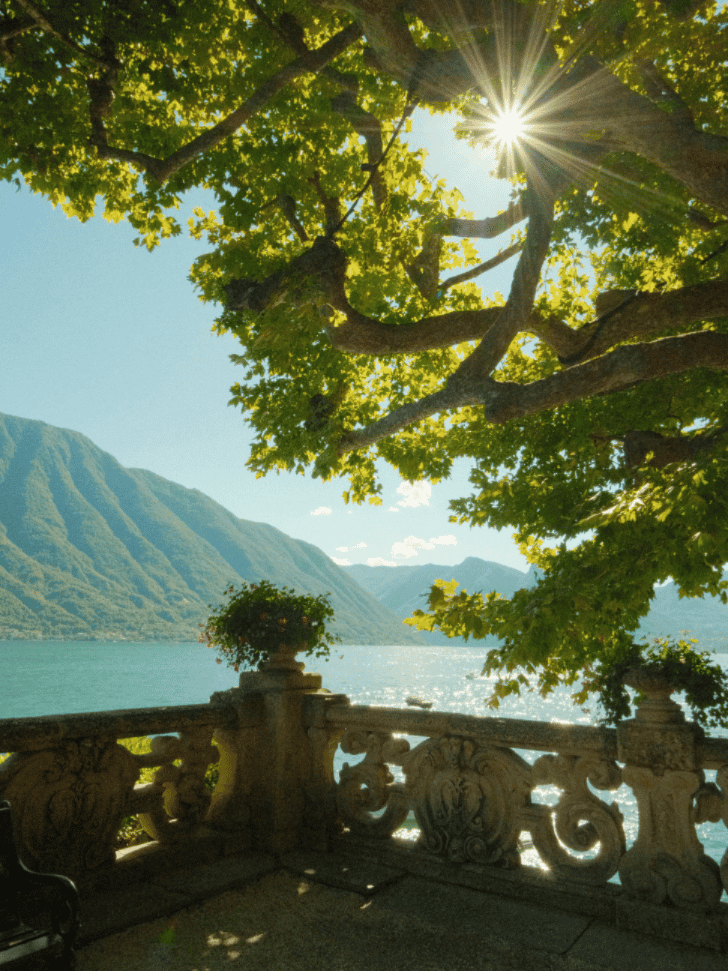
May, June and September give the best trade-off: warm days, cooler evenings, and towns that haven’t hit peak-summer capacity yet. July and August are the most reliable months for dry weather. They’re also when Bellagio’s narrow streets turn shoulder-to-shoulder and hotel rates spike.
Winter is quieter and cheaper. Several of the lake’s villas and gardens close or run reduced hours between November and March, so it suits travellers chasing the scenery over a packed activity list.
Can You Swim in Lake Como? Best Months for Beaches
Yes, from June through September, once the water’s actually warmed up. Earlier in the year, it’s the kind of cold that looks better in photos than it feels in person. A handful of small lidos and pebble beaches around Menaggio, Varenna and Bellagio’s outskirts get busy on hot July and August afternoons. Don’t expect the sand or scale of a coastal beach town though; this is a lake, not the sea.
Best for: May–June or September if you want the views without the July–August crush; June–September specifically if swimming is the priority.
📖 Related Guide: Building a longer Alpine leg into the same trip? Our Dolomites travel guide covers the mountain range a few hours further east.
The Golden Triangle: Bellagio, Varenna and Menaggio
Bellagio, Varenna and Menaggio are the three towns most first-time visitors build a trip around. They’re dubbed the Golden Triangle for how close together they sit at the lake’s centre. Ferries connect all three in 15 to 30 minutes, so visiting two in a day is realistic.
Bellagio
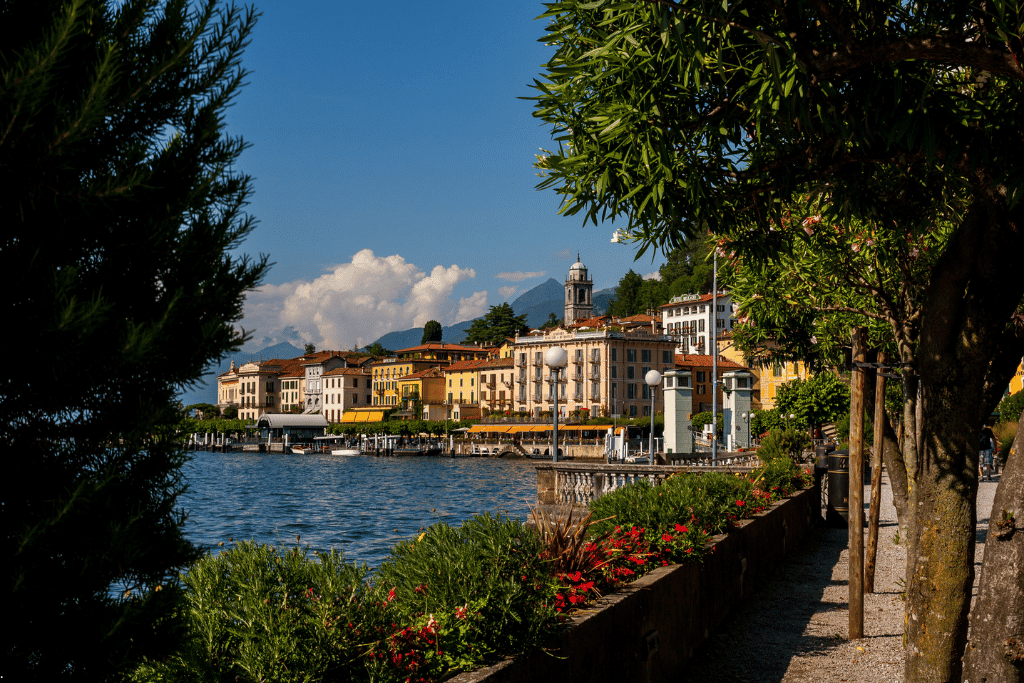
Bellagio is the town on every Lake Como postcard, sitting right where the lake’s three branches meet. It’s earned the nickname “Pearl of the Lake” for the view alone. Its historic centre is a tangle of cobbled, stepped streets, Via Giuseppe Garibaldi among them, leading down to a waterfront lined with cafés and elegant villas, espresso, and lake air doing most of the work on your senses at once.
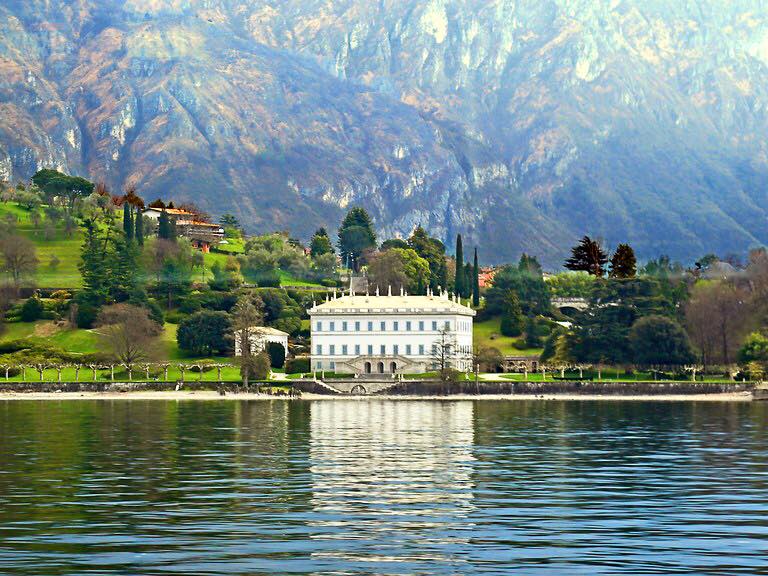
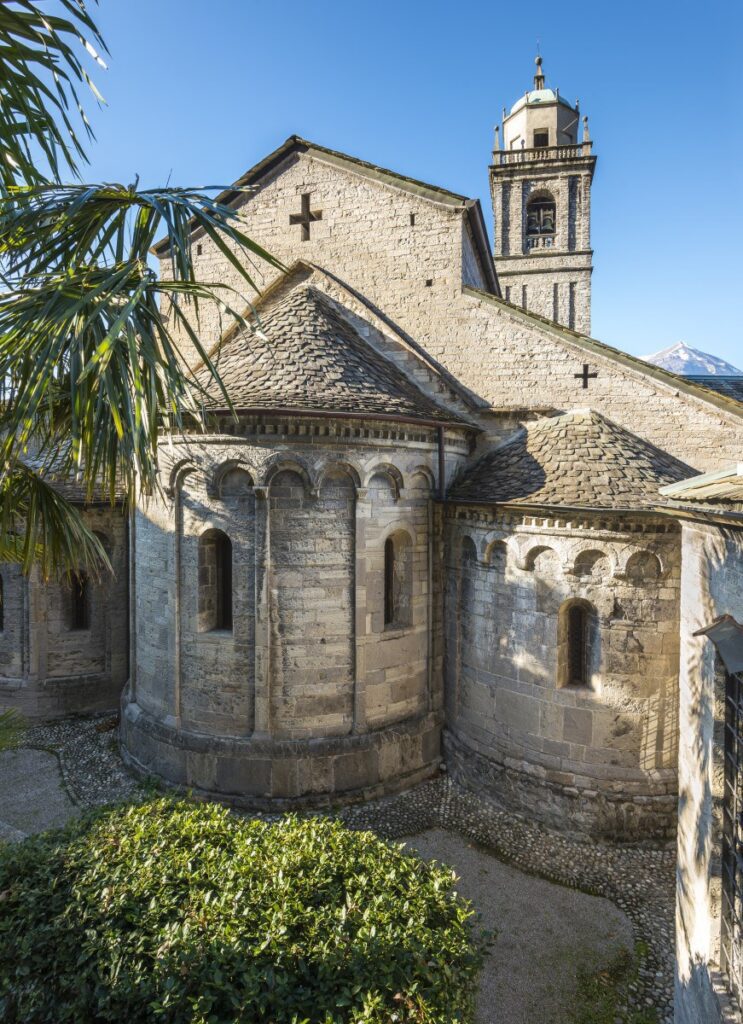
Image Credits: Bellagio; Explore Lake Como
Villa Melzi’s lakefront gardens, built in the early 19th century for a close advisor to Napoleon, are the main sight worth paying for here. The 12th-century Church of San Giacomo sits a few steps up from the water.
Bellagio’s popularity is also its main drawback. Expect the highest hotel and restaurant prices on the lake, and streets packed shoulder-to-shoulder by midday in summer. Arrive early if you want the quiet version photographers post online, or come back for dinner instead, once the day-trip crowds have thinned and the waterfront tables catch the last gold light off the water.
Best for: a first-timer’s one town on the lake, and honestly, if you can only pick one, this is it, but go early or shoulder season to dodge the crowds.
Varenna
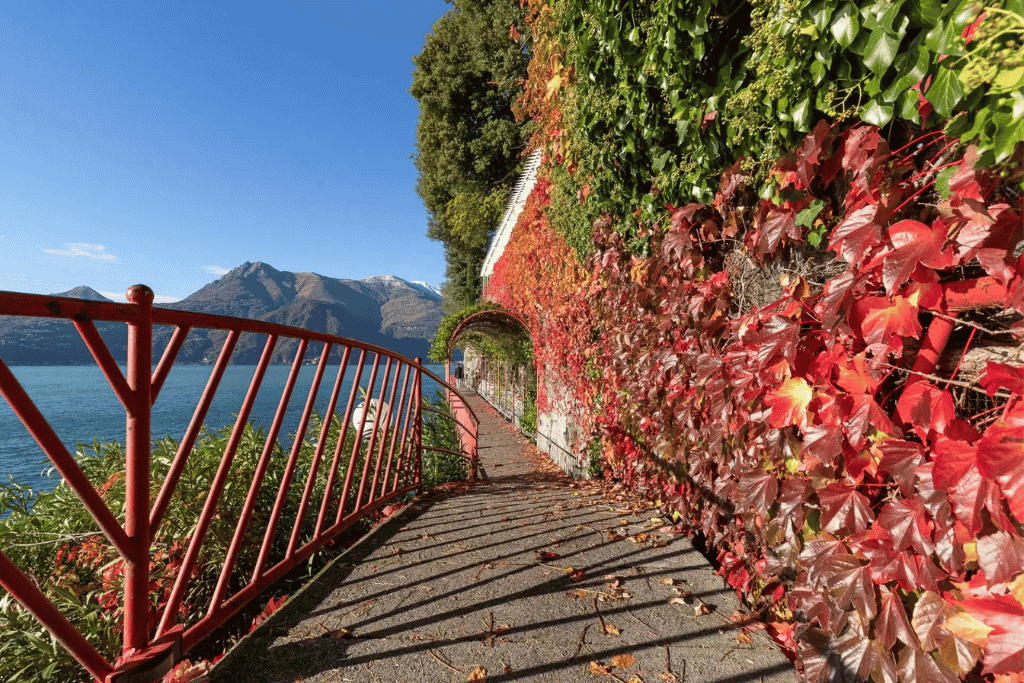
Image Credits: myLakeComo.co
Varenna sits across the water on the lake’s eastern shore, and it’s the prettier, quieter alternative to Bellagio. Its centrepiece is the Passeggiata degli Innamorati, the “Walk of Lovers,” a short lakefront path that’s free and takes barely 15 minutes end to end, with the water close enough below the railing that you hear it lapping against the stone rather than any traffic.
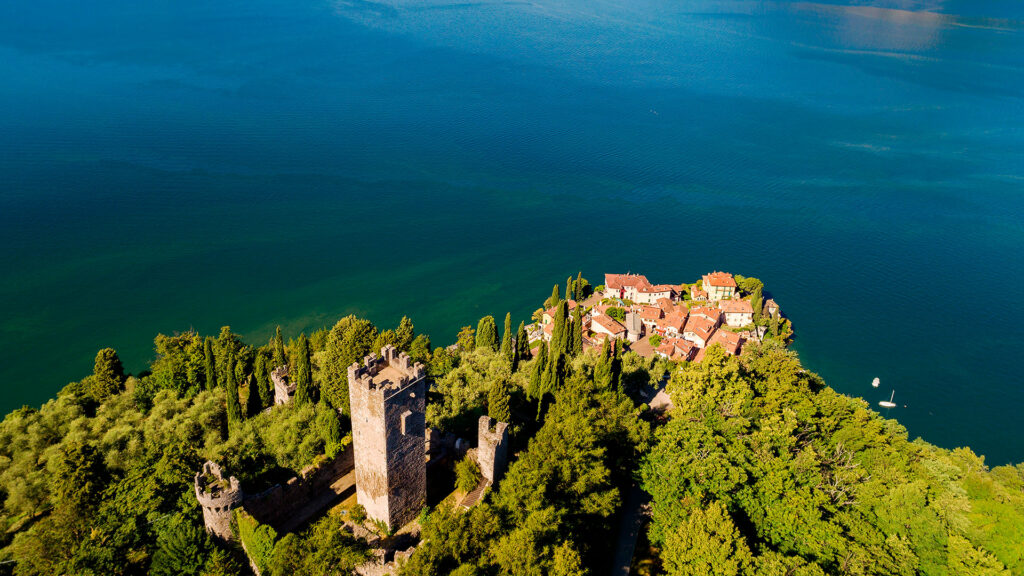
Image Credits: Varenna Turismo
Above the town, Castello di Vezio is a hilltop fortress reachable by a steep 20 to 30-minute path, the kind that has you regretting the extra pastry at breakfast. The climb pays off with a panoramic view over all three branches of the lake. Villa Monastero’s botanical gardens sit right at the water’s edge and are open daily for a modest entry fee. The Church of San Giorgio, a few steps further in, dates back to the 14th century and is worth a quiet ten minutes if you’re passing.
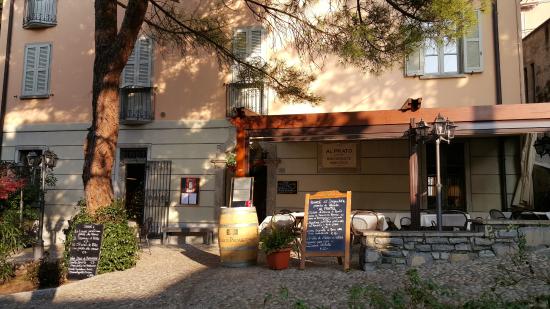
Image Credits: Tripadvisor
Varenna is also the more pedestrian-friendly of the Golden Triangle towns. Far less car traffic cuts through its centre than Bellagio’s. For dinner, Al Prato tucks into a quiet garden courtyard near Piazza San Giorgio and runs a seafood-led Italian menu, grilled octopus and lake fish among the regulars; it’s currently Varenna’s top-rated table, so worth booking ahead for a seat rather than a view. It’s often the trip highlight people didn’t expect: Bellagio’s views without Bellagio’s crowds or prices.
Menaggio
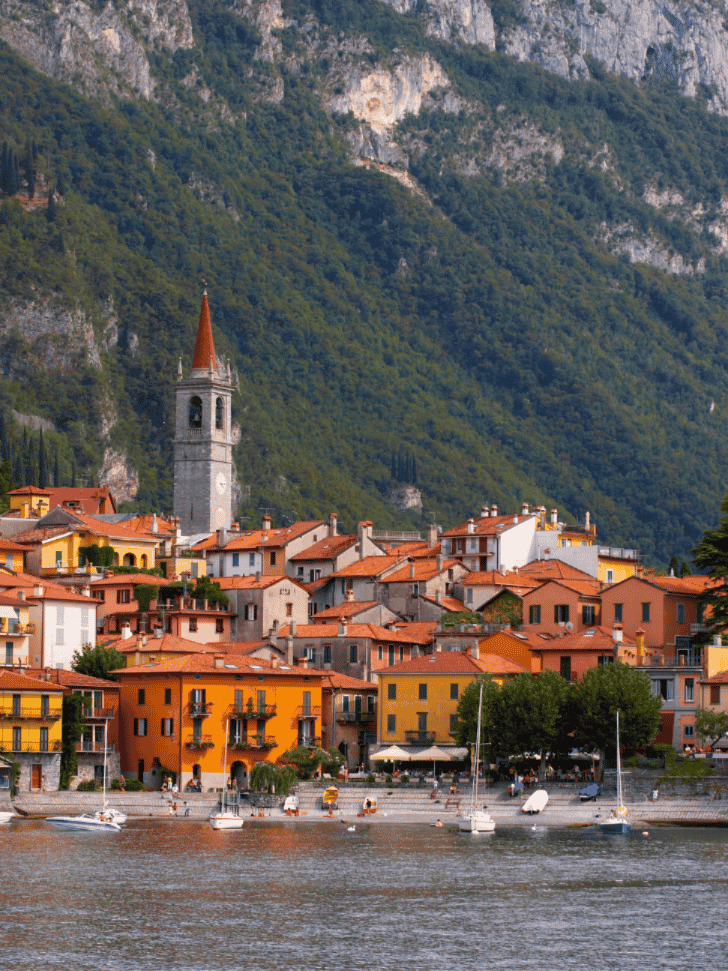
Menaggio sits on the lake’s western shore and is the least touristy of the three. Its centre is flatter and more residential, built around Piazza Garibaldi, and the lakeside promenade runs wide and level rather than climbing between buildings the way Bellagio’s does, so the breeze off the water carries all the way through town instead of getting trapped in an alley.
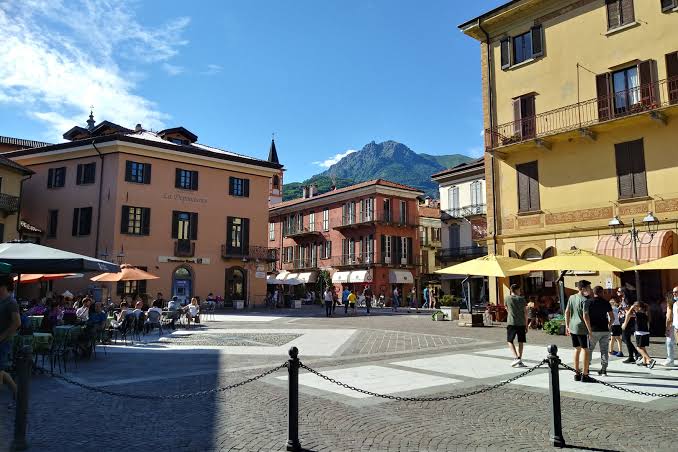
Image Credits: Menaggio
A weekly Friday market draws locals more than tourists. The town’s Church of Santa Marta holds Roman-era marble grave markers, easy to walk straight past if you’re not looking closely. It suits anyone who’s already done Bellagio and Varenna and wants a calmer half-day without another queue of tour groups.
📖 Related Guide: Renting a car to reach any of these towns independently? Check our international driving permit guide before you go, Italy requires one alongside your Singapore licence.
Como City and the Brunate Funicular
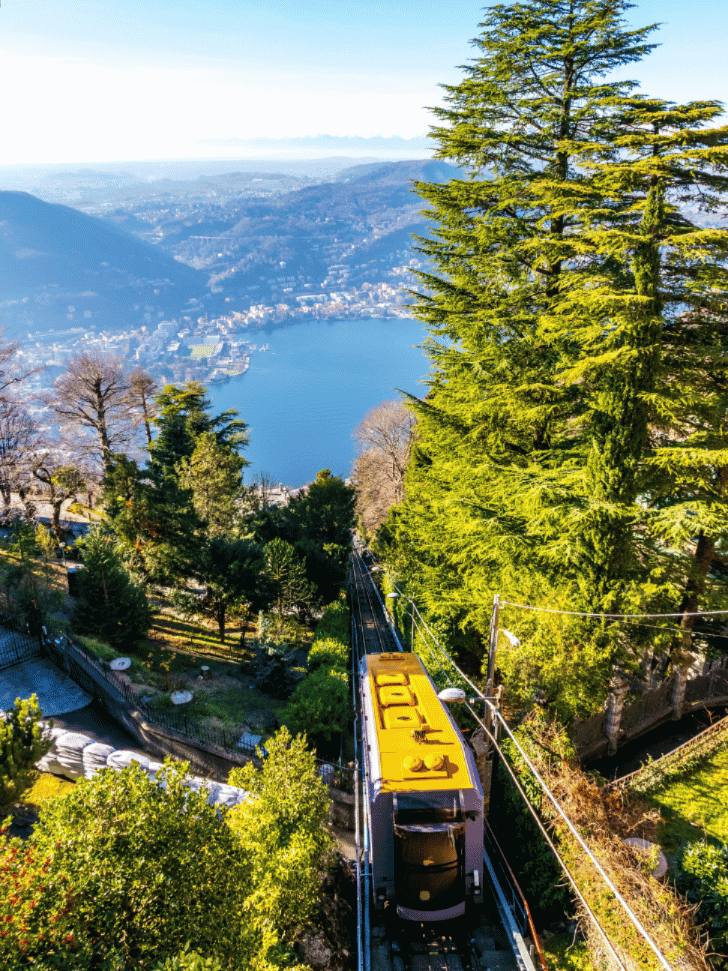
Como city sits at the lake’s southern tip and is the easiest entry point for anyone arriving by train from Milan. Its old town centres on the Duomo, a Gothic cathedral with a striking stained-glass interior, coloured light spilling across the stone floor on a sunny afternoon, and the Broletto, the city’s medieval former town hall right next door.
From the old town, the Como–Brunate funicular is the single most popular thing to do in Como city itself. It’s a five-minute ride up to the hillside village of Brunate, with panoramic views back down over the lake once you’re at the top. From Brunate, a roughly 30-minute uphill walk, or a paid shuttle, reaches the Volta Lighthouse for an even higher vantage point.
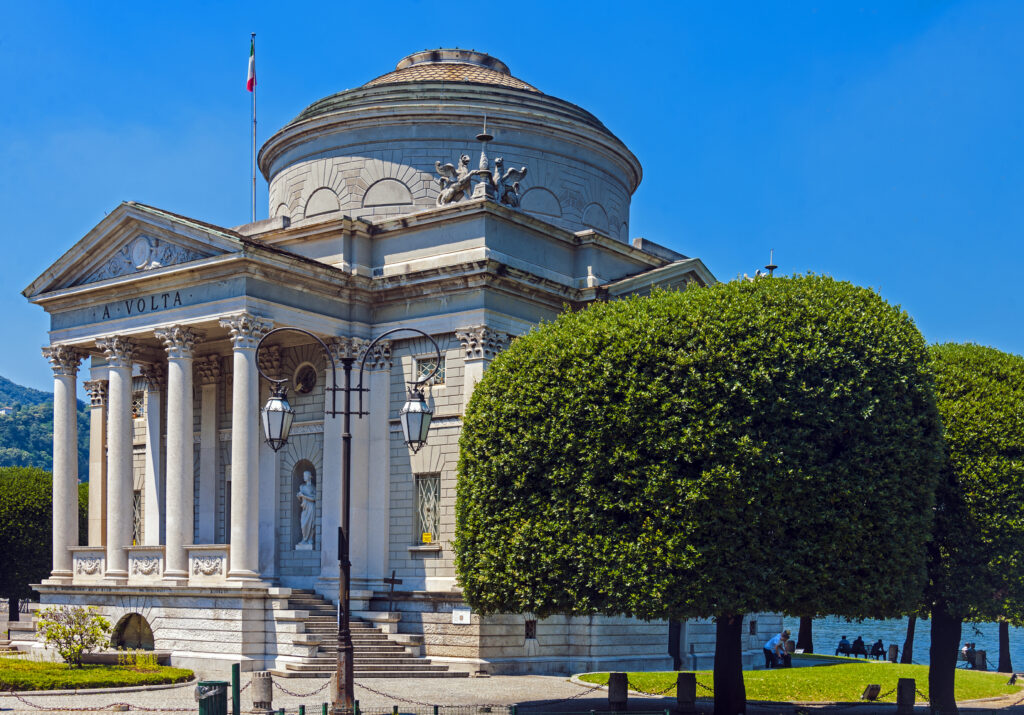
Image Credits: Wikipedia
Back down in Como, the Tempio Voltiano is a small museum dedicated to Alessandro Volta, the Como-born inventor of the battery. It’s worth 20 minutes if you’re curious rather than in a rush. Along the lakefront, keep an eye out for the Life Electric monument, a striking lakeside sculpture by architect Daniel Libeskind. ‘
For brunch, Como’s café scene is more local and a lot less touristy than Bellagio’s, with no single address to chase; just pick one that looks good and walk in. Between the train connection, the funicular, and the lake’s lowest hotel prices, it’s the natural base for anyone doing Lake Como as a single day trip from Milan.
📖 Related Guide: Navigating funicular timings and ferry schedules on the go? Our best travel eSIMs guide covers the cheapest way to stay connected in Italy.
Underrated Spots: Bellano, Nesso and Piani dei Resinelli
Bellano and the Orrido di Bellano
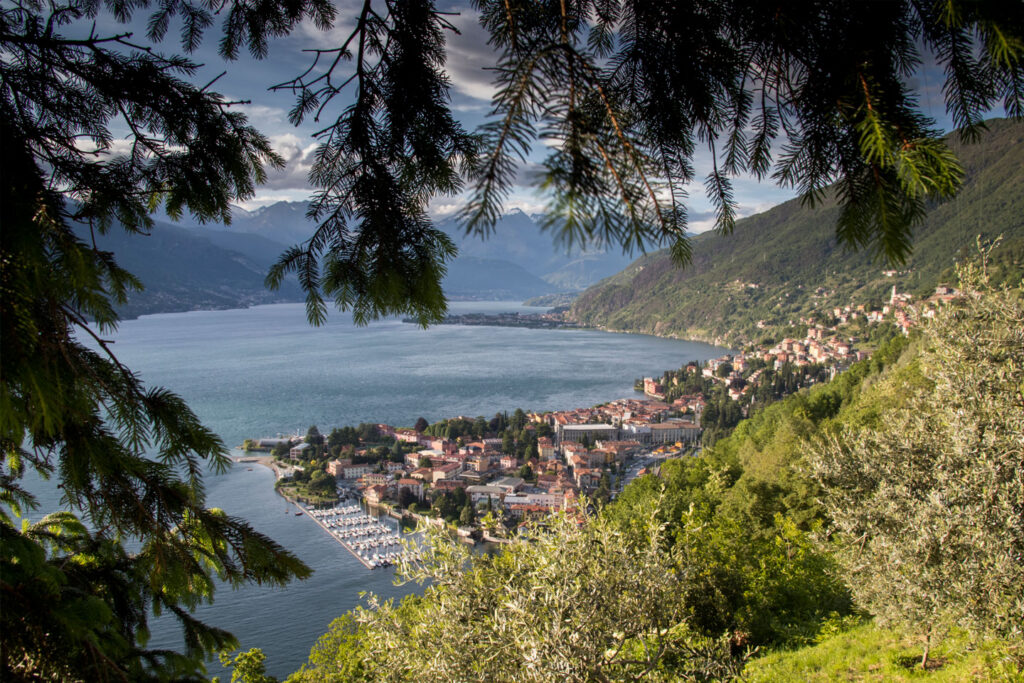
Image Credits: Discovering Bellano
Bellano sits on the lake’s eastern shore, a stop most first-timers skip in favour of the Golden Triangle. You’ll see it recommended a lot on TikTok as the cheaper, quieter alternative to Bellagio, and it holds up: the same lakeside charm at a noticeably lower price.
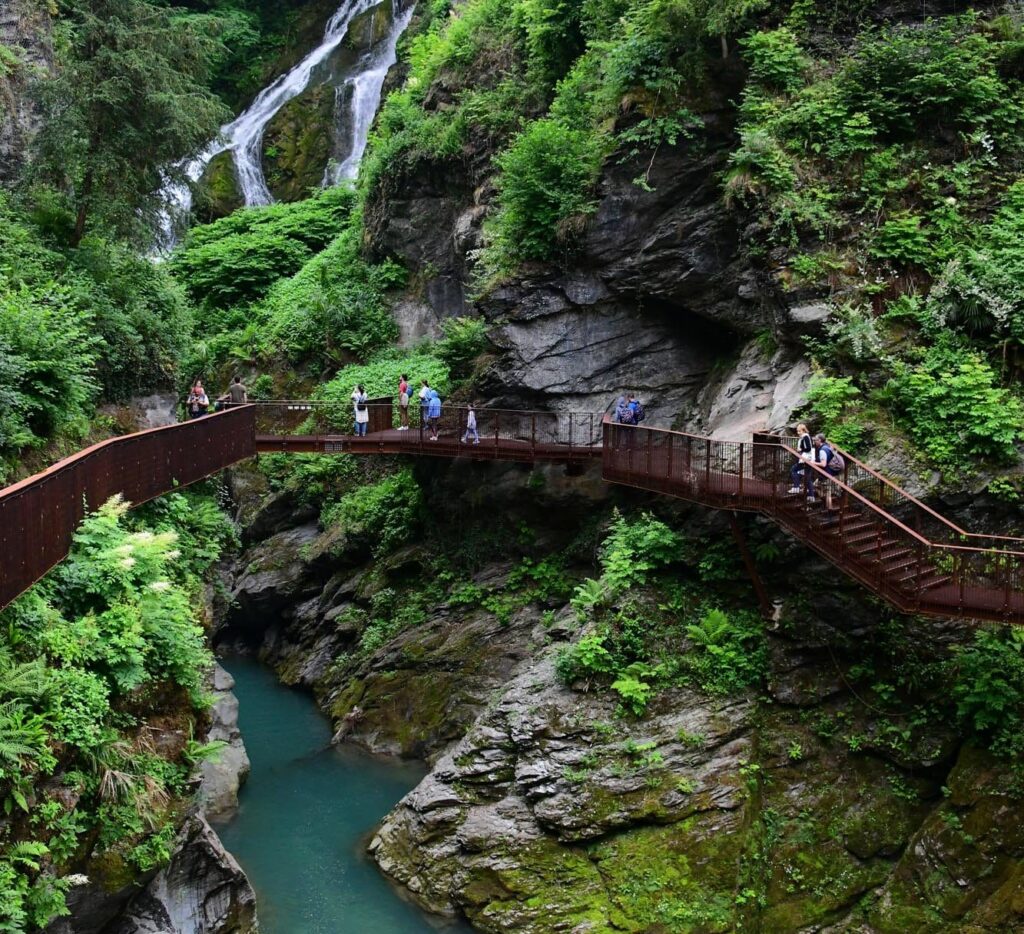
Image Credits: Lecco Tourism
Its main draw is the Orrido di Bellano, a dramatic gorge carved by a turquoise river over millions of years, with wooden walkways winding through the cliffs past waterfalls close enough that the spray reaches you on a hot afternoon, the rush of water off the stone walls loud enough to drown out the town above completely. Walking the full gorge, including photo stops, takes anywhere from 20 minutes to an hour, depending on your pace. The entrance sits right behind the town’s main church.
Best for: travellers who’ve already done Bellagio once and want the same scenery without the price tag or the crowds.
Nesso and the Orrido di Nesso
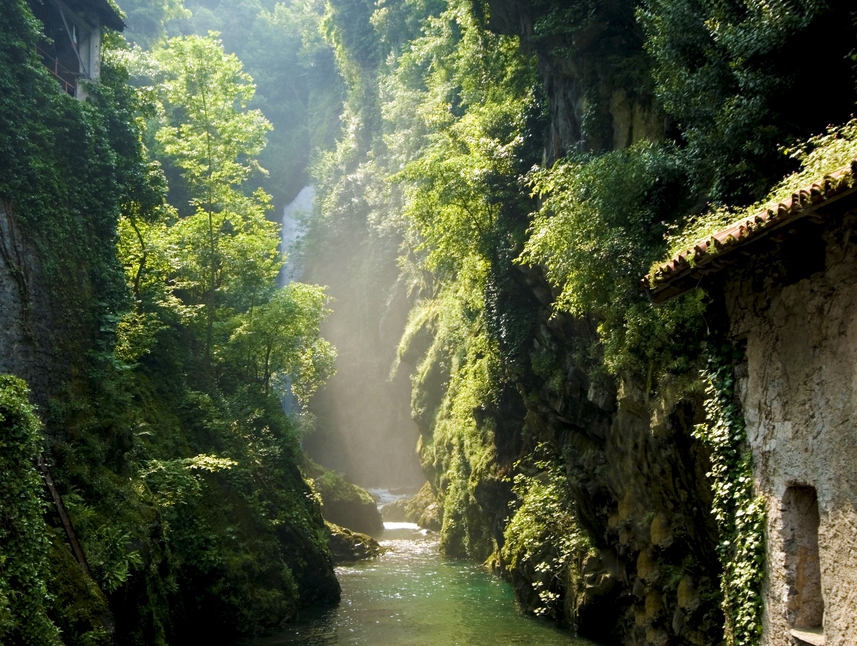
Image Credits: Explore Lake Como
Nesso is a small village stacked into the eastern shore’s cliffs, about 20 minutes from Bellagio and 30 minutes from Como by car, with its own ferry stop for anyone island-hopping without one. Its landmark is the Orrido di Nesso, a narrow gorge where two mountain streams meet and drop into the lake as a waterfall, framed by the Ponte della Civera, a stone bridge with medieval origins. Stand on the bridge, and you’ll hear the two streams collide before you can actually pick them apart by eye.
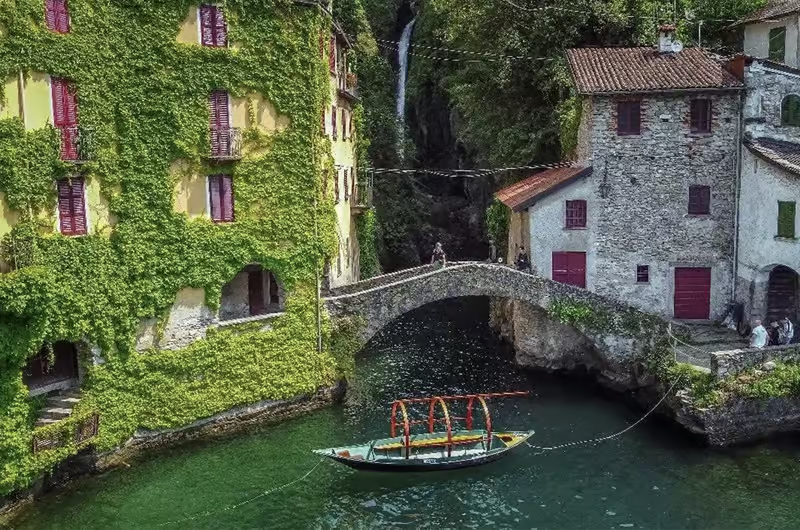
Image Credits: GetYourGuide
The bridge and viewpoint are generally accessible free of charge, though daylight makes the steep stone stairways down from Piazza Castello easier going.
Beyond the gorge, Nesso’s alleys are worth wandering on their own: Via Coatesa winds past stone houses to the Church of Saints Pietro and Paolo, first consecrated in 1095, and the ruins of Castello di San Lorenzo, a fortified structure above the village dating to the 15th century.
Best for: a short, free stop between Bellagio and Como, especially for the waterfall photo the village is known for.
Piani dei Resinelli and the Belvedere Walkway
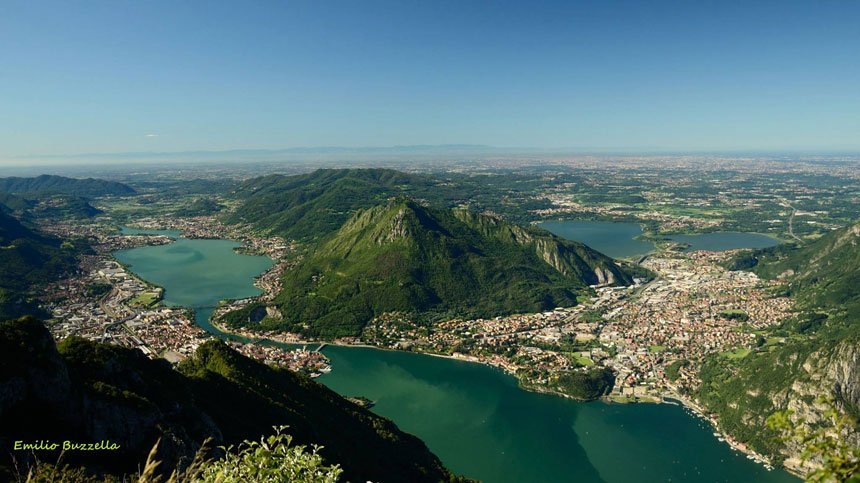
Image Credits: eccoLecco
Piani dei Resinelli is a mountain plateau above the lake, reached by a steep winding road. It’s a genuine change of pace from the lakeside towns, a hiking and rock-climbing base surrounded by jagged peaks rather than villas and cafés, the air noticeably cooler and pine-scented after the lakeside humidity below.
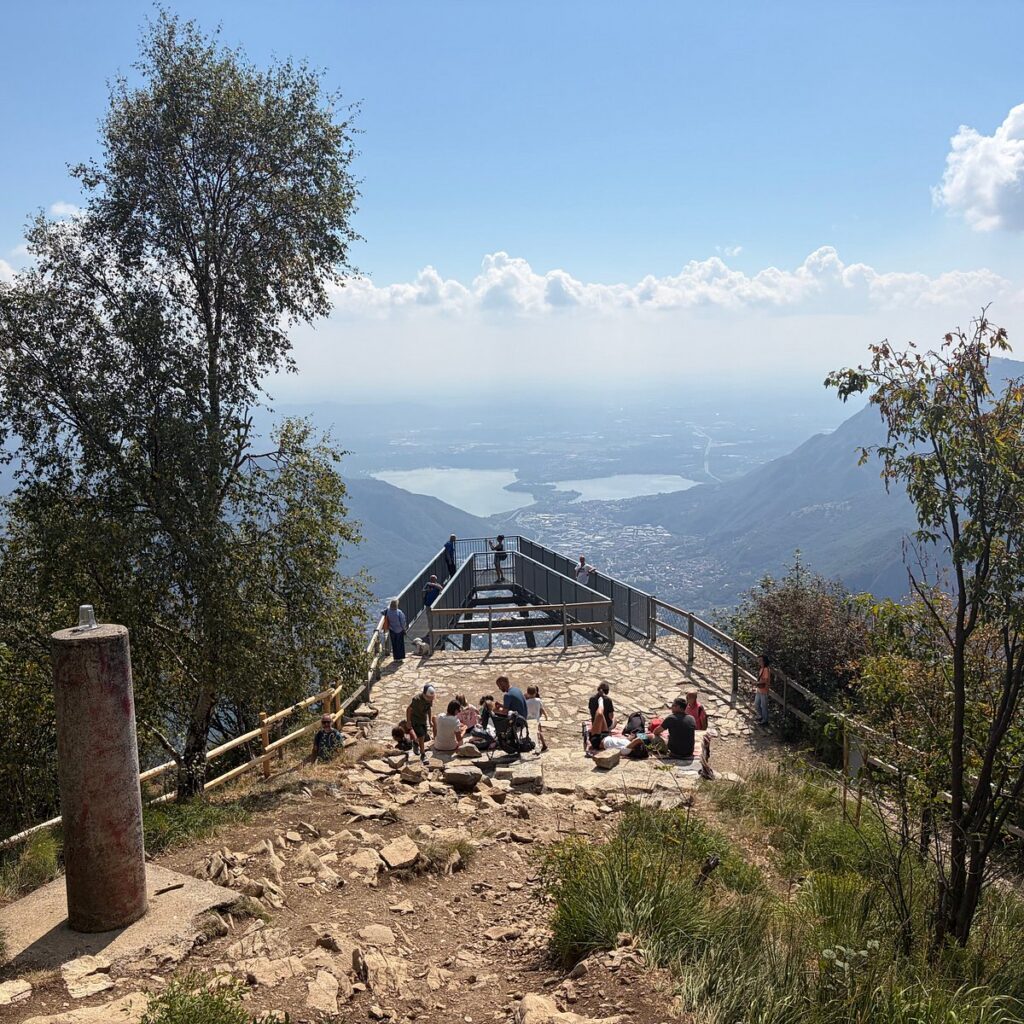
Image Credits: Tripadvisor
The most popular route is the Belvedere walkway, an easy out-and-back trail that takes roughly an hour and ends at a suspended bridge with panoramic views over the lake. On a clear day, the view stretches toward Monte Rosa and the wider Alpine peaks along the Swiss border. Hikers looking for something longer can pick up a stretch of the historic Sentiero del Viandante trail nearby, which runs along the lake’s eastern hills between Varenna and Bellano.
Best for: travellers with a rental car who want one proper hiking day away from the ferries and villa queues.
📖 Related Guide: Doing more hiking and outdoor activities on this trip? Our travel insurance Singapore guide covers which plans actually cover hiking and adventure activities.
The Lake’s Signature Villas
Lake Como’s villas are one of the biggest reasons people come here at all. Two in particular come up in nearly every travel video filmed here.
Villa del Balbianello
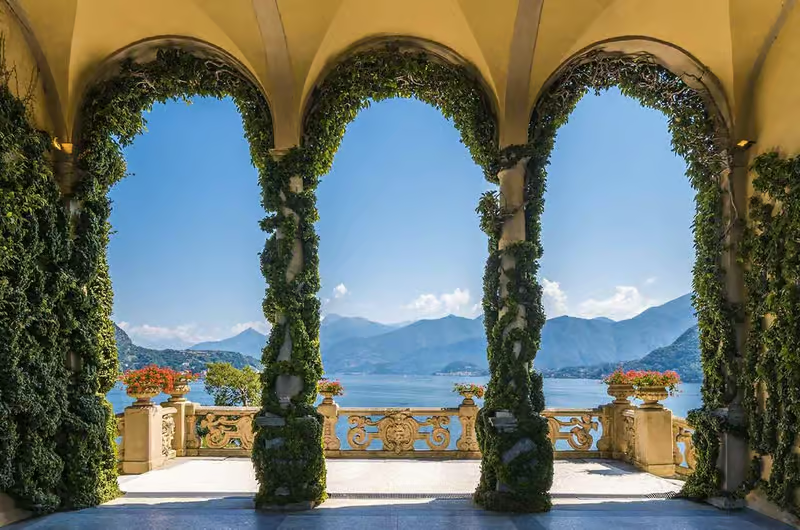
Image Credits: GetYourGuide
Villa del Balbianello sits on its own small peninsula on the lake’s southwestern branch. It’s the villa Star Wars and James Bond fans will recognise first. Scenes from Star Wars: Episode II and Casino Royale were both filmed on its grounds.
Built in the 18th century, the villa is reachable only by boat or on foot along a lakeside path. Visitors can choose between the gardens alone, around 13–15 EUR (~S$19–S$22), or a guided tour that includes the interior for closer to 24 EUR (~S$36). Its terraced gardens and untouched lakeside setting make it worth the detour even if you’ve never seen either film, and it’s the single most photogenic stop on the lake if you’d rather see one villa properly than three in a rush.
Villa Carlotta
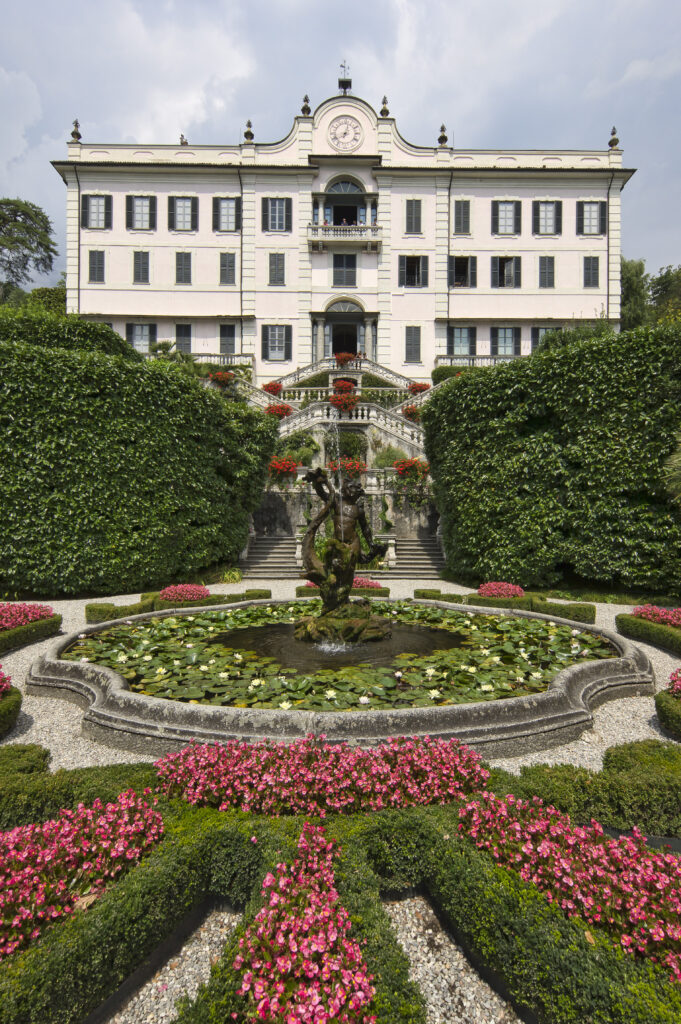
Image Credits: Wikipedia
Villa Carlotta sits in the town of Tremezzo, on the lake’s western shore near Menaggio, and costs 17.50 EUR (~S$26) to enter. It’s best known for its sprawling botanical gardens, home to hundreds of plant species including its own citrus orchard.
Built in the late 17th century and expanded through the 19th century, the villa’s interior doubles as a small museum with period furniture and sculpture. Its gardens are at their best in spring, when the azaleas and rhododendrons are in full bloom, terraces turning from green to a wash of pink and red almost overnight, and the citrus orchard nearby scents the air before you can see it, so spring is the best time to see Carlotta, when its gardens briefly beat Balbianello’s more famous film-set views.
Tremezzo is worth a slower look beyond the villa gates, too. It’s listed among Italy’s official “most beautiful villages,” a member of the “I Borghi più belli d’Italia” association.
Its lakefront promenade, strung between Mezzegra and Griante, faces Bellagio directly across the water, making it one of the better spots on the western shore for a coffee with a view before or after the gardens.
📖 Related Guide: Paying entry fees for two or three villas adds up fast. Our best multi-currency cards Singapore guide compares how YouTrip stacks up against other cards for this kind of overseas spend.
How to Get to Lake Como from Milan
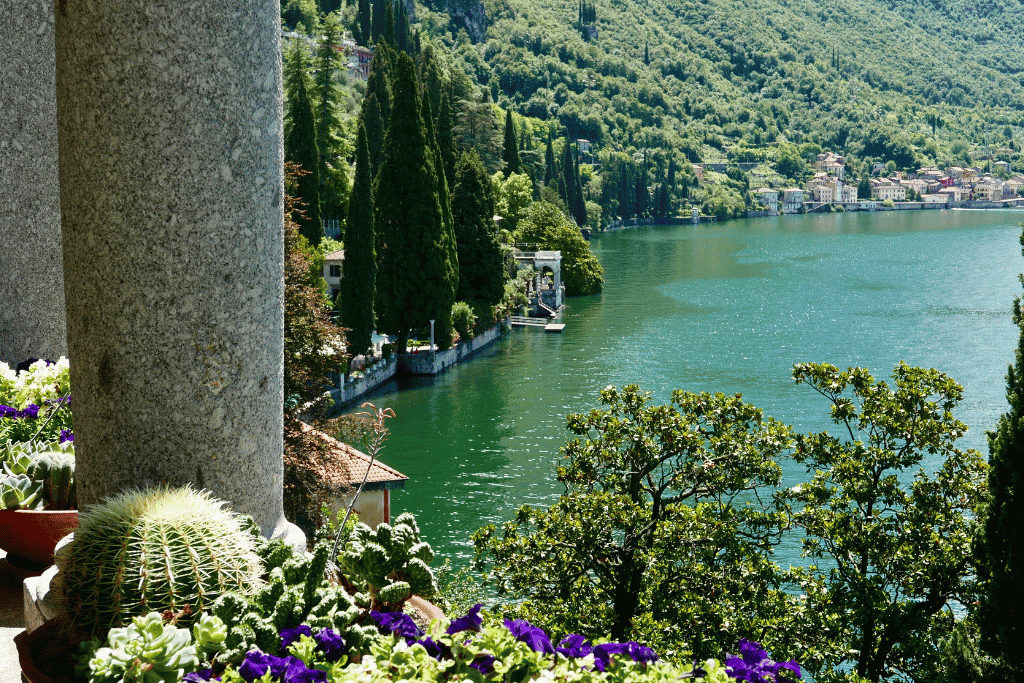
Milan’s Malpensa or Linate airports are the usual arrival point, with the city itself around an hour from the lake by train. Trains from Milano Centrale or Milano Cadorna to Como run frequently and cost a fraction of the price of a taxi or private transfer.
Train, Car or Ferry: Which Is Best?
The train is the simplest option for reaching Como city: direct, around an hour, and no parking to worry about once you arrive. A car gives you more flexibility for reaching Piani dei Resinelli or towns off the main ferry routes. But Lake Como’s roads are narrow and winding, and parking in Bellagio, Varenna or Menaggio during summer is hard to find.
Once you’re actually on the lake, ferries run by Navigazione Laghi, the public operator, are the easiest way to move between towns. They’re frequent, scenic, and cheaper than most visitors expect for a short hop between the Golden Triangle towns. Renting your own boat is also an option out of Como city, and it doesn’t require a licence. It costs more than the ferry, but it suits travellers who want to find their own quiet stretch of water away from other boats.
Best for: train plus ferry if this is a Milan day trip or you’re not renting a car anyway; a car only if hidden-gem hikes like Piani dei Resinelli are on your list.
📖 Related Guide: Withdrawing cash once you land? Our Italy ATM withdrawal guide covers where the fee-free bancomats actually are.
Where to Stay in Lake Como
Where you base yourself shapes the whole trip, since Lake Como’s towns each have a different price point and pace.
- Bellagio is the obvious pick for first-timers who want to be in the middle of everything, with ferries to Varenna and Menaggio both a short hop away, but expect the lake’s highest hotel rates, especially in summer. Grand Hotel Villa Serbelloni is the name that comes up again and again for its lakefront position right in the centre of town, at the lake’s luxury end.
- Nearby Tremezzo has its own trophy stay in Grand Hotel Tremezzo, a five-star fixture on the western shore since 1910, worth knowing about if you’d rather look at Bellagio’s postcard view than sleep in the middle of it.
- Nearby Tremezzo has its own trophy stay in Grand Hotel Tremezzo, a five-star fixture on the western shore since 1910, worth knowing about if you’d rather look at Bellagio’s postcard view than sleep in the middle of it.
- Varenna offers a similar postcard setting at a noticeably gentler price, with the added bonus of a direct train line on the eastern shore. Hotel Villa Cipressi, set in botanic gardens right on the water, and Albergo Milano, a smaller, family-run stay with lake-view balconies in the old town, both sit at a mid-range price point well under Bellagio’s, and both trade traffic noise for water lapping against the garden wall instead.
- Como city is the budget-friendly, well-connected base, ideal if this is a one or two-day trip and you want easy train access back to Milan. Palace Hotel Como sits on the lakefront promenade, a five-minute walk from Piazza Cavour and the ferry dock, at a mid-range rate for the location.
- Bellano and the smaller towns along the eastern shore are worth considering if you want the lake’s scenery without Golden Triangle prices at all. Villa Rêverie, a small boutique stay in a lakefront villa a short walk from the centre, is a good example of what that budget stretches to here.
Wherever you stay, book a spot near a train station or ferry dock. The lake’s size is deceptive on a map, and reaching some towns without one nearby can eat into an entire afternoon.
Best for: Bellagio if budget isn’t the deciding factor; Varenna or Como city if it is.
📖 Related Guide: Comparing this to another Mediterranean base? Our Santorini travel guide covers a very different, beach-first alternative for the same trip window.
Is Lake Como Expensive? Budgeting for Your Trip
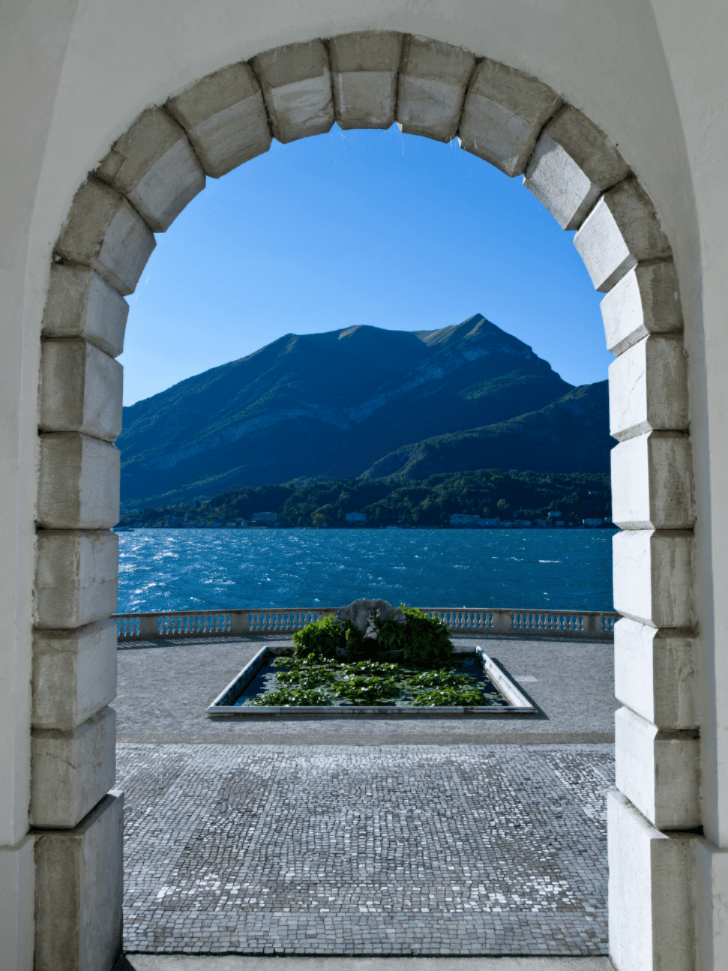
Lake Como can be expensive, particularly if Bellagio is your only base. But it doesn’t have to blow out a travel budget the way its reputation suggests.
Rough costs to expect (per person):
- Ferry between Golden Triangle towns: 5–15 EUR (~S$7–S$22) one way, depending on the route
- Villa or garden entry: 10–25 EUR (~S$15–S$37) per site, depending on the villa and whether you add the guided tour
- Como–Brunate funicular: roughly 7 EUR (~S$10) return.
- ⚠️ Fares have shifted over the years, and current sources don’t fully agree — confirm at funicolarecomo.it before you go
- ⚠️ Fares have shifted over the years, and current sources don’t fully agree — confirm at funicolarecomo.it before you go
- Casual restaurant meal: 20–35 EUR (~S$30–S$52) per person
- Mid-range hotel: 100–300 EUR (~S$148–S$444) a night, with Bellagio’s lakefront properties often running higher still in peak season, and Como city or Bellano well under it
Which town you sleep in affects your budget far more than what you actually do once you’re there. Basing yourself in Como city or Bellano and day-tripping into Bellagio for a few hours gets you the same sights at a fraction of the accommodation cost.
For day-to-day spending, cash still matters here. Plenty of the smaller trattorias and market stalls in Varenna and Menaggio don’t take cards. Skip the money changer before you fly. Land and withdraw from a local ATM with your YouTrip card instead.
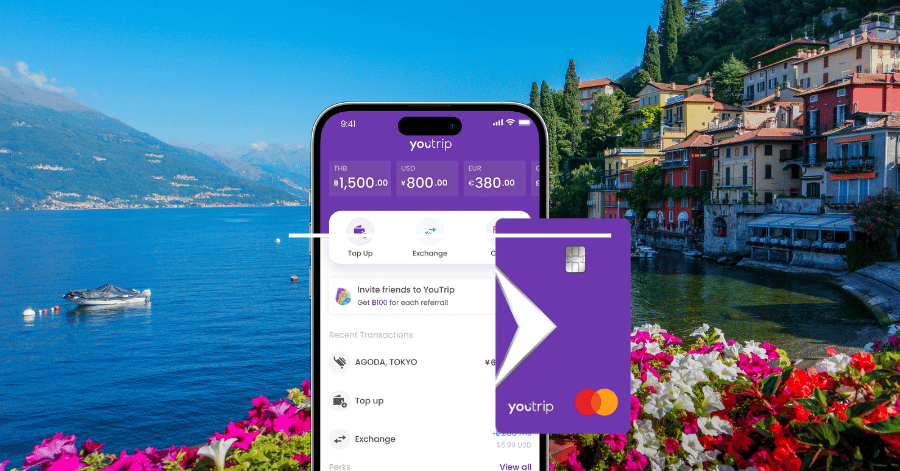
The first S$400 you withdraw overseas each calendar month is free, then it’s a flat 2% after that. Some ATM operators add their own on-screen fee on top, so it’s worth checking before you confirm the withdrawal. For everything card-friendly (hotels, villa tickets, restaurants along the promenade), tap your YouTrip card.
EUR is one of YouTrip’s 12 lockable wallet currencies, so you spend at the wholesale rate with zero foreign transaction fees. That beats a money changer, who typically bakes a markup of a few percent into the rate before you even see it quoted.
📖 Related Guide: Want the mechanics behind that wholesale rate? Our wholesale exchange rates explainer breaks down exactly what banks and cards use as their benchmark.
What to Eat in Lake Como
Lake Como’s food is built around what actually comes out of the lake, not generic northern Italian staples with a lake view attached. Where you eat it matters more than the menu itself, since prices and quality swing hard between a tourist-facing waterfront table and a few streets back.
Missoltini, the lake’s signature dish
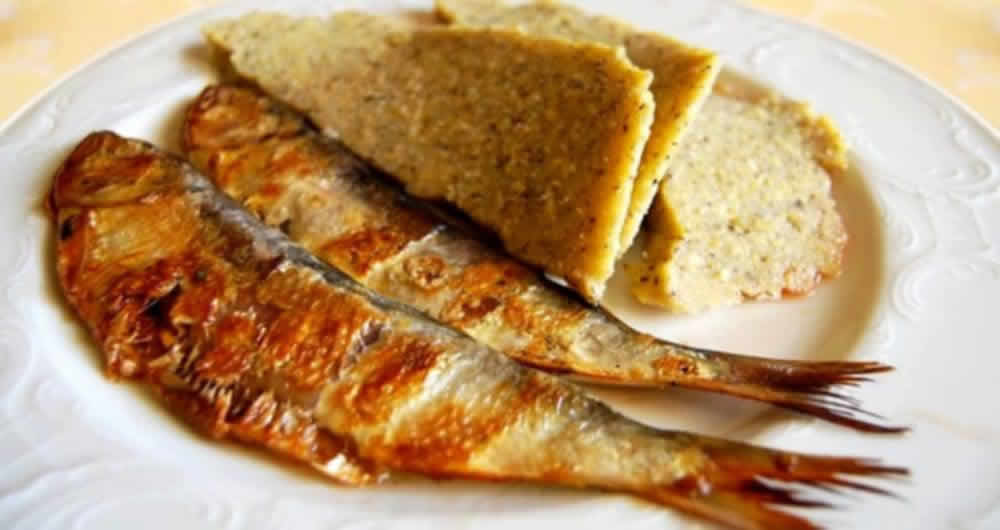
Image Credits: Bellagio Villas
Missoltini, agone (a small lake fish) that’s sun-dried, salted and grilled, then eaten with polenta, is the one dish that’s specific to this lake and hard to find anywhere else in Italy. It’s salty and firm rather than flaky, closer in texture to a good anchovy than to a fresh-caught fillet, an acquired taste some travellers take to immediately and others need a second bite to place.
Risotto or rice with perch and lavarello (whitefish) baked in foil turn up on menus around every town, alongside bresaola, an air-dried cured beef that’s lighter than it looks and worth ordering if you see it.
Ristorante Bilacus, Bellagio
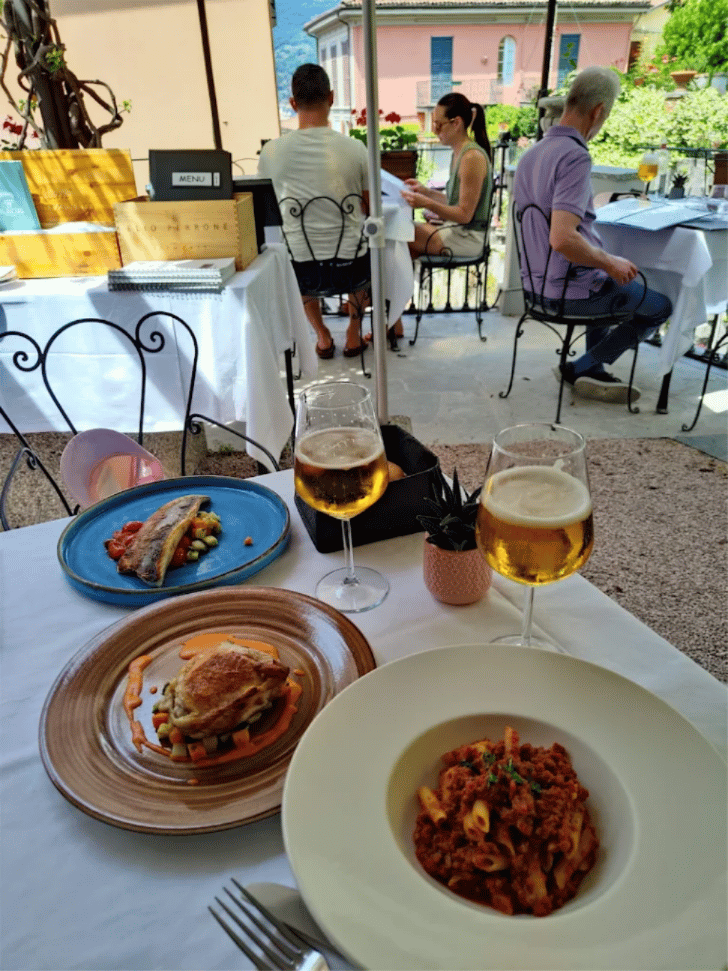
Image Credits: Charles Tan on Google Reviews
Bilacus sits above Bellagio’s Serbelloni staircase, in a building older than most of the town’s waterfront spots, its terrace shaded by a vine-covered pergola that turns the afternoon light green-gold over the tables.
Order the black truffle tagliolini or the ox tail ravioli in its own savoury broth, both regulars on Chef Marco Rando’s regional Italian menu, or ask what’s come in that day, since the lake-and-sea fish is chosen from the day’s catch rather than fixed on the printed page.
The wine cellar has picked up Wine Spectator recognition more than once, and it’s a steeper climb than Bellagio’s lakefront tables, up the stepped alley rather than along the water, but that’s also what keeps it quieter.
Al Prato, Varenna
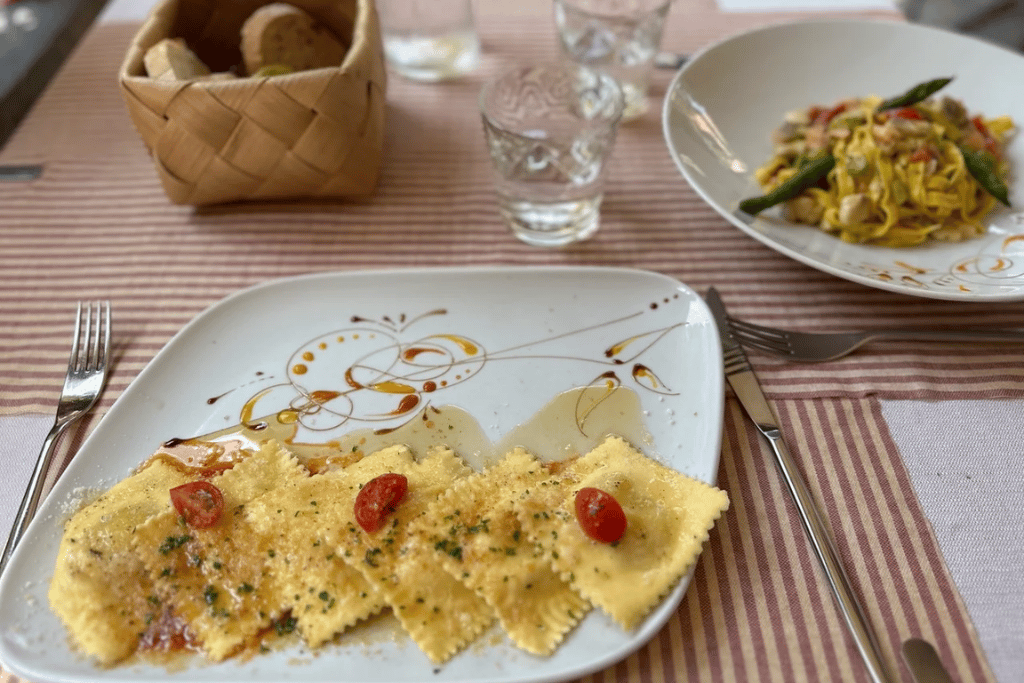
Image Credits: Marcin Basiakowski on Google Reviews
Al Prato, mentioned earlier for its garden courtyard near Piazza San Giorgio, is the name reviewers keep circling back to, ranked Varenna’s #1 restaurant on Tripadvisor with a 2026 Travelers’ Choice award to back it up.
Grilled octopus and house-made pumpkin ravioli are the two dishes that turn up in nearly every review, with a fish lasagne on the menu if you want something heartier. It sits back from the water in a shaded, vine-covered courtyard rather than on the promenade, the kind of quiet corner you’d walk past without knowing to look. Worth booking ahead regardless, it fills up even outside peak season.
Il Cavatappi, Varenna
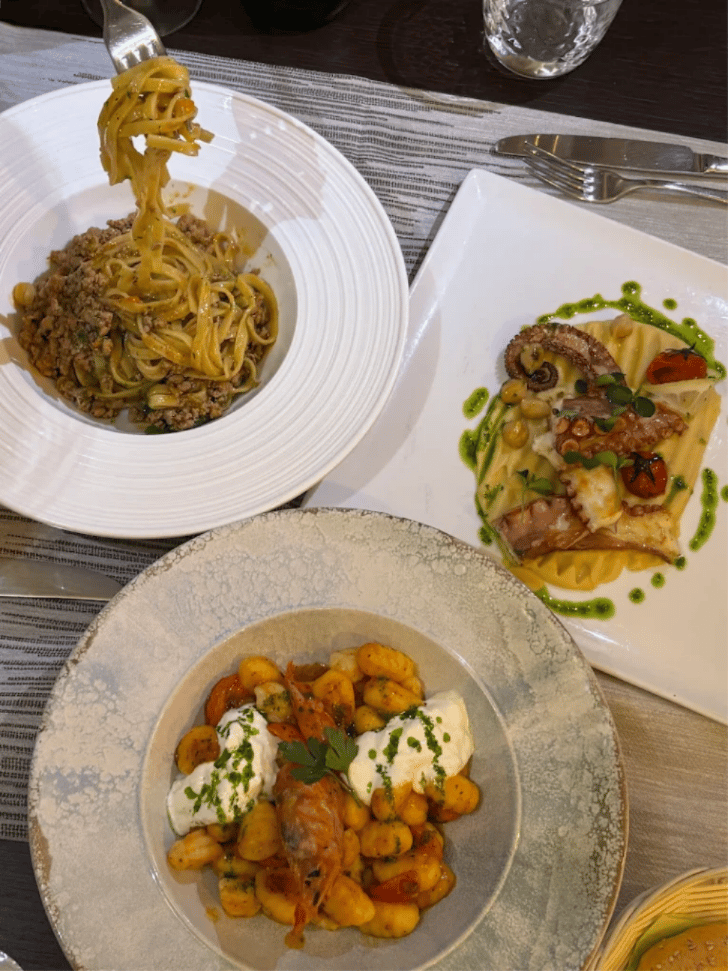
Image Credits: Phoebe on Google Reviews
Il Cavatappi is a tucked-away, reservation-only spot on a narrow lane in the village centre, the kind of neighbourhood trattoria where tables spill into the alley outside rather than facing the lake.
Its two standouts are the orecchiette with swordfish ragù and the duck ragout fettuccine, silky rather than heavy, alongside a smoked trout tartare that regulars order to start. It’s also one of the few places on the lake that will happily make its pasta dishes meat- and fish-free on request.
Feel Como, Como City
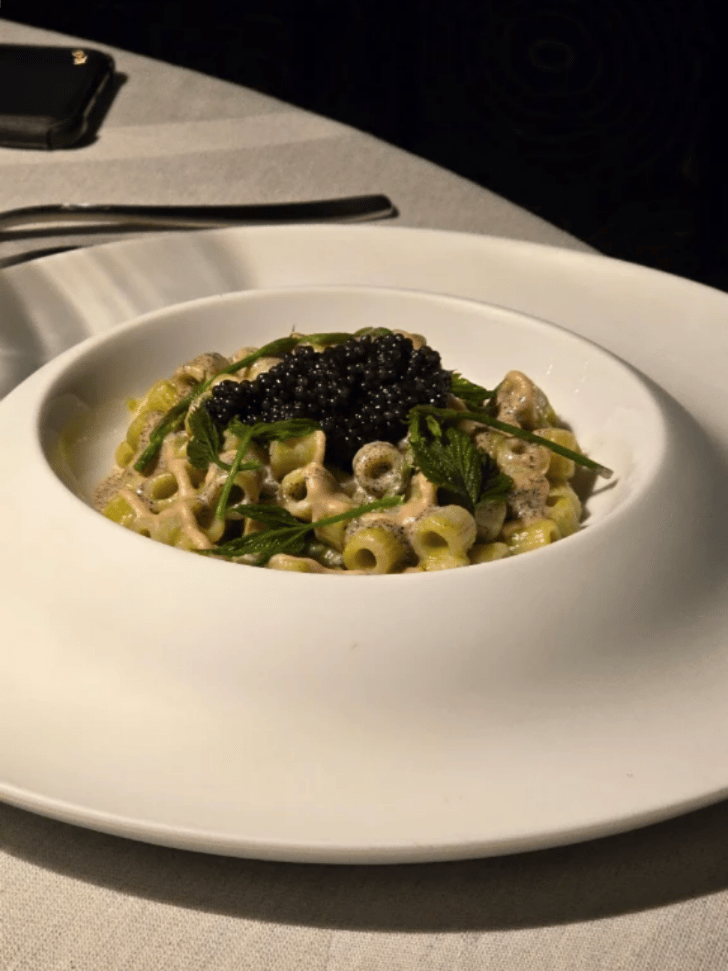
Image Credits: combobestfood “Francesco Mariani” on Google Reviews
Feel Como is a small, Michelin-listed restaurant in the old town built entirely around foraged and Alpine ingredients, chef Federico Beretta’s kitchen leaning on wild herbs, mountain berries and lake fish rather than the usual northern Italian standards.
The spaghettini comes with sour butter, mountain liquorice and char caviar, and the tasting menu has smoked whitefish with pine oil and cornel berries, the kind of plate that smells of the woods before it tastes of the lake. It’s the splurge of the section; à la carte runs 70–90 EUR (~S$104–S$133) for two or three courses, so save it for the one proper sit-down meal of the trip.
L’Antica Trattoria, Como City
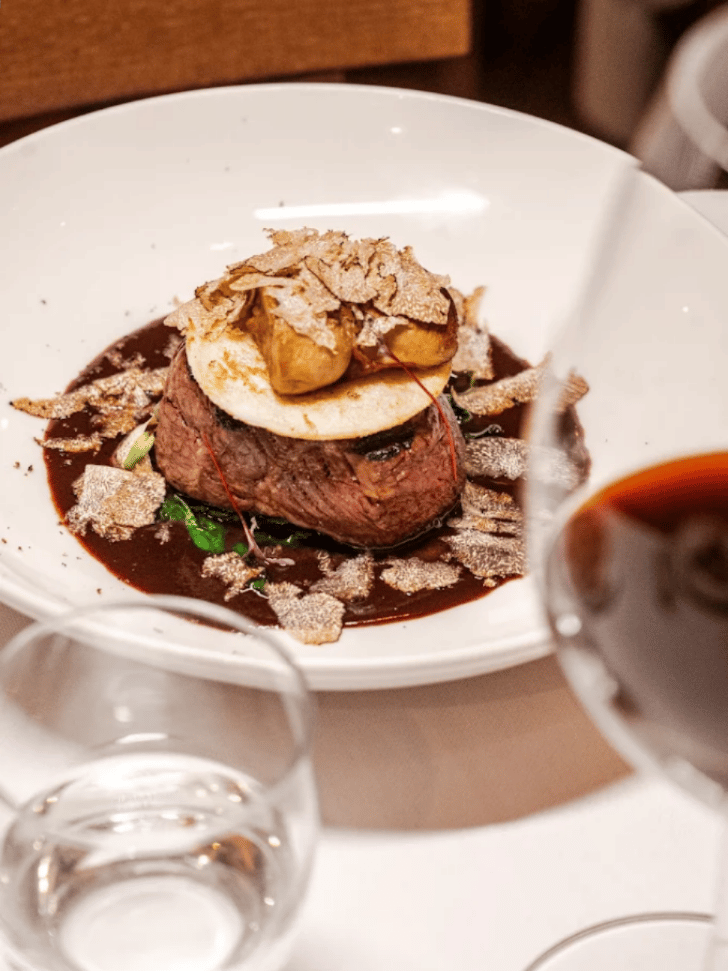
Image Credits: L’Antica on Google Reviews
For something more everyday, L’Antica Trattoria in the historic centre cooks over an open fire, cuts like fiorentina and costata charring right at the pass, alongside first courses like wild boar ragù and tagliatelle with porcini cream and sausage.
It’s traditional, seasonal Italian cooking rather than a tasting menu; the smoke and sizzle of the fireplace are part of the draw as much as what lands on the plate.
Gelateria Dulcis in Fundo, Menaggio
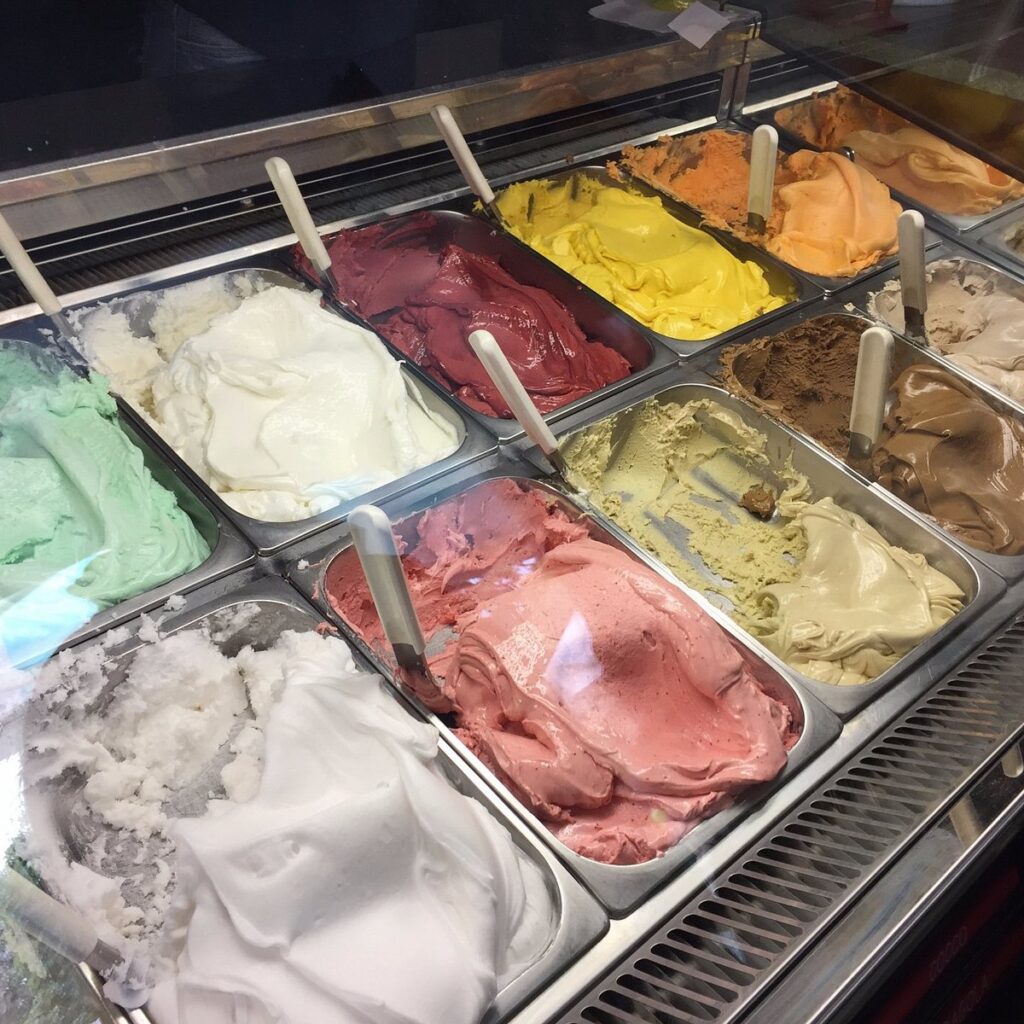
Image Credits: Tripadvisor
The gelateria right on Piazza Garibaldi by the lake now trades as Dulcis in Fundo, not the “Edo” name still floating around on some older listings, though it’s the same spot locals point you to. Homemade gelato in around 40 flavours, with no added colouring, is the draw, and it’s worth the stop even if you’re not usually a gelato person.
Coconut, limoncello and dark chocolate are the flavours worth chasing — a dense, slow-melting scoop that’s usually gone before you’ve walked the length of the piazza on a warm afternoon.
Cavallo Bianco, Bellano
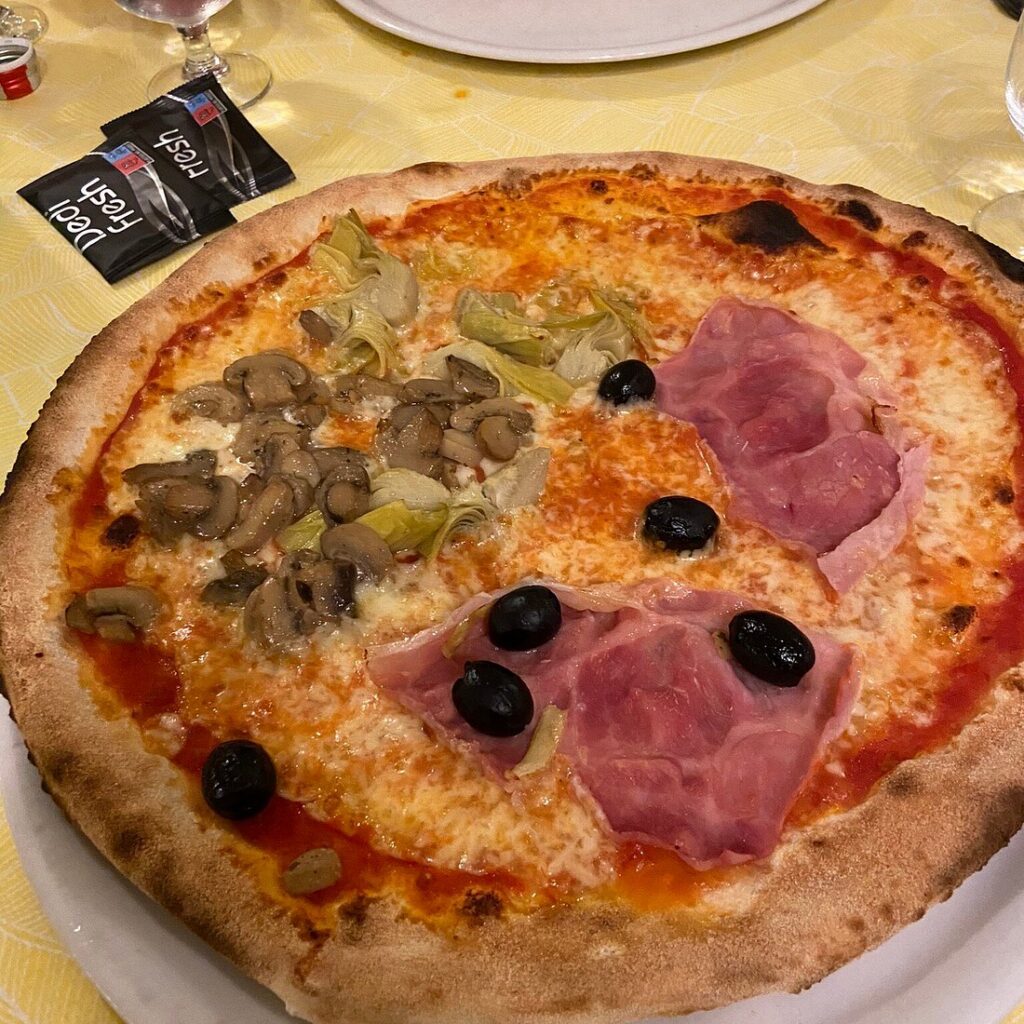
Image Credits: Tripadvisor
Cavallo Bianco is a pizzeria-ristorante running a wood-fired oven alongside a full lake-fish menu, sweeping views over the terrace. The wood-fired pizzas and pinsa are the reliable order, but the kitchen also plates grilled seafood skewers and a mixed lake-fish grill of whitefish, sea bream and salmon, plus the regional casoncelli pasta if you’d rather stay local than order pizza. Grab a terrace table as the light starts to go and the lake turns from blue to a dull silver, the same slower rhythm the gorge walk sets, carrying straight through into dinner.
If you’re after something quicker between ferries, Bellagio and Como city both have gelaterias worth a stop beyond Menaggio’s, and a fresh pastry with an espresso is the easiest breakfast on the lake.
Best for: missoltini and lake fish if you want the regional specialty; Bilacus or Feel Como if one proper sit-down meal is worth the splurge; Al Prato if you want Varenna’s top-rated table without the lakefront price tag; Il Cavatappi or Cavallo Bianco if you’d rather keep it casual and lakefront.
📖 Related Guide: Doing more of Italy on this trip? Our VAT and tax-free shopping guide for Europe is worth reading before any bigger purchases.
FAQs
Yes, for most travellers doing a Milan trip, it’s a genuinely easy add-on: an hour by train, villas and hikes you won’t find in the city, and enough variety across its towns to suit a one-day trip or a longer stay.
It’s quieter and cheaper, but several villas and gardens run reduced hours or close between November and March. Winter suits travellers after the scenery and empty streets over the full list of activities.
Bellagio wins the vote most often for its postcard setting at the lake’s centre, but locals more often call Varenna the quieter, arguably more romantic alternative.
No more than any popular tourist area in Italy. The usual precautions, watching bags on crowded ferries and in busy piazzas, are enough.
Ferries run by Navigazione Laghi connect all the main towns and are the easiest way to island-hop the shoreline without renting anything.
It’s not legally required for Italy the way it is for some Schengen visa categories, but it’s worth having given the hiking and boat activities on offer.
Final tips for planning your Lake Como trip
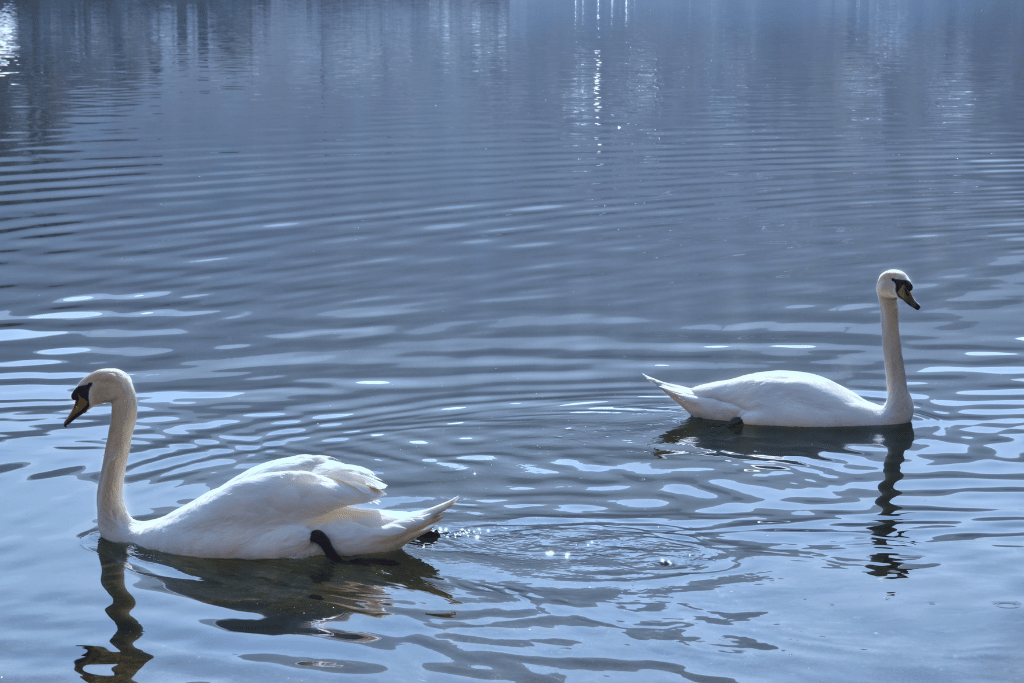
Lake Como rewards a little planning more than most Italian destinations. Pick your town, work out the ferry timings, and the rest of the trip mostly takes care of itself. Whether it’s a single day from Milan or a proper three-day stay across the Golden Triangle, pack your YouTrip card alongside the boat shoes.
Not a YouTrooper yet? Singapore’s go-to multi-currency wallet helps you save with great FX rates and zero fees. Skip the money changer and get a free YouTrip card + S$5 YouTrip credits with code YTBLOG5.
Then, head over to our YouTrip Perks page for exclusive offers and promotions, we promise you won’t regret it. Join our Telegram (@YouTripSG) and Community Group (@YouTripSquad) for travel tips, event invites, and more!
Happy travels!