

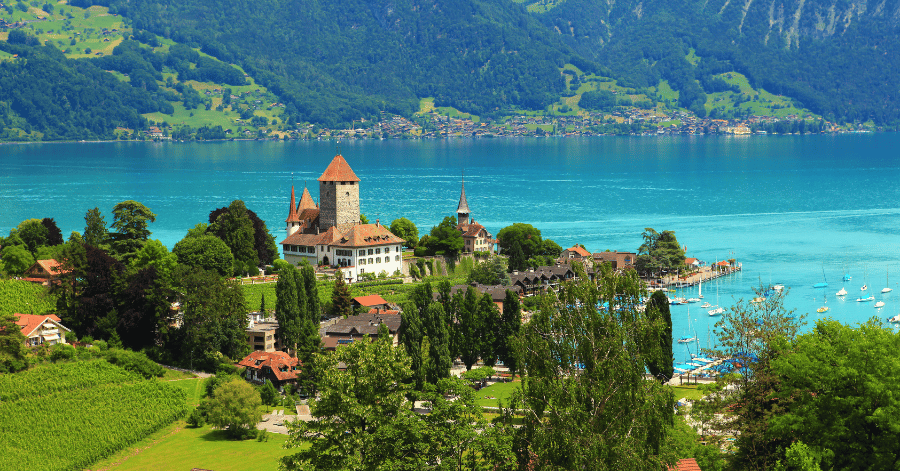

TL;DR: late May to June and September, unless you’re chasing snow
A temperature chart only tells you half the story. The thing that actually decides a Swiss trip isn’t the weather; it’s what’s running. Cable cars shut for maintenance twice a year, the high trails don’t open until mid-June, and the famous scenic trains stop for a season. Get the timing wrong, and you fly 13 hours to find the gondola you came for closed.
| Quick answer | |
|---|---|
| Best overall | Late May to June and September (mild, green, nearly everything open) |
| Cheapest | April to May and late September to early November, outside Easter and Christmas |
| Best for skiing | January (deepest snow, locals back home, shortest lift queues) |
| Best for hiking | Mid-June to September, once the high trails clear |
| Best for Christmas markets | December (Basel, Zurich, Lausanne, Montreux) |
| Worst month | November (cable-car maintenance, closed hotels, grey skies) |
| How long to stay | 5 to 7 days for one region, 10 to 14 for the full loop |
Temperatures are long-term averages for the lowland cities. The mountains run far colder, and weather shifts year to year, so check the forecast before you book.
Table of Contents
- When Is the Best Time to Visit Switzerland?
- Switzerland Weather Month by Month
- What’s the Cheapest Time to Visit Switzerland?
- When Is the Worst Time to Visit Switzerland?
- Best Time to Visit Switzerland for Each Experience
- How Many Days Do You Need in Switzerland?
- Where to Go in Switzerland for First-Timers
- What It Costs and How to Pay in Switzerland
- FAQs
- Ready When You Are
When Is the Best Time to Visit Switzerland?
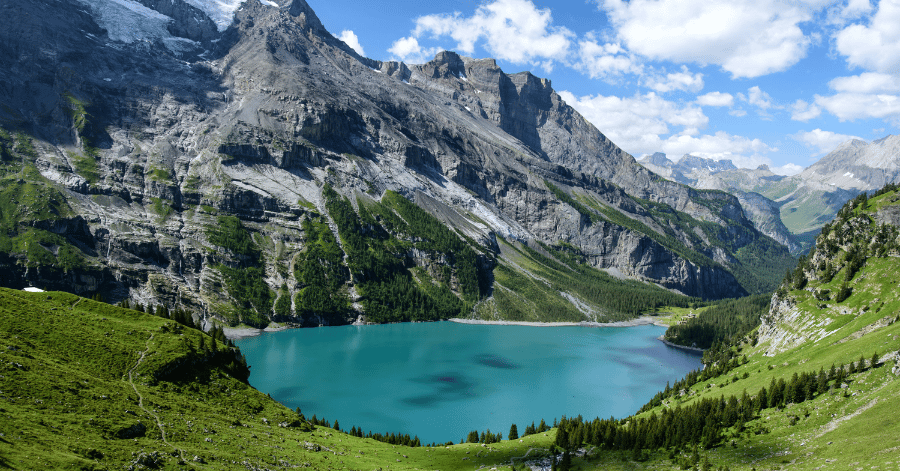
The best time to visit Switzerland is late May to June and September, when the weather is mild, the valleys are green, and almost everything is open. These are the shoulder-season windows either side of the summer rush, so you get the mountains at their best without the July crowds or the peak-season hotel rates.
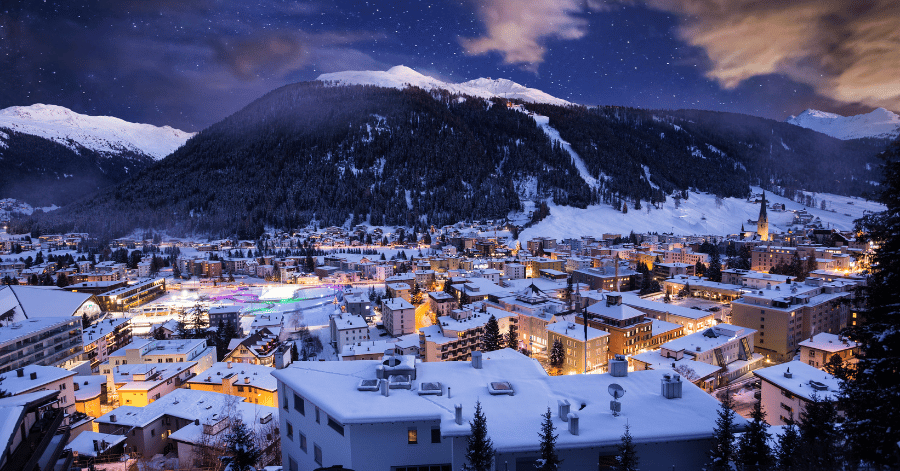
Switzerland runs on four real seasons, and each one is a different trip.
- Winter is for skiing and Christmas markets.
- Spring wakes the flowers and the waterfalls but leaves a lot of the mountains still shut.
- Summer opens everything, brings the heat and the crowds, and fills the lakes with swimmers.
- Autumn hands you golden larches, harvest festivals and thinning queues before the shutters come down again.
The honest answer is that “best” depends entirely on what you’ve come for. If it’s snow on the slopes, June is useless to you, and January is perfect. If it’s alpine hiking, the reverse is true, because the high trails are still under snow until roughly mid-June. Pick your season around the one experience you’d be gutted to miss, then read the month-by-month breakdown below to fine-tune it.
📖 Related Guide: Planning your whole year of trips around the seasons? Our best time to visit Japan guide breaks down another bucket-list favourite month by month.
Switzerland Weather Month by Month
Swiss weather is less about the temperature on the thermometer and more about altitude and what that altitude keeps open. A mild day in Zurich can sit above a mountain that’s still snowed in. The table below covers the lowland cities across the year, followed by a season-by-season read on what to actually expect.
| Month | Avg high | Feel | Crowds | Price band |
|---|---|---|---|---|
| January | ~2°C | Cold, deep Alpine snow | Ski resorts busy, cities quiet | $$$ (resorts) |
| February | ~4°C | Cold, prime ski season | Packed slopes, Swiss holidays | $$$$ (resorts) |
| March | ~9°C | Thawing, mountains still white | Low | $$ |
| April | ~13°C | Unpredictable, wide closures | Low | $ |
| May | ~18°C | Green, blossoming, mild | Building | $$ |
| June | ~21°C | Warm, long days, trails opening | Building | $$$ |
| July | ~24°C | Hot, peak everything | Very high | $$$$ |
| August | ~23°C | Hot, lakes warm, festivals | Very high | $$$$ |
| September | ~19°C | Warm, clear, harvest season | Medium | $$$ |
| October | ~13°C | Crisp, autumn foliage | Medium to low | $$ |
| November | ~7°C | Grey, wet, wide closures | Low | $ |
| December | ~3°C | Cold, festive, markets open | High in resorts | $$$ (resorts) |
Price bands are indicative and swing hugely between mountain resorts and cities. Resort towns peak in winter and summer; cities like Zurich and Geneva stay pricey year-round.
January and February: peak snow, best skiing value
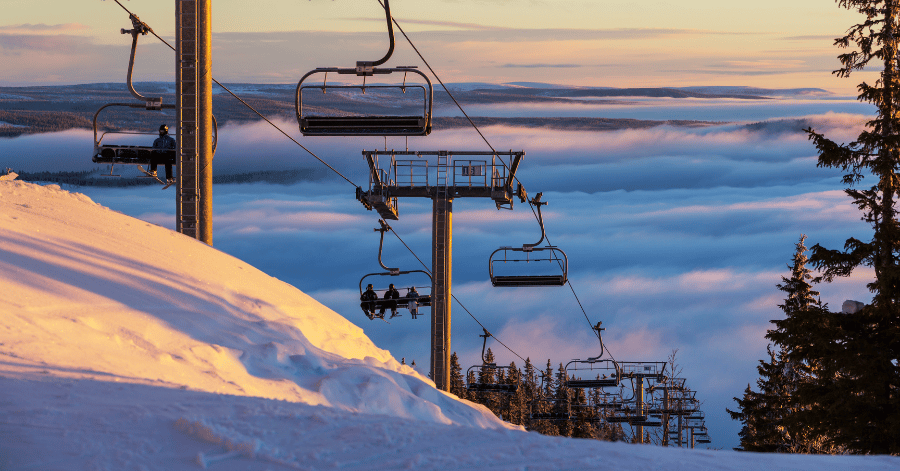
This is Switzerland at its most postcard: snow on every rooftop, frozen lakes, and cog railways climbing into thick white silence. January is the sweet spot for skiing. The Swiss have gone back to work after the Christmas rush, so the slopes empty out and lift queues shrink right when the snow is at its deepest.
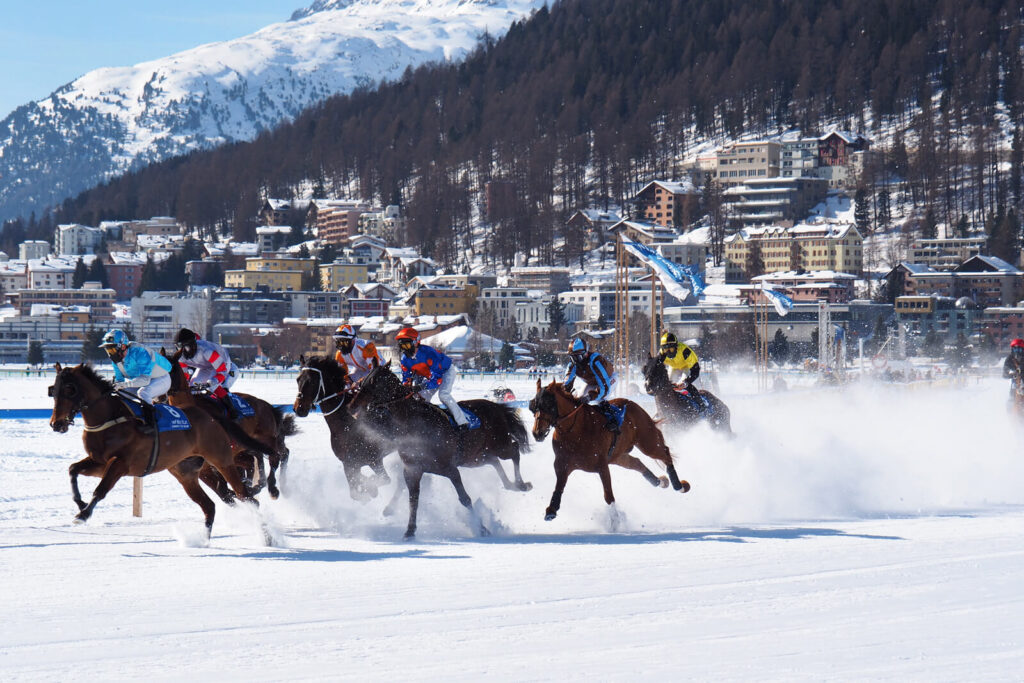
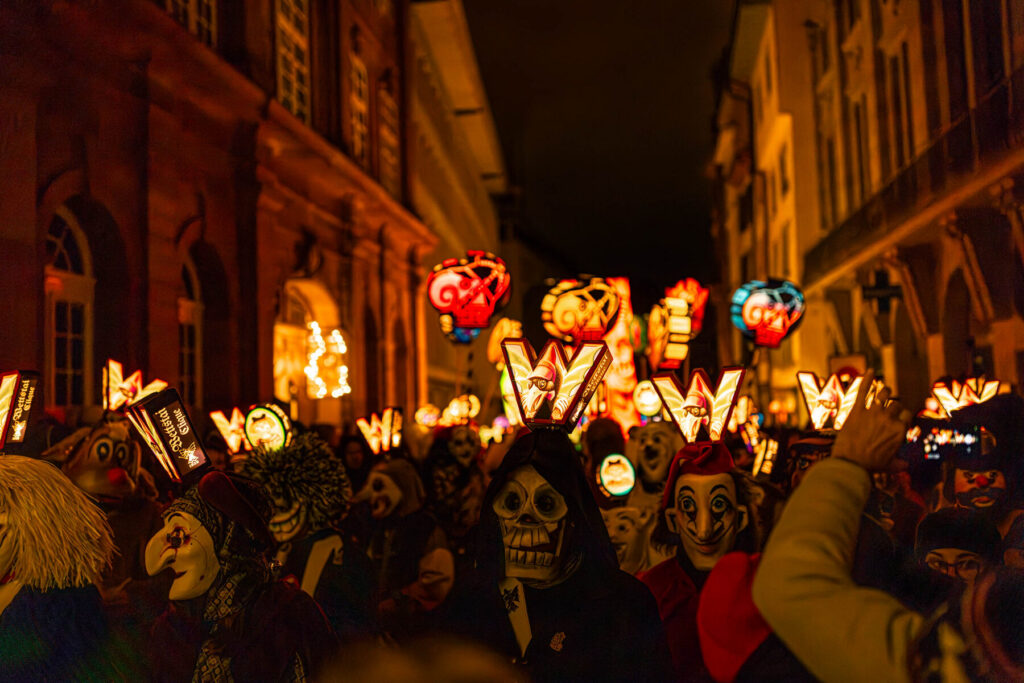
Image Credits: Newly Swissed; fasnachts-comite.ch
February flips that. The Swiss school holidays land mid-month and the slopes fill up again, pushing resort prices to their yearly peak. Down in the cities it’s cold, grey and quiet, which is the trade-off for cheap hotels and museums you’ll have to yourself. Temperatures in the resorts can drop well below freezing, so this is layers-and-thermals territory.
The season has its set pieces too. February is when St Moritz stages White Turf, a run of horse races held right on its frozen lake. Late February or early March brings Basel’s Fasnacht, Switzerland’s largest carnival, a three-day parade of costumes, lanterns and piccolo bands that runs through the night.
March and April: the shoulder months that can disappoint
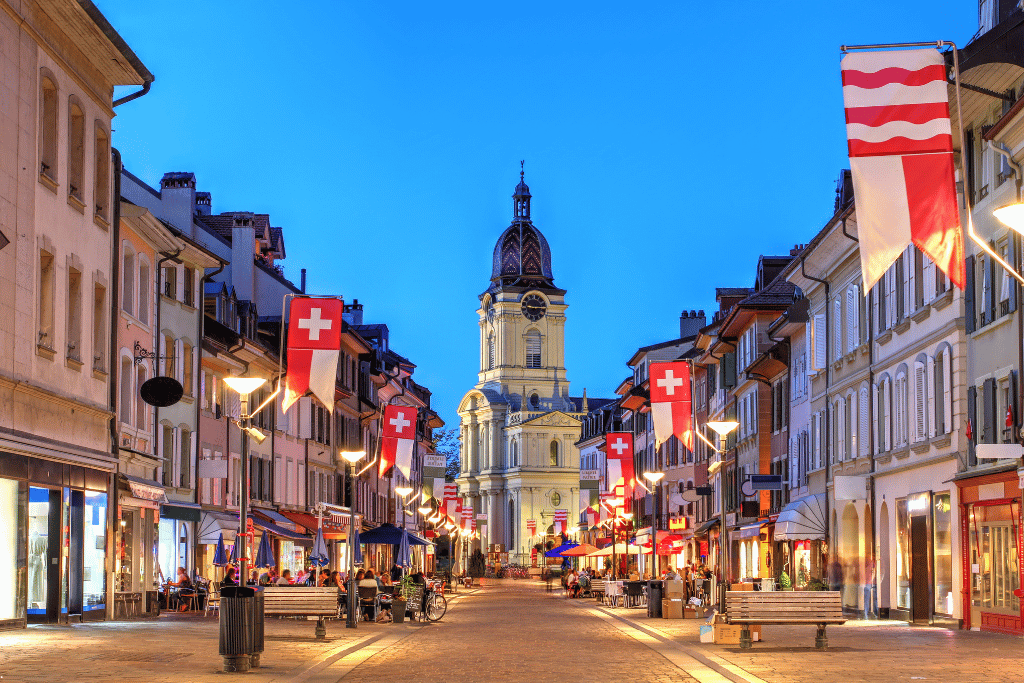
March is a middle season. The cities start to thaw and come back to life, but the mountains are still deep in snow, so it’s neither full winter nor spring. It works if you want quiet cities and late-season skiing at higher altitudes.
April is the month to be careful with. There’s a German saying that in April the weather does what it wants, and Swiss locals mean it: you can get four seasons in a day.
Worse for a mountain-first trip, this is when a lot of cable cars and mountain railways go into revision, the Swiss term for their annual maintenance shutdown. Hotels in the higher resorts close for weeks at a time. The Berner Oberland, the region around Interlaken you’ve probably pinned on your board, runs a lot of its summer activities on a skeleton schedule until May.
May: the spring sweet spot
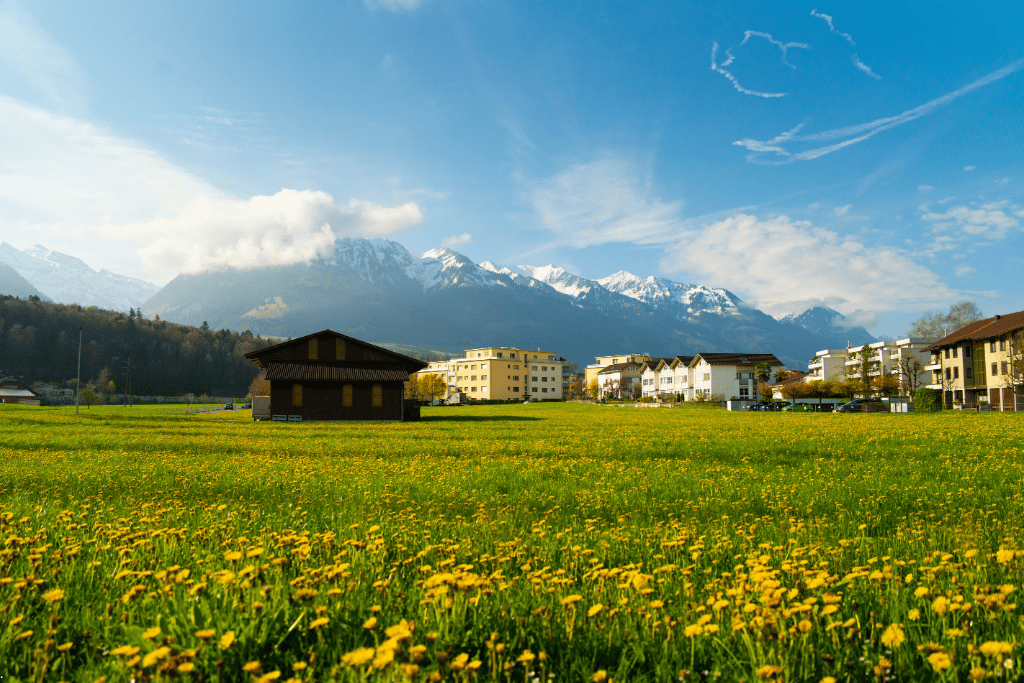
May is when Switzerland gets genuinely lovely and stays affordable. The lowlands turn green, the fruit trees blossom, and the alpine meadows start filling with wildflowers. Above Montreux, the narcissus fields bloom across the hillsides in May so thickly they look snow-dusted, except it’s all flowers.
The catch is the same altitude problem: the high trails are still closed, so serious hiking is out. But for lake walks, city breaks and lower-valley wandering, late May is arguably the best-value week of the year, with the weather turning reliable and the summer crowds still weeks away.
June: summer opens up
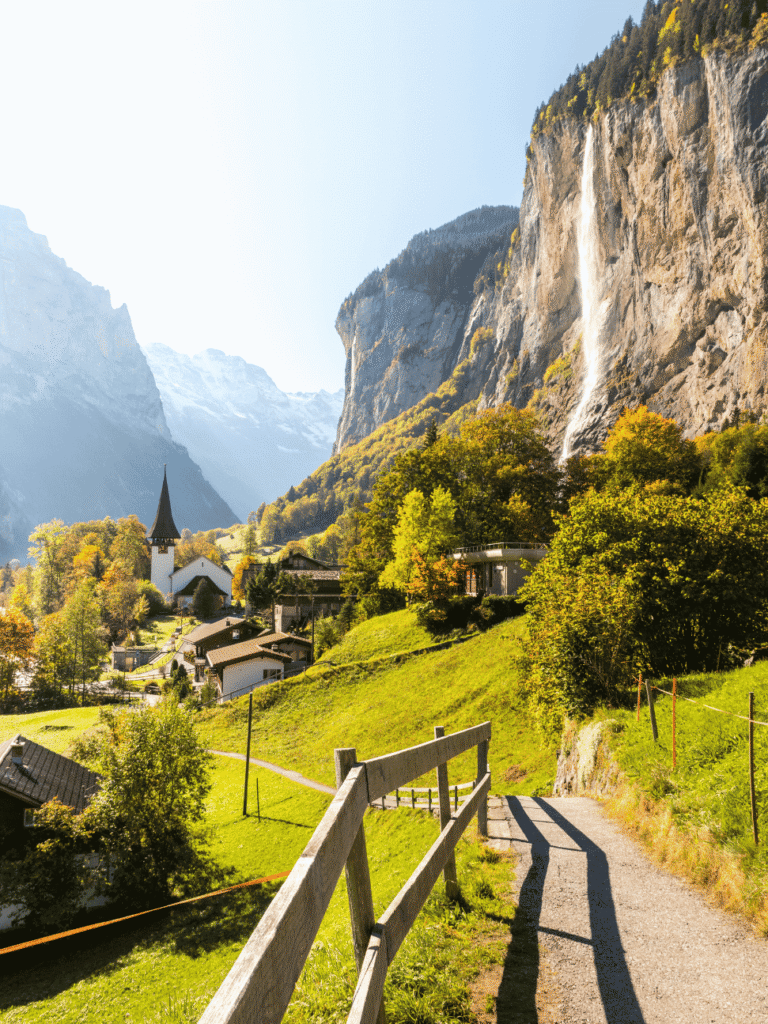
June is when the country finally hits full stride. Days stretch long, the evenings turn warm, and the lakes and waterfalls come alive with snowmelt. The Lauterbrunnen Valley, nicknamed the Valley of 72 Waterfalls, is at its most dramatic as the melt pours off the cliffs.
A June highlight for lower-valley visitors is Trümmelbach Falls in Lauterbrunnen, a set of glacier-fed waterfalls carved inside the mountain, open to visitors roughly April to November and at full roar as the snow melts.
One thing to time: the peak hiking season doesn’t really start until mid-June, when the high-altitude trails and gondolas finally clear of snow. Come in early June, and you’ll still have plenty to do in the lower regions, but check that the specific summit or trail you want is actually open before you build a day around it.
July and August: hot, crowded and priciest
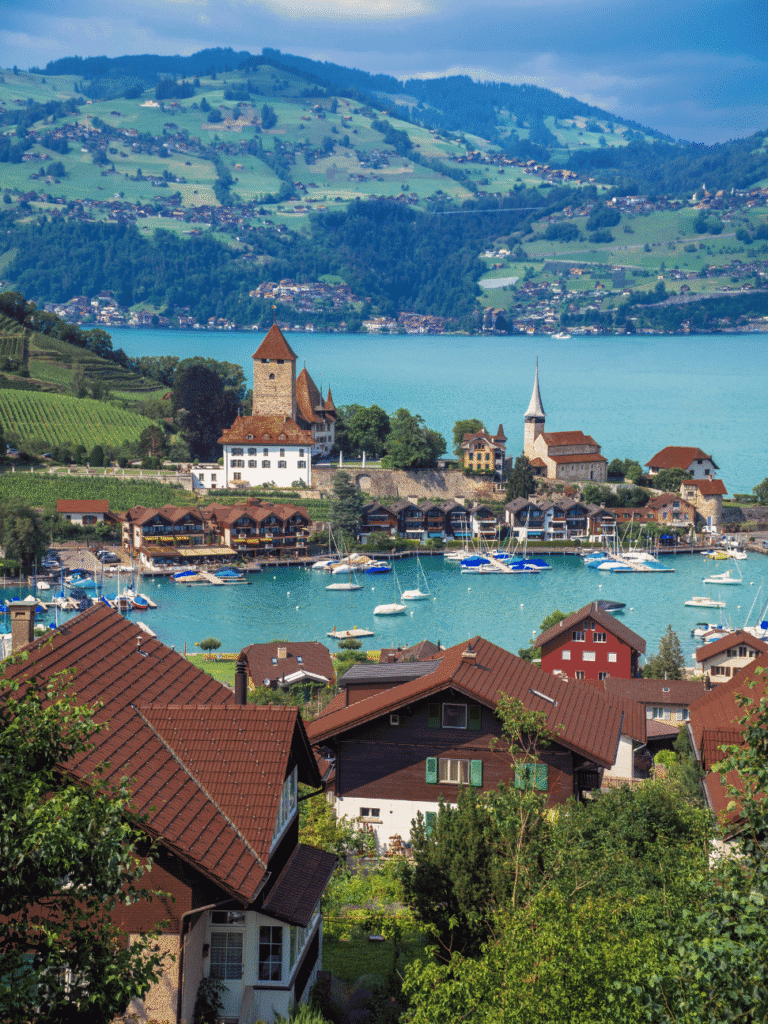
Peak season, in every sense. The weather is at its most reliable, the mountain peaks shed their snow, and the lakes warm up enough to swim, which really only happens in July and August. Lake Thun, Lake Brienz, and Lake Geneva turn into swimming, paddleboarding, and boat-tour playgrounds.
It’s also the busiest and most expensive stretch, especially for hotels, and July is the worst of it for crowds. A quiet local quirk works in your favour, though: the Swiss themselves go on holiday abroad in summer, so the cities can feel calmer than the mountain hotspots.
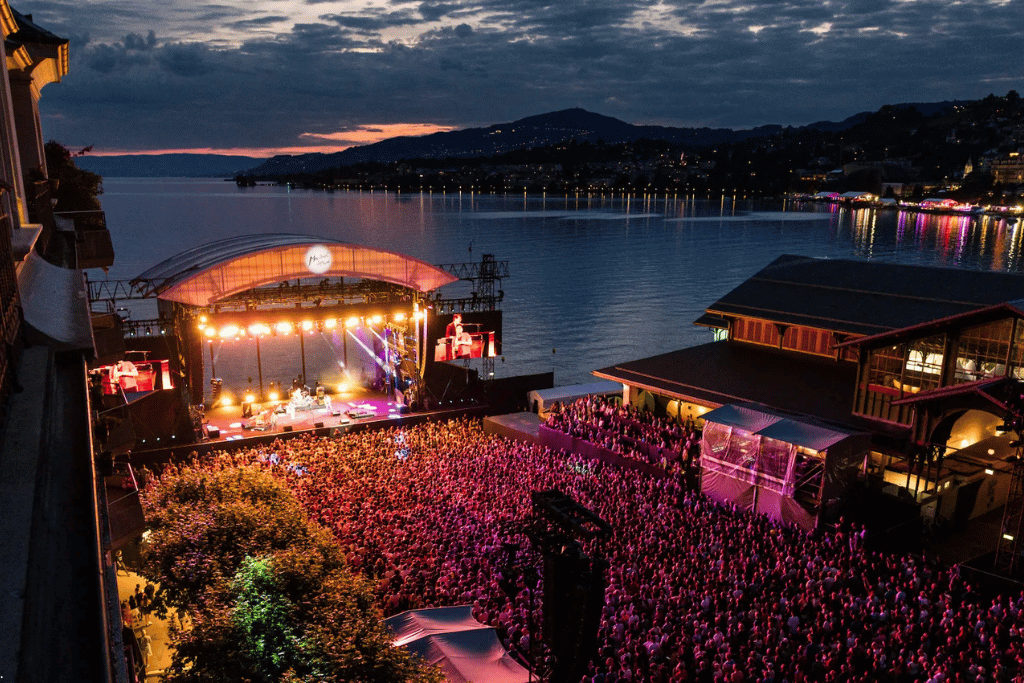
Image Credits: British GQ
Summer is also festival season, headlined by the Montreux Jazz Festival on Lake Geneva in early July. If you can only travel in summer, aim for late August, when the crowds start to thin before the September lull.
September: the locals’ favourite
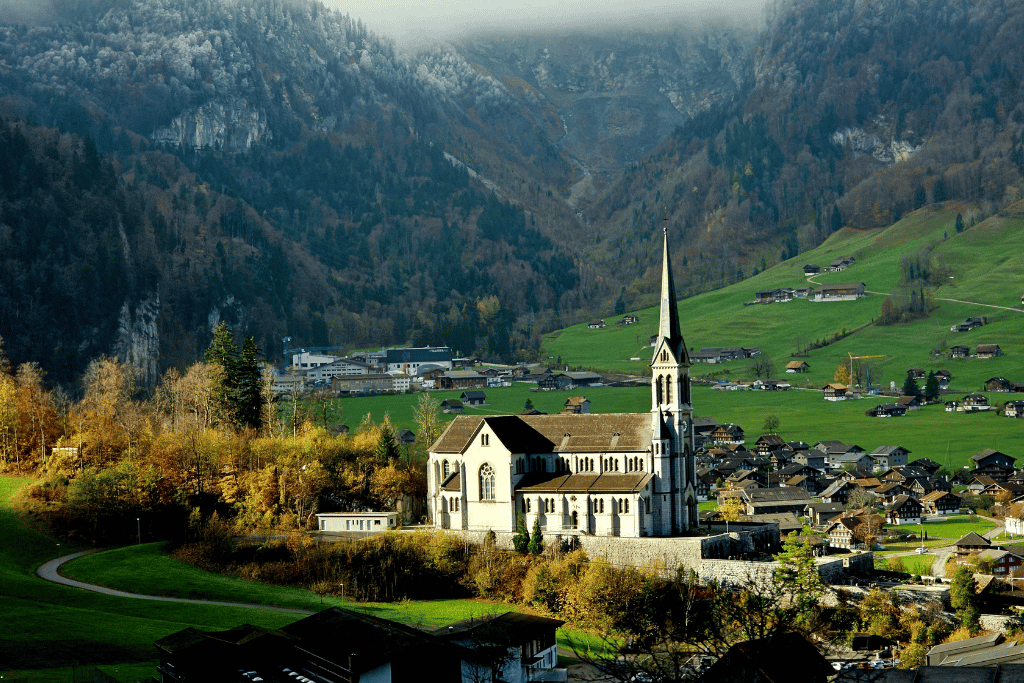
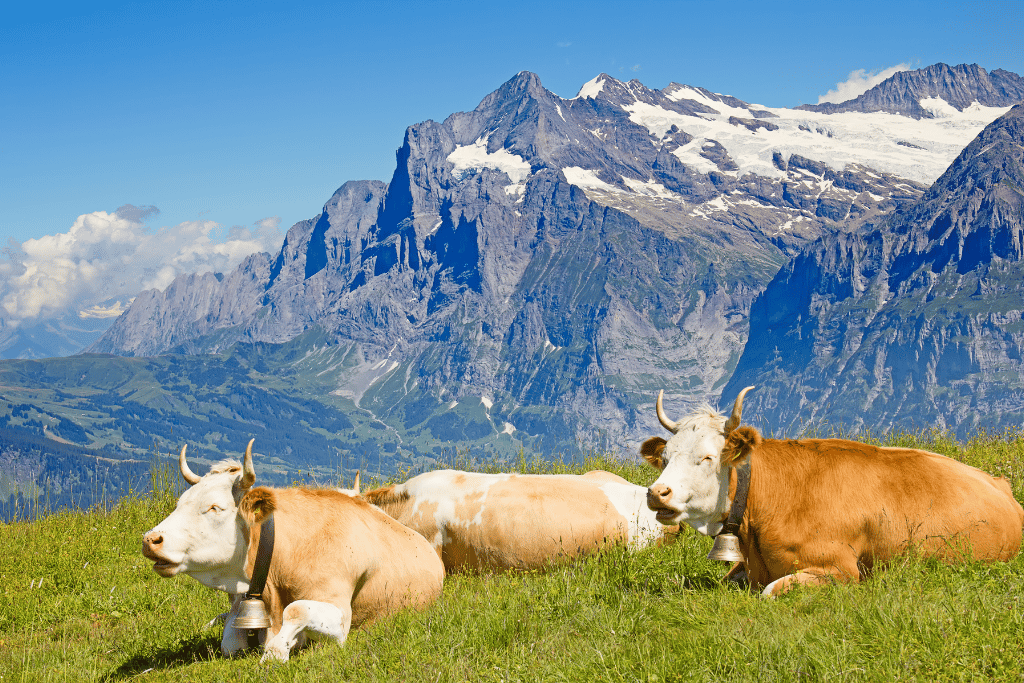
Ask a Swiss local for their pick, and a lot of them say September. The summer heat softens, the crowds thin out, and everything is still open, which is a rare combination. The light turns golden, the first autumn colours creep in, and the mountainsides fill with harvest traditions and cow parades as farmers bring the herds down from the high pastures.
For hiking, views and photography without the July squeeze, this is the window. It’s also a strong shout for honeymooners who want the scenery without the peak-season prices.
October: foliage, then the shutters
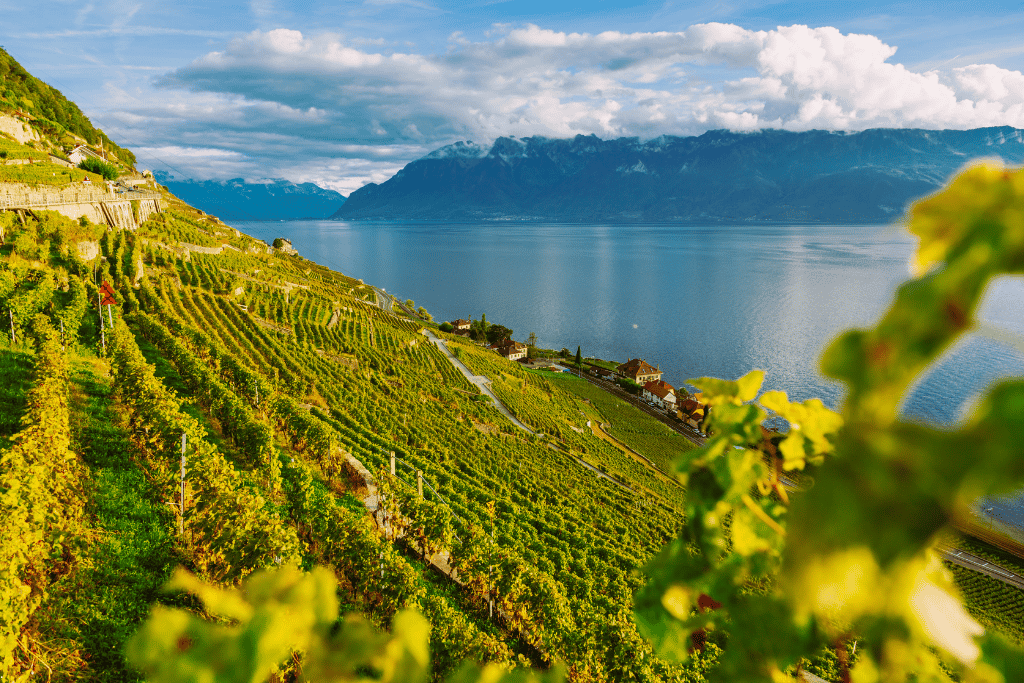
October is autumn at full colour. The vineyard terraces of Lavaux above Lake Geneva glow, and the golden larches of the Engadine Valley are a genuine spectacle against the snow-dusted peaks. Cooler days make for comfortable hiking, and the crowds keep thinning.
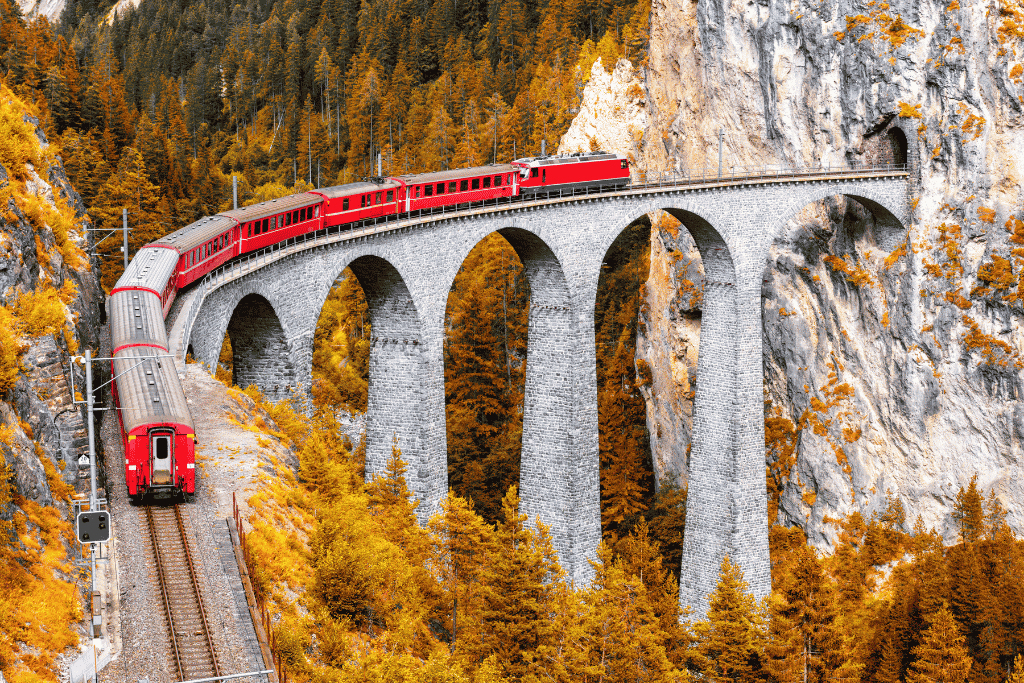
The turn happens mid-month. Around 10 October, the Glacier Express, the famous slow train between Zermatt and St Moritz, stops running for its annual maintenance break and doesn’t return until December. A lot of high-mountain gondolas and hotels wind down around the same time. Come early October for the best of both worlds; come late, and you’re heading into the quiet season.
November: the one month to think twice about
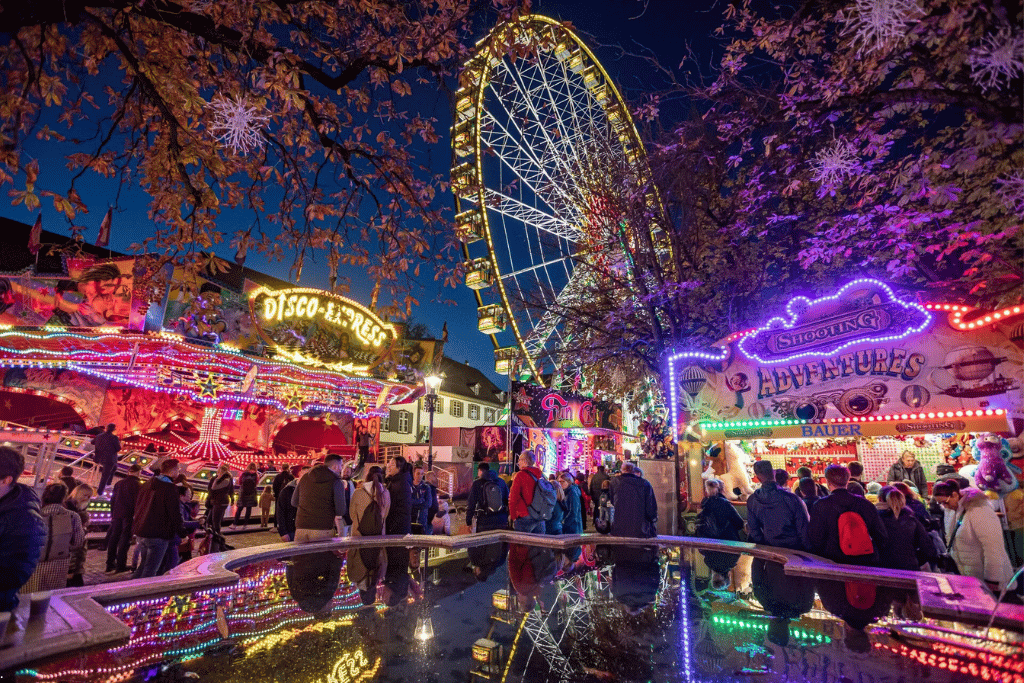
Image Credits: Basel Tourismus
If any month is the worst time to visit, it’s November, and Swiss locals will tell you the same. Autumn is over, the ski season hasn’t started, and it’s the deepest point of the maintenance lull. Cable cars sit idle for weeks, mountain hotels are shut, and the weather is grey and wet. For a mountains-first trip, skip it.
There’s one honest exception. November is superb for eating. It’s game and venison season, the hearty autumn food the Swiss do well, and traditional food fairs run across the country. Basel’s Herbstmesse, the centuries-old autumn fair, is a real reason to be in a “bad” month.
December: Christmas markets and first snow
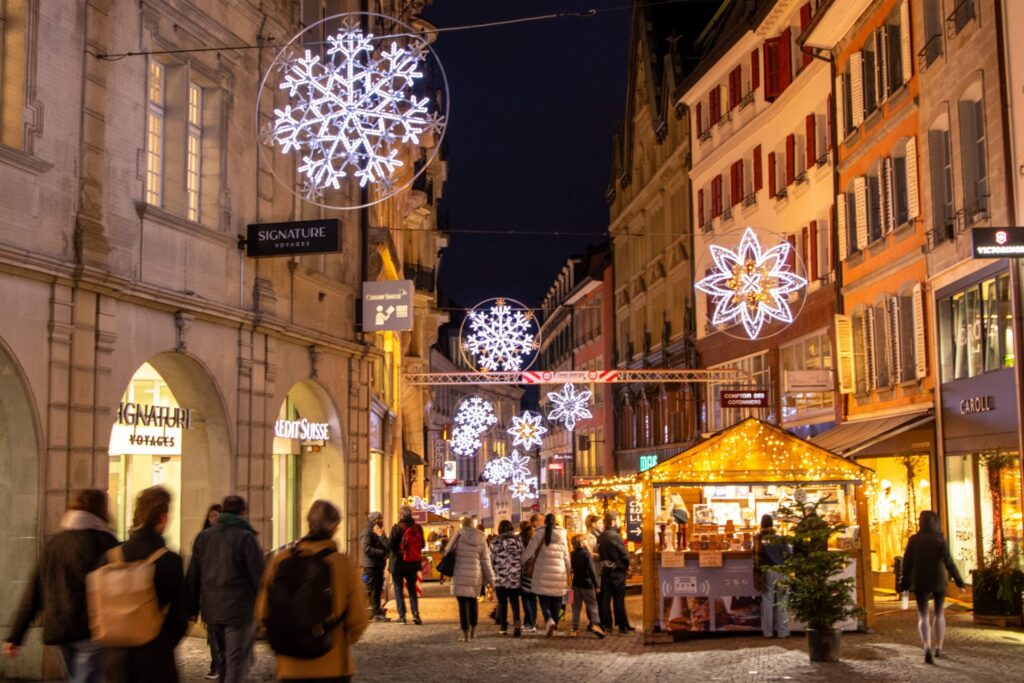
Image Credits: Lusanne Tourisme
December splits in two. Early in the month, the Christmas markets open and the cities glow. Switzerland is quietly brilliant at these, and they’re more varied than people expect: traditional stalls in Basel and Zurich, modern light installations in Lausanne, and a lakeside market in Montreux. Zurich’s market inside the main train station is a sight in itself.
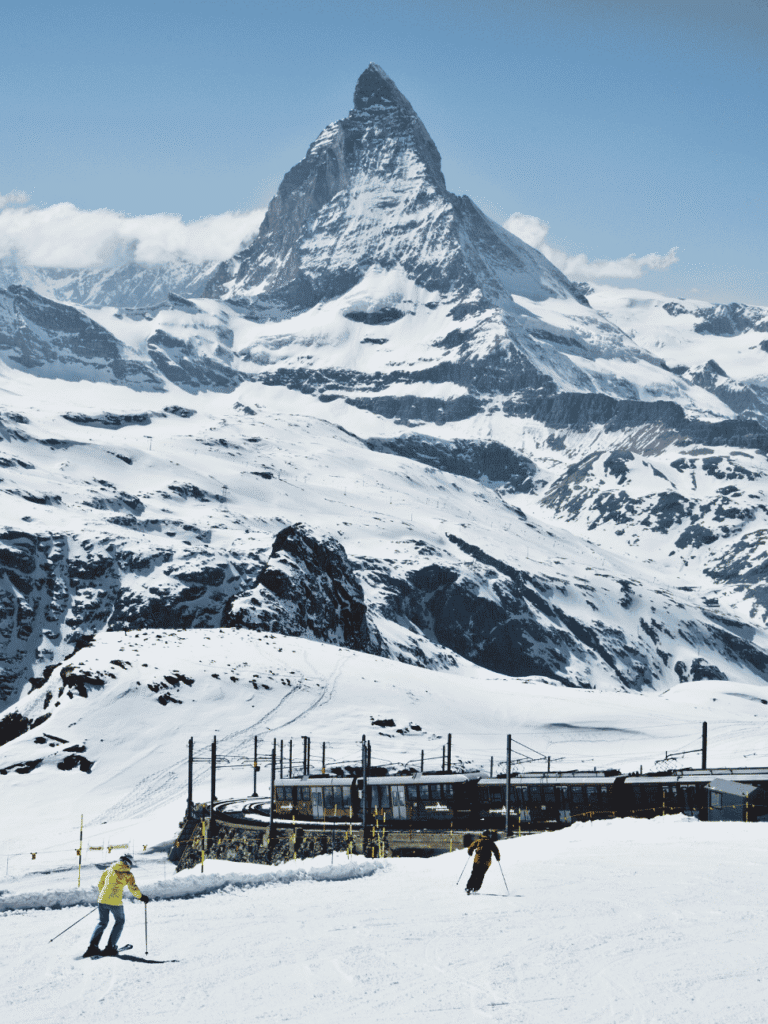
Then the mountains take over. Real snow tends to arrive at the lower resort levels from December, and the week between Christmas and New Year is the one time Swiss families head to the slopes en masse. It’s the liveliest week of the ski season and the most expensive, so book early if those are your dates.
📖 Related Guide: Comparing seasons across another favourite? Our best time to visit Taiwan guide does the same month-by-month breakdown for a nearer trip.
What’s the Cheapest Time to Visit Switzerland?
The cheapest time to visit Switzerland is the shoulder season: roughly April to May and late September to early November, avoiding Easter and the Christmas-to-New-Year peak. Hotel rates in the resort towns drop hard once the ski or summer crowds leave, and you’re not fighting anyone for a table or a cable car.
Two Singapore-specific traps to sidestep. The June and December school holidays both land squarely in Swiss peak pricing, so if you’re tied to them, book months ahead and expect to pay for it. And Switzerland is expensive at the best of times, so where you save real money is less about the month and more about how you handle the everyday costs once you land.
Two things bite harder than the season. The first is the tourist tax (the Kurtaxe), charged per person per night on top of your room and usually paid in person on arrival. It typically runs from around 2 CHF up to 7 CHF (~S$3 to S$11) a night depending on the town, so a week for two adds up quietly. The upside: paying it often gets you a guest card, which many towns bundle with free local public transport and discounts for the length of your stay, even on a one-night booking.

Image Credits: Rappn
The second is food. Eating out in Switzerland is eye-watering, and the biggest budget hack locals swear by is shopping the supermarkets. The cheapest are the German discounters Lidl, Aldi and Denner, then Migros with its green M-Budget range, with Coop the priciest of the big chains. For a cheap lunch, look for Äss-Bar, a small chain that sells day-old bakery goods at a fraction of the usual price.
Then there’s the exchange rate, which quietly decides how good your “cheap” trip really is. Switzerland runs on the Swiss franc, not the euro, and it’s one of the currencies you can hold and lock in your YouTrip wallet. Top up when the SGD to CHF rate looks good, lock it in, and settle your Swiss spending at that rate later with no foreign transaction fee. Set a strong rate ahead of time, and the budget you planned is the budget you actually pay.
📖 Related Guide: Want to time your conversion right? Our guide to getting the best exchange rate in Singapore covers when and how to convert before you fly.
When Is the Worst Time to Visit Switzerland?
The worst time to visit Switzerland is November, closely followed by April for a mountains-first trip. Both fall in the maintenance lulls between seasons, and both can leave you staring at a closed gondola you flew across the world to ride.
This is the detail that catches first-timers out. Swiss mountain infrastructure runs on two shutdown windows: roughly April to early May, and November into early December. During these revision periods, cable cars and mountain railways close for servicing, sometimes for two or three weeks at a stretch, and higher-altitude hotels shut with them.
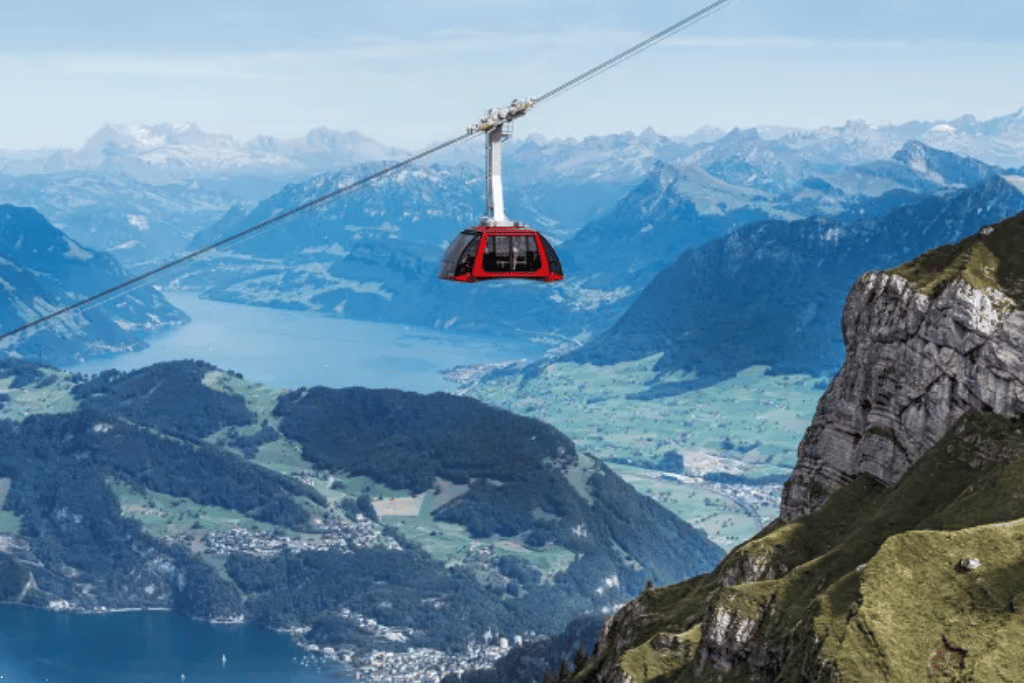
A concrete example locals point to is the Pilatus Golden Round Trip near Lucerne. It’s the classic circuit combining a lake boat, the world’s steepest cogwheel railway and a cable car. It only runs in full during summer. Come in winter, and the boat and the cog railway are out; you’re left with the cable-car section alone.
The Glacier Express follows the same logic, sitting idle from mid-October to December. If a specific mountain experience is the reason for your trip, check its season before you book anything else.
One more habit worth picking up, even in peak season: a summit can be buried in cloud on an otherwise clear day. Many of the bigger Swiss mountains have a live webcam at the top, so check it before you pay for a cable car up to a view you might not get.
📖 Related Guide: Looking for a shoulder-season trip where the timing actually pays off? Our best time to visit Macau guide breaks down where the quiet months are worth it.
Best Time to Visit Switzerland for Each Experience
There’s no single best month, because the answer changes with what you want to do. Match the window to your priority:
| You’ve come for | Best window | Why |
|---|---|---|
| Skiing and snow | December to March, peak January | Deepest snow, and January has the shortest queues |
| Christmas markets | December | Basel, Zurich, Lausanne and Montreux all light up |
| Wildflowers and blossoms | Late April to May | Narcissus above Montreux, alpine meadows |
| Waterfalls | May to June | Snowmelt at full force in Lauterbrunnen |
| Alpine hiking | Mid-June to September | High trails and gondolas finally open |
| Lake swimming | July to August | The only months the water is warm enough |
| Autumn foliage | October | Lavaux vineyards and Engadine larches turn gold |
| Fewest crowds, all open | September | The locals’ pick: warm, quiet, everything running |
Snow and flowers sit at opposite ends of the calendar, so you can’t have both in one trip. Decide which one you’d travel for, build around that, and treat the rest as a bonus.
📖 Related Guide: Chasing alpine scenery and dramatic peaks? Our Dolomites travel guide covers Italy’s answer to the Swiss Alps, an easy add-on to a Switzerland trip.
How Many Days Do You Need in Switzerland?
For a first trip, 10 to 14 days covers the full loop, and 5 to 7 days is enough to do one region properly. Switzerland is small, but the mountains make travel slow, and doubling back eats time, so most people either commit to one base or move steadily from one end of the country to the other.
For a Singapore traveller, the flight maths matters. Singapore Airlines flies direct to Zurich in around 13 hours, so a short trip is mostly transit. A five-day dash gives you maybe three real days on the ground after jet lag and transfers. If you can only spare a week, pick one region, base yourself there, and go deep instead of racing a checklist.
Since you’re already flying 13 hours, this is also where pairing pays off. Zurich and Geneva sit on the borders with Italy, France and Germany, so many travellers bolt on a neighbouring country. With 10 to 14 days you can comfortably split the trip, as long as the seasons line up.
📖 Related Guide: Budgeting the neighbouring legs of a Europe trip? Our SGD to EUR rate guide covers the rate and the smartest way to convert for the euro-zone stops.
Where to Go in Switzerland for First-Timers
First-timers usually build around three regions: the Jungfrau, Lucerne and Zermatt, plus a city or two for the arrival and departure days. Here’s how they fit together and when each is at its best.
Jungfrau Region
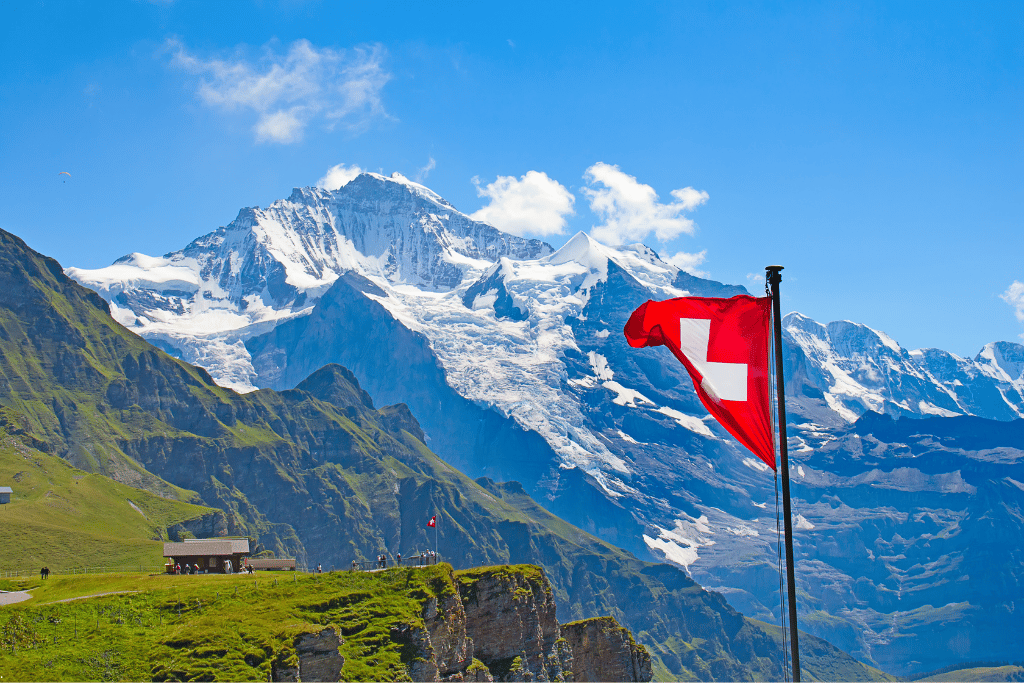
This is the Switzerland most people picture: sheer valleys, cliff-top villages and railways climbing into the snow. Base yourself in or near Interlaken, then explore out to car-free Mürren and Wengen, the waterfall village of Lauterbrunnen, and glacier-side Grindelwald. Higher up, the Jungfraujoch railway tops out at Europe’s highest station, snow-covered even in summer.
The region has a vast network of hiking trails, but remember the high ones only open around mid-June. Come outside summer and you can still ride the railways and walk the valleys; you just won’t get the high-alpine routes. Best for first-timers who want the postcard Alpine views with the easiest logistics.
Lucerne and Mount Pilatus
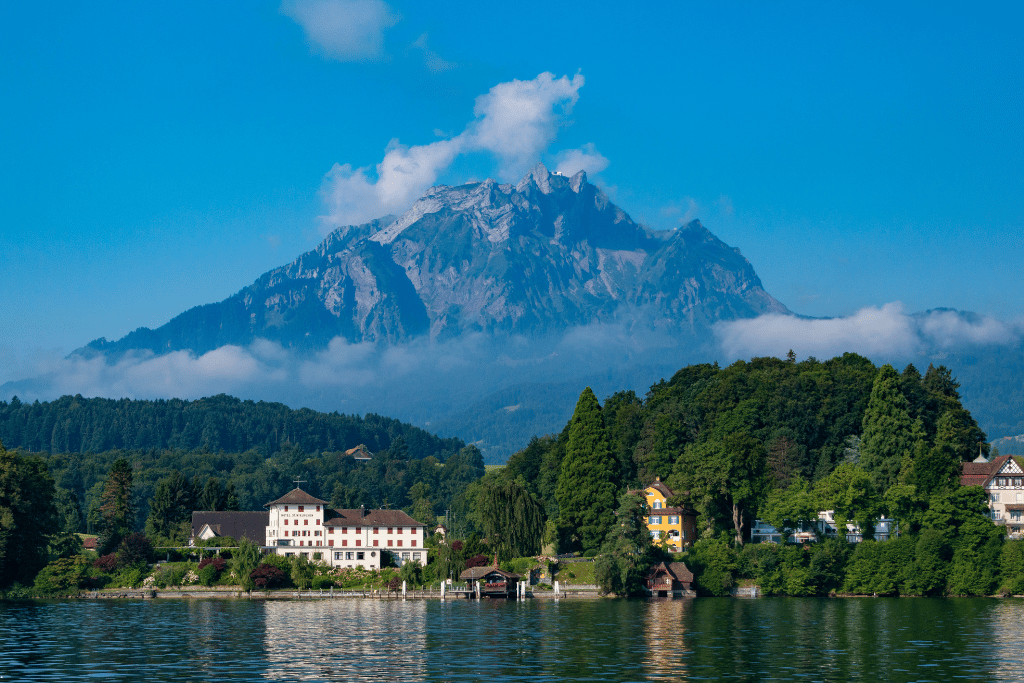
Lucerne is the gentle introduction: a compact lakeside old town with the 14th-century Chapel Bridge, the Lion Monument carved into the rock, and the Reuss River running through the middle. It’s walkable, relaxed and an easy first or last stop.
Rising above it is Mount Pilatus, reached by the Golden Round Trip in summer or the cable car year-round. For the famous shot of the mountain over the rooftops without the Chapel Bridge crowds, locals head to the Dietschiberg viewpoint instead. Best for an easy-paced first couple of days before you head into the high mountains.
Zermatt and the Matterhorn
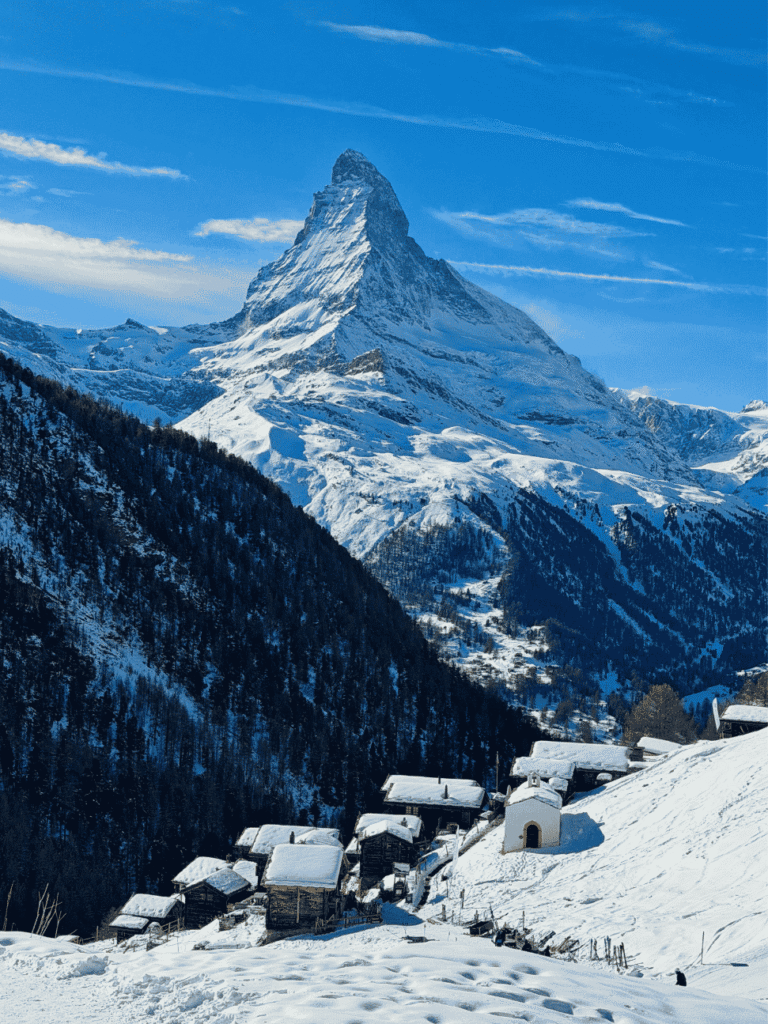
Zermatt is the car-free resort village at the foot of the Matterhorn, the pyramid peak on every chocolate box. It sits tucked away in the south, closer to Italy than to anywhere else in Switzerland, so you arrive by train. It’s a splurge, but the mountain earns it.
Skiers stay as long as the snow lasts; everyone else needs one or two nights to ride up to the viewing decks and walk the lower trails. Best for the trophy mountain view, and anyone continuing over the border into Italy.
The Cities: Zurich, Geneva, Bern and Basel
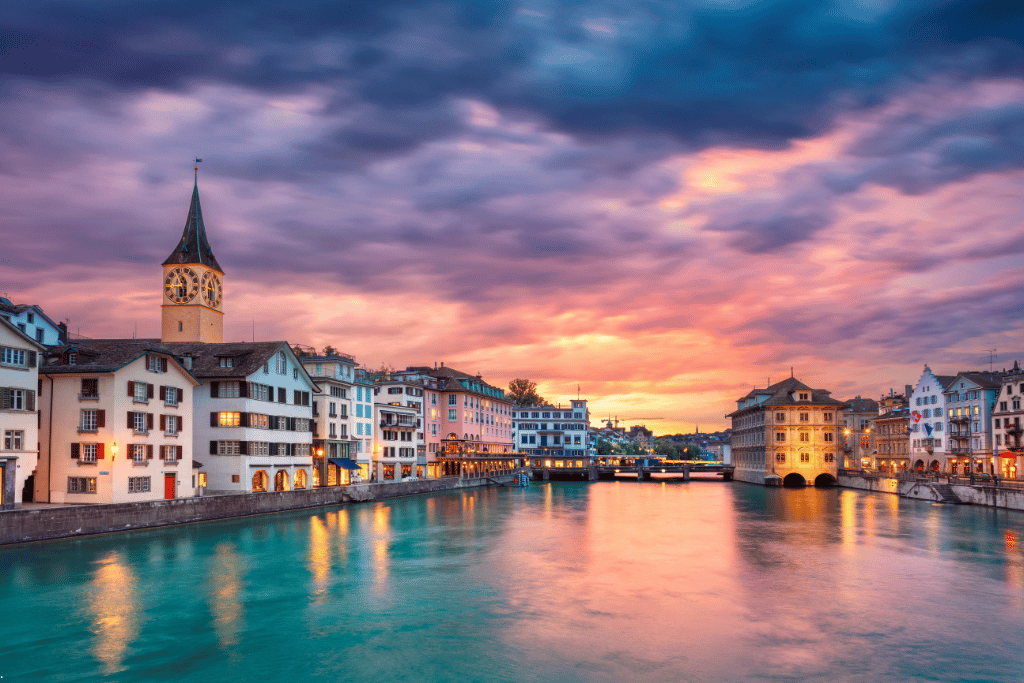
You’ll likely land in Zurich or Geneva, the two big international gateways. Both are worth a day, no more, before you head for the mountains. Bern, the capital, has a UNESCO-listed medieval old town you can walk in a few hours and sits neatly between the two on the train. Basel, up on the German and French border, is the culture stop, home to around 40 museums.
For cheaper beds near the action, skip pricey Interlaken itself and stay in its quieter neighbours Matten or Unterseen, or a few train minutes out in lakeside Brienz and Oberried am Brienzersee, where holiday apartments cost a fraction of the resort rate.
📖 Related Guide: Planning to cross into Italy from Zermatt? Our Italy ATM withdrawal guide covers getting euros without the tourist-ATM fees.
What It Costs and How to Pay in Switzerland
Switzerland is one of the most expensive countries you’ll ever visit, so the smart move is knowing where the money goes before you land. The big line items beyond hotels and food are transport, the tourist tax, and the passes that can save or waste real money.
On transport, trains are superb and expensive, which is why most visitors buy a rail pass. The Swiss Half Fare Card costs 150 CHF (~S$240) for a month and cuts nearly every train, bus, boat and most mountain railways to half price. The Swiss Travel Pass bundles unlimited transport with attraction discounts, and makes sense only on a fast-paced trip with lots of daily travel. Do the maths against your actual route before buying.
If you’re renting a car instead, you’ll need the motorway vignette, a 40 CHF (~S$64) pass sold as a windscreen sticker or a digital e-vignette. There’s no day or week option, so even a short drive costs the full annual price.
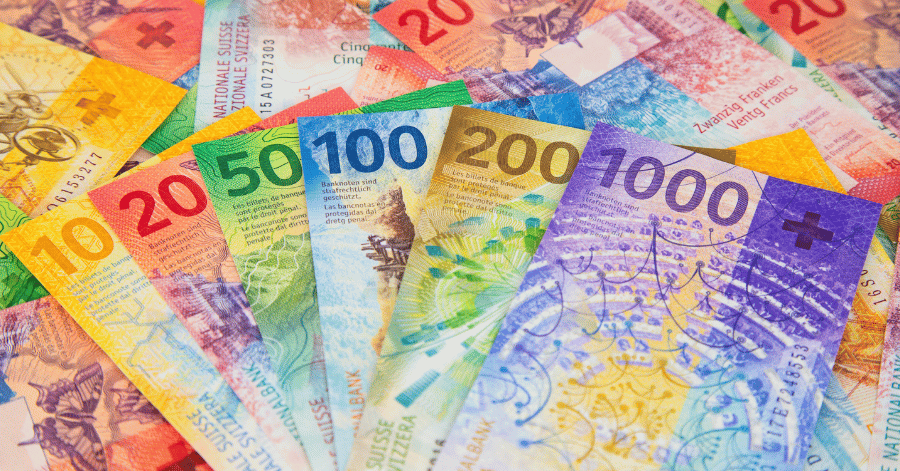
Now the part that quietly adds up: how you pay. A few Swiss realities to plan around.
- It’s not on the euro. Switzerland uses the Swiss franc, so euro-zone cash and roaming plans don’t carry over.
- Rural Switzerland runs on cash. Cards are widely accepted in cities, but smaller and remote spots are often cash-only, partly to dodge card fees.
- TWINT is closed to visitors. The local mobile-payment app needs a Swiss bank account to set up, so tourists can’t use it.
- Amex is patchy. Mastercard and Visa are accepted almost everywhere; American Express far less so.
That mix makes the practical setup a multi-currency card plus a bit of local cash. The YouTrip card runs on Mastercard, so it’s accepted just about everywhere, with no foreign transaction fee on your spending and the franc locked in your wallet if you topped up ahead of a good rate.
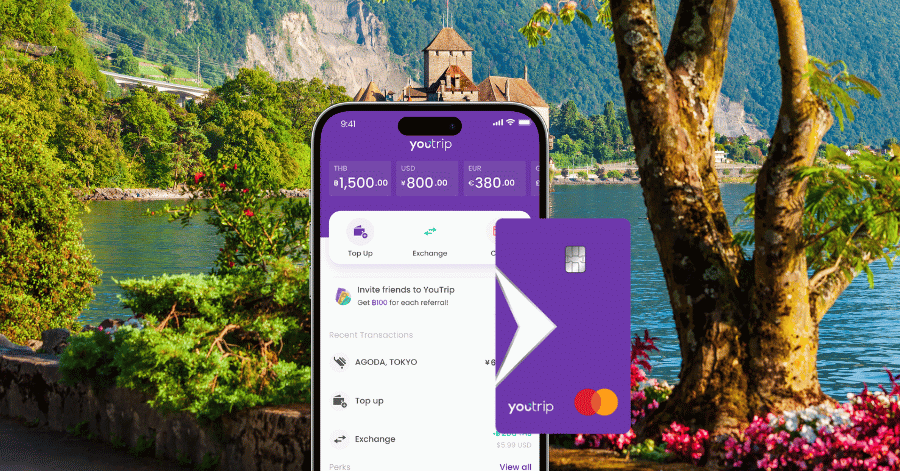
For the cash you’ll need in the cash-only spots, withdraw francs from an ATM once you land rather than changing money before you fly. With YouTrip, the first S$400 you withdraw from overseas ATMs each calendar month is free, then a flat 2% after that, drawn at the wholesale rate instead of a money changer’s marked-up one. A money changer doesn’t charge a visible fee; it bakes a markup of a few percent into the rate, wider on less-common currencies. The wholesale rate skips that.
Keep a roll of coins on you too, since parking meters and public toilets often want them.
📖 Related Guide: Not sure which card to travel with? Our best multi-currency cards in Singapore guide compares the top options for overseas spending.
FAQs
It’s not a tourist rule, despite how often it comes up in trip searches. The 8-day rule is a labour-law requirement: foreign companies posting workers to Switzerland must notify the authorities at least eight days before the job starts. It has nothing to do with holidays. As a Singapore passport holder, you travel to Switzerland visa-free under Schengen rules, for stays of up to 90 days in any 180-day period.
You need Swiss francs. Switzerland isn’t in the eurozone, so while a handful of tourist spots near the border may accept euros, they’ll give you a poor rate and hand back change in francs. Pay by card where you can, and carry a little franc cash for the cash-only spots. If your trip also loops through the UK, note that’s another non-euro country, so check our UK ATM withdrawal guide for that leg.
Only if you’re travelling a lot. It bundles unlimited transport and attraction discounts, so it pays off on fast trips with daily train journeys and several paid sights. If you’re basing yourself in one region and moving less, the Half Fare Card, which just halves each ticket, usually works out cheaper. Add up your planned routes and compare before you buy.
June to September for the scenic routes, since that’s when the panoramic trains run their full summer service, and the mountain scenery is greenest. If the Glacier Express is on your list, note it stops from mid-October to early December for maintenance, so avoid that window.
Yes, and many Singapore travellers do, since you’re already flying long-haul. Zurich and Geneva sit close to the borders, and fast trains cross into Italy, France and Germany. The trick is matching seasons: pair a summer Switzerland trip with destinations that are also good in summer, so neither leg is a washout.
Ready When You Are
Come in late May, June or September for the all-rounder trip, January if you’re here to ski, and December if it’s the Christmas markets you want. Whatever you pick, check that the specific cable car, train or trail you’re flying for is actually open that month, because in Switzerland the calendar decides that as much as the weather does.
Wherever you land, spending smart abroad starts before you fly. With YouTrip, you can hold and lock in Swiss francs ahead of your trip, spend with no foreign transaction fees in 150+ currencies, and skip the marked-up rates that quietly inflate an already pricey holiday.
Not a YouTrooper yet? Sign up for YouTrip and use promo code YTBLOG5 for S$5 in your wallet to start. Then check out the YouTrip Perks page for the latest travel deals, and join the community on Telegram for rate alerts and giveaways.
For deeper detail before you go, see our France ATM withdrawal guide and, if Germany’s on the itinerary, our Germany ATM withdrawal guide.