



Milan is more than a shopping stopover, so give it two full days
Plenty of travellers treat Milan as a transit hub and leave after the Duomo. That sells the city short. Beyond the fashion and the finance sits a Gothic cathedral you can walk on top of, a da Vinci masterpiece, canal-side aperitivo, and some of the best day trips in northern Italy. Here’s how to spend your time.
| Quick facts | Details |
|---|---|
| How long to stay | 2 full days for the city; 3–4 with day trips |
| Getting there from the airport | Malpensa Express train, ~50 min, 15 EUR (~S$22) |
| Getting around | Walk the centre; metro + tram day pass 7.60 EUR (~S$11) |
| Best time to visit | April–May or September–October (mild, fewer crowds) |
| Don’t-miss | Duomo rooftop, the Last Supper, Navigli at sunset |
| Paying | Tap the YouTrip card everywhere; carry a little euro cash |
The Milan Shortlist at a Glance
Short on time? These are the sights worth booking before you land, and roughly what each costs and takes.
| Sight | Best for | Cost | Time needed |
|---|---|---|---|
| Duomo + rooftop | The city’s defining view | 22 EUR (~S$32) combo | 1.5–2 hours |
| The Last Supper | Once-in-a-lifetime art | 15 EUR (~S$22) | 30 min (book months ahead) |
| Galleria Vittorio Emanuele II | Architecture + people-watching | Free | 30–45 min |
| Castello Sforzesco | History + free grounds | Free grounds / 5 EUR (~S$7) museums | 1–2 hours |
| Pinacoteca di Brera | Old Masters | 20 EUR (~S$29) | 2 hours |
| Navigli district | Aperitivo + nightlife | Cost of a drink | An evening |
| Lake Como day trip | Escaping the city | ~10 EUR (~S$15) train each way | Full day |
Table of Contents
- The Milan Icons You Can’t Skip
- Neighbourhoods Worth Wandering
- Art, History and Quieter Corners
- What to Eat in Milan
- Milan After Dark
- Where to Shop in Milan
- Best Day Trips From Milan
- Cheap and Free Things to Do
- Getting Around Milan
- When to Visit Milan
- Paying in Milan: Cash, Cards and YouTrip
- FAQs
The Milan Icons You Can’t Skip
Start with the big-hitters. They sit within walking distance of each other in the historic centre, so a well-planned first day covers most of them on foot.
Got just one day? Hit the Duomo and its rooftop first thing, then the Galleria, Castello Sforzesco and Parco Sempione through the afternoon, and finish with aperitivo on the Navigli. Book the Last Supper well ahead or save it for a longer trip.
Duomo di Milano
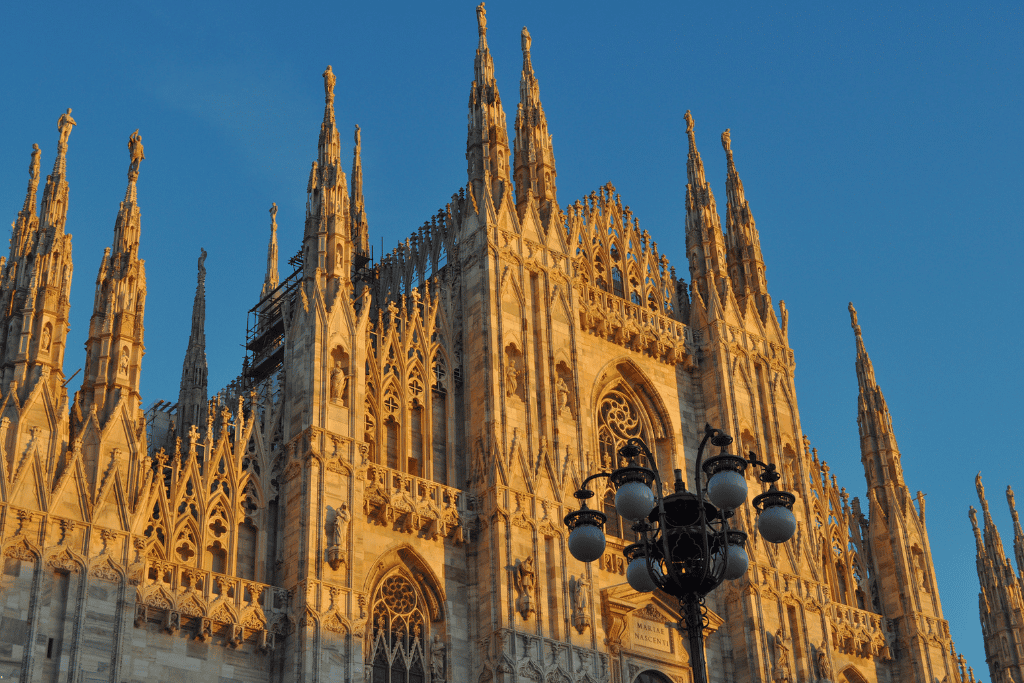
The Duomo is Italy’s largest cathedral and Milan’s one unmissable sight, and the real payoff is the rooftop. You climb among 135 marble spires and more than 3,400 statues, with the city and, on a clear day, the Alps spread out below.
Buy the combo ticket that includes the cathedral, museum, and rooftop terraces. It costs 22 EUR (~S$32) by stairs or 26 EUR (~S$38) with the lift. If the stairs aren’t for you, the lift is worth it for a second reason: you land on a first stretch of roof most stair-climbers never reach, so it’s calmer for photos before the crowd catches up.
Go early or late to dodge the midday queue, and book your slot online rather than turning up. Even a half-day layover should make room for it.
- 📍 Piazza del Duomo
- 🕘 Daily, roughly 9 AM–7 PM
- 💰 Rooftop combo from 22 EUR (~S$32)
Galleria Vittorio Emanuele II
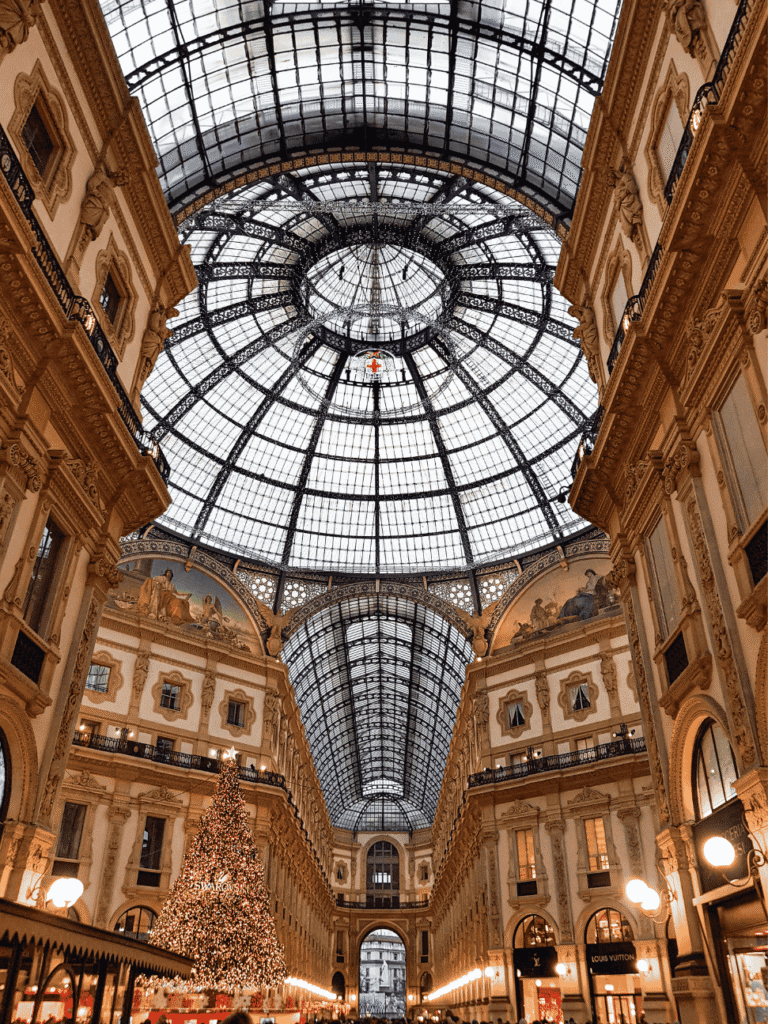
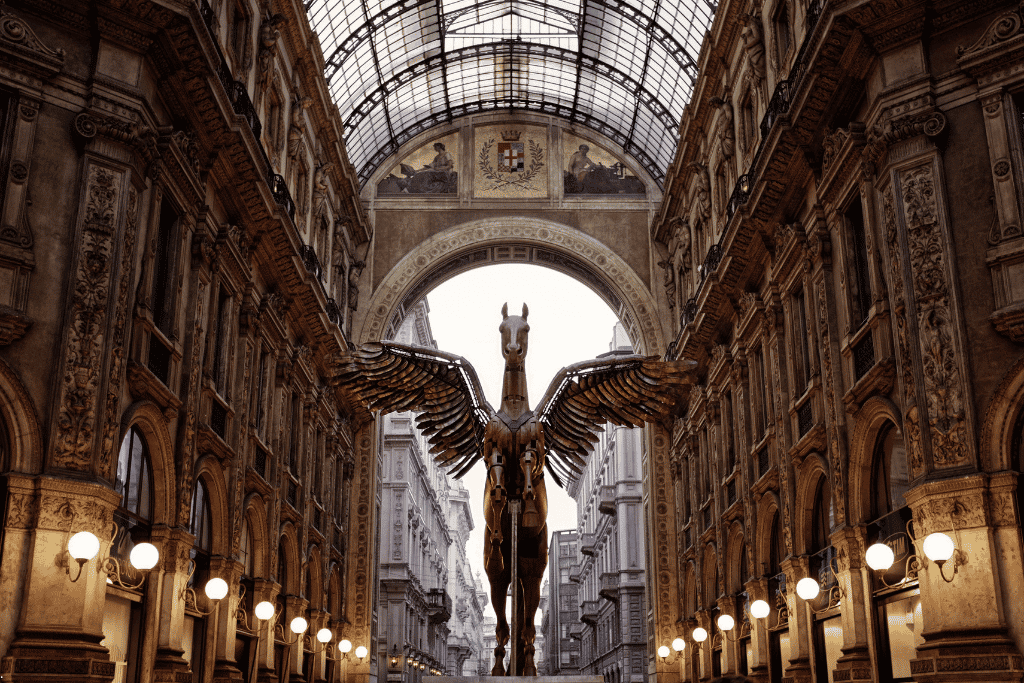
Next door to the Duomo, this glass-domed arcade from 1877 is Italy’s oldest active shopping gallery and free to walk through. Mosaic floors, four-storey marble, and flagship Prada and Louis Vuitton stores under a soaring iron-and-glass roof.
The tradition here: find the bull mosaic on the floor and spin on your heel for good luck. Prices inside the arcade’s cafés are aimed squarely at tourists, so admire the architecture, then eat elsewhere. A quick, camera-ready stop between the Duomo and La Scala.
- 📍 Piazza del Duomo to Piazza della Scala
- 🕘 Open daily
- 💰 Free
The Last Supper (Il Cenacolo)
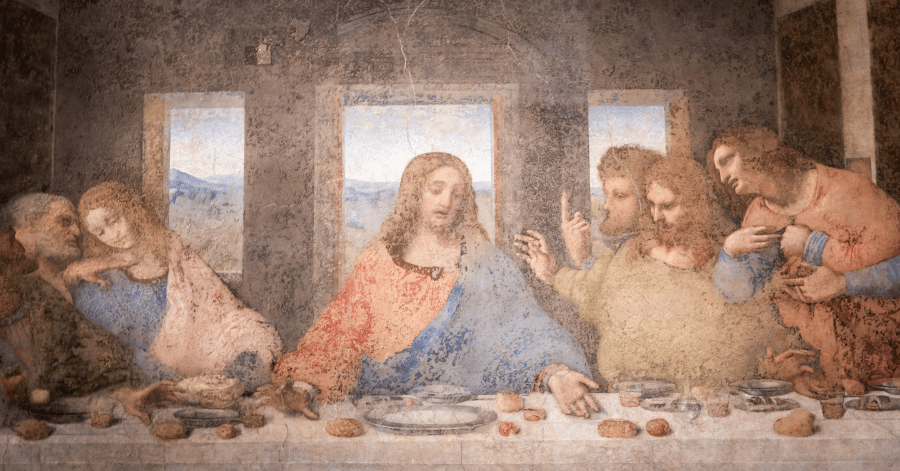
Leonardo da Vinci’s mural sits in the refectory of Santa Maria delle Grazie, and seeing it in person is the single most memorable thing you can do in Milan. The catch is access: only 40 people enter every 15 minutes, so tickets are the hardest to get in the city.
Book the moment your dates open. Tickets release quarterly, roughly three months ahead, and standard entry costs from around 15 EUR (~S$22). If they’ve sold out, a guided tour that bundles the reservation is your fallback. Bring a government ID; each ticket is timed to a specific slot.
Best for art lovers who plan ahead. Skip it only if you can’t secure a ticket. Turning up without one gets you nowhere.
- 📍 Piazza di Santa Maria delle Grazie
- 🕘 Tuesday–Sunday, timed entry
- 💰 From 15 EUR (~S$22)
Castello Sforzesco and Parco Sempione
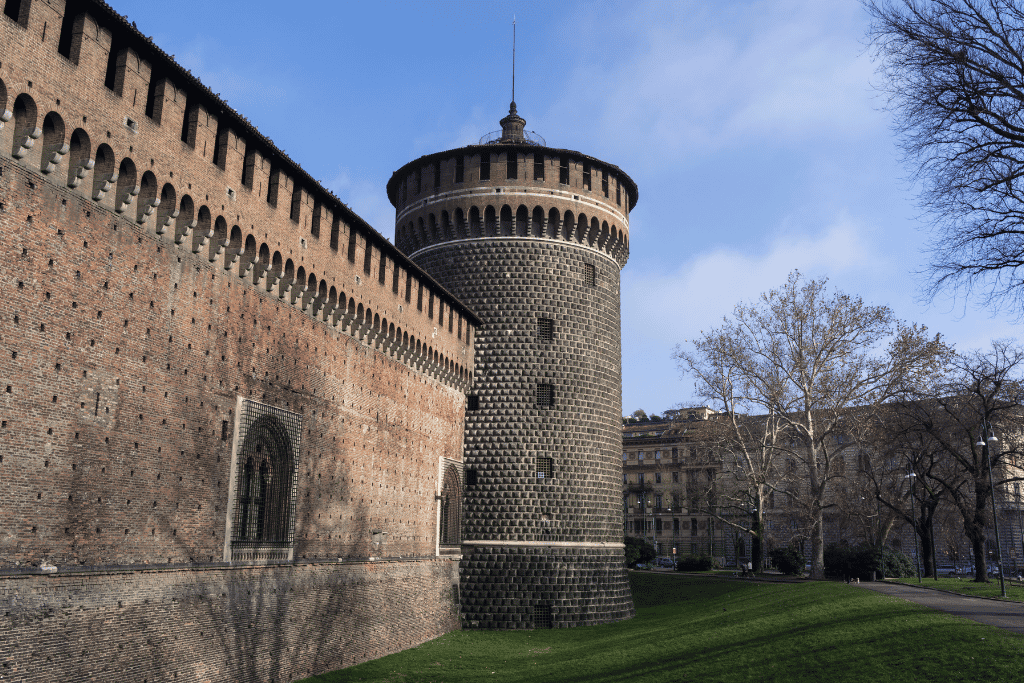
This 15th-century fortress anchors the western edge of the centre, and you can enjoy most of it for free. The vast courtyards are open to walk through daily, and behind the castle stretches Parco Sempione, Milan’s central park.
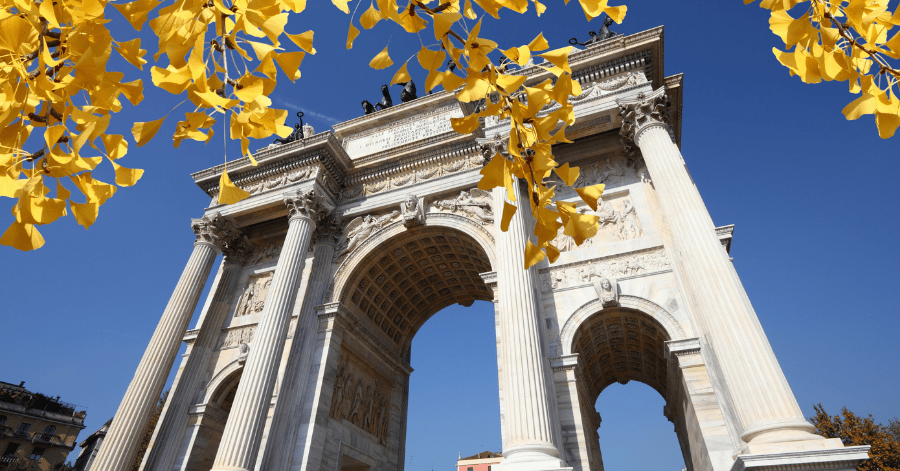
Pay the 5 EUR (~S$7) museum ticket only if you want to go inside, where the collection includes Michelangelo’s unfinished Pietà Rondanini. Through the park you’ll reach the Arco della Pace and the Branca Tower, a 1933 steel tower with a lift to the city’s highest public viewpoint for about 9 EUR (~S$13).
It’s history without a big bill, plus a green break from the pavement.
- 📍 Piazza Castello
- 🕘 Grounds daily 7 AM–7:30 PM; museums Tuesday–Sunday
- 💰 Grounds free; museums 5 EUR (~S$7)
Palazzo Reale
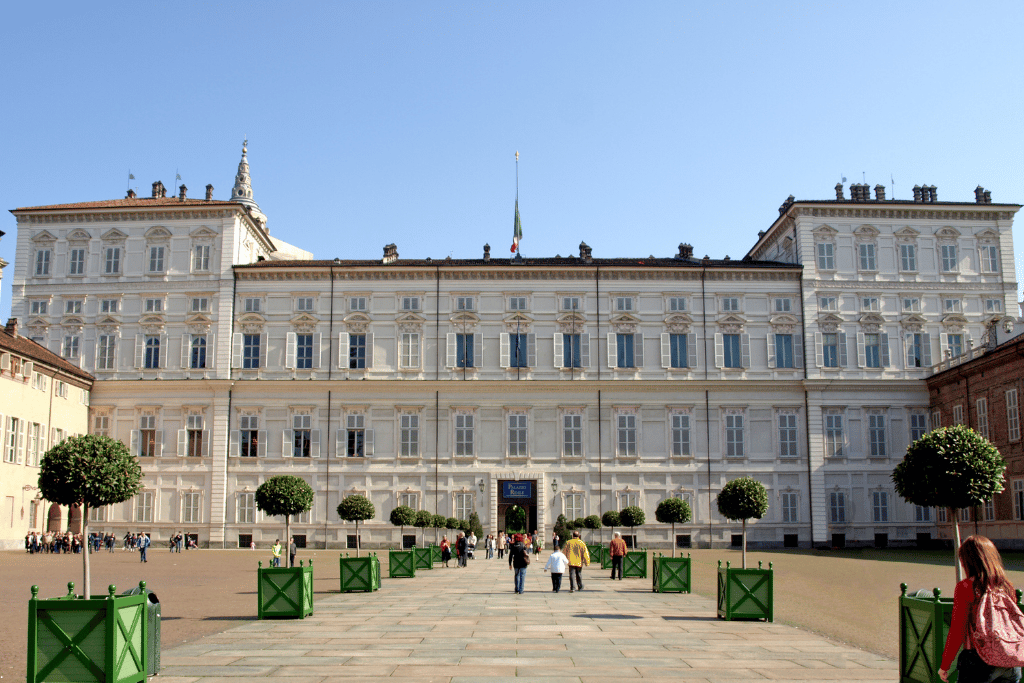
The Royal Palace sits right beside the Duomo, and most tourists walk straight past it. Once the seat of Milan’s government, it’s now the city’s busiest exhibition venue, rotating major art shows through its grand halls year-round.
Check what’s on before you go, since the draw is the temporary exhibition rather than a fixed collection. An easy extra stop for art lovers already at the Duomo, no walking required.
- 📍 Piazza del Duomo 12
- 🕘 Tuesday–Sunday
- 💰 Varies by exhibition, around 15 EUR (~S$22)
Teatro alla Scala
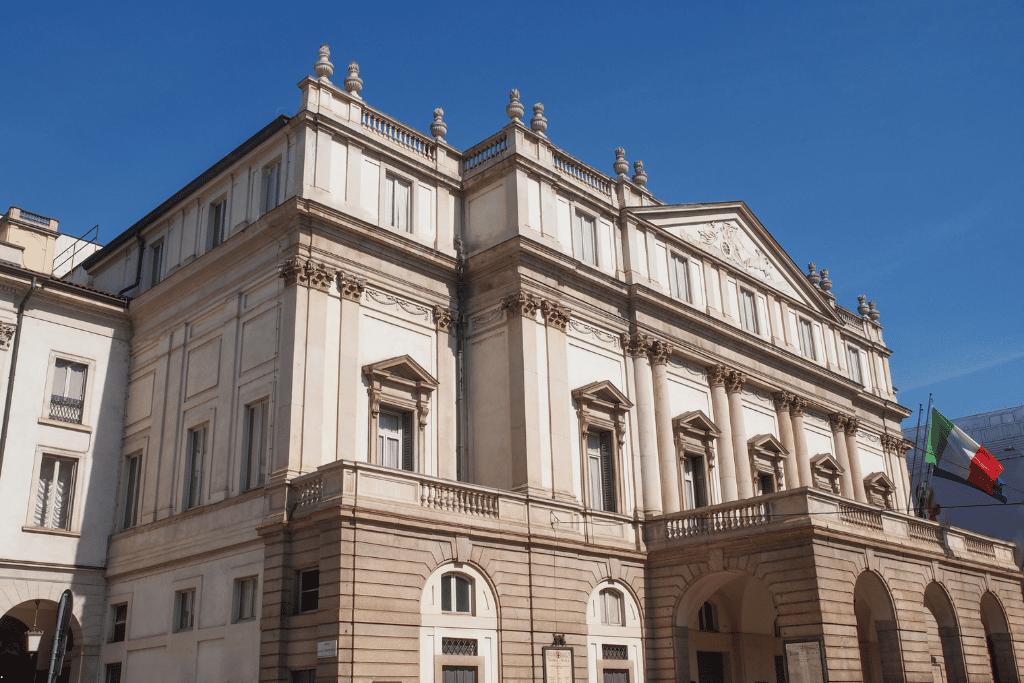
La Scala is one of the world’s great opera houses, and you don’t need a performance ticket to step inside. The museum entry, around 12 EUR (~S$17), lets you peek into the auditorium from a box between rehearsals.
Check the schedule before you go. During rehearsals, the main theatre is dark, so time your visit for when the house lights are up. Serious opera fans should book a performance months ahead; the best seats sell out fast.
Best for music and history buffs; a nice add-on rather than a must for everyone.
- 📍 Piazza della Scala
- 🕘 Museum open daily
- 💰 Museum from 12 EUR (~S$17)
📖 Related Guide: Heading further south on the same trip? Our 15 best things to do in Naples covers ancient ruins, backstreet pizza, and where to actually eat.
Neighbourhoods Worth Wandering
Milan rewards you the moment you leave the tourist core. Three districts each have a distinct character and are easy to reach by metro or tram.
Navigli
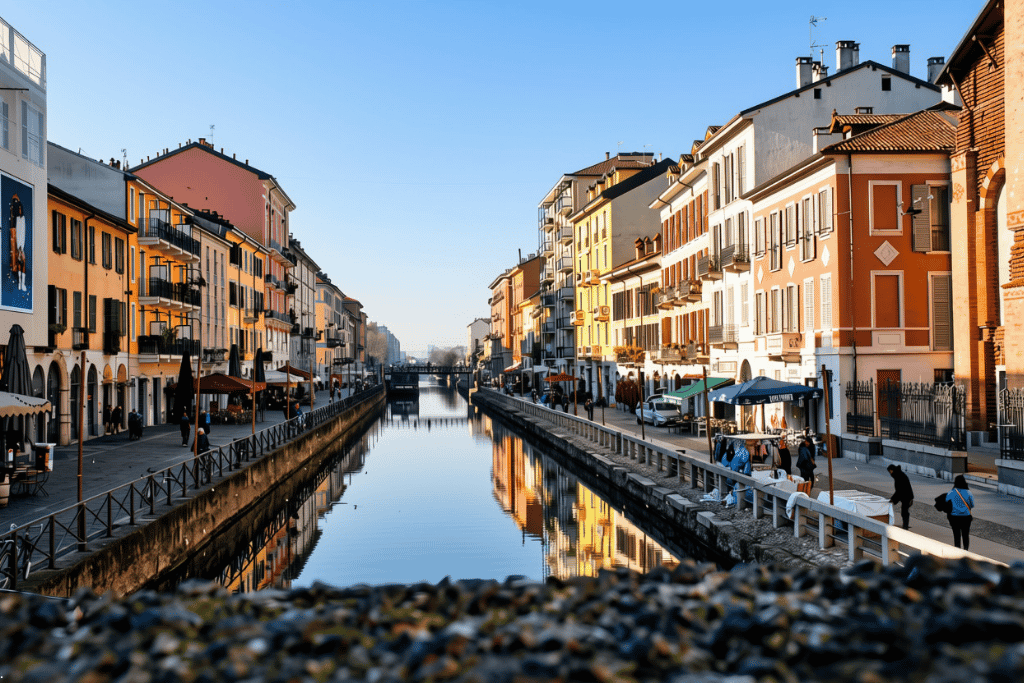
Milan’s canal district is where the city comes alive after dark. Two canals, the Naviglio Grande and Naviglio Pavese, are lined with bars, trattorie and boutiques. It’s the city’s answer to a night out.
It’s touristy near the mouth of the canals and more local as you head deeper. Come for the early-evening aperitivo, when bars lay out spreads with your drink and the light hits the water. This is an evening out, not a sight to tick off.
- 📍 Navigli, southwest of the centre
- 🕘 Best from late afternoon
- 💰 Cost of a drink
Brera
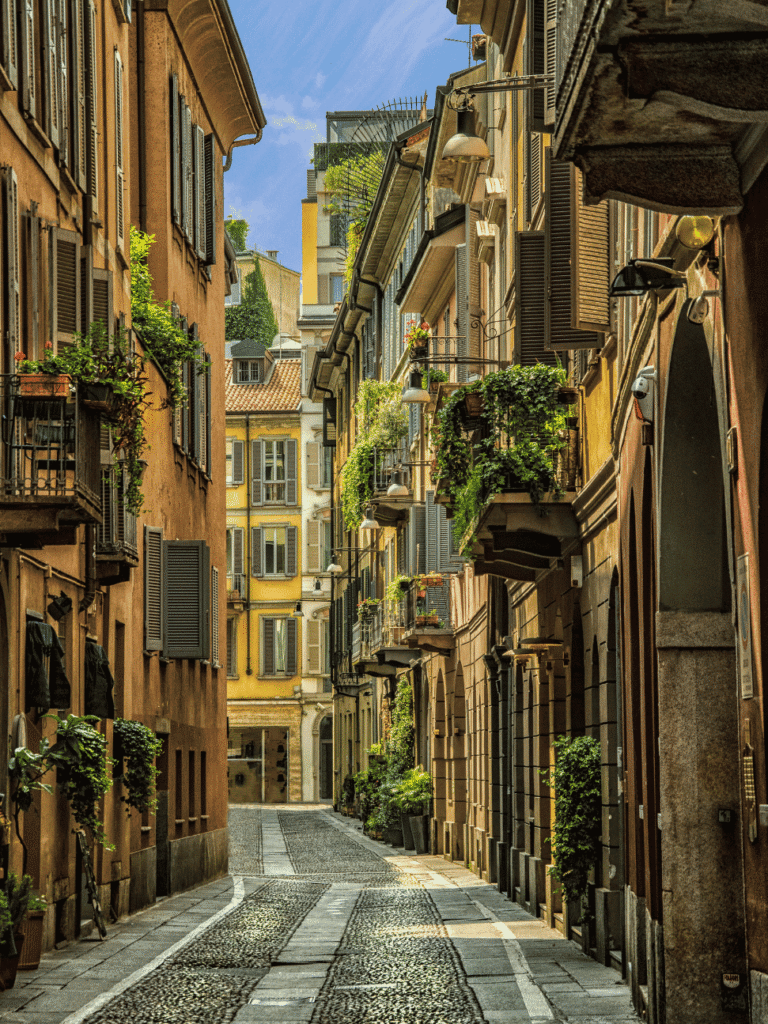
Brera is Milan’s bohemian quarter: cobbled lanes, art galleries and independent boutiques a short walk north of the Duomo. It feels a world away from the flagship stores, quieter and more considered.
It’s compact, so an hour or two of wandering does it justice, ideally paired with the Pinacoteca di Brera at its heart. Come for a slow morning with good coffee and no fixed plan.
- 📍 Brera, north of the centre
- 🕘 Anytime; liveliest at aperitivo
- 💰 Free to wander
Porta Nuova and Bosco Verticale
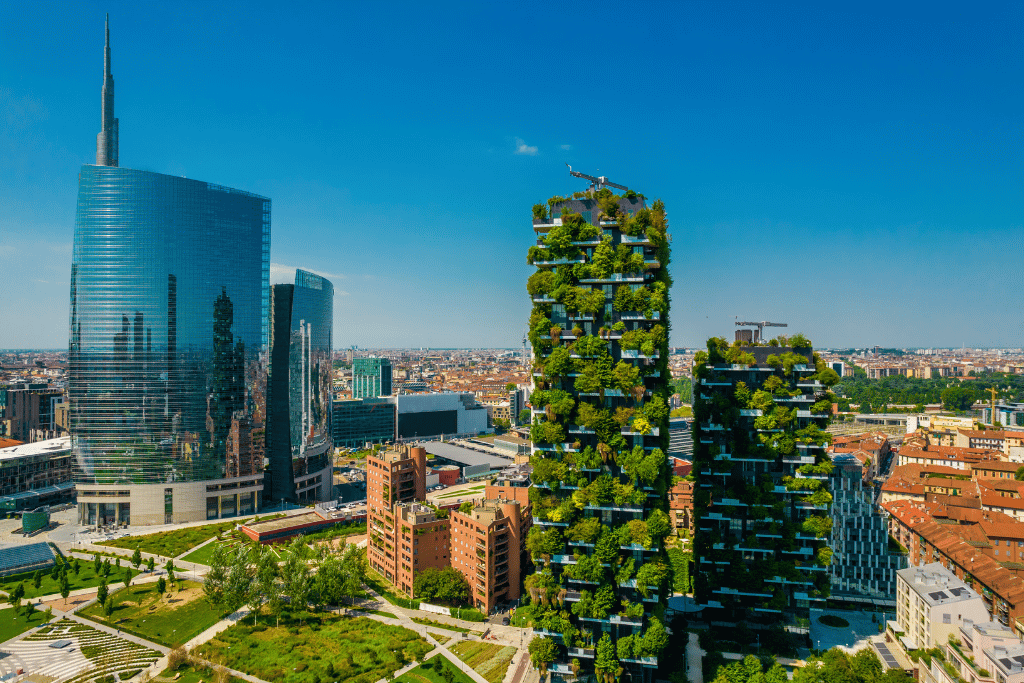
For the modern side of Milan, head to Porta Nuova, the gleaming business district around Piazza Gae Aulenti. The star is the Bosco Verticale, or Vertical Forest, a pair of residential towers wrapped in more than 15,000 plants and 90 tree species.
You can’t go inside, so this is a photo-and-a-stroll stop rather than a long visit. Pair it with the Library of Trees park next door. One for architecture fans and anyone curious how a fashion capital does green design.
- 📍 Porta Nuova / Isola
- 🕘 Anytime
- 💰 Free
📖 Related Guide: Want a Greek island to bookend the trip? Our Santorini travel guide covers where to stay and what’s worth your time.
Art, History and Quieter Corners
Beyond the headline sights, Milan hides museums and churches that rarely feel crowded. These are the spots that turn a two-day trip into a proper one.
Pinacoteca di Brera
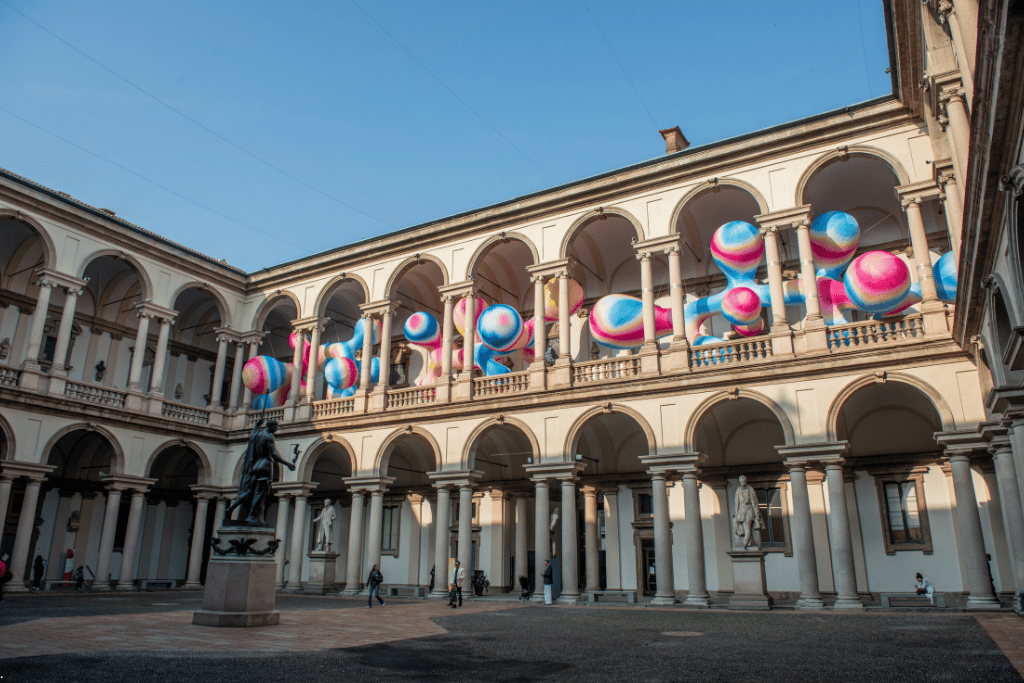
This is Milan’s premier art gallery, holding one of Italy’s finest collections across roughly 40 rooms. Expect heavy hitters: Caravaggio, Raphael’s Marriage of the Virgin, and Mantegna’s stark Lamentation over the Dead Christ.
Entry is around 20 EUR (~S$29), and it goes free on the first Sunday of the month. Set aside a couple of hours. A calmer alternative to the Last Supper queue if you love Old Masters.
- 📍 Via Brera 28
- 🕘 Tuesday–Sunday
- 💰 From 20 EUR (~S$29)
Cimitero Monumentale
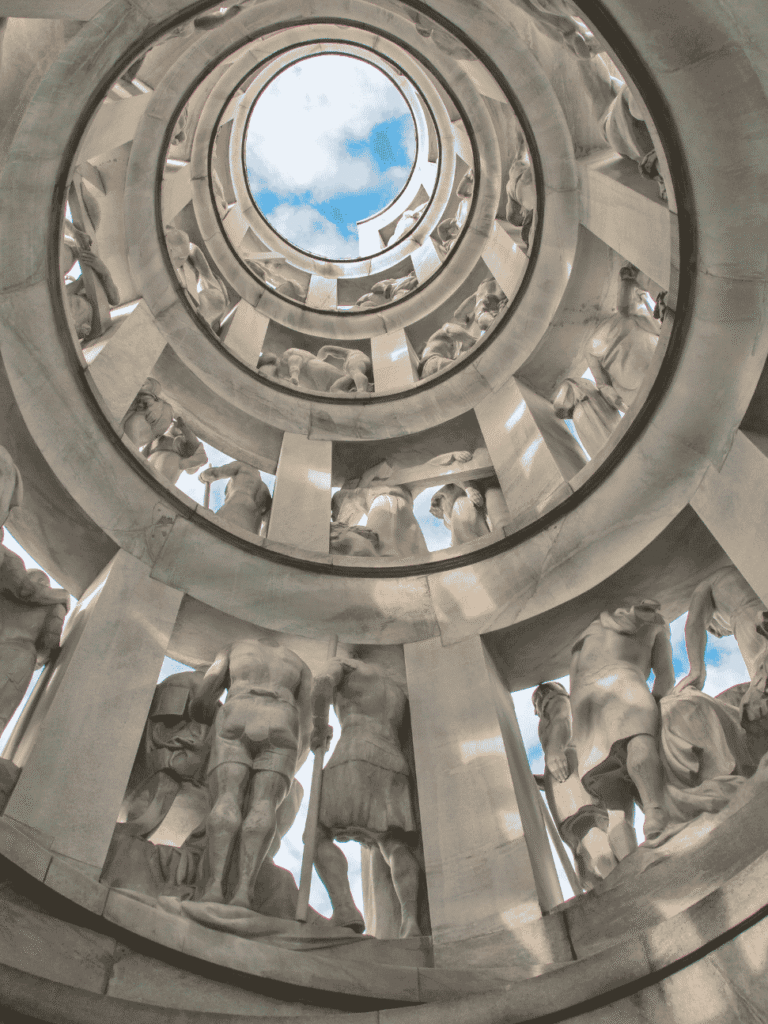
Image Credits:
Milan’s monumental cemetery is less a graveyard than an open-air sculpture museum, and it’s completely free. Founded in the 1800s, it’s filled with elaborate tombs, mausoleums and artistic monuments to the city’s notable names.
It’s a genuinely moving hour, and one of the most underrated free things to do in the city. Keep your voice down and be respectful, as it’s still a working cemetery. Best for travellers who like their sightseeing quiet, unusual and off the standard list.
- 📍 Piazzale Cimitero Monumentale
- 🕘 Tuesday–Sunday, 8 AM–6 PM (closed Monday)
- 💰 Free
Basilica di Sant’Ambrogio
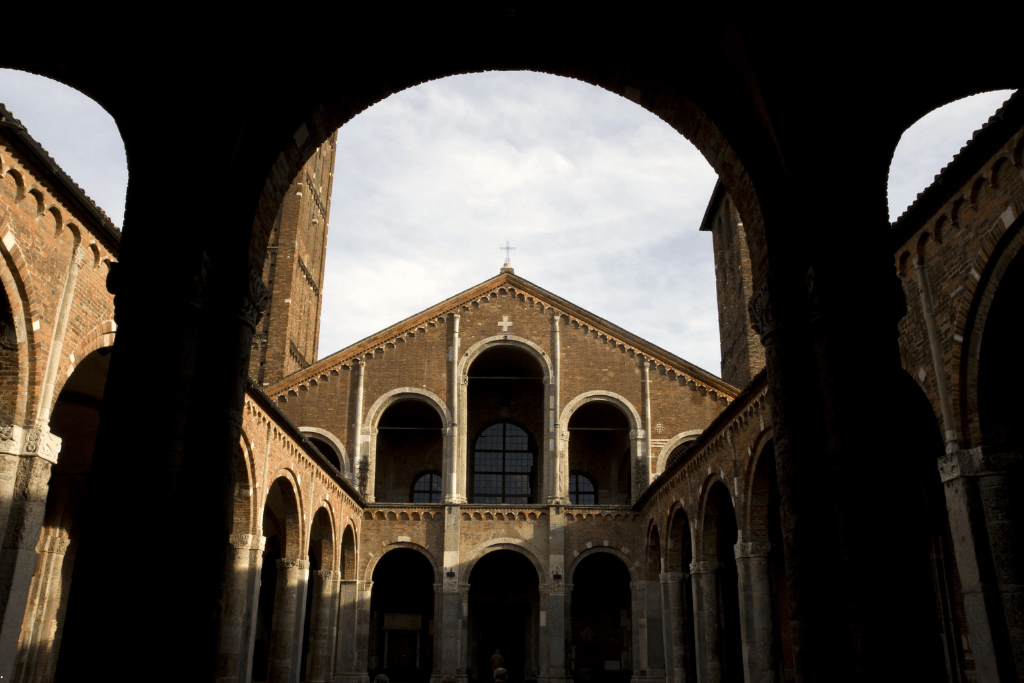
One of Milan’s oldest churches, this Romanesque basilica dates back to 386 AD and is dedicated to the city’s patron saint. Its two mismatched brick towers and austere interior are a striking contrast to the Duomo’s Gothic flamboyance.
It’s often near-empty, which is part of the appeal, and shows a very different, much older side of Milan.
- 📍 Piazza Sant’Ambrogio
- 🕘 Daily, with a midday break
- 💰 Free
Museo Nazionale della Scienza e della Tecnologia
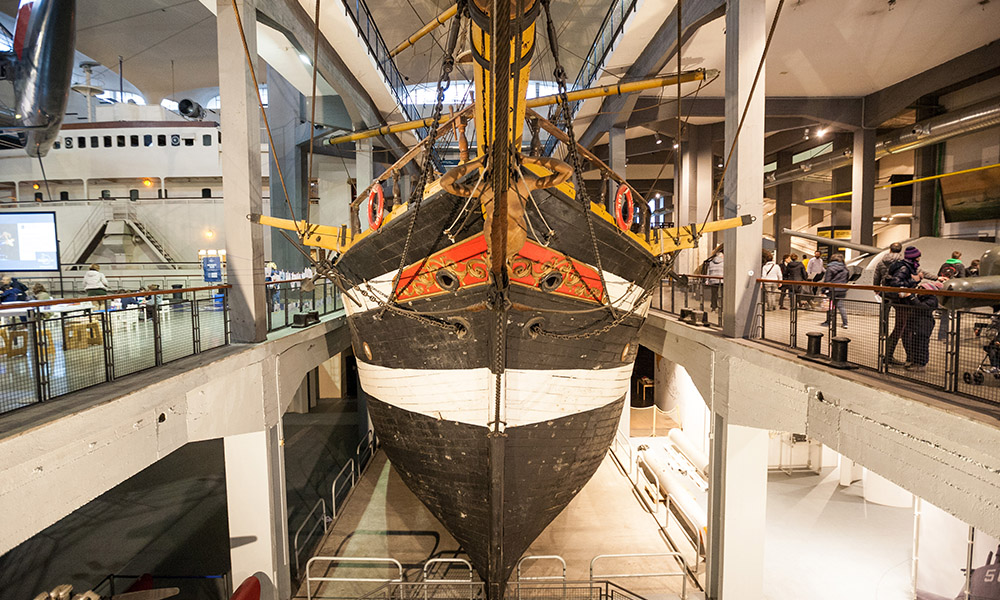
Image Credits: www.museoscienza.org
Italy’s largest science and technology museum is themed around Leonardo da Vinci, with galleries of models built from his inventions plus real planes, trains and ships. It’s huge and hands-on, spanning aviation, rail and space.
Allow at least half a day if you’re going in, since it’s easy to underestimate. Travelling with kids or teens? Pair it with the Acquario Civico, Milan’s aquarium in nearby Parco Sempione, where under-18s go free. Best for families and curious minds; less essential if you’re pushed for time.
- 📍 Via San Vittore 21
- 🕘 Tuesday–Sunday
- 💰 Around 10 EUR (~S$15)
Fondazione Prada and Bar Luce
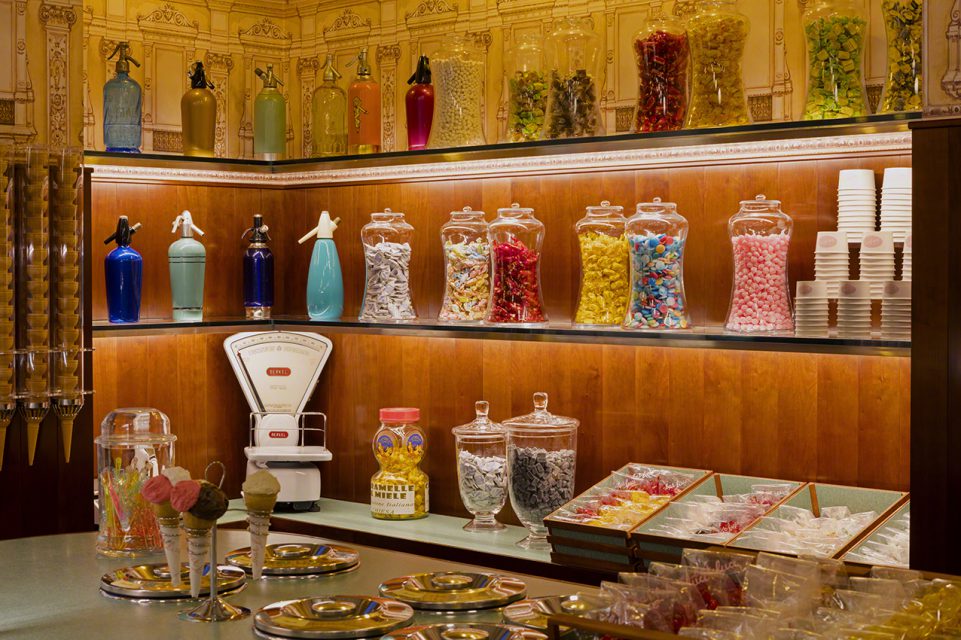
Image Credits: Fondazione Prada
The Prada Foundation is Milan’s boldest contemporary-art complex, and even non-gallery-goers come for one thing: Bar Luce. Wes Anderson designed the café in 2015 to recreate a vintage Milanese bar, all pastel Formica and symmetrical charm.
You can visit the café without a museum ticket. Come for the design and a coffee that feels like stepping into a film set.
- 📍 Largo Isarco 2
- 🕘 Café open with the campus
- 💰 Free to enter Bar Luce
📖 Related Guide: Trading the galleries for the mountains next? Our Dolomites beginners guide maps out where to go, stay and hike in northern Italy.
What to Eat in Milan
Milan’s food is Lombard, not the pizza-and-pasta cliché. Think rich and buttery, built around saffron, rice and slow-cooked veal. Here are the three dishes to seek out, plus the ritual that ties an evening together.
Risotto alla Milanese
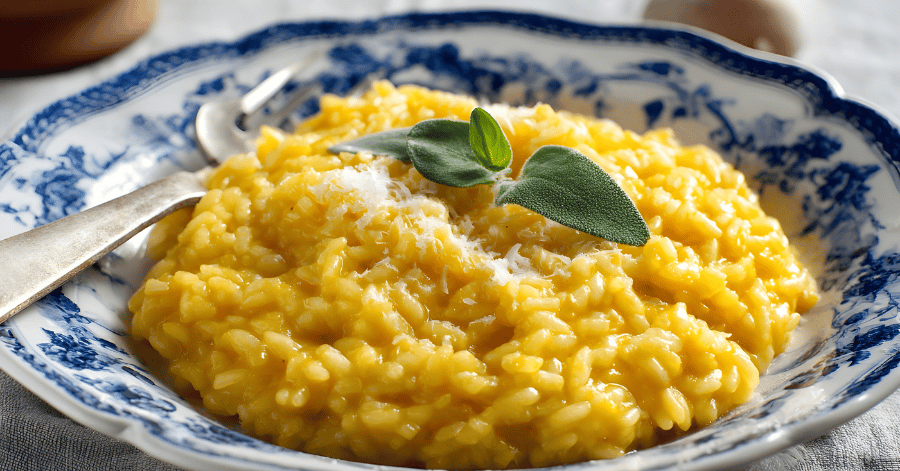
The city’s signature dish is a creamy saffron risotto, golden from the spice and rich from the rice’s own starch rather than any cream. It’s often served alongside ossobuco.
| Where to try it | Why go |
|---|---|
| Trattoria Masuelli San Marco | Century-old family trattoria; risotto and ossobuco done the old-school way |
| Ratanà | Michelin Guide take on old-Milan risotto with gremolata and roast jus |
Cotoletta alla Milanese
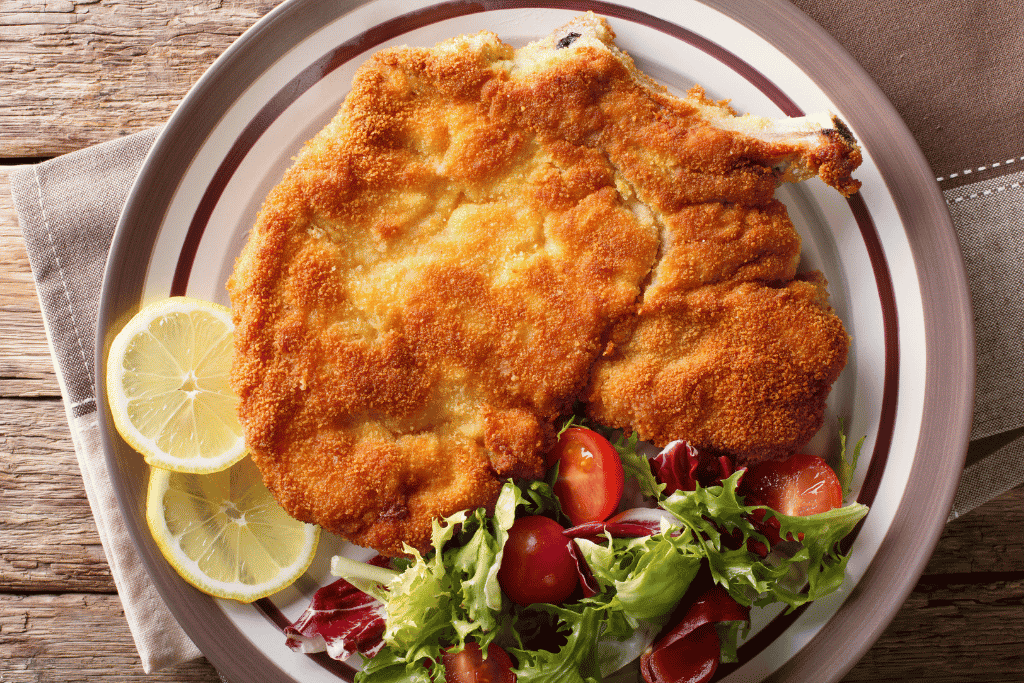
Milan’s other classic is a bone-in veal cutlet, pounded thin, breaded and fried until crisp. The bone stays in to keep the meat moist, so accept no boneless imitation.
| Where to try it | Why go |
|---|---|
| Trattoria Masuelli San Marco | Ultra-crispy breading, high-quality veal, unhurried old-Milan setting |
Ossobuco
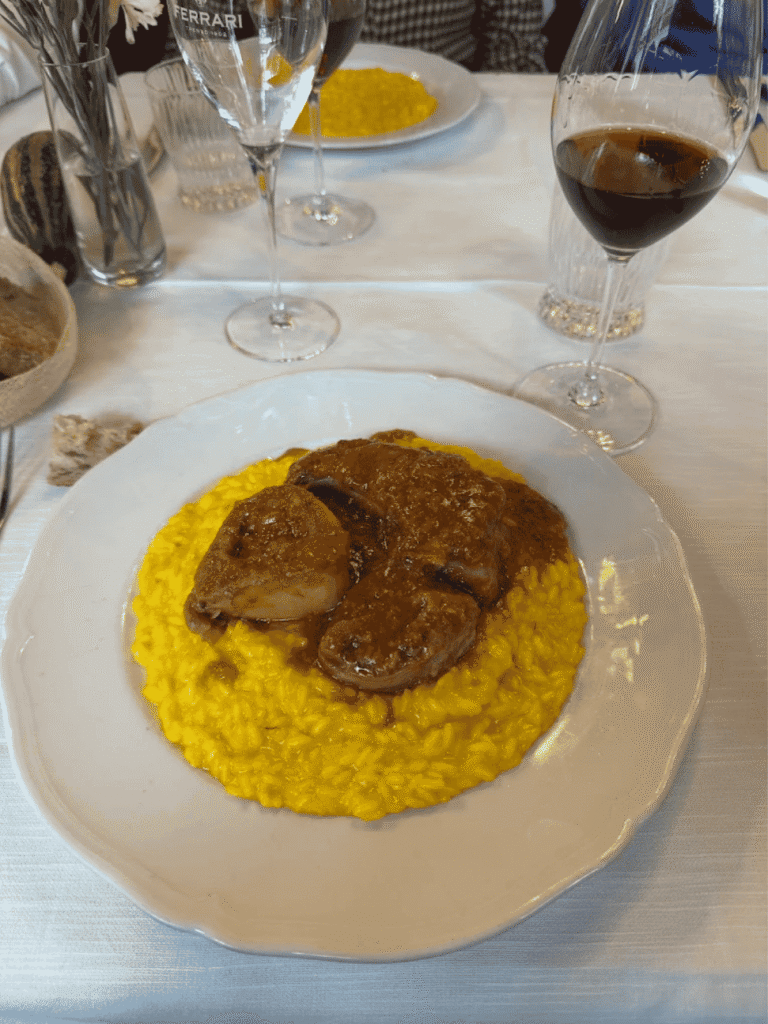
Image Credits: Rob Somma on Google Reviews
Ossobuco is a veal shank braised low and slow until it slides off the bone, traditionally finished with gremolata and served over the saffron risotto. It’s the definitive Milanese comfort plate for a cold day.
| Where to try it | Why go |
|---|---|
| Trattoria Masuelli San Marco | The classic risotto-and-ossobuco pairing, done the century-old way |
Aperitivo
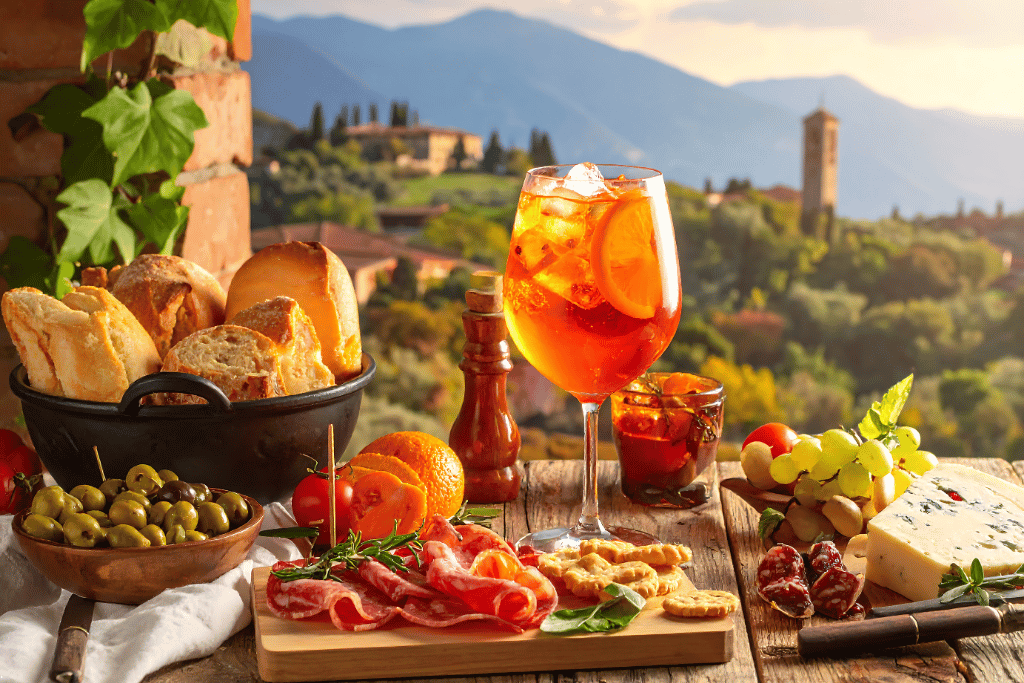
Image Credits:
More ritual than meal, aperitivo is the Italian pre-dinner drink with free small bites, usually from around 6 PM to 7:30 PM. Milan is where the Campari cocktail was born, so it’s the spiritual home of the tradition.
| Where to try it | Why go |
|---|---|
| Camparino in Galleria | Serving aperitivo since 1915, right by the Duomo; the birthplace of the ritual |
| Navigli canal bars | Cheaper, livelier, generous spreads with your drink at sunset |
Aperitivo is the easiest, most affordable way to eat and drink like a local.
One more Milanese habit worth copying: coffee standing up. Order a cappuccino and cornetto at the counter, or al banco, and you’ll pay a fraction of the table price, the way most locals take their morning.
Milan After Dark
Milan’s nights run late and lean sophisticated. Dinner rarely starts before 8 PM, and the good bars fill up long after.
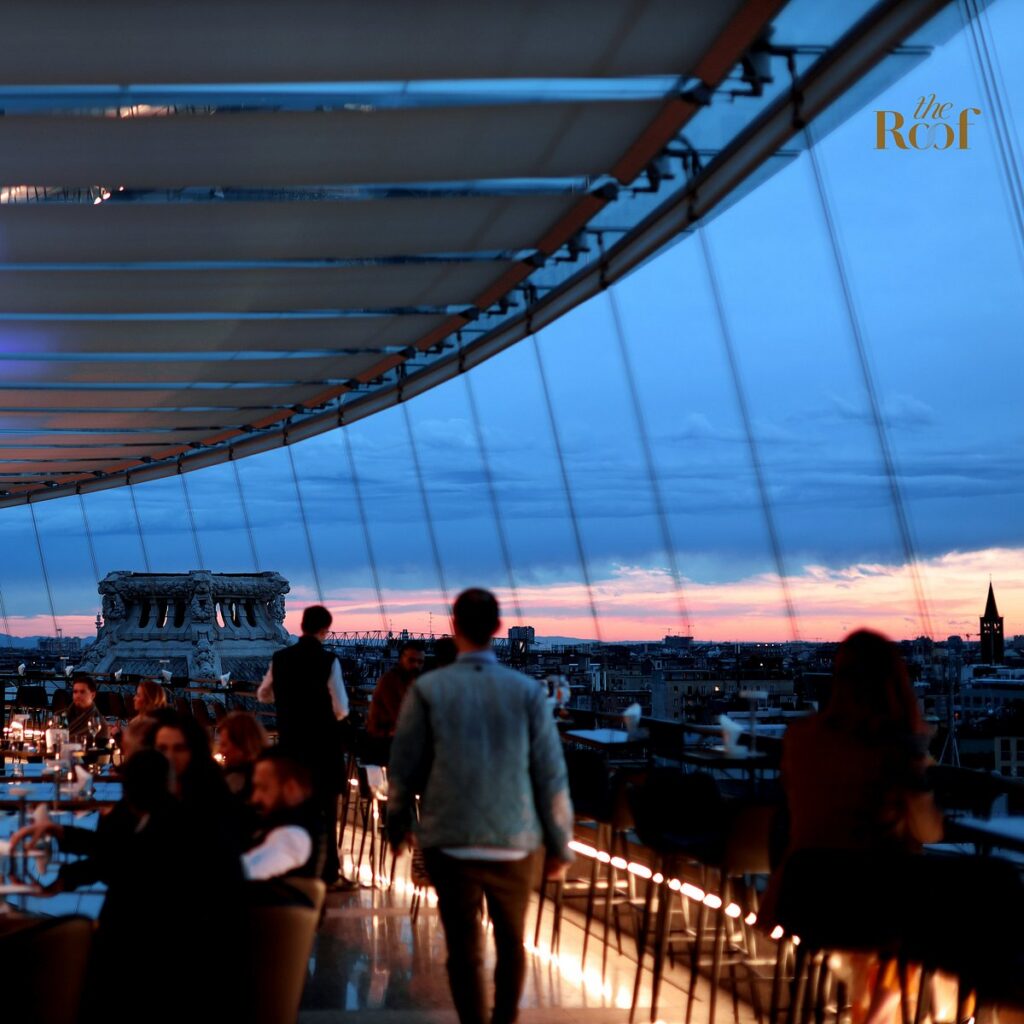
Image Credits: The Roof
- Navigli is the default for a canal-side evening. Bar-hop along the Naviglio Grande and you can’t go wrong.
- For a view, The Roof Milano atop the Hotel Dei Cavalieri near Piazza Missori does cocktails and aperitivo above the skyline, with a minimum spend of around 20 EUR (~S$29) that covers a drink and bites.
- If opera’s your thing, a night at La Scala is a bucket-list evening in its own right.
It’s a night for those who’d rather sip a Campari by the water than chase a club.
Where to Shop in Milan
Milan is a global fashion capital, and it has shops for every budget, not just the luxury end. The trick is knowing which street is which.
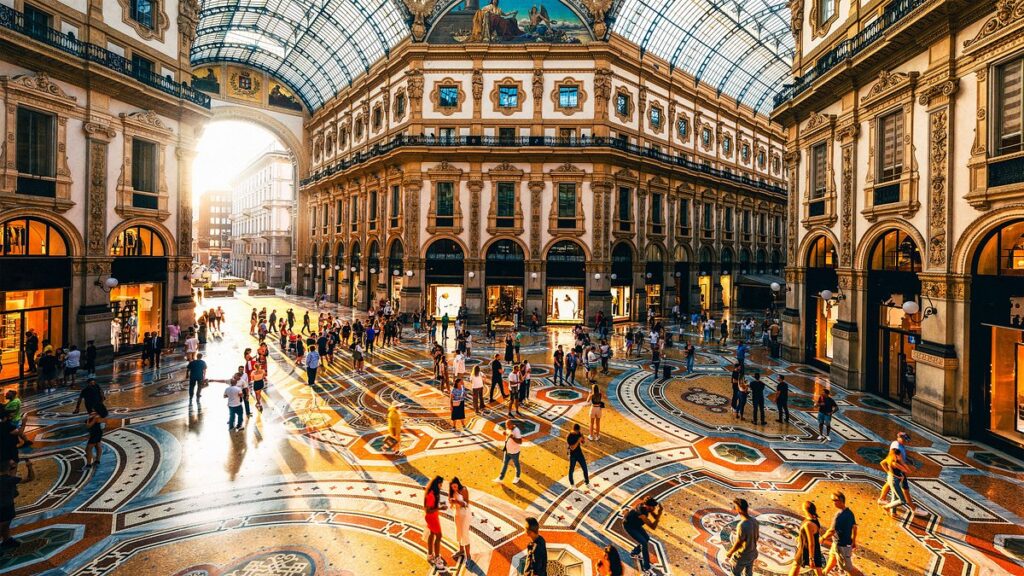
Image Credits: Tripadvisor
- For designer flagships, the Quadrilatero della Moda (Via Montenapoleone, Via della Spiga, Via Sant’Andrea and Via Manzoni) is the heart of Italian luxury.
- The Galleria Vittorio Emanuele II holds the historic names, Prada included.
- For high-street and mainstream brands, Corso Vittorio Emanuele II near the Duomo is a pedestrian run of familiar stores.
- Hunting for deals? The outlet villages outside the city trade last season’s labels at a fraction of the price.
From serious spenders to window-shoppers, Milan makes browsing a pleasure either way.
📖 Related Guide: Wondering how far your euros will stretch on the Quadrilatero? Our euro-to-SGD guide breaks down when the rate works in your favour.
Best Day Trips From Milan
Milan’s real trump card is its location. High-speed and regional trains from Milano Centrale put lakes, Renaissance cities and the coast within a day’s reach.
Lake Como
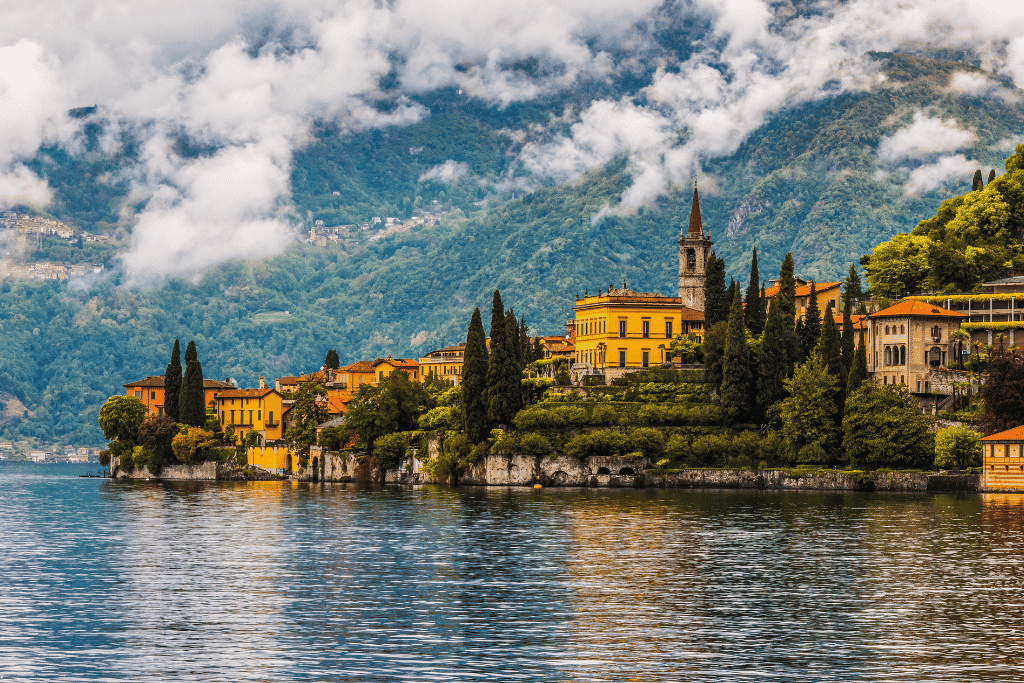
The most popular escape, and for good reason: Como’s old town is under an hour by train, and the lake beyond is ringed by mountains and villa-dotted villages like Bellagio and Varenna. Cruise the water, wander a lakeside town, and you’ve had a perfect day.
It gets busy in summer, so go early. A scenic reset from the city, and doable even on a tight schedule.
- 📍 ~40–60 min by train to Como
- 💰 From ~10 EUR (~S$15) each way
Verona
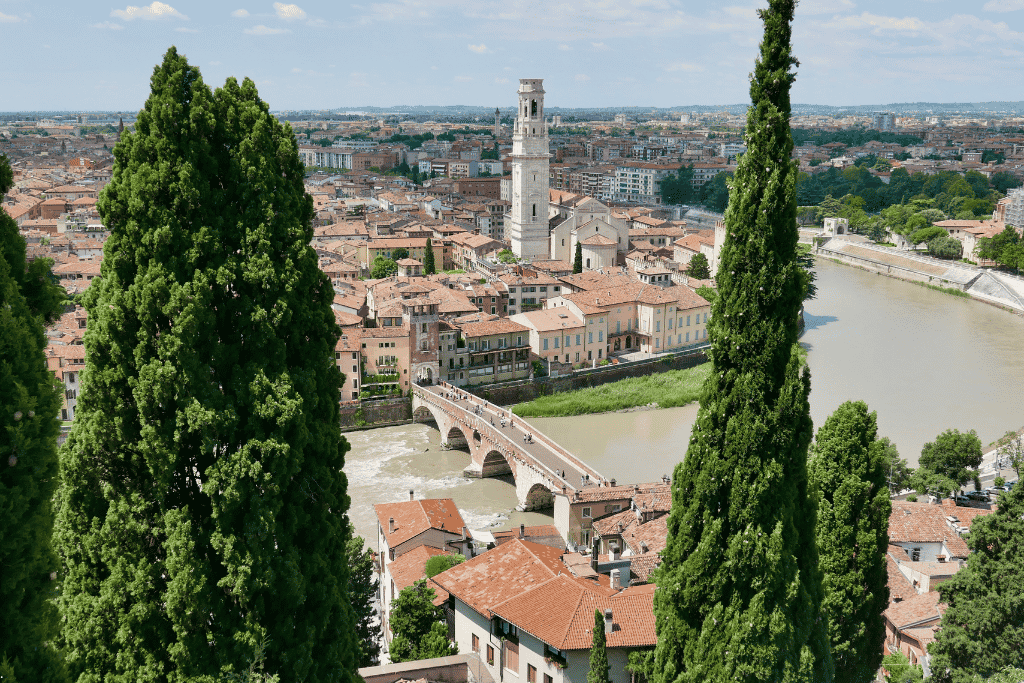
Shakespeare’s setting for Romeo and Juliet, Verona is about 1 hour 15 minutes east by train. It packs Roman history into a walkable centre. The vast Verona Arena still hosts performances, and Juliet’s balcony draws the crowds.
It’s history and romance without the Venice-level throng.
- 📍 ~1 hour 15 min by train
- 💰 From ~12 EUR (~S$17) each way
Venice
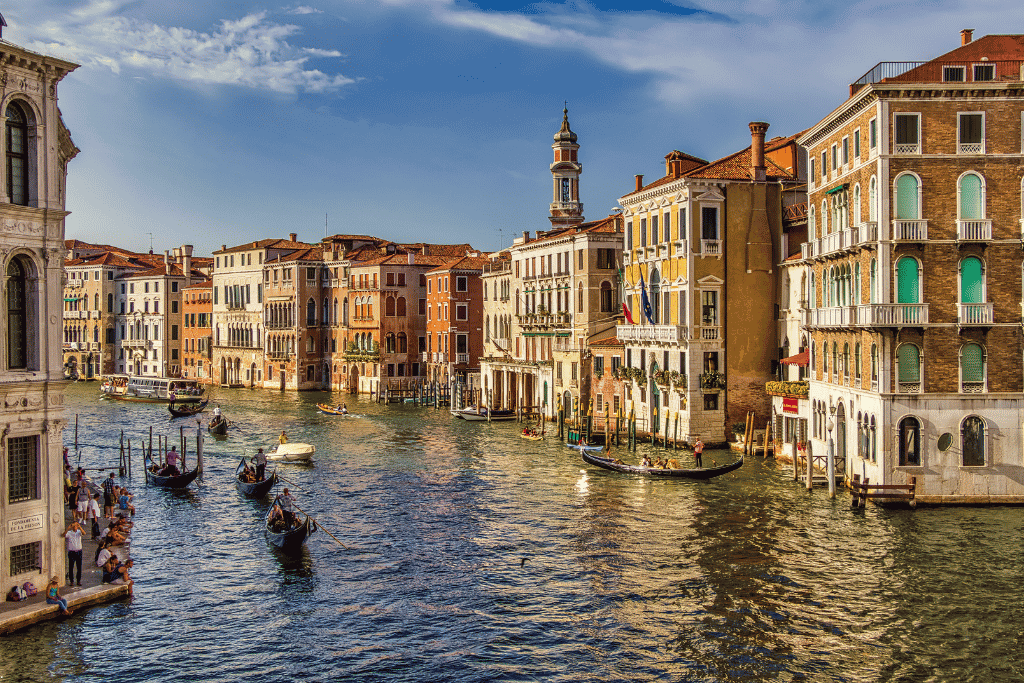
Yes, you can day-trip to Venice. The high-speed train takes about 2 hours 15 minutes each way, letting you skip the city’s steep overnight prices. It’s a long day, but seeing the canals and St Mark’s Square is worth the early start.
Best for travellers who want to tick off Venice without paying to sleep there.
- 📍 ~2 hours 15 min by high-speed train
- 💰 From ~20 EUR (~S$29) each way
Lake Garda
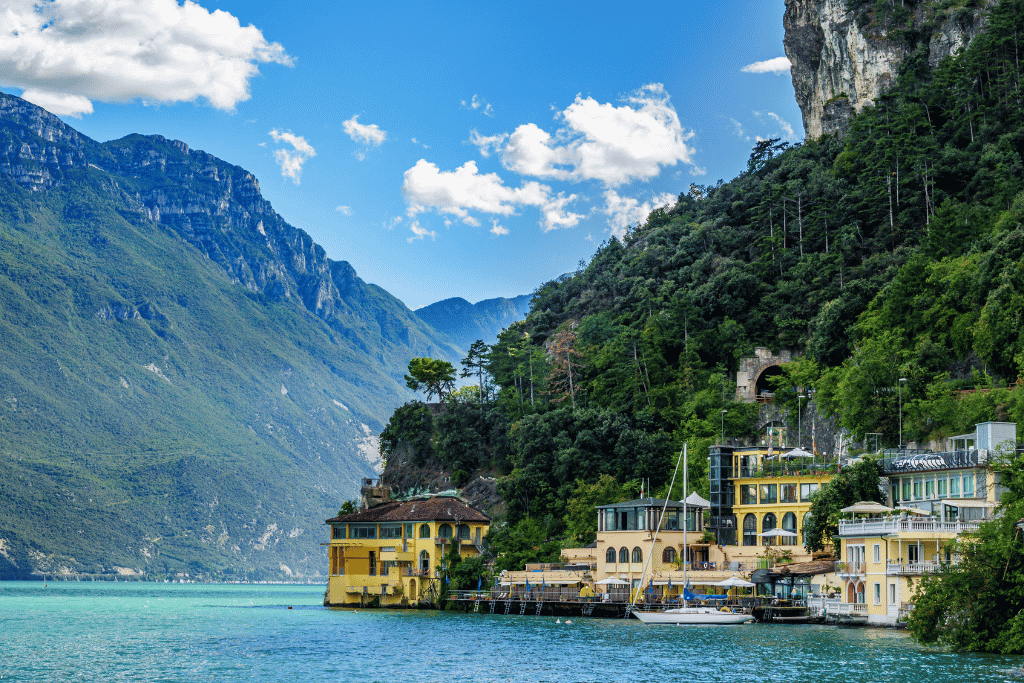
Italy’s largest lake is about an hour away on a fast train to Desenzano or Peschiera, greener and gentler than Como, with medieval Sirmione and its castle jutting into the water. It suits a slower day of lakeside towns and swimming in summer.
It’s a calmer lake day with room to breathe.
- 📍 ~1–2 hours by train (fast vs regional)
- 💰 Varies by town
Turin
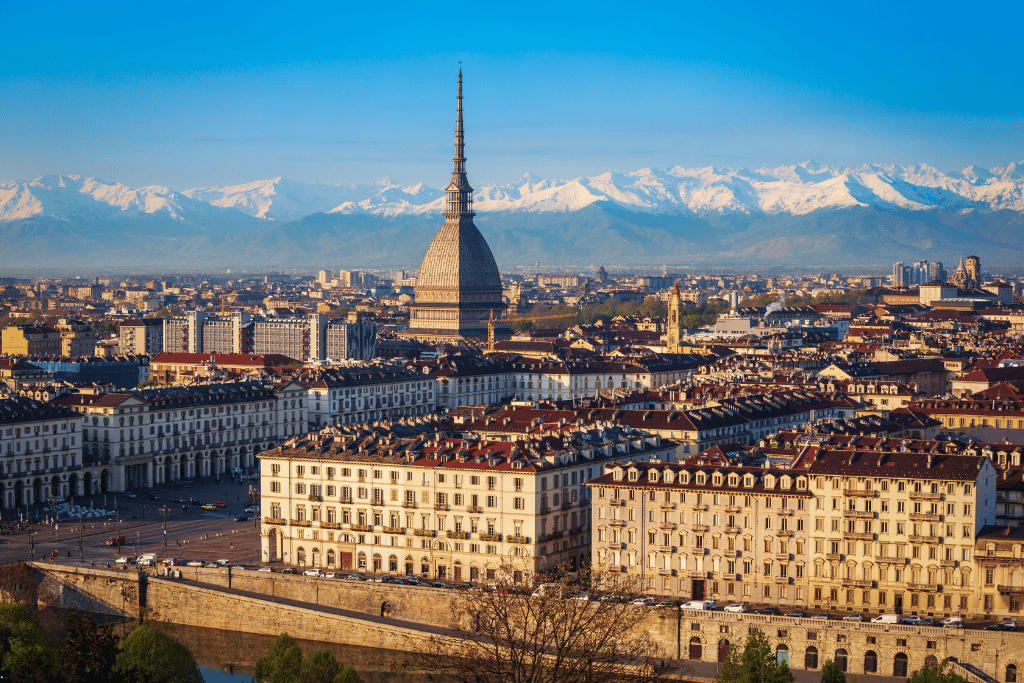
An hour west lies Turin, an elegant, under-visited city of arcaded boulevards, royal palaces and Italy’s best hot chocolate. It’s a proper city break rather than a scenic one.
Best for repeat visitors who’ve done the lakes and want somewhere with real depth.
- 📍 ~1 hour by high-speed train
- 💰 From ~15 EUR (~S$22) each way
Cinque Terre
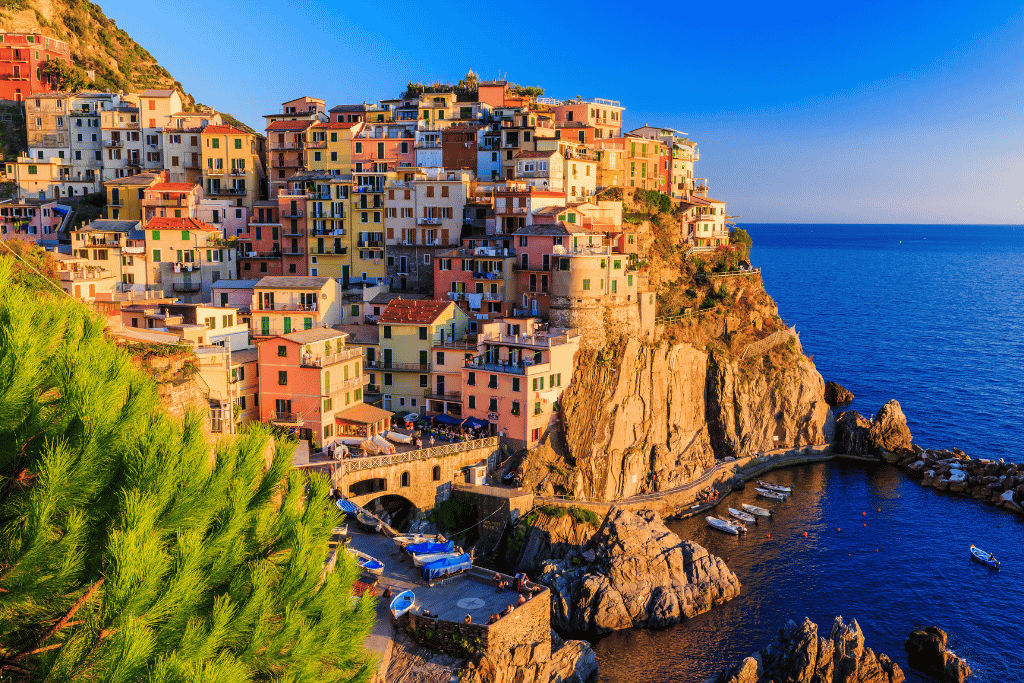
The five cliff-clinging villages of the Italian Riviera are a longer haul, around 3 hours each way, so this is one for early risers. The pastel harbours and coastal trails are worth the effort if the weather holds.
Best for those willing to trade a long travel day for a postcard coastline.
- 📍 ~3 hours by train
- 💰 Varies; regional passes available
Milan also pairs neatly with a wider European trip. Many travellers hop onward to Paris or south into Spain, so if you’re extending, our France ATM withdrawal guide and Spain ATM withdrawal guide cover getting cash without the tourist markup. Crossing into Switzerland from the lakes? The Switzerland ATM withdrawal guide does the same.
Cheap and Free Things to Do
Milan has a pricey reputation, but a surprising amount of it costs nothing. You can fill a full day without buying a ticket.
Walk the Galleria and the Duomo square, wander the Castello Sforzesco grounds and Parco Sempione, and spend a free hour among the sculptures at the Cimitero Monumentale. The Bosco Verticale and Porta Nuova are free to admire, and the Basilica di Sant’Ambrogio costs nothing to enter.
Several museums, including the Pinacoteca di Brera and Castello Sforzesco, waive admission on the first Sunday of the month. Cap the day off with a Navigli aperitivo, where the price of one drink buys you a spread of food.
For budget travellers, Milan is far more affordable than its runway image suggests.
Getting Around Milan
Milan’s centre is walkable, and its public transport handles the rest cheaply and simply. The historic sights cluster close enough to cover on foot.
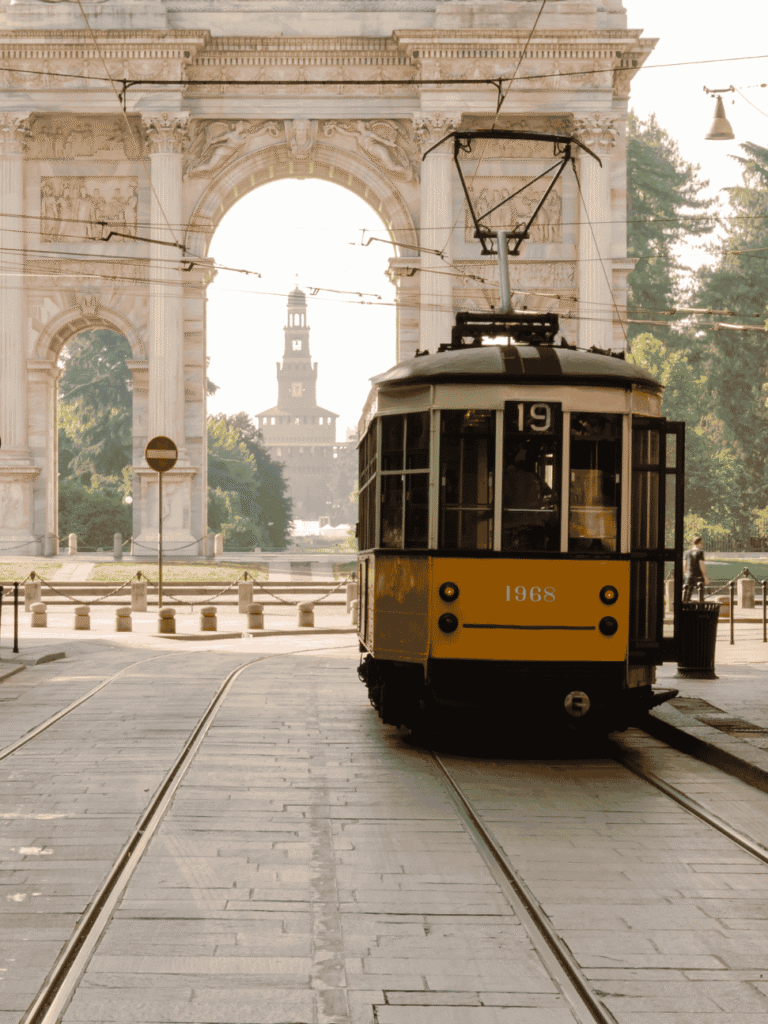
For longer hops, the metro, trams and buses run on one ticket. A single ride is about 2.20 EUR (~S$3), and a 24-hour pass is 7.60 EUR (~S$11), worth it after three or four rides. You can tap in and out with a contactless card or phone, with no need to buy a paper ticket in advance.
The historic trams, running since the 1870s, are a scenic ride in their own right. One warning: the metro and busy tourist spots attract pickpockets, so keep your bag zipped and your phone close.
You rarely need a taxi in central Milan.
📖 Related Guide: Tapping your way around beats fumbling for coins. Our YouTrip vs credit cards guide shows which is cheaper for overseas spending.
When to Visit Milan
The sweet spot is spring and autumn: April to May, or September to October. Temperatures sit around a mild 15–25°C, the crowds thin out, and hotel rates run well below peak.
Summer gets hot and humid, and winter is cool and often foggy, though December has its charm. The dates to avoid for your wallet are the fashion weeks in February and September, plus the Salone del Mobile design fair in April, when hotel prices spike hard. Unless you’re there for the shows, book around them.
Aim for the shoulder months and you’ll get the best of the city for less.
Paying in Milan: Cash, Cards and YouTrip
Milan runs largely on cards. You can tap almost everywhere, from the metro to a Michelin dinner. Still, carry a little euro cash for small trattorie, market stalls and the odd cash-only counter.
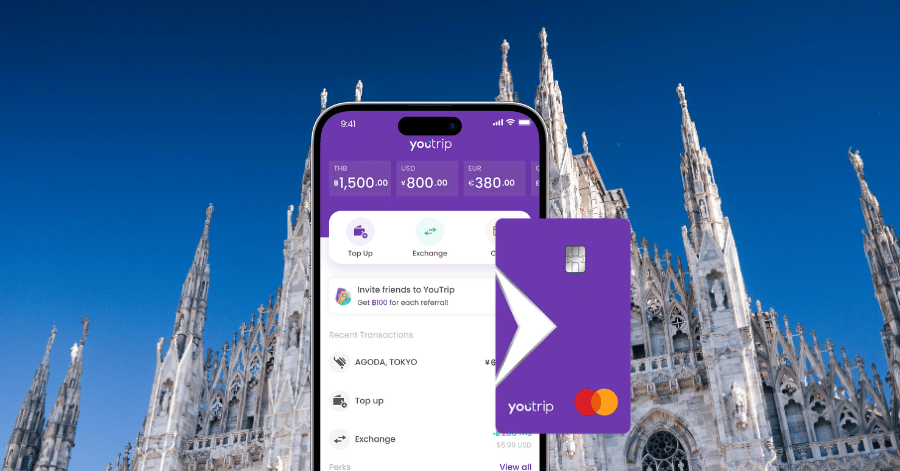
The smart way to handle both is a multi-currency travel card like YouTrip. Because the euro is one of YouTrip’s holdable wallet currencies, you can lock in your rate ahead of the trip and spend with zero foreign transaction fees, converted at the Mastercard wholesale rate rather than the 3–3.5% markup a credit card tacks on overseas.
For the cash you do need, withdraw euros from a bank ATM when you land. Your first S$400 of overseas ATM withdrawals each month is free with YouTrip, then a flat 2% after. That beats a money changer, which quietly bakes a markup of a few percent into the rate it quotes you.
👉 Bottom line: tap the card for nearly everything, pull a small amount of cash from an ATM on arrival, and skip the airport exchange counter entirely.
For deeper detail, see our Italy ATM withdrawal guide and the SGD to EUR rate guide.
FAQs
Milan is Italy’s fashion and design capital, home to labels like Prada, Armani and Versace and its twice-yearly fashion weeks. It’s also known for the Gothic Duomo, Leonardo da Vinci’s Last Supper, the La Scala opera house, aperitivo culture, and its two football clubs, AC Milan and Inter, who share the San Siro stadium.
Two full days is enough to cover the city’s essentials: the Duomo and rooftop, the Galleria, Castello Sforzesco, a neighbourhood or two, and the Last Supper if you’ve booked ahead. One day works for just the headline sights if you move quickly. Three to four days lets you add a day trip to Lake Como or Venice, and four rarely feels too long once you factor in the lakes.
Yes, as long as you look past the shopping-hub reputation. Milan rewards travellers who dig into its art, architecture, food and neighbourhoods, and it’s one of the best bases in Italy for day trips to the lakes and beyond.
They suit different trips. Milan is the modern base for fashion, design and day trips to the lakes; Rome is for ancient history; and Florence for Renaissance art at a slower pace. Milan is about three hours from Rome by fast train (around 480km), so pairing two is easy. Both Rome and Florence run a little cheaper than Milan day to day.
The three things most visitors regret skipping are the Duomo rooftop, Leonardo da Vinci’s Last Supper, and an evening of aperitivo along the Navigli canals. Book the Last Supper months ahead, as it sells out fast.
It can be, but it doesn’t have to be. Many of the best sights, including the Galleria, the castle grounds and the Cimitero Monumentale, are free, and aperitivo is a cheap way to eat. Hotels are the main cost, and they drop sharply outside fashion weeks.
Absolutely. Despite the fashion-capital label, everyday dress is relaxed, and smart jeans are fine almost everywhere. The exception is upscale restaurants and a night at La Scala, where you’ll want to dress up a little.
Milan Rewards the Curious
Give Milan more than a layover, and it repays you: a rooftop among the spires, a da Vinci you’ll never forget, canal-side evenings, and a lake an hour away. Two days for the city, a third for a day trip, and you’ll leave wondering why anyone rushes through.
Not a YouTrooper yet? Singapore’s go-to multi-currency wallet lets you lock in euros and spend across 150+ countries with zero foreign transaction fees, so your money goes to the aperitivo, not the fees. Skip the money changer and get a free YouTrip card + S$5 YouTrip credits with code YTBLOG5.
Then, head over to our YouTrip Perks page for exclusive offers and promotions — we promise you won’t regret it. Join our Telegram (@YouTripSG) and Community Group (@YouTripSquad) for travel tips, event invites, and more!
Happy travels!