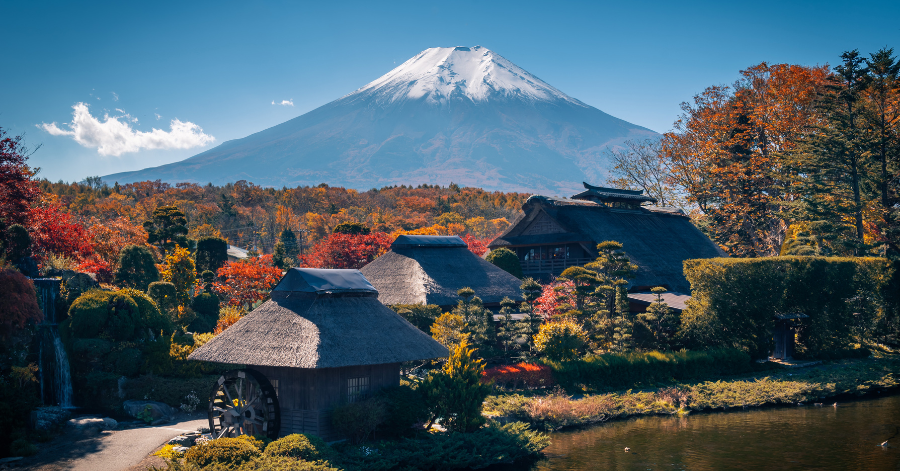



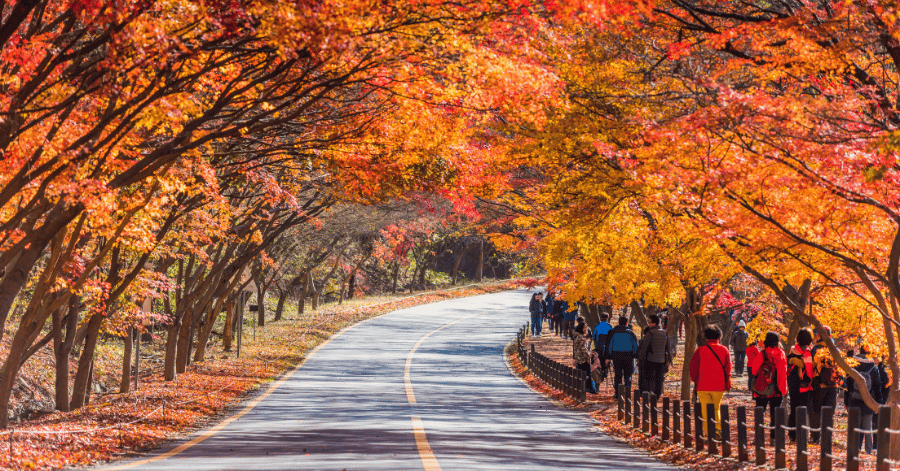

Golden ginkgo, red maples and cool days from October to mid-November
Autumn colour in Korea starts on the mountains and works its way down and south. The week you fly decides whether you land in gold, red or bare branches. This guide covers the 2026 foliage forecast, the best spots in Seoul, Jeju and on day trips, and what to wear.
| Quick Answer | |
|---|---|
| Autumn months | September to November, with peak colour from late October to mid-November |
| 2026 peak forecast | Seoraksan 25 Oct, Bukhansan (Seoul) 4 Nov, Jirisan 5 Nov, Naejangsan 11 Nov, Hallasan 13 Nov |
| Seoul weather | Average highs of 20°C in October and 12°C in November, with lows of 11°C and 4°C |
| Who this trip suits | Palace and park visitors, mountain hikers, and cafe-hoppers who want to skip the summer heat |
| Book ahead | Changdeokgung’s Secret Garden tour and Hwadam Botanic Garden |
| Daily budget | Roughly 60,000 to 100,000 KRW (~S$55 to S$92) a day for meals, transport and one paid attraction |
| Pay with | YouTrip card, 0% FX; withdraw won on arrival, first S$400 a month free |
| Autumn Spot | Where | Colour Window (2026) | Cost |
|---|---|---|---|
| Changdeokgung Secret Garden | Seoul | Late October to early November | 5,000 KRW (~S$5) plus palace ticket |
| Deoksugung Stone Wall Road | Seoul | Late October to mid-November | Free to walk |
| Seoul Forest | Seoul | Late October to mid-November | Free |
| Haneul Park | Seoul | Mid to late October (silver grass) | Free |
| Bukhansan | Seoul | Forecast peak 4 Nov | Free |
| Nami Island | Chuncheon (day trip) | Late October to mid-November | 19,000 KRW (~S$18) with ferry |
| Hwadam Botanic Garden | Gwangju, Gyeonggi | Late October to early November | 11,000 KRW (~S$10) plus monorail |
| Seoraksan | Gangwon (day trip or overnight) | Forecast peak 25 Oct | Park free; cable car 16,000 KRW (~S$15) |
Table of Contents
- Is Autumn a Good Time to Visit Korea?
- When Is Autumn in Korea? 2026 Foliage Forecast
- Autumn Weather in Korea and What to Wear
- Best Places to See Autumn Leaves in Seoul
- Autumn Day Trips From Seoul
- Autumn in Jeju
- Autumn in Busan and Gyeongju
- Things to Do in Seoul in October and November
- Crowds, Bookings and Public Holidays
- Paying for Your Autumn Trip in Korea
- FAQs
- Late October to Early November Is the Window to Aim For
Is Autumn a Good Time to Visit Korea?
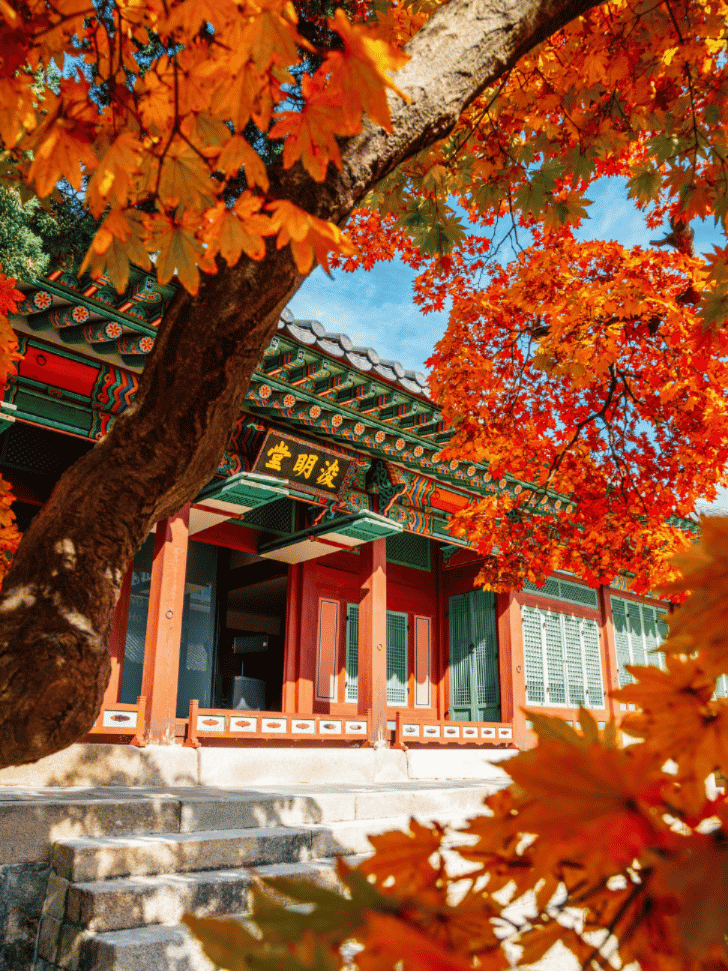
Yes. Autumn is one of the best seasons to visit Korea. The days are cool enough to walk all day, the summer humidity has cleared by mid-October, and the trees turn whole mountainsides red and gold.
October is the safest month. Seoul’s highs sit around 20°C, Seoraksan reaches its forecast peak on 25 October, and the city’s ginkgo trees start to go yellow.
There are two catches. Foliage spots get crowded in peak weeks, and a few places, like the Changdeokgung Secret Garden, only let people in by timed tour. Book those first.
Chuseok, Korea’s harvest festival, also falls on 24 to 26 September in 2026, when many shops and restaurants close while locals travel to their hometowns.
It suits first-timers who want scenery without summer heat or winter cold, and suits beach-weather travellers far less.
📖 Related Guide: Still choosing your month? Our Korea weather guide walks through Korea month by month, from cherry blossom to snow.
When Is Autumn in Korea? 2026 Foliage Forecast
Autumn in Korea runs from September to November, and the 2026 forecast puts peak foliage between late October and mid-November. Colour reaches the high northeastern mountains first and the southern peaks last.
2026 Peak Foliage Dates by Mountain
Weatheri’s 2026 forecast, published on VISITKOREA on 8 September, gives these dates:
| Mountain | Region | First Colour | Peak Colour |
|---|---|---|---|
| Seoraksan | Gangwon, northeast | 3 Oct | 25 Oct |
| Bukhansan | Seoul | 23 Oct | 4 Nov |
| Jirisan | South | 28 Oct | 5 Nov |
| Naejangsan | Jeollabuk-do, southwest | 5 Nov | 11 Nov |
| Hallasan | Jeju | 31 Oct | 13 Nov |
The actual dates shift with the weather, so treat each one as approximate, not fixed.
Bukhansan’s forecast is the closest match for Seoul’s own timing. In the city, ginkgo trees turn yellow from late October, and the maples in palaces and parks tend to redden a little later. At any single spot, the best colour lasts roughly one to two weeks.
September, October and November Compared
- September: It’s autumn on the calendar, but Seoul still averages highs around 26°C and the leaves haven’t turned. Chuseok falls on 24 to 26 September in 2026.
- October: Highs sit around 20°C and lows around 11°C. Seoraksan peaks first, silver grass fills Seoul’s parks, and the days are comfortable for long walks.
- November: Highs sit around 12°C and lows near 4°C. Seoul’s palaces, parks and Bukhansan peak in the first half of the month, and evenings turn cold.
Pick October for hiking and the mountains. Pick the first week of November for Seoul’s palaces and city parks at their best.
Deepavali Long Weekend (7 to 9 November)
Singapore’s Deepavali long weekend runs from Saturday 7 to Monday 9 November 2026, because Deepavali falls on Sunday 8 November and the Monday is a public holiday in lieu. That lands right on Bukhansan’s forecast peak of 4 November and Seoul’s peak window.
Changdeokgung and Deoksugung both close on Mondays, so plan the Monday for Seoul Forest, Bukhansan or a day trip instead.
📖 Related Guide: Adding a Japan leg? Our best time to visit Japan guide shows when Japan’s foliage peaks compared with Korea’s.
Autumn Weather in Korea and What to Wear
Seoul’s autumn goes from warm to properly cold in about ten weeks, so layers matter more than any single jacket. Average temperatures are Korea Meteorological Administration figures for 1991 to 2020, rounded.
| Month | Average High | Average Low | What to Wear |
|---|---|---|---|
| September | 26°C | 18°C | T-shirts, plus a light cardigan for evenings |
| October | 20°C | 11°C | Long sleeves and a light jacket or sweater |
| November | 12°C | 4°C | Warm coat, scarf and a thin thermal layer |
Pack for a 15-degree swing across the season:
- Layers over one big coat. Mornings are cold, afternoons are mild, and palaces and mountains have little shade or shelter. A sweater under a light jacket adapts to all three.
- Thermal wear only from November. A thin thermal layer weighs almost nothing and is worth packing for November nights and any mountain hike.
- Worn-in shoes with grip, not new boots. Palace courtyards are gravel, Bukhansan and Seoraksan involve real stairs and slopes, and Hwadam’s monorail still ends in a walk.
- Skip the heavy winter coat. It’s a common overpack for October: Seoul’s highs still sit around 20°C in the day, and a puffer jacket isn’t worth packing until mid-November.
Bring gloves too. November evenings sit close to freezing, colder than the daytime high suggests.
📖 Related Guide: Coming back in spring? Our cherry blossom Korea forecast covers the other big colour season.
Best Places to See Autumn Leaves in Seoul
The best places to see autumn leaves in Seoul are the royal palaces, Namsan, Seoul Forest and Bukhansan, and most are a short subway ride from each other. Ginkgo supplies the gold and maples supply the red.
Changdeokgung Palace and Secret Garden
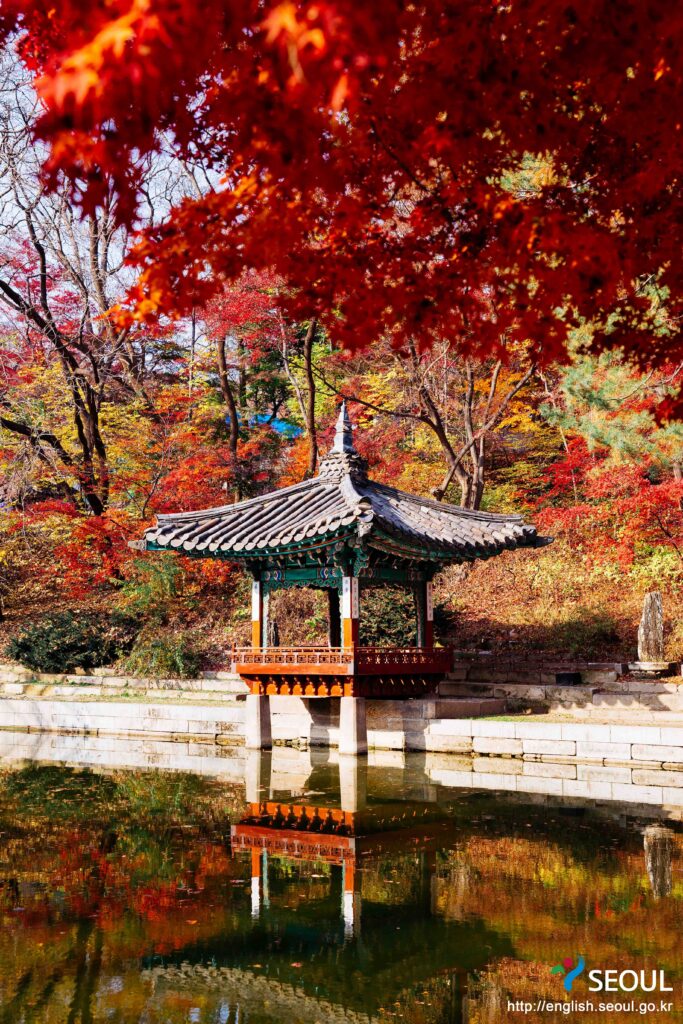
Image Credits: Seoul Metropolitan Government
Changdeokgung is a UNESCO-listed palace, and its Secret Garden (Huwon) is the royal garden behind it, with old pavilions and a pond that mirrors the trees. Maple and ginkgo leaves settle on the stone paths and float on the water in late October, and it’s one of the most photogenic autumn scenes in Seoul. Visits are on a guided tour only.
The Secret Garden ticket costs 5,000 KRW (~S$5) on top of the palace ticket, and each tour takes at most 100 people. English tours run at 10:30 AM, 11:30 AM, 2:30 PM and 3:30 PM from March to November. Late October and early November are the busiest weeks, so tours sell out.
The palace is closed on Mondays. Best for anyone who wants Seoul’s best autumn scenery and is happy to lock in a tour time. Skip it if you’d rather wander freely.
Deoksugung Palace and Stone Wall Road
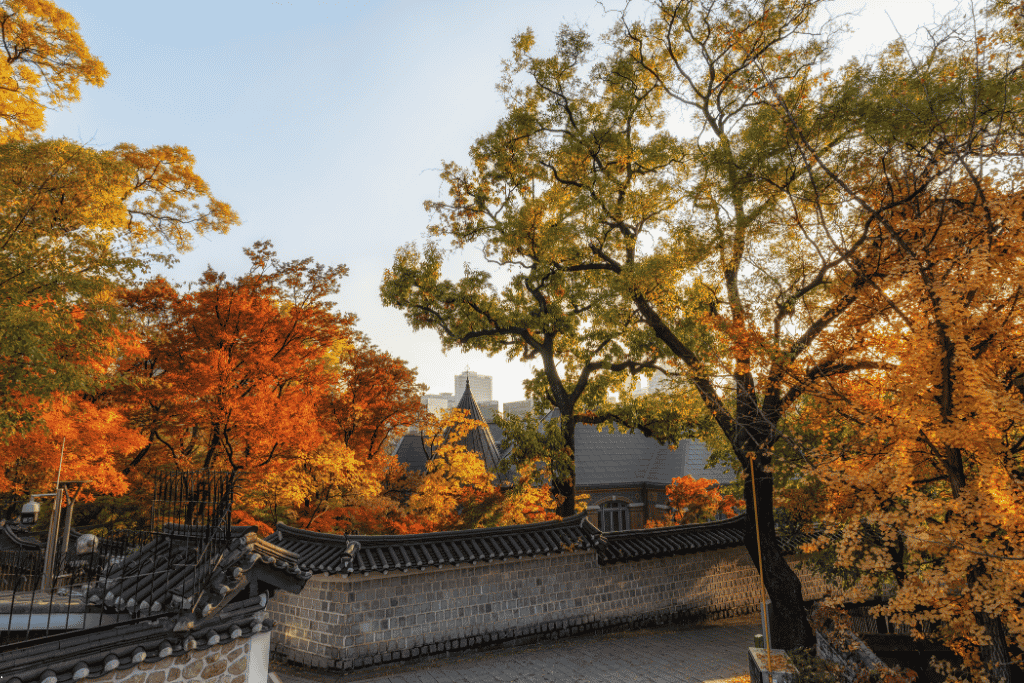
Deoksugung’s Stone Wall Road is a tree-lined footpath along the palace’s outer wall, a few minutes’ walk from City Hall, and it’s free to walk. Ginkgo along the wall and the nearby lanes turn gold in autumn.
The palace itself costs 1,000 KRW (~S$1), opens 9 AM to 9 PM (last entry 8 PM) and is closed on Mondays. Evening opening makes it an easy add-on after a day elsewhere. The path gets busy on autumn weekends, so go on a weekday if you can.
Gyeongbokgung Palace
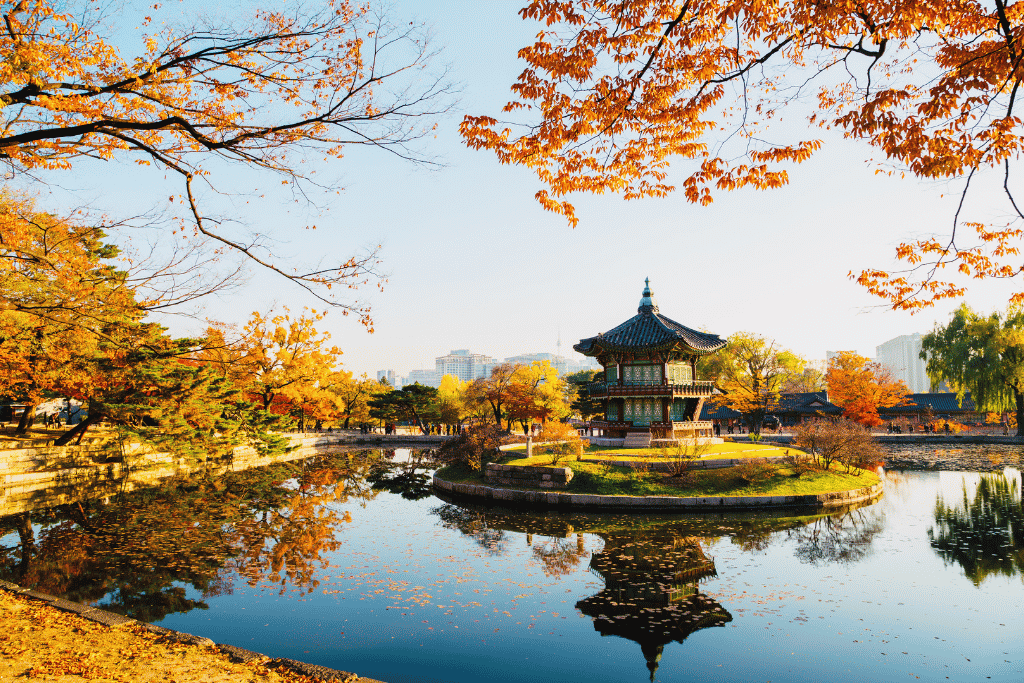
Gyeongbokgung is Seoul’s largest palace and the easiest one for a first-timer, with a 3,000 KRW (~S$3) entry fee that’s free if you’re wearing a hanbok, Korea’s traditional dress. It’s closed on Tuesdays.
Autumn colour is more of a backdrop here than at Changdeokgung, with trees along the edges of the courtyards rather than dense groves. Pair it with a hanbok rental and the hanok lanes nearby for a first Seoul day that covers a lot of ground.
Namsan and N Seoul Tower
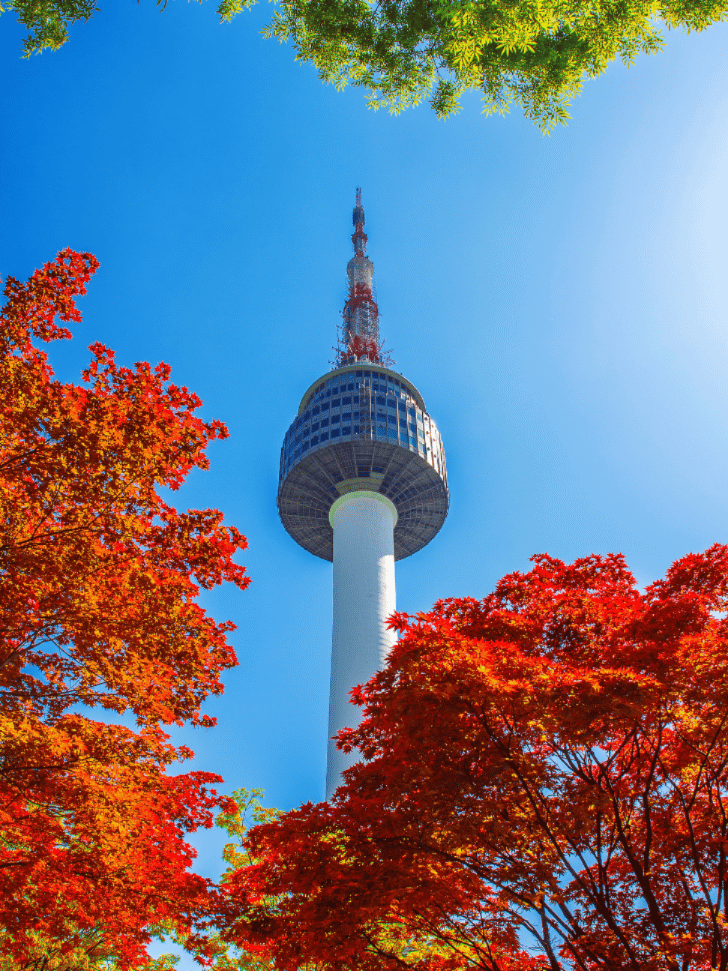
Namsan is the wooded hill in the middle of Seoul, topped by N Seoul Tower. Its trails and park viewpoints frame the city with autumn leaves in front of the tower.
Walk up through the trees rather than taking the cable car if you want the colour. Clear weekday mornings are the quietest time to go. A half-day here gets you a gentle climb and a free city view in one go.
Seoul Forest
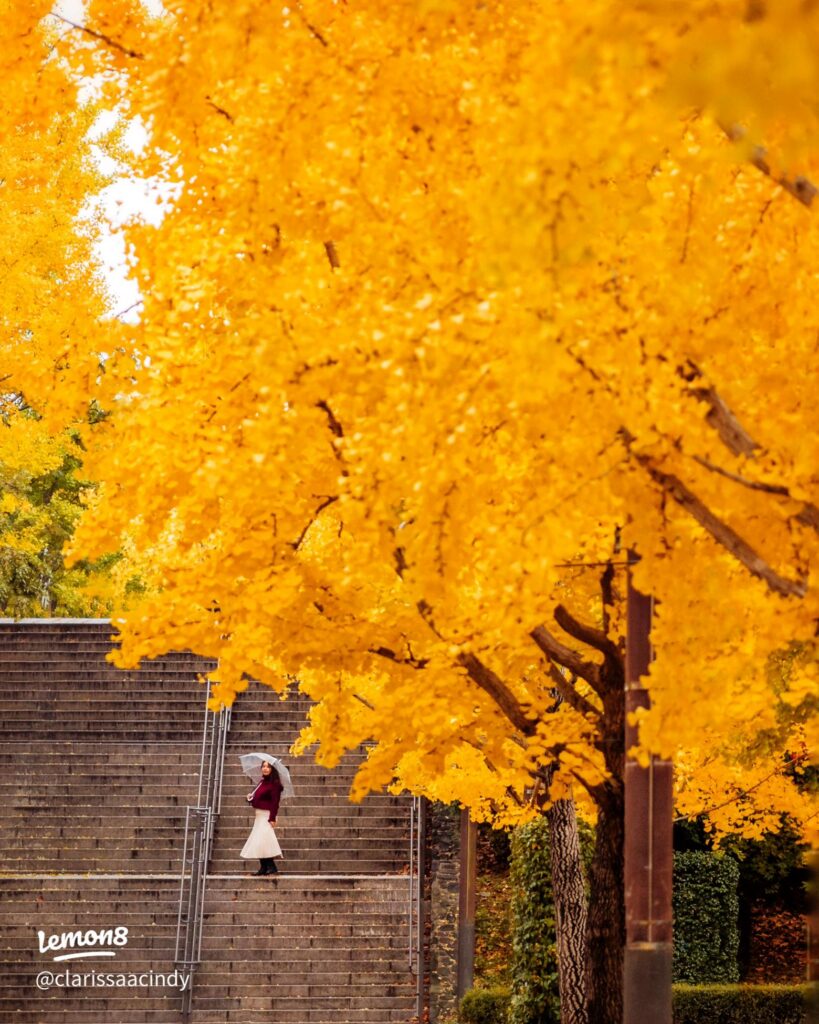
Image Credits: @clarissaacindy on Lemon8
Seoul Forest is a large park in Seongdong with a ginkgo stand that turns a saturated yellow for a short window in late autumn. Windy Hill, the park’s highest point, is planted with silver grass that ripples in autumn wind.
It’s free, open 24 hours and about a two-minute walk from Seoul Forest Station. Ginkgo fruit drops in autumn and smells awful when squashed, so watch where you step. Our Seoul Forest guide maps the whole park, and Seongsu’s cafes are a short walk away.
Haneul Park
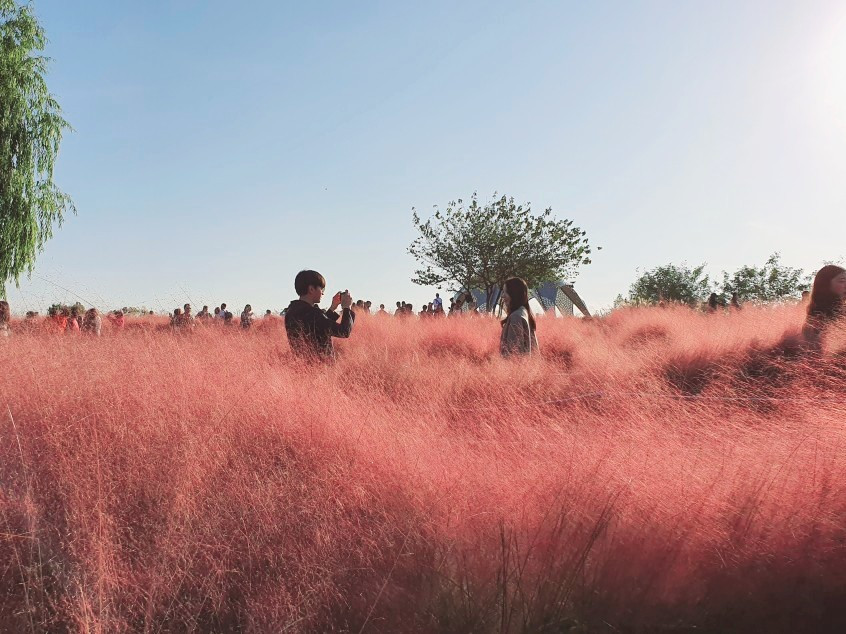
Image Credits: KoreaToDo
Haneul Park sits on a hilltop inside World Cup Park in western Seoul. About 198,000 square metres of silver grass cover its slopes, and the plumes turn pale and feathery in October. The park hosts the Seoul Silver Grass Festival for about a week in mid-to-late October, with media-art installations and longer evening hours. The 2025 edition ran from 18 to 24 October.
Go before 10 AM on a weekday. The park gets crowded once the grass is out, and the way up backs up early. Photographers get the most out of it, and it’s Seoul’s autumn without a single tree in sight.
Bukhansan
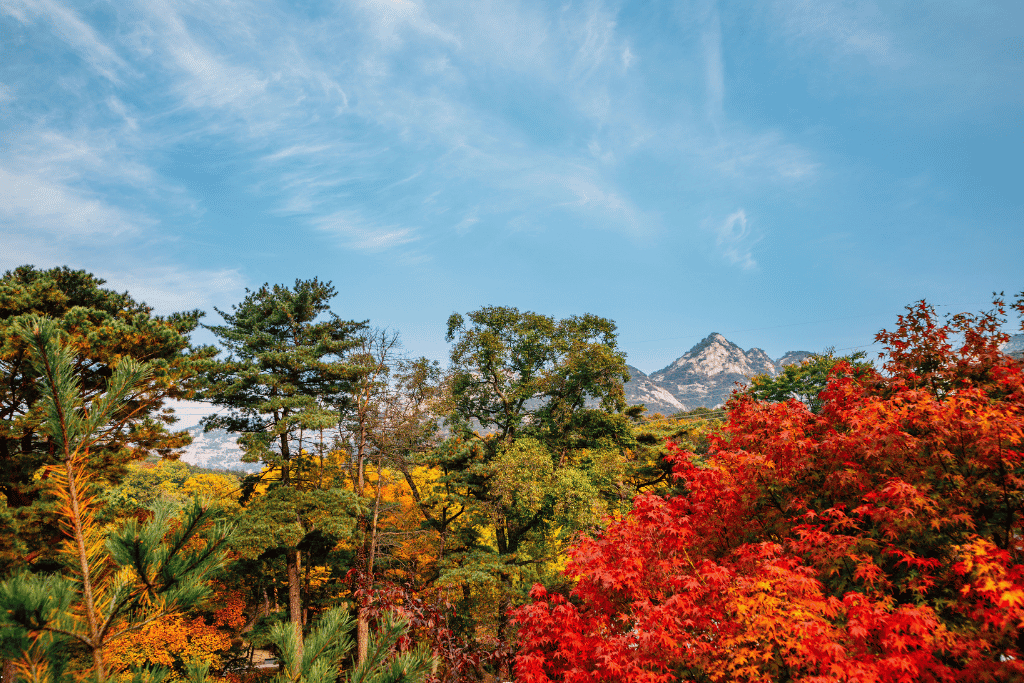
Bukhansan National Park is Seoul’s mountain, with granite peaks and temple-lined valleys, and Weatheri’s forecast gives it first colour on 23 October and peak on 4 November. It’s free to enter and reachable by subway and bus.
Weekends are packed, so start early. A half-day is enough, and it’s the closest real mountain foliage to central Seoul.
Sample Three-Day Seoul Route
| Day | Plan | Why This Order |
|---|---|---|
| 1 | Changdeokgung Secret Garden in the morning, then Deoksugung and its Stone Wall Road | Both palaces close on Mondays, so do them together on any other day |
| 2 | Namsan in the morning, then Seoul Forest and Seongsu | The forest’s ginkgo and the cafes sit in one neighbourhood |
| 3 | Bukhansan, or a day trip to Nami Island or Hwadam | Mountain and day-trip days need the earliest starts |
Swap the order if a palace day lands on a closing day, and move Haneul Park to the morning of any free weekday in the October silver-grass window.
📖 Related Guide: Want more to do between the leaves? Our 56 best things to do in Seoul covers the rest of the city.
Autumn Day Trips From Seoul
The best autumn day trips from Seoul are Nami Island, Hwadam Botanic Garden and, with an early start, Seoraksan. Nami and Hwadam suit a single day, while Seoraksan and Naejangsan work better with an overnight stay.
Nami Island
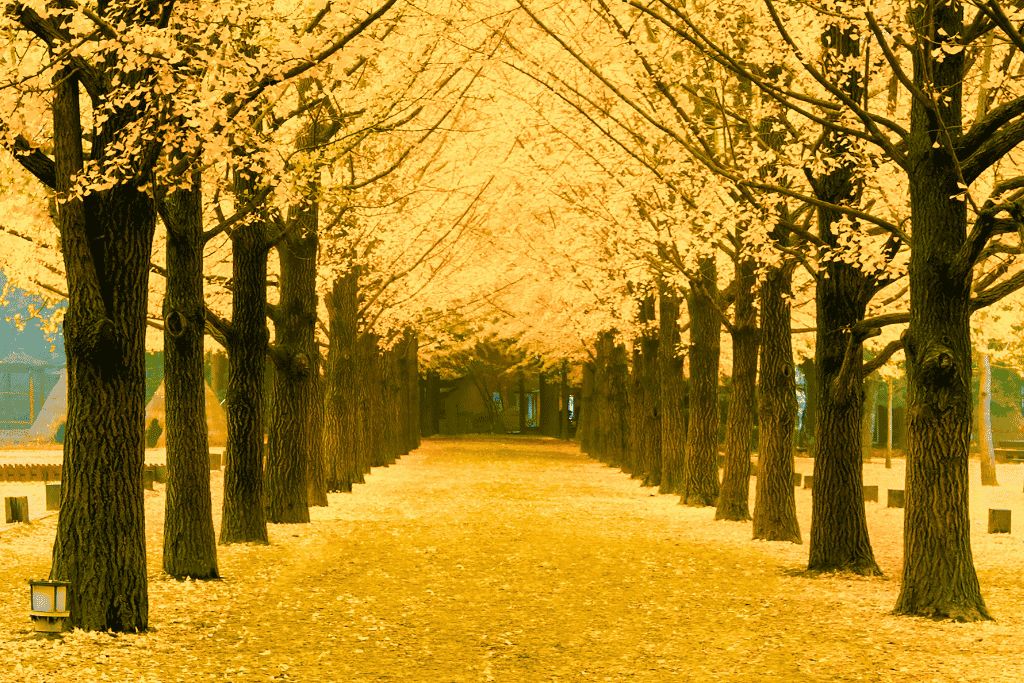
Nami Island is a tree-lined river island near Chuncheon, about an hour by train from Seoul. Its ginkgo avenue turns yellow from around late October, later than the island’s other trees. The metasequoia lane deepens to a russet brown around the same time, and the best colour runs from late October into mid-November.
Entry costs 19,000 KRW (~S$18) and includes the round-trip ferry from Gapyeong. Take the first ferries, since the island fills up by mid-morning. Couples and families tend to like it best, since the whole island is flat and easy.
Hwadam Botanic Garden
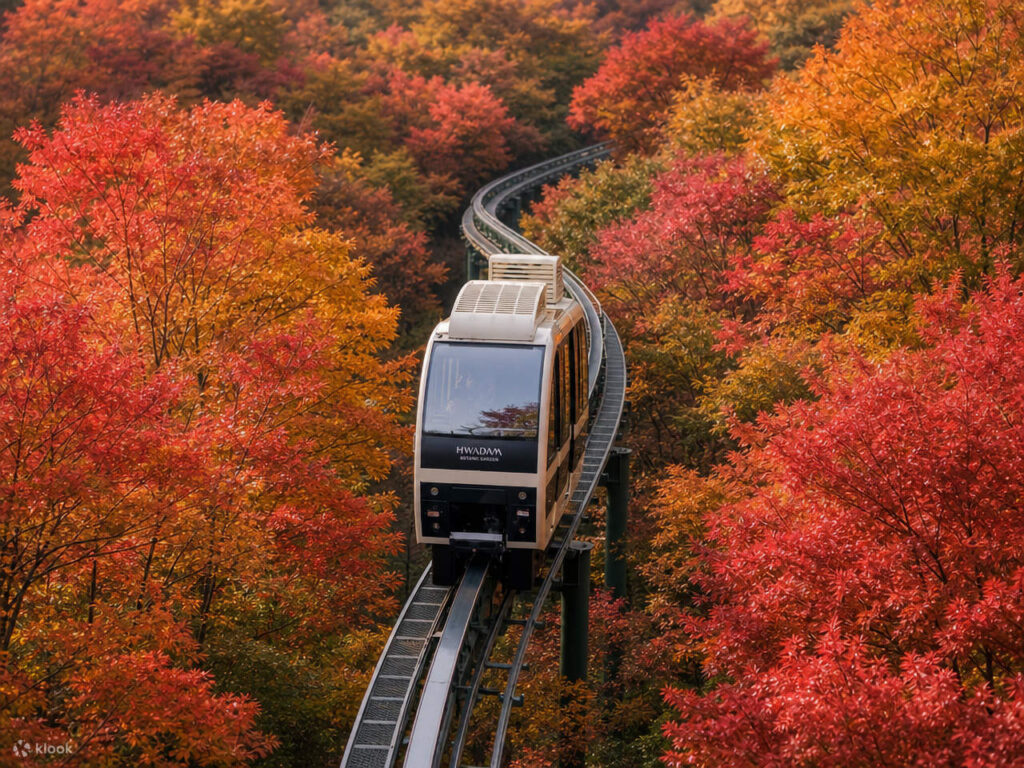
Image Credits: Klook
Hwadam Botanic Garden is a hillside forest garden inside Konjiam Resort in Gwangju, Gyeonggi, and its monorail carries visitors up through the maples. The trail is gentle enough for strollers.
Adult entry costs 11,000 KRW (~S$10), the monorail is priced separately, and online booking is required. Tickets sell out first in peak weeks. One Seoul vlogger’s tip from peak season: keep refreshing, because cancelled tickets reappear.
It suits a slow, scenic half-day for anyone who’s booked ahead, and it’s a good alternative to Nami Island if crowds put you off.
Seoraksan National Park
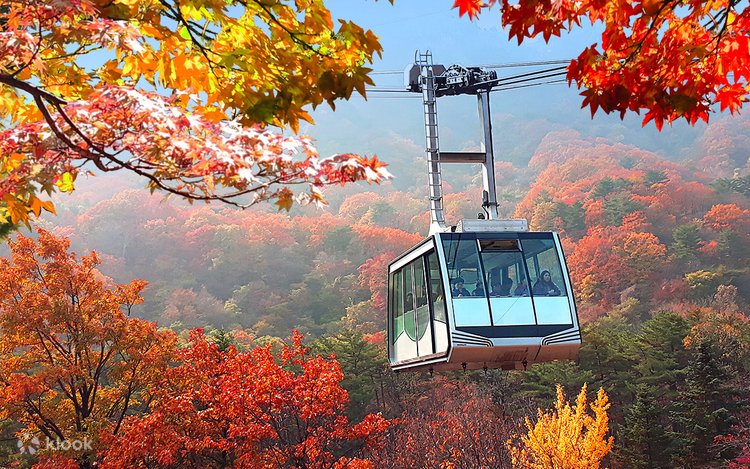
Image Credits: Klook
Seoraksan is the mountain range on Korea’s northeast coast where autumn colour arrives first, and its forecast peak is 25 October. Park entry is free, and the cable car up to Gwongeumseong Fortress costs 16,000 KRW (~S$15) for adults.
The bus from Seoul to Sokcho takes roughly 2.5 to 3 hours each way. The cable car has no online booking, and the queues grow during foliage weeks, so go early. Best for hikers with four or more days in Korea. Skip it if you only have a short Seoul trip.
Naejangsan National Park
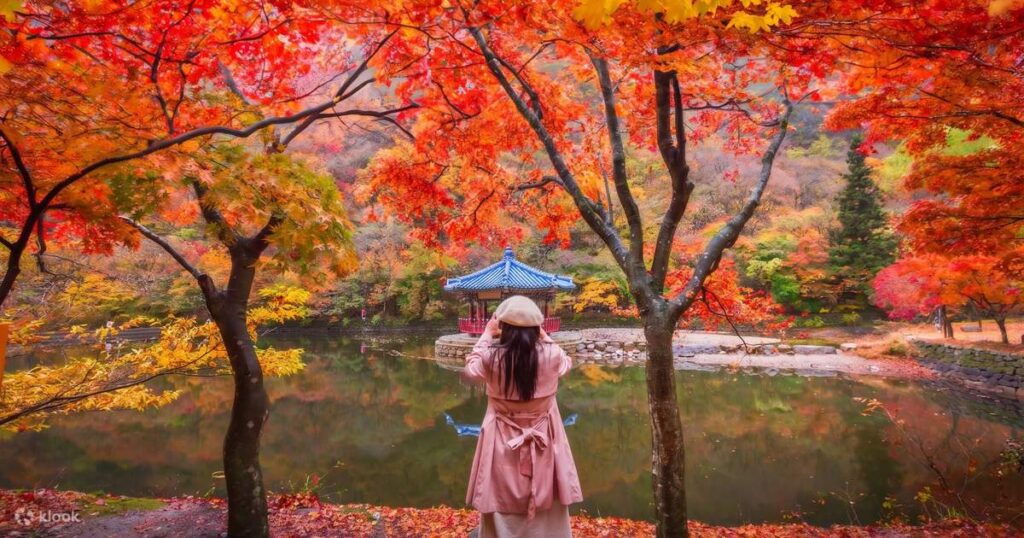
Image Credits: Klook
Naejangsan is a national park in Jeollabuk-do, in the southwest, and one of Korea’s best-known maple-viewing mountains. Its forecast first colour is 5 November, and its peak is 11 November, which makes it the pick for the second half of the trip or a later flight.
The KTX runs from Seoul to Jeongeup in about 1 hour 40 minutes, and a local bus covers the last stretch to the park entrance. A cable car up the slope costs 8,000 KRW (~S$7) round trip for adults. Leave early or stay overnight in Jeongeup, since peak weekends bring heavy traffic. Best for travellers with a spare night who want to catch the season’s late reds.
📖 Related Guide: Taking trains and buses? Our T-money card guide explains how to pay for Korea’s transport.
Autumn in Jeju
Jeju’s autumn colour arrives later than Seoul’s, with silver grass on the oreum (small volcanic cones) in October and Hallasan’s foliage forecast to peak on 13 November. The island suits travellers who want a slower, greener trip than Seoul.
Silver Grass on the Oreum
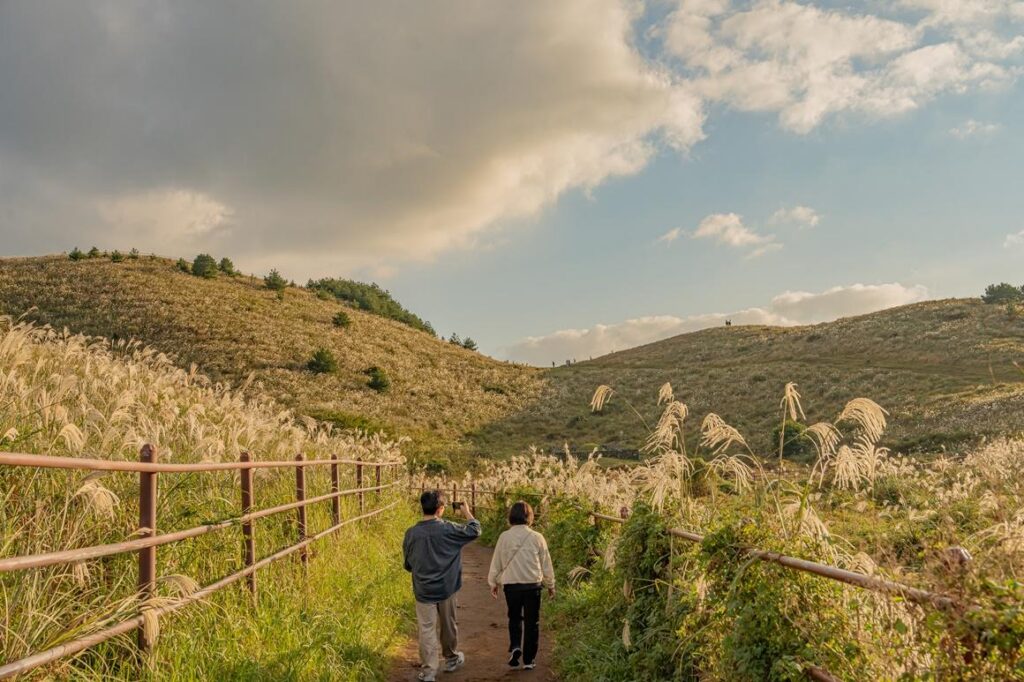
Image Credits: Visit Jeju
Saebyeol Oreum is one of Jeju’s easier volcanic cones to climb, and the silver grass on its slopes turns pale and feathery in October and early November. The summit sits about 519 metres above sea level, and the climb takes around 30 minutes.
At sunset, the grass glows gold against the farmland below. Entry is free, and the car park is large, though it fills up at sunset on weekends. A big view for not much effort, which is why families like it too.
Pink Muhly at Hueree Natural Life Park
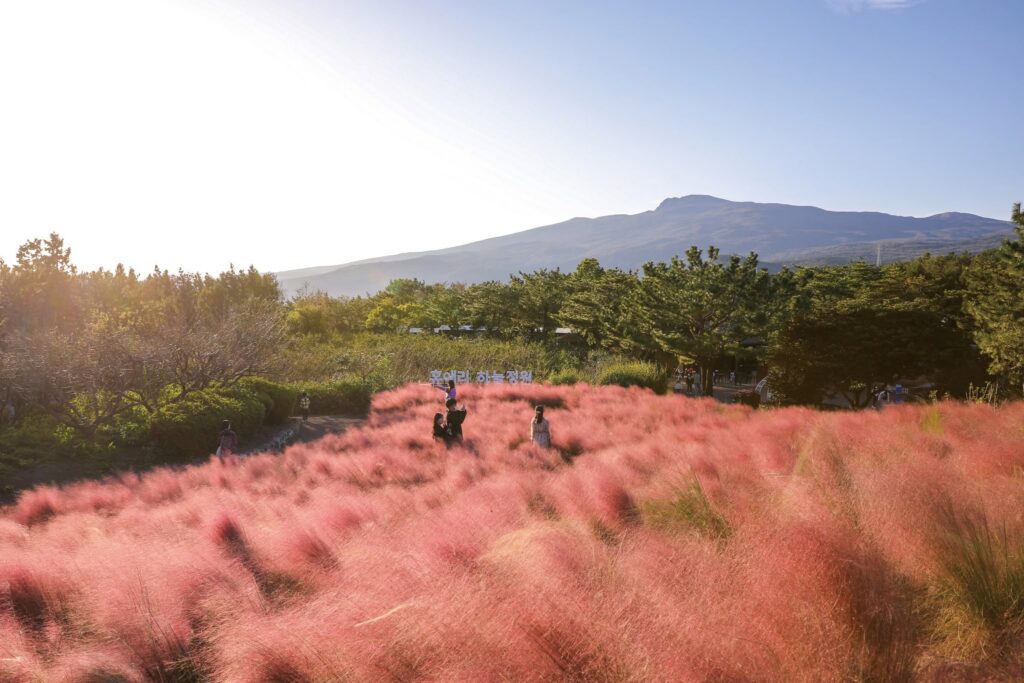
Image Credits: Hueree Natural Park
Hueree Natural Life Park in Seogwipo runs a Pink Muhly Festival roughly from mid-September to November. The muhly grass turns whole fields pink. ⚠️ The park hadn’t published exact 2026 dates at the time of writing, so check its site closer to your trip. The colour is soft and hazy, like pink smoke lying across the grass, and it photographs best in low morning or late-afternoon light.
The park sits at the foot of Hallasan, so pair it with a mountain morning. It suits couples and photographers more than hikers.
Hallasan
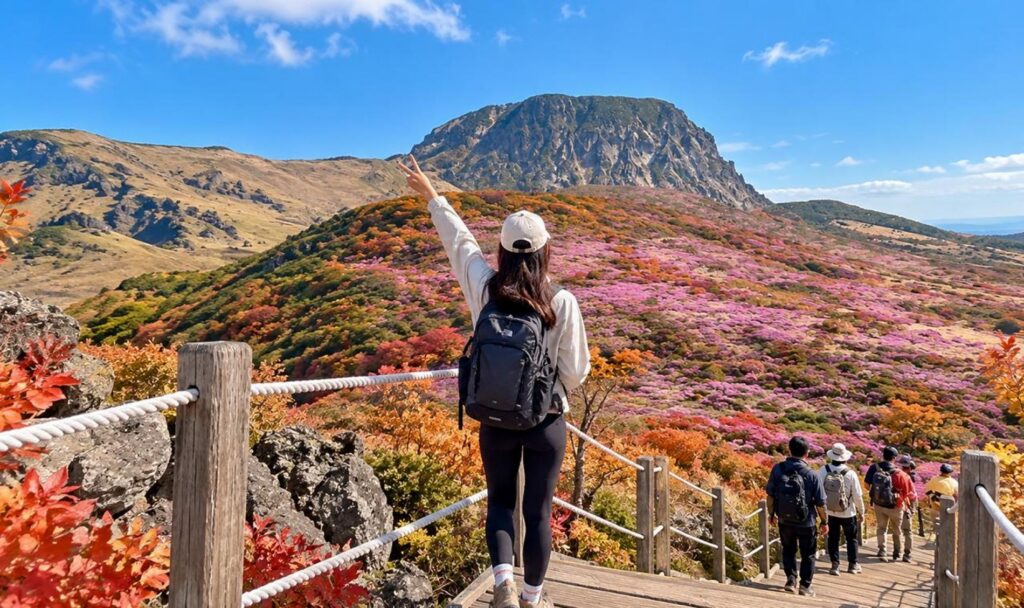
Image Credits: KKday
Hallasan, at 1,947 metres, is South Korea’s highest mountain, and it’s forecast to reach first colour on 31 October and peak on 13 November. Hiking to the summit needs a free reservation for either the Seongpanak or the Gwaneumsa trail.
Tangerine Picking
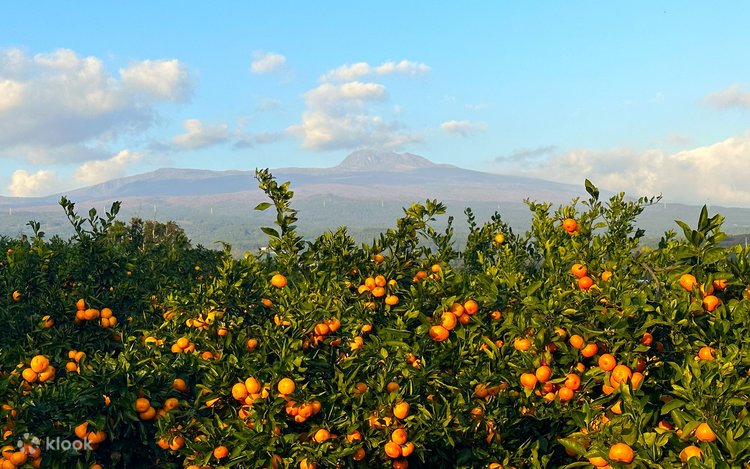
Image Credits: Klook
The earliest tangerines appear on Jeju from October, though the main picking season runs November to March. Many orchards let visitors pick their own once it’s underway, and the fruit is sweet, slightly tart and best eaten straight off the branch. Good for families, and an easy slow half-day between hikes.
Most people add Jeju by flying from Seoul, and our Seoul to Jeju guide compares flights and ferries.
📖 Related Guide: Planning the whole island? Our Jeju things-to-do guide has a 4-day itinerary.
Autumn in Busan and Gyeongju
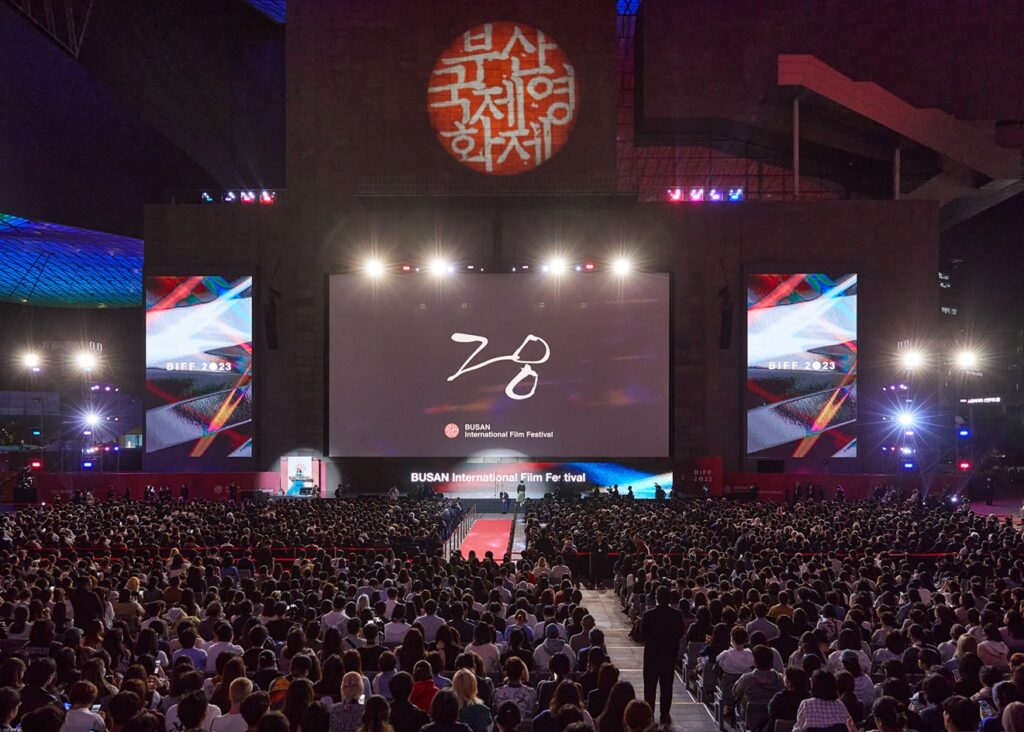
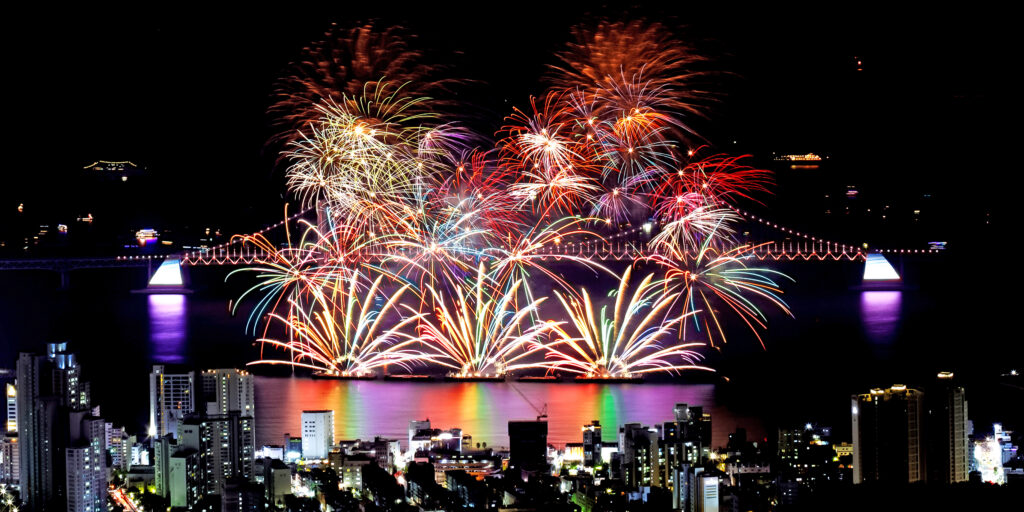
Image Credits: Busan International Film Festival; Wikipedia
Busan is better for events and sea views in autumn than for mountain foliage, which reaches the south later. The two biggest dates are the film festival and the fireworks.
- Busan International Film Festival: The 31st edition runs from 6 to 15 October 2026 at the Busan Cinema Center.
- Busan Fireworks Festival: The 21st edition lights up Gwangalli Beach on Saturday 7 November 2026, with a media show on the Gwangandaegyo Bridge.
Gyeongju, the old Silla capital, is about 50 minutes from Busan Nopo terminal by intercity bus, and the fare is 7,700 KRW (~S$7). Our Gyeongju guide covers the tombs and temples. Busan works best as the second stop on a trip that starts in Seoul, with our Seoul to Busan guide covering the KTX, flights and cheapest options.
📖 Related Guide: Spending a few days by the sea? Our best things to do in Busan guide covers the city.
Things to Do in Seoul in October and November
The best things to do in Seoul in October and November are outdoor ones: palace walks, silver grass, hilltop views and cafe-hopping in the old factory and alley neighbourhoods. The cool, dry days suit walking, and evenings are cold enough for a hot drink.
Seongsu-dong
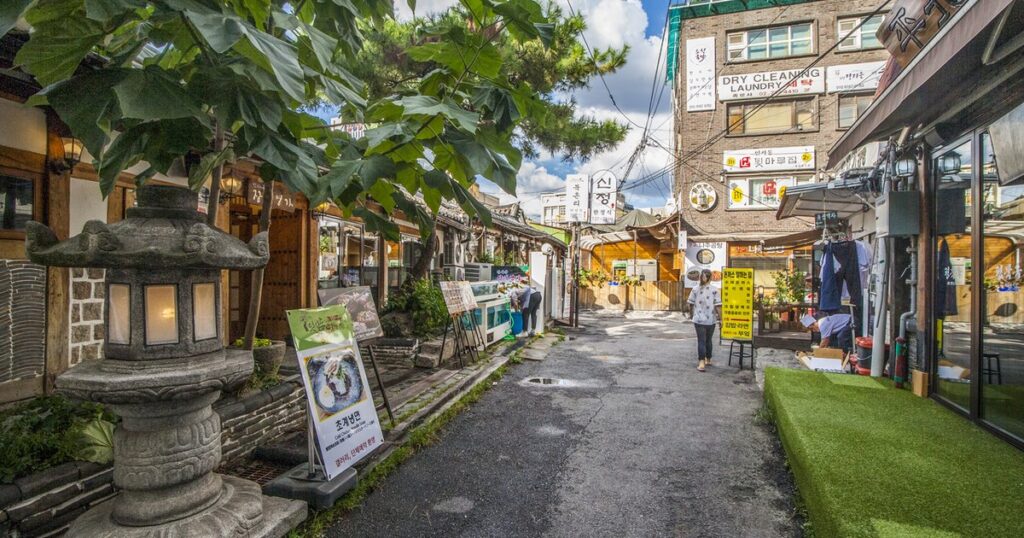
Image Credits: Klook
Seongsu is a former factory and workshop district in Seongdong, and many of the old buildings now hold cafes, galleries and shops. It sits next to Seoul Forest, so pair the two on one day.
The Monami concept store, on the site of the brand’s 1963 pen factory, has run a make-your-own-pen station in past seasons. Worth confirming it’s still open before a special trip. The district’s Handmade Shoe Street reflects its shoemaking past too. It suits slow cafe afternoons rather than checklist sightseeing.
Gwangjang Market
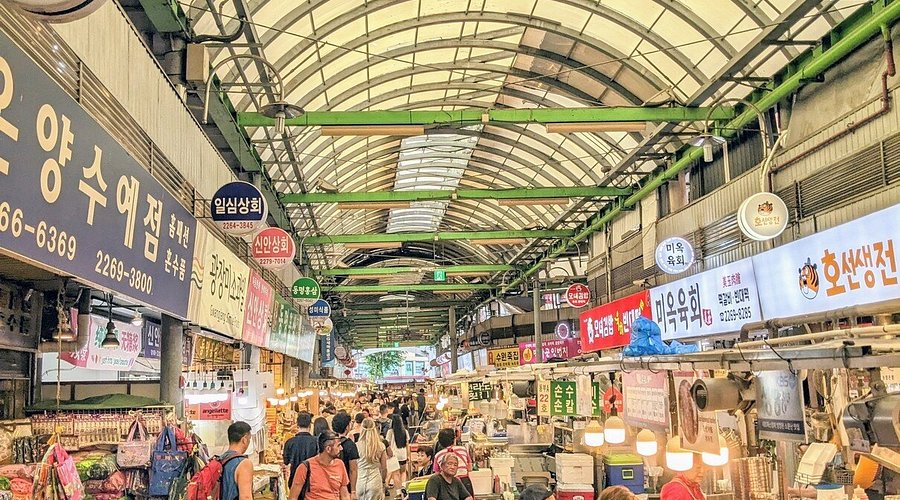
Image Credits: Tripadvisor
Gwangjang Market is a covered market in Jongno known for its street-food stalls, and it also has vintage clothing and hanbok fabric stalls. Go hungry, since it’s one of Seoul’s best places to graze on cheap, hot food when the evenings turn cold.
The clothing vendors can be pushy, so a polite “just looking” is enough. Good for a proper meal without booking a restaurant.
Euljiro and Jongno Back Alleys
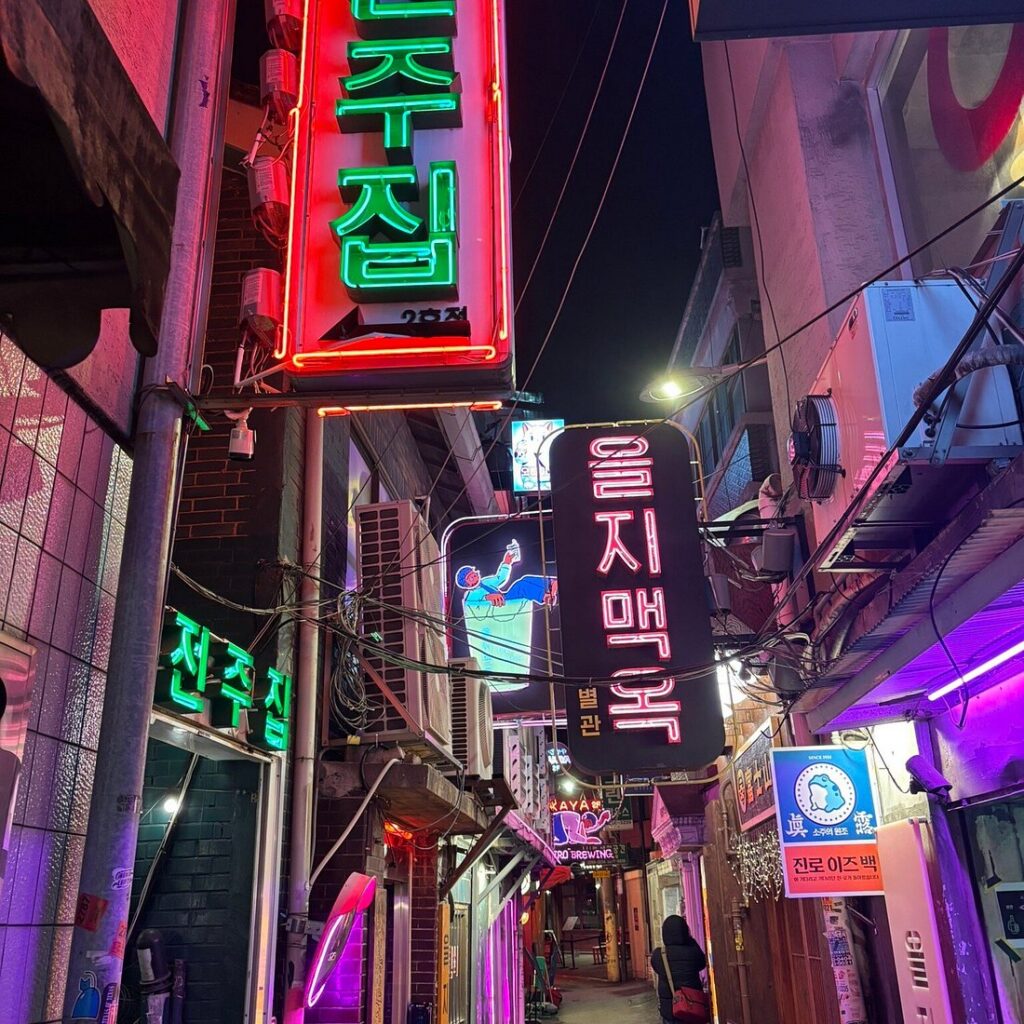
Image Credits: Tripadvisor
Euljiro’s back alleys hide cafes in old buildings, and the quiet workshop streets between Euljiro and Jongno are good for an unhurried walk. It suits anyone who likes finding places rather than queuing for them.
📖 Related Guide: Shopping between the sights? Our Lotte Duty Free Korea guide covers the deals and the K-beauty picks worth queuing for.
Crowds, Bookings and Public Holidays
Foliage spots get crowded in peak weeks, so book the few timed-entry places first and save the rest for weekdays. Four attractions are worth locking in early:
- Changdeokgung Secret Garden: Guided tours only, with at most 100 people per session.
- Hwadam Botanic Garden: Online booking is required and weekends sell out.
- Hallasan summit trails: Free reservations are required for Seongpanak and Gwaneumsa.
- Seoraksan cable car: No online booking, so arrive early to beat the queue.
Palace closing days catch people out on long weekends:
| Palace | Closed On | Adult Entry |
|---|---|---|
| Changdeokgung | Mondays | 3,000 KRW (~S$3) |
| Deoksugung | Mondays | 1,000 KRW (~S$1) |
| Gyeongbokgung | Tuesdays | 3,000 KRW (~S$3) |
If a Monday falls on a Korean public holiday, the palace usually opens and closes on the next weekday instead.
📖 Related Guide: Locking in flights before the leaves turn? Our travel insurance guide compares Singapore plans.
Paying for Your Autumn Trip in Korea
Korea is largely card-friendly, but market stalls and small ticket counters still take cash. Bring a little for those.
Withdraw won from an ATM once you land rather than changing money in Singapore. A money changer doesn’t post an obvious fee, it just bakes a markup of a few percent into the rate it quotes.
With a YouTrip card, your first S$400 of overseas ATM withdrawals each calendar month is free, then a flat 2%, and the allowance resets on the 1st.
Some Korean ATM operators add their own flat fee, shown on screen before you confirm, so cancel if it looks steep.
For everything card-friendly, tap the YouTrip card and pay no foreign transaction fee. Every won spend converts from SGD at the Mastercard wholesale rate.
For deeper detail, see our South Korea ATM withdrawal guide and Can YouTrip be used in Korea?
FAQs
Yes. October is one of the best months to visit. Seoul averages a high of 20°C and a low of 11°C; Seoraksan’s foliage peaks around 25 October, and the city’s ginkgo trees start turning yellow. Book timed-entry spots like the Secret Garden ahead.
Bukhansan, the nearest forecast mountain, is expected to reach first colour on 23 October and peak on 4 November. Ginkgo and maples in Seoul’s palaces and parks generally follow a similar window. The forecast comes from Weatheri via VISITKOREA and can shift with the weather.
On the calendar, yes: autumn runs from September to November. In practice, September still feels like late summer, with Seoul averaging highs of about 26°C, and the foliage doesn’t start until October.
Koreans call the season gaeul (가을). In English, both words are in use: autumn is the British form and fall is the American one.
Not until November. October suits a light jacket, with Seoul averaging 20°C by day and 11°C at night. November drops to a 12°C high and a 4°C low, so pack a warm coat and a thin thermal layer.
At any single spot, the best colour lasts roughly one to two weeks. Across the country, the season is longer, running from early October in the northeast to mid-November in the south.
Late October to Early November Is the Window to Aim For
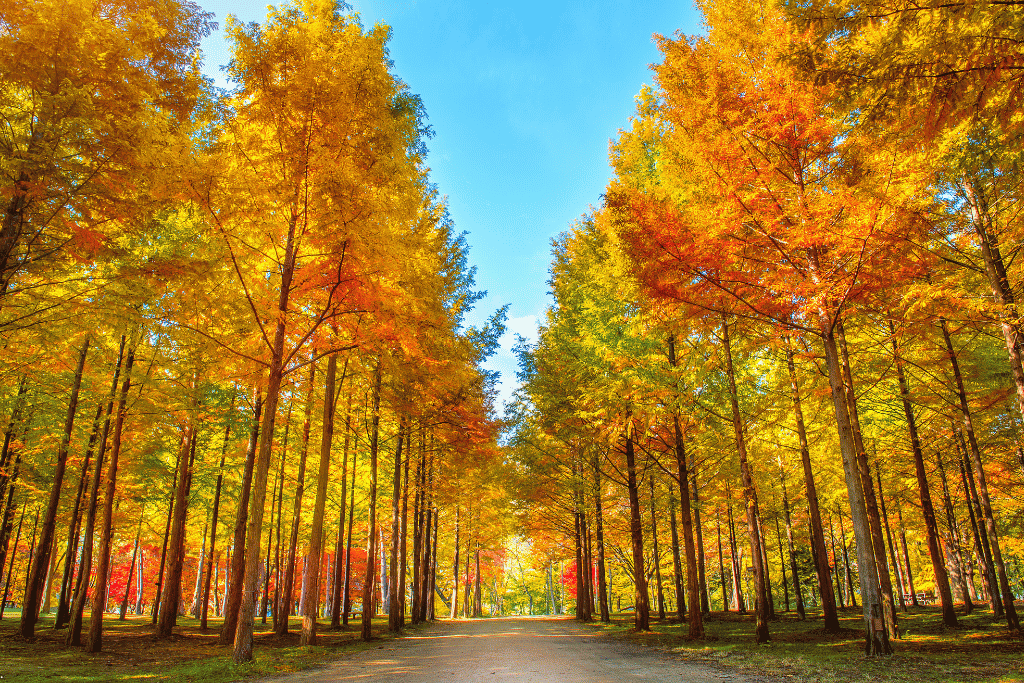
Aim for the last week of October to catch Seoraksan and Seoul’s silver grass, or the first week of November for the palaces, parks and Bukhansan. Book the Secret Garden and Hwadam first, then fill the rest of your days with markets and cafes.
Tap your YouTrip card wherever cards work and keep your first S$400 of ATM withdrawals each month for the cash-only stalls.
Not a YouTrooper yet? Singapore’s go-to multi-currency wallet helps you save with great FX rates and zero fees. Skip the money changer and get a free YouTrip card + S$5 YouTrip credits with code YTBLOG5.
Then, head over to our YouTrip Perks page for exclusive offers and promotions — we promise you won’t regret it. Join our Telegram (@YouTripSG) and Community Group (@YouTripSquad) for travel tips, event invites, and more! 💜
Happy travels!