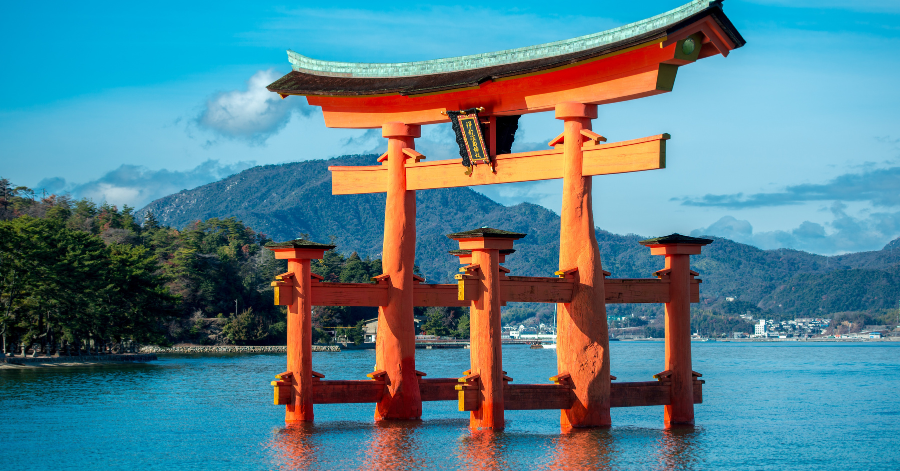



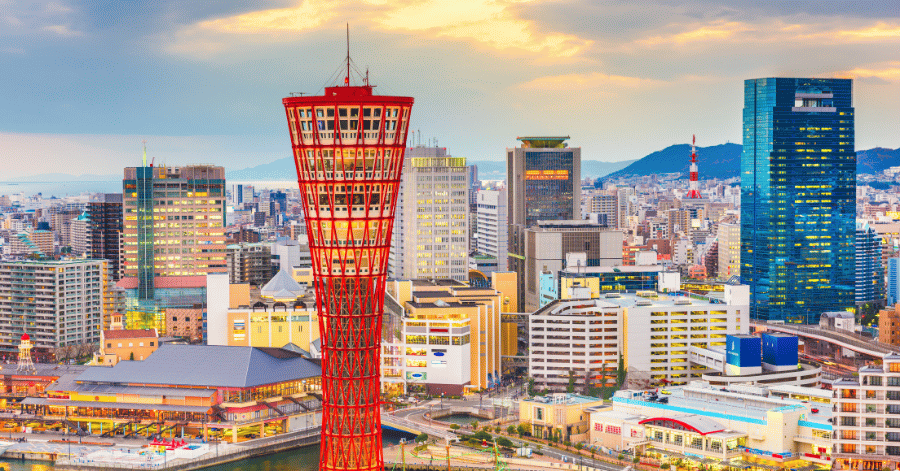

A hot-spring town, a night view and the beef, squeezed into one afternoon
Kobe is the Japanese port city, not the basketball player, and the two share nothing except a name. Wedged between the Rokko mountains and Osaka Bay, it packs a hot-spring town, one of Japan’s three official night views and the beef itself into an area small enough to cross on foot. Below: what earns a spot on that day, and how to pay for it without losing a cut to fees.
| Quick Planner | Kobe at a Glance |
|---|---|
| ⏱️ Time needed | One full day covers the city; add a night for Arima Onsen and the mountain |
| 📍 Where | Hyogo Prefecture, on Osaka Bay, 20 minutes west of Osaka |
| 🚄 Getting there | JR special rapid, Osaka to Sannomiya in about 20 minutes for 420 JPY (~S$3) |
| 🥩 Famous for | Kobe beef, Arima Onsen, the Mount Rokko/Maya night views, the old foreign port |
| 📅 Best time | Late March to May and October to early December |
| 💰 Rough cost | A full day of sights runs roughly 40 to 60 S$, before the beef |
| 💳 Pay with | Tap your YouTrip card (0% FX); withdraw yen at an ATM for the cash-only stalls |
The shortlist:
| Spot | Area | Cost (~S$) | Best for |
|---|---|---|---|
| Arima Onsen | North, behind Rokko | S$4 to S$6 per bath | Japan’s oldest hot-spring town, an hour from the centre |
| Kikuseidai, Mount Maya | Mount Maya | S$12 return | One of Japan’s three official night views |
| Rokko Shidare Observatory | Mount Rokko | S$8 | The reliable night view, open more of the week |
| Nunobiki Herb Gardens | Above Shin-Kobe | S$20 | A ropeway to 400m and 75,000 herbs |
| Kobe City Hall Observation Lobby | Central Kobe | Free | The city’s best free night view, open till 10 PM |
| Kobe Port Tower | Meriken Park | S$10 | Rooftop deck, open till 11 PM |
| Nankinmachi | Motomachi | Free to wander | One of Japan’s three great Chinatowns |
| Kitano Ijinkan | North of Sannomiya | Free to S$6 | Western merchant mansions from the 1868 port era |
| Nada sake breweries | East Kobe | Free | Japan’s biggest sake district, free tastings |
| átoa | Shinko waterfront | S$21 | An aquarium built like a stage set |
| Maiko Marine Promenade | Far west | S$2 | Walking inside the Akashi Kaikyo Bridge |
| Nunobiki Falls | Behind Shin-Kobe | Free | Four waterfalls, 20 minutes from a bullet-train platform |
| Sengari Dam | Kita Ward | Free | A 1919 working dam few tourists ever reach |
| Kobe’s coffee scene | Kitano and Motomachi | S$3 to S$5 a cup | Japan’s oldest coffee shop, plus two modern roasters |
Table of Contents
- Is Kobe Worth Visiting?
- What Is Kobe Famous For?
- How Many Days in Kobe Is Enough?
- Best Time to Visit Kobe
- The Best Things to Do in Kobe
- Where to Eat Kobe Beef in Kobe
- What Else to Eat in Kobe
- What to Do in Kobe at Night
- What to Do in Kobe With Kids
- Kobe in a Day: A Route That Works
- How to Get to Kobe From Singapore
- Day Trips From Kobe
- How to Pay in Kobe
- FAQs
- Give Kobe the Evening
Is Kobe Worth Visiting?
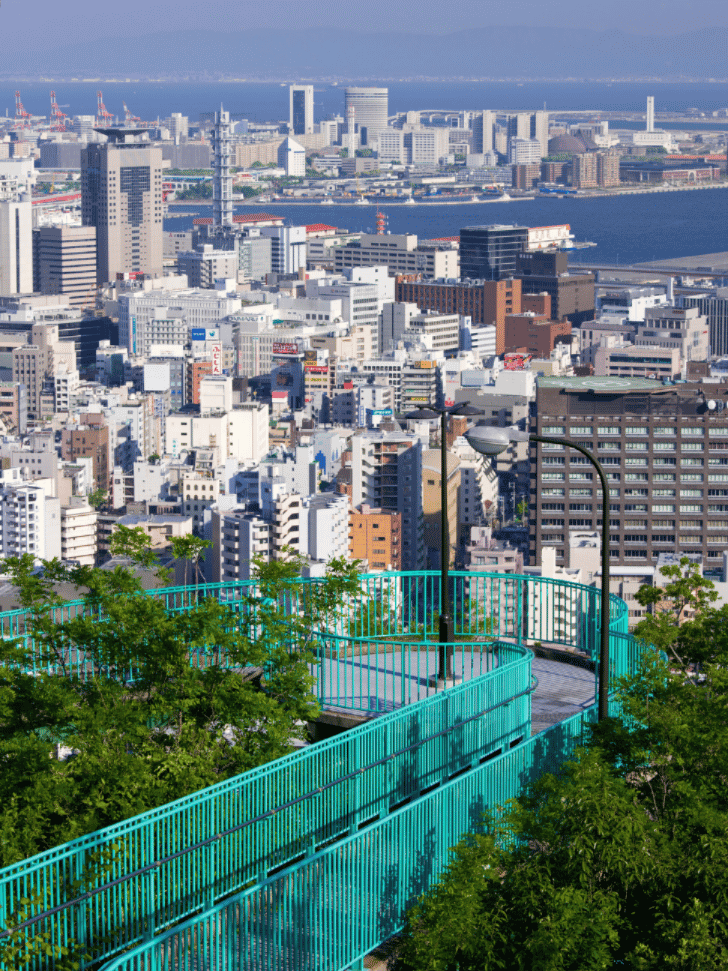
Yes, if you treat it as a day out of an Osaka or Kyoto trip rather than a base to sleep in. Kobe gives you three things those cities can’t: a proper hot-spring town, a mountain night view, and the beef the city lent its name to.
What it won’t give you is a single headline sight. There’s no Fushimi Inari torii tunnel here, no castle keep, no Dotonbori strip. Kobe rewards a slower, street-level pace, and travellers chasing one big photo tend to leave underwhelmed.
The upside is how close everything sits. Sannomiya, the main station, puts Chinatown, the old Western quarter and the waterfront within a 20-minute walk of each other, and the ropeway to the mountains starts one stop away. You can see a lot without burning the day on trains.
Come for the food and the setting, and give it the evening if you can manage one. The city looks best after dark, which is also when Kobe beef restaurants stop running their cheaper lunch sets, worth timing around.
📖 Related Guide: Building the wider Kansai leg? Our Osaka things-to-do guide covers the city most travellers use as their base.
What Is Kobe Famous For?
Kobe is famous for four things: Kobe beef, Arima Onsen, the Mount Rokko and Mount Maya night views, and its 1868 opening as a treaty port. That last one shapes almost everything else on this list.
That treaty-port history explains most of the city’s character. Foreign merchants settled the hillside at Kitano and built Western-style houses there, Chinese traders founded what became Nankinmachi, and Indian and Tatar merchants funded a mosque that still holds services today. Kobe ended up more mixed than almost anywhere else in Japan, and it still reads that way on a walk through it.
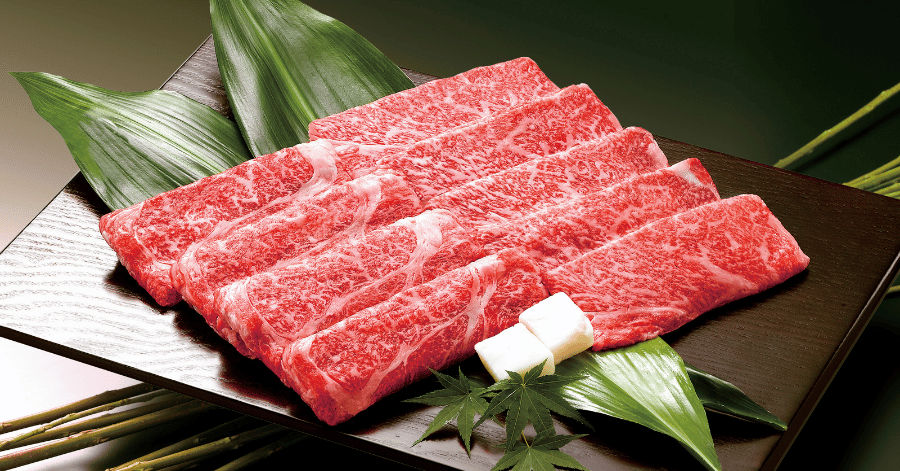
The beef came out of the same era. Foreign residents wanted steak, local Tajima cattle were already prized, and the port’s name stuck to the meat. East of the centre, the Nada district became the country’s biggest sake-producing area on the strength of the local water.
📖 Related Guide: Bringing home more than photos? Our what to buy in Japan guide covers the souvenirs worth the suitcase space and how tax-free shopping works.
How Many Days in Kobe Is Enough?
One full day is enough for the city itself. Two days let you add Arima Onsen and the mountain properly, and most Singapore travellers still do it as a day trip from Osaka or Kyoto rather than book a hotel.
Half a day in Kobe
Half a day is doable, though you’ll only reach the waterfront and Chinatown. Land at Sannomiya, walk down through Nankinmachi for a pork bun, continue to Meriken Park and the Port Tower, then head back. Skip the mountain here, since the ropeway alone eats an hour each way. Half a day suits a stopover between Osaka and Himeji more than a trip on its own terms.
One day in Kobe
A full day works best as a side trip. It gets you the ropeway and herb gardens in the morning, Kitano and Nankinmachi in the afternoon, a Kobe beef lunch in between, and the harbour at dusk. It’s a comfortable day rather than a rushed one, and you’re back in Osaka by nine.
Two days in Kobe
Two days is worth it only if Arima Onsen is the draw. Staying a night lets you take the ropeway over Rokko to the hot springs and soak properly, then have dinner up on the mountain with the night view below you. A second morning still leaves room for the sake breweries or the Akashi Kaikyo Bridge. Three nights would be more than the city needs.
📖 Related Guide: Slotting it into a bigger route? Our Kyoto things-to-do guide covers the other half of most Kansai itineraries.
Best Time to Visit Kobe
Late March to May and October to early December are the strongest windows: mild days, low rain, and mountain views you can actually see. The same logic holds across the rest of Kansai.
Summer is the one to avoid if the dates are flexible. July and August turn the hillside walks at Kitano, and the falls trail into a slog of heat and humidity. The upside is that the ropeway runs later into the evening to compensate, so an early-evening ride beats an afternoon one.
Winter is underrated here. The air runs clearest from December to February, which matters more in Kobe than in most cities, since the whole point of Mount Rokko is seeing clearly across the bay. Pack layers, because the summit sits several degrees colder than the waterfront below it.
📖 Related Guide: Timing the whole trip around blossoms or leaves? Our best time to visit Japan guide breaks the country down season by season.
The Best Things to Do in Kobe
The sights fall into three bands: waterfront at the bottom, the old town around Sannomiya in the middle, mountains behind. Almost everything below sits within 20 minutes of Sannomiya Station, so pick one band per half-day instead of zigzagging between them.
A Kobe City Loop bus day pass (800 JPY, ~S$6 adults; 400 JPY, ~S$3 children) covers both the CITY LOOP and Port Loop routes and throws in small discounts at close to 30 attractions along the way. Buy it on the bus itself, at the tourist counters outside Sannomiya and Shin-Kobe stations, or at Kamomeria on the waterfront.
Most entries below are walkable within their own band, so save the bus pass for a day that strings Harborland, Meriken Park and the Kitano hill together, where it actually saves the legwork.
Kobe Nunobiki Herb Gardens and Ropeway
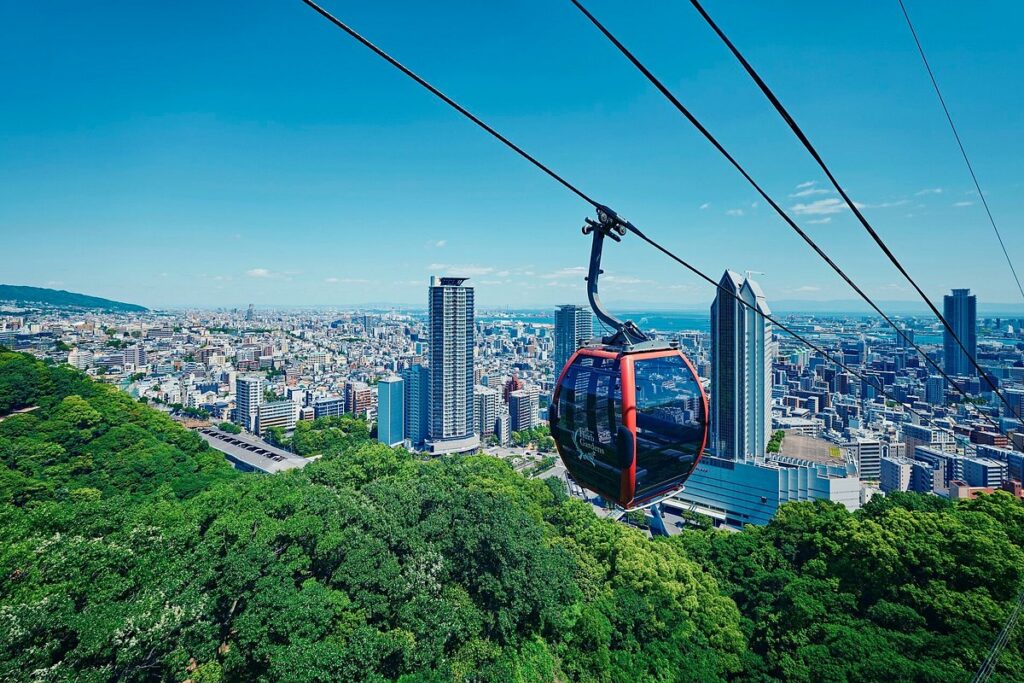
Image Credits: Tripadvisor
The ropeway ride up is the best introduction to how Kobe is laid out: mountains behind, bay in front, city squeezed thin between the two. A ten-minute ride climbs from behind Shin-Kobe Station to about 400 metres, over the falls valley, to terraced gardens holding roughly 75,000 herbs and flowers across some 200 species.
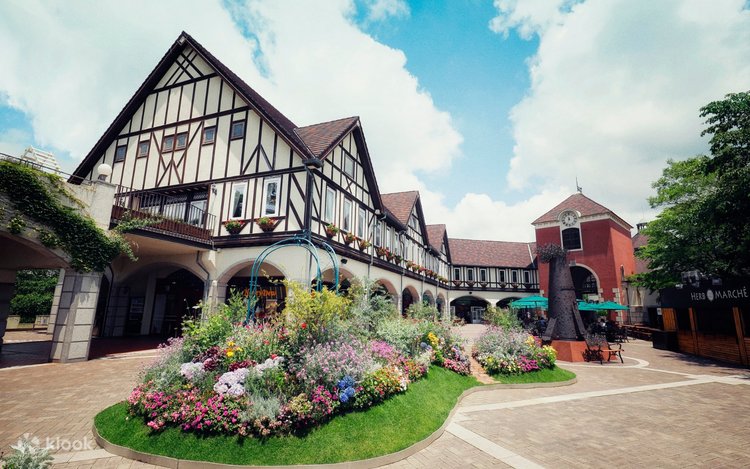
Image Credits: Klook
Treat the ride and the view as the main event and the planting as the bonus, since it’s a garden rather than a spectacle. Go late afternoon in summer and stay for the evening opening, when the terraces light up and the bay switches on below.
- 📍 Above Shin-Kobe Station, one stop from Sannomiya
- 🕘 Ropeway runs from 9:30 AM; the gardens themselves open from 10 AM to 5 PM, later on weekends, public holidays and in summer
- 💰 2,500 JPY (~S$20) adults, 1,250 JPY (~S$10) children, round trip including the gardens; 2,000 JPY (~S$16) and 1,200 JPY (~S$10) for evening round trips from 5 PM
Nunobiki Falls
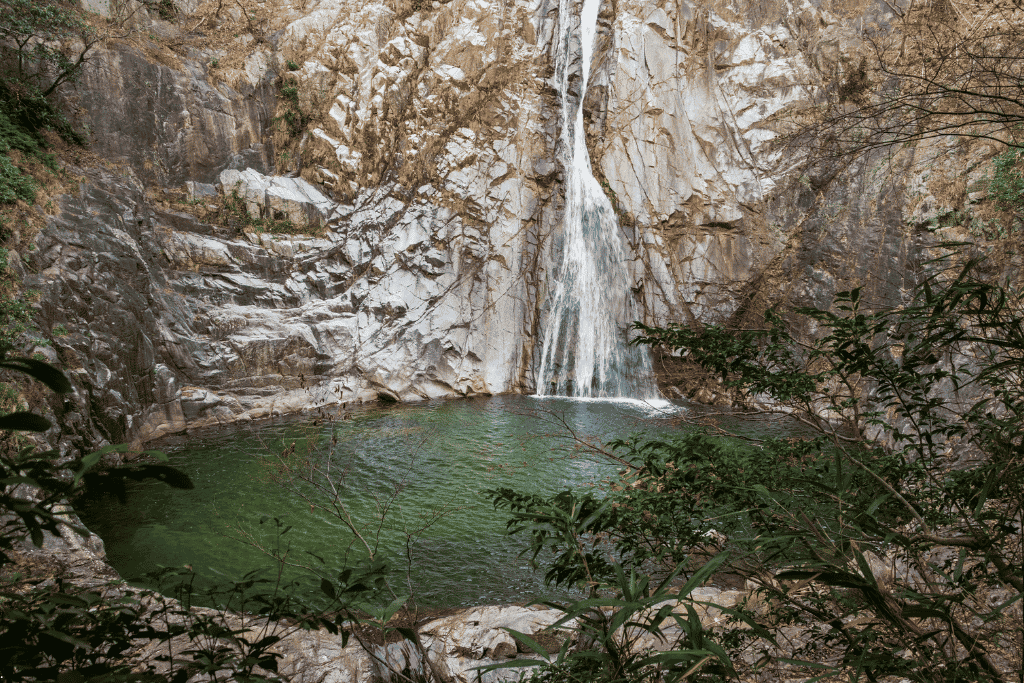
Four waterfalls, a 20-minute walk from a bullet-train platform, and free. The trail starts at ground level beneath Shin-Kobe Station and climbs into a wooded gorge. It reaches Ontaki, the tallest of the four at 43 metres, in about 20 minutes.
Ontaki Chaya, a teahouse that’s served walkers here for over a century, sits right by the falls if a break’s in order before the climb back down. The full loop back to the station takes an hour and a half to two hours.
It’s genuinely surprising how fast the city disappears behind you on this trail. Wear proper shoes, since the path is stone steps rather than paved walkway. Pick up a trail map from the tourist counter inside Shin-Kobe Station on your way through.
Best for anyone with a spare morning who’d rather walk than shop. Skip it in heavy rain, when the steps get slick.
Mount Rokko and the Rokko Shidare Observatory
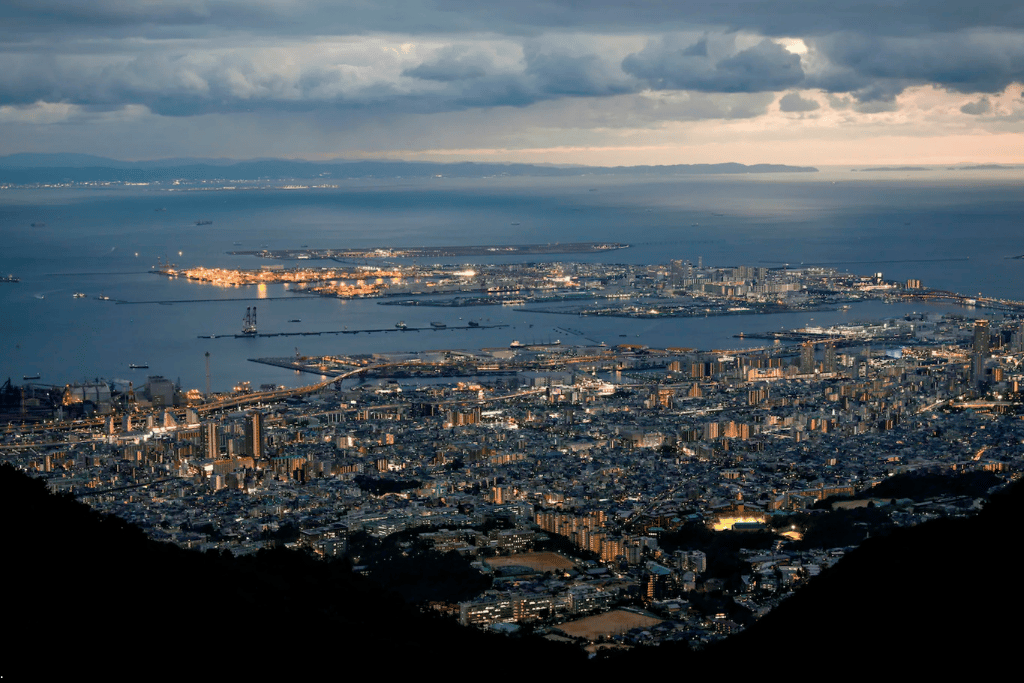
Image Credits: Japan National Tourism Organisation
This is the view most of Kobe’s night-view reputation rests on. Rokko Shidare sits at 888 metres, the highest paid deck on the mountain, looking out across Osaka Bay from Awaji Island to Kansai Airport. That sweep is what built Kobe’s night-view name, even though the formal three-great-night-views title belongs to Kikuseidai on neighbouring Mount Maya.
The observatory itself is a lattice dome built to frame the view rather than block it, with a light installation running at dusk for most of the year. The surrounding Rokko Garden Terrace costs nothing to enter, so you can eat and look for free and pay only for the deck itself.
- 📍 Mount Rokko, reached by cable car and mountain bus from Rokko Station
- 🕘 Opens 10 AM, closing time varies by season
- 💰 1,000 JPY (~S$8) adults, 500 JPY (~S$4) children; Garden Terrace free
Mount Maya and the Kikuseidai Observation Deck
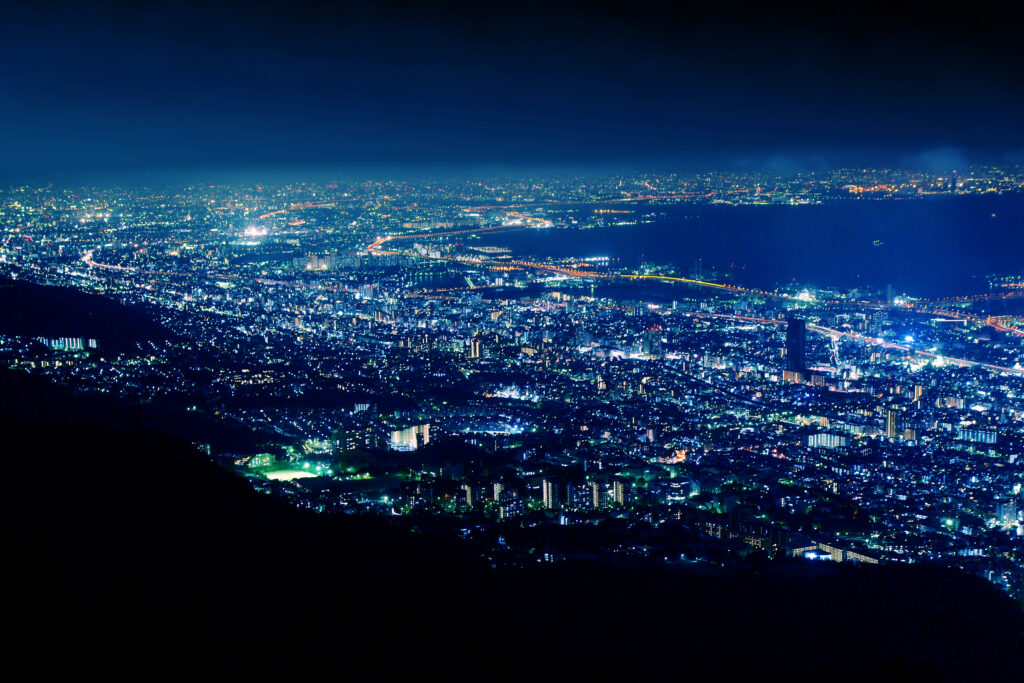
Image Credits: Wikipedia
Kikuseidai holds the deck that actually carries Japan’s night-view title. Sitting at 702 metres on Mount Maya, it ranks alongside Mount Hakodate and Mount Inasa as one of the country’s three great night views, and it’s the view the “ten-million-dollar” nickname was coined for. Rokko draws more visitors; Maya holds the designation.
The stone platform is free. What costs money is the Maya Viewline up, a cable car and ropeway run in two linked stages, and the timing is where people trip up.
- 📍 Mount Maya, City Bus 18 from Sannomiya to Maya Cable Shita, about 25 minutes
- 🕘 The Viewline starts running at 10 AM and continues until around 8:50 PM on regular days, closing earlier in winter; closed Tuesdays (or the next weekday when Tuesday is a public holiday)
- 💰 Maya Viewline round trip 1,560 JPY (~S$12) adults, 780 JPY (~S$6) children; one way 900 JPY (~S$7) and 450 JPY (~S$4)
Best for an evening you’ve checked against the day of the week. Miss the last car down, and it’s a taxi off the mountain, which costs a good deal more than the ticket did.
Arima Onsen
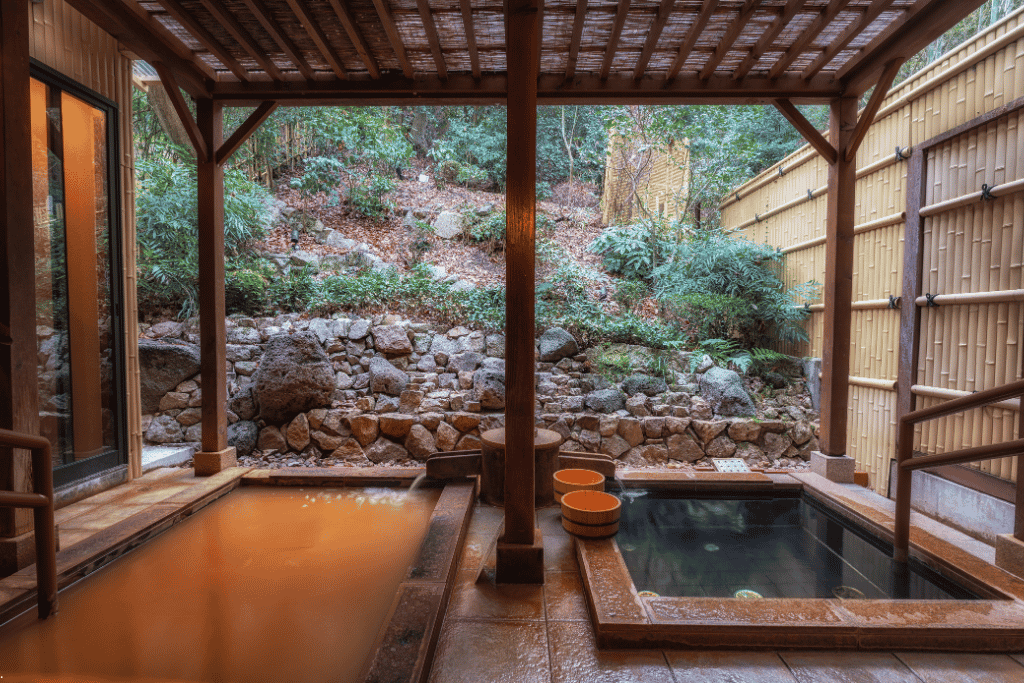
Japan’s oldest hot-spring town happens to sit inside Kobe’s city limits. Arima sits behind the Rokko range, about an hour from Sannomiya, and runs on two distinct waters. Kinsen, the gold spring, comes out rust-brown with iron and salt. Ginsen, the silver spring, runs clear and faintly carbonated.
You don’t need to stay overnight to use them. Two public bathhouses take day visitors: Kin no Yu for the gold water and Gin no Yu for the silver, with a combined ticket covering both. The town itself is a knot of steep lanes lined with sweet shops and steam vents, walkable in about an hour.
| Bathhouse | Water | Price | Hours |
|---|---|---|---|
| Kin no Yu | Kinsen, rust-brown | 650 JPY (~S$5) weekdays, 800 JPY (~S$6) otherwise; 350 JPY (~S$3) school-age children | 8 AM to 10 PM, last entry 9:30 PM |
| Gin no Yu | Ginsen, clear | 550 JPY (~S$4) weekdays, 700 JPY (~S$6) otherwise; 300 JPY (~S$2) school-age children | 9 AM to 9 PM, last entry 8:30 PM |
| Both | Combined ticket | 1,200 JPY (~S$10) | Same as above |
Best for anyone willing to give Kobe a full day. Kin no Yu closes on the second and fourth Tuesday of the month and Gin no Yu on the first and third, plus 1 January for both, so check the date before building a day around it.
Kobe Port Tower
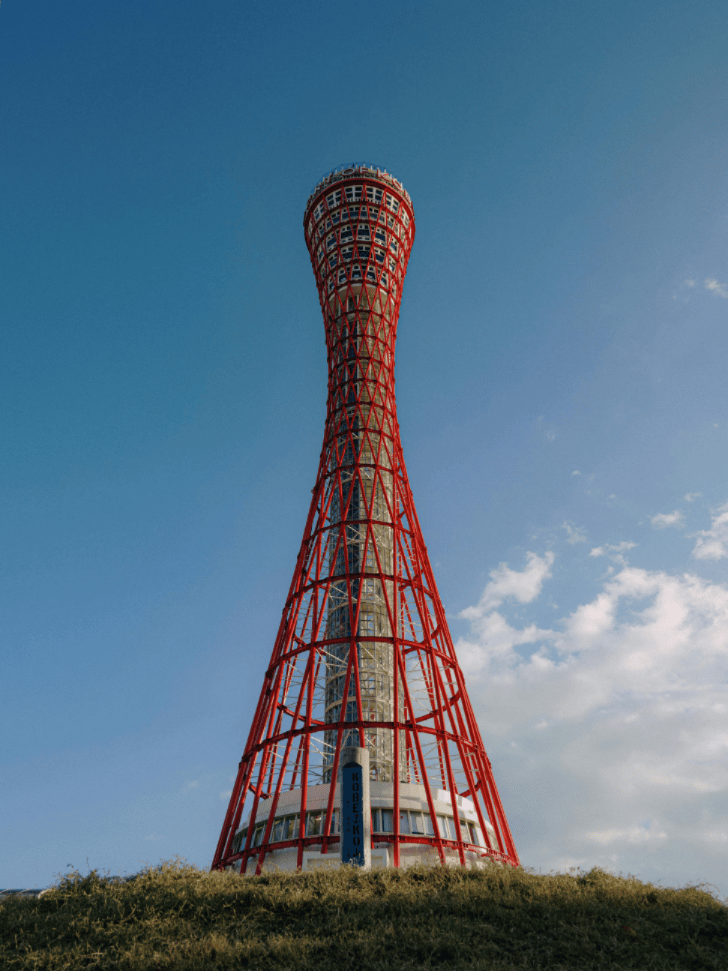
The city’s landmark got a genuine upgrade. The 108-metre red lattice tower closed for a renovation of roughly two and a half years and reopened in April 2024 with a rooftop deck that had never been open to the public before. Standing on the open roof, not behind glass, is the entire difference.
It stays open until 11 PM, making it the easiest night view in the city if the mountain isn’t in the day’s plan. Entry to the observation floors needs a timed ticket, so book online or grab one at the first-floor counter before the queue forms.
- 📍 Meriken Park, 15 minutes’ walk from Motomachi Station
- 🕘 9 AM to 11 PM, last admission 10:30 PM
- 💰 1,200 JPY (~S$10) adults and 500 JPY (~S$4) children for the floor plus rooftop deck; 1,000 JPY (~S$8) and 400 JPY (~S$3) for the floor alone
Meriken Park and the BE KOBE Sign
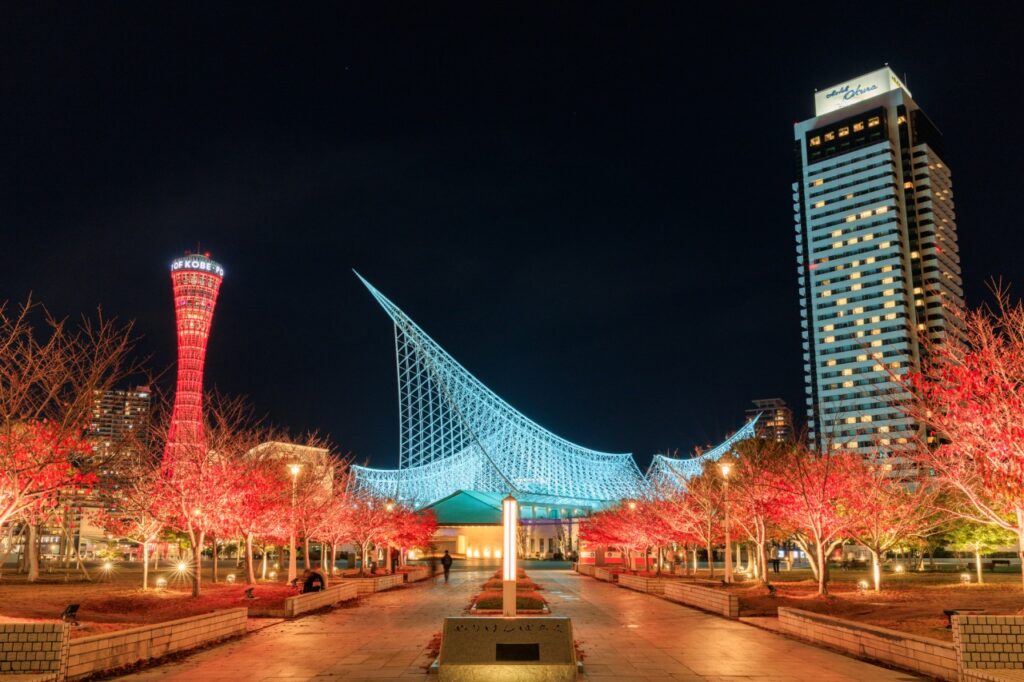
Image Credits: feel-kobe.jp
The free waterfront stop everyone photographs. Meriken Park is an open promenade jutting into the harbour, the Port Tower on one side and the white lattice of the Maritime Museum on the other, free and open around the clock.
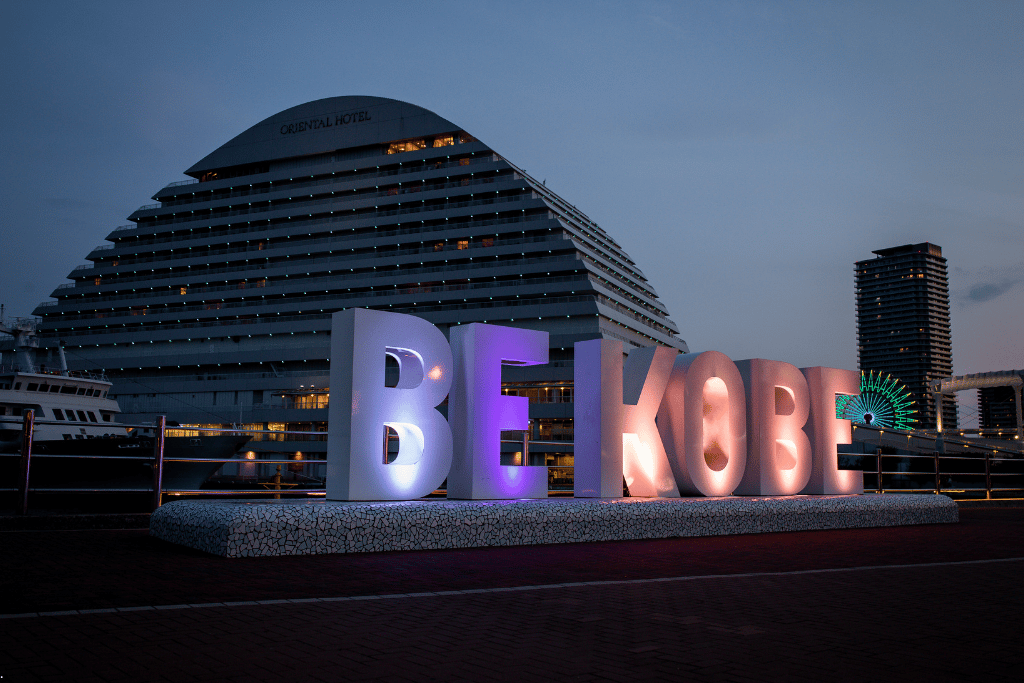
The BE KOBE letters went up in 2017 for the port’s 150th anniversary. The phrase itself grew out of the 20th anniversary of the 1995 Great Hanshin earthquake, shorthand for the idea that the city’s real character is its people. A corner of the park keeps a stretch of quayside exactly as the quake left it, tilted and cracked, as a memorial.
Come at dusk, when the tower lights, the harbour and the Ferris wheel across the water switch on within roughly half an hour of each other.
Kobe Maritime Museum and Kawasaki Good Times World
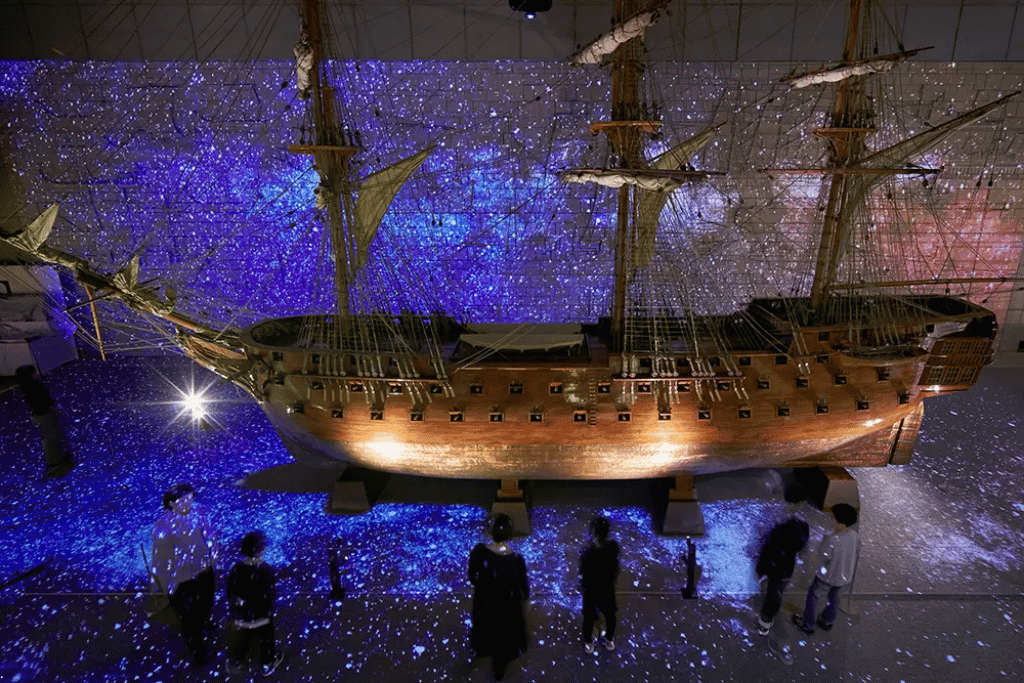
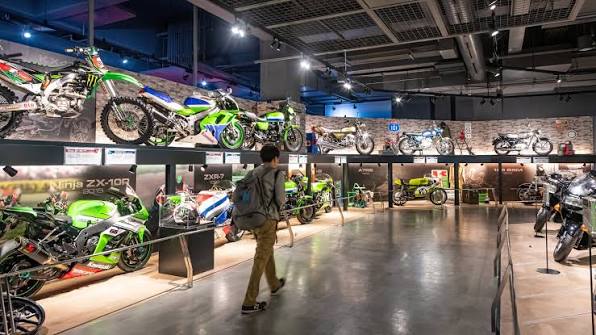
Image Credits: tanseisha.co.jp; Expedia
Two museums share one ticket here, and the second is the reason to go. The Maritime Museum sits under that white lattice roof in Meriken Park and traces the port’s history through ship models and the 1868 opening. Kawasaki Good Times World occupies the same building as a hands-on hall of Kawasaki Heavy Industries hardware.
That second half is the draw: bullet-train cabs, a helicopter, jet skis and motorbikes visitors can climb onto, plus a simulator or two. It’s built for children, but adults tend to stay longer than they planned.
- 📍 Meriken Park, next to the Port Tower
- 🕘 10 AM to 6 PM, last admission 5:30 PM; closed Mondays and over the New Year period
- 💰 900 JPY (~S$7) adults, 400 JPY (~S$3) students, covering both museums
átoa
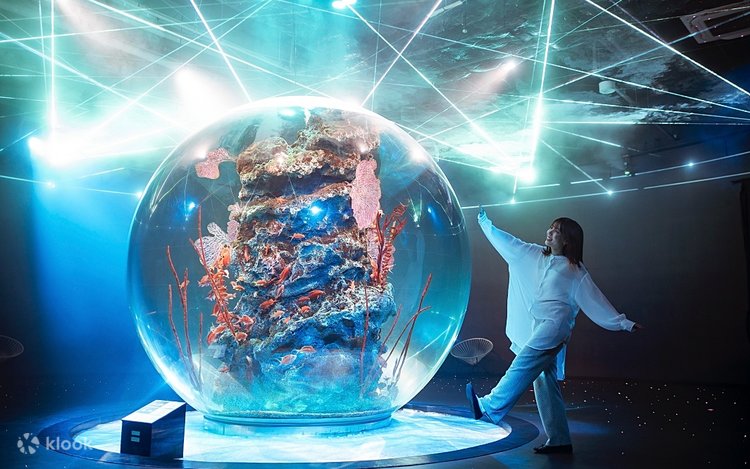
Image Credits: Klook
átoa is an aquarium built like a theatre set, and it’s the city’s most photographed indoor space. It runs across eight zones holding roughly 100 species and 3,000 creatures, staged with digital art and around 50 installations. A spherical tank hangs under a chandelier; a mirrored room holds nothing but jellyfish.
Purists will point out you’re paying a premium for the art direction over the marine biology. What you get instead is an aquarium that works in bad weather and photographs beautifully.
- 📍 Shinko Waterfront, 18 minutes’ walk from Sannomiya
- 🕘 10 AM to 7 PM, last admission 6:30 PM
- 💰 2,600 JPY (~S$21) adults, 1,500 JPY (~S$12) children
Kobe Harborland and Mosaic
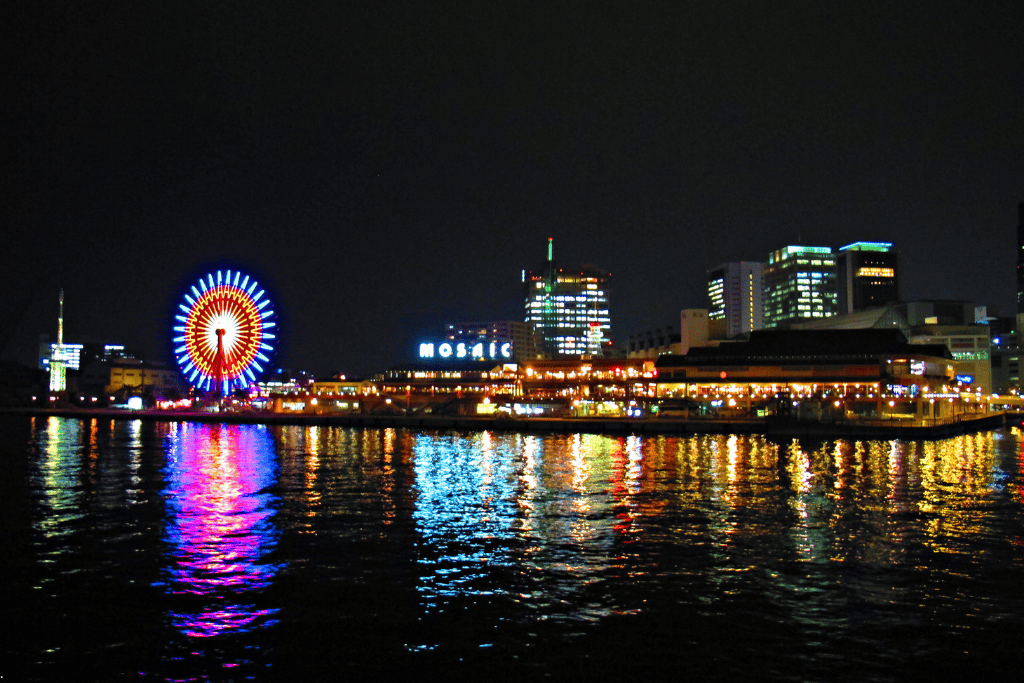
Cross the harbour, and you’re in the waterfront’s shopping half, looking back at the best view of the city. Harborland is a mall and restaurant strip on the western side of the harbour, with the Mosaic complex on the boardwalk facing Meriken Park. The Mosaic Big Ferris Wheel takes about ten minutes per rotation, runs until 10 PM and costs 800 JPY (~S$6).
It’s a commercial stretch rather than a cultural one, so go for dinner with a view or a coffee break between sights. The Umie Mall inside also holds a branch of Maccha House, whose thick matcha tiramisu served in a wooden masu box keeps turning up on Singaporean feeds. Concerto, a boat moored nearby, runs a two-hour jazz teppanyaki dinner cruise for the harbour view with a meal attached.
Time it for the golden hour, then walk back across the harbour to Meriken Park for the best view of the city lighting up. It’s five minutes on foot from JR Kobe Station either way.
Nankinmachi
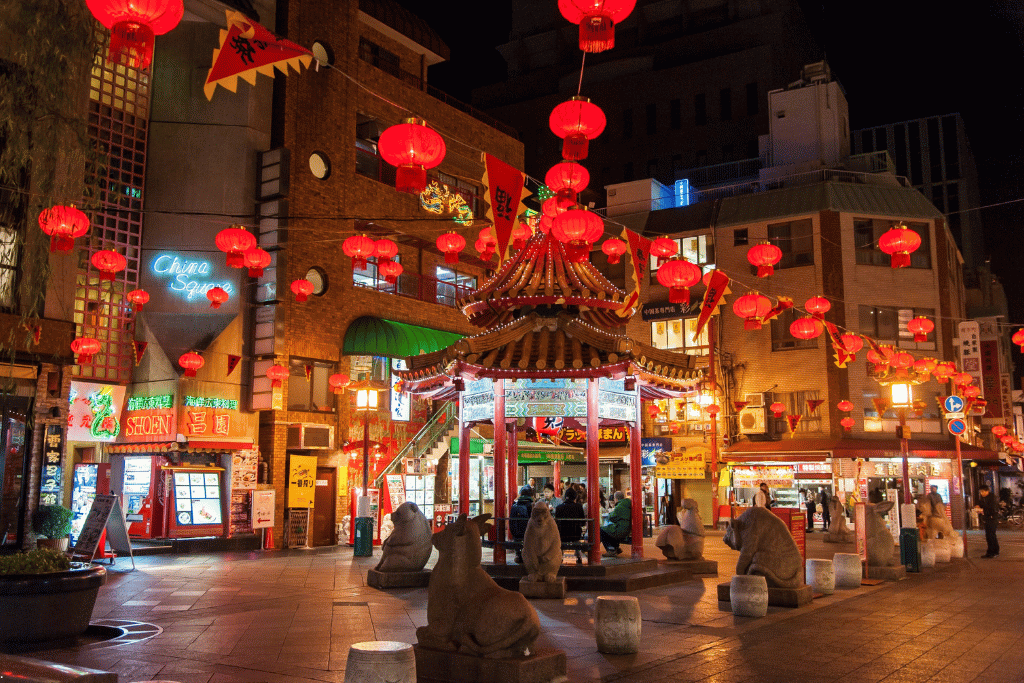
You can eat your way across one of Japan’s three great Chinatowns in about an hour. Nankinmachi grew out of the 1868 port opening, when Chinese traders settled just west of the foreign quarter. It’s now two lantern-strung lanes crossing at a small plaza with a pavilion at the centre.
Go for the butaman, the fist-sized steamed pork bun sold hot from windows down both lanes. Roushouki is the name everyone queues for, and its 1915 shopfront is mid-renovation. The original closed for rebuilding work and is serving from its sister store, Caojia Baozikan, directly across the plaza, with a return to the original site expected around November 2026.
- 📍 Motomachi, five minutes from Motomachi Station
- 🕘 Shops broadly 10:30 AM to 7 PM, busiest at lunch and weekends
- 💰 Free to wander; butaman runs roughly 100 to 500 JPY (~S$1 to S$4) each depending on the stall
Ikuta Shrine
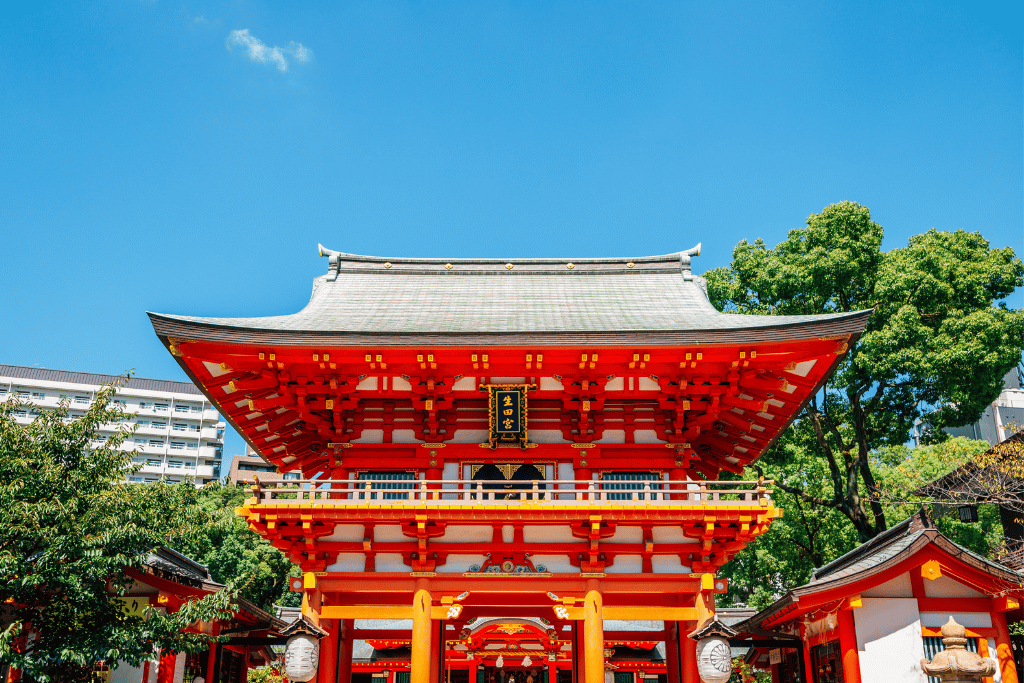
One of the oldest shrines in Japan sits in a grove one street back from Kobe’s busiest shopping arcade. Ikuta Shrine predates most of what surrounds it by centuries, and the contrast is the whole point: step off a street of department stores into a gravel forecourt and a stand of camphor trees.
Five to ten minutes covers it unless there’s a queue for a charm. Locals treat it as a matchmaking shrine, which is why you’ll spot more couples here than tour groups.
- 📍 A few minutes’ walk north of Sannomiya Station
- 🕘 7 AM to 5 PM
- 💰 Free
The Kitano Ijinkan District
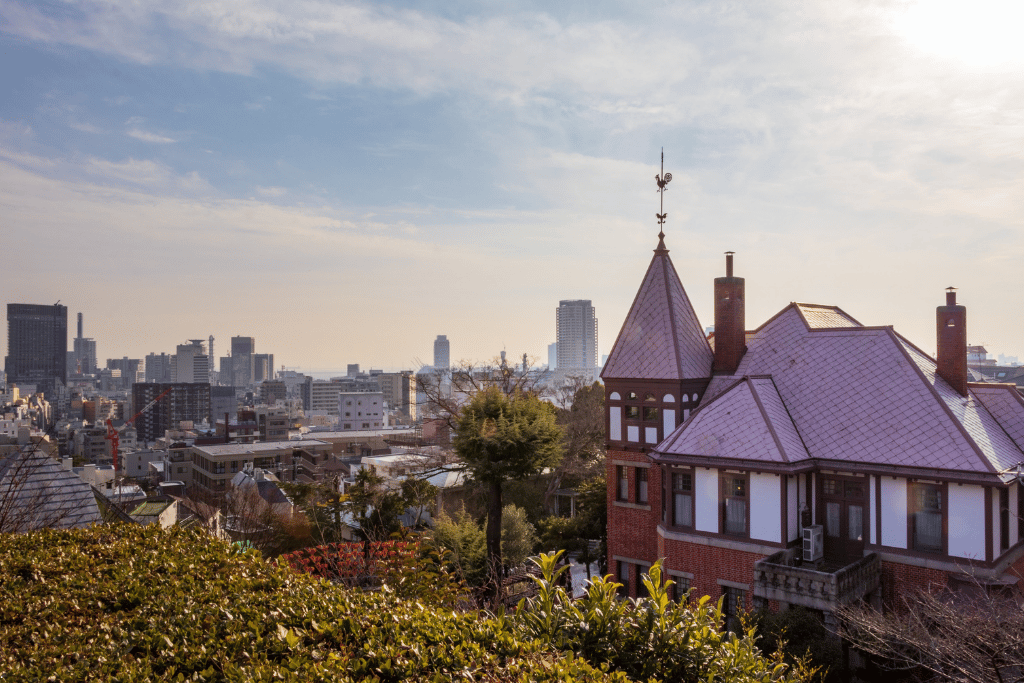
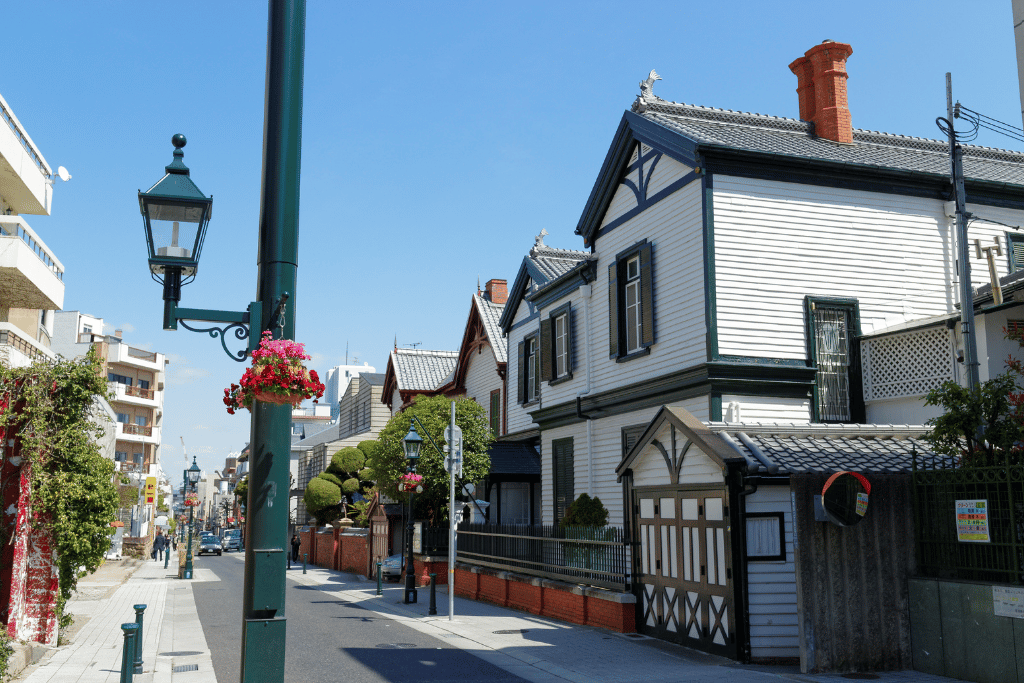
Kobe’s Western quarter is the most walkable piece of its history. When the port opened in 1868, foreign merchants built their homes on this hillside, and around 20 of those ijinkan survive on steep lanes ten minutes uphill from Sannomiya. Two separate operators run the district, each with its own ticket system.
The city-run pair is the free-to-cheap route in. Rhine House, a German-style timber home built in 1915, is free to enter and now holds an exhibition on the district’s history. Weathercock House, the brick mansion with a rooster on its spire that’s on every Kobe poster, sits next door to Moegi House, and a joint ticket for both costs less than paying for each separately.
A separate group, the ijinkan.net network, runs eight more houses under its own passport system. It’s worth it only if museum-hopping itself is the point of the afternoon, rather than one or two houses on the way through. Full pricing for both operators:
| Ticket | Covers | Price |
|---|---|---|
| Rhine House | One house (city-run) | Free |
| Weathercock House | One house (city-run) | 500 JPY (~S$4) |
| Moegi House | One house (city-run) | 500 JPY (~S$4) |
| Weathercock + Moegi | Joint ticket (city-run) | 800 JPY (~S$6) |
| Kitano-dori Discount Pass | 3 houses (ijinkan.net) | 1,540 JPY (~S$12) |
| Yamanote Discount Pass | 4 houses + observation gallery (ijinkan.net) | 2,200 JPY (~S$18) |
| Kitano Premium Pass | 7 houses + observation gallery (ijinkan.net) | 3,300 JPY (~S$26) |
Two operators, two passport systems: the city runs Rhine House, Weathercock House and Moegi House; the ijinkan.net group runs the rest. A ticket from one side doesn’t cover the other’s houses.
One more stop worth the walk uphill: a Starbucks branch trades from Kitano Monogatari, a two-storey 1907 wooden mansion the company restored as one of only 28 Regional Landmark Stores in Japan. It’s a working café, not a museum, so no ticket needed, just an order.
Best for an afternoon on foot with coffee stops. It’s a hill, so wear something you can climb in.
Kobe’s Specialty Coffee Scene
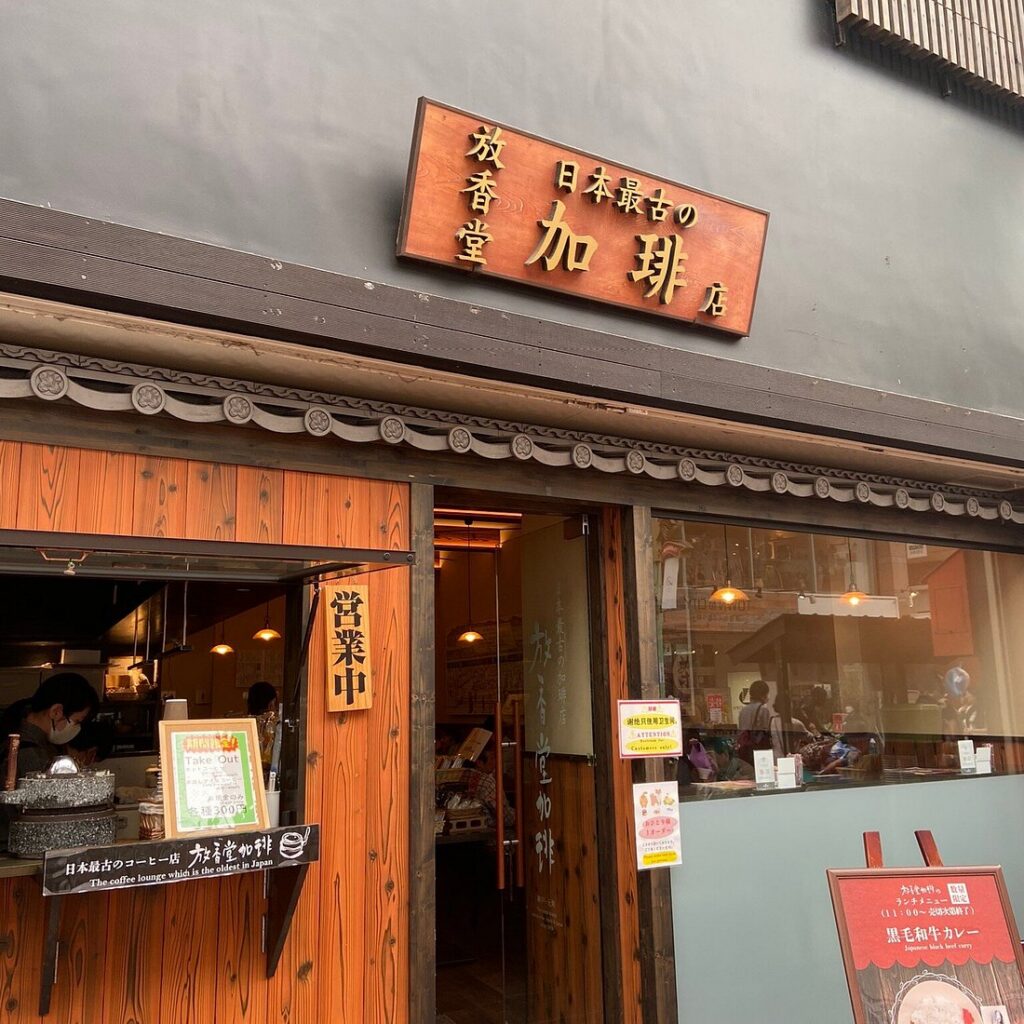
Image Credits: Tripadvisor
The port history didn’t just leave Kobe beef and pastries. It also left Japan’s oldest coffee shop. Hokodo Coffee has poured stone-ground coffee from the same Motomachi Dori address since 1878, when a Uji tea shop started grinding beans to keep pace with the newly opened port. It’s tucked into the arcade rather than dressed up for tourists, and closes on Wednesdays.
Uphill in Kitano, Beyond Coffee Roasters runs the modern version: a small standing bar on Nakayamatedori where the owner-roaster brews a rotating list of single-origin beans to order, closed Tuesdays and Wednesdays. Back down near Chinatown, TAOCA Coffee keeps its own roast in rotation inside a coffee-stand-sized shop, open daily into the evening.
Best for folding into the Kitano hill or the Motomachi arcade rather than treating as its own outing. Check each one’s hours before a special trip, since the small ones keep short days.
- 📍 Hokodo Coffee, Motomachi Dori · Beyond Coffee Roasters, Nakayamatedori, Kitano · TAOCA Coffee, near Nankinmachi, Motomachi
- 🕘 Hokodo 9 AM to 6 PM, closed Wednesdays; Beyond Coffee Roasters 11 AM to 6 PM (7 PM Saturdays), closed Tuesdays and Wednesdays; TAOCA 10 AM to 7 PM daily
- 💰 A cup runs roughly 400 to 600 JPY (~S$3 to S$5) at any of the three
Kobe Mosque
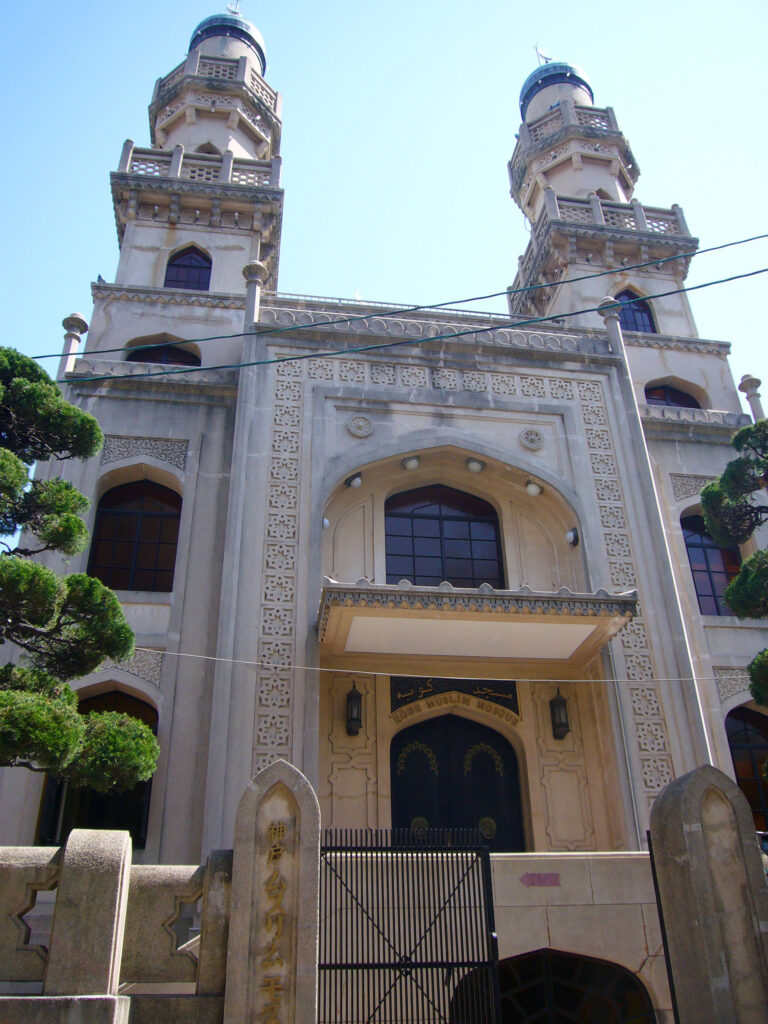
Image Credits: Wikipedia
Japan’s oldest mosque still holds prayers five times a day, ten minutes uphill from Sannomiya. Kobe Mosque was completed in 1935, funded by Indian, Turkish and Tatar merchants who had settled around the port. A Czech architect designed it in an Indo-Islamic style with Turkish influences, a central dome flanked by four minarets, two square and two round.
It survived the 1945 bombing of Kobe and the 1995 earthquake, which is part of why the city holds it in such regard. It’s an active place of worship rather than a museum, so visitors are welcome but should dress modestly, and larger groups should call ahead.
- 📍 Nakayamatedori, in the Kitano area
- 🕘 Open year-round for the five daily prayers
- 💰 Free
The Nada Sake Breweries
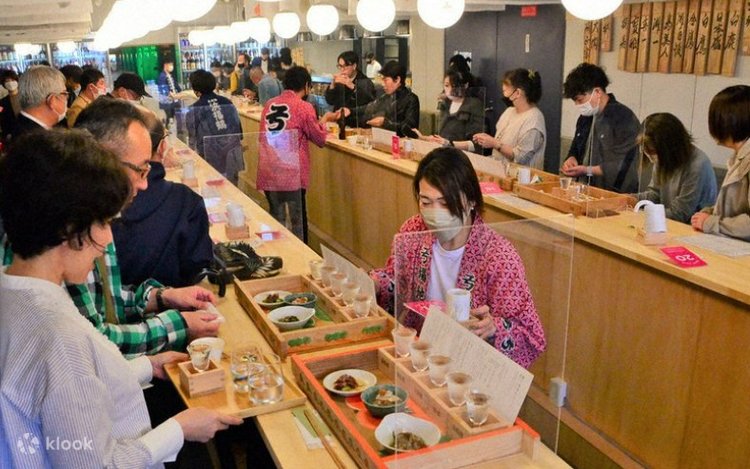
Image Credits: Klook
Most of Japan’s biggest sake district costs nothing to visit. Nada, east of central Kobe, produces more sake than anywhere else in the country, thanks to hard local water and rice from the Hyogo hills. Several breweries keep museums inside their old wooden warehouses.
Hakutsuru is the easiest to start with. Its brewery museum is free to enter and walks visitors through the old brewing process with English labelling, finishing at a tasting counter and a shop stocking bottles you won’t find elsewhere. Sakura Masamune, Kiku-Masamune and Sawanotsuru run their own versions nearby, close enough to string two or three together on foot, and this is also where the best souvenir shopping in Kobe happens. Eat first, since the tastings arrive faster than expected.
Sengari Dam
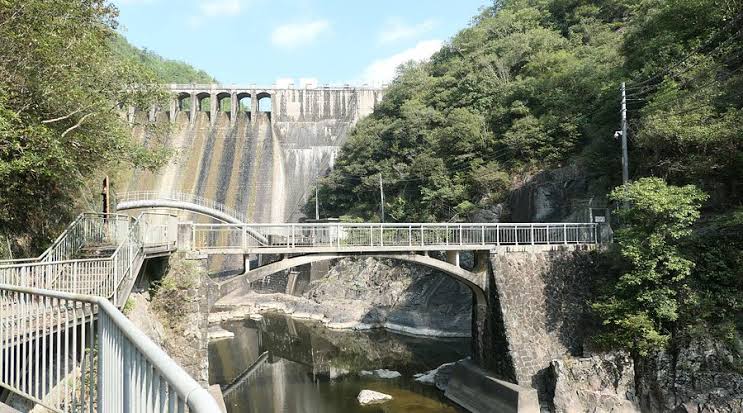
Image Credits: Tripadvisor
Sengari Dam is one of the few truly overlooked corners of Kobe, and the scale of it is worth the walk. It sits in Kita Ward on the city’s northern edge, a working gravity dam completed in 1919 that still supplies part of Kobe’s drinking water.
At 42 metres high and 106 metres wide, it holds the city’s largest single reservoir and keeps what’s recognised as the oldest surviving slide gate in Japan. That’s why it’s registered as a tangible cultural property rather than treated as plain infrastructure.
Getting there is the real catch, and it’s why the dam stays this quiet. It’s about 50 minutes from Sannomiya by JR, changing trains at Amagasaki, to Dojo Station, then a walk along a signed hiking path to the dam wall. Free parking exists for drivers, but there are no shops, cafés or toilets at the site, so come prepared.
Best for a second day in Kobe, a rental car, or anyone chasing the quiet side of the city over the harbour and the beef. Skip it on a single day trip, since the round trip alone eats close to three hours.
- 📍 Kita Ward, near JR Dojo Station (about 50 minutes from Sannomiya via JR, changing at Amagasaki)
- 🕘 No set hours; accessible in daylight, no facilities on site
- 💰 Free; train fare about 960 JPY (~S$8) each way
Maiko Marine Promenade and the Akashi Kaikyo Bridge
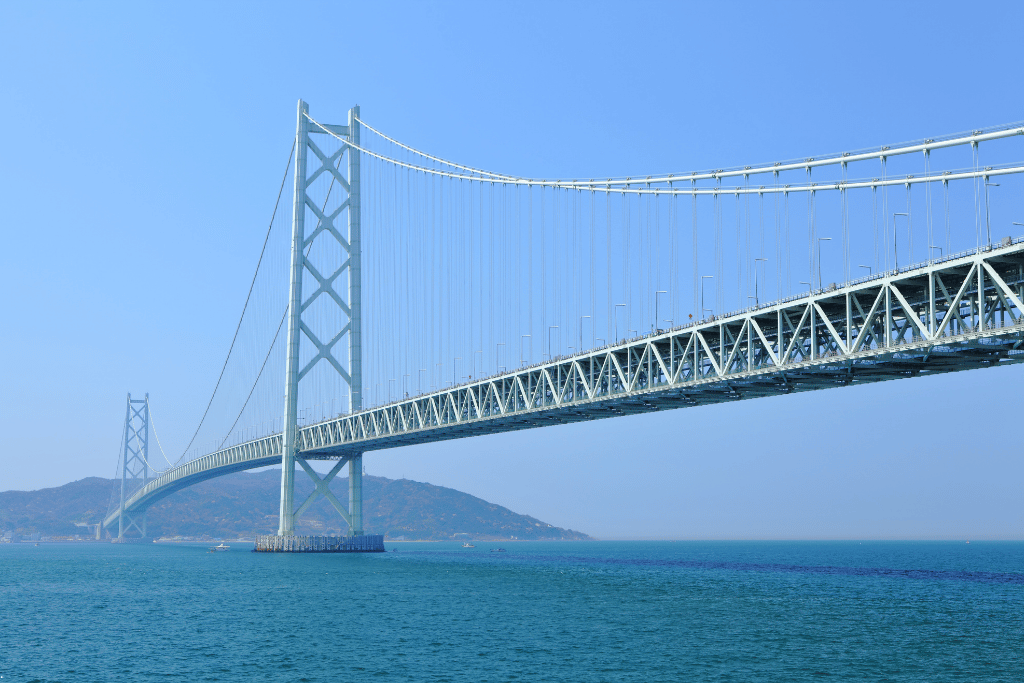
Walking inside a suspension bridge, for the price of a coffee. The Akashi Kaikyo Bridge spans the strait between Kobe and Awaji Island, and the Maiko Marine Promenade is a walkway bolted underneath the road deck, about 50 metres above the water, reached by lift from the Kobe-side tower.
Glass floor panels put the strait moving directly underneath you, with a close look at steelwork most people only ever see from a distance. It’s about 40 minutes west of Sannomiya by train, so pair it with Suma rather than making the trip on its own.
- 📍 Maiko, west Kobe, five minutes from Maiko Station
- 🕘 9 AM to 6 PM, extended to 7 PM in summer and Golden Week; last entry 30 minutes before closing. Closed the second Monday of the month from October to March
- 💰 250 JPY (~S$2) on weekdays, 300 JPY (~S$2) on weekends and public holidays; free for school-age children
Kobe Animal Kingdom
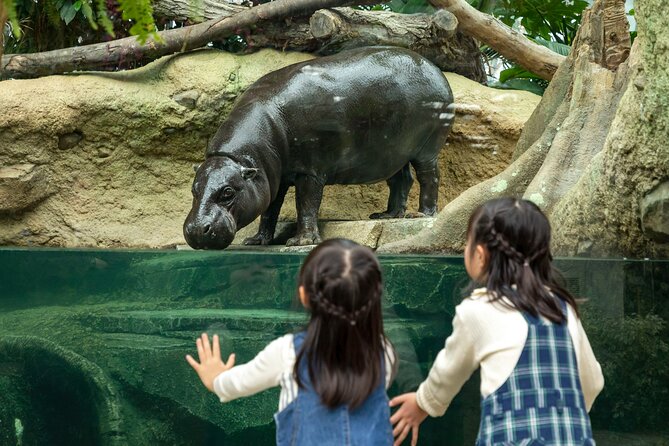
Image Credits: Tripadvisor
An indoor botanical garden with animals living in it, five minutes from Sannomiya. Kobe Animal Kingdom is built around glasshouses hung with flowers, capybaras, owls, alpacas and toucans loose in walk-through enclosures rather than behind bars, and birds land on your arm during feeding sessions.
Being largely under cover is what makes it useful, since it’s the one family stop that survives rain or August heat intact. It sits on the Port Liner line, so getting there takes minutes rather than a bus ride.
- 📍 Port Island, on the Port Liner from Sannomiya
- 🕘 10 AM to 5 PM, last admission 4:30 PM; closed most Thursdays and 1 January
- 💰 2,400 JPY (~S$19) adults, 1,200 JPY (~S$10) children aged 6 to 12, 500 JPY (~S$4) ages 4 to 5
Kobe Suma Sea World
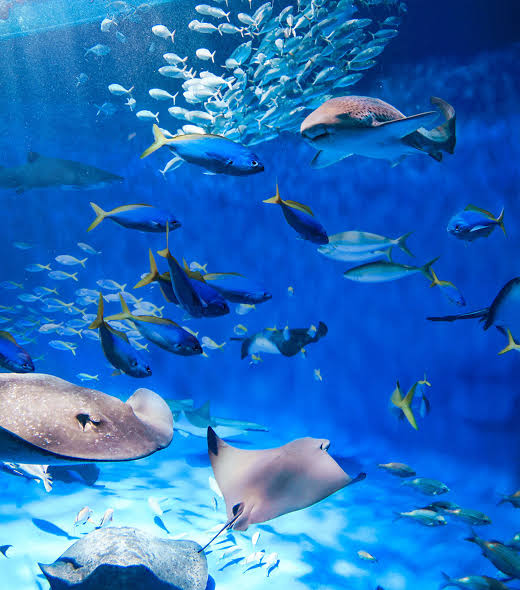
Image Credits: 神戸須磨シーワールド
Kobe Suma Sea World is the only aquarium in western Japan with orcas. It opened in June 2024 on the site of the old Suma Aqualife Park, with a rebuilt orca stadium, an underwater viewing gallery and a dolphin pool.
Ticket prices move with the calendar, which catches people out. Adults pay 2,900 JPY (~S$23) from December to March, rising to 3,100 JPY (~S$25) in regular season, 3,300 JPY (~S$26) during summer holidays and 3,700 JPY (~S$30) across Obon. Book the date-specific ticket online rather than assuming a flat price.
- 📍 Suma, about 20 minutes west of Sannomiya by JR
- 💰 Adults 2,900 to 3,700 JPY (~S$23 to S$30) by season; children roughly half that
Motomachi and the Sannomiya Arcades
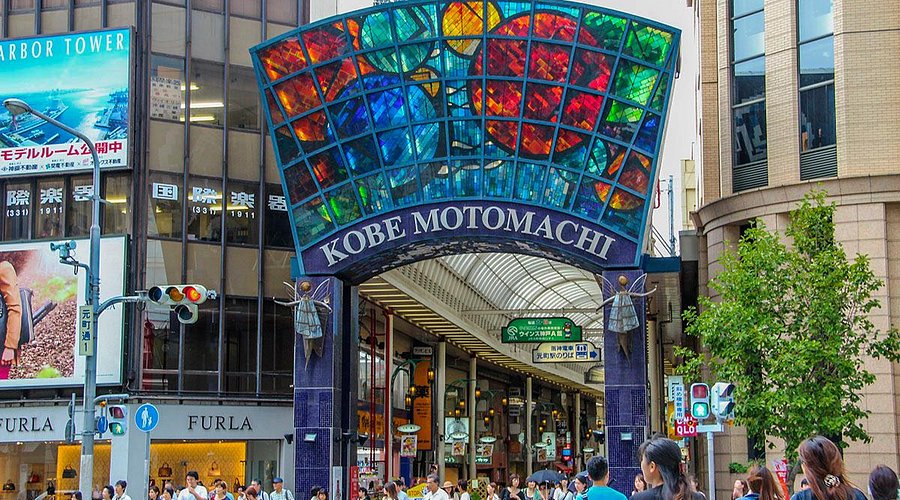
Image Credits: Tripadvisor
Kobe’s main shopping run is covered the whole way, which matters in a rainy month. A near-continuous run of arcades links Sannomiya to Motomachi, mixing century-old tailors and coffee houses with the usual drugstores and chains, ending at Nankinmachi.
The Kobe branch of Don Quijote sits along this stretch and is the obvious late-night stop for snacks, skincare and the KitKat flavours people ask you to bring home. Tax-free counters are standard here, so carry your passport. It’s the natural place to fill an hour between sights, and the obvious souvenir run on the last afternoon.
Sorakuen Garden
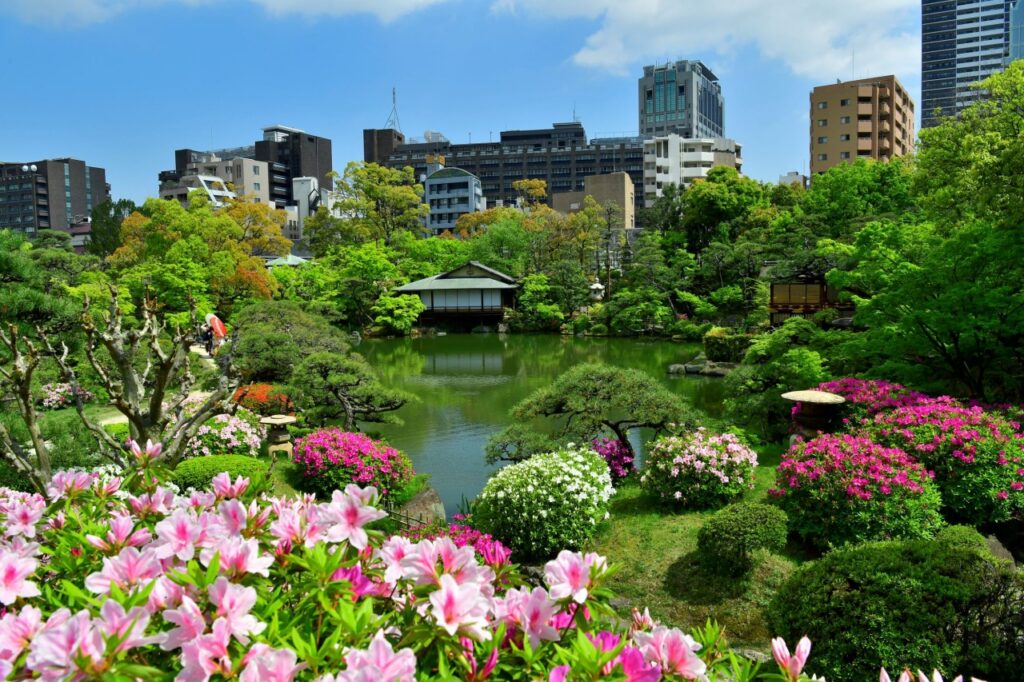
Image Credits: feel-kobe.jp
A traditional garden hidden in the middle of the business district. Sorakuen is a strolling garden laid out on the estate of a former Kobe mayor, with a pond, a teahouse and a preserved ijinkan moved here from Kitano, plus a lacquered houseboat that once belonged to a feudal lord.
It’s not large, and 40 minutes covers it comfortably. Come in late April for the azaleas, or November for the maples and the evening illumination, when the entry price rises.
- 📍 Central Kobe, ten minutes’ walk from Sannomiya
- 🕘 9 AM to 5 PM, last entry 4:30 PM; closed Thursdays and over the New Year period
- 💰 300 JPY (~S$2) adults aged 15 and up, 150 JPY (~S$1) school children; cards accepted
Kobe-Sanda Premium Outlets
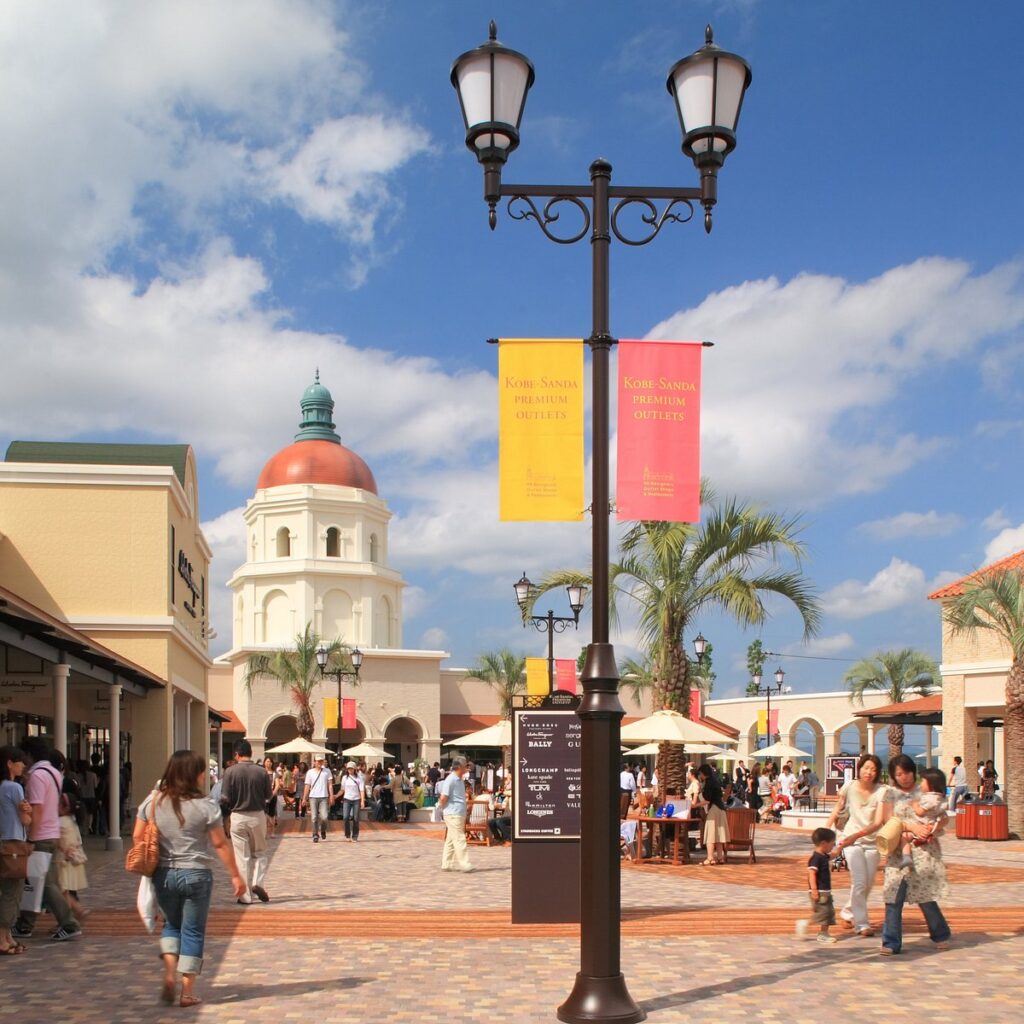
Image Credits: Tripadvisor
Kobe-Sanda Premium Outlets holds around 210 stores in the hills north of the city, from mid-range Japanese labels to international names, laid out like a New England village.
Getting there is simpler than the map suggests. Direct buses run from the Sannomiya bus terminal in about 45 to 50 minutes, with direct services from Osaka Umeda and Kyoto too (the old Namba route was discontinued in late 2025, so take the route via Umeda or Sannomiya instead). You can go straight from your base without touching Kobe at all.
Best for a half-day if shopping is the actual point of your trip. Go on a weekday, since the buses and the car park both fill up on weekends.
📖 Related Guide: Chasing green tea and craft nearby? Our Uji things-to-do guide covers Japan’s matcha capital, an easy add-on from Kyoto.
Where to Eat Kobe Beef in Kobe
Eat it at lunch, at a teppanyaki counter, and book ahead. Lunch sets at the same restaurants run roughly half what the evening courses cost, and the beef itself is identical.
What Makes It Kobe Beef
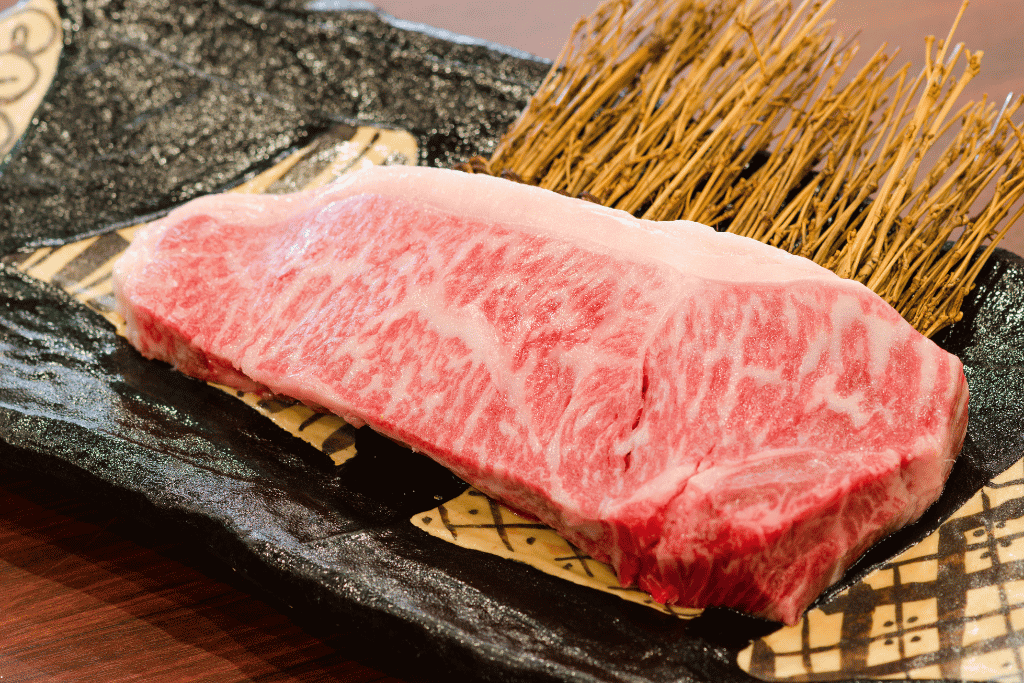
Kobe beef is a certification, not a description. It has to come from a purebred Tajima-strain Japanese Black steer or virgin heifer, born, raised and slaughtered in Hyogo Prefecture. It then has to pass grading on marbling, carcass weight and meat quality, set by the Kobe Beef Marketing and Distribution Promotion Association.
The thresholds are strict enough that most Tajima cattle never clear them. Of roughly 7,000 head taken to market each year, only about 5,500 earn Kobe beef certification. Every certified animal carries a ten-digit ID number tracing it back to the farm.
That number is how you check. Restaurants serving the real thing can show the association’s certificate with the ID on it on request, and some list the number directly on the menu. A menu that says “Kobe-style” or simply “wagyu” means it isn’t certified Kobe beef.
How Much Does Kobe Beef Cost?
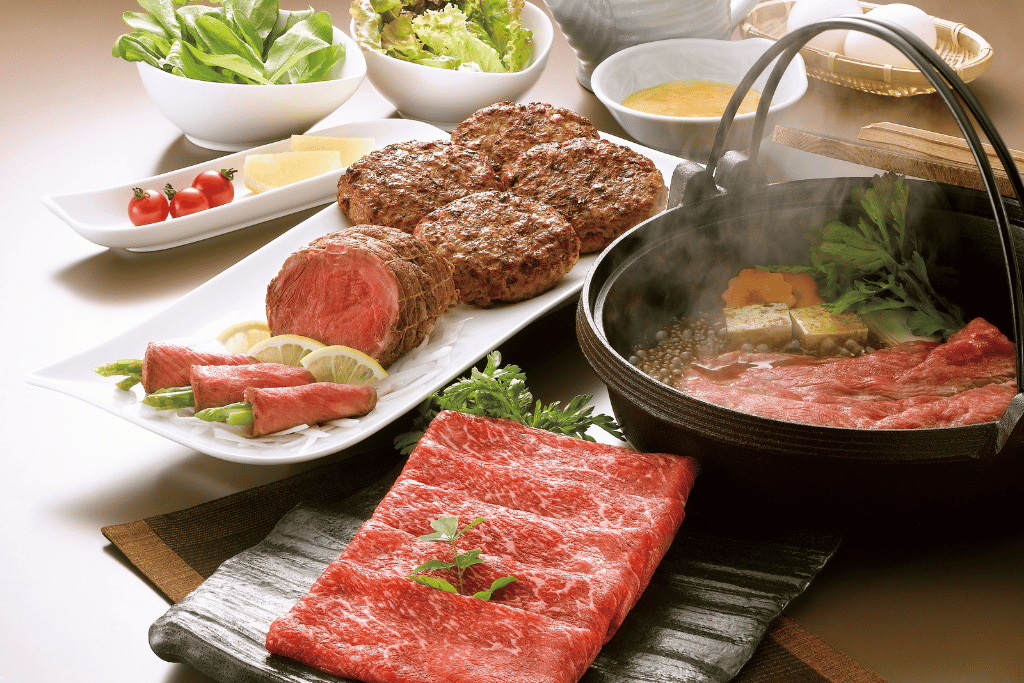
Budget roughly 7,000 to 8,500 JPY (~S$56 to S$68) for an entry-level certified Kobe beef lunch course, and 10,000 to 17,000 JPY (~S$80 to S$136) for the dinner equivalent. Premium A5 fillet courses run past 30,000 JPY (~S$240).
A lunch course typically means 120 to 150 grams of steak grilled on the teppan in front of you, plus rice, soup, salad, vegetables and a drink. Dinner stretches the same beef across more courses and better cuts, and the price climbs with the grade.
Three things to check before booking:
- Lunch usually beats dinner, but not always. At Wakkoqu, the 150g sirloin lunch course runs 7,950 JPY (~S$64) against a 16,220 JPY (~S$130) dinner course, roughly half. Mouriya breaks that pattern: its cheapest dinner set (6,940 JPY, ~S$56) actually undercuts its own lunch course (8,020 JPY, ~S$64), so check the specific restaurant rather than assuming lunch always wins.
- Cheaper wagyu sets share the same menu. Most sets under about 3,500 JPY (~S$28) at these restaurants are domestic wagyu rather than certified Kobe beef.
- Certified Kobe beef can still be cheap. Some counters sell it from around 3,880 JPY (~S$31), so read the menu description rather than judging by price alone.
| Restaurant | Area | Lunch from | Dinner from | Booking note |
|---|---|---|---|---|
| Steakland Kobe-kan | Sannomiya | 6,880 JPY (~S$55), 120g loin | 15,800 JPY (~S$126), 160g loin (dinner doesn’t offer the 120g size) | The accessible entry point; expect a 30 to 60-minute queue |
| Wakkoqu | Kitanozaka and Shin-Kobe | 7,950 JPY (~S$64), 150g sirloin | 16,220 JPY (~S$130), 200g | Book about two weeks ahead for dinner |
| Mouriya | Sannomiya, with several branches around the city | 8,020 JPY (~S$64), 120g round | 6,940 JPY (~S$56) for the entry set | Courses climb to 35,550 JPY (~S$284) for A5 fillet |
| Ishida | Sannomiya | 8,250 JPY (~S$66), seven-dish course | Varies by branch | Confirm you’re ordering certified Kobe beef, not the house-selected tier |
Prices are indicative and move with cut, grade and season. ⚠️ Check the restaurant’s current menu before you book.
Cheaper Ways to Try Kobe Beef
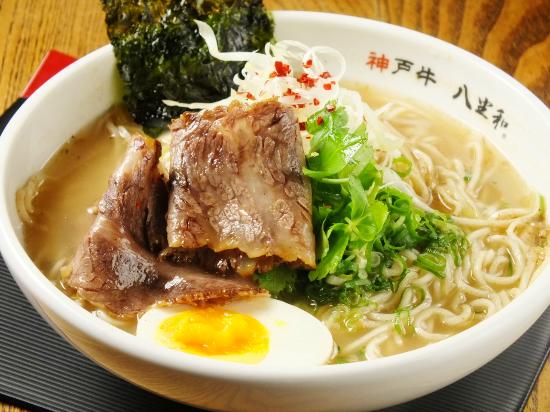
Image Credits: Tripadvisor
A full teppanyaki set isn’t the only way in. A ramen shop near Sannomiya Station, Kobe Beef Ramen Yazawa, simmers its broth from Kobe beef bones and Kyoto vegetables over a long, slow cook, then tops the bowl with a slice of rare Kobe beef sirloin and beef-fat-infused miso on the side, all for a fraction of a restaurant course.
Basement beef-katsu counters are the other route. One shop tucked under the San Plaza mall near Sannomiya breads and fries beef cutlet rather than grilling it. It’s served with four dipping sauces, including a demi-glace and a spicy tomato, so the crunch does some of the work a teppan would otherwise do.
Best for a Kobe beef taste on a backpacker’s budget, or a second Kobe beef meal on the same trip without booking another teppanyaki table.
Halal Kobe Beef
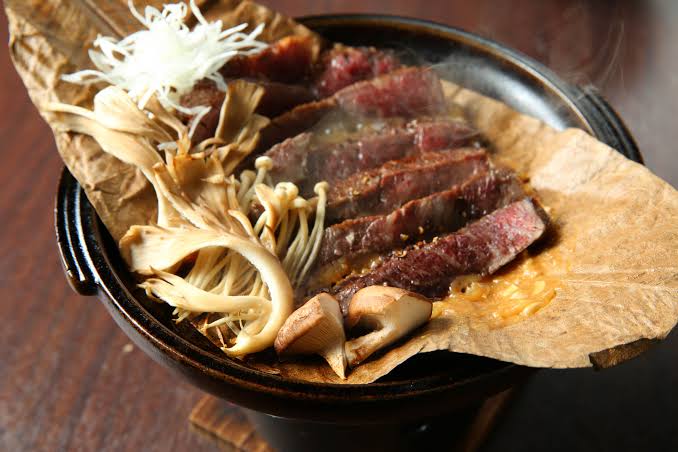
Image Credits: tsukiusagikobe.jp
Two Sannomiya restaurants serve halal-certified Kobe beef, rarer than it sounds. Tsuki Usagi prepares halal Kobe beef with separate utensils and equipment, sourcing from a Kobe butcher that was the first to supply halal-certified Kobe beef, and arranges a prayer space on request.
One thing to plan around: Tsuki Usagi serves dinner only, from 5 PM, and closes on irregular days, so it can’t cover a Kobe beef lunch.
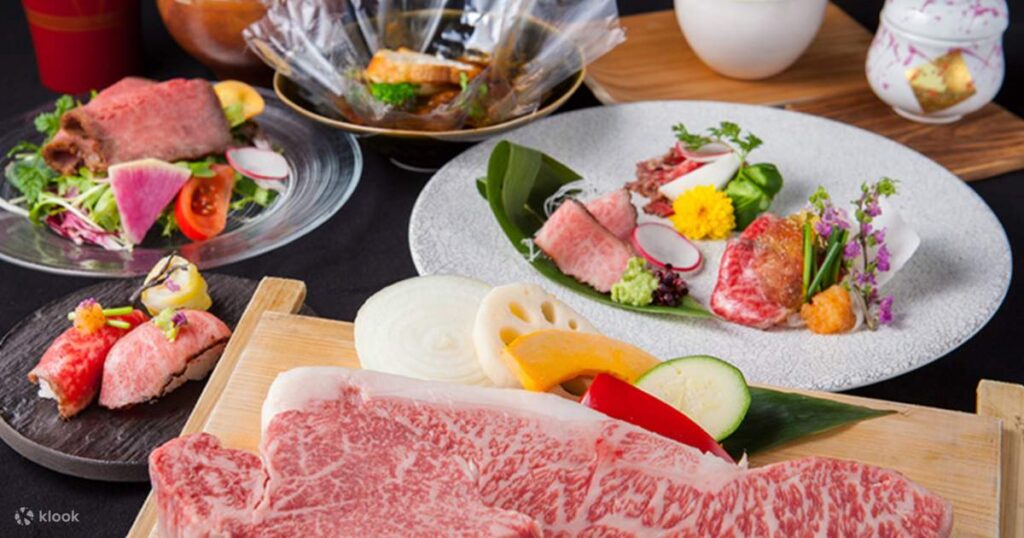
Image Credits: Klook
Kobe Beef Steak SAKURA is the other option, running both sittings, lunch from 11:30 AM and dinner from 5 PM. The teppanyaki room sits between Sannomiya Station and Kobe Mosque, about six minutes’ walk from the station, cooking halal courses on dedicated halal-only grills and utensils with halal-certified seasonings and no alcohol.
Both restaurants are reservation-led and worth booking well ahead given how few options exist.
📖 Related Guide: Eating your way through another Japanese food city? Our Fukuoka things-to-do guide covers tonkotsu ramen and the yatai street stalls.
What Else to Eat in Kobe
Kobe eats far better than one steak. The port history left it with a Chinatown, a bread-and-pastry culture unusual for Japan, and a sweets scene the rest of the country takes seriously.
Butaman
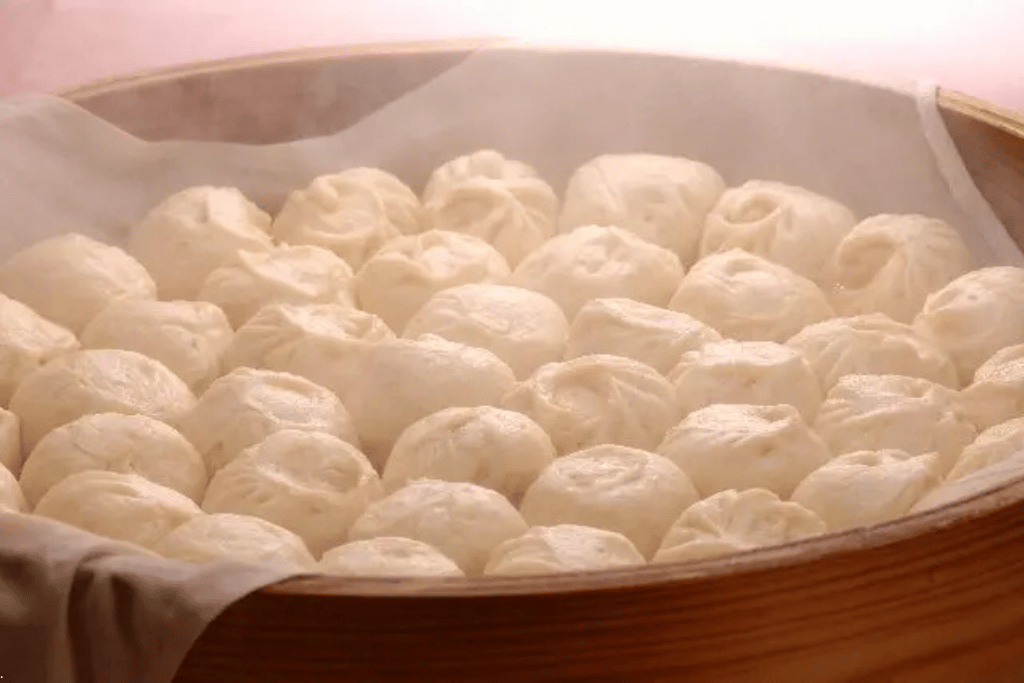
Image Credits: gltjp.com
The cheapest good thing you’ll eat in Kobe costs a few hundred yen. Butaman is a steamed pork bun, smaller and juicier than the convenience-store version, sold hot from windows down both Chinatown lanes. The dough stays soft rather than chewy, and the filling is loose minced pork with spring onion, so it needs no sauce.
Eat it standing in the plaza, two or three to a paper tray, and the queue moves faster than it looks. Come hungry and hit two stalls rather than one, since the fillings vary more than expected.
| Where to try | Area | Why go |
|---|---|---|
| Roushouki (serving from Caojia Baozikan until the rebuild finishes) | Nankinmachi | The name everyone queues for, since 1915 |
| Nankinmachi street windows | Motomachi | A dozen stalls along both lanes; queue length is a fair guide |
Kobe Sweets and Bakeries
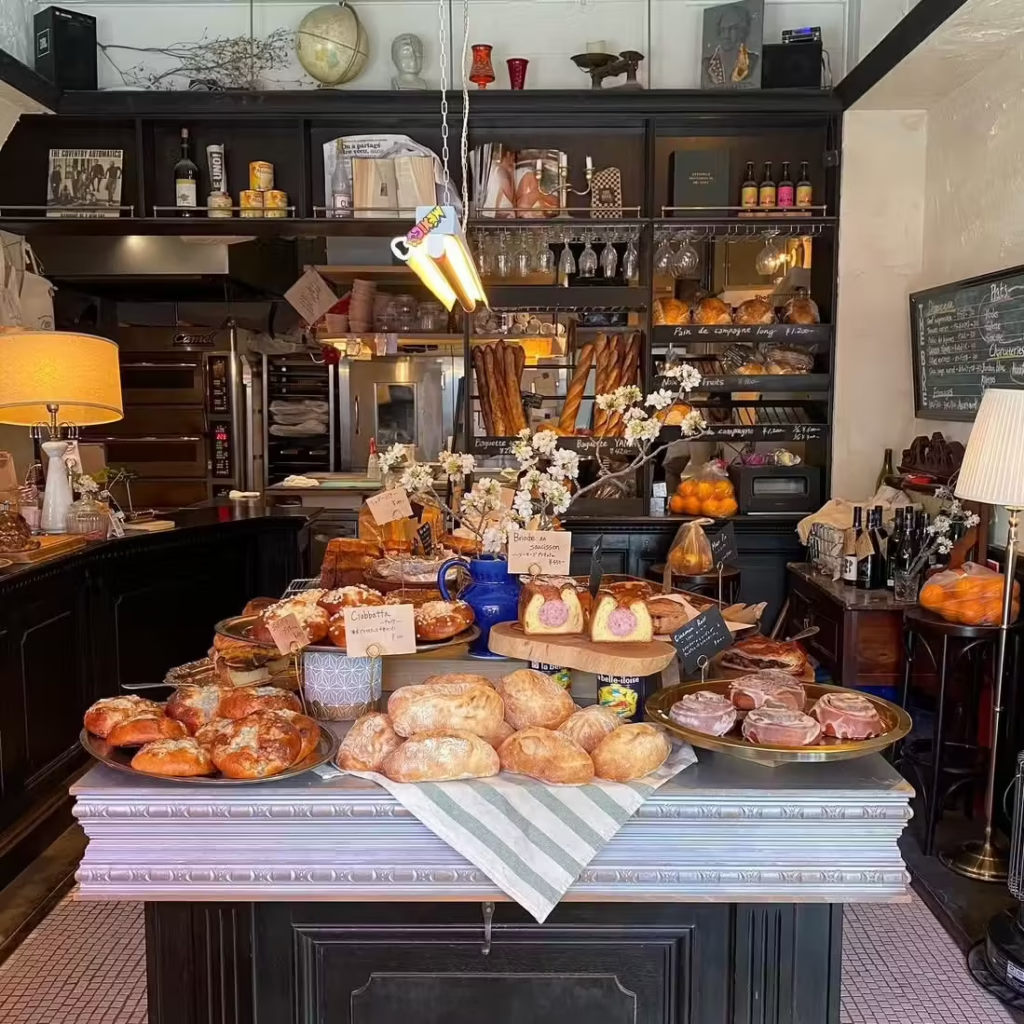
Image Credits: Trip.com
Kobe is Japan’s pastry city, and it isn’t close. Foreign residents brought European baking with the port, and the city still holds an unusual density of patisseries and bread shops, running from century-old confectioners to modern places selling cheesecake and baumkuchen by the slice.
The local habit is to buy a boxed slice instead of sitting down, which makes this the easiest souvenir in Kobe if you’re heading back to Osaka the same night. Look along Tor Road, the sloping street linking Sannomiya to Kitano, where several of the old confectioners still trade.
| Where to try | Area | Why go |
|---|---|---|
| Motomachi and Tor Road | Central | The highest concentration of old-school patisseries |
| Kitano | Uphill from Sannomiya | Café-bakeries inside converted Western houses |
| Harborland umie | Waterfront | Maccha House for matcha tiramisu in a wooden masu box |
Akashi-yaki
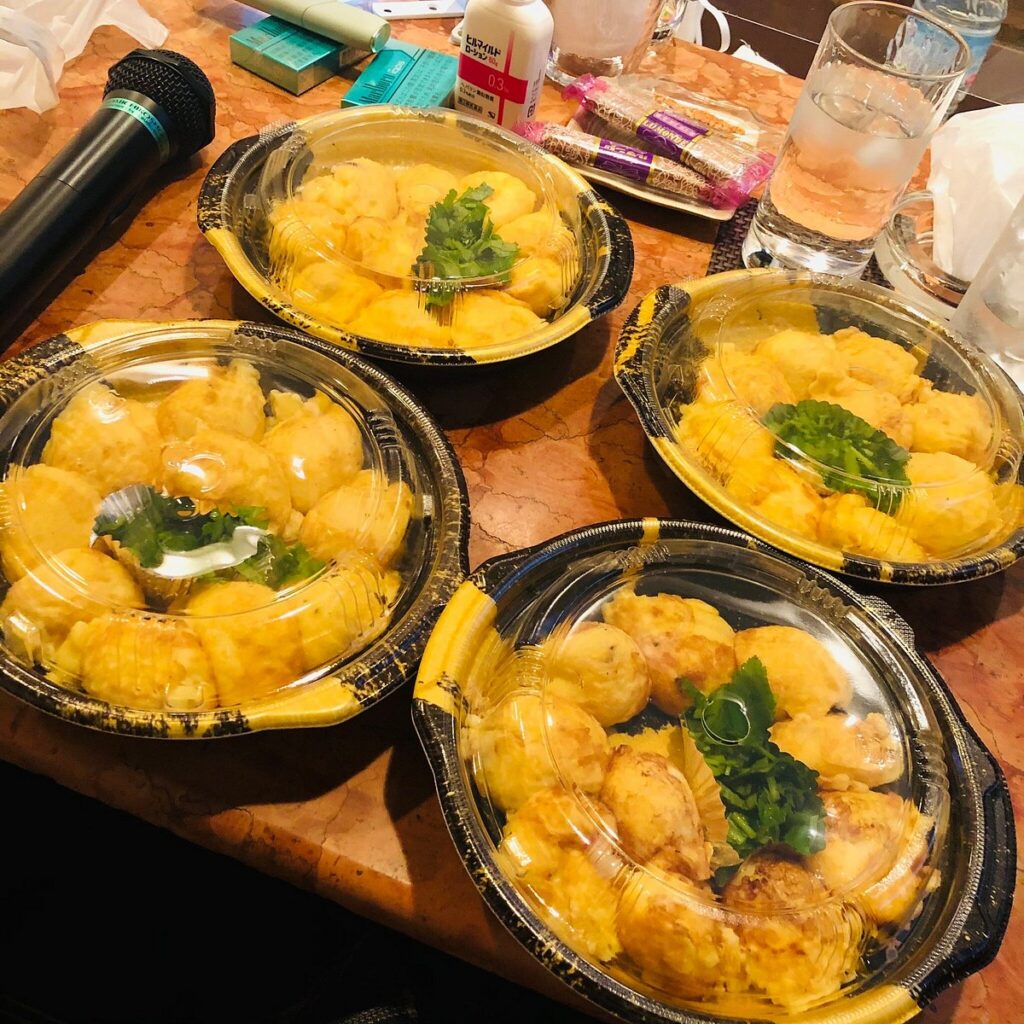
Image Credits: Tripadvisor
The local answer to takoyaki, and the better one. Akashi-yaki is an egg-heavy batter ball with octopus inside, softer and paler than takoyaki, served on a slanted wooden board and dipped in warm dashi broth rather than sauce and mayonnaise. It comes from Akashi, just west of Kobe, where locals call it tamago-yaki.
The texture is the whole point. It barely holds together, closer to savoury custard than batter, and the broth softens it rather than seasoning it. A plate of ten or so runs a few hundred yen and works better as a snack than a meal.
| Where to try | Area | Why go |
|---|---|---|
| Akashi, near the Akashi Kaikyo Bridge | West Kobe | Pair it with the Maiko promenade on the same trip |
| Sannomiya and Motomachi izakayas | Central | The convenient version, on menus across the centre |
Halal Dining Beyond the Beef
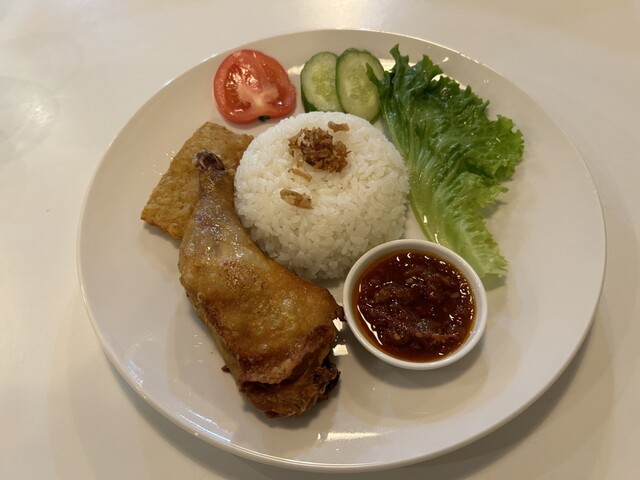
Image Credits: 食べログ
Kobe beef isn’t the only halal-conscious pick in the city. Indonesia Sumatera Cafe & Resto, a few minutes from Sannomiya Station on Nakayamatedori, serves Indonesian home cooking, including rendang, nasi goreng and satay, to a following that includes the city’s Indonesian Muslim residents. It also turns up repeatedly on halal-food accounts on Instagram and TikTok.
It isn’t on Kobe’s own official Muslim-friendly restaurant list, so confirm certification directly with the restaurant before you go if that’s a hard requirement rather than a preference.
- 📍 Nakayamatedori, Chuo Ward, four minutes’ walk from Sannomiya Station
- 🕘 11 AM to 9 PM Monday to Thursday, to 9:30 PM Friday to Sunday
- 💰 Mains roughly 1,000 to 2,000 JPY (~S$8 to S$16) per person
📖 Related Guide: Curious how Japan turned instant noodles into a museum piece? Our Cup Noodles Museum Osaka guide covers the make-your-own-cup workshop nearby.
What to Do in Kobe at Night
Kobe is a night-view city, so the evening is when it looks its best. There are four tiers here, from a free city-hall lobby to a mountain ropeway, depending on how far you want to travel and how much you want to spend.
The Mountain Night View
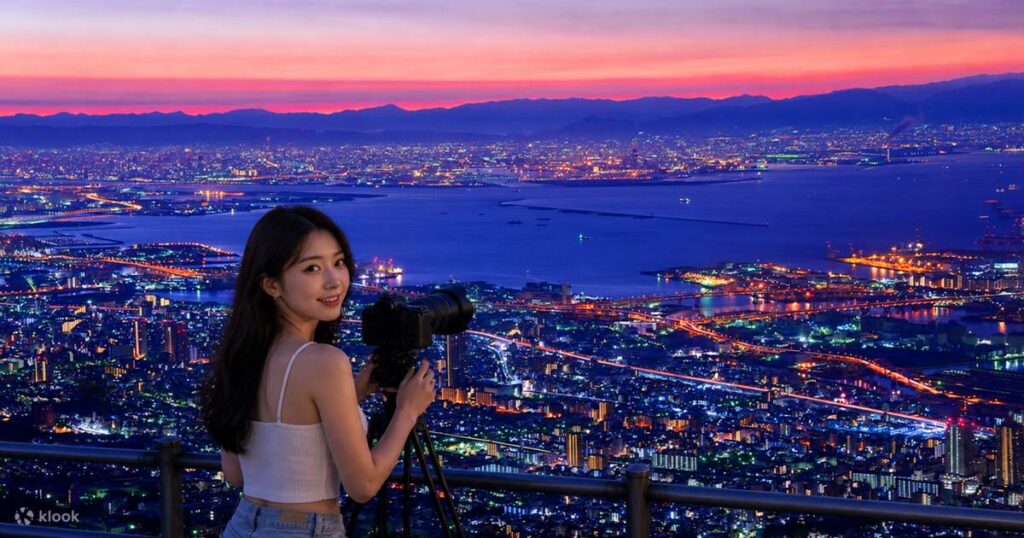
Image Credits: Klook
The full version, worth the effort once, with two peaks to choose between. Kikuseidai on Mount Maya holds the official three-great-night-views ranking, but its ropeway only runs after dark on regular days until around 8:50 PM and stops entirely on Tuesdays.
Rokko Shidare is the more reliable alternative, open later across more of the week, costing 1,000 JPY (~S$8), with a dusk light installation thrown in. The free Garden Terrace sits right next door if eating and looking at the bay is enough.
Check the last car down before heading up, whichever peak you pick. Missing it means a taxi off the mountain, which costs considerably more than the ticket did.
Kobe City Hall’s Free Night View
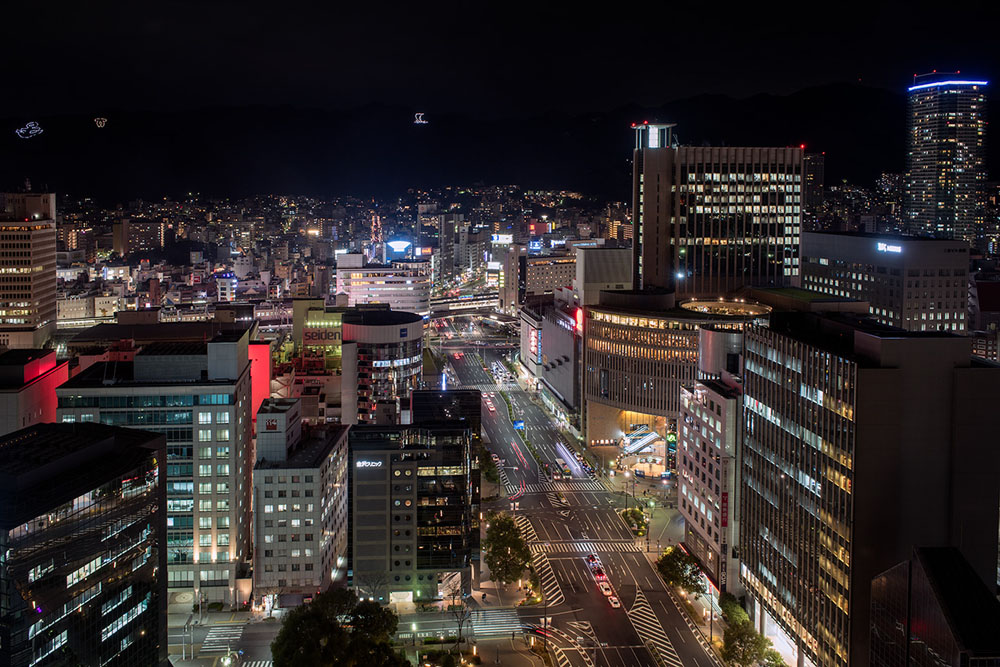
Image Credits: yakei.jp
The cheapest night view in the city is also one of the best, and almost nobody puts it on a first-timer’s list. The 24th-floor Observation Lobby at Kobe City Hall Building 1 is free and open until 10 PM on weekdays and weekends alike. The mountainside lights around the city switch on from half an hour after sunset until 11 PM.
Different sides of the lobby show different Kobe. The north window frames the illuminated “KOBE” sign on Mount Rokko, while the south window looks out over Port Island and the Hanshin Highway, closer to a sci-fi skyline than a postcard one. It’s the one to squeeze in between dinner and the train back, with zero admission and zero ticket queue.
The Port Tower After Dark
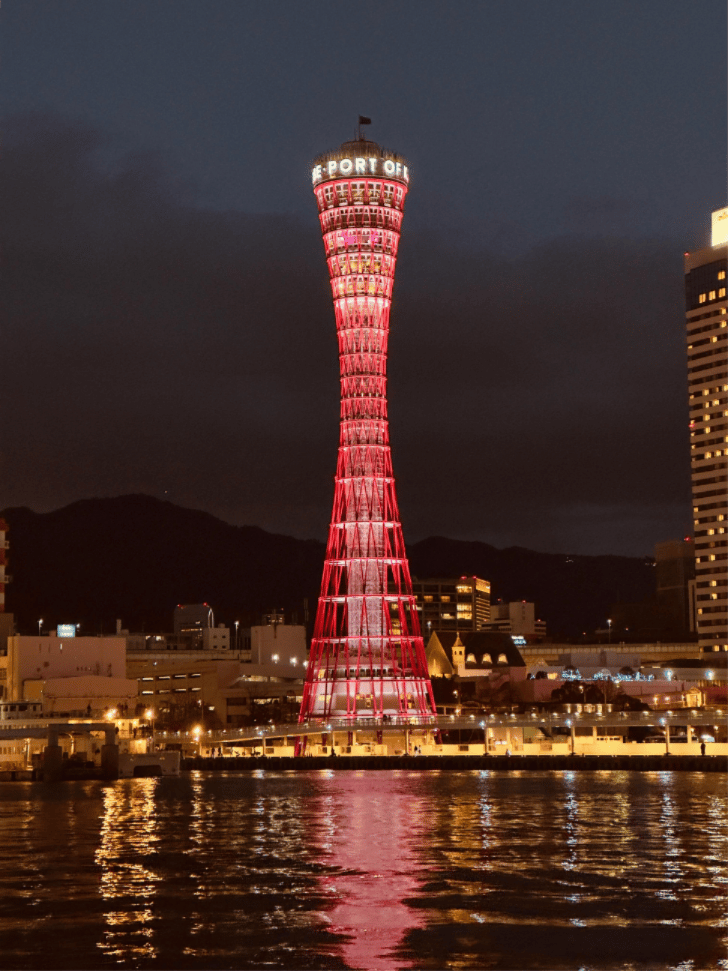
The easiest scenic night view in the city, and better than the low effort suggests. The rooftop deck stays open to 11 PM, and from 108 metres you get the harbour, the illuminated Ferris wheel across the water and the lit lattice of the Maritime Museum roof. It’s a 15-minute walk from Motomachi Station, so it slots in after dinner without extra planning.
Pair it with a slow loop of Meriken Park. The tower’s own lighting is part of the view from the ground, so walk out to the far end of the promenade and look back.
Nankinmachi and the Sannomiya Backstreets
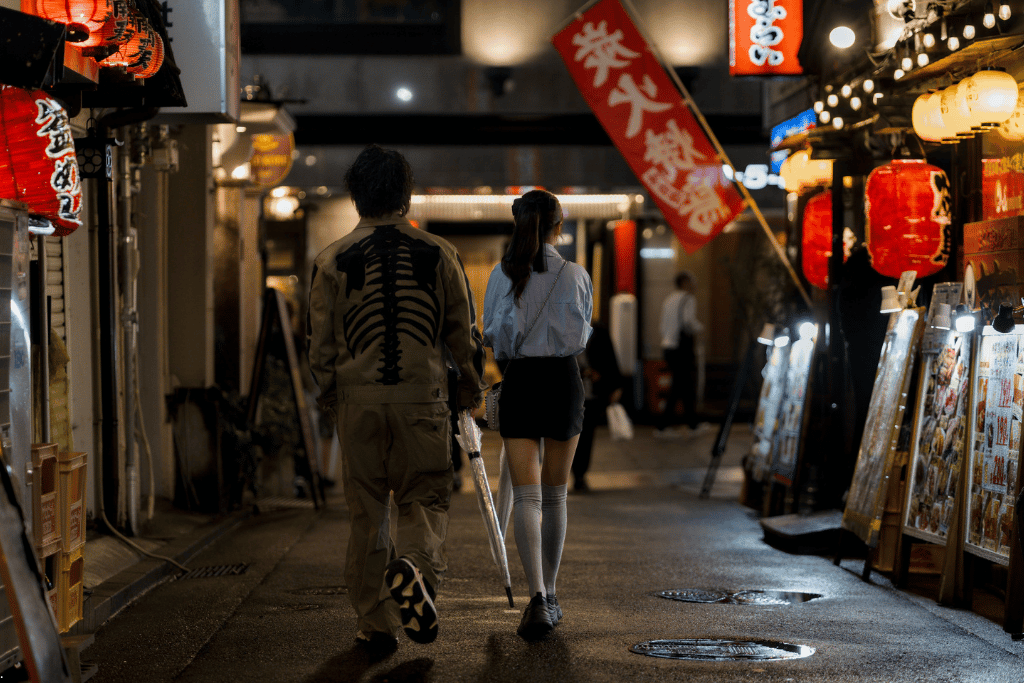
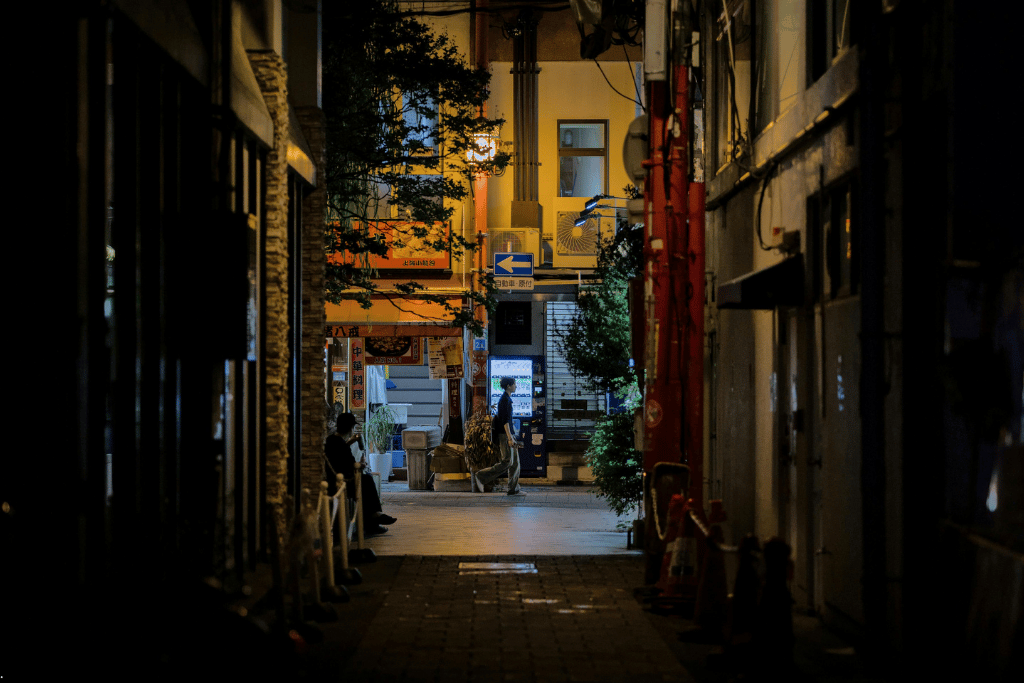
The food-focused way to spend a Kobe evening. Chinatown stays lit and busy well after the shops close, and the lanes behind Sannomiya Station fill with small izakayas, standing bars and yakitori counters packed with locals, not tour groups.
This is where the city feels least like a day-trip stop. Wander, look for the places with a queue of office workers outside, and expect several of them to be cash-only.
📖 Related Guide: Chasing more after-dark art in Japan? Our teamLab Tokyo guide compares Planets and Borderless and how to get tickets.
What to Do in Kobe With Kids
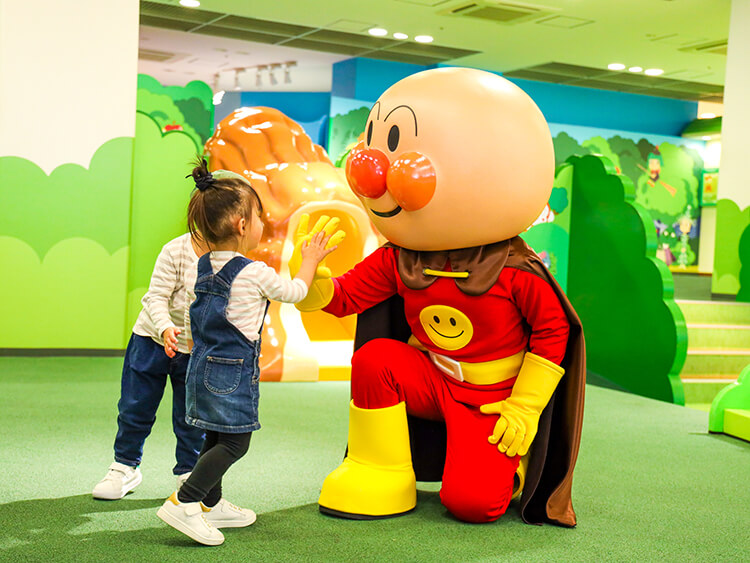
Image Credits: kobe-anpanman.jp
Kobe handles a family day better than most Japanese cities, since its attractions are compact, mostly indoors, and close to the station. Four stops carry it:
- Kobe Animal Kingdom: The strongest option for younger children. Walk-through glasshouses, birds landing on your arm at feeding time, capybaras and alpacas at ground level, and enough shade and air conditioning to survive a hot afternoon. Adults pay 2,400 JPY (~S$19) and children aged 6 to 12 pay 1,200 JPY (~S$10), minutes from Sannomiya on the Port Liner.
- Kobe Suma Sea World: The only aquarium in western Japan running orca shows, and it’s the one kids will talk about after. Rebuilt and reopened in June 2024, it also runs dolphins and an underwater viewing gallery. Adults run 2,900 to 3,700 JPY (~S$23 to S$30) depending on the season, so get there early for a good seat at the stadium.
- Kawasaki Good Times World: Your Maritime Museum ticket already covers this one. Children can climb into a Shinkansen driver’s cab, sit on motorbikes and jet skis, and try the flight and rail simulators. Combined entry runs 900 JPY (~S$7) for adults and 400 JPY (~S$3) for students, the cheapest hour on this list. It’s closed on Mondays, so check the day before building an afternoon around it.
- The Anpanman Children’s Museum: For the under-sixes specifically. The Kobe Anpanman Children’s Museum and Mall sits in Harborland, with a paid museum floor upstairs and a free shopping and food level below. Tickets run 2,000 to 2,500 JPY (~S$16 to S$20) per person from age one upward, steep unless your child already knows the character, and they’re timed web tickets released 28 days ahead, so same-day decisions won’t work. The Mosaic Big Ferris Wheel sits right outside at 800 JPY (~S$6) and takes about ten minutes to go round.
📖 Related Guide: Adding a theme-park day to the Kansai leg? Our Universal Studios Japan guide covers tickets, Express Passes and which rides are worth the queue.
Kobe in a Day: A Route That Works
Start in the mountains and end at the water, since the light improves through the day and the beef is cheaper at lunch. This route assumes an Osaka base with a return the same night.
| Time | Where | What you’re doing |
|---|---|---|
| 9 AM | Osaka to Shin-Kobe | JR to Sannomiya, then one stop to Shin-Kobe |
| 9:30 AM | Nunobiki | Ropeway up to the herb gardens, walk part of the falls trail on the way down |
| 12 PM | Sannomiya | Kobe beef lunch set; book the table before leaving home |
| 1:30 PM | Kitano | Rhine House free, then the ijinkan lanes; coffee in a converted mansion |
| 3:30 PM | Nankinmachi | Butaman in the plaza, then the arcades west to Motomachi |
| 5 PM | Meriken Park | BE KOBE sign, Maritime Museum, harbour at golden hour |
| 6:30 PM | Kobe Port Tower or City Hall | Rooftop deck, or the free 24th-floor lobby, as the lights come on |
| 8 PM | Harborland or Sannomiya | Dinner, then the 20-minute train back to Osaka |
Swap the morning for Arima Onsen if soaking beats climbing, and accept that you’ll lose Kitano to do it. Staying the night moves the Port Tower to the following morning and hands the evening to Mount Rokko instead.
📖 Related Guide: Working out whether the rail pass pays off? Our JR Pass guide has a calculator and the routes where it stops making sense.
How to Get to Kobe From Singapore
There’s no direct flight from Changi to Kobe, so you fly into Kansai International Airport and come across. Door to door takes about 90 minutes, and there are two sensible ways to cover it.
The Bay Shuttle from Kansai Airport
The fastest and most interesting option. A high-speed catamaran runs from Kansai Airport to Kobe Airport in about 30 minutes for 1,880 JPY (~S$15) adults and 940 JPY (~S$8) children. A same-day return costs 2,510 JPY (~S$20), and a free connecting bus links the airport terminal to the ferry pier.
From Kobe Airport, the Port Liner runs into Sannomiya in around 18 minutes. Tickets covering both the ferry and the Port Liner are sold at the Kansai Airport counter and at Sannomiya’s Port Liner station.
The Limousine Bus
The simpler option with luggage or a late arrival. Direct airport buses run from Kansai Airport to Sannomiya in about 1 hour 5 minutes non-stop, departing roughly every 20 to 30 minutes throughout the day.
The fare is 2,200 JPY (~S$18) for adults and 1,100 JPY (~S$9) for children, a little more than the ferry and a little slower. What that buys is no transfers and a luggage hold, worth it on arrival day.
From Osaka and Kyoto
Kobe is a cheap commuter ride from both, and which of the three lines you take depends more on your rail pass than your schedule.
| Route | Time | Fare |
|---|---|---|
| JR special rapid, Osaka to Sannomiya | About 20 minutes | 420 JPY (~S$3) |
| Hankyu, Osaka-Umeda to Kobe-Sannomiya | About 27 to 33 minutes | 330 JPY (~S$3) |
| Hanshin, Osaka-Umeda to Kobe-Sannomiya | About 31 minutes | 330 JPY (~S$3) |
The JR route is the one covered by the Japan Rail Pass, since Hankyu and Hanshin run as private railways the pass doesn’t touch. Without a pass, the private lines cost marginally less, though the difference is small either way.
📖 Related Guide: Watching the flight budget on the Japan leg? Our Japan budget airlines guide covers the low-cost carriers flying from Singapore and what the baggage rules cost you.
Day Trips From Kobe
Kobe sits in the middle of Kansai, so almost everything worth seeing is under an hour away. Three trips justify the journey.
Himeji Castle
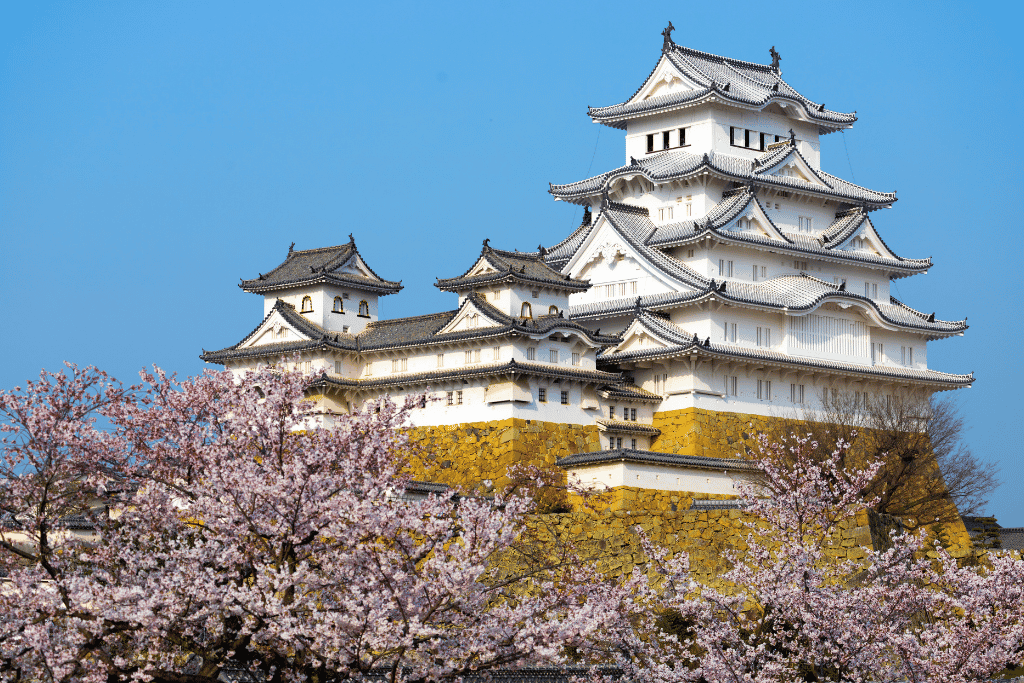
If you only do one day trip from Kobe, make it this. Himeji is Japan’s finest surviving original castle, a white hilltop keep that escaped both the wartime bombing and the earthquakes. It’s about 40 minutes from Sannomiya on a JR special rapid, at 960 JPY (~S$8) each way.
One thing to budget for: the admission fee changed on 1 March 2026. Adults pay 2,500 JPY (~S$20), Himeji city residents specifically (not Hyogo Prefecture or Kobe residents generally) get a discounted 1,000 JPY (~S$8) on proof of residency, and everyone under 18 enters free regardless of where they live. A combined ticket with the neighbouring Koko-en garden costs 2,600 JPY (~S$21).
Osaka
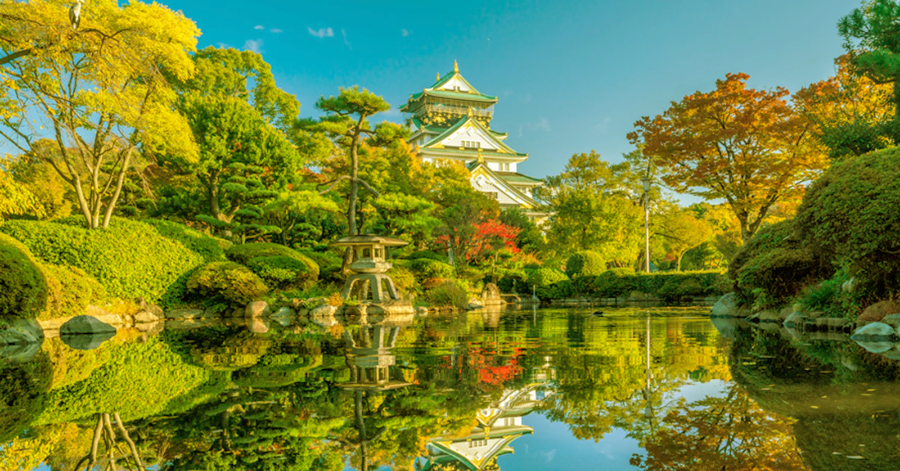
At 20 minutes each way, this barely counts as a day trip. Most travellers are staying there anyway, but if Kobe is the base, Osaka gives you the food streets of Dotonbori, the castle and the Kaiyukan aquarium within a short ride.
It works best in reverse. Base yourself in Osaka for the nightlife and the choice of hotels, then treat Kobe as the day out, which is what the train timetable is really built for.
Awaji Island
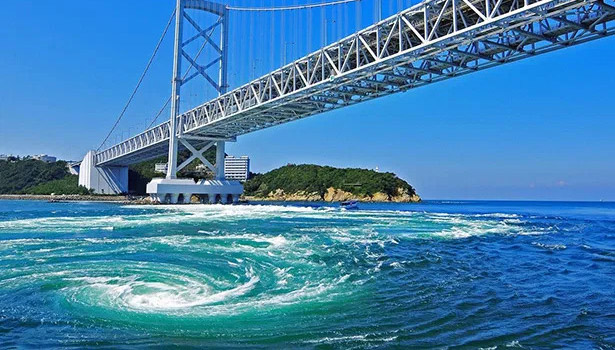
Image Credits: The KANSAI Guide
Awaji Island is the slow day trip, straight across the bridge. It sits at the far end of the Akashi Kaikyo Bridge, about 50 minutes by bus from Sannomiya to Awaji Yumebutai near the bridge, or up to 90 minutes further to Sumoto. It trades city sights for coastline, flower parks and sea-view onsen. Go if Kobe and Himeji are already ticked off and a slower day sounds right.
📖 Related Guide: Making a detour for the Pokémon fans in the group? Our Pokémon Center Osaka guide compares the DX store and the Umeda branch.
How to Pay in Kobe
Cards work across most of Kobe, but carry a little yen anyway. Department stores, the outlets, Don Quijote, the big attractions and the teppanyaki restaurants all take cards and IC payment without fuss.
The cash-first pockets are predictable once you know them. Nankinmachi’s street-food windows mostly want coins, the small izakayas behind Sannomiya often do too, and shrine charms and bathhouse tickets at Arima follow the same pattern. A few thousand yen in your pocket covers all of it.
The smart way to get that cash: skip the money changer and withdraw yen from an ATM once you land. A money changer doesn’t charge a visible fee, but it quietly bakes a markup of a few percent into the rate it quotes, and airport and checkpoint counters run the worst rates of the lot.
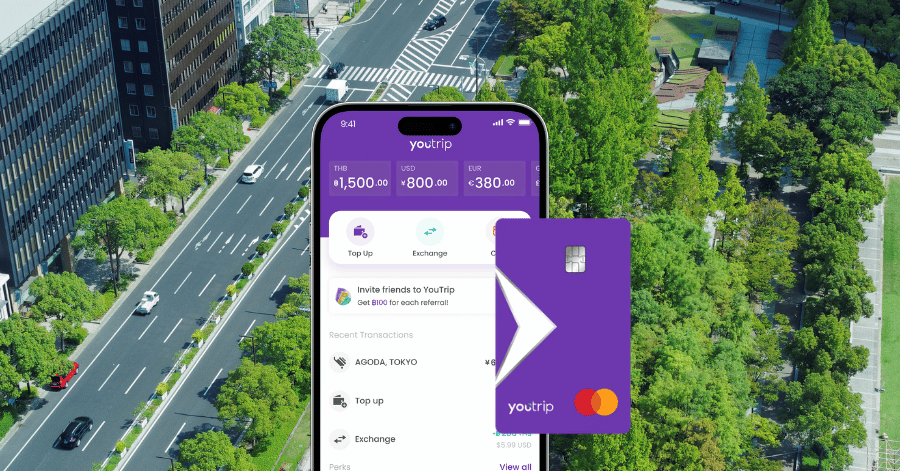
With YouTrip, your first S$400 of overseas ATM withdrawals each calendar month is free, then a flat 2% after that, and the allowance resets on the 1st. Pull yen from a 7-Eleven or Japan Post ATM on arrival and the cash is sorted at a fair rate.
For everything else, tap the YouTrip card and pay no foreign transaction fee, with each spend converting from SGD to yen at the Mastercard wholesale rate. That beats a typical credit card adding 3% to 3.5% on every overseas swipe. Yen is one of YouTrip’s holdable wallet currencies too, so you can lock the rate in the app before flying if it looks good.
This matters most at the beef dinner: if the card terminal offers to charge in Singapore dollars instead of yen, always choose yen. Letting the terminal convert is dynamic currency conversion, and it hands the machine’s own exchange rate a few percent of your bill, which stings most on the biggest meal of the trip.
Bottom line: bring a little cash for Chinatown and the small bars, withdraw it fee-free on arrival, and tap the card for the rest. For more, see our Japan ATM withdrawal guide and the SGD to yen rate guide.
FAQs
Yes, as a day trip rather than a base. Kobe gives you a hot-spring town, one of Japan’s three great night views and the beef, all within 20 minutes of Osaka. It has no single blockbuster sight, so it suits travellers who enjoy a city at street level over ticking off landmarks.
Kobe beef above all, followed by Arima Onsen, the Mount Rokko and Mount Maya night views, and its history as one of the first Japanese ports opened to foreign trade in 1868. That port history is why the city has a Chinatown, a hillside of Western merchant houses and the oldest mosque in Japan.
One full day covers the city comfortably, taking in the ropeway, Kitano, Nankinmachi and the waterfront with a Kobe beef lunch in the middle. Add a second day only if Arima Onsen and the mountain night view are on the list, since together they need more hours than a day trip leaves.
Ride the Nunobiki ropeway in the morning and eat a Kobe beef lunch set in Sannomiya. Walk the Kitano mansions and Nankinmachi in the afternoon, then finish at Meriken Park and the Port Tower for sunset. That route runs from mountain to sea and keeps the walking to a manageable stretch.
Book a teppanyaki counter in Sannomiya and go at lunch. Steakland Kobe-kan is the budget entry point, Mouriya and Ishida sit in the middle, and Wakkoqu is the splurge. Check for the Kobe Beef Marketing and Distribution Promotion Association certificate with its ten-digit ID displayed in the restaurant.
Roughly 7,000 to 8,500 JPY (~S$56 to S$68) for an entry-level certified Kobe beef lunch course and 10,000 to 17,000 JPY (~S$80 to S$136) at dinner. Cheaper steak sets on the same menus are usually domestic wagyu rather than certified Kobe beef, so check before ordering.
Take a direct highway bus from JR Osaka Station (Umeda) or Kobe Sannomiya bus terminal, both around 45 to 50 minutes. The old Namba direct route was discontinued in late 2025, so don’t plan around it. Starting in Osaka, there’s no need to route through Kobe first, which is the mistake most people make.
Yes, comfortably. JR special rapid services run Kyoto to Sannomiya in around 50 minutes to an hour, leaving plenty of hours in the city for a day trip. Kobe also works well as a stop on the way to Himeji, another 40 minutes further west.
Better than most Japanese cities. Kobe Mosque in Kitano is the oldest in Japan and open to visitors. Two Sannomiya restaurants, Tsuki Usagi and Kobe Beef Steak SAKURA, serve halal-certified Kobe beef, and Indonesia Sumatera Cafe & Resto covers everyday halal-friendly meals near Sannomiya Station.
Book the beef restaurants well ahead, since those halal options are limited, and confirm certification directly for the cafe since it isn’t on Kobe’s official Muslim-friendly list.
Give Kobe the Evening
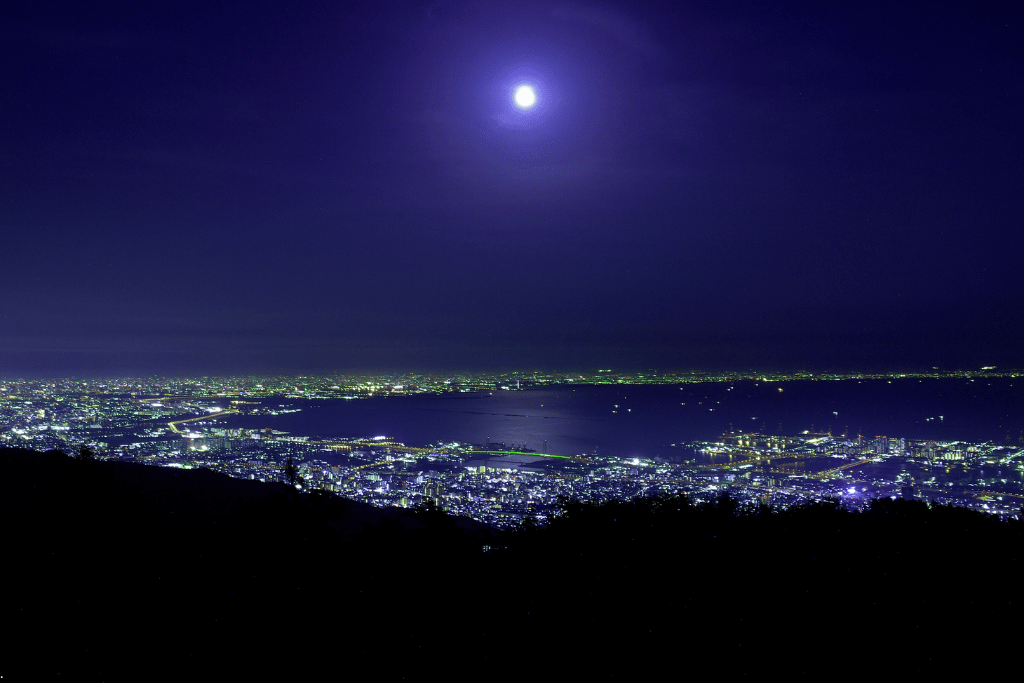
Kobe rewards staying past dinner. Come for the beef, stay for the moment the bay lights up beneath you, and the locals’ smugness about the place starts to make sense.
Wherever the rest of the Japan trip goes, spend smart while you’re there. Tap the YouTrip card for zero foreign transaction fees at the Mastercard wholesale rate, and withdraw yen fee-free on your first S$400 each month for the cash-only stalls.
Not a YouTrooper yet? Sign up with code YTBLOG5 for a free YouTrip card and S$5 in credit. Lock in your rate across 12 currencies and spend in 150+ countries with no foreign transaction fees.
Check out the latest YouTrip Perks, join our Telegram for deals, and swap tips in our Community Group.