



The 30-minute day trip that most Kyoto visitors miss.
Uji sits 30 minutes south of Kyoto by train and gets a fraction of the crowds. It has a UNESCO World Heritage temple, Japan’s oldest surviving shrine, a river that’s been here since the 7th century, and the country’s most famous matcha — the kind that actually comes from here, not just sold here.
If you’re doing Kansai and haven’t put Uji on the list, it belongs there.
💜 Stay Up To Date:
– Things to Do in Taipei: 15 Best Picks for 2026
– New Zealand South Island Itinerary: 10 Days by Campervan (Freedom Camping Edition)
– Things To Do In Hoi An (2026): 15 Best Activities & Travel Guide
⚡️ TL;DR: Uji at a Glance
| Highlights | Details |
|---|---|
| Distance from Kyoto | 28 min by JR Nara Line |
| Distance from Osaka | ~60–70 min via JR connect through Kyoto |
| Must-see | Byodoin Temple, Uji Bridge, Ujigami Shrine |
| Entry fees | Byodoin: 700 JPY (~S$5.60); most other sights free |
| Best time to visit | Spring (cherry blossoms) or autumn (fewer crowds than Kyoto) |
| Time needed | 4–5 hours for a focused visit; full day if you’re eating your way through it |
📌 Table of Contents
- What Is Uji Famous For?
- Is Uji Worth Visiting from Kyoto?
- How to Get to Uji from Kyoto and Osaka
- Top Things to Do in Uji
- What to Eat in Uji
- Things to Do in Uji with Kids
- Can You Do Uji and Nara in One Day?
- Practical Tips: Lockers, Costs, and When to Go
- FAQ
What Is Uji Famous For?
Three things, mostly.
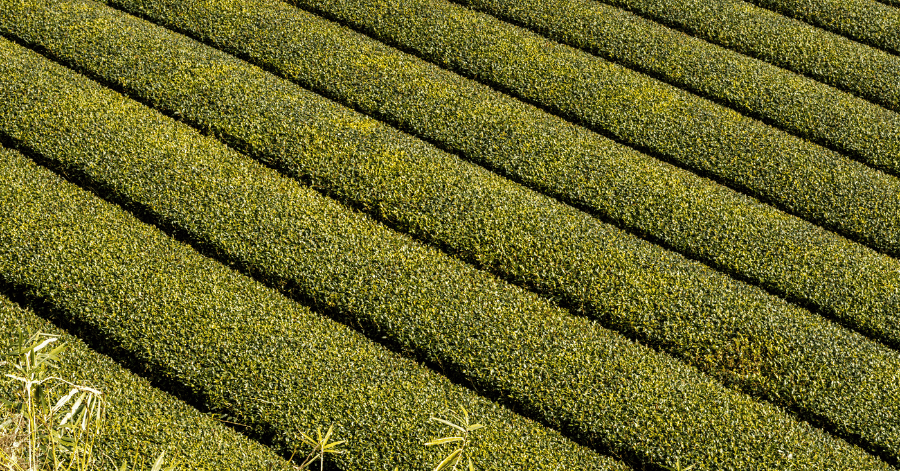
- Matcha: Uji has been growing tea since the 12th century. The town’s terraced hillsides and misty river valley create the exact conditions that cultivation needs: shade, moisture, mineral-rich soil. When you see “Uji matcha” on a menu anywhere in Japan, this is where it comes from.
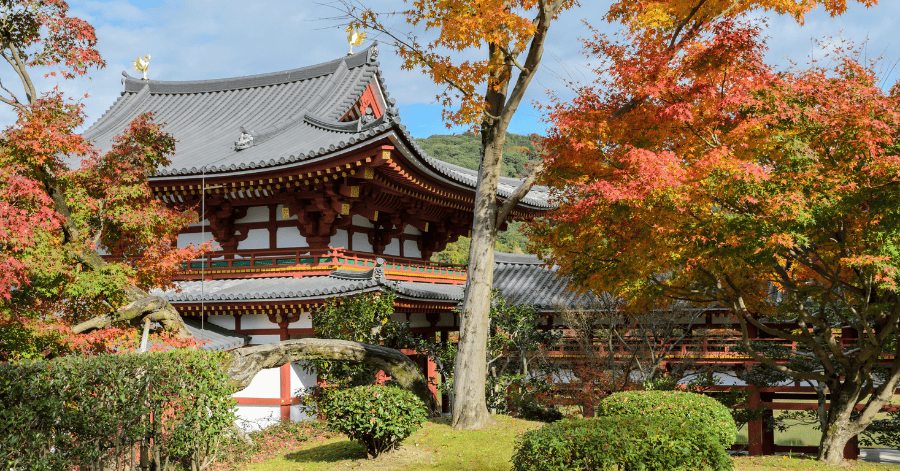
- Byodoin Temple: Built in 1052, the Phoenix Hall is one of the most photographed buildings in Japan — and it’s on the 10-yen coin. It’s a UNESCO World Heritage Site and genuinely beautiful, especially reflected in the garden pond in front of it.
- The Tale of Genji: The final chapters of the world’s first novel were set in Uji. If you’ve read it (or just know of it), the town takes on an extra layer. There’s a Genji Museum here if you want to go deeper.
Beyond that:
- Ujigami Shrine is Japan’s oldest surviving Shinto shrine, UNESCO-listed
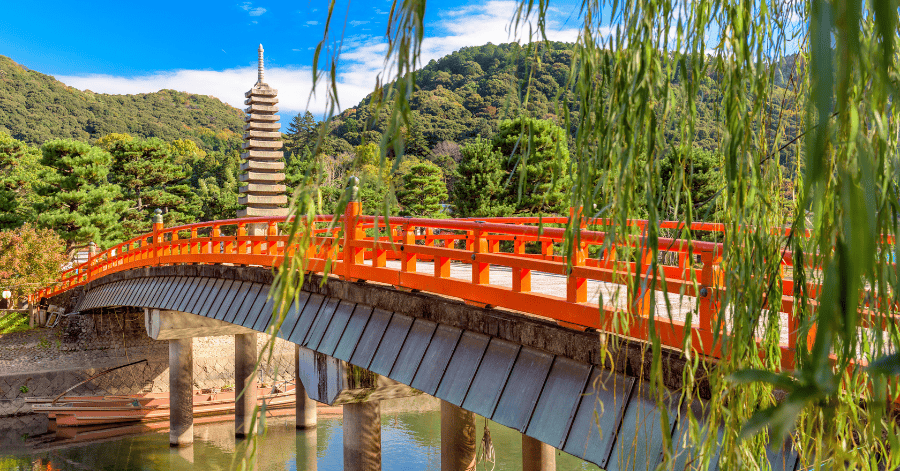
- Uji Bridge is one of the oldest bridges in the country, first built in 646 CE
- The town sits at the confluence of two rivers — the setting alone is worth the train ride
📖 Related Guide: Japan Budget Airlines: The Singaporean Traveller’s Guide
Is Uji Worth Visiting from Kyoto?
Yes — and more so than many of the day trips people default to.
It’s 28 minutes by train, costs about 240 JPY (~S$1.90) one way, and most of the key sights are free. The main paid entry is Byodoin Temple at 700 JPY (~S$5.60) for the grounds and museum, with an optional additional 300 JPY (~S$2.40) for the Hoodo Hall interior.
Compared to heading to Arashiyama (packed by 10 AM) or queuing for Fushimi Inari at peak hours, Uji is quieter, cheaper, and genuinely distinct in character. It doesn’t feel like a Kyoto suburb — it has its own atmosphere, its own food, its own pace.
Half a day is enough for a focused visit. A full day works if you’re eating your way through matcha stops and want to linger by the river.
📖 Related Guide: 33 Things to Do in Kyoto, Japan: Top Attractions, Food & Travel Tips
How to Get to Uji from Kyoto and Osaka
From Kyoto: Take the JR Nara Line from Kyoto Station to JR Uji Station.
- Journey time: 17–30 minutes (rapid vs local train).
- Fare: 240 JPY (~S$1.90) one way. JR Pass holders ride this for free — the JR Nara Line is covered.
From Osaka: The most straightforward route is JR from Osaka Station to Kyoto Station, then connect to the JR Nara Line to Uji.
- Total journey around 60–70 minutes.
- Kintetsu also runs a line from Kintetsu-Kyoto Station to Kintetsu-Uji Station if you’re already near that side of Kyoto.
One thing to know: there are two stations in Uji — JR Uji Station (JR Nara Line) and Kintetsu-Uji Station (Kintetsu). Both are about a 10-minute walk from Byodoin Temple. Either works. Uji is flat and compact — no local transport needed once you’re there.
📖 Related Guide: SGD To Yen Guide: Capitalising On The Japanese Yen
Top Things to Do in Uji
1. Byodoin Temple
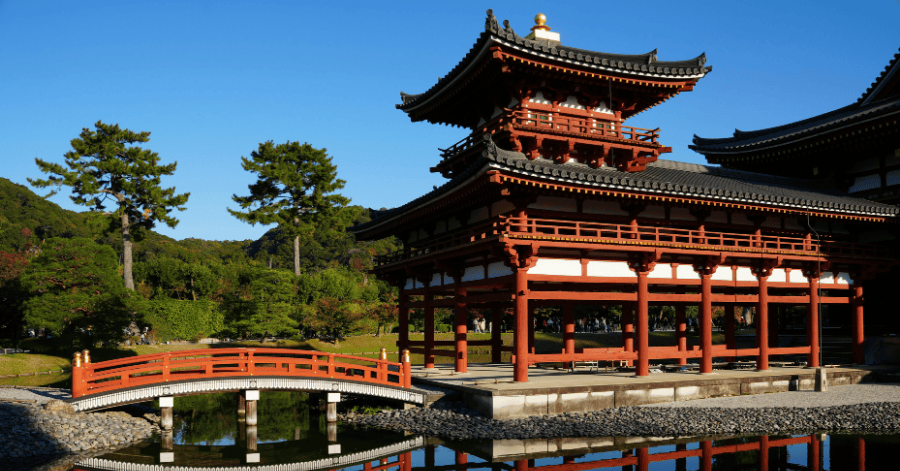
The centrepiece of any Uji visit. The Phoenix Hall (Hoodo) sits on a small island reflected in a garden pond — it’s the image that ends up on every camera roll, and for good reason. Built in 1052 and remarkably well-preserved.
- Grounds + Hoshokan Museum: 700 JPY (~S$5.60) per adult
- Hoodo Hall interior: additional 300 JPY (~S$2.40), timed entry — queue for tickets when you arrive
- The Hoshokan Museum (included with grounds) houses the original temple bell and bronze phoenix statues
📖 Related Guide: Cherry Blossom Season Japan: Best Time to Visit, Sakura Forecast & Top Viewing Spots
2. Ujigami Shrine
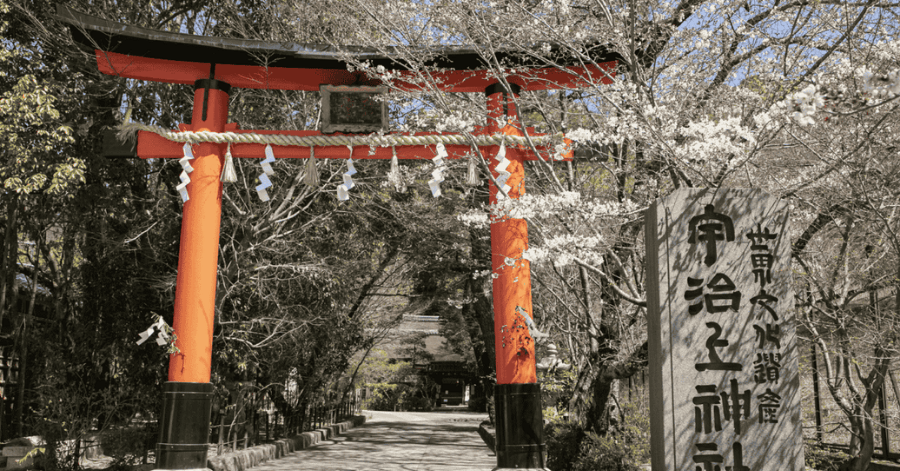
Image Credits: Official site for Kyoto Prefecture, Japan Kyoto Tourism
A five-minute walk from Byodoin. Japan’s oldest surviving Shinto shrine is UNESCO-listed. Free to enter, open daily 9 AM–4 PM. Most visitors skip it because it’s less photogenic than Byodoin, which is exactly why it’s worth stopping at. Quiet, atmospheric, genuinely ancient.
📖 Related Guide: Japan ATM Withdrawal Guide: Fees, Locations, Exchange Rates
3. Uji Bridge and River
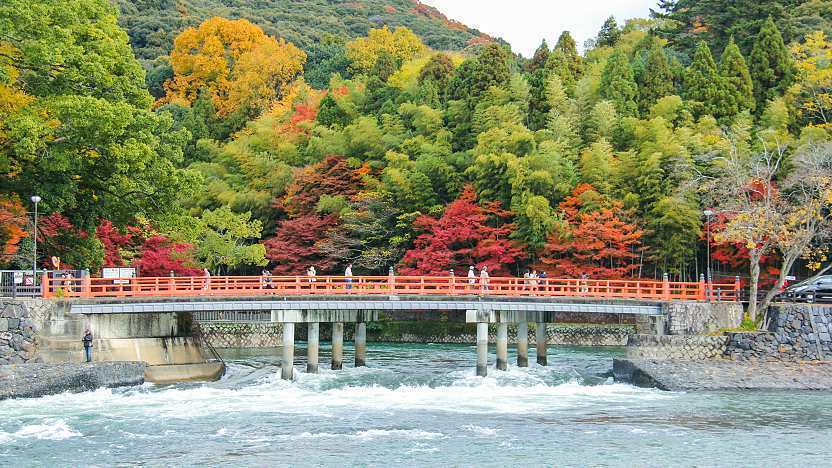
Image Credits: Japan Guide
Uji Bridge dates to 646 CE. The current structure is modern but the location is historic, and the views across the Uji River are good year-round. Free. Uji Park, a small island park in the middle of the river, connected by pedestrian bridges, is right here too. Good for a sit-down between sights.
The riverside path is worth a slow wander. Traditional cormorant fishing (ukai) takes place on the river from mid-June to late September. Shared boat tickets run 2,000 JPY (~S$16.00) for adults, 1,000 JPY (~S$8.00) for children.
📖 Related Guide: Kyushu, Japan: Complete Travel Guide, Map, Weather, Itinerary
4. Uji Tea Street (Byodoin Omotesando)
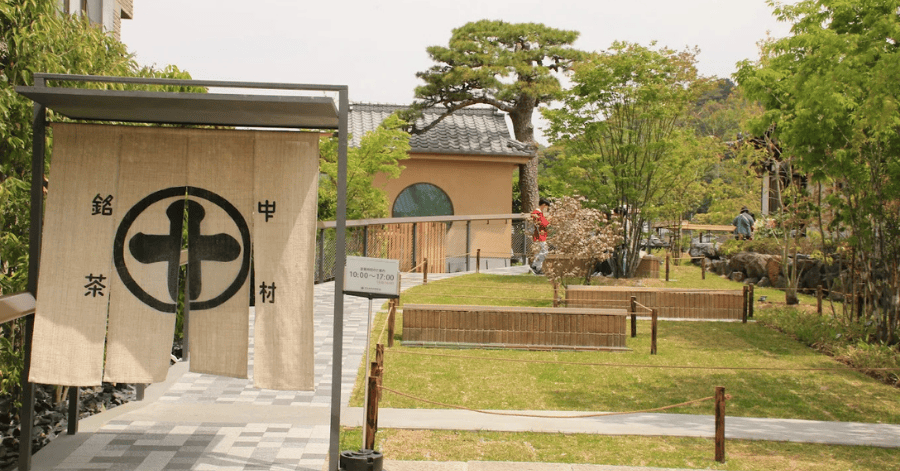
Image Credits: 921 chanpu on Google Reviews
The covered shopping street leading to Byodoin is lined with tea shops, matcha soft-serve stands, and local retailers. Good for sampling different grades of Uji matcha, buying quality loose-leaf to take home, or eating your fifth matcha ice cream of the trip without shame.
📖 Related Guide: Best Time To Visit Japan: Your Ultimate Guide
5. Marukyu Koyamaen Factory Tour
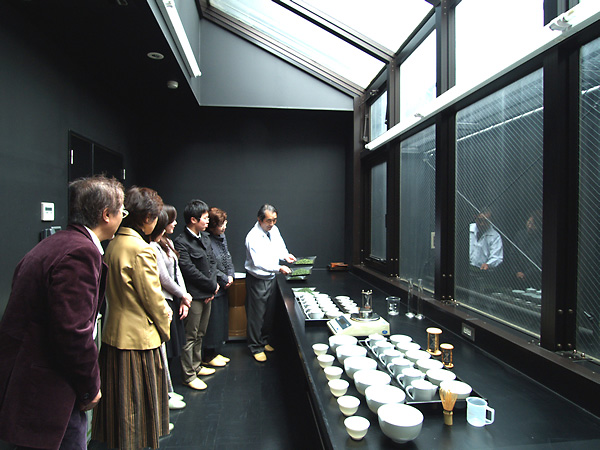
Image Credits: Marukyu Koyamaen
One of Japan’s most respected tea producers runs a factory tour out of their Uji facility — a genuine behind-the-scenes look at how high-grade matcha is processed. You’ll watch an English-language matcha video, tour the production floor, and finish with a tea tasting and a short tea ceremony.
- Cost: 1,000 JPY (~S$8.00), includes a 500 JPY shopping voucher
- Weekdays only — closed weekends and public holidays
- Advance booking required (minimum one week ahead)
- Not walkable from central Uji — about 10 minutes by taxi from JR Uji Station
Worth planning around if you’re serious about matcha. Book through their website before your trip.
📖 Related Guide: ICOCA Card Japan Guide: Where to Buy, How to Use, Suica Comparison
What to Eat in Uji
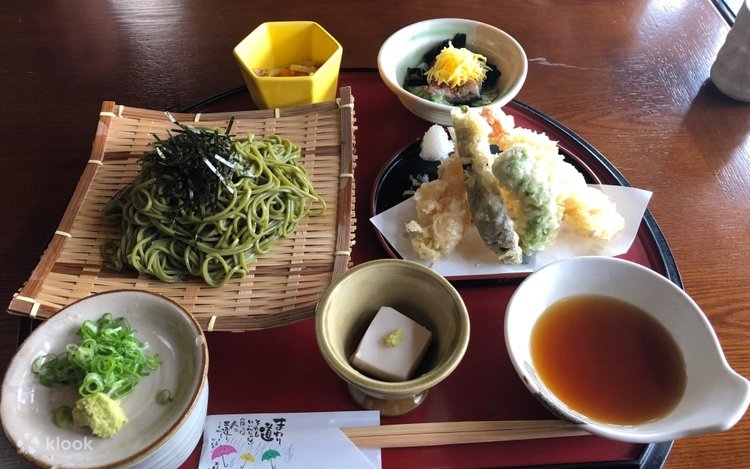
Image Credits: Klook
- Matcha soft serve is non-negotiable. Shops along Byodoin Omotesando sell it in varying intensities — light ceremonial grade through to very bitter single-origin. Budget around 500–700 JPY (~S$4.00–5.60) per cone.
- Matcha soba is a Uji speciality: noodles made with green tea, typically served cold. A bowl runs roughly 900–1,300 JPY (~S$7.20–10.40). Look for sit-down restaurants near the river rather than the tourist strip if you want better value.
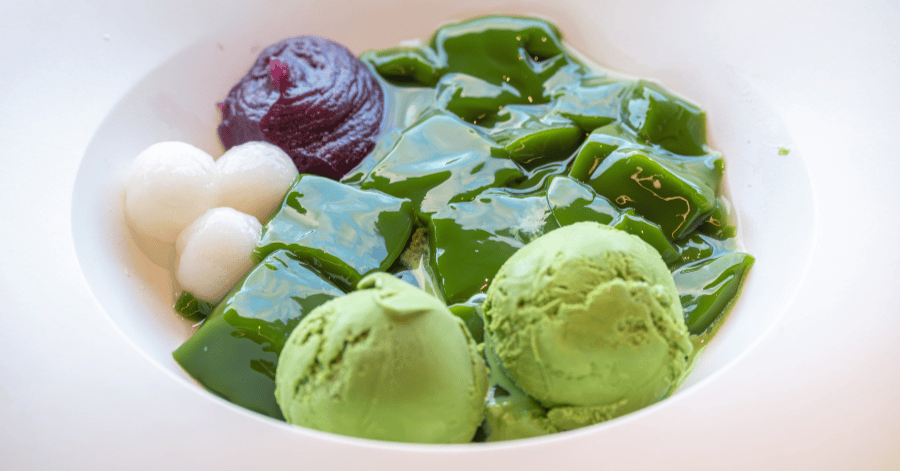
- Warabi mochi (bracken starch jelly dusted in matcha powder) is lighter than regular mochi, slightly gelatinous, and a good contrast to the richer soft serve. Sold in most shops along the main street.
Most of the food in Uji is affordable. Menus often have photos or display cases, so ordering without Japanese is manageable.
📖 Related Guide: Japan Rail Pass (JR Pass): Prices, Calculator, Map & Full Guide
Things to Do in Uji with Kids
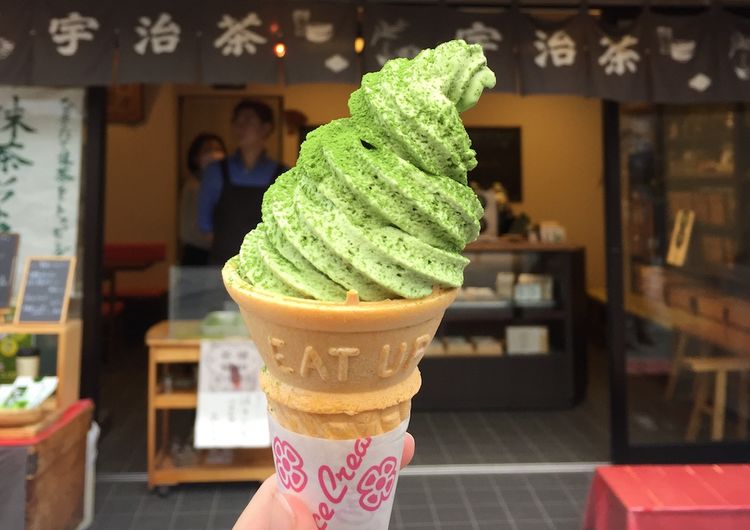
Image Credits: Klook
Uji is genuinely good for families. The town is flat, the river is scenic, and matcha ice cream is a universally accepted motivator.
- Byodoin Temple works for older kids (the pond, the Phoenix Hall, the museum). Younger children may tire of it — budget 30–40 minutes and keep moving.
- Uji Park is open, free, and good for kids who need to run around between sights.
- Matcha hands-on experiences — some shops offer tea grinding demonstrations for around 1,000–1,500 JPY (~S$8.00–12.00). A few also run short tea ceremony sessions.
- Uji River cormorant fishing (ukai, mid-June to late September) — shared boat tickets 2,000 JPY (~S$16.00) adults, 1,000 JPY (~S$8.00) children. Usually a hit with kids.
🧳 Tip: Luggage lockers are available at JR Uji Station if you’re travelling with bags. Small lockers: ~300–400 JPY (~S$2.40–3.20). Large: ~500–800 JPY (~S$4.00–6.40).
📖 Related Guide: Best Things To Do In Nagoya City, Japan: The Ultimate Guide
Can You Do Uji and Nara in One Day?
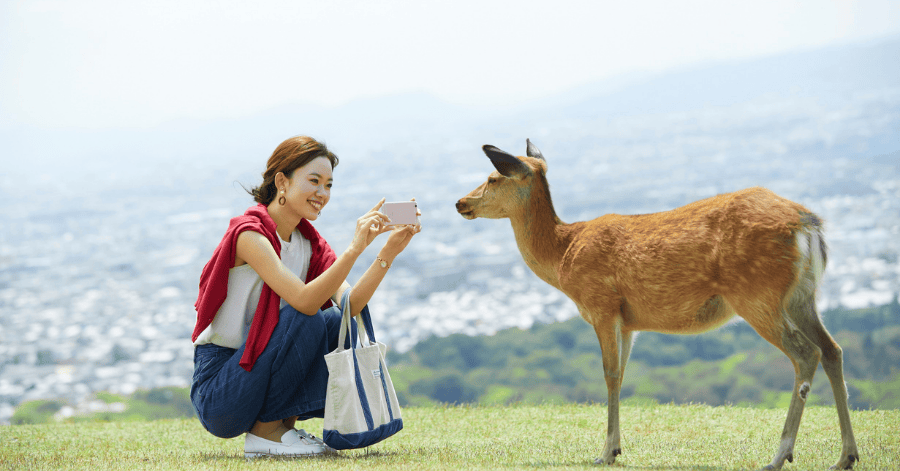
Technically, yes. But only if you’re comfortable doing both quickly.
The route works: Kyoto → Uji (28 min) → back to Kyoto → Nara (45 min by JR or Kintetsu). You’ll spend a solid chunk of time on trains, and you’ll need to leave Uji by noon to get a proper few hours in Nara before the deer park empties out.
A cleaner version: spend the morning in Uji, have lunch there, then head to Nara for the late afternoon. This works if you’re an efficient traveller who doesn’t need to sit with every moment.
If you want to enjoy both properly, pick one per day. Both are easy half-day trips from Kyoto.
📖 Related Guide: Japan Power Plug & Socket Guide: Types, Voltage, Adapters & Tips
Practical Tips: Lockers, Costs, and When to Go
Luggage lockers: Available at JR Uji Station.
- Small: ~300–400 JPY (~S$2.40–3.20).
- Large: ~500–800 JPY (~S$4.00–6.40).
- Coinlocker.info lists live availability if you want to check ahead.
Best time to visit:
- Spring (late March–April): Cherry blossoms along the Uji River. Worth it, but busier.
- Autumn (October–November): Autumn colours and significantly thinner crowds than Kyoto.
- Weekdays in summer: Hot, but very quiet. Matcha season peaks in spring and early summer.
- Avoid: Cherry blossom weekends and Golden Week (late April–early May) if you’re crowd-averse.
Rough cost for a day trip (one person):
- Train from Kyoto, return: ~480 JPY (~S$3.80)
- Byodoin Temple grounds + museum: 700 JPY (~S$5.60)
- Hoodo Hall optional: 300 JPY (~S$2.40)
- Lunch + matcha: 1,500–2,000 JPY (~S$12.00–16.00)
- Rough total: ~3,000–4,000 JPY (~S$24–32) for core sightseeing and meals
Most shops along the main tourist strip accept cards. Smaller tea vendors and street stalls may prefer cash — carry some JPY to be safe.
💡 Tip: Use a card with no foreign transaction fees in Japan. Most Singapore bank cards add 2.5–3.5% on overseas spend — on a trip full of small purchases (train fares, snacks, temple entry), that adds up. YouTrip uses wholesale exchange rates with no FX markup, so what you see is what you pay.
📖 Related Guide: 35 Best Things To Do In Tokyo: Attractions, Food, Nightlife, Anime, Shopping
FAQs About Uji:
Aoi Park (the main riverside public park in Uji) is free to enter. Walking along the Uji River and Uji Bridge is also free.
Yes. The JR Nara Line from Kyoto Station to JR Uji Station is covered by the JR Pass. The journey takes 17–30 minutes, depending on whether you take a rapid or local train.
About a 10-minute walk from either JR Uji Station or Kintetsu-Uji Station.
Yes. The Uji region — spanning parts of Kyoto, Nara, and Shiga prefectures — is Japan’s oldest and most prestigious tea-growing area. What you buy in Uji is the genuine article. “Uji matcha” sold elsewhere doesn’t always meet the same standard.
Especially if you’ve done Kyoto. It’s a complete change of pace — quieter, cheaper, and interesting in its own right rather than as an extension of Kyoto tourism.
Go Hungry. Leave Happy.
Uji won’t give you Fushimi Inari’s scale or Arashiyama’s drama. What it gives you is a coherent, satisfying day. Good food, genuinely historic temples, and a river to sit by when your feet get tired. From Kyoto, there’s no reason not to go!
Not a YouTrooper yet? Sign up with <YTBLOG5> for a free YouTrip card + S$5 YouTrip credits!
Then, head over to our YouTrip Perks page for exclusive offers and promotions — we promise you won’t regret it. Join our Telegram (@YouTripSG) and Community Group (@YouTripSquad) for travel tips, event invites, and more!
Live your best life!
Related Articles:
16 Best Things To Do In Fukuoka, Japan: Attractions & Tips
Okinawa, Japan Travel Guide: Best Things to Do, Itinerary & Tips
Things To Do in Osaka: 30 Must-Dos, Food & Nightlife