


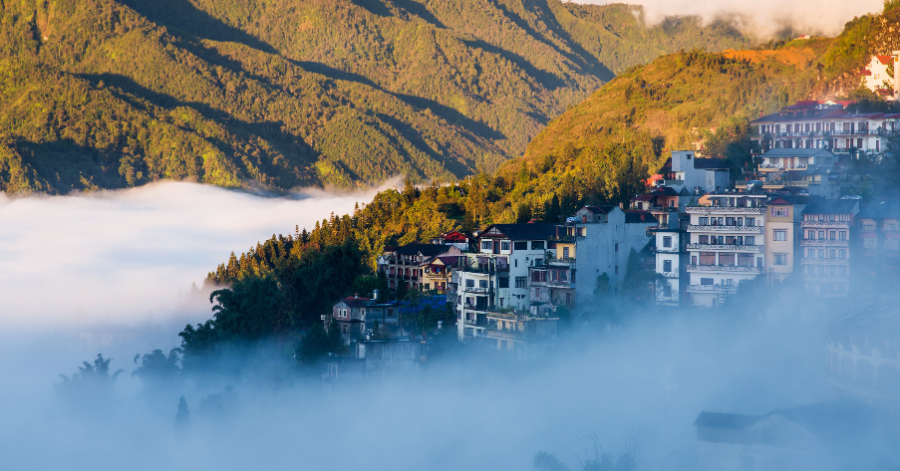

Ready for a quick getaway to Sapa? Here’s what you need to know! 🇻🇳
Over the years, Sapa Vietnam has grown in popularity among Singaporean and regional travellers seeking crisp mountain air, scenic views, and a slower pace. From waking up to cloud-covered valleys and exploring hill tribe villages to riding the cable car up Mount Fansipan, the highest peak in Indochina, Sapa offers a peaceful yet culturally rich travel experience.
This Sapa Vietnam travel guide covers everything you need to plan your trip: how to get to Sapa from Hanoi, the best time to visit, top attractions, family-friendly activities, and the best things to do in Sapa, even if trekking isn’t on your itinerary.
💜 Stay Up To Date:
– Best Multi-Currency Card in Singapore: 7 Cards Compared
– Introducing YouTrip’s eSIM: Roam in 140+ Countries From Just S$1!
– Revolut vs YouTrip Singapore: Which Multi-Currency Card Saves You More?
⚡️ TL;DR: Sapa Vietnam at a Glance
| Category | Highlights |
|---|---|
| Location | Sapa, Lao Cai Province, Northern Vietnam (~315 km NW of Hanoi) |
| Best Time to Visit | Spring (Mar–May) & Autumn (Sep–Nov) |
| Travel Time from Hanoi | 5–8 hours by bus or train |
| Famous For | Terraced rice fields, ethnic villages, Mount Fansipan |
| Ideal Stay | 3–4 days |
| Top Attractions | Fansipan cable car, Cat Cat Village, Muong Hoa Valley, Silver Waterfall |
| Family-Friendly / Fun Activities | Cable car, Alpine Coaster, Rainbow Slide, Glass Bottom Bridge |
| Accommodation | Glow Sapa Hotel (budget), Pao’s Sapa Leisure Hotel (mid-range), Hôtel de la Coupole – MGallery (luxury) |
| Quick Tip | Use YouTrip for competitive VND rates & zero FX fees, pack layers, and book transport early |
📚 Table of Contents
- Where is Sapa Vietnam?
- Why is Sapa So Famous?
- Is Sapa Vietnam Worth Visiting?
- How to Get from Hanoi to Sapa
- Sapa Weather
- How Many Days is Enough for Sapa?
- How to Spend 2, 3 or 4 Days in Sapa
- Best Things to Do in Sapa
- Where to Eat in Sapa
- Sapa’s Markets
- Where to Stay in Sapa
- Tips for Singaporeans
- FAQs
Where is Sapa Vietnam?
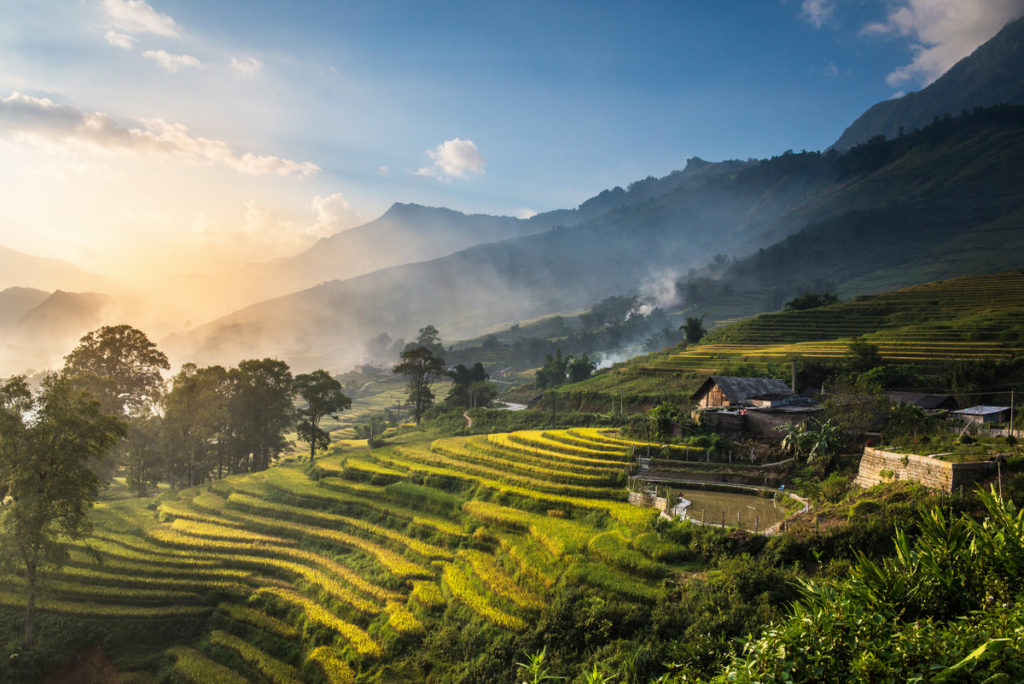
Image Credits: The Lost Passport
Sapa is a picturesque mountain town in Lao Cai Province, Northern Vietnam, about 315 km northwest of Hanoi. Nestled in the Hoang Lien Son range at 1,600 m above sea level, it’s known for:
- Cool temperatures and misty mornings
- Scenic valleys, terraced rice fields, and ethnic minority villages like Cat Cat, Ta Van, Lao Chai, and Giang Ta Chai
Near the Chinese border, Sapa is a cultural crossroads, home to Hmong, Dao, Tay, and Giay communities with unique traditions, dress, and architecture.
Despite its mountain setting, Sapa is easy to reach from Hanoi via overnight train, sleeper bus, or private transfer, making it one of Vietnam’s most accessible highland destinations.
Why is Sapa So Famous?
Sapa is famous for its dramatic landscapes and rich culture, making it one of Vietnam’s most photographed destinations. Its appeal comes from three main highlights:
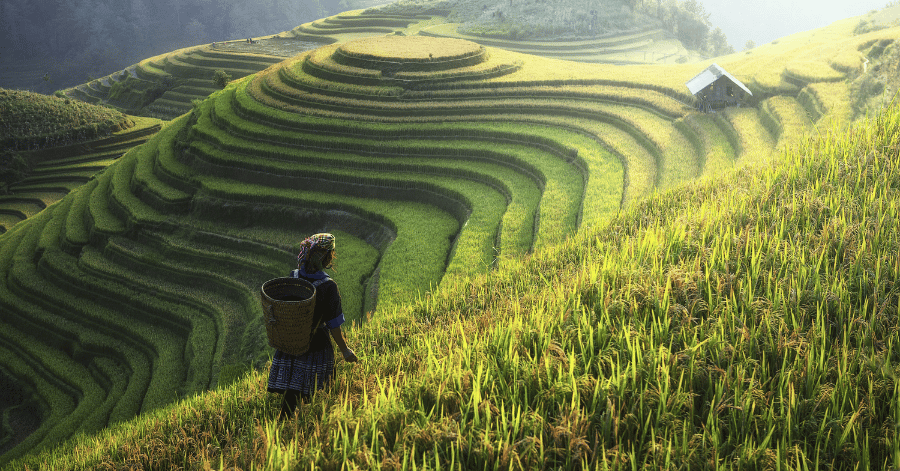
1. Terraced Rice Fields: Sapa’s rice terraces are among Asia’s most beautiful, carved into steep mountains over centuries. They change colour with the seasons: vibrant green in summer, golden at harvest, and misty silver in winter. The best views are in Muong Hoa Valley, Lao Chai, and Ta Van.
2. Ethnic Minority Cultures: Home to Hmong, Red Dao, Tay, and Giay communities, Sapa offers a glimpse into authentic highland life. Visitors can explore villages, markets, homestays, and handicraft workshops, experiencing traditional dress, customs, and architecture.
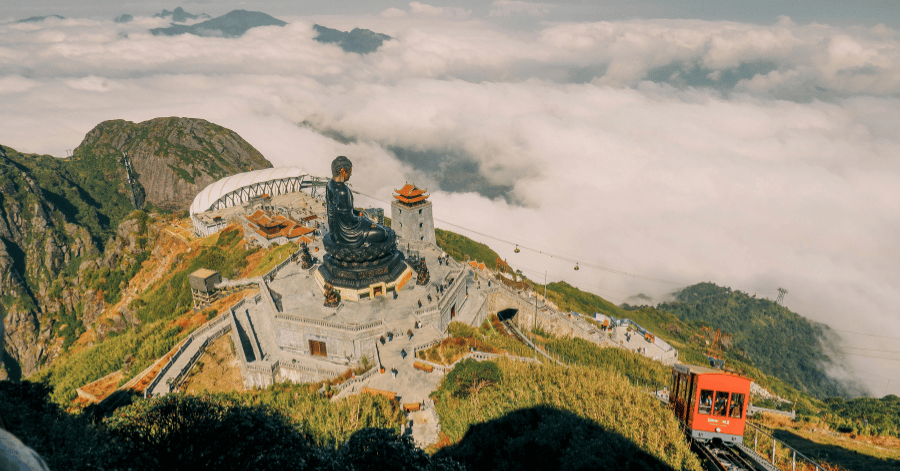
3. Mount Fansipan – The Roof of Indochina: Sapa is the gateway to Mount Fansipan, the highest peak in Indochina at 3,143 m. The Fansipan Legend cable car, opened in 2016, allows visitors — including families and non-hikers — to reach near the summit in under 20 minutes, enjoying panoramic views of the Hoang Lien Son mountains.
📖 Related Guide: Vietnam Power Plug & Socket Guide: Types, Adapters & Travel Tips
Is Sapa Vietnam Worth Visiting?
Absolutely! Sapa Vietnam is a top destination for travellers who enjoy nature, scenic landscapes, and cultural experiences. It’s praised for mountain views, village treks, and a slower pace compared to Vietnam’s bustling cities.

For Singaporean travellers, Sapa offers unique advantages:
- Cooler temperatures year-round, with daytime highs of 15–25°C
- Mountain scenery unlike any urban or coastal destinations in Southeast Asia
- Excellent value for money, especially compared to alpine spots in Europe, Japan, or Korea
Sapa suits all travel styles:
- Adventure seekers: trek through valleys and remote villages
- Relaxed travellers: enjoy cafés with mountain views, cable car rides, cultural shows, and short village walks
Even without trekking, Sapa easily fills a 3- to 4-day itinerary with diverse experiences, making it a must-visit Northern Vietnam destination.
📖 Related Guide: Vietnam ATM Withdrawal Guide: Fees, Locations, Exchange Rates
How to Get from Hanoi to Sapa
Sapa doesn’t have its own airport, so all journeys start in Hanoi. Travelling from Hanoi to Sapa is straightforward, with several reliable options for international travellers:
1. Sleeper Bus (Most Convenient)

Image Credits: Seek Sophie
- Travel time: 5–6 hours
- Best for: Budget-conscious travellers and those seeking door-to-door convenience
- Buses depart from Hanoi’s Old Quarter and arrive directly in Sapa town
- Features include reclining beds, air-conditioning, blankets, and sometimes Wi-Fi
- Cost: Reclining sleeper berth from around 250,000 VND (~S$13); private cabin from around 450,000 VND (~S$22)
2. Overnight Train to Lao Cai
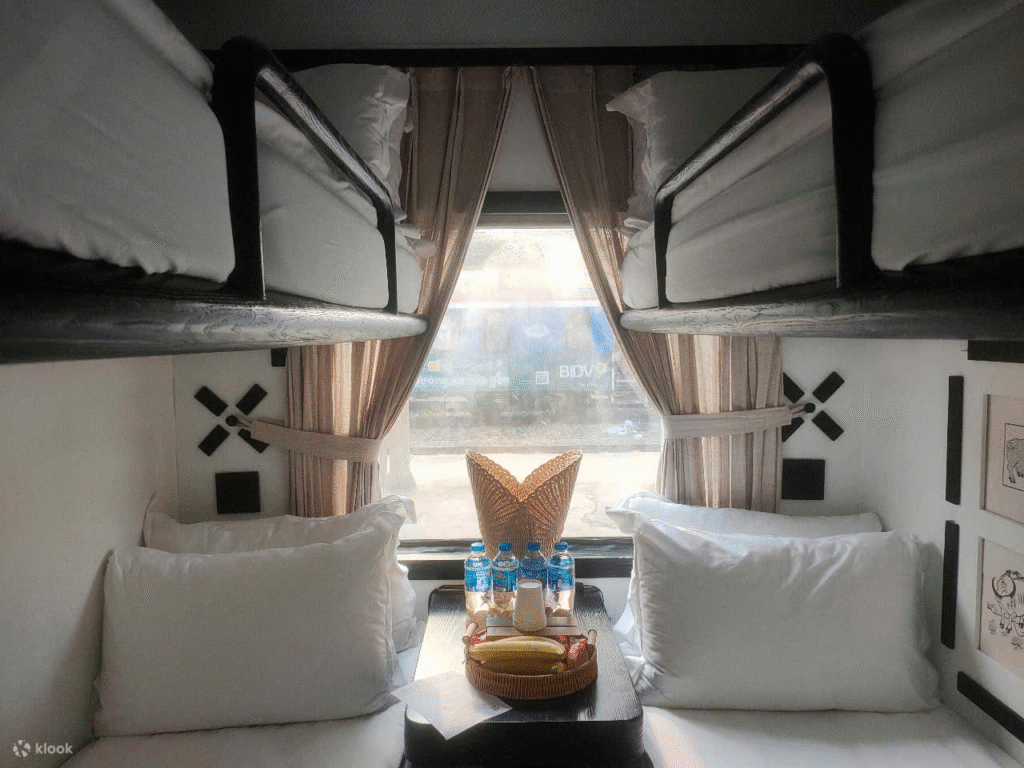
Image Credits: Klook
- Travel time: ~8 hours by train + 1-hour bus/taxi to Sapa
- Best for: Travellers who prefer a smoother ride and overnight sleep
- Arrive in Lao Cai, then continue by shuttle bus or taxi up the mountain
- Popular for the experience of sleeping on the train and waking up near the mountains
- Cost: Basic four-berth sleeper from around 500,000 VND (~S$25); a comfier tourist cabin runs 700,000 to 1,100,000 VND (~S$35 to S$55) one way
Both options are safe, reliable, and widely used by international travellers.
Prices in VND are approximate; SGD equivalents based on ~20,300 VND = S$1. Verify the live rate before publishing.
📖 Related Guide: 21 Best Things To Do In Hanoi For 3D2N
Sapa Weather
| Season | Months | Average Temperature | What to Expect |
|---|---|---|---|
| 🌸 Spring | Mar to May | 15°C to 20°C | Clear skies, flowers |
| ☀️ Summer | Jun to Aug | 18°C to 23°C | Green fields, rain season |
| 🍂 Autumn | Sep to Nov | 15°C to 20°C | Harvest season |
| ❄️ Winter | Dec to Feb | 0°C to 15°C | Cold, fog, occasional frost |
Source: Vietnam National Administration of Tourism, Wikipedia
Best time to visit Sapa Vietnam: Spring (March–May) and autumn (September–November), when the weather is mild, the rice terraces are at their most scenic, and trekking conditions are ideal.
📖 Related Guide: YouTrip Exchange Rates: Everything You Need to Know
How Many Days Is Enough for Sapa?
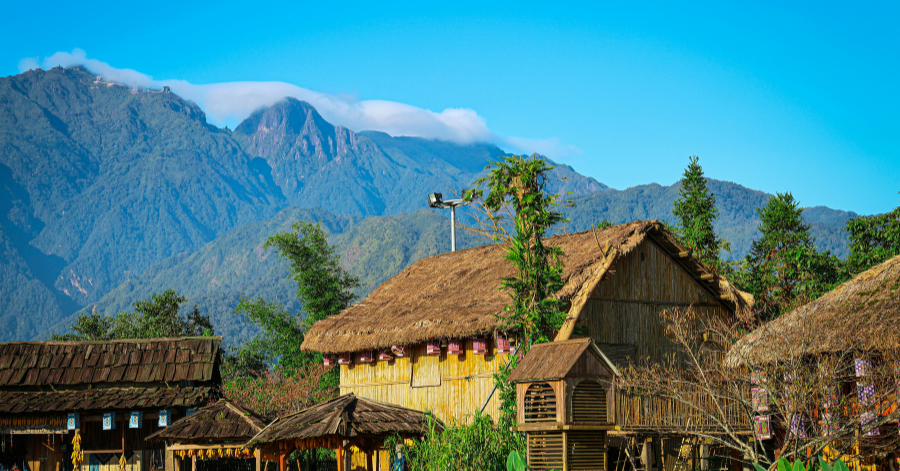
Most travellers spend 3–4 days in Sapa, enough to enjoy the scenery, explore villages, and experience the region at a relaxed pace.
- 2 days: Best for a quick trip. Highlights include Sapa town, Fansipan cable car, and a nearby village like Cat Cat.
- 3 days: Allows cultural experiences, scenic viewpoints, light village walks, and café hopping.
- 4 days: Ideal for a slower pace. Explore Ta Van or Lao Chai villages, local markets, and soak in the mountain atmosphere.
Tip: Staying at least three nights is recommended to fully appreciate Sapa’s landscapes, culture, and nearby attractions.
📖 Related Guide: 25 Best Things To Do In Ho Chi Minh City
How to Spend 2, 3 or 4 Days in Sapa
Here’s how the days actually fit together. Remember that arriving and leaving on overnight transport eats into your first and last days, so a “three-day” trip is usually two full days on the ground. If the view is the whole point, build in a spare day, because a foggy morning can wipe out Fansipan entirely.
- Day 1: Arrive and ease in. Roll in on the dawn bus or train, drop your bags and take the town slowly. Wander the French-era Stone Church and the square, loop the lake, and see out the evening at the night market over grilled skewers. Warm up with a salmon and sturgeon hot pot before an early night.
- Day 2: Fansipan and a village. Ride the cable car up Fansipan first thing, while the cloud is most likely to break, for the Roof of Indochina and the summit Buddha. Spend the afternoon on the easy Cat Cat Village loop, or hide from the weather in a valley-view café.
- Day 3: Into the valley. Trek the Muong Hoa terraces from Lao Chai to Ta Van, ideally with a local guide, for the postcard Sapa of gold terraces and hill-tribe villages. Finish with a Red Dao herbal bath to undo the day on your feet.
- Day 4: The day trips. Head west for the O Quy Ho glass bridge and Silver Waterfall, or, if it’s a Sunday, make the early run to Bac Ha market instead. Leave the mountain on the night transport back to Hanoi.
Short on time? Stop after Day 2 for a tight two-day trip that still covers Fansipan and the town. Got four days and a slow streak? Trade a day trip for a night in a Ta Van homestay and let the valley set the pace.
Best for first-timers who want a ready-made shape to tweak. Weather permitting, three days is the sweet spot; a fourth only rewards you if you’d rather linger than tick boxes.
Best Things to Do in Sapa
Top Attractions in Sapa:
Fansipan Cable Car

Image Credits: VM Travel
A must-do in Sapa, the Fansipan cable car takes visitors to Mount Fansipan, the highest peak in Indochina. The ride offers breathtaking views over clouds, forests, and valleys, making the journey as memorable as the summit itself.
Operating Hours:
- Opening: 7:30 AM – 5:30 PM
- Last ride up: 2:30 PM (Mon–Thu), 3:30 PM (Fri–Sat), 2:30 PM (Sun)
- Last ride down: 4 PM (Mon–Thu, Sun), 5 PM (Fri–Sat)
Cost: Cable car return around 850,000 VND on weekdays, 900,000 VND weekends and holidays (~S$42 to S$44). The Muong Hoa monorail is about 200,000 VND (~S$10) return; a combo ticket with the monorail and a summit buffet is around 1,250,000 VND (~S$62).
Cat Cat Village
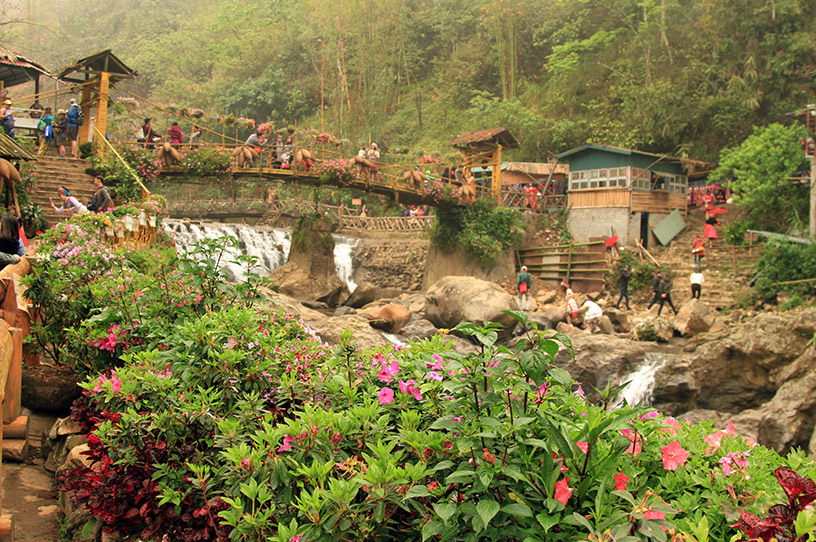
Image Credits: Vietnam Travel
Just a short walk or drive from Sapa town, Cat Cat Village is one of the most accessible ethnic villages in the region. Visitors can explore:
- Traditional Hmong houses
- Terraced rice fields
- Local handicrafts
- Small waterfalls
It’s a popular introduction to Sapa’s culture and a must-visit for first-time travellers.
Entry: Around 150,000 VND (~S$7), cash only at the gate.
Muong Hoa Valley
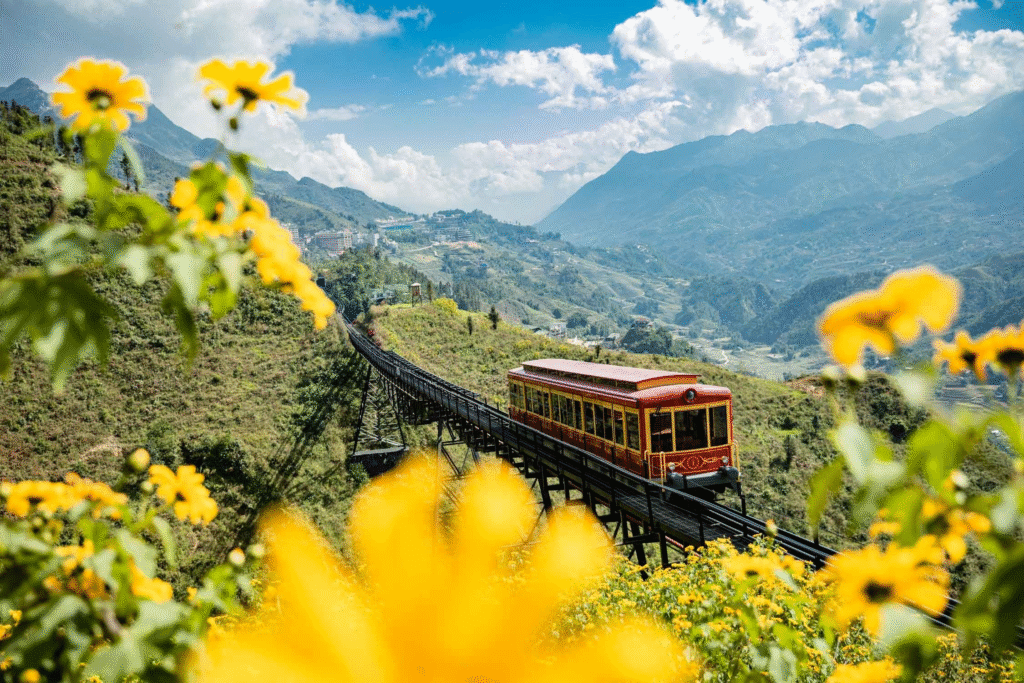
Image Credits: VinWonders
One of Sapa’s most iconic destinations, Muong Hoa Valley is dotted with rice terraces, ethnic minority villages, and winding rivers, offering postcard-worthy views in every direction. It’s a must-visit for travellers seeking scenic landscapes and cultural experiences.
Silver Waterfall (Thac Bac)
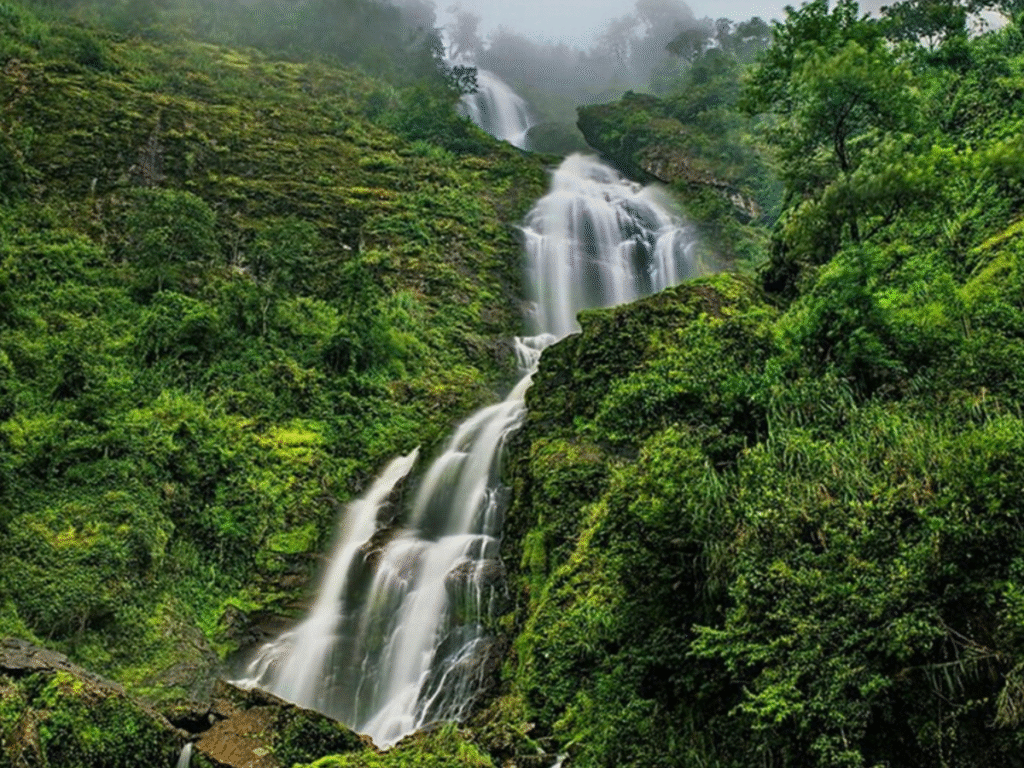
Image Credits: Sun – Paradise – Land
Located about 12 km from Sapa town, Silver Waterfall is a tall, powerful cascade, especially striking during the rainy season. It’s an easy stop for travellers exploring the surrounding areas by car or motorbike, making it a popular addition to a Sapa day trip.
Entry and hours: Around 20,000 VND (~S$1); open roughly 8:30 AM to 5 PM. Love Waterfall, about 14km out on the same road, has its own entry ticket and a short forest walk.
O Quy Ho Glass Bridge (Rong May)

Reached by Vietnam’s tallest glass elevator on the O Quy Ho Pass, about 17km west of town, the Rong May glass skywalk juts out roughly 2,000m above sea level, with a zipline, sky-biking and a giant swing alongside. Not for the faint-hearted.
Cost and hours: Elevator and bridge around 500,000 VND (~S$25); thrill add-ons from around 150,000 VND (~S$7). Open roughly 7:30 AM to 5 PM.
📖 Related Guide: 13 Best Things To Do In Da Nang: Attractions, Activities
Things to Do in Sapa Without Trekking:
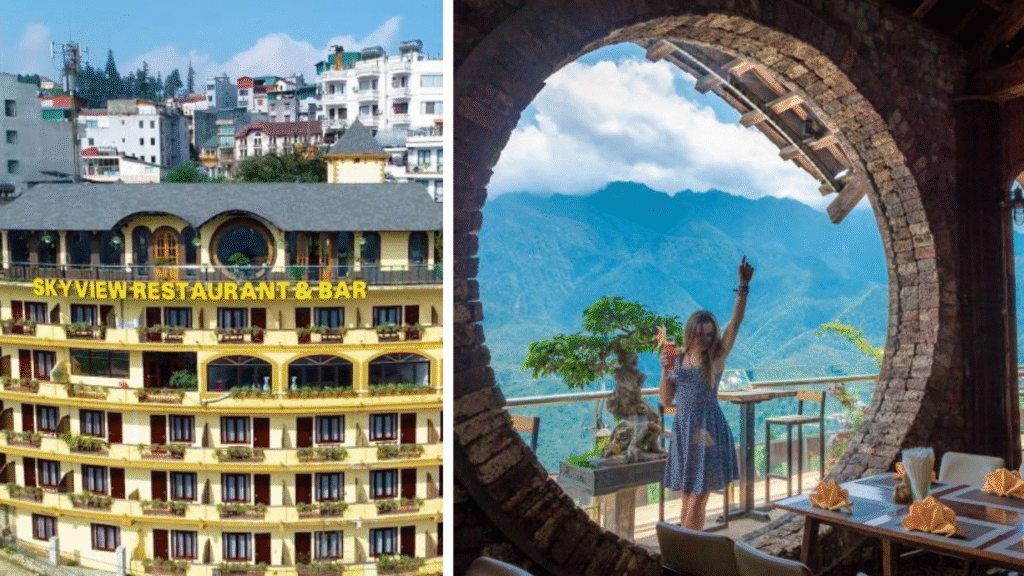
Image Credits: Sapa Nomad
Not keen on trekking? No problem – Sapa still has plenty to offer beyond long hikes:
- Ride the Fansipan cable car for panoramic mountain views
- Visit ethnic villages by car or guided tour
- Relax at cafés with stunning mountain vistas around Sapa town and nearby viewpoints
📖 Related Guide: Best Miles Credit Card in Singapore: 9 Cards Ranked
Unusual Things to Do in Sapa:

Image Credits: Hanoi Local Tour
For travellers who want to go beyond the usual tourist trail:
- Visit O Quy Ho Pass at sunrise, one of Vietnam’s most scenic mountain passes
- Stay in a remote homestay surrounded by rice fields and misty hills
- Explore local markets early in the morning or late afternoon for a quieter, more authentic experience
📖 Related Guide: Best Travel Insurance Singapore: 8 Plans Compared
Things to Do in Sapa at Night:
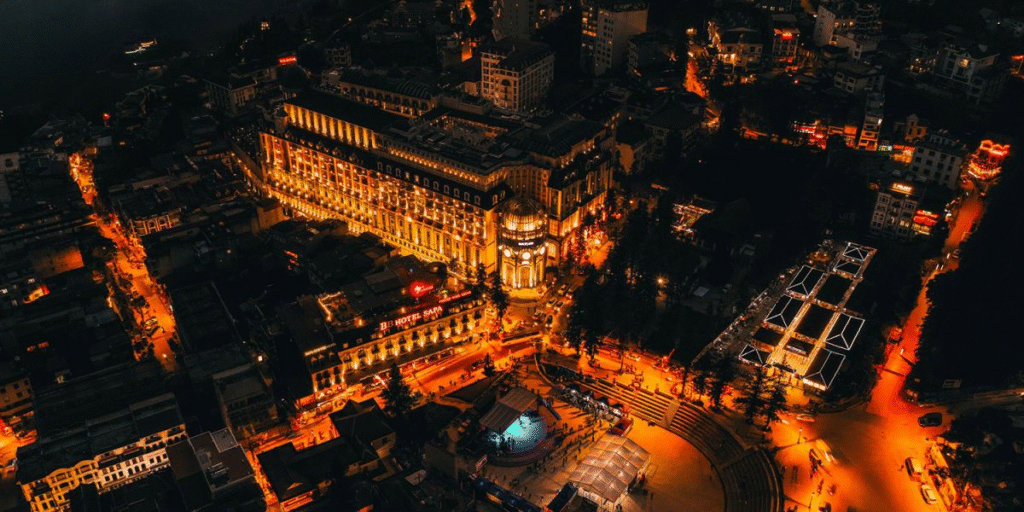
Image Credits: Asia Tour Advisor
Evenings in Sapa are cosy and lively, offering a different side of the town:
- Visit Sapa Night Market for souvenirs and local snacks
- Try street food stalls, including grilled meats, corn, and sweet potatoes
- Take a leisurely walk around Sapa Square, often filled with performances and local activities
📖 Related Guide: 21 Best Things to Do in Phuket, Thailand
Things to Do in Sapa with Kids:
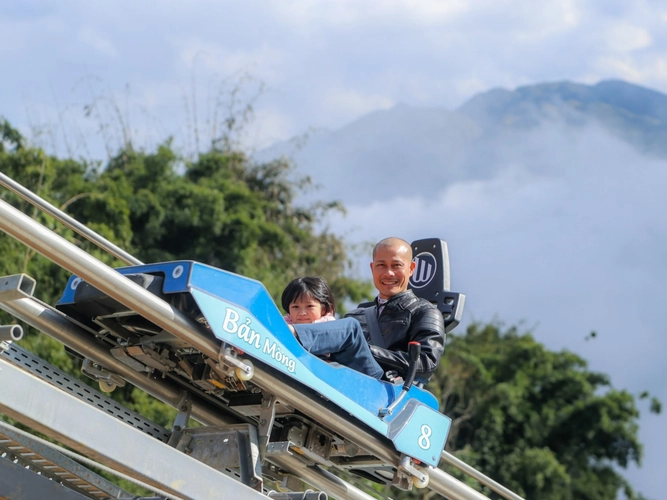
Image Credits: Traveloka
Sapa is family-friendly, especially for children who love nature:
- Ride the Fansipan cable car for an exciting, memorable experience
- Take short, flat village walks, perfect for little legs and a relaxed pace
- Enjoy cultural shows and performances in town without the need for long travel
For fun and adventure, Sapa also offers:
- Alpine Coaster: A thrilling ride through the mountains, perfect for families and adventure seekers (around 250,000 VND / ~S$12 per adult; 9 AM to 6 PM, about 5km from town)
- Glass Bottom Bridge: Stunning views of the valley and forests below, ideal for photo opportunities and panoramic sightseeing
- Rainbow Slide: A colourful, exciting outdoor slide that’s great for kids and families
📖 Related Guide: Money Changer Near Me: 14 Best Money Changers In Singapore
Where to Eat in Sapa
Sapa’s cold-mountain climate gives it a menu of its own, built around cold-water fish, free-roaming livestock, bamboo-cooked dishes and warming hot pots. Come hungry and lean local.
Sturgeon and Salmon Hot Pot
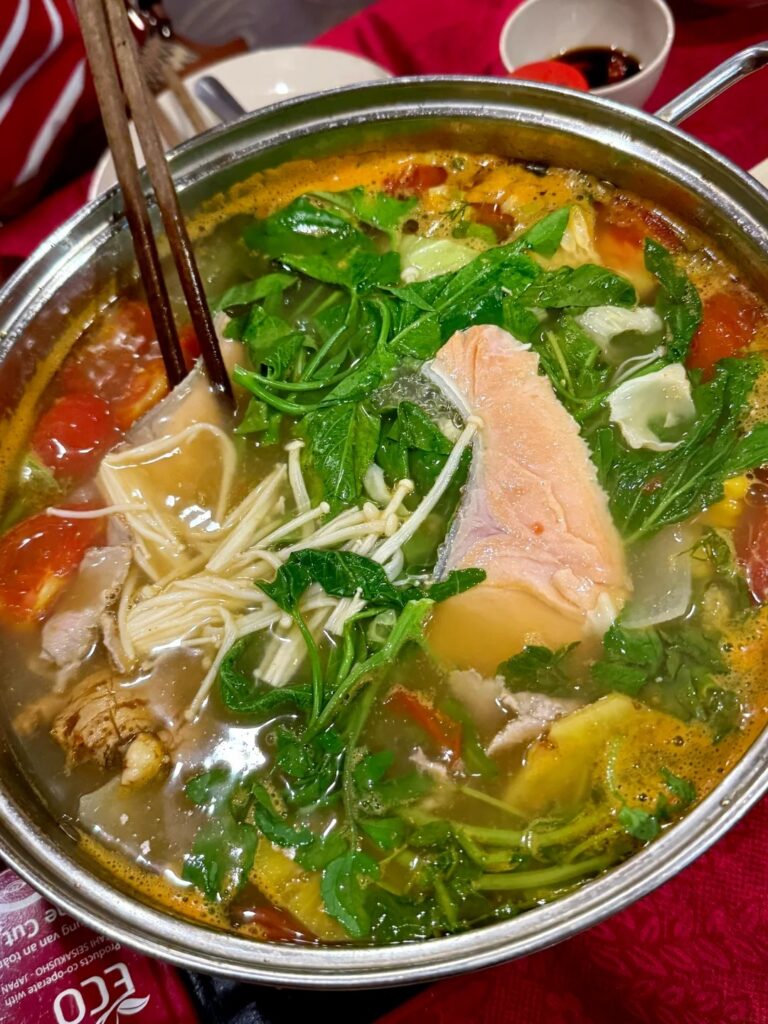
Image Credits: t11206456 on rednote
The signature Sapa dish, and the thing to eat on a cold night. The town’s cool streams made it one of the first places in Vietnam to farm salmon and sturgeon, and both land in a bubbling hot pot with mountain herbs and vegetables. Order half salmon, half sturgeon if the menu allows.
| Where to try it | Area | Price | Note |
|---|---|---|---|
| Cá Hồi Vua (King Salmon) | 15 Lê Văn Tám | ~500,000 VND (~S$25) for two | Fish pulled live from in-house tanks; around 20 salmon dishes |
| A Phú Restaurant | 15 Fansipan Street | ~500,000 VND (~S$25) for two | Big glass-window valley views, generous portions |
Cắp Nách Pig and Black Chicken
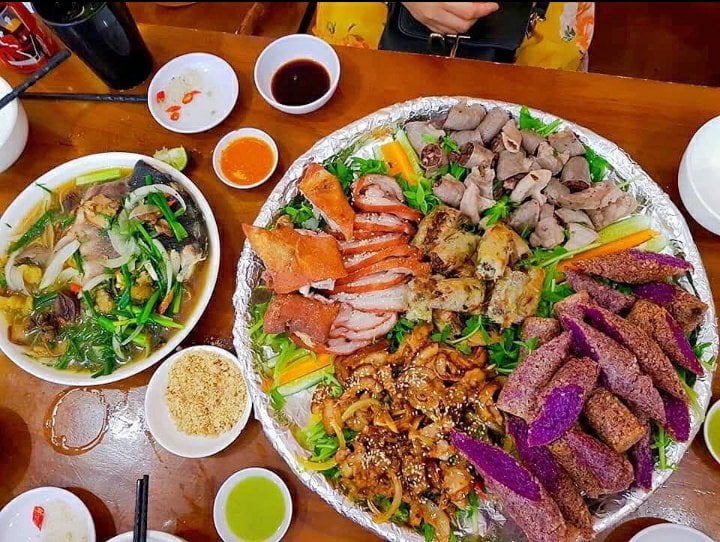
Image Credits: Du Lịch VN
Two proper Sapa specialities worth hunting down. Cắp nách is the small, free-roaming “armpit pig,” usually grilled or roasted and prized for its lean, flavourful meat. Black chicken (gà đen) is the H’mong Silkie breed, black-skinned and free-range, good grilled over charcoal or in a soup.
| Where to try it | Area | Note |
|---|---|---|
| A Phú Restaurant | 15 Fansipan Street | Does black pig and charcoal chicken; the fried chicken draws the most praise |
| Thắng Cố A Quỳnh | 15 Thạch Sơn | Northwest-specialities specialist; smoked pork and black chicken on the menu |
Not fussy about where? Both dishes turn up along Cau May Street, the main restaurant strip.
Grilled Skewers at the Night Market
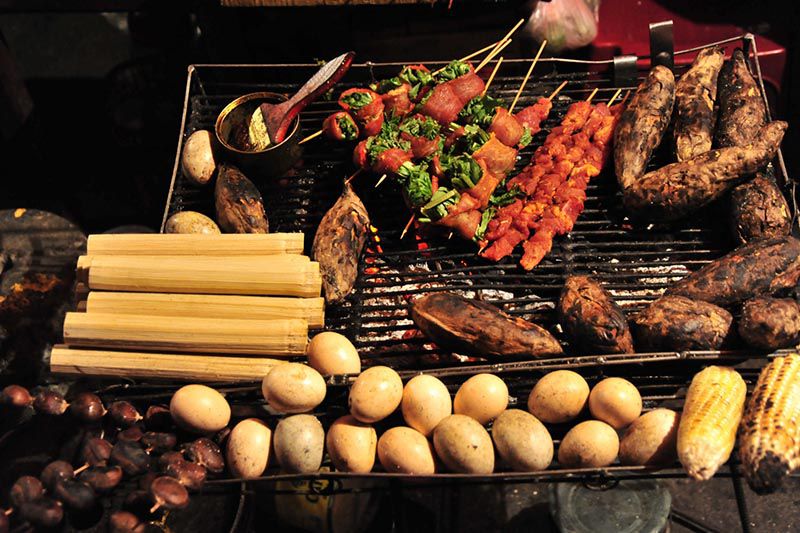
Image Credits: Day Tour in Sapa
The cheapest, most cheerful dinner in town. The stalls around the town square fire up charcoal grills at dusk:
- Marinated pork and beef skewers from around 15,000 to 20,000 VND (~S$1) each
- Butter-honey grilled corn about 20,000 VND (~S$1)
- Grilled egg for loose change
- A mixed set of 20-odd skewers with rice runs roughly 150,000 to 200,000 VND (~S$7 to S$10).
Go hungry and graze.
Com Lam and Coconut Chicken Curry
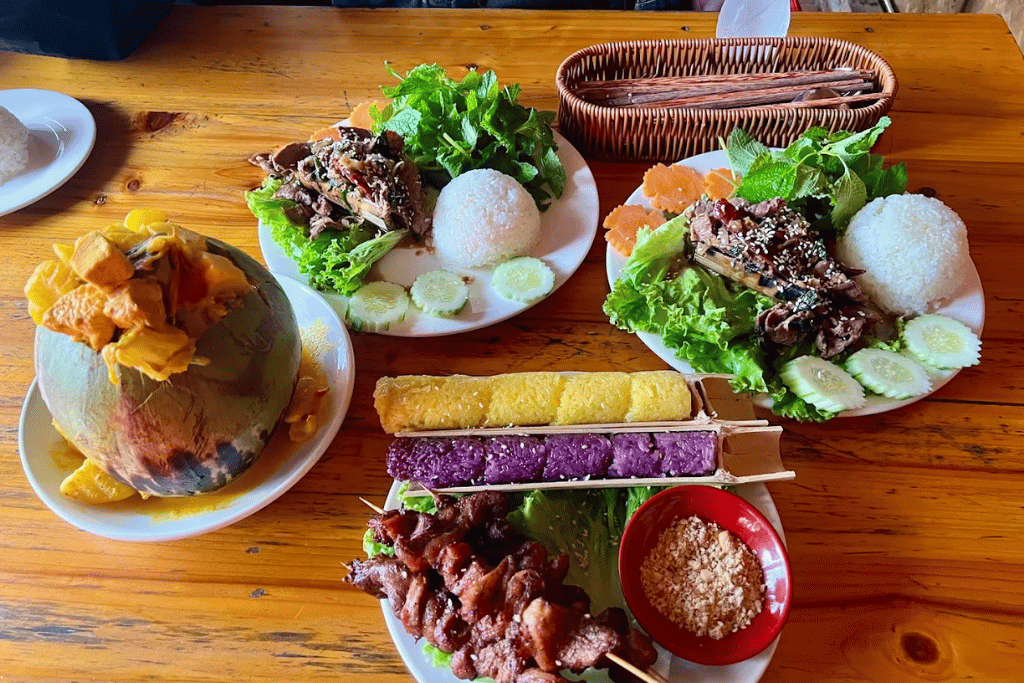
Image Credits: Marie Fernandez on Google Reviews
The comfort plates. Chicken curry served inside a whole coconut is rich and mild, and com lam, purple sticky rice steamed in a bamboo tube, turns up alongside grilled meats.
| Where to try it | Area | Note |
|---|---|---|
| Yummy Restaurant | 41B Mường Hoa | Coconut curries the highlight; cheap, big portions, grilled meat on bamboo |
| Local restaurants, Cau May Street | Town centre | The main strip; look for com lam and coconut curry on the menu |
Sapa Coffee: Egg, Salt-Cream and Coconut
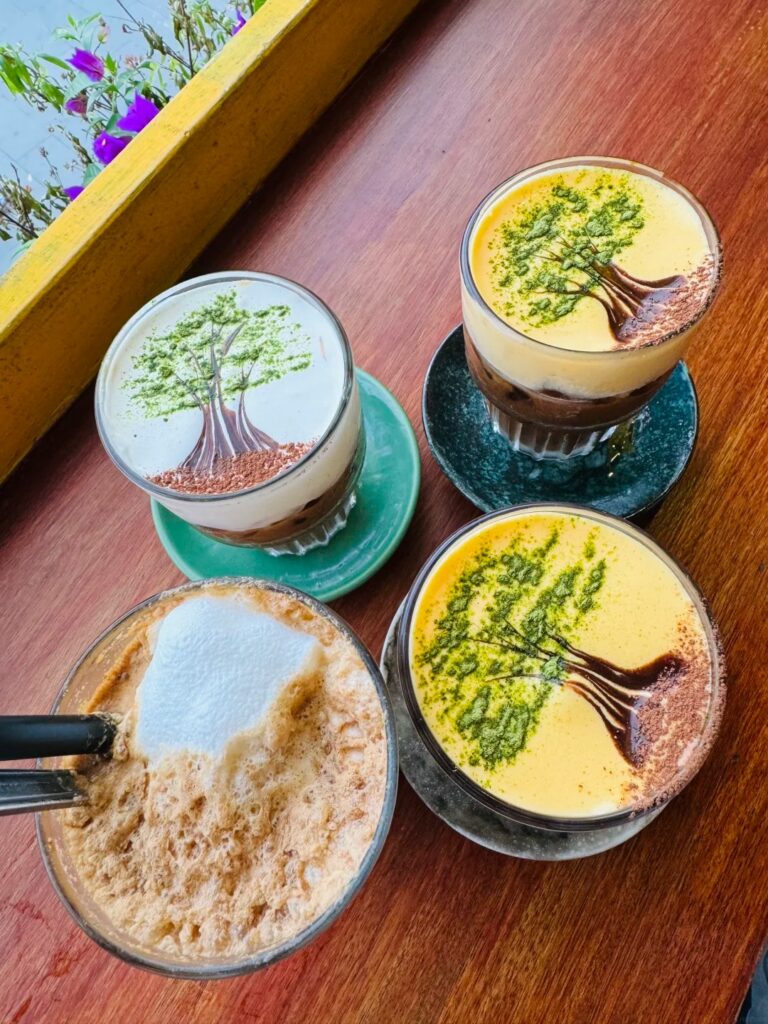
Image Credits: 261830520 on rednote
Sapa takes its coffee as seriously as its views. Beyond the standard ca phe sua da, look for egg coffee (a sweet, custardy yolk foam) and sea-salt cream coffee, both best drunk slowly over a valley.
| Where to try it | Area | Price | Note |
|---|---|---|---|
| Viettrekking Coffee | 33 Hoàng Liên Street | Egg coffee ~65,000 VND (~S$3) | Hilltop terrace with Fansipan, valley and funicular views |
| Cộng Cà Phê | 27 Cau May Street | Coconut coffee ~49,000 VND (~S$2) | The retro national chain; order the coconut coffee |
| Gem Valley | Top of Cat Cat Village | Price of a drink | Art-gallery café with a balcony over the Cat Cat valley |
Rasa Sayang Halal Buffet
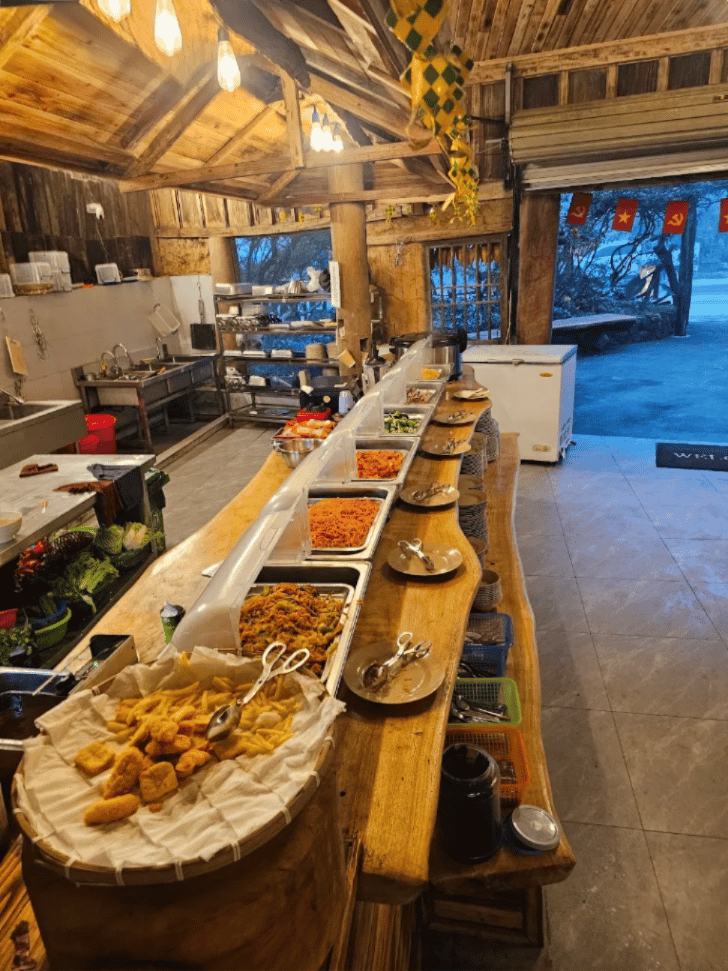
Image Credits: Marwan Ghunaim on Google Reviews
A standout for Muslim travellers from Singapore, and a rarity this far up the mountain. Rasa Sayang runs a Malaysian, Vietnamese and Japanese buffet with a live bakar-bakar grill station, plus a prayer room on site.
| Where to try it | Area | Note |
|---|---|---|
| Sapa Rasa Sayang Halal Buffet | 775 Điện Biên Phủ Street | Halal, with a prayer room; open roughly 11 AM to 9 PM daily |
Thắng Cố, for the Adventurous
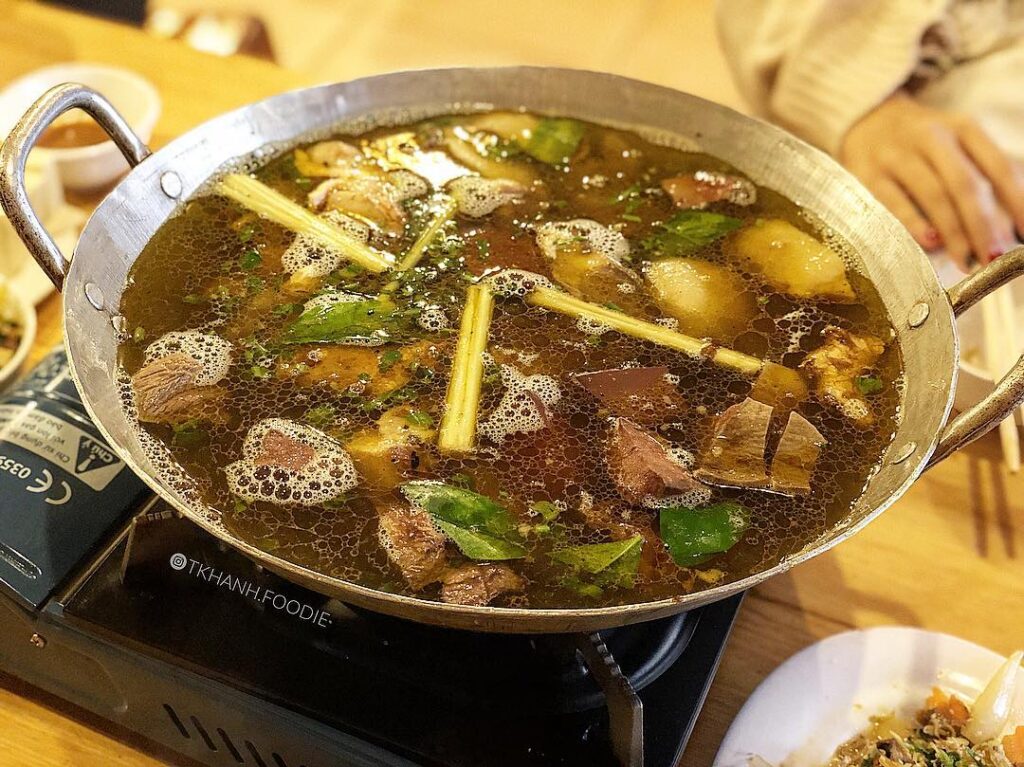
Image Credits: MIA.vn
The most local thing on any Sapa menu, and an acquired taste even for many Vietnamese. Thắng cố is a traditional H’mong stew, mostly horse offal simmered with a couple of dozen spices. The town’s best-known specialist is Thắng Cố A Quỳnh (15 Thạch Sơn); for the raw market version, follow the Thắng cố signs at the night market and pair it with a shot of corn wine.
Best for cold-weather comfort food and one genuinely local dare. Stick to the salmon hot pot and coconut curry if you’re feeding fussy eaters; save the thắng cố for the brave.
Sapa’s Markets: Where the Hills Come to Trade
The weekly ethnic markets are Sapa at its most vivid, when whole hill communities come down to trade, eat and catch up. Some are a short walk from your hotel; the best are a morning’s drive away and worth the early start.
| Market | Day | From Sapa | Known for |
|---|---|---|---|
| Bac Ha | Sunday | ~100km, ~3 hours | Flower H’mong, textiles, buffalo trading |
| Can Cau | Saturday | ~130km, ~4 hours | A quieter Flower H’mong market |
| Sapa Central Market | Daily | In town | Produce, textiles, souvenirs |
| Coc Ly | Tuesday | Bac Ha district | A river-set produce and livestock market |
Bac Ha Market
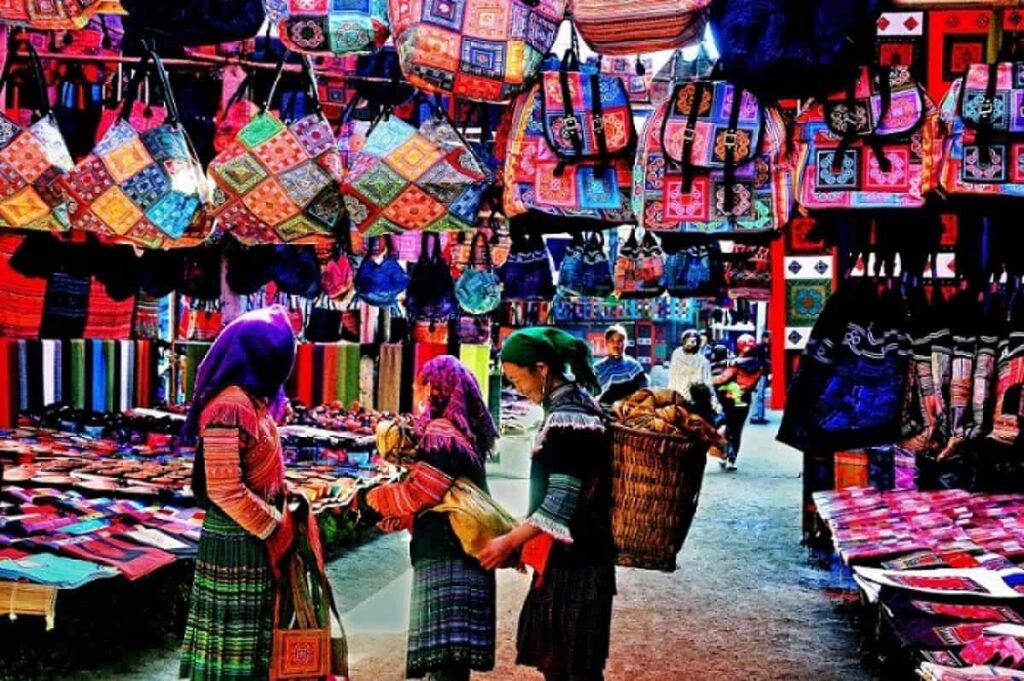
Image Credits: Vietnam Discovery Tours
The big one, and the reason to plan a Sunday into your trip. Around 100km northeast of Sapa, Bac Ha is the largest upland market in northwest Vietnam, a riot of the Flower H’mong in their vivid embroidered dress, trading brocade, spices, corn wine and produce. Out the back is a raw livestock section where water buffalo and horses change hands. It’s crowded, sensory and entirely real, a working market rather than a show put on for visitors.
It runs Sunday mornings only and the energy is gone by early afternoon, so go early. The easy way is a day tour from Sapa: most leave around 7 AM, reach the market by mid-morning, and fold in a village stop and lunch. Reckon on around 380,000 VND (~S$19) per person for a join-in group tour, more for a private car.
Can Cau Market
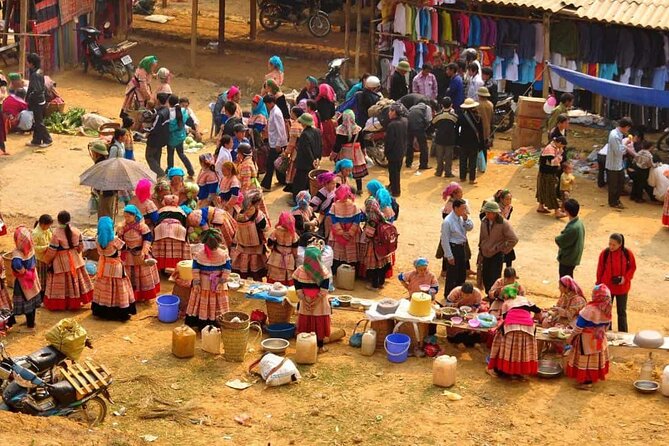
Image Credits: Tripadvisor
Bac Ha’s smaller, quieter Saturday cousin, about 130km north near the Chinese border. Same Flower H’mong colour and a lively buffalo-trading corner, but far fewer tour buses. If you’re in Sapa over a weekend, some operators pair Can Cau on Saturday with Bac Ha on Sunday, so you can catch both.
Sapa Central Market and Night Market
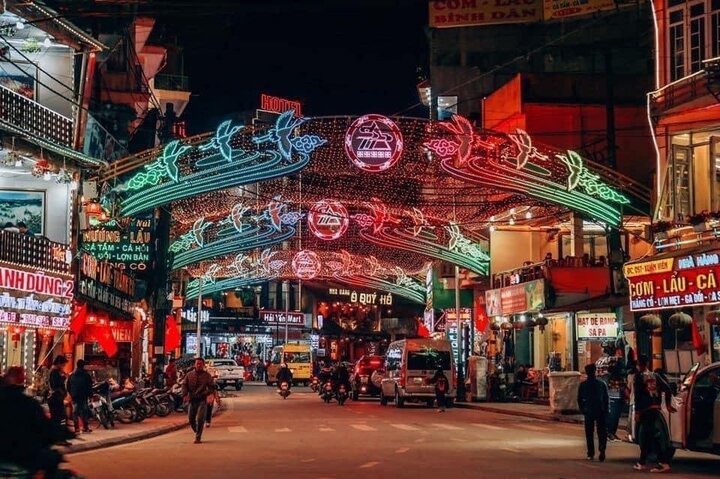
Image Credits: Sa Pa
No travel required. The central market, about 300m from the Stone Church, trades daily from early morning and is at its best between 7 AM and 10 AM, when hill-village sellers arrive with produce and handmade textiles. Come evening, the night market strings food carts, warm clothing and souvenir stalls through the town centre from around 6:30 PM.
Neither has the drama of Bac Ha, but both are an easy hour when you don’t feel like leaving town.
A note on the “Love Market”
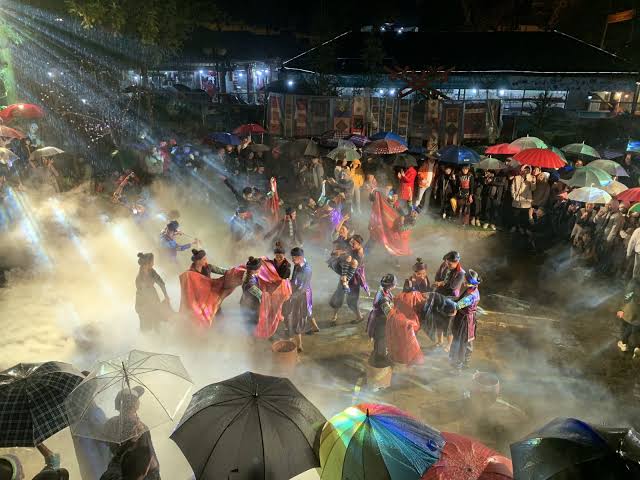
Image Credits: VinWonders
You’ll see the Saturday-night Love Market on plenty of itineraries. Be clear-eyed about it: the original was a genuine courtship gathering where young H’mong and Dao met and sang, but tourism ended the real thing years ago. What you’ll see now is a staged cultural performance of folk music, dancing and costume in the town square, pleasant enough as an evening, but heritage re-enactment rather than a living tradition.
Best for anyone who can time a Sunday for Bac Ha, which is one of the most memorable half-days in northern Vietnam. If your dates don’t line up, the central market scratches the same itch without the drive.
📖 Related Guide: Loading up on textiles and street snacks? Pay the H’mong stalls the smart way with our SGD To VND rate guide.
Where to Stay in Sapa
Sapa offers a wide range of accommodation, from budget guesthouses to luxury resorts and immersive village homestays.
Most travellers stay near Sapa town centre for easy access to restaurants, markets, and transport, while families or couples seeking quiet often choose resorts outside town. For a cultural experience, consider homestays in Ta Van or Lao Chai.
For Budget: Glow Sapa Hotel
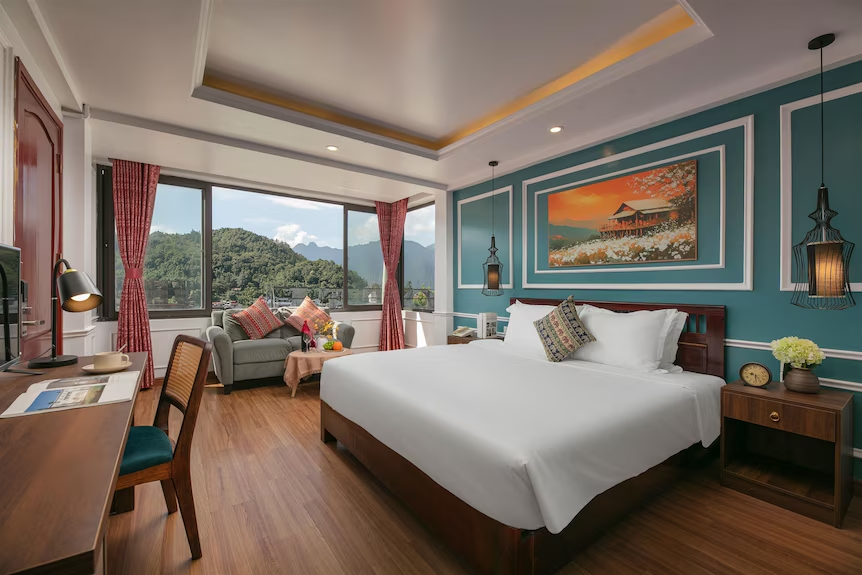
Image Credits: Expedia
Glow Sapa Hotel is a great value option a short walk from Sapa Lake, perfect for exploring the town. Guests love its clean rooms, friendly staff, and mountain views. It’s ideal for budget-conscious travellers who want comfort and convenience.
Address: 619B Dien Bien Phu Street, TT. Sa Pa, Lao Cai Province 330000, Vietnam
For Mid-Range: Pao’s Sapa Leisure Hotel
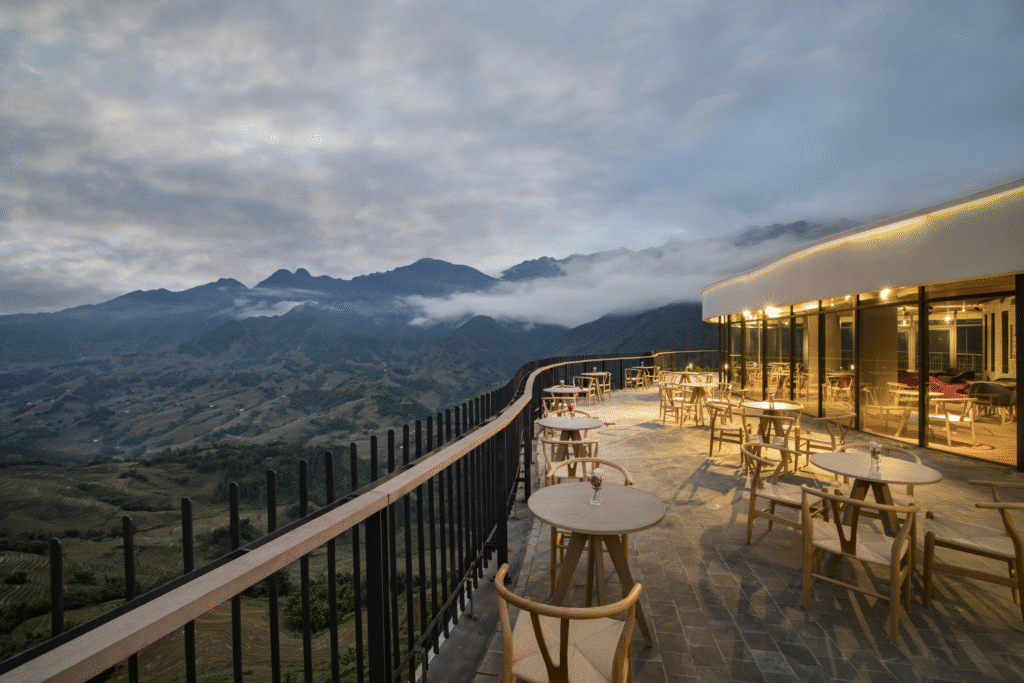
Image Credits: AdamViet Travel
Pao’s Sapa Leisure Hotel is a wonderful mid-range hillside resort in Sapa offering panoramic views of Muong Hoa Valley. It includes a large indoor pool, fitness centre, and multiple dining options. Guests praise the spacious rooms, attentive staff, and excellent cleanliness.
It’s ideal for travellers seeking a resort-style experience without luxury-level costs, with easy access to Sapa town.
Address: Cau May 1, Sapa Ward, Lao Cai, Vietnam
For Luxury: Hotel de la Coupole – MGallery

Image Credits: Hotel De La Coupole
A 5-star mountain retreat in Sapa blending French Indochine elegance with hill tribe heritage, designed by Bill Bensley. Features include 249 luxurious rooms, signature restaurants, rooftop bar, Nuages spa, banquet venues, and ornate indoor pool (La Grand Bassin).
Perfect for a romantic getaway with 1930s glamour and stunning mountain views.
Address: 1, Hoang Lien Street, TT. Sa Pa, Lao Cai Province, Vietnam
Tips for Singapore Travellers
- Use YouTrip to enjoy wholesale FX rates with no foreign transaction fees
- Sapa runs mostly on cash: villages, markets, homestays and small cafes are cash-only, while bigger hotels and the Fansipan complex take cards. Withdraw dong from a bank ATM in Sapa town before heading out, as the valleys have none. With YouTrip, the first S$400 of overseas ATM withdrawals each month is free, then 2%. If an ATM offers to charge you in SGD instead of VND, always pick VND.
- Pack layers: Nights can be chilly, especially from October to March
- Book transport early during Singapore school holidays or long weekends
- Bring comfortable walking shoes, even for light sightseeing
Sapa FAQs
No. Sapa is approximately 315 km from Hanoi and takes around 5 to 8 hours to reach by road or train.
Fly from Singapore to Hanoi, then continue to Sapa by sleeper bus or overnight train via Lao Cai.
Sapa is best known for its terraced rice fields, ethnic minority villages, and Mount Fansipan.
Yes. Many of Sapa’s attractions are accessible by car, cable car, or short walks, making it suitable for all fitness levels.
Experience Sapa Like a Local
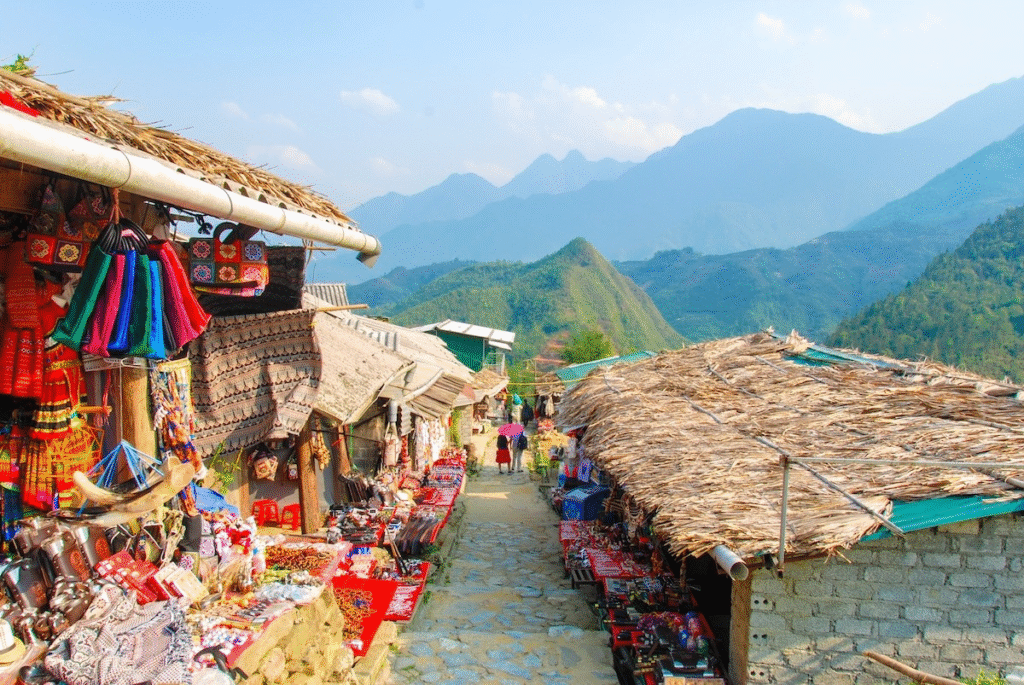
Image Credits: Agoda
Ready to explore Sapa, Vietnam? Make the most of your trip by locking in the best VND exchange rates with YouTrip before you go — saving more on the experiences that matter.
Singapore’s go-to multi-currency wallet helps you save with great FX rates and zero fees. Skip the money changer and get a free YouTrip card + S$5 YouTrip credits with code YTBLOG5.
Then, head over to our YouTrip Perks page for exclusive offers and promotions — we promise you won’t regret it. Join our Telegram (@YouTripSG) and Community Group (@YouTripSquad) for travel tips, event invites, and more!
Happy travels!
Related Articles
Things To Do In Hoi An: 15 Best Activities & Travel Guide
Best Things To Do in Bangkok: The Complete Bangkok Travel Guide
39 Best Things To Do In Bali: Islands & Temples