

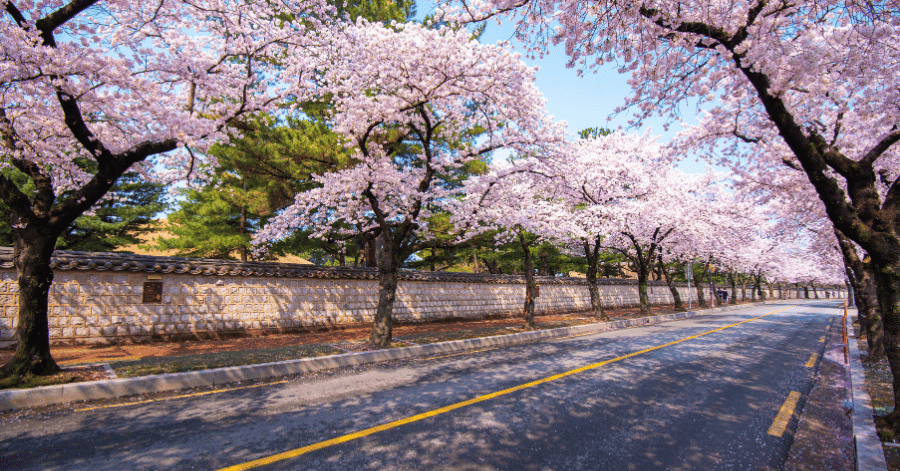

When is the best time for you to visit Korea? Read our month-by-month weather guide for the best things to do each season.
South Korea experiences all four seasons, each offering its own weather and scenery, from April’s cherry blossoms to July’s summer rains and a wintry December. Whether you’re drawn to its vibrant festivals, mountainous landscapes, Hallyu, or shopping, South Korea has something for everyone. Here’s a Korea weather guide for everything you need to know about choosing the best time to visit.
💜 Stay Up To Date:
– Cherry Blossom Korea Guide: Forecasts, Festivals & Best Spots
– SGD To Korean Won: How To Get The Best KRW Rate
– 56 Best Things To Do In Seoul
⚡️ TL;DR: Best Time to Visit Korea
| Highlight | Details |
|---|---|
| Best overall | Spring (April–May) and autumn (late September–October): mild, dry, and gorgeous |
| Cherry blossoms | Late March in the south, early to mid-April in Seoul |
| Autumn foliage | Mid-October in the mountains, early to mid-November in Seoul and the south |
| Cheapest time | Winter (December to early March), outside Seollal and the year-end weeks |
| When to avoid | Mid-July monsoon, August heat and typhoons, and the Seollal/Chuseok closures |
| Pay smart | Tap your YouTrip card to spend in won at the wholesale rate with zero FX fees |
Can’t find KRW on your YouTrip app? Here’s the answer to all your burning questions.
📌 Table of Contents
- When’s the Best Time to Visit Korea?
- January and February in Korea
- March and April in Korea
- May in Korea
- June to August: Summer in Korea
- September in Korea
- October and November in Korea
- December in Korea
- FAQs About Visiting Korea 2026
When’s the Best Time to Visit Korea?
Generally, Spring (March to May) and Autumn (September to November) are considered the best times to visit South Korea. The weather is mild and pleasant, which makes it ideal for outdoor activities, and each season puts on a show: cherry blossoms in spring, colourful foliage in autumn.
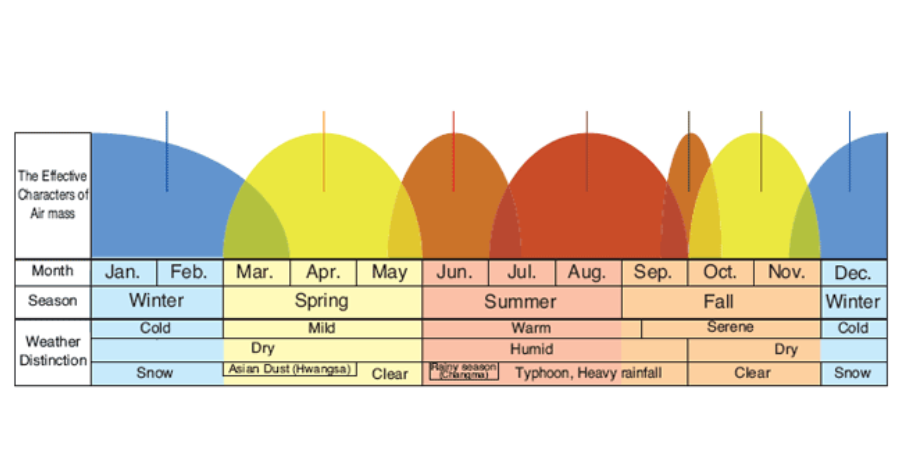
Image Credits: Korea Meteorological Administration
That said, visiting during these peak periods isn’t always in your best interest, especially if you’re budget-conscious or crowd-averse. But fret not. We’ve compiled the best things to do in Korea for every season, month by month, so you can pick the timing that actually suits your trip.
📖 Related Guide: Check out this 10-day Korea itinerary for the best things to do in Korea
January and February in Korea
Ideal for: Ice fishing, sledding, and winter activities
Weather: Daily highs around 1°C, with lows around -5°C to -6°C.
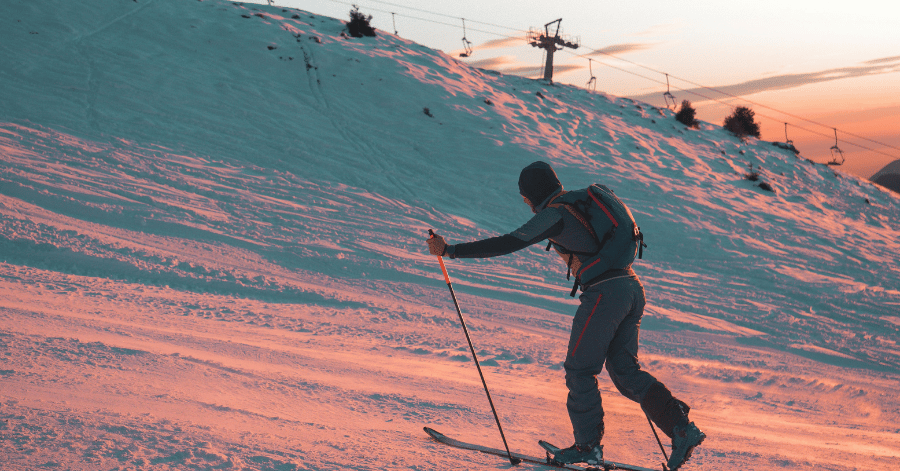
Winter in Korea, spanning January and February, is a season of icy adventures and cosy festivities. The Hwacheon Sancheoneo Ice Festival invites visitors to try ice fishing, sledding, and winter activities in Hwacheon, while resorts like Alpensia, Yongpyong, and Vivaldi Park offer excellent skiing and snowboarding.
One date to plan around: Seollal (Lunar New Year) falls on 16 to 18 February in 2026. It’s celebrated with family visits and bowls of tteokguk (rice cake soup) to mark the new year. Like Chuseok, many shops close and transport books out, so plan ahead.
In February, the Taebaeksan Mountain Snow Festival in Taebaek is a must-visit, showcasing hundreds of ice statues carved by sculptors from around the globe.
| Festival | About | Date (2026) |
|---|---|---|
| Hwacheon Sancheoneo Ice Festival | Ice fishing, sledding, and other winter activities in Hwacheon. | January (mid-Jan to early Feb) |
| Taebaeksan Mountain Snow Festival | Hundreds of intricately carved ice statues from sculptors worldwide. | End Jan to mid-Feb |
📖 Related Guide: Hitting the slopes? Don’t go without our Best Travel Insurance In Singapore guide.
March and April in Korea
Ideal for: Local festivals, outdoor exploration, and sight-seeing
Weather: Temperatures are still low in early to mid-March, with the coldest dipping to around 0°C. In April, lows range from 6°C to 11°C and highs from 14°C to 20°C (Source: WeatherSpark)
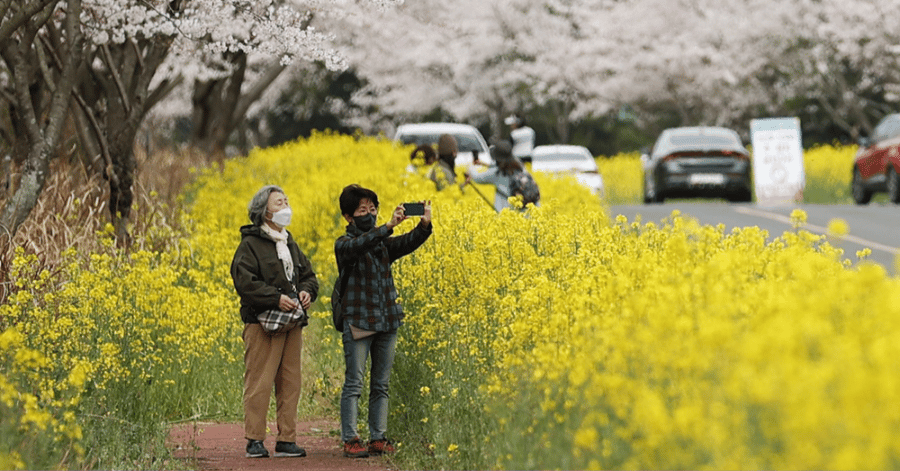
Image Credits: Korea.net
With the mild weather, the spring months of March and April are great for all sorts of activities, especially outdoor festivals and exploration. Since mountains and hills make up around 70% of Korea, make the most of the weather and scenery by hiking one of the many trails. You can check out Achasan, Jirisan, or Hallasan.
Spring is a picturesque season, with flowers in bloom everywhere. The cherry blossoms move north as the country warms up, so the south (Jeju and Busan) flowers first in late March, and Seoul follows in early April. For 2026, Seoul’s blossoms are forecast to hit full bloom around 7 to 12 April.
Festivals to catch in Korea during March & April:
| Festival | About | Date (2026) |
|---|---|---|
| Cherry Blossom Festivals (Jinhae Gunhangje, Yeouido, and more) | Korea’s biggest blossom celebrations. Jinhae fills with pink tunnels of cherry trees; Yeouido lines the riverside behind the National Assembly with around 1,886 King cherry trees. | Jinhae: 27 Mar–5 Apr · Yeouido: ~6–15 Apr |
| Jeju Canola Flower Festival | A spring festival showcasing the seas of yellow canola flowers Jeju is famous for. | Late Mar to early Apr |
📖 Related Guide: Planning the blossom run? Here are the 14 Best Things To Do In Busan, right next to Jinhae.
May in Korea
Ideal for: Buddhist temple visits
Weather: In late spring, the weather warms up, with temperatures ranging from around 7°C to 29°C (Source: Accuweather)
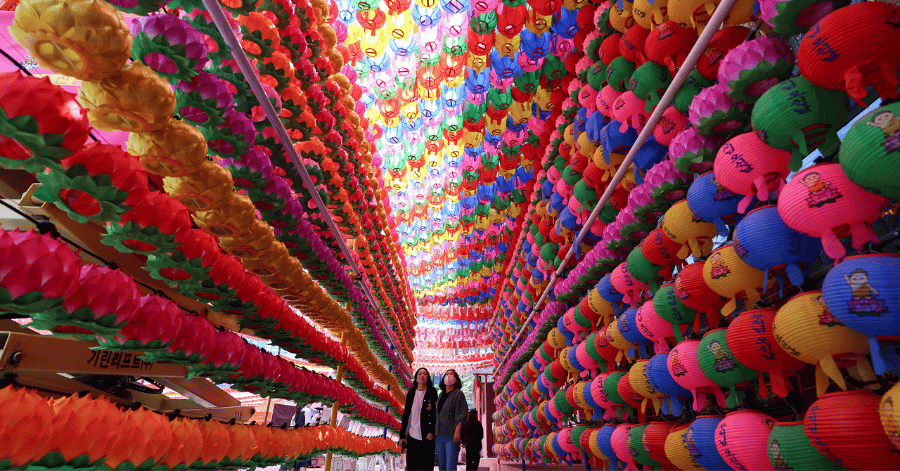
Image Credits: biz.chosun.com
If you’re visiting South Korea in May, you get to witness the grand celebration of Buddha’s Birthday. Known as “Seokga Tansinil” (석가탄신일) in Korean, it’s one of the most significant and widely celebrated holidays in the country. It’s observed on the eighth day of the fourth lunar month, which falls on 24 May in 2026.
During this period, temples are decorated and prepared for rituals and ceremonies. Many offer free meals to visitors, usually vegetarian bibimbap paired with tea.
Festivals to catch in Korea during May:
| Festival | About | Date (2026) |
|---|---|---|
| Boseong Green Tea Festival | Pick and taste tea in Boseong, the largest green tea plantation in Korea. | May |
| Buddha’s Birthday & Lotus Lantern Festival (Yeon Deung Hoe) | A UNESCO-listed festival held across Korea. The grand lantern parade features thousands of illuminated lanterns, from traditional lotus shapes to mythical creatures. | Festivities from 8 May; main parade Sat 16 May |
📖 Related Guide: Pairing temples with island time? Here are the Best Things To Do In Jeju.
June to August: Summer in Korea
Ideal for: Beaches, water activities, and traditional cultural festivals
Korea’s weather in summer: Temperatures range from around 21°C to 29°C. Korea’s rainy season (jangma) runs from roughly mid-June to the end of July, and August brings heat, humidity, and typhoon risk.
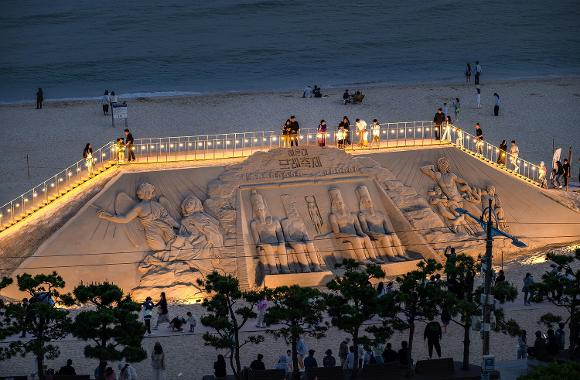
Image Credits: Visit Busan
During summer, you can check out some of the country’s best beaches in Jeju and Busan. Sunbathe and watch the sunset, or take on water sports like jet skiing, parasailing, or paddleboarding.
Alternatively, dive into the many summer festivals, from the Haeundae Sand Festival’s sand sculptures to the more cultural Gangneung Danoje Festival.
As the weather heats up, cold dishes like mul-naengmyeon (cold noodles) and patbingsu (shaved ice dessert) become daily staples.
Activities and festivals to catch in Korea during summer:
| Festival | About | Date (2026) |
|---|---|---|
| Haeundae Sand Festival | Sand sculptures and beach activities in Busan. | Late May to early Jun |
| Gangneung Danoje Festival | One of Korea’s three major traditional holidays (alongside Seollal and Chuseok), celebrating the fifth day of the fifth lunar month with folk activities, rituals, and games. A UNESCO Masterpiece of the Oral and Intangible Heritage of Humanity. | Jun |
| Boryeong Mud Festival | Mud baths, slides, and wrestling in Boryeong, famous for its mud-based cosmetics. | From mid-Jul |
| Waterbomb Festival | A music festival where performers and crowds spray each other with water guns and cannons. | Jul to Aug |
📖 Related Guide: Driving Jeju’s beaches this summer? Our Jeju Car Rental guide covers the whole island.
September in Korea
Ideal for: Experiencing Korean Thanksgiving
Weather: Highs range around 23°C to 27°C, and lows from 14°C to 20°C.
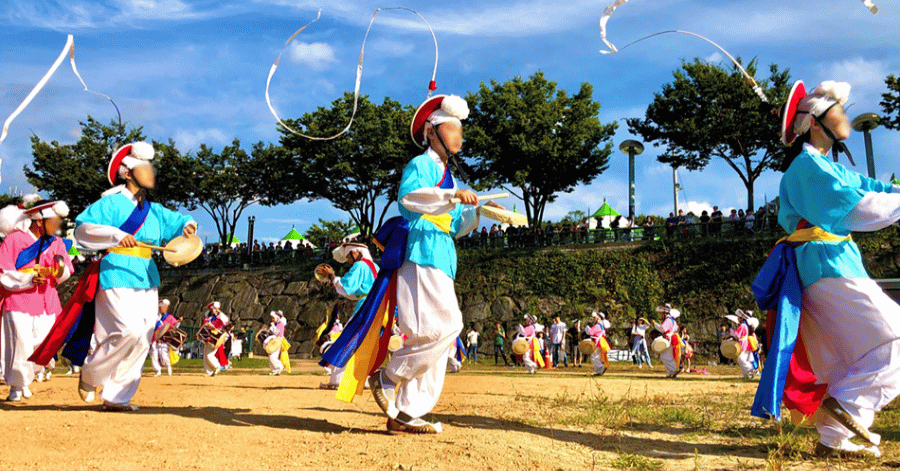
Image Credits: VISITKOREA
September brings the start of autumn, with the perfect weather for vibrant traditional festivities. The big one is Chuseok, Korea’s Thanksgiving, which falls on 24 to 26 September in 2026. Families gather to honour ancestors, share traditional foods, and enjoy festive activities.
As one of the biggest holidays in Korea, many people travel to their hometowns, so expect roads and transport to be packed in the days leading up to it. Lots of places close, so check operating hours in advance.
The upside: as locals travel out, you’ll find shorter queues at popular tourist spots, and you can even snag discounts on Everland tickets.
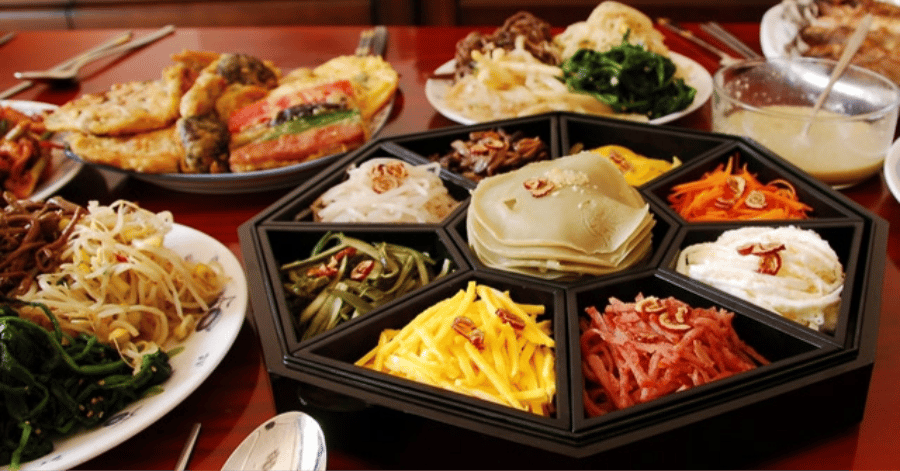
Image Credits: Asia Society
Don’t worry, you can still experience authentic Chuseok spirit at popular historic sites. The royal palaces and museums in Seoul line up plenty of traditional and cultural events. We recommend the Korean Folk Village and Namsangol Hanok Village, which also serve traditional dishes like songpyeon (rice cakes symbolising a good harvest) and galbijjim (braised short ribs).
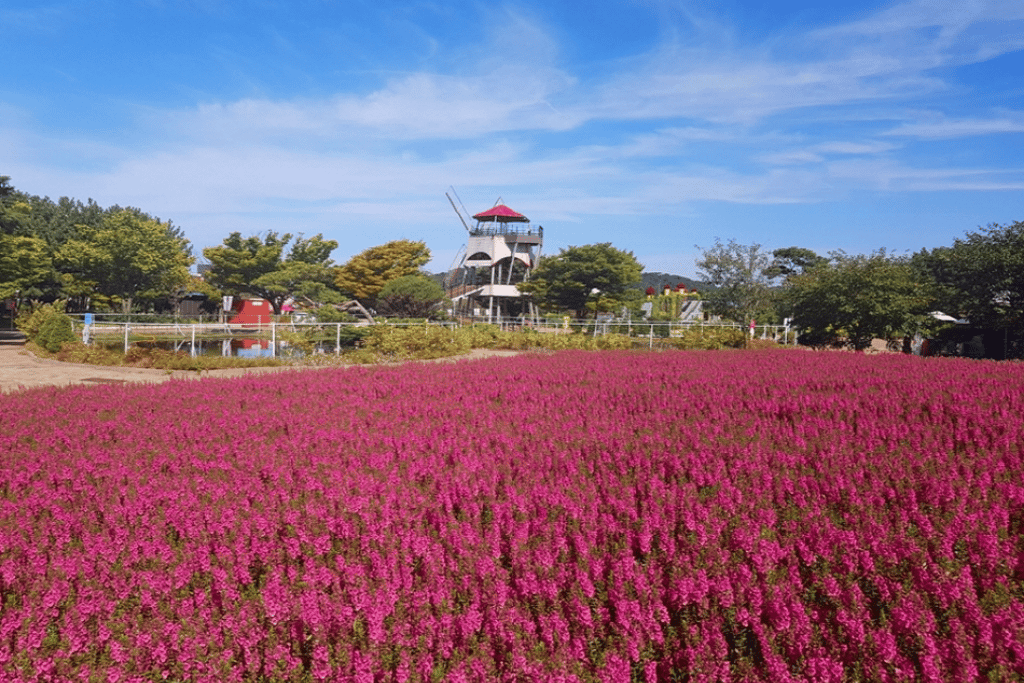
Image Credits: Visit Korea
You can also check out the Taean Autumn Flower Expo at Korea Flower Park in Taean, Chungcheongnam-do. Set by Kkotji Beach on the western coast, it showcases chrysanthemums, verbenas, angelonias, sunflowers, and globe amaranths along scenic floral pathways, making it a lovely couple or family outing.
Activities and festivals to catch in Korea during September:
| Festival | About | Date (2026) |
|---|---|---|
| Andong Mask Dance Festival | Cultural performances including Korea’s traditional mask dance drama. | Late Sep to early Oct |
| Chuseok celebrations at historic sites | Korean Folk Village and Namsangol Hanok Village host songpyeon-making, charye (ancestral rites), and folk performances, often in hanbok. | Mid-Sep to late Oct |
| Taean Autumn Flower Expo | A variety of autumn flowers near Kkotji Beach on the western coast. | Mid-Sep to late Oct |
📖 Related Guide: Travelling during the Chuseok rush? Our T-Money Card Guide sorts out transport.
October and November in Korea
Ideal for: Autumn foliage and festivals
Weather: In October, highs range around 15°C to 22°C and lows from 7°C to 14°C. November turns colder, with highs around 7°C to 15°C and lows from 0°C to 7°C.
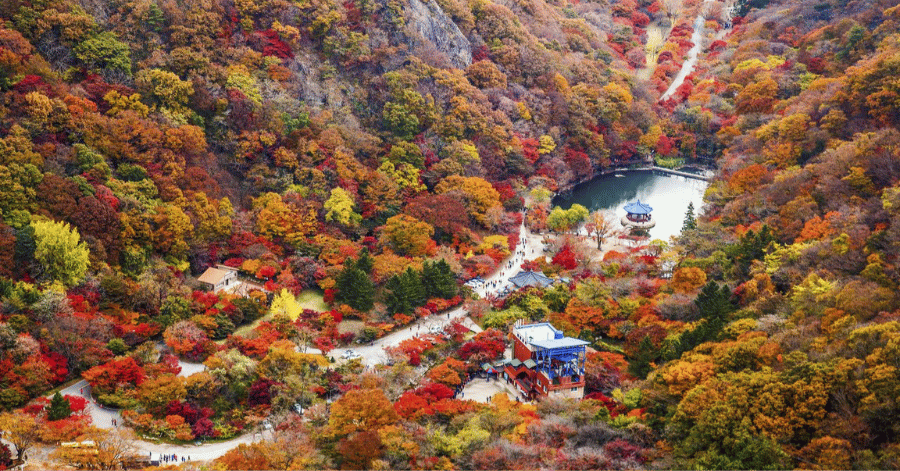
Image credits: Ha Nam-gi, Korea Tourism Organization
October and November are the best months for Korea’s vivid autumn foliage. The Hueree Pink Muhly Festival, at Hueree Natural Park near the foot of Hallasan Mountain in Seogwipo, Jeju, runs from mid-September to mid-November. It celebrates the dreamy waves of pink muhly grass, ideal for those Insta-worthy shots. You can also pick Jeju mandarins at their peak from late October.
If you’re a film buff, don’t miss the Busan International Film Festival (BIFF), running 6 to 15 October 2026. It draws film enthusiasts from around the world with premieres, forums, and a chance to catch your favourite actors up close.
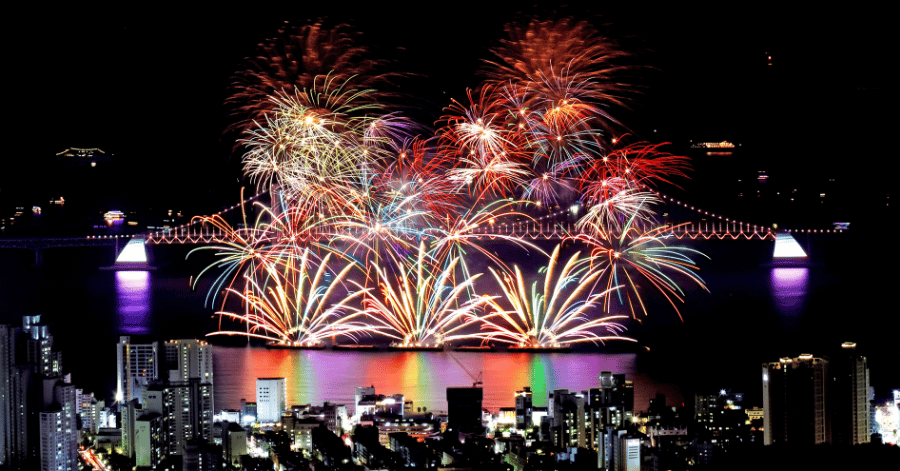
Image credits: Wikipedia
Another November highlight is the Busan Fireworks Festival, on 7 November 2026, held at Gwangalli Beach in Suyeong-gu. First staged in 2005 around the APEC summit, it’s now a major annual event. The fireworks show, paired with a media façade display on Gwangandaegyo Bridge, combines lights and music for an unforgettable autumn evening by the beach.
Activities and festivals to catch in Korea during October and November:
| Festival | About | Date (2026) |
|---|---|---|
| Busan International Film Festival (BIFF) | An annual event showcasing diverse films and promoting Asian cinema. | 6–15 Oct |
| Hueree Pink Muhly Festival | Pink muhly landscapes and Jeju mandarin picking at Hallasan’s base. | Mid-Sep to mid-Nov |
| Busan Fireworks Festival | Spectacular fireworks and a media façade show at Gwangalli Beach. | 7 Nov |
📖 Related Guide: Sorting out cash for the autumn trip? Our South Korea ATM Withdrawal Guide covers fees and rates.
December in Korea
Ideal for: Winter activities and celebrating New Year
Weather: Highs range around 2°C to 6°C, and lows from -5°C to 0°C.
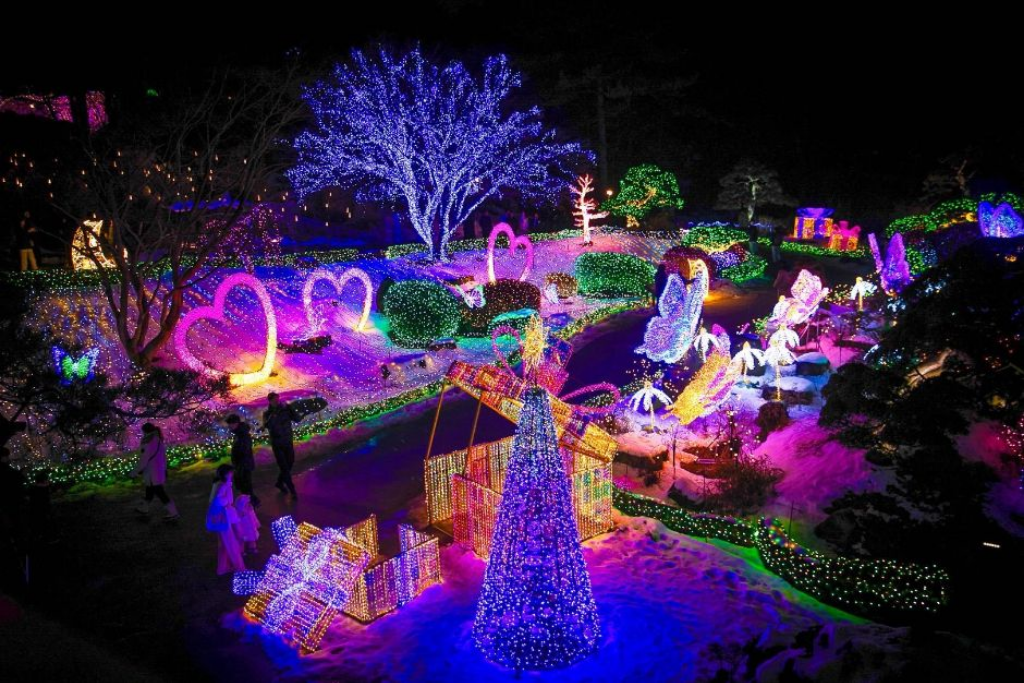
Image credits: Visit Korea
December heralds the start of winter festivities. The Lighting Festival at the Garden of Morning Calm transforms nearly 330,000㎡ of the garden into a winter wonderland, with lights glowing from 5 PM to 9 PM (extended to 11 PM on Saturdays).
For winter sports lovers, skiing and snowboarding at the popular resorts are top draws. Warm up with spicy street foods like tteokbokki (spicy rice cakes) or gyeranppang (egg bread), perfect for the cold.
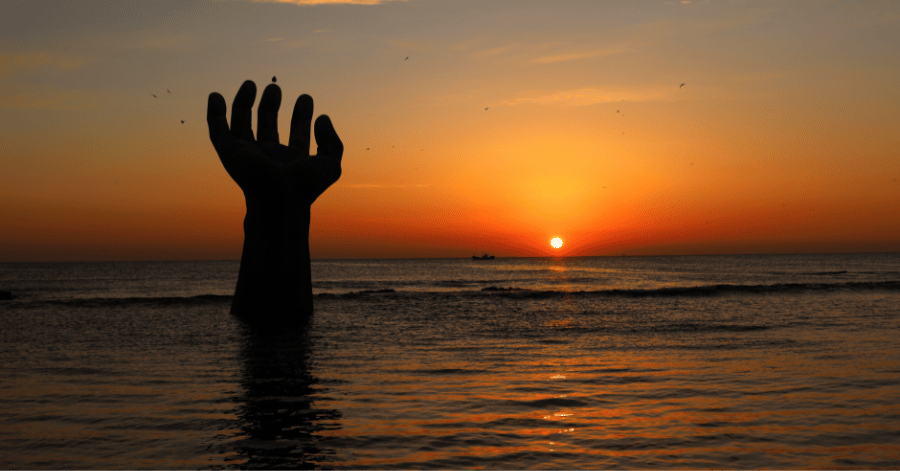
Image Credits: VISITKOREA
If you’re welcoming the New Year, head to Homigot Sunrise Square, one of the most popular spots for Korea’s brilliant golden sunrise. The festival features celebratory performances and a local market handing out free servings of tteokguk.
Alternatively, the Yeosu Hyangiram Sunrise Festival offers an overnight celebration with wish-lantern lighting and a candle ceremony, capped by a breathtaking New Year’s sunrise.
| Festival | About | Date (2026) |
|---|---|---|
| Lighting Festival at the Garden of Morning Calm | A light festival spanning 330,000 sqm of garden throughout winter. | Early Dec to mid-Mar |
| Homigot Sunrise Square | New Year’s sunrise views at Homigot Cape, with performances, local markets, and complimentary tteokguk. | End Dec |
| Yeosu Hyangiram Sunrise Festival | An annual New Year’s sunrise event featuring lanterns and a candle ceremony. | End Dec |
📖 Related Guide: Staying connected over winter? Here’s our Best eSIM Singapore guide.
FAQs About Visiting Korea (2026)
April and October are the two best months. April brings cherry blossoms and mild spring days, while October delivers crisp air, clear skies, and the start of autumn foliage. Both skip the summer rain and the winter freeze, which makes them the most comfortable times to travel and sightsee.
January and February are the cheapest, as long as you skip the Seollal week (16 to 18 February in 2026). Cold weather means low demand, so flights and hotels drop to their lowest of the year. Early March and late November are good value too, with near-peak scenery at off-peak prices.
Avoid mid-July to August if you dislike heat and rain, since that’s the monsoon and typhoon stretch. The Seollal and Chuseok holidays also see many shops and restaurants close, though the city itself goes quiet and peaceful as locals head home. If you visit during either holiday, book your transport weeks ahead.
Late March to mid-April. The blooms start in the south (Jeju and Busan flower first), then sweep north to Seoul. For 2026, Seoul’s blossoms are forecast to peak around 7 to 12 April. Each spot stays in full bloom for only about a week, so timing matters.
This one’s a bit of a red herring for travellers. The “3-day rule” is a Korean dating and K-drama trope about waiting three days before texting a love interest, not a rule about visiting the country. For trip planning, the timing that actually matters is blossom season, foliage season, and the holiday closures.
Five to seven days is the sweet spot for a first trip, enough for Seoul plus a side trip to Busan or Jeju. With 10 days you can comfortably cover all three. A long weekend works if you’re sticking to Seoul alone.
Korea: Where You Can Live That K-Drama Fantasy, One Episode at a Time
Korea promises an unforgettable experience year-round. We hope this Korea weather guide has helped you decide which months suit your trip. And whenever you go, tap your YouTrip card to spend in won at the wholesale rate with zero FX fees, so more of your budget goes to the trip and less to the bank.
As Singapore’s favourite multi-currency wallet, we get those pesky fees out of the way and help you save on your travels. No more long queues at the money changer. For the full picture, see whether you can use YouTrip in Korea and how YouTrip exchange rates work.
Not a YouTrooper yet? Sign up for your complimentary YouTrip card today with YTBLOG5 and get FREE S$5 in your account. Then head over to our YouTrip Perks page for exclusive offers and promotions. Join our Telegram (@YouTripSG) and our Community Group (@YouTripSquad) for tips, tricks, and exclusive invites to events and experiences. 💜
Until next time, safe travels and happy adventures!
Related Articles
How To Get From Seoul To Jeju: Flights, Ferries & Fares Compared
Seoul To Busan: Bus, Train, Plane, Taxi or Car?