


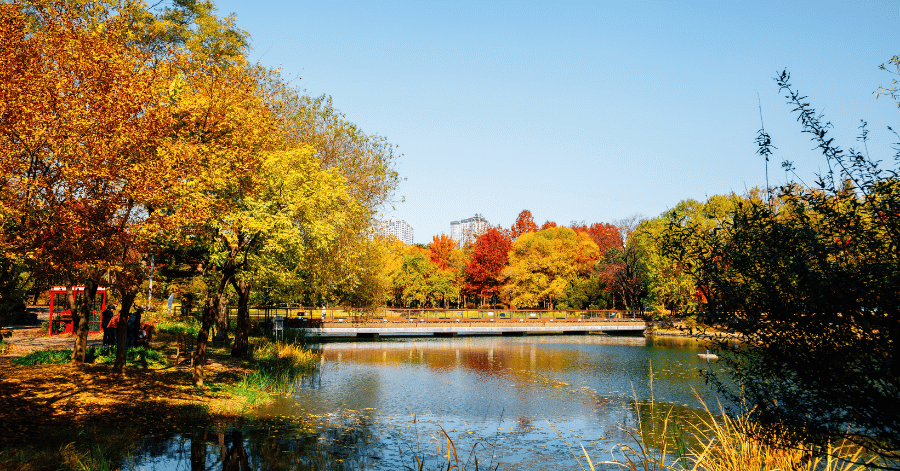


Seoul’s most famous park sits at the top of its coolest neighbourhood, and that’s the whole point
Seoul Forest is a free public park in Seongsu-dong, built on a former water treatment plant and opened in 2005. It’s got deer, five themed zones and a sky bridge to the Han River. It’s also a two-minute walk from Seoul’s best cafe street, which is why most people end up doing both.
| Quick facts | |
|---|---|
| Entry | Free, open 24 hours |
| Size | About 480,000 sqm of core park, roughly three-quarters of Bishan-Ang Mo Kio Park |
| Nearest station | Seoul Forest Station (Suin-Bundang Line), Exit 3 or 4 |
| How long to spend | 2 to 3 hours in the park, half a day with Seongsu |
| Best months | Late March to April (blossoms), late October to November (ginkgo) |
| Budget | Under 30,000 KRW (~S$27) per person including coffee and lunch |
| Pay with | YouTrip card for cafes and shops, a little cash for market stalls |
Table of Contents
- Is Seoul Forest Worth Visiting?
- Seoul Forest at a Glance
- How to Get to Seoul Forest
- Best Things to Do in Seoul Forest
- Seoul Forest With Kids
- Seoul Forest at Night
- Best Time to Visit Seoul Forest
- Where to Eat and Drink Around Seoul Forest
- What Else to Do in Seongsu
- What a Day at Seoul Forest Costs
- Paying in Seoul: Cash, Card and T-money
- FAQs
Is Seoul Forest Worth Visiting?
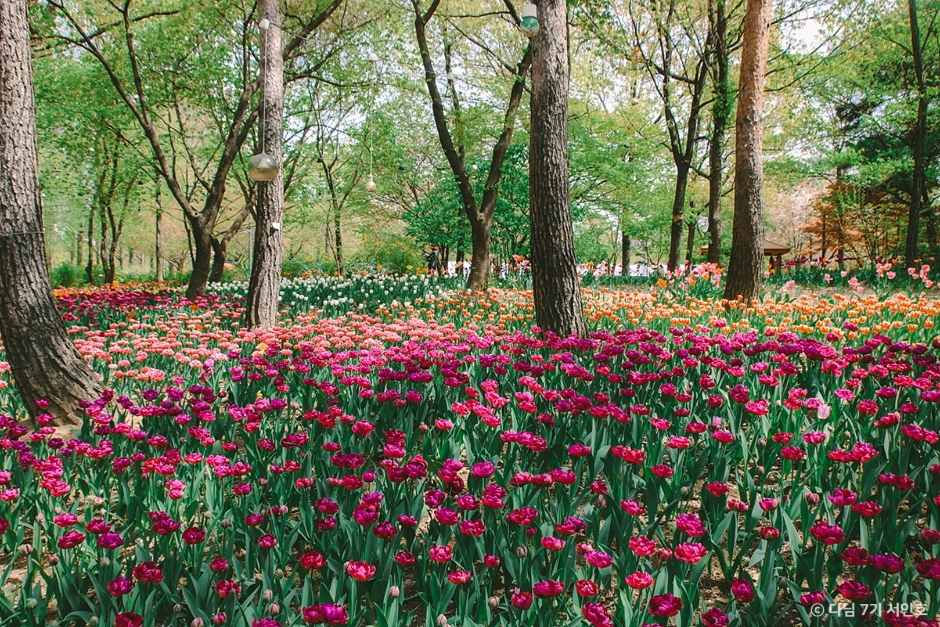
Image Credits: Visit Korea
Yes, if you treat it as half a day in Seongsu rather than a destination on its own. The park is free, properly pretty, and takes about two hours to walk end to end.
Seoul Forest gets called “Seoul’s Central Park” a lot, and it isn’t one. The core park is about 480,000 sqm, roughly three-quarters the size of Bishan-Ang Mo Kio Park and a fraction of New York’s Central Park. You will not get lost in it.
You’ll see a much bigger number quoted elsewhere, usually around 1.16 million sqm. That figure counts the whole Seoul Forest area including the Hangang riverside stretch across the expressway, which you reach by the walk observatory. Both numbers are right, they’re just measuring different things.
What it does have is an odd mix for a city park. A herd of sika deer behind a fence. A renovated tropical insect house with Galápagos tortoises in it. A 750-metre elevated walkway that carries you over a motorway to the Han River, and a butterfly garden that only runs in summer.
Best for anyone already going to Seongsu for the cafes and pop-ups. If your Seoul trip is three days of palaces and Myeongdong, this is the easiest way to get a couple of hours of green and a very good flat white without leaving the city.
📖 Related Guide: Building the rest of the itinerary? Our things to do in Seoul guide covers the palaces, markets and neighbourhoods worth your time.
Seoul Forest at a Glance
The park itself is free and open 24 hours. Individual facilities inside it keep their own hours, and that’s where people get caught out.
| Facility | Hours | Cost |
|---|---|---|
| Seoul Forest (main park) | 24 hours | Free |
| Eco Forest and Deer Corral | 5:30 AM–9:30 PM | Free |
| Insect Botanical Garden | 10 AM–5 PM (Mar–Oct), 11 AM–4 PM (Nov–Feb), closed Mondays | Free |
| Butterfly Garden | 10 AM–5 PM, May–October only | Free |
| Ground fountains | May–September | Free |
| Car park (211 spaces) | 24 hours | 200–400 KRW (~S$0.20–0.35) per 5 min |
The park is laid out as themed zones, which is worth knowing before you pick a gate.
| Zone | Size | What it’s for |
|---|---|---|
| Culture and Arts Park | 220,000 sqm | The busiest end: family play, open lawns, outdoor stage and fountains |
| Eco Forest | 165,000 sqm | Native wildlife habitat and forest paths. The deer live here |
| Nature Experience Learning Park | 85,000 sqm | Plant study and picnic space, near Exit 4 for the insect and butterfly gardens |
| Wetland Ecological Park | 70,000 sqm | Bird hide, nature classroom and two planted wetland gardens |
| Hangang Riverside Park | 66,000 sqm | Cycling and water sports, across the expressway |
That last zone is why you’ll see two different sizes quoted for Seoul Forest. It sits on the far side of the motorway, and you get there on foot via the walk observatory from the park’s southeast corner.
A few other things worth knowing before you go.
- The whole park is free. There’s no ticket gate, no reservation, no entry fee for any of the gardens inside it.
- Mondays are the weak day. The insect botanical garden closes, and that’s the one indoor thing in the park.
- Two hours is enough for most people. Three if you stop for coffee and walk the sky bridge to the river.
- Download Naver Map before you fly. Google Maps doesn’t give walking directions in South Korea, so it’s close to useless for finding park gates and cafe entrances.
The park opened on 18 June 2005 on the site of an old water treatment facility, which was itself built over a royal hunting ground. More than 5,000 residents and 70 companies helped plant it, which is why locals talk about it slightly differently from other Seoul parks. There are now about 415,000 trees across 95 species.
📖 Related Guide: Getting around Seoul on the subway? Our T-money card guide explains where to buy one, how much to top up and what it works on.
How to Get to Seoul Forest
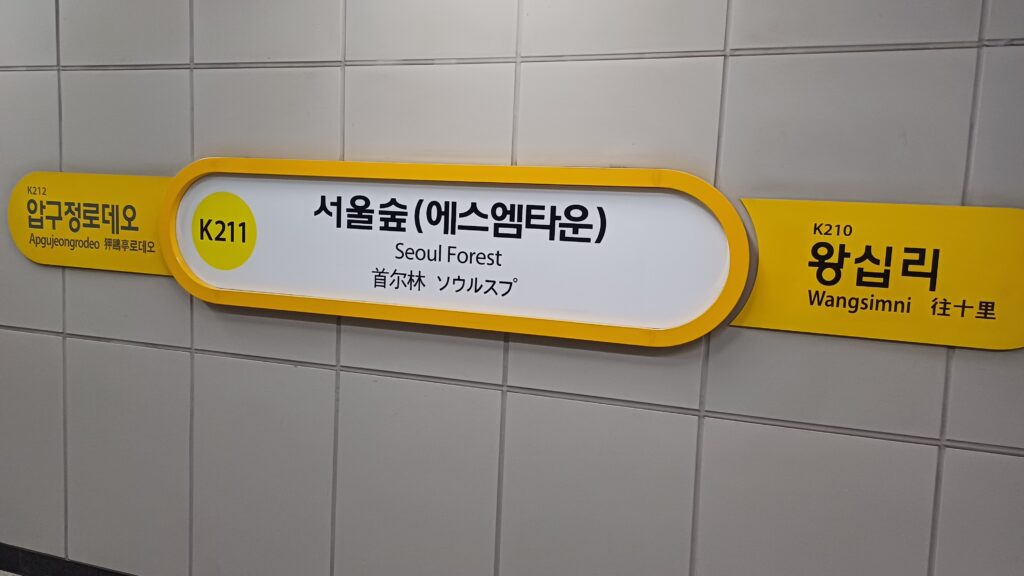
Image Credits: Wikipedia
Take the Suin-Bundang Line to Seoul Forest Station and leave by Exit 3 or 4. The park entrance is 242 metres away, so about a three-minute walk.
Step 1: Pick your station. Seoul Forest Station (Suin-Bundang Line) is the closest at 242 metres. Ttukseom Station (Line 2) Exit 8 is 537 metres out, but it drops you closer to Seongsu Cafe Street, so it’s the better choice if you want coffee first and park second.
Step 2: Tap in with T-money. Buy the card at any convenience store for 2,500 to 5,000 KRW (~S$2.30–4.50), depending on the design, and top it up with cash at the machine. The card cost itself isn’t refundable. Single-journey tickets exist but need a deposit you have to claim back.
Step 3: Use Exit 4 for the D Tower side. That’s the exit for KWANGYA @SEOUL and the shops clustered at the park’s western edge.
Coming straight from the airport, it’s about 6 hours 30 minutes direct from Changi to Incheon. From there, AREX Express reaches Seoul Station in 43 minutes from Terminal 1, or 51 minutes from Terminal 2. Fares run 13,000 KRW (~S$12) at the counter, or around 11,500 KRW (~S$10) booked online. From Seoul Station it’s a straight transfer to the Suin-Bundang Line.
📖 Related Guide: You’ll want data the moment you land, since Naver Map is doing all the work. Our best travel eSIMs roundup compares the options for Korea.
Best Things to Do in Seoul Forest
Eighteen things worth your time, starting inside the park and working outward to the river. You can do the first ten in a loop of about two hours.
The Deer Corral

Image Credits: Z97099 on rednote
The park keeps a herd of sika deer in a large fenced enclosure in the Eco Forest, and it’s the single thing everyone comes for. They’re small, spotted, and completely unbothered by the crowd pressed against the fence.
Don’t plan on feeding them. The vending machines that used to dispense deer feed were removed in 2020 on animal-health grounds, and Seoul tightened its rules on feeding wildlife in city parks again in 2025. Come early morning or late afternoon, when the deer are up and moving instead of lying in the shade.
- 📍 Eco Forest, Seoul Forest
- 🕘 5:30 AM–9:30 PM
- 💰 Free
Seoul Forest Walk Observatory
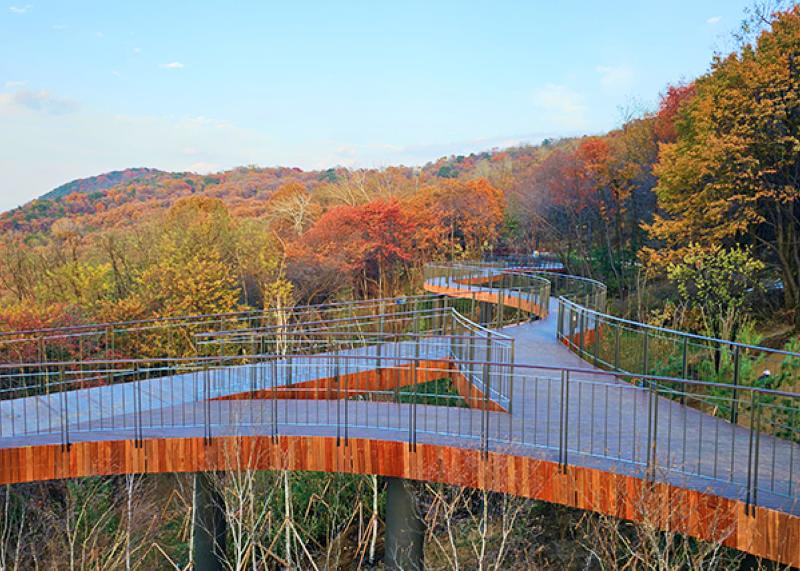
Image Credits: Visit Seoul
This is the park’s best-kept feature, and most visitors miss it. It’s a 750-metre elevated pedestrian bridge that runs several metres above the forest floor, crosses the Gangbyeonbuk-ro expressway, and lands you in Ttukseom Hangang Park on the Han River.
It starts at Windy Hill, and walking it you look straight down into the deer enclosure and over the ponds. Traffic roars underneath for the middle stretch, which is less peaceful than the photos suggest. Then you come out over the river, and it’s worth every minute.
Best for anyone with an hour spare. It turns a park visit into a proper walk and gets you to the water without a taxi.
- 📍 Runs from the park’s southeast corner to Ttukseom Hangang Park
- 🕘 24 hours
- 💰 Free
Mirror Lake
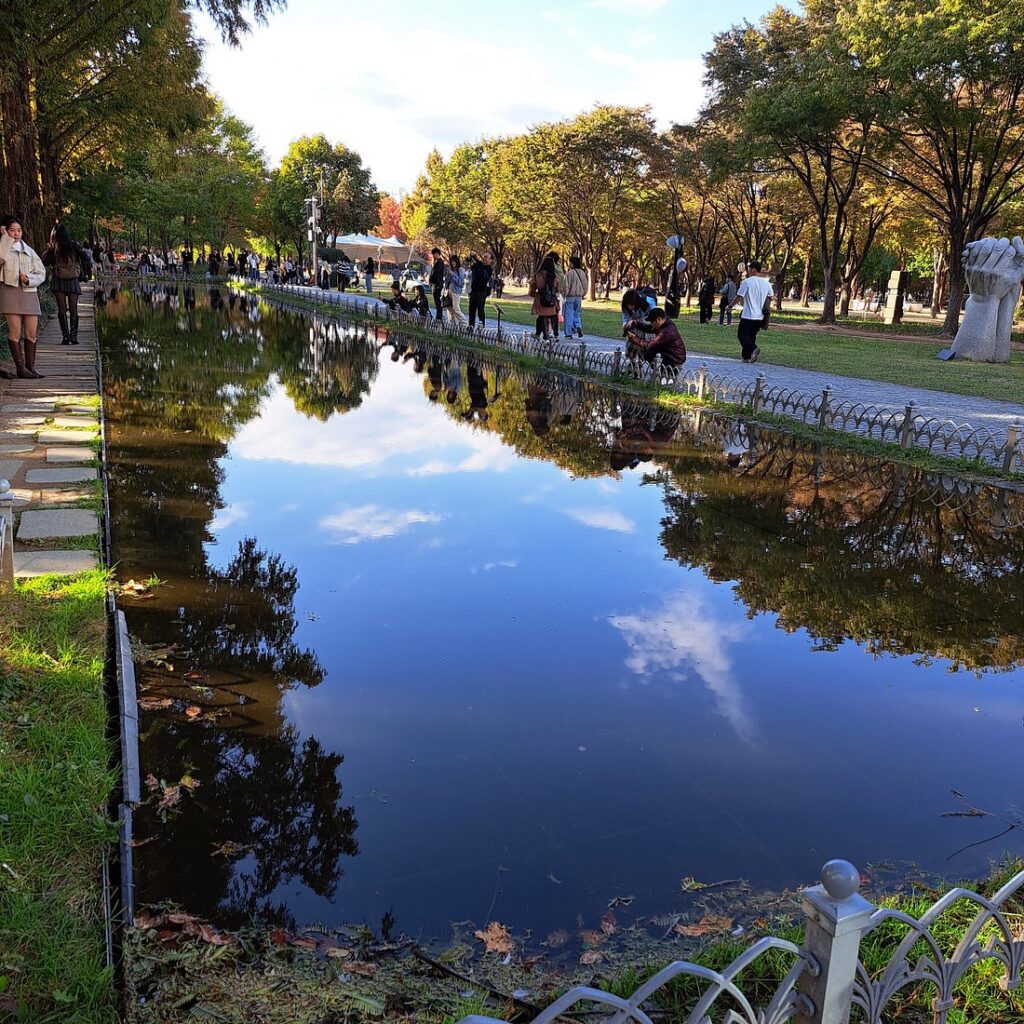
Image Credits: Tripadvisor
A shallow rectangular lake that reflects the metasequoia trees behind it almost perfectly when the water’s still. Photographers queue for the same shot at the same angle, and on a calm morning it does deliver.
Wind ruins it. So does rain, and so does a crowd of people standing at the edge. Early morning on a weekday is the only reliable window.
- 📍 Culture and Arts Park zone
- 🕘 24 hours
- 💰 Free
The Ginkgo Tree Forest
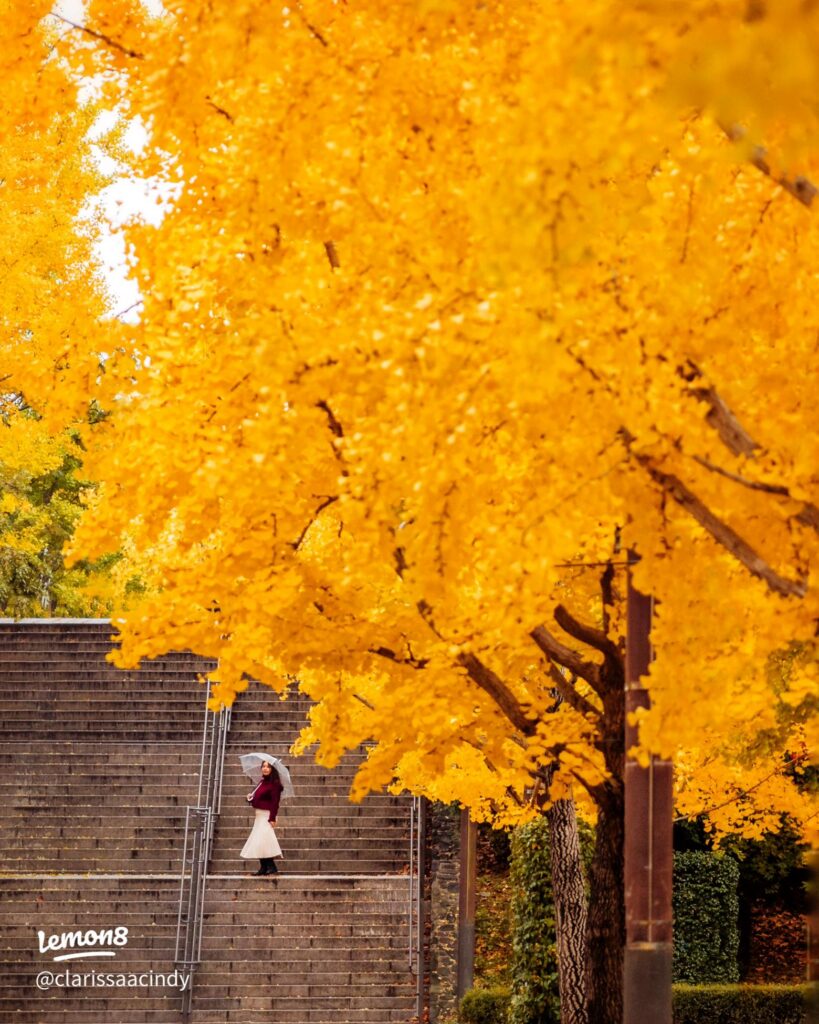
Image Credits: @clarissaacindy on Lemon8
A dense stand of ginkgo trees that turns a hard, saturated yellow for about two weeks in late October and November. The ground goes yellow at the same time, so you’re walking through a corridor of it.
The catch is the smell. Ginkgo fruit drops in autumn, and it is genuinely unpleasant, somewhere between vomit and old cheese. Everyone warns you, and everyone goes anyway.
Best for late autumn visits. Outside those two weeks, it’s just a nice group of trees.
- 📍 North side of the park
- 🕘 24 hours
- 💰 Free
The Metasequoia Path
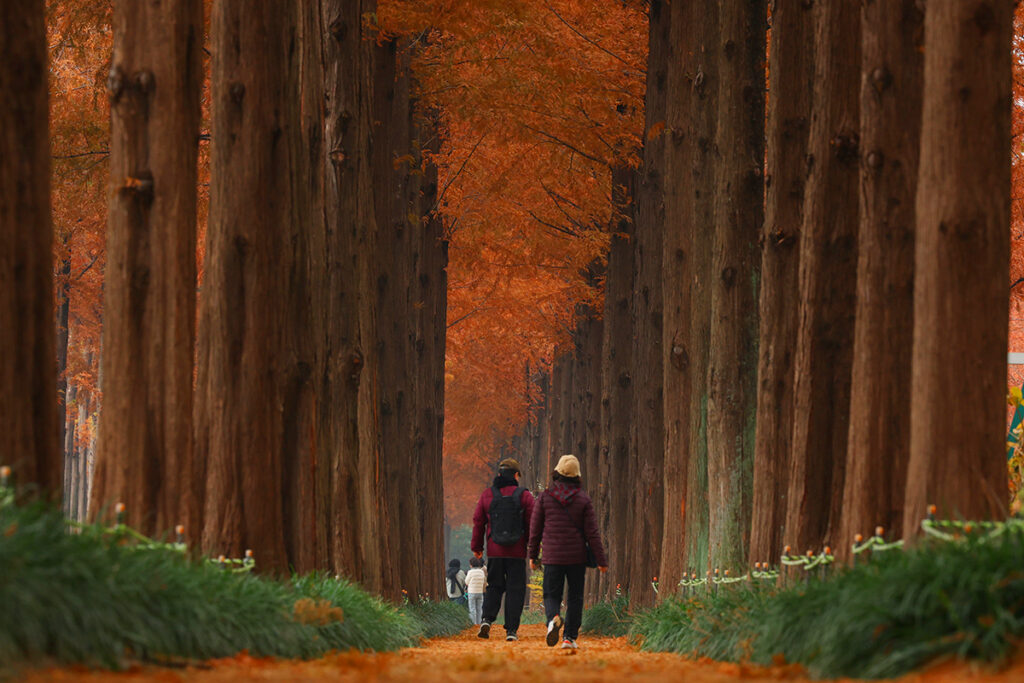
Image Credits: Korea.net
A straight avenue of tall, feathery metasequoia trees that works in every season. Green and shaded in summer, rust-coloured in autumn, and bare and graphic against snow in winter.
It’s the most photographed path in the park after the mirror lake, and one of the few spots that’s better in January than April.
- 📍 Near the mirror lake
- 🕘 24 hours
- 💰 Free
Windy Hill
The highest point in Seoul Forest, and the name is doing what it says: it catches the wind coming off the Han River. It’s planted with silver grass, which is the reason to time it for autumn, when the whole slope ripples and goes pale and feathery.
It’s a rise rather than a hill, so don’t expect a climb or a mountaintop panorama. The walk up is part of it though, along a red maple path that turns in late autumn.
This is also where the walk observatory begins, running from here across the park and over to Hangang Park. Come at dusk, and you get the grass in silhouette with the city lights coming on behind it.
- 📍 Southeast section, under the walk observatory
- 🕘 24 hours
- 💰 Free
Seoul Forest Insect Botanical Garden
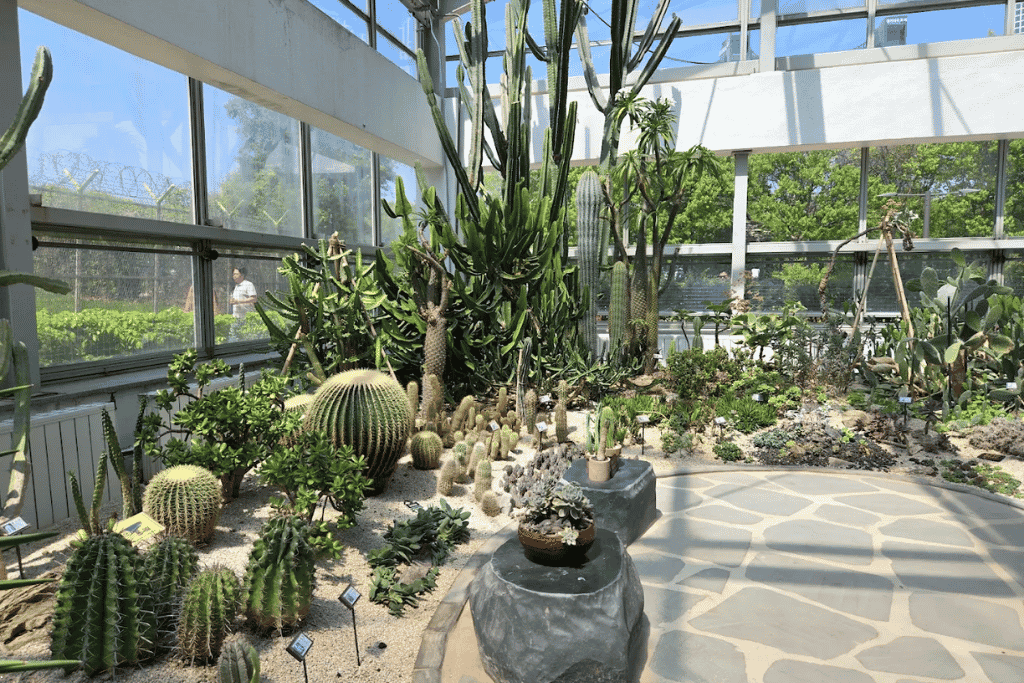
Image Credits: 이재용 on Google Reviews
Reopened in January 2025 after a full renovation, and it’s the biggest change to the park in twenty years. Two floors and 1,800 sqm of glasshouse holding around 100 tropical plant species, including banana, papaya and bird of paradise palms.
The animals are the surprise. Beetles and stag beetles you’d expect, but also tarantulas, fish and Galápagos tortoises. It’s small enough to see in half an hour, and it’s the only place in the park to go when it’s raining or below zero.
Best for families, and anyone visiting between November and February when the outdoor butterfly garden is shut.
- 📍 273 Ttukseom-ro, Seongdong-gu, 169m from Seoul Forest Station Exit 4
- 🕘 10 AM–5 PM (Mar–Oct), 11 AM–4 PM (Nov–Feb), closed Mondays
- 💰 Free
The Butterfly Garden
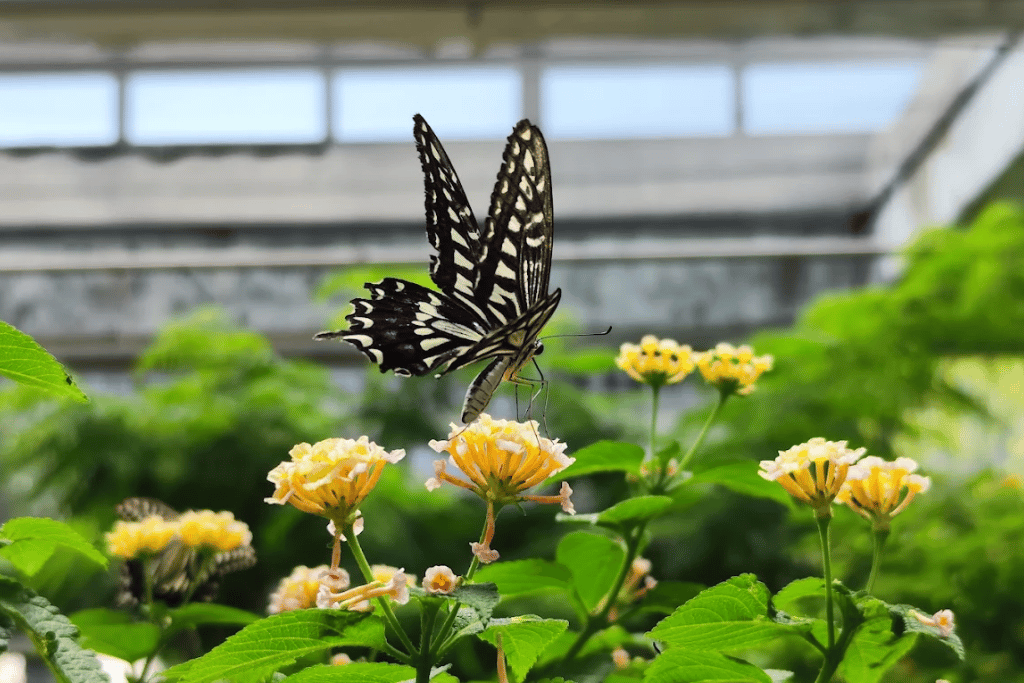
Image Credits: Noelia Hernández on Google Reviews
A netted garden next to the insect house holding around 1,500 butterflies across five species, including the mountain swallowtail, which Seoul protects as a local species.
It’s seasonal. The outdoor netted garden runs May to October only, and closes for the cold months because the butterflies can’t survive it. In winter, the operation shifts to the second floor of the insect botanical garden, so it’s not gone, just smaller and indoors.
- 📍 Beside the insect botanical garden
- 🕘 10 AM–5 PM, May–October
- 💰 Free
The Wetland Ecological Park
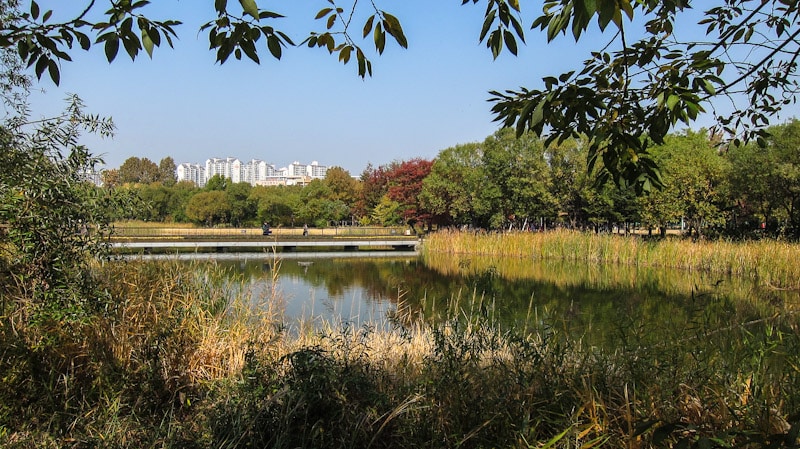
Image Credits: The Seoul Guide
Zone D of the park, and the part almost nobody writes about. It was built into an existing stormwater retention basin rather than landscaped from scratch, which is why it feels less designed than the rest of Seoul Forest.
There’s more here than the name suggests: a bird hide, an outdoor nature classroom, an environmental playground, plus two planted areas, a wetland flower garden and a water-purifying plant garden. The bird hide is the reason to make the walk, and it’s at its best in winter when migratory birds are on the Jungnangcheon.
Set expectations, though. This is a working ecological area, not a manicured one, and there’s no cafe or shop at this end. Seoul Forest sits where the Jungnangcheon meets the Han River, so orient off the water rather than the park map.
- 📍 Zone D, towards the Jungnangcheon
- 🕘 Open with the park
- 💰 Free
The Cherry Blossom Walk and Tulip Garden
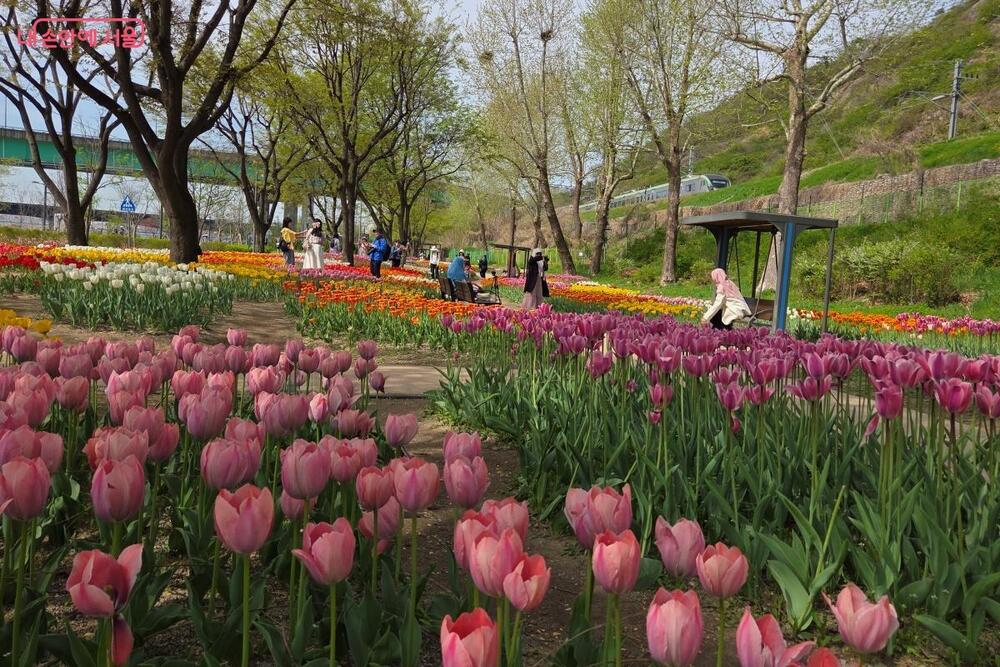
Image Credits: Seoul Metropolitan Government
Seoul Forest runs two spring shows back to back. Cherry blossoms peak from late March to early April, then the tulip beds come up mid to late April, alongside magnolias and daffodils.
Blossom season is packed. That’s the trade-off, and there’s no version of it where you get the trees to yourself. The tulips two weeks later are far quieter and photograph almost as well.
Best for anyone whose dates land in April. If you’re choosing, the second half of the month is the calmer visit.
- 📍 Culture and Arts Park zone
- 🕘 24 hours
- 💰 Free
Picnicking on the Family Yard
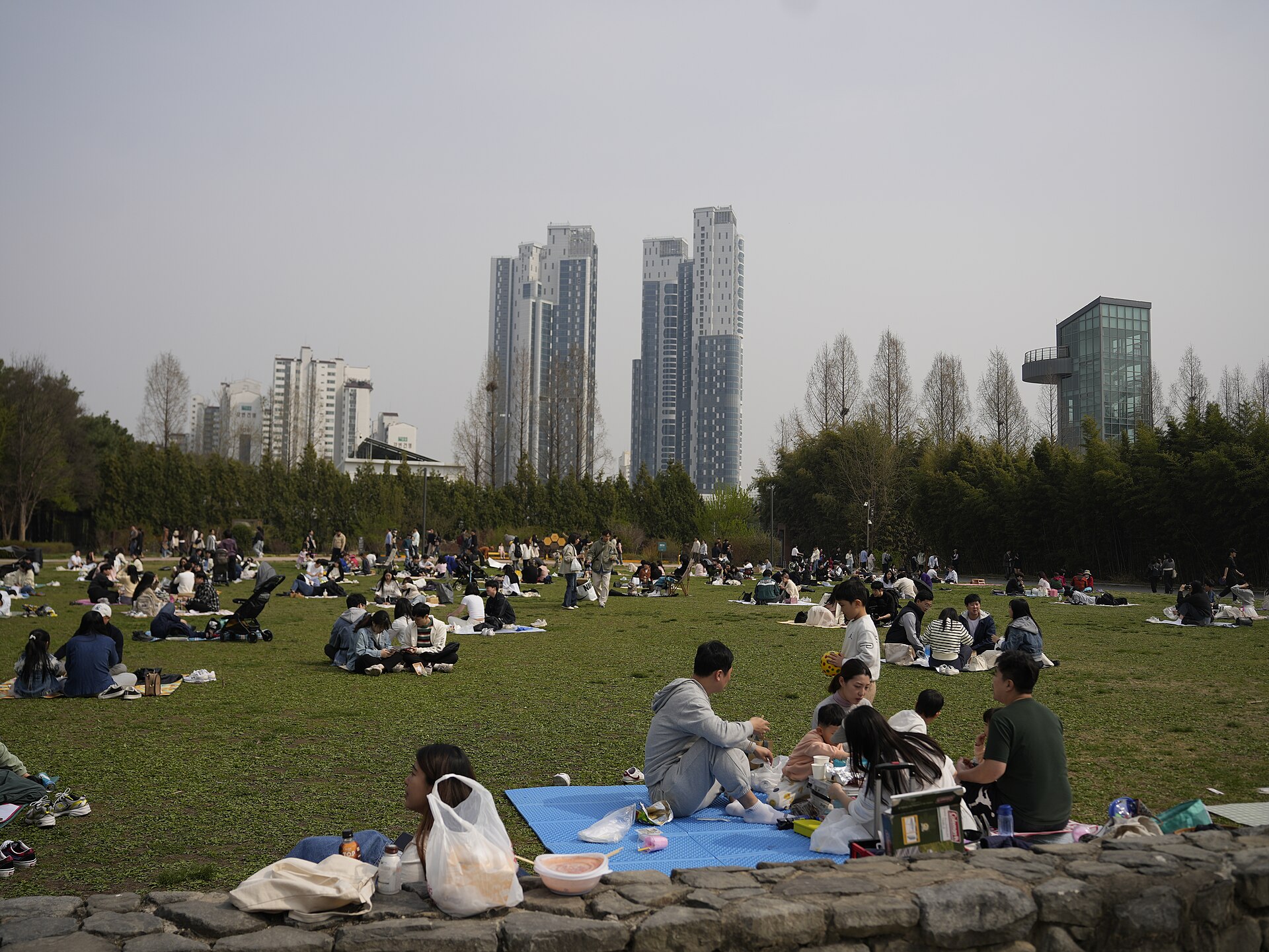
Image Credits: Wikimedia Commons
The big open lawn near the main entrance is where Seoul actually uses this park. Weekend afternoons, it fills up with mats, convenience store hauls, fried chicken boxes and off-leash dogs.
You don’t need to plan it. There’s a convenience store at the park edge, and picnic mats sell for a few thousand won all over Seongsu. The only real limit is that alcohol rules in Seoul parks have tightened in recent years, so keep it low-key.
- 📍 Near the main entrance
- 🕘 24 hours
- 💰 Free
The Ground Fountains and Playground
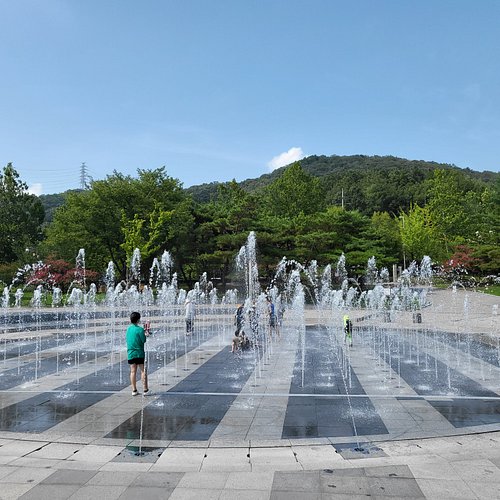
Image Credits: Tripadvisor
Ground-level jet fountains run May to September in the Culture and Arts Park zone, and they’re the main reason local parents bring kids here in summer. Note there’s a second, separate playground over in the wetland zone if this one’s mobbed.
Bring a change of clothes if your child is under about eight. They will get soaked, and that’s the intended outcome.
- 📍 Culture and Arts Park zone
- 🕘 May–September
- 💰 Free
The Skate Park
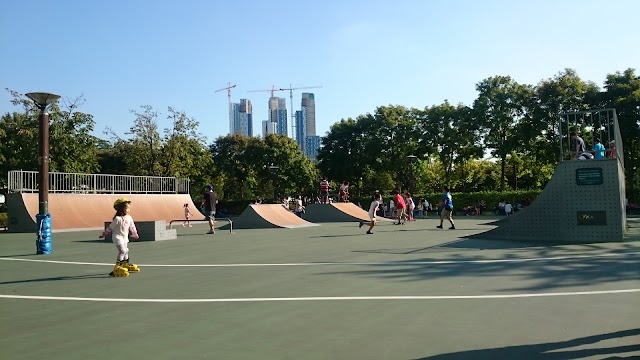
Image Credits: Mapstr
A free public skatepark used by skateboarders, inline skaters and roller skaters, and one of the few corners of the park with a soundtrack. It sits alongside the park’s other free sports facilities: basketball and tennis courts, a football pitch and a multipurpose field.
There’s no equipment hire, so this is a watch-or-bring-your-own affair. Worth a five-minute detour even if you don’t skate, because it’s the one place you’ll see the neighbourhood’s teenagers rather than its couples.
- 📍 Culture and Arts Park zone
- 🕘 24 hours
- 💰 Free
Cycling on a Ttareungi Bike
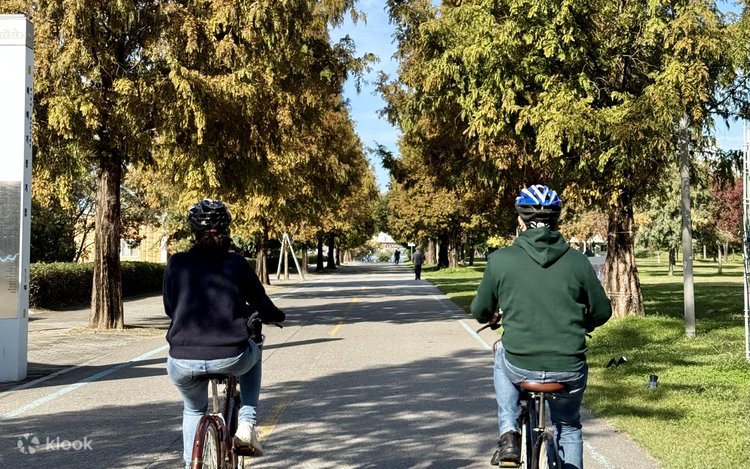
Image Credits: Klook
There’s no bike rental inside Seoul Forest itself. You use Ttareungi, Seoul’s public bike system, from the docking stations just outside the park gates.
A one-hour pass is 1,000 KRW (~S$0.90), two hours is 2,000 KRW (~S$1.80), and a 24-hour pass is 5,000 KRW (~S$4.50) with unlimited docking and re-renting. The app has an English option and a “Foreigner” payment flow that takes an overseas Visa or Mastercard, so you don’t need a Korean phone number.
Best for riding the Han River path rather than the park. Seoul Forest’s internal paths are pedestrian-heavy and slow.
- 📍 Docking stations at park gates
- 🕘 24 hours
- 💰 From 1,000 KRW (~S$0.90) per hour
Ttukseom Observatory Culture Complex
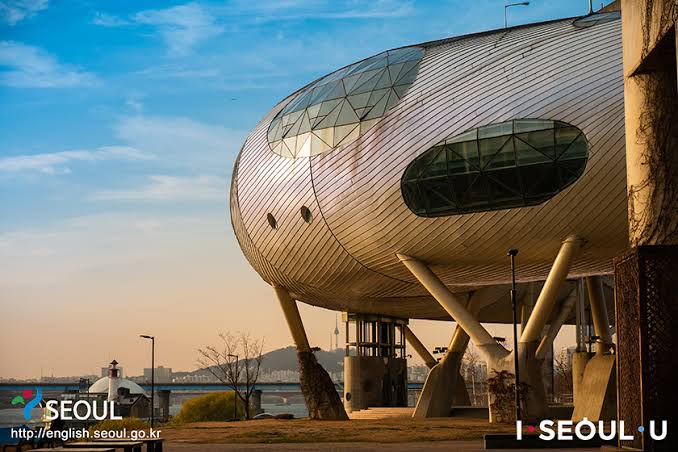
Image Credits: Seoul Metropolitan Government
A 240-metre glass cylinder sitting on the riverbank at the far end of the walk observatory, nicknamed the Ttukseom Beetle for reasons that become obvious when you see it. Inside there’s a reading space, an observation deck and a cafe, recently reopened as a lounge called Seoul Meditation Grounds.
It’s shut Mondays and closes at 5:30 PM on weekdays, which is exactly when the river view is at its best. Weekends run to 8 PM, so save it for a Saturday.
- 📍 Ttukseom Hangang Park
- 🕘 9:30 AM–5:30 PM (Tue–Fri), 9:30 AM–8 PM (Sat–Sun)
- 💰 Free
Seongsu Pedestrian Overpass (Gureumdari)
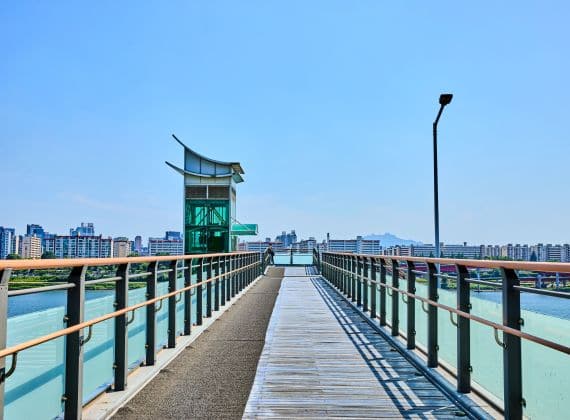
Image Credits: Visit Seoul
A pedestrian bridge just west of the park that’s become Seoul’s most reliable sunset spot. From the middle, you get the Han River, Namsan Tower on one side and Lotte World Tower on the other, which turns pink in the last light.
Arrive about 30 minutes before sunset. Photographers get there earlier than that, and the best positions along the rail go first.
- 📍 257 Gangbyeonbuk-ro, Seongdong-gu, 699m from Seoul Forest Station Exit 3
- 🕘 24 hours
- 💰 Free
Ttukseom Hangang Park
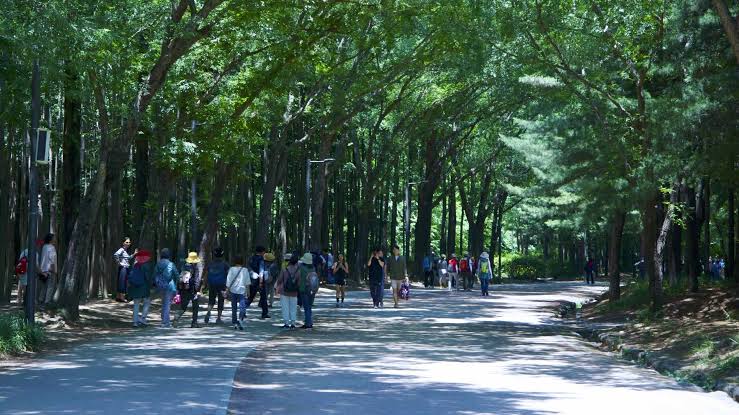
The riverside park at the end of the walk observatory, and a completely different scene from Seoul Forest. This is where Seoul does chicken-and-beer picnics on the grass, with outdoor ramyeon cooking stations and a convenience store doing most of the catering.
There’s also a full X-Game park here, an 80-metre oval built for inline skating, skateboarding and BMX, with beginner sections and enough scale to host competitions.
It’s busier and noisier than Seoul Forest, and considerably more fun after dark. Pair the two, and you’ve got a full afternoon into evening without ever getting back on the subway.
- 📍 Across the walkway from Seoul Forest Observatory
- 🕘 24 hours
- 💰 Free
KWANGYA @SEOUL
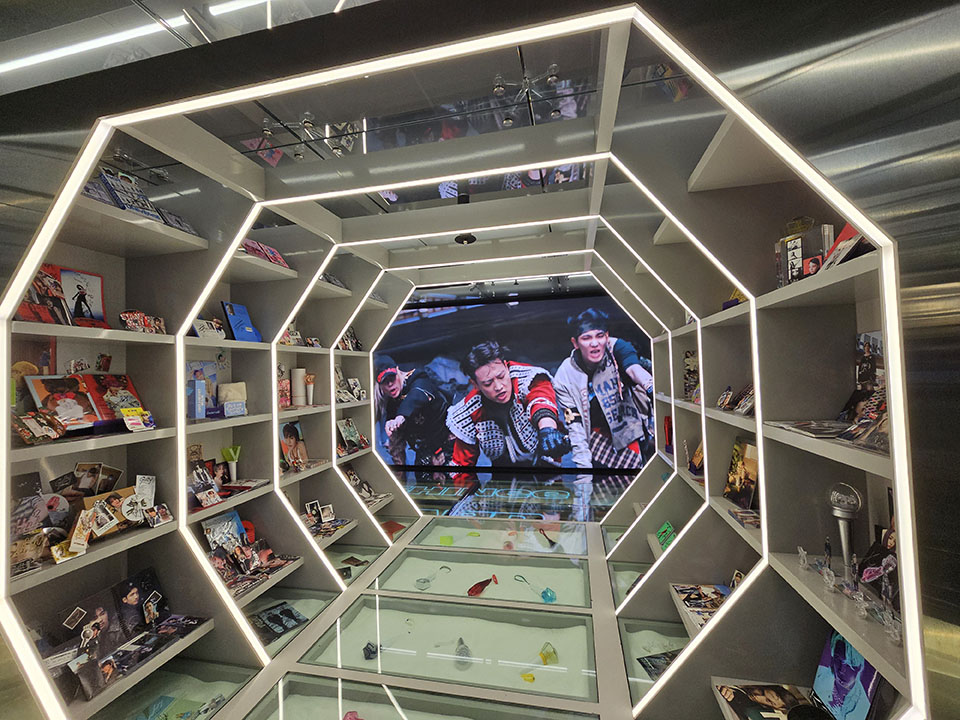
Image Credits: 한국아이닷컴
SM Entertainment’s official store, in the basement of D Tower Seoul Forest, one minute from Seoul Forest Station Exit 4 or 5. Albums, posters, photocards and merchandise for aespa, NCT, Red Velvet, EXO and the rest of the roster, plus a wall-sized screen playing music videos and a photo booth.
It’s a shop, not an experience, and it’s compact. But if there’s a K-pop fan in your group, it’s a fifteen-minute detour that saves you a separate trip across the city.
- 📍 B1, D Tower Seoul Forest, 83-21 Wangsimni-ro, Seongdong-gu
- 🕘 10:30 AM–8 PM
- 💰 Free entry
📖 Related Guide: Want a full theme-park day in the same city? Our Lotte World Seoul guide covers tickets, ride queues and the best time to go.
Seoul Forest With Kids
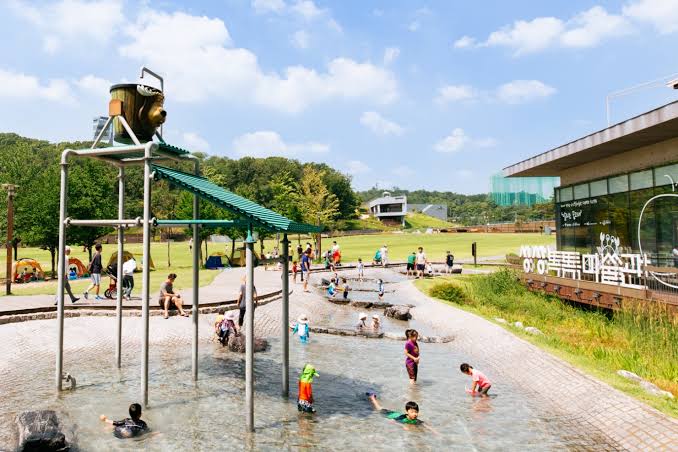
Image Credits: Official Website of the Seoul Metropolitan Government
It’s one of the easier free half-days in Seoul with children, mostly because the four things kids actually want are within a ten-minute walk of each other and none of them cost anything.
Start at the deer corral, which does the heavy lifting for under-tens. Then the insect botanical garden, which is the one indoor stop and holds tarantulas, beetles and Galápagos tortoises across two floors. The playground and the ground fountains sit together in the Culture and Arts Park zone, and the fountains run May to September.
Two practical notes. Bring a change of clothes in summer, because children who get near the fountains end up soaked. And avoid Mondays, when the insect garden closes, and you lose your wet-weather backup.
The walk observatory is the wildcard. It’s a proper novelty for kids who like heights, and it delivers you to Ttukseom Hangang Park for a convenience-store picnic on the grass. The park is built to be barrier-free, with gentle ramps wherever the ground changes level and kerbs dropped low. Pushing a buggy round it is easy, which is not something you can say about most of Seoul.
📖 Related Guide: Planning the wider family trip? Our short trips from Singapore guide covers the destinations worth the flight time.
Seoul Forest at Night
Yes, you can visit at night. The main park never closes, the paths are lit, and it’s one of the safer green spaces in Seoul after dark.
What’s open and what isn’t changes the visit completely. The deer corral shuts at 9:30 PM, and the insect and butterfly gardens close in the late afternoon. So an evening here is about walking, the skyline and the river.
Three things worth doing after dark:
- Windy Hill for the city lights. The panorama that’s decent at 3 PM is much better at 9 PM, with the skyline lit behind the silver grass.
- The walk observatory to the river. Lit the whole way, and quieter at night than any other time.
- Gureumdari at last light. Get there for sunset, stay for the Lotte World Tower lighting sequence afterwards.
You may also meet the park’s most famous unofficial residents. Seoul Forest was one of 59 sites in a Seoul Institute sensor-camera survey that found raccoon dogs living across 24 of the city’s 25 districts. They’re nocturnal, they’re native, and locals walk past them without breaking stride. Do the same: don’t feed them and don’t corner them.
Best for anyone staying in or near Seongsu. It’s not worth crossing Seoul for at 9 PM, but it’s an excellent last hour of an evening you’re already spending in the neighbourhood.
📖 Related Guide: Want to be walking distance from all this? Our Seoul hotels guide breaks down where to stay by neighbourhood.
Best Time to Visit Seoul Forest
Late October to mid-November is the strongest month for Seoul Forest, closely followed by April. The park is designed around planting, so it changes more between seasons than most city parks.
| Season | Months | What it’s like | Worth it? |
|---|---|---|---|
| Spring | Late Mar–Apr | Cherry blossoms, then tulips, magnolias, daffodils | Yes, but crowded in blossom week |
| Summer | May–Aug | Deep green, hydrangeas, peonies, ground fountains running | Hot and humid, best early morning |
| Autumn | Late Oct–Nov | Ginkgo gold, metasequoia rust, silver grass on the Windy Hill | The best window |
| Winter | Dec–Feb | Bare metasequoias against snow, insect garden as the indoor option | Quiet and photogenic, dress properly |
A few practical notes on timing.
- Blossom dates move every year by a week or more depending on the winter. Check the forecast before you commit to dates.
- Autumn colour is short. The ginkgo window is roughly two weeks and it’s over fast if there’s wind or heavy rain.
- Summer visits work early. Get in before 10 AM and the tree cover makes it bearable. By 2 PM the open lawns are unpleasant.
- Winter has a genuine upside. Almost no crowds at the mirror lake, and the insect botanical garden gives you a warm hour.
📖 Related Guide: Trying to time the trip around blossom week? Our Korea cherry blossom forecast tracks the predicted peak dates by city.
Where to Eat and Drink Around Seoul Forest
There’s almost nothing to eat inside the park, which is by design. Everything good is a five to ten-minute walk out, in Seongsu.
Center Coffee
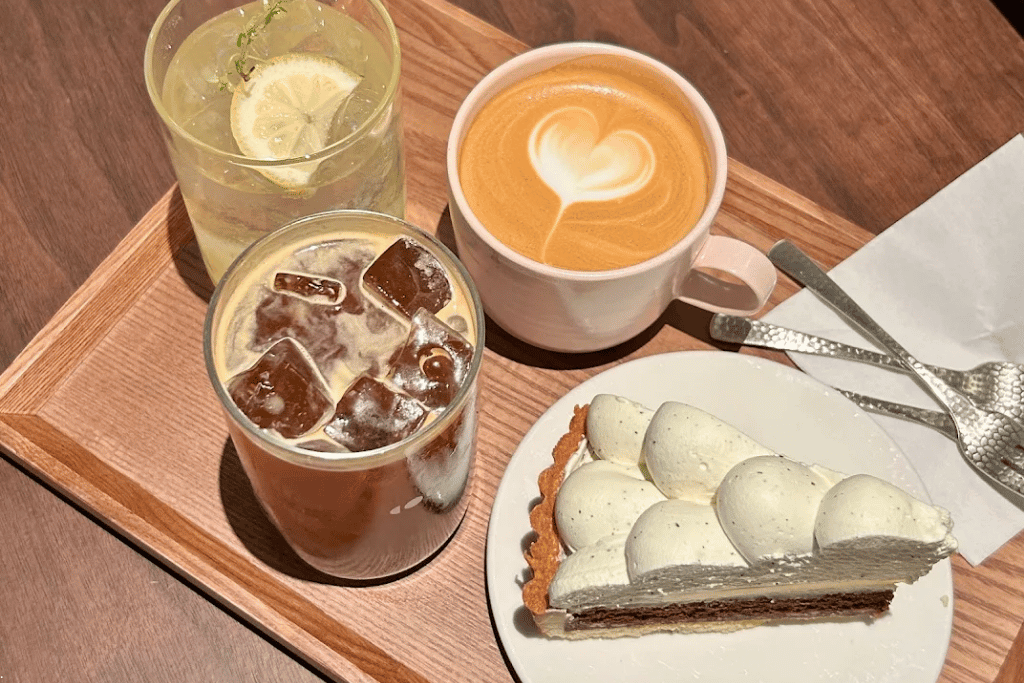
Image Credits: 맛도리
The cafe with the actual Seoul Forest view, on the second and third floors of a building near Exit 5. The second-floor bar seating faces the park through a full wall of glass, and it’s the seat everyone wants.
The coffee is the point, not the interior. Hand drip and the mugwort latte are what regulars order, and the roasting is taken seriously here.
Best for a slow hour after walking the park. Closed Mondays, which catches people out.
- 📍 28-11 Seoulsup 2-gil, Seongdong-gu (Seoul Forest Station Exit 5)
- 🕘 10 AM–9 PM Tue–Sun, closed Mondays
- 💰 Black coffee 5,000 KRW (~S$4.50), lattes 6,000–7,000 KRW (~S$5.40–6.30)
Jayeondo Salt Bread
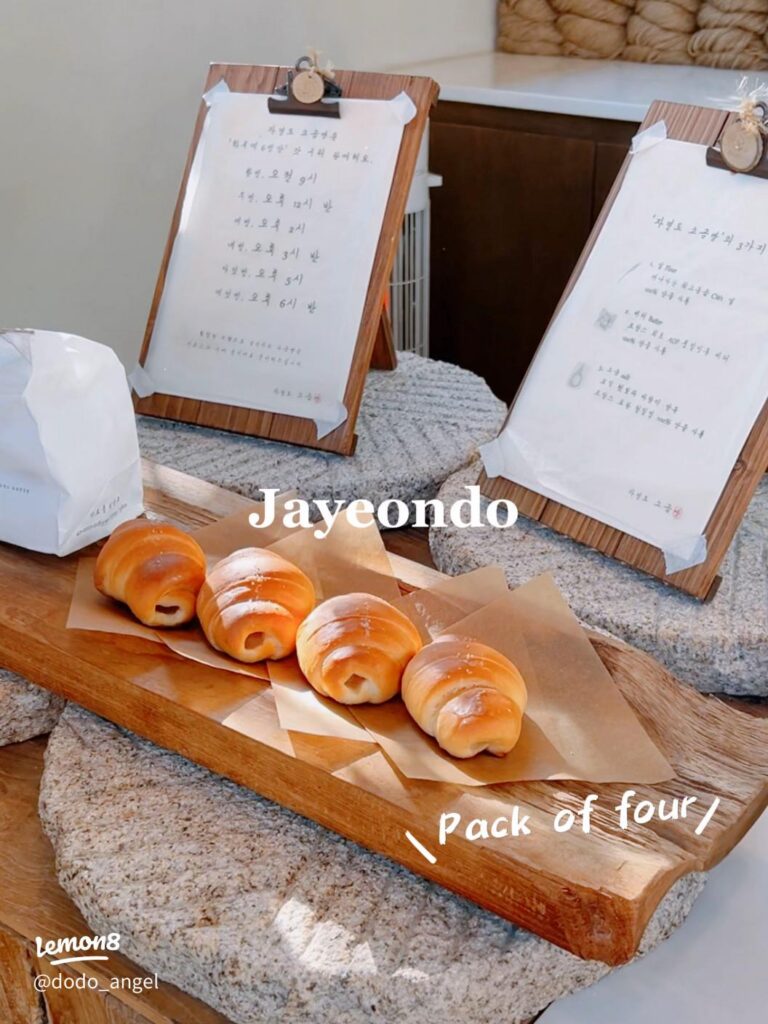
Image Credits: @dodo_angel on Lemon8
The bakery that made Korean salt bread a national obsession. It sells one product, classic original salt bread, baked six times a day, and the queue reflects that.
Buttery, salty, crisp on the outside and soft through the middle. It’s sold only in bags of four for 12,000 KRW (~S$11), so this is not a one-person snack unless you commit. Go first thing in the morning or accept a wait, and know it closes early if the day’s bread sells out.
- 📍 56-1 Yeonmujang-gil, Seongdong-gu
- 🕘 9 AM–10 PM, or until sold out
- 💰 12,000 KRW (~S$11) for four
Somunnan Seongsu Gamjatang
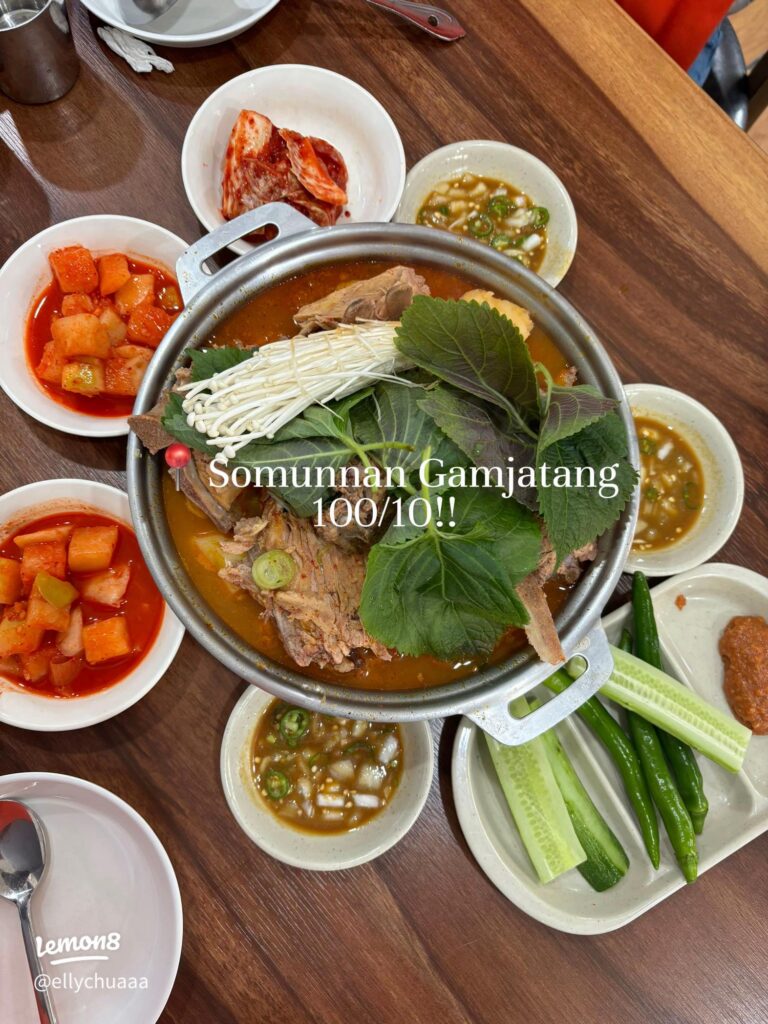
Image Credits: @ellychuaaa on Lemon8
A 24-hour pork bone stew joint that’s been going since 1983 and does essentially one dish. Gamjatang is pork spine simmered with potatoes and perilla leaves in a mildly spicy broth, and the bones come out with a surprising amount of meat still on them.
A small pot runs around 32,000 KRW (~S$29) and is built for two, so about 16,000 KRW (~S$14) each. It comes with kimchi, kkakdugi and a wasabi-soy dipping sauce, and fried rice is worth adding at the end.
Best for a late dinner after the river. There’s usually a wait; everyone in your group has to be present before you’re seated, and they suggest budgeting two hours.
- 📍 45 Yeonmujang-gil, Seongdong-gu
- 🕘 24 hours
- 💰 From 32,000 KRW (~S$29) for a small pot
Daelim Changgo Gallery
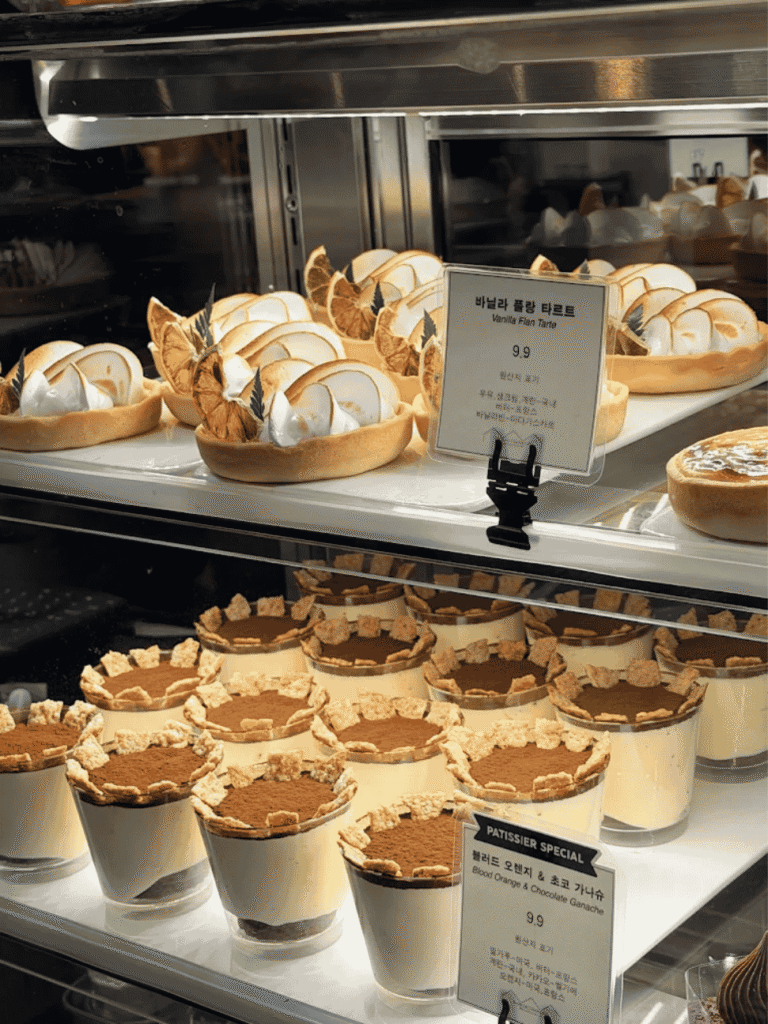
Image Credits: Fish L on Google Reviews
A 1970s rice mill turned into a cafe, bar and art gallery, and one of the buildings that started Seongsu’s whole warehouse-conversion thing. Red brick, exposed steel, enormous ceilings, with rotating exhibitions along one side.
It’s large and often loud, so it’s not the spot for a quiet coffee. What it’s good at is scale, and it stays open until 10 PM when most Seongsu cafes have shut.
- 📍 78 Seongsui-ro, Seongdong-gu
- 🕘 11 AM–10 PM daily
- 💰 Americano and latte 6,000 KRW (~S$5.40), cakes from 5,500 KRW (~S$5)
Cafe Onion Seongsu
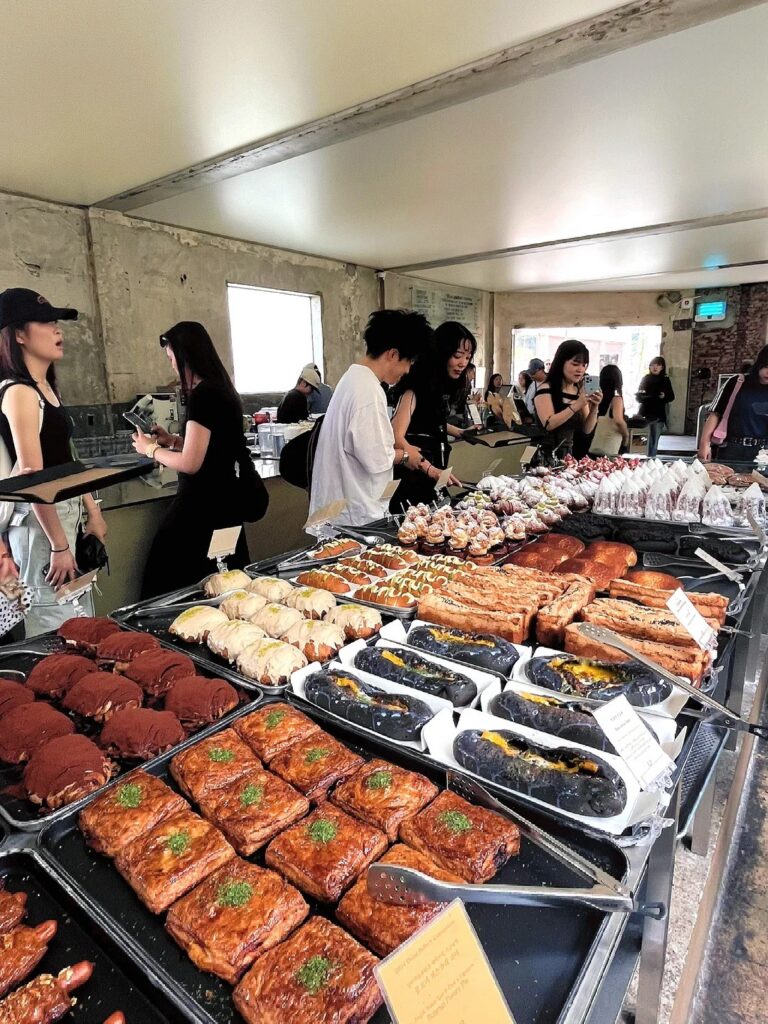
Image Credits: 387228053 on rednote
The original Cafe Onion, in a stripped-back old factory near Seongsu Station Exit 2, and still the reference point for Seongsu’s industrial-chic look. Bare concrete, exposed brick, and pastries stacked on a raw plywood counter.
The pandoro is the one to get, a mound of bread under a small avalanche of icing sugar that gets everywhere. Weekday mornings from 8 AM are the calm window; weekends are a scrum.
- 📍 8 Achasan-ro 9-gil, Seongdong-gu (Seongsu Station Exit 2)
- 🕘 8 AM–10 PM (weekdays), 10 AM–10 PM (weekends)
- 💰 Coffee roughly 5,000–6,500 KRW (~S$4.50–6). ⚠️ Check current prices in store
📖 Related Guide: Pairing Seoul with an island leg? Our things to do in Jeju guide covers the hikes, beaches and food worth the flight.
What Else to Do in Seongsu
Seongsu was an industrial district of shoe factories and workshops until about a decade ago, and the conversion is still visible everywhere. It’s the reason people call it the Brooklyn of Seoul, which is lazy but not wrong.
Olive Young N Seongsu
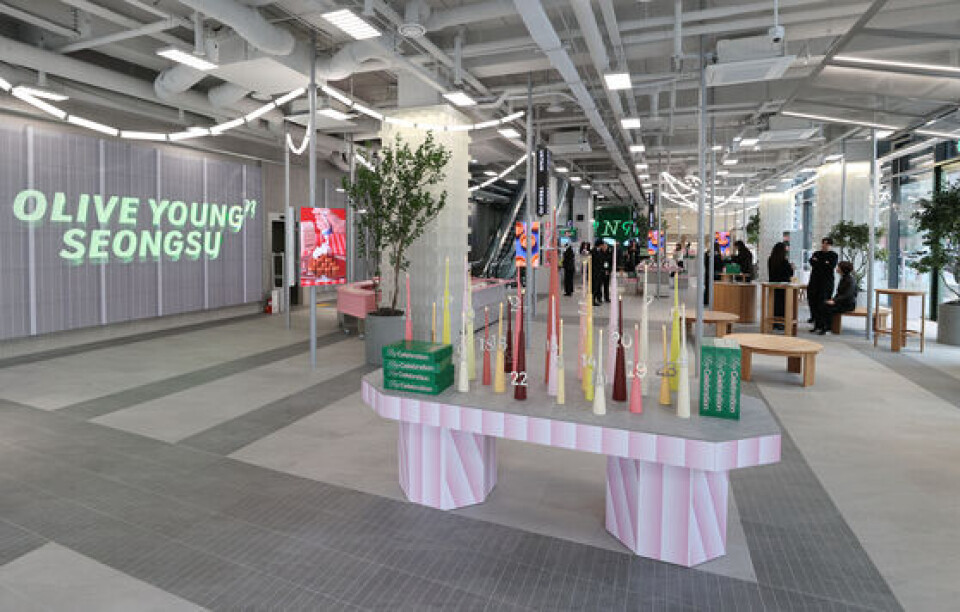
Image Credits: Korea JoongAng Daily
The largest Olive Young in Korea, five floors and about 4,628 sqm inside the Factorial Seongsu building, opened in late 2024. Every K-beauty brand you’ve heard of and a lot you haven’t, with testing stations and shade-matching on the lower floors.
The fourth floor is a members’ lounge and not open to walk-ins, so ignore it. Budget more time than you think: people go in for a serum and come out ninety minutes later.
- 📍 Factorial Seongsu, Seongdong-gu
- 🕘 10 AM–10 PM
- 💰 Free entry
Seongsu Cafe Street
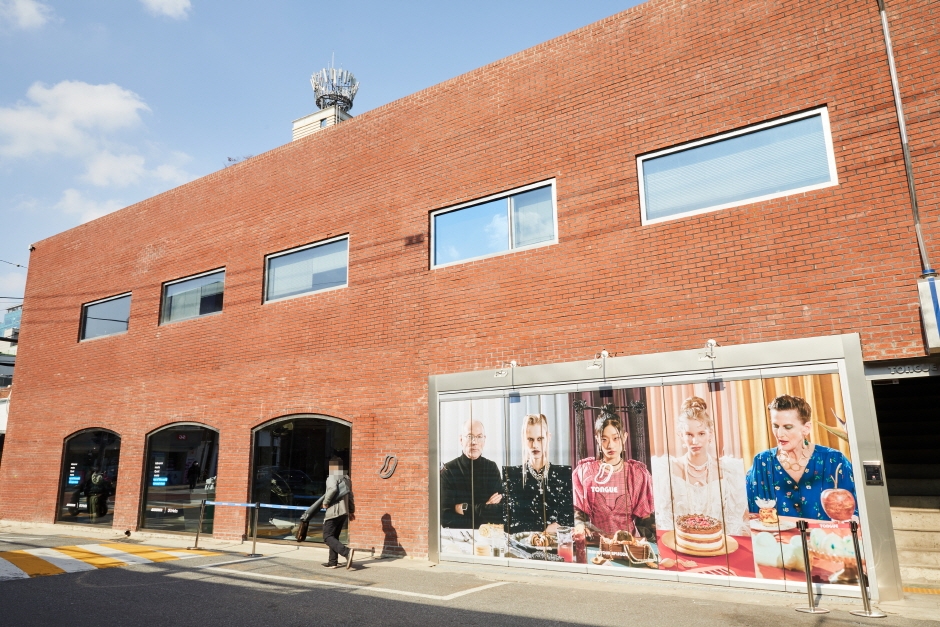
Image Credits: Visit Korea
Yeonmujang-gil, the main strip, where most of the cafes, flagship stores and pop-ups sit within a few blocks of each other. It’s walkable end to end in about twenty minutes if you don’t stop, which you will.
The pop-ups are the thing that makes each visit different. Brands take short leases on empty units constantly, so what’s there in April won’t be there in August. Search for current Seongsu pop-ups a day or two before you go rather than trusting an old list.
- 📍 Yeonmujang-gil, Seongdong-gu
- 🕘 Most shops 11 AM–8 PM
- 💰 Free to walk
Ttukdo Market
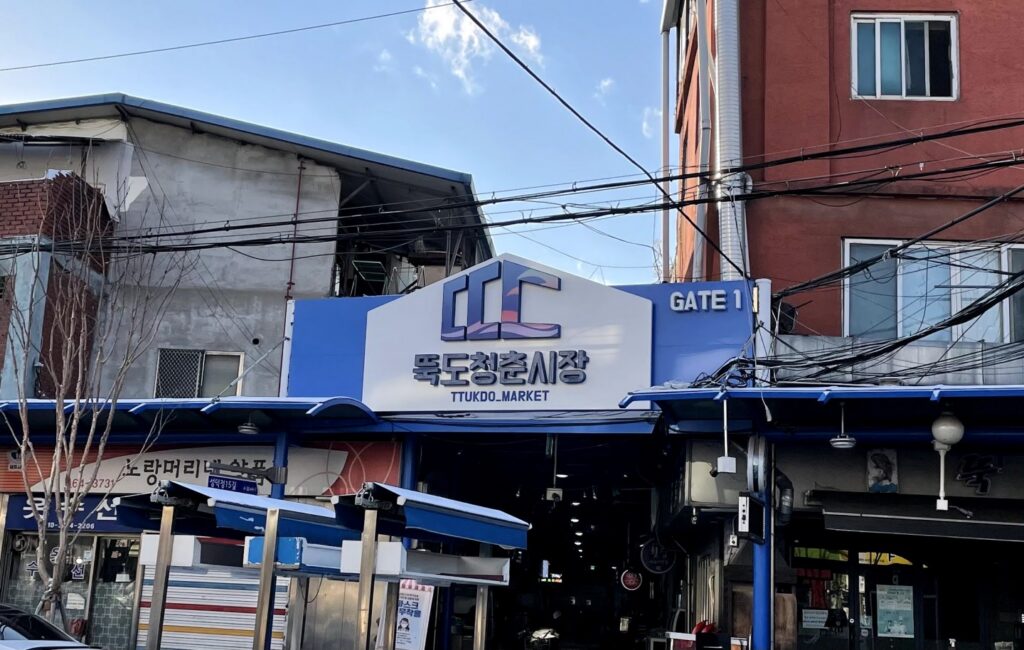
Image Credits: 서울뷰티트래블위크
A traditional market five minutes from Seongsu Station, and the counterweight to everything else in the neighbourhood. Narrow alleys, old shopfronts, cheap food, and a growing number of young operators taking over units.
It’s small, and it isn’t polished. That’s the appeal, and it’s the cheapest meal you’ll get within walking distance of the park.
- 📍 6-42 Seongdeokjeong 15-gil, Seongdong-gu
- 🕘 Varies by stall, most daytime
- 💰 Market-stall prices, well under a Seongsu cafe bill
RETTRE Seoul Forest
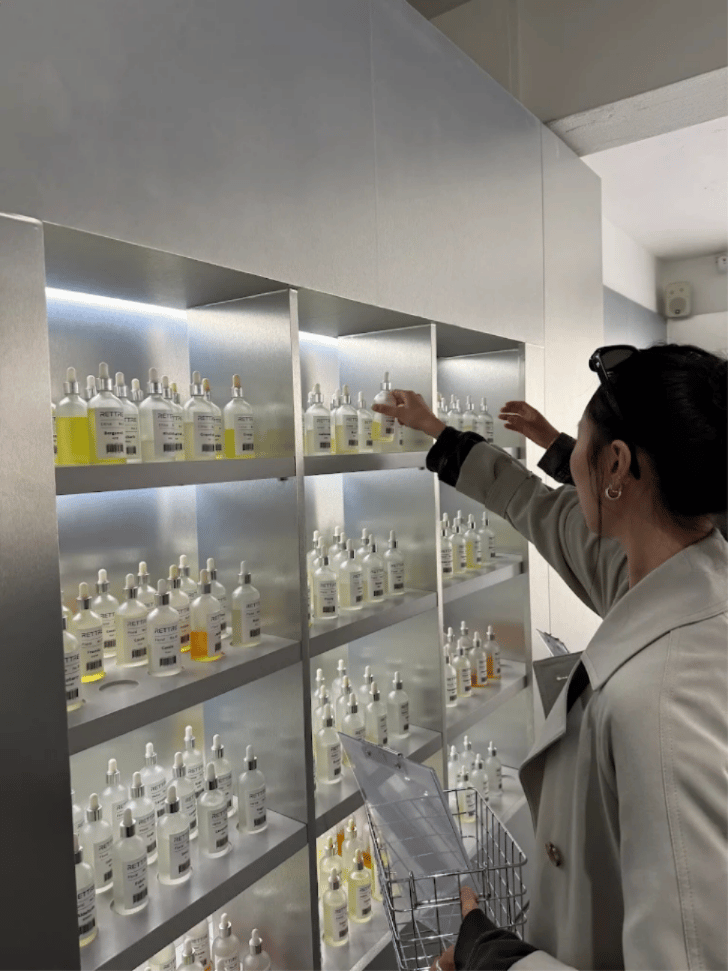
Image Credits: Tiffany Guan on Google Reviews
A perfume studio that builds you a scent from a memory rather than a shortlist of notes. You bring a photo, it measures your brainwave response to it, and the reading drives the blend you walk out with.
You also write a letter to yourself that gets posted back to you a year later, which is either lovely or a lot, depending on your tolerance for that sort of thing. A session takes 40 to 50 minutes. Slots open every half hour, and they’ll take walk-ins, but book if you’re making a trip of it.
It’s the obvious move on a wet afternoon, and it’s the one souvenir in Seongsu that isn’t skincare.
- 📍 2F, 45-1 Seoul Forest 2-gil, Seongdong-gu
- 🕘 12–9 PM, last admission 8 PM
- 💰 50ml perfume 35,000 KRW (~S$32)
Monami Store Seongsu
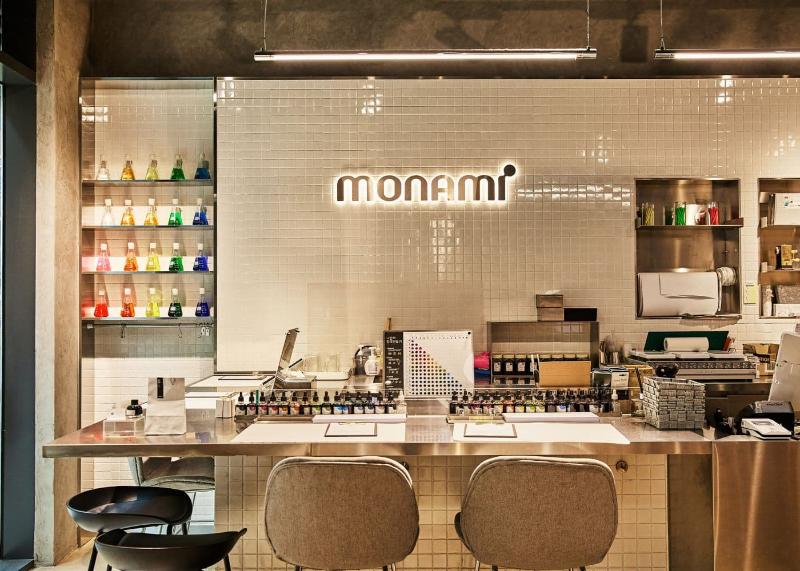
Image Credits: Visit Seoul
Monami has made pens in Seongsu since 1963, and the old factory is now a shop where you assemble your own. You pick the barrel colour, the clip, the tip and the ink, click it together at the DIY station, and it costs 1,000 KRW (~S$0.90).
It’s a five-minute activity, not an afternoon. But it’s the cheapest memorable thing in the neighbourhood, and the shop around it is a good Korean stationery browse. Custom ink mixing runs 25,000 KRW (~S$23) a bottle if you want to go further.
- 📍 104 Achasan-ro, Seongdong-gu (Seongsu Station Exit 3 or 4)
- 🕘 10 AM–9 PM daily
- 💰 DIY pen 1,000 KRW (~S$0.90)
Cinderella Bar
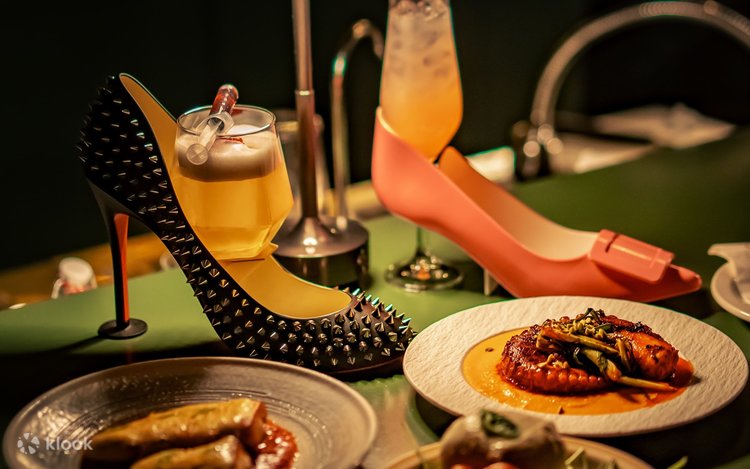
Image Credits: Klook
A speakeasy on Seongsu’s Handmade Shoe Street that turns the area’s shoemaking history into a cocktail concept. Drinks arrive in 3D-printed shoe-shaped holders, and the six signatures are named after shoe designers: Choo, Blahnik, Louboutin, Rossi, Vivi and Ferraga.
The concept is doing more work than the cocktail programme, so go for the theatre of it. The Vivi, a peach and rosemary milk punch in a pink shoe, is the easy-drinking one if you’re not sure where to start.
Best for ending a Seongsu evening, since it doesn’t open until 6 PM and runs to 1 AM. It shuts on Mondays, and so does the insect garden, so don’t build a Monday around this article.
- 📍 1F, 3-4 Achasan-ro 7ga-gil, Seongdong-gu (3 min from Seongsu Station Exit 1)
- 🕘 6 PM–1 AM Tue–Fri, 5:30 PM–1 AM weekends, closed Mondays
- 💰 Cocktail-bar prices
📖 Related Guide: Doing the duty-free run before you fly home? Our Lotte Duty Free Korea guide covers what’s worth buying and how the pickup works.
What a Day at Seoul Forest Costs
The park itself is free, so a day here is cheap by Seoul standards. Here’s a realistic per-person breakdown.
| Item | Cost |
|---|---|
| Seoul Forest entry, all gardens | Free |
| Subway there and back | About 3,000 KRW (~S$2.70), plus 2,500 KRW (~S$2.30) for the card |
| Coffee and a pastry | 11,000–15,000 KRW (~S$10–14) |
| Salt bread, bag of four to share | 12,000 KRW (~S$11) |
| Ttareungi bike, 2 hours | 2,000 KRW (~S$1.80) |
| Lunch or dinner in Seongsu | 12,000–20,000 KRW (~S$11–18) |
| Rough total | About 30,000 KRW (~S$27) per person |
Add a K-beauty haul at Olive Young or anything at NUDAKE and that number moves fast. The park part stays free no matter what.
📖 Related Guide: Working out how far your money goes before you book? Our SGD to KRW rate guide covers what to expect and when rates tend to move.
Paying in Seoul: Cash, Card and T-money
Seoul is close to cashless, and Seongsu even more so. Every cafe, flagship store, and Olive Young takes contactless, and most of them prefer it.
Where you still need cash is narrow but real: some Ttukdo Market stalls, older restaurants, and topping up a T-money card, which only takes notes at station machines.
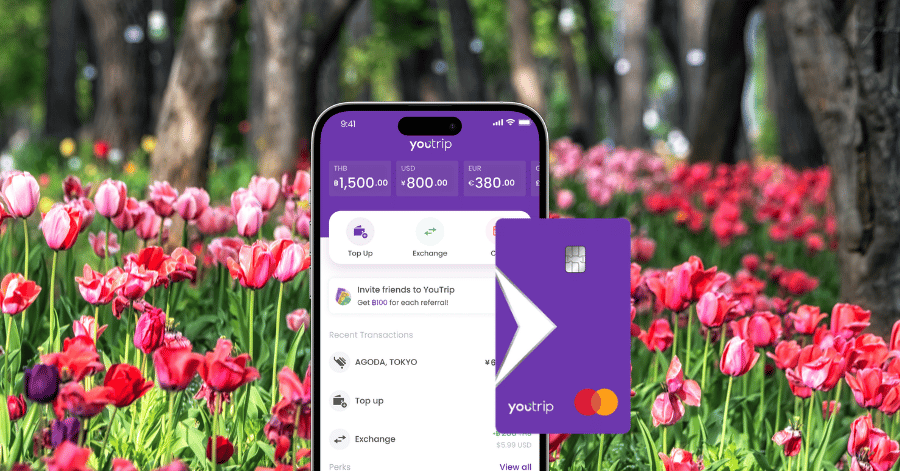
Get that cash from an ATM once you land, not before you fly. Withdraw Korean Won at an ATM in Seoul with your YouTrip card, and your first S$400 of overseas withdrawals each calendar month is free, with a flat 2% after that. Some ATM operators add their own on-screen fee, so read the screen before you confirm.
A money changer looks free because there’s no line-item fee. The markup is just built into the rate you’re quoted instead, usually a few percent, and worse at airport counters.
For everything else, tap the card. YouTrip charges no foreign transaction fee on Korean won spending and bills you at the Mastercard wholesale rate, which is the rate the banks themselves trade at rather than a marked-up tourist one.
So every tap converts your Singapore dollars at that rate, instead of the 3% to 3.5% a typical credit card adds on overseas spend. On a 30,000 KRW lunch that’s small. Across a week of cafes, Olive Young and duty free, it isn’t.
📖 Related Guide: Withdrawing won for the first time? Our South Korea ATM withdrawal guide covers which bank ATMs accept foreign cards and what they charge, and can YouTrip be used in Korea answers the acceptance question directly.
FAQs
Yes. Entry to Seoul Forest is completely free, and so is every garden inside it, including the insect botanical garden and the butterfly garden. The only thing you pay for is parking, at 200 to 400 KRW (~S$0.20 to S$0.35) per five minutes.
The deer corral, mostly. It’s also known for its ginkgo and metasequoia avenues in autumn and the mirror lake reflection shot. The other draw is the 750-metre elevated walkway that connects the park to the Han River. Seoul Forest is the green anchor of Seongsu, Seoul’s most talked-about neighbourhood.
Yes. The main park is open 24 hours and the paths are lit. The deer corral closes at 9:30 PM and the indoor gardens shut in the late afternoon. That makes an evening visit about walking, the skyline from the Windy Hill, and the river.
There is, and it’s free. The outdoor netted garden holds around 1,500 butterflies across five species and runs May to October only. In the colder months it moves indoors to the second floor of the insect botanical garden, which is closed on Mondays.
About 15 to 25 minutes by subway from most central districts. Seoul Forest Station is on the Suin-Bundang Line, and Ttukseom Station on Line 2 is a short walk away. It sits in Seongdong-gu, east of the centre and right on the Han River.
It’s in Seongsu. The park sits at the western edge of the neighbourhood, and Seongsu Cafe Street is a five to ten-minute walk from the park gates. Treat them as one outing rather than two.
For an actual forest rather than a city park, Hwadam Forest in Gwangju, Gyeonggi-do is the one people travel for, especially in autumn. It’s about 90 minutes from Seoul and runs a 1.2 km monorail loop through the valley, with fares from 5,000 KRW (~S$4.50) a section. Entry is reservation-only and slots sell out fast in peak foliage weeks, so book before you plan the day.
Two hours covers the park properly, including the deer, the mirror lake and the insect garden. Three if you walk the observatory bridge to the river. Half a day if you’re adding Seongsu cafes and shopping, which is what most visitors end up doing.
📖 Related Guide: Adding a second city to the trip? Our best things to do in Busan guide covers the beaches, markets and temples worth the train ride.
A park that’s better for the neighbourhood around it
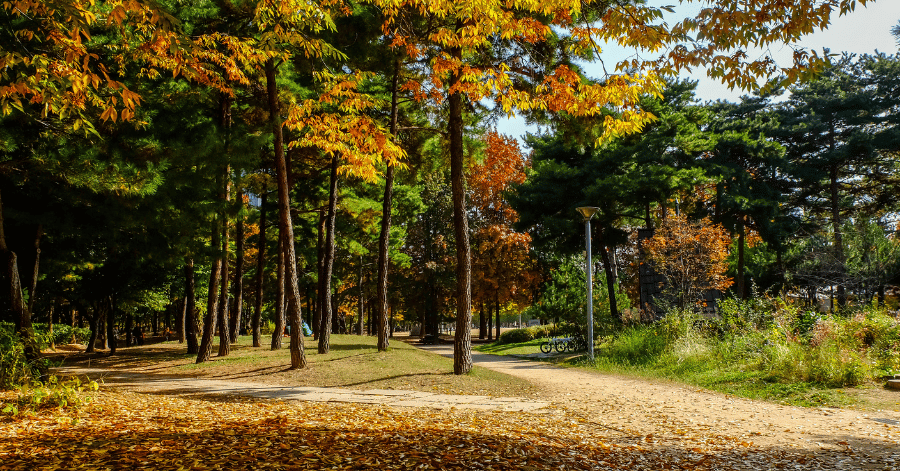
Seoul Forest isn’t the biggest or the wildest park you’ll see, and it doesn’t need to be. It gives you deer, a very good autumn, a sky bridge to the river, and then hands you over to the best cafe street in Seoul. Give it a morning, keep the afternoon for Seongsu, and you’ve got one of the easiest good days in the city.
Not a YouTrooper yet? Singapore’s go-to multi-currency wallet helps you save with great FX rates and zero fees. Skip the money changer and get a free YouTrip card + S$5 YouTrip credits with code YTBLOG5.
Then, head over to our YouTrip Perks page for exclusive offers and promotions — we promise you won’t regret it. Join our Telegram (@YouTripSG) and Community Group (@YouTripSquad) for travel tips, event invites, and more!
Happy travels!
Related Articles:
Seoul to Busan: Every Way to Make the Trip
Seoul to Jeju: Flights, Ferries and What to Know
Best Multi-Currency Cards in Singapore