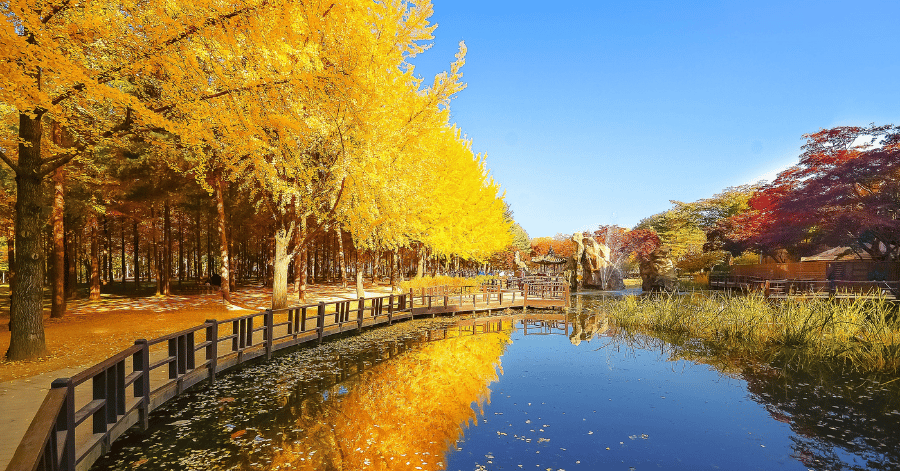



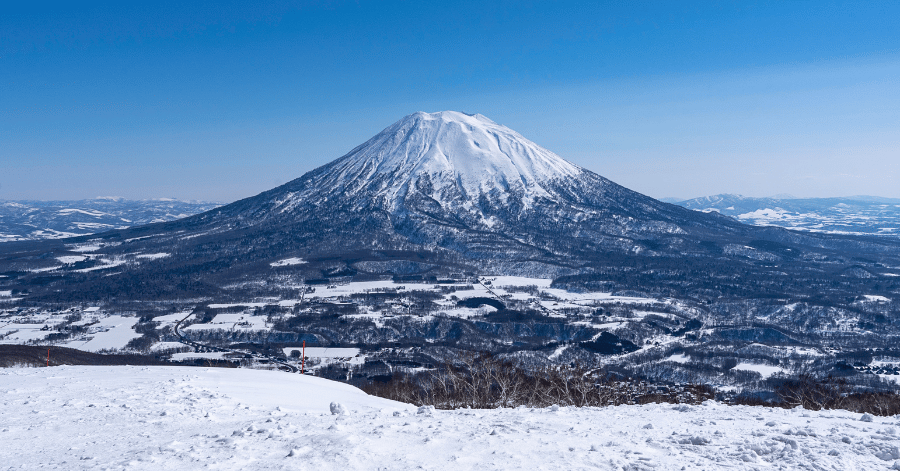

The powder might be the thing that gets you here, but the onsen and food trucks keep you coming back
Niseko is a cluster of four linked ski areas in southwest Hokkaido, built around some of the lightest, driest powder on earth. You come for the slopes, but a backcountry gate, an onsen with Mt. Yotei on the horizon, and a food truck scene that rivals the skiing fill out the rest. This guide covers winter, the quieter months, and how to get there without losing money on the yen.
| Quick Planner | Niseko at a glance |
|---|---|
| ⏱️ Time needed | 2 to 3 days minimum; a week if you’re serious about skiing |
| 📍 Where | Southwest Hokkaido, about 3 hours from New Chitose Airport |
| 🚉 Getting there | Fly Changi to New Chitose (via Tokyo or Osaka), then bus, train or transfer |
| 🎟️ Day lift ticket | Roughly 5,900 to 13,500 JPY (~S$48 to 110), date-dependent |
| 📅 Best time | Late December to February for snow; late September to early October for foliage |
| 💰 Rough cost | A mid-range night plus a lift pass runs S$280 to S$550 a day in peak season |
| 💳 Pay with | Tap your YouTrip card (0% FX); pull yen from an ATM for the cash-only food trucks |
Here’s the shortlist before the full rundown:
| Spot | Area | Cost (~S$) | Best for |
|---|---|---|---|
| Niseko United day pass | Any resort | ~S$72–110 | First-timers who just want to ski |
| Single-seat chairlift | Grand Hirafu | Included in pass | A no-safety-bar novelty ride |
| Backcountry Gate 5 | Hanazono | Included in pass | Beginners trying off-piste |
| Owakudani-style gondola to Mt. Yotei views | Grand Hirafu | ~S$8–12 | Non-skiers wanting the view |
| Onsen soak | MUWA Niseko or similar | ~S$15–25 | Aching legs after a ski day |
| Hirafu Intersection Food Truck Hub | Grand Hirafu | ~S$8–15 a dish | Cheap, photogenic dinners |
| Bar Gyu+ (the Fridge Door Bar) | Grand Hirafu | ~S$15–25 a cocktail | A proper cocktail after dark |
| Mt. Annupuri autumn hike | Annupuri | Free | Foliage season, non-ski months |
| Ume Lounge | Niseko Village | ~S$15–25 a cocktail | A quiet, dressed-up night out |
Table of Contents
- Is Niseko Worth a First Trip From Singapore?
- Which Niseko Area Should You Stay In?
- Things to Do in Niseko in Winter
- Is Niseko Good for Beginners?
- Things to Do in Niseko if You Don’t Ski
- Where to Eat in Niseko
- Things to Do in Niseko at Night
- Things to Do in Niseko in Summer
- Things to Do in Niseko in Autumn
- How to Get to Niseko From Singapore
- How Much Does a Niseko Trip Cost, and How Do You Pay?
- FAQs
- Niseko Earns Its Reputation, Snow or Not
Is Niseko Worth a First Trip From Singapore?
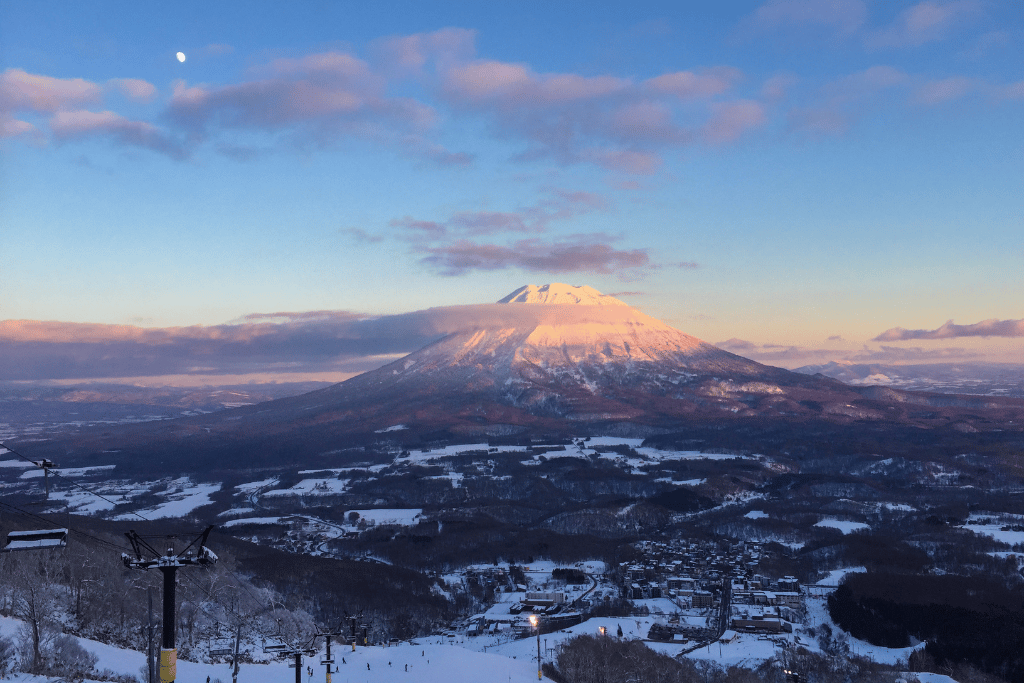
Yes, if light, dry powder and a proper onsen soak are near the top of your travel list. Niseko sits in southwest Hokkaido, about three hours by bus or train from New Chitose Airport, and it’s really four linked ski areas (Grand Hirafu, Hanazono, Niseko Village and Annupuri, plus the smaller Moiwa next door) connected by shuttle buses and shared lift terrain.
What sets it apart from other Japan ski trips is the snowfall itself. Cold, dry Siberian winds cross the Sea of Japan and dump an official multi-year average of 13.7 metres (around 540 inches) of snow a season, far more than most resorts in North America or the Alps, in snow so light it barely packs into a snowball.
Pack accordingly: average temperatures run around -6°C in January, the coldest month, and climb to roughly 20°C in August, the warmest.
It’s also not a one-season town. Hirafu gets busy and expensive from late December through February, and that’s the real peak experience. The shoulder months thin the crowds and drop the prices instead. There’s enough beyond the lifts too (onsen, hiking, food trucks, a gondola with Mt. Yotei views) that a non-skier in your group won’t be stuck in the hotel.
📖 Related Guide: Planning the wider Hokkaido leg of the trip? Our Sapporo, Hokkaido guide covers the Snow Festival, seafood and the city most Niseko trips fly through.
Which Niseko Area Should You Stay In?
Hirafu, if you want a town centre and nightlife. Each of the four areas has its own character, so where you stay decides what’s walkable, even though the lifts connect them all.
Grand Hirafu
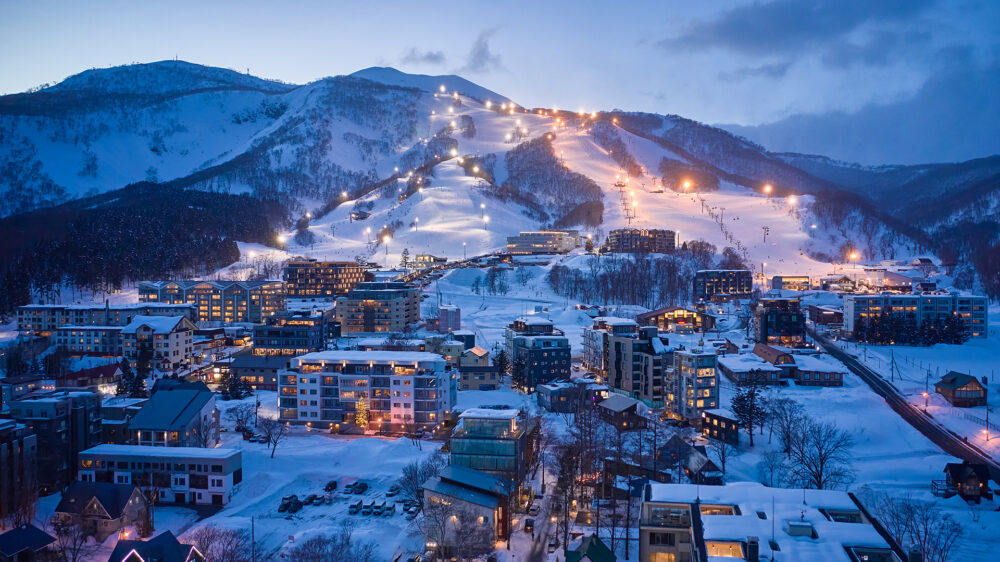
Image Credits: Ki Niseko
Hirafu is the largest of the four and the only one with a proper town centre, so it’s the easy pick for first-timers. It has the most hotels, restaurants, bars and food trucks, and night skiing runs on its lower slopes through the season. If you want nightlife and options after dark, base here.
Niseko Village
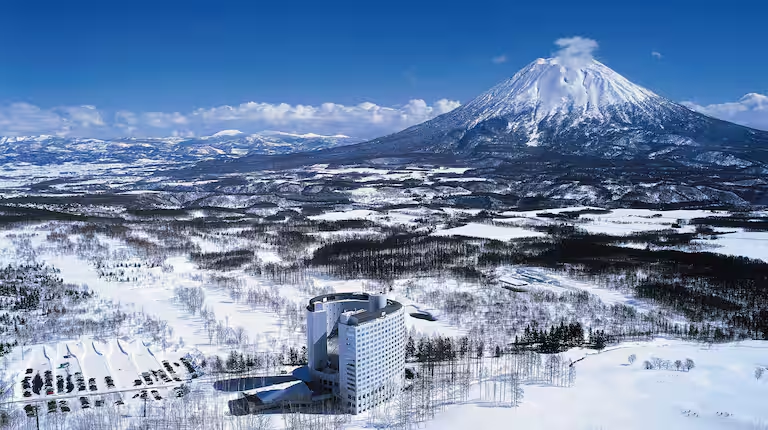
Image Credits: Hilton
The second-largest area, with higher-end hotels (the Hilton and the Ritz-Carlton Reserve among them), fewer restaurants, and activities built for non-skiers like snowmobiling and snowshoeing. It’s quieter than Hirafu but still has its own dining hub, Niseko Yo. Good for families who’d rather stay in a quiet resort than in Hirafu’s busier town centre.
Hanazono
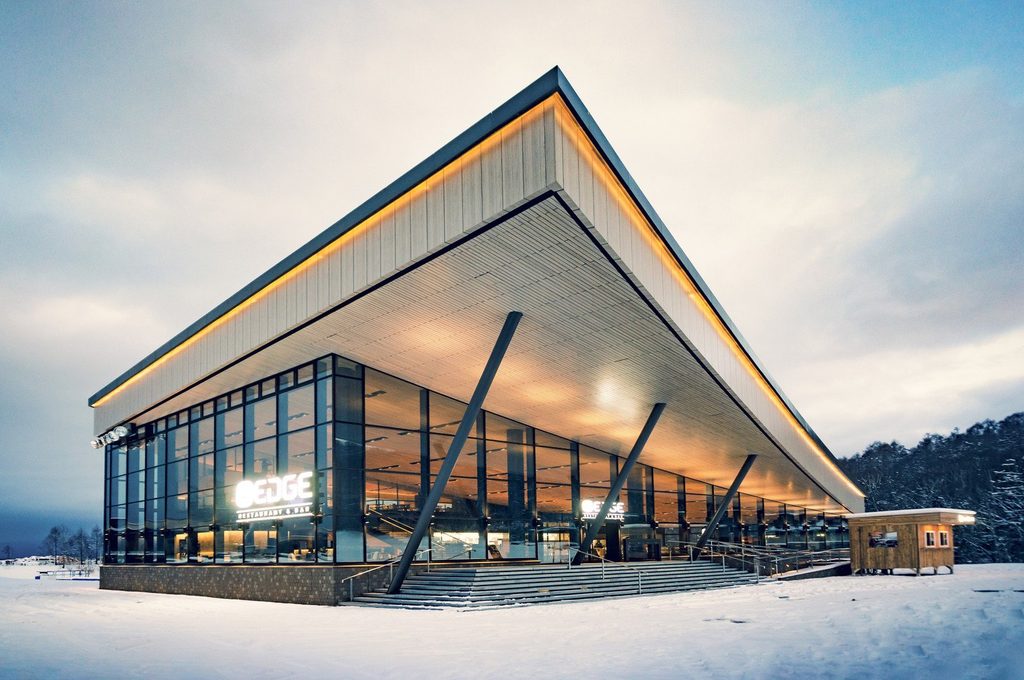
Image Credits: Niseko Hanazono Resort
The newest and most upscale of the four, anchored by the Park Hyatt Niseko Hanazono. Dining is mostly inside the hotel, and the terrain leans toward families and adventure-park-style backcountry access rather than nightlife. Best for a quieter, higher-end stay with the Edge Cafeteria’s food-hall mix as the fallback for meals.
Annupuri and Moiwa
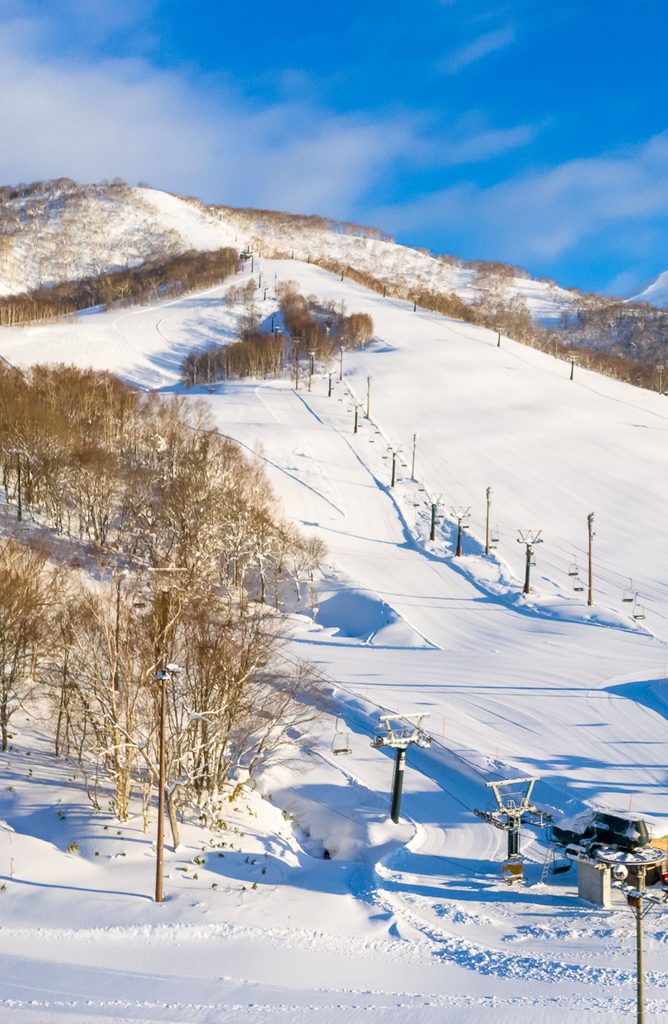
Image Credits: Niseko Moiwa Ski Resort
The quietest two. Annupuri has gentler slopes and noticeably fewer crowds than Hirafu, making it a solid pick for nervous beginners or anyone who’d rather queue less than party more. Moiwa, just west of the other three, is smaller again and mostly for skiers who want untouched snow over amenities. All four areas (plus Moiwa) are interconnected on skis and linked by shuttle buses at the base.
📖 Related Guide: Comparing Niseko against Hokkaido’s other mountains before you commit? Our Hokkaido ski resorts guide ranks ten resorts by level and cost.
Things to Do in Niseko in Winter
Winter, roughly late November through March, is Niseko at its best-known. This is what actually fills the days once you’ve got your lift pass sorted.
Ski or Board Across Niseko United
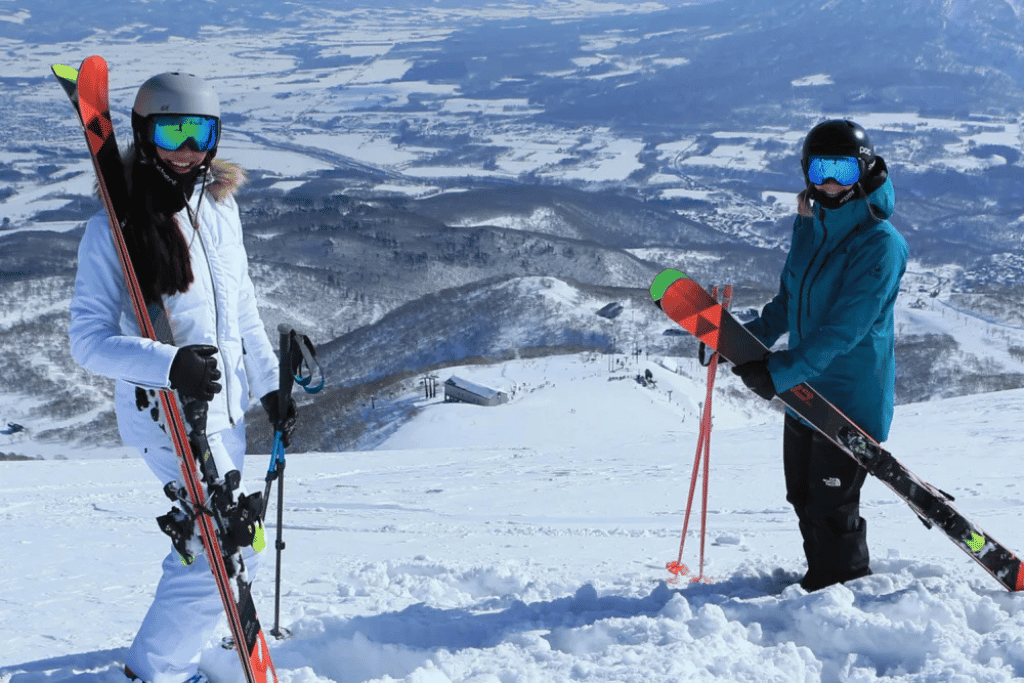
Image Credits: JNTO
The core reason anyone comes. Niseko United links Grand Hirafu, Hanazono, Niseko Village and Annupuri on one lift system, and day tickets for 2026/27 run from about 8,800 JPY (~S$72) in the Nov 28–Dec 11 early season up to 13,500 JPY (~S$110) at the Dec 24–Feb 28 peak.
Prices drop again to around 5,900 JPY (~S$48) once the season tails off in April. ⚠️ Confirm the day you’re travelling against the official price calendar, since it moves through the season.
Beginners who’ll mostly stick to one mountain can save by buying a single-resort pass instead of the all-mountain version.
Ride the Single-Seat Chairlift
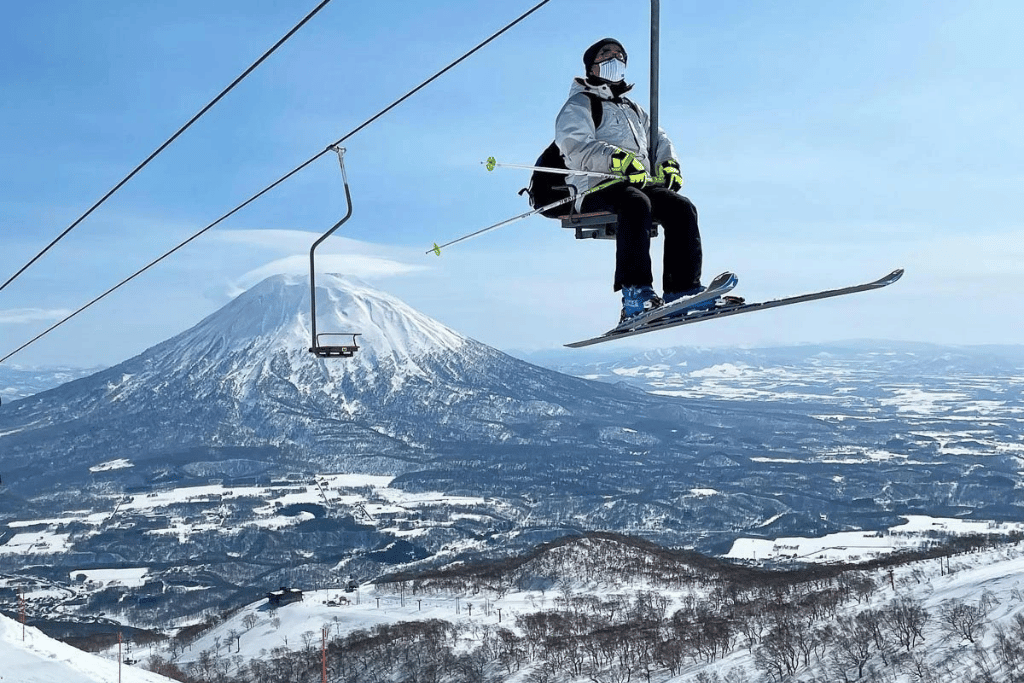
Image Credits: Fall Line Skiing
Niseko’s most talked-about lift, and it earns the reputation. It’s an old-school single chairlift with no safety bar, no backrest and no footrest, just a pole to hold onto and about 400 square inches of seat underneath you.
It sounds hairier than it is. You slide on, grab the pole, and you’re away, and most riders find it surprisingly steady once they’re moving. Best for skiers who want a small thrill between runs, not a comfortable breather.
Go Night Skiing at Grand Hirafu
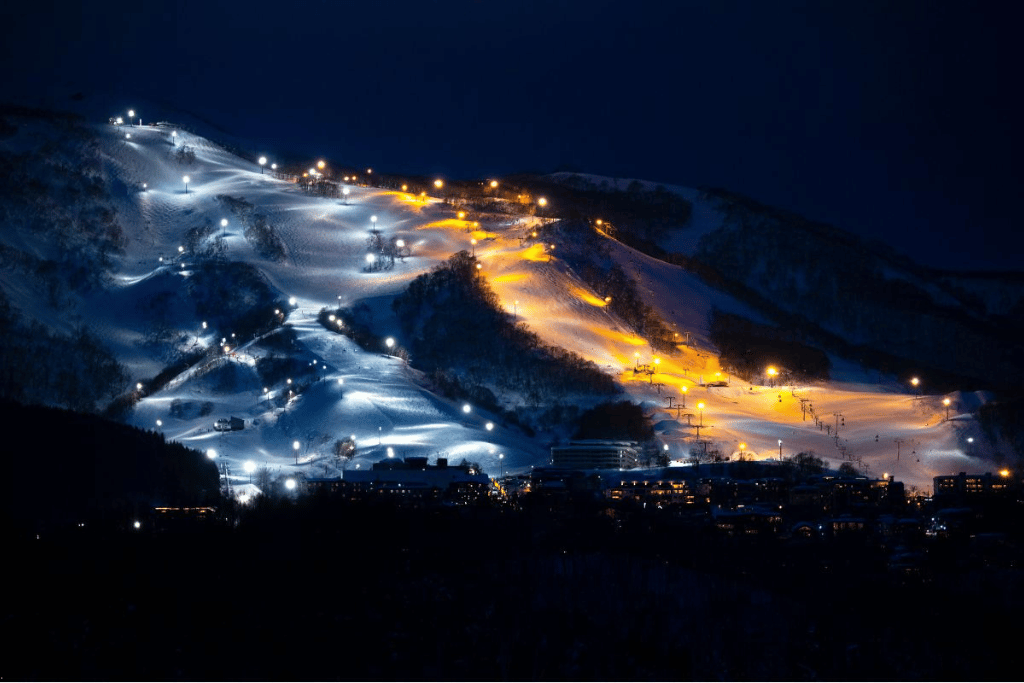
Image Credits: Niseko United
Hirafu runs lit night sessions through the season, and Niseko’s relentless snowfall makes it feel less like a lit car park and more like skiing through a snow globe. Crowds thin right out once the day-trippers head for dinner, so it’s often the quietest skiing of the day. A good pick after an afternoon off, not instead of a full day on the mountain.
Try a Backcountry Gate
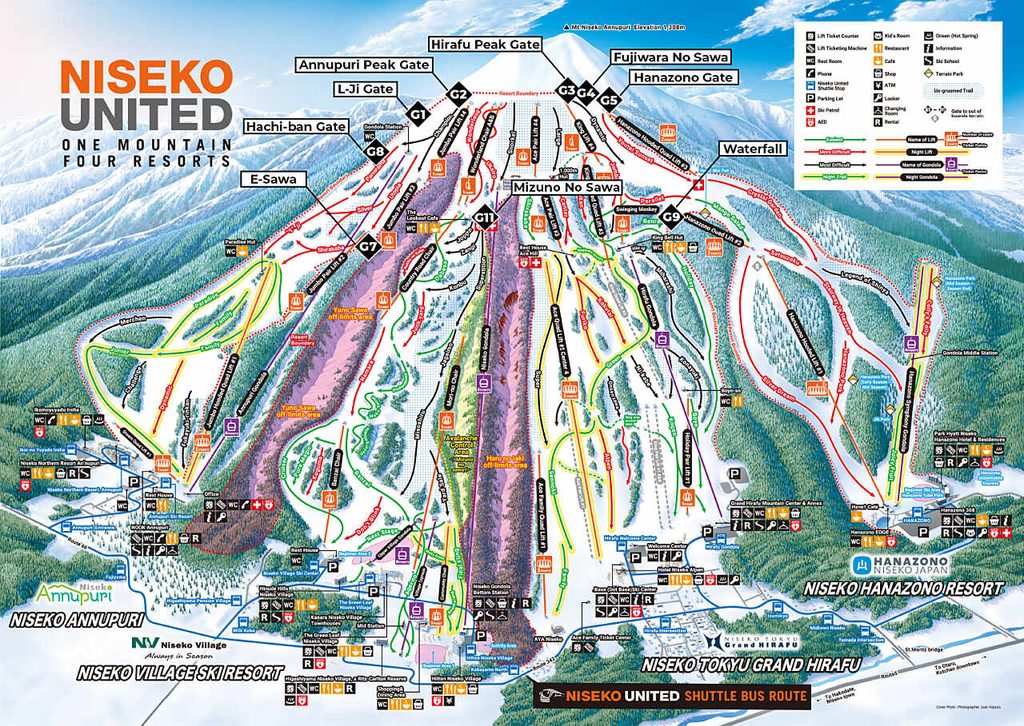
Image Credits: NISADE by Luxe Nomad
Niseko’s backcountry access is unusually accessible for how serious it sounds. Niseko United and Moiwa share 11 marked gates leading off the groomed runs, in place since 1999, and Gate 5 at Hanazono is reckoned a gentler entry point: a reasonable first taste of off-piste snow, though it still has a terrain trap worth knowing about and a hike out that can wear you down.
Gate 7 (E-Sawa), reached from the Hirafu side via the Jumbo lift, is rated intermediate-friendly with open, rolling terrain. Gate 3 at Hirafu Peak needs a hike before the payoff, longer and steeper than Gate 5’s. Gate 11 (Mizuno no Sawa) suits intermediate-to-advanced riders rather than experts only, but carries real wind-loading and cornice risk.
⚠️ Gate-by-gate difficulty isn’t detailed on Niseko United’s own site, so treat these as a rough guide and check conditions (or go with a guide) before relying on them.
None of them has ski patrol or guaranteed rescue, so check the daily Niseko Avalanche Report and never go in without a beacon, probe, shovel and a partner or guide. Best for confident intermediate-plus riders; beginners should hire a guide for a first gate run rather than winging it.
Take the Gondola for Mt. Yotei Views
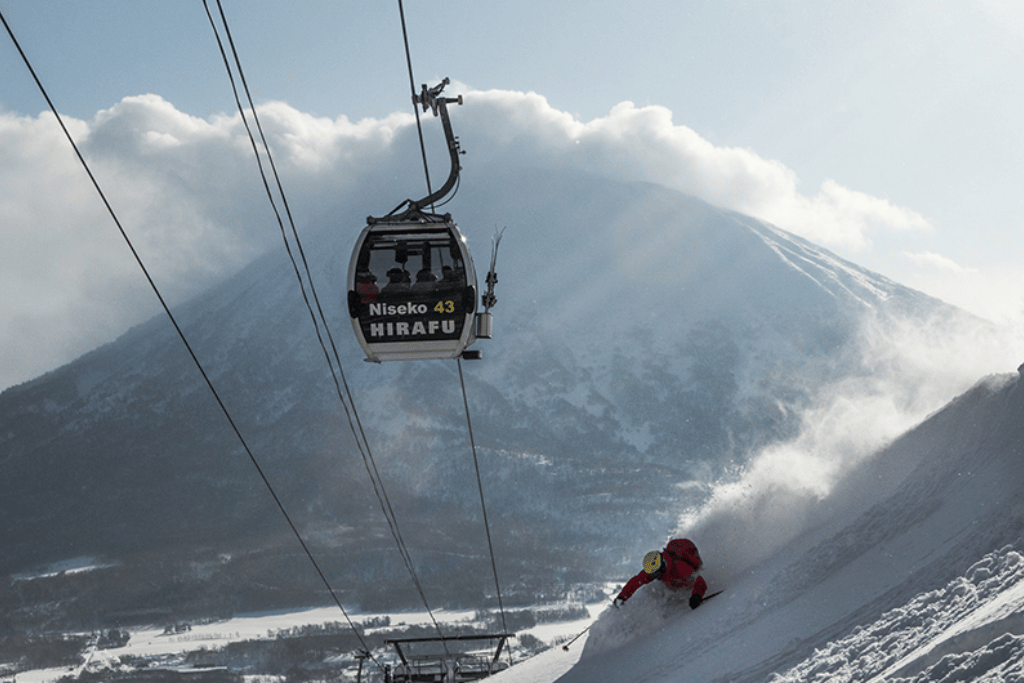
Image Credits: Niseko United
The easiest way to see Niseko’s postcard mountain without skiing a metre. The Niseko Tokyu Grand Hirafu gondola carries skiers and sightseers up the mountain, and on a clear day it frames Mt. Yotei, an almost perfectly symmetrical 1,898-metre stratovolcano nicknamed “Ezo Fuji” for its resemblance to the real thing.
Mt. Yotei and the ski area’s own peak aren’t the same mountain: Mt. Annupuri, the skiable summit inside the resort, tops out at a far more modest 1,308 metres. Best for non-skiers and anyone who wants the view without the gear.
Go Snowmobiling or Snowshoeing at Niseko Village
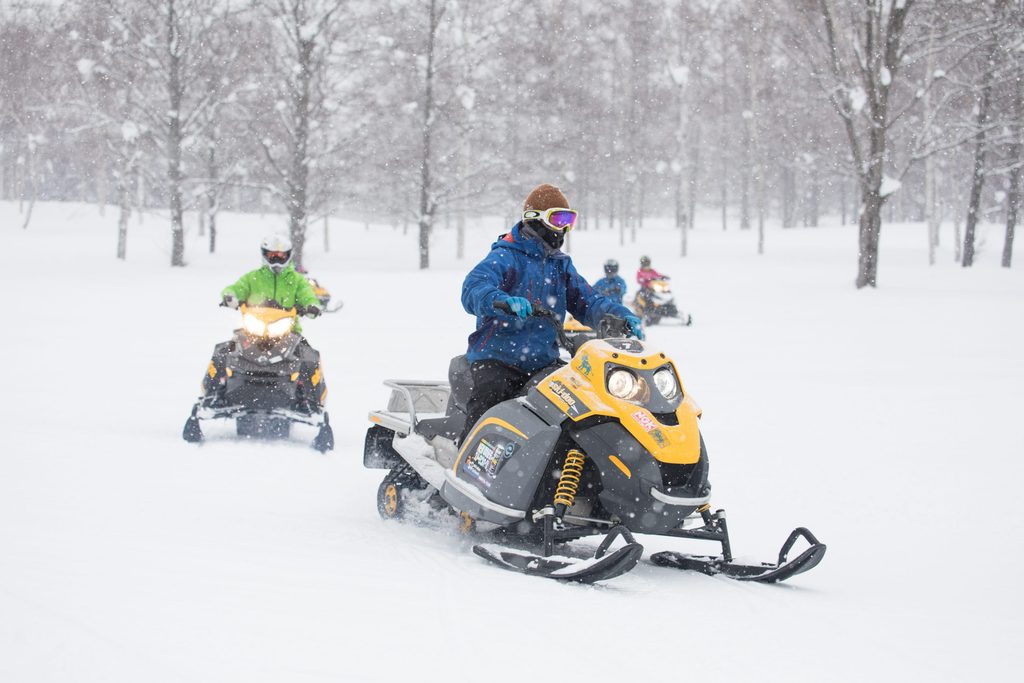
Image Credits: Niseko Village
Niseko Village’s non-ski activity roster is deeper than the other three areas’, built for groups where not everyone skis. Guided snowmobile tours run through the backcountry forest, and snowshoeing trips cover the same ground at a walking pace for anyone who’d rather look at the trees than roar past them.
Both book through the village’s activity desk and run rain or snow. A genuine alternative for the day someone in your group needs off the slopes.
See the Niseko Winter Illuminations
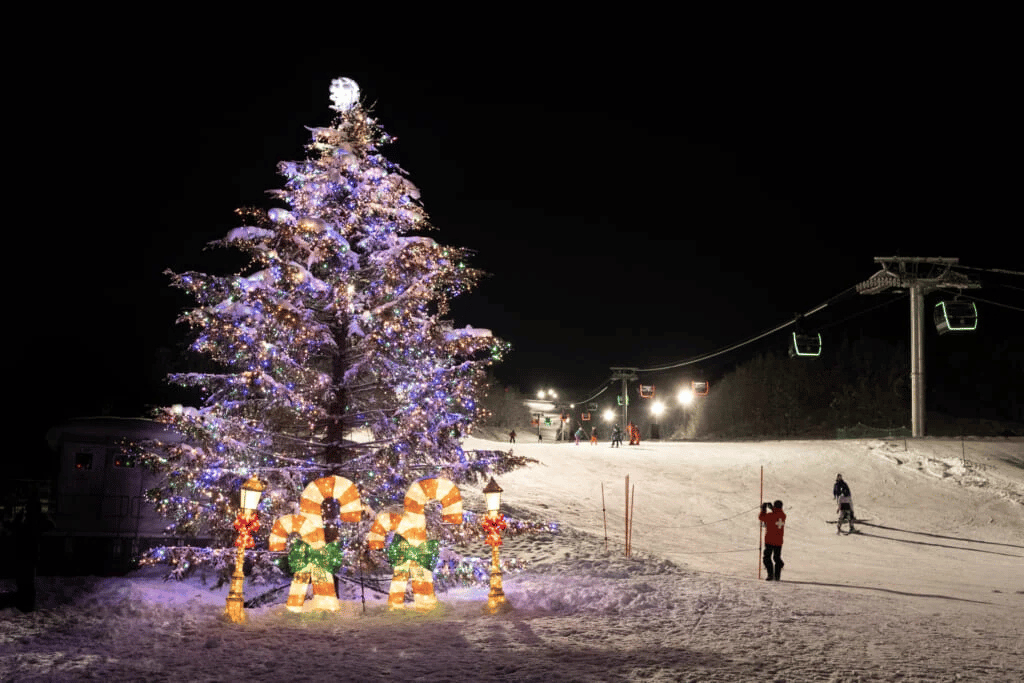
Image Credits: Niseko United
Grand Hirafu’s winter light displays turn the base village into a glowing, snow-muffled scene after dark, strung through the trees and along the main strip. It’s a short, free wander rather than a ticketed attraction, best slotted in on your way to dinner. Best for a low-effort evening activity on a night you’re not up for the bars.
📖 Related Guide: A multi-day ski trip is exactly the kind of thing worth insuring before you fly. Our best travel insurance Singapore guide compares 8 plans, including ones that cover ski gear and piste closures.
Is Niseko Good for Beginners?
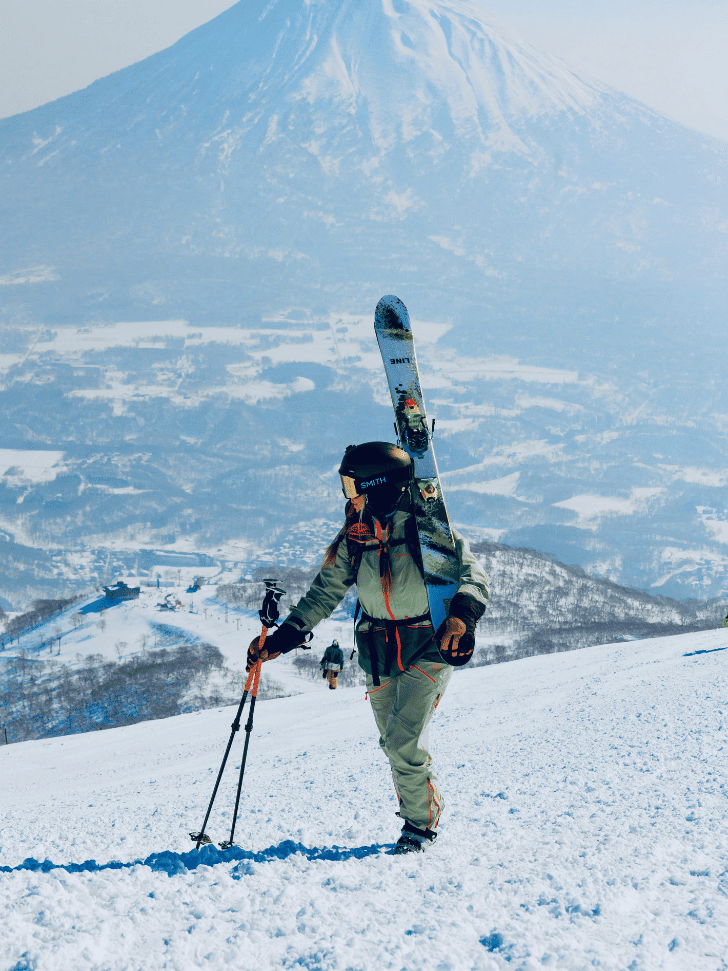
Yes, more than its reputation as an expert powder destination suggests. Annupuri’s gentler slopes are purpose-built for first-timers, and the resort’s lesson infrastructure is some of the best organised in Japan.
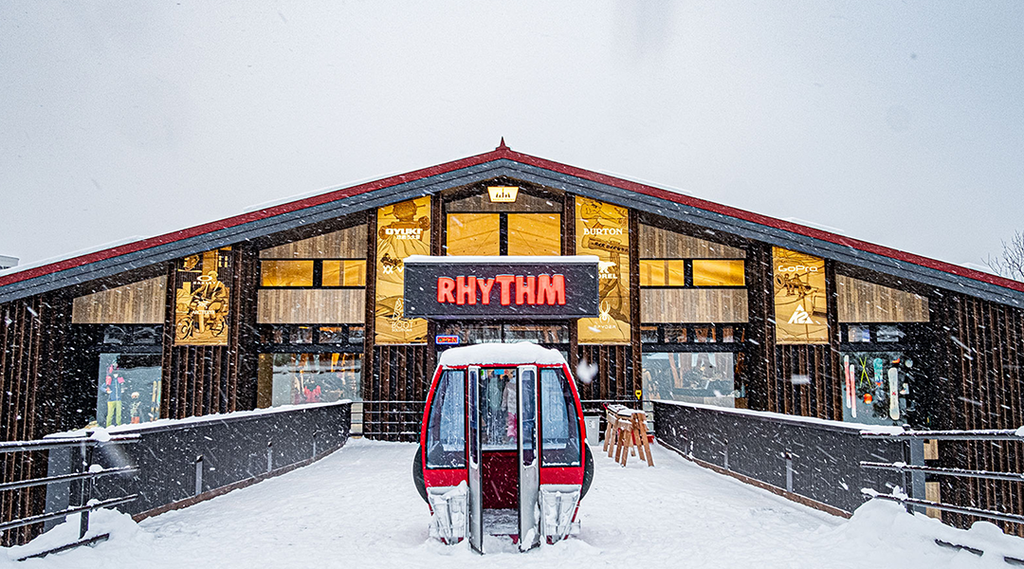
Two ski and snowboard schools cover most of the lesson bookings: Rhythm Japan, one of Niseko’s largest schools with its own rental fleet, and GoSnow, Grand Hirafu’s official ski school with a base right at the bottom of the main lift. Book lessons for the morning if you can, so the less crowded afternoon slopes are yours to practise on.
On gear, hire rather than buy for a first trip. You can rent skis or a snowboard, poles, a helmet, insulated pants and an insulated jacket, but boots, wool socks, a merino base layer and goggles are worth buying or bringing yourself, since fit and comfort matter more on those. A neck gaiter is a small, cheap addition that makes a real difference on the coldest, snowiest days.
📖 Related Guide: Working out when to book around the crowds and the snow? Our best time to visit Japan guide breaks down every season.
Things to Do in Niseko if You Don’t Ski
Niseko works even if half your group has no interest in strapping on skis, and the non-ski list is deeper than most resort towns manage.
Soak in an Onsen
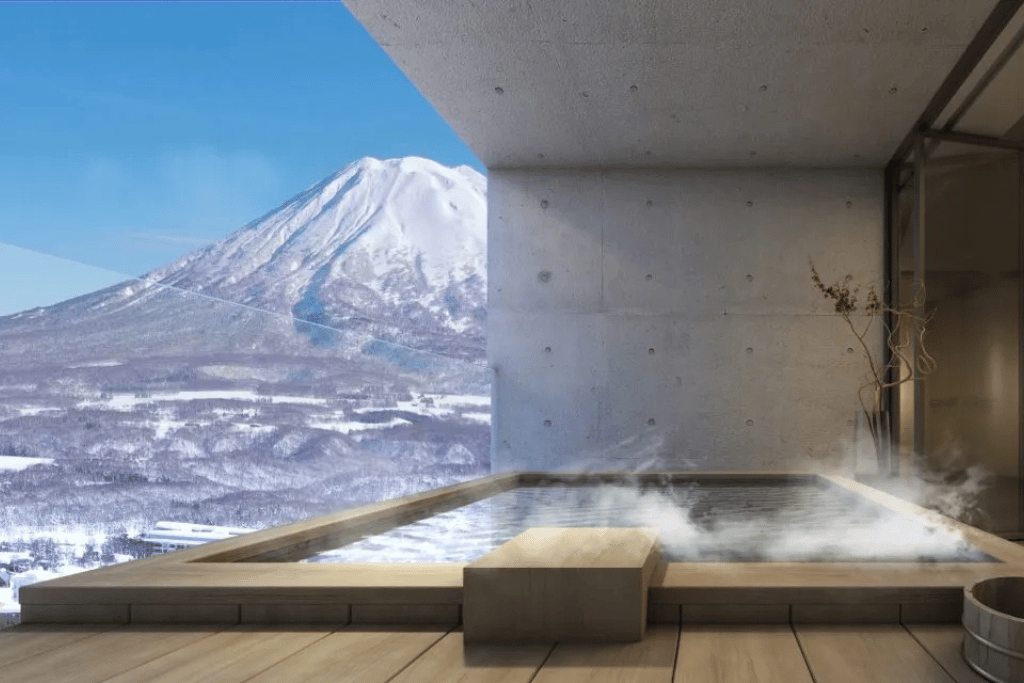
Image Credits: Prestige Online
The single best reason to visit even without skis. MUWA Niseko, a ski-in/ski-out property right by the Hirafu Welcome Centre, has a top-floor infinity onsen with Mt. Yotei views and a separate reservable private bath, both open to day visitors as well as hotel guests, so you can bathe without a crowd if you’d rather.
Not every hotel onsen in Niseko takes outside guests, so check before you turn up; day-use specialists like the ones below are the safer bet if you’re not staying the night.
Traditional onsen etiquette applies at most venues: you wash and bathe nude, though a handful offer modesty coverings for mixed-gender outdoor pools. Most public baths still turn away visible tattoos, so look for a venue offering private “kashikiri” baths if that affects you. Best for anyone whose legs are done for the day, ski or no ski.
Have a Drink at Rhythm Japan’s In-Store Bar

Image Credits: Rhythm Japan
An unusual stop for a ski shop, and worth the detour even if you’re not renting gear. Rhythm Japan’s Hirafu store has a working bar inside it, alongside sleek architecture and local artwork, so you can grab a drink while your boots get tuned rather than standing around waiting. A quirky, low-key hour that doubles as people-watching.
Day Trip to a Mt. Yotei Viewpoint
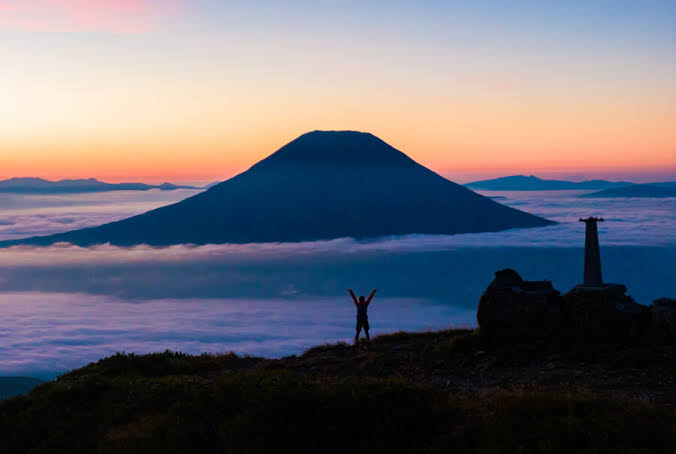
Image Credits: Setsu Niseko
You don’t need to ski to see Niseko’s best view. The gondola at Grand Hirafu (see the winter section above) runs for sightseers as well as skiers, and several roadside pull-offs around the base villages frame Mt. Yotei on a clear day without any ticket at all. Pair it with a slow coffee at one of the base-village cafés and call it a morning.
📖 Related Guide: Planning a Japan trip where half the group doesn’t ski at all? Our Kanazawa things-to-do guide covers a castle-town alternative with zero snow required.
Where to Eat in Niseko
Hirafu carries most of Niseko’s food scene, and the food trucks are as much a reason to visit as the slopes.
Hirafu Intersection Food Truck Hub
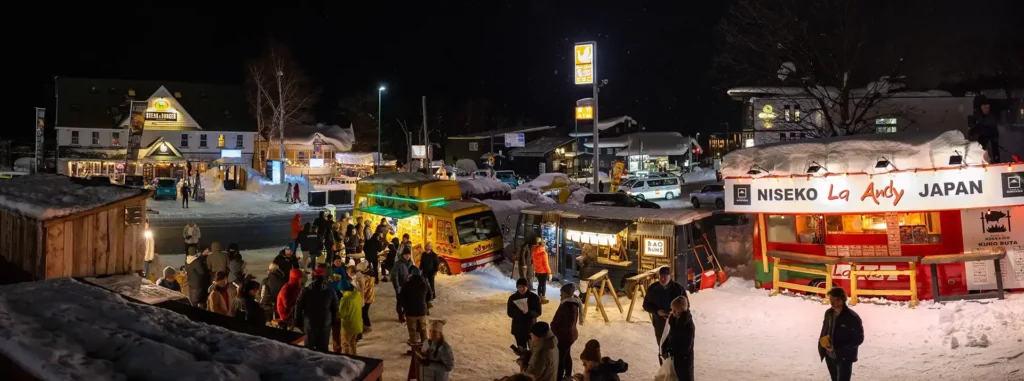
Image Credits: Rhythm Japan
The biggest and busiest of Hirafu’s three food truck clusters, parked right by the intersection bus stop. Upwards of 15 trucks rotate through, spanning Hokkaido seafood to international dishes, and the queue outside the busiest ones tells you where to start.
Prices run a little higher than you’d pay elsewhere in Japan, since the trucks cater squarely to foreign visitors, but the variety makes up for it. Best for a fast, photogenic dinner between skiing and the bars.
Eat Street
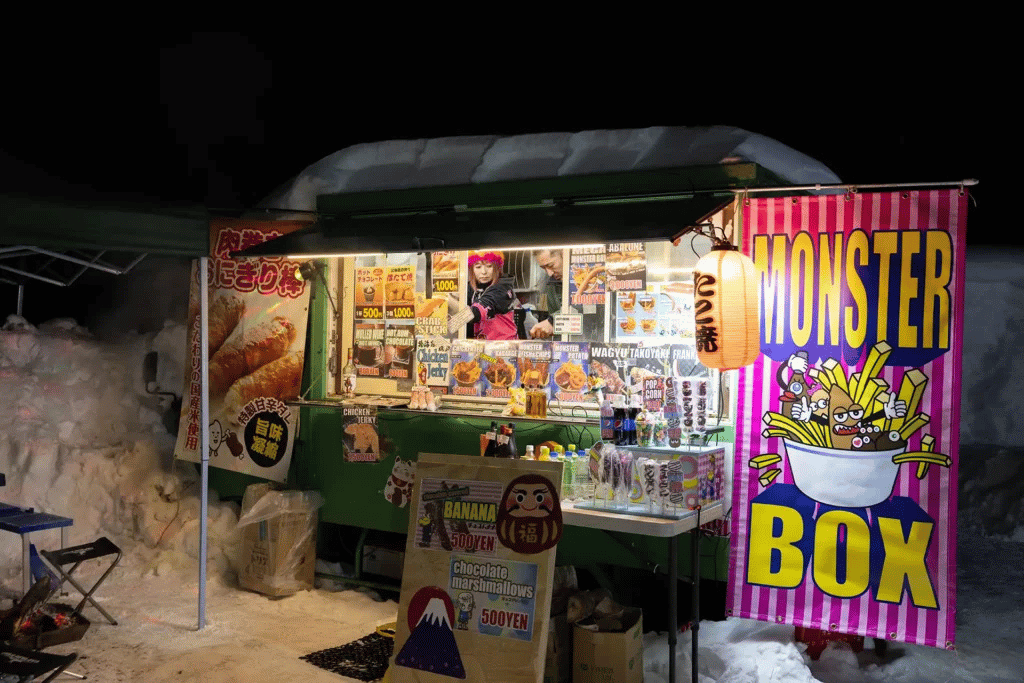
Image Credits: Rhythm Japan
A more sit-down version of the food truck format, with bonfires, ice sculptures and tables scattered between the trucks for a slower meal. It’s the most photogenic of Hirafu’s three food-truck clusters and the easiest to linger at with a drink. Good for groups who want to eat together rather than grab-and-go.
Elvis King of Kebabs, Hirafu Food Market
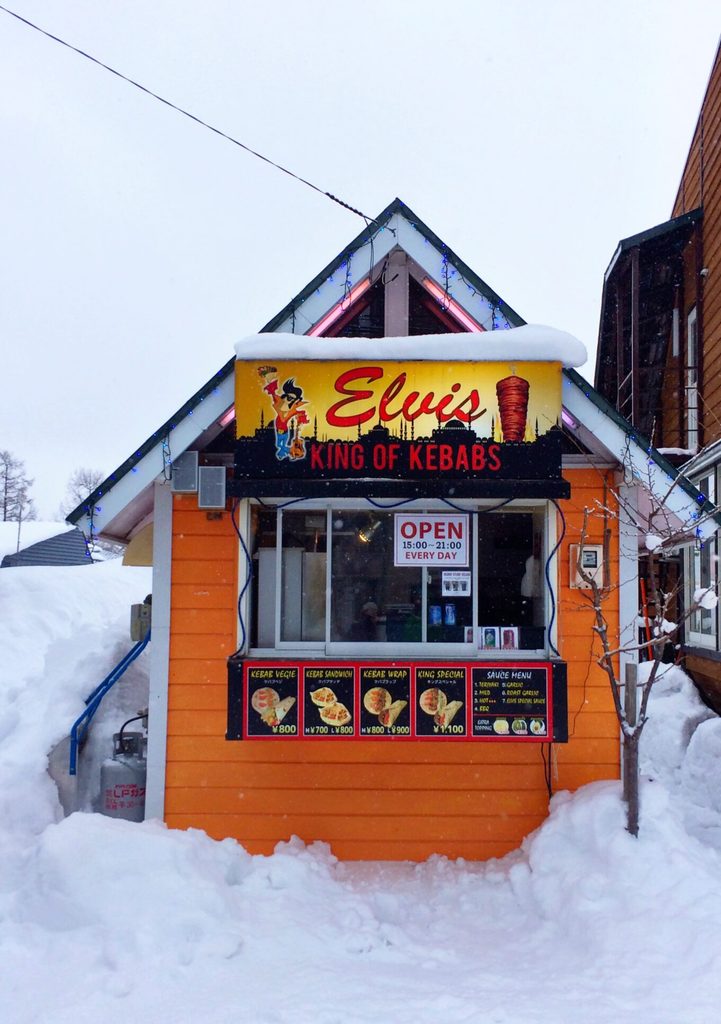
Image Credits: The Curious Plate
The third cluster’s standout, run by a Welsh expat who moved his kebab business to Niseko after years in Tokyo. Expect halal meat, a menu that runs from potato kebabs to curry-and-rice boxes, and a reliably long line, since it’s cash-only and the kind of spot locals working the season vouch for. Pull yen from an ATM before you queue; there’s no card machine here.
Dohyo Donuts and % Arabica
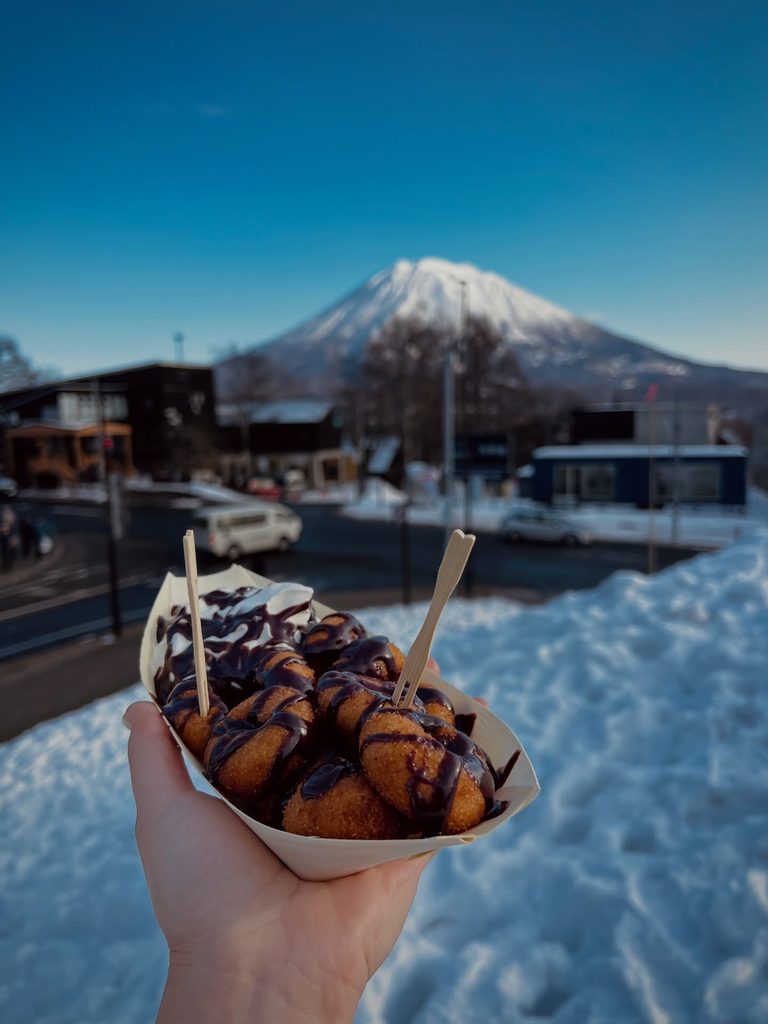
Image Credits: @dohyodonuts on Instagram
A sweet-and-caffeine pairing a few doors apart on the main Hirafu strip. Dohyo Donuts, the winter-only truck parked outside Rhythm’s store (it started life as Rhythm’s own donut cart before a new team took it over and renamed it), sells fresh donuts in packs.
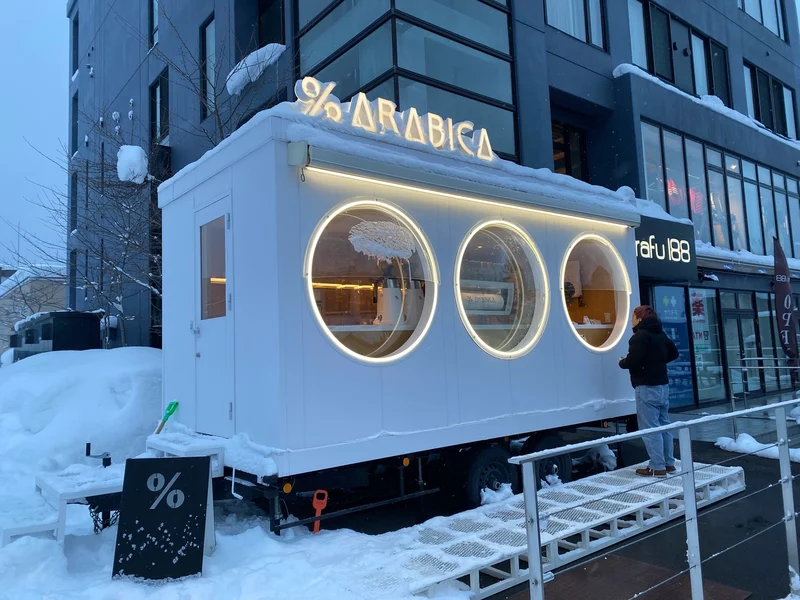
Image Credits: AutoReserve
% Arabica, the Kyoto-born coffee chain with branches worldwide, does a matcha latte worth detouring for on a cold day. Grab both and keep walking; neither is a sit-down stop.
Niseko Yo, Niseko Village

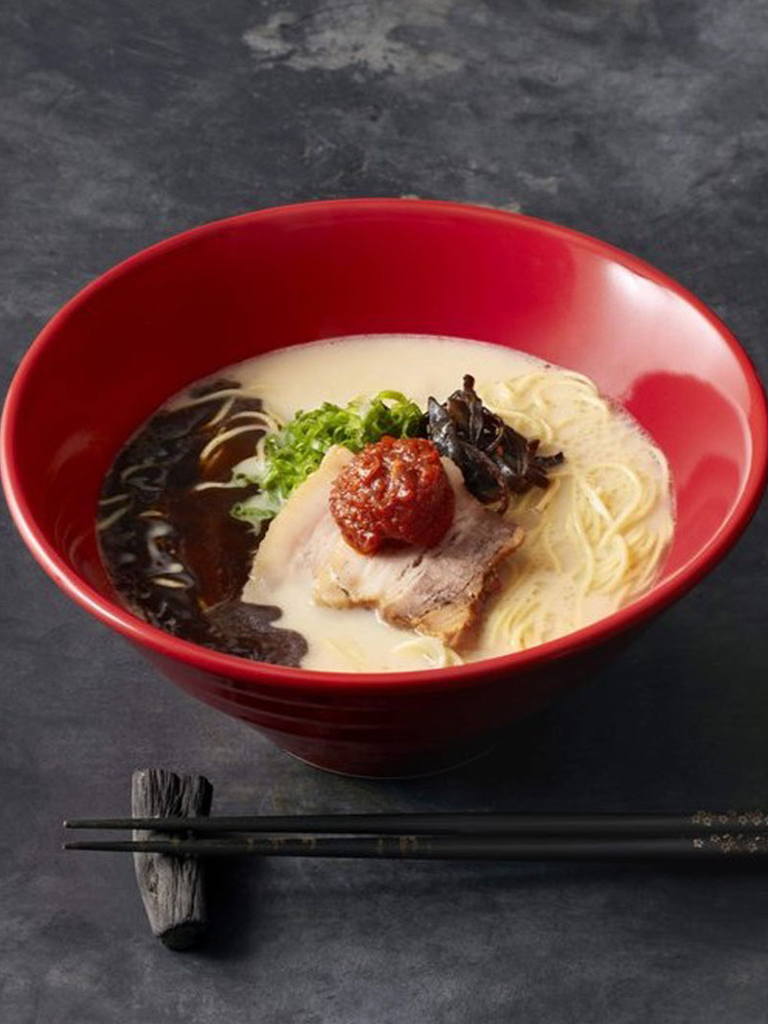
Image Credits: Niseko Village
The dining hub for anyone based in Niseko Village rather than Hirafu. It’s smaller than Hirafu’s food-truck scene but covers the gap for travellers staying at the Hilton or nearby, with a rotating mix that leans toward ramen and casual Japanese food. Convenient rather than a destination in its own right.
Park Hyatt Niseko Hanazono’s Restaurants
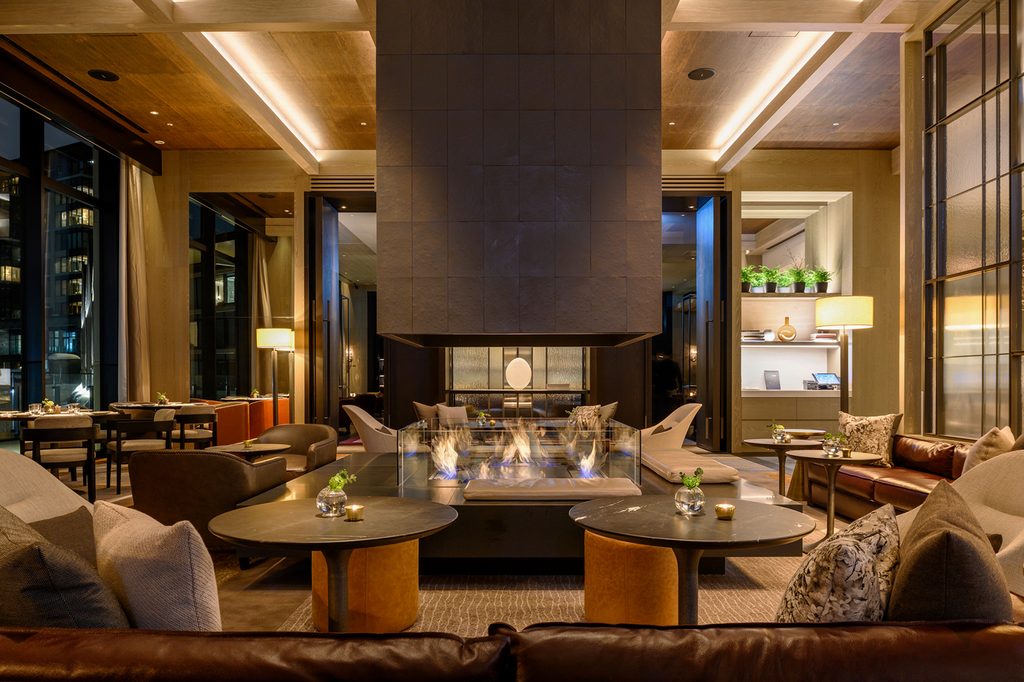
Image Credits: Niseko Hanazono Resort
If you’re staying in Hanazono, the hotel’s own restaurants, China Kitchen, Olivio and Robata, cover more ground than their location suggests and are reasonably priced for the quality. Non-guests can book too, so it’s worth the detour from Hirafu by shuttle if you want a change from food-truck grazing.
Book ahead: restaurant tables fill up weeks ahead in peak season, and several of Hirafu’s better sit-down spots turn away walk-ins most nights of the week. Book dinners as soon as you lock your dates, not after you land.
📖 Related Guide: Stocking up on snacks and souvenirs before you fly home? Our what to buy in Japan guide covers the tax-free rules too.
Things to Do in Niseko at Night
Hirafu’s nightlife punches above its size for a town this remote, and it’s worth planning your evenings around it rather than treating it as an afterthought.
Bar Gyu+ (the Fridge Door Bar)
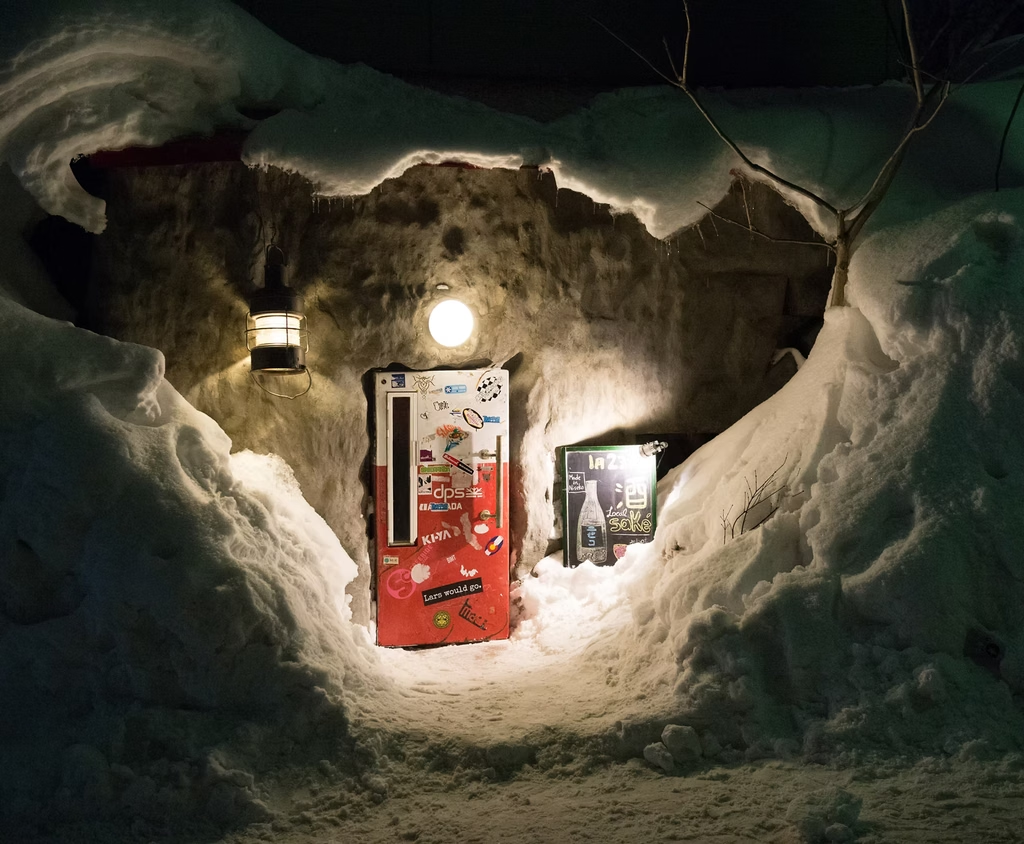
Image Credits: Bar Gyu
Hokkaido’s oldest cocktail bar, and the kind of place worth timing your dinner around. You find it through a repurposed red Coca-Cola vending machine door, which is where its nickname comes from. Inside, it’s all wood tones, dim lighting and a serious cocktail and Japanese whisky list.
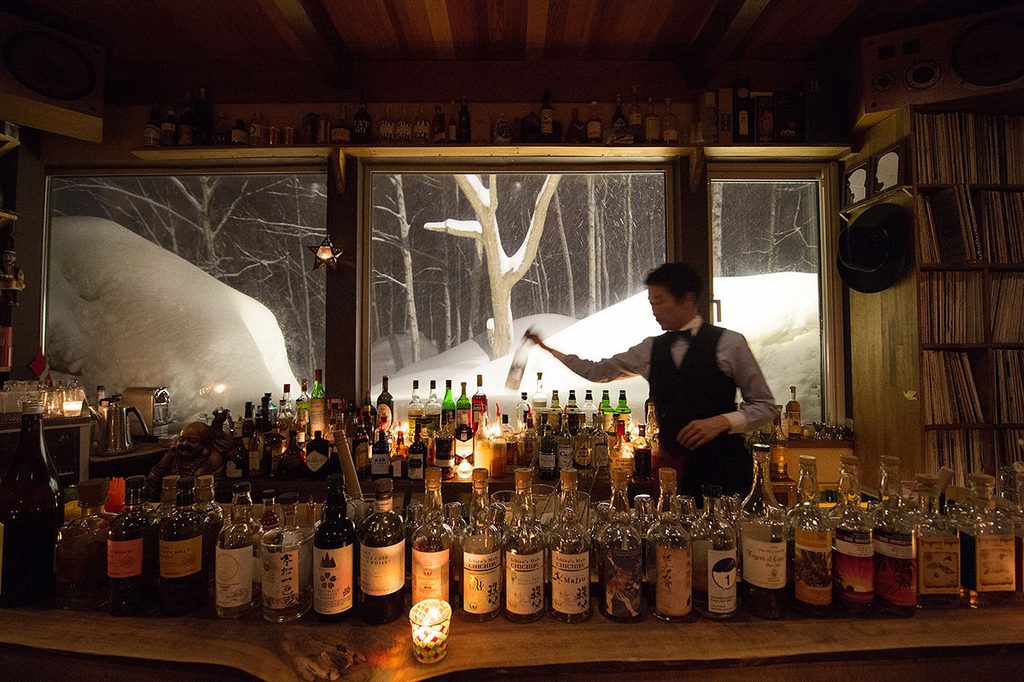
Image Credits: Bar Gyu
It’s been running for close to two decades, and the queue outside builds fast after dinner, so arrive early or go for a late one. Best for travellers who want a proper bar, not just an après-ski pint.
Ume Lounge, Ritz-Carlton Reserve
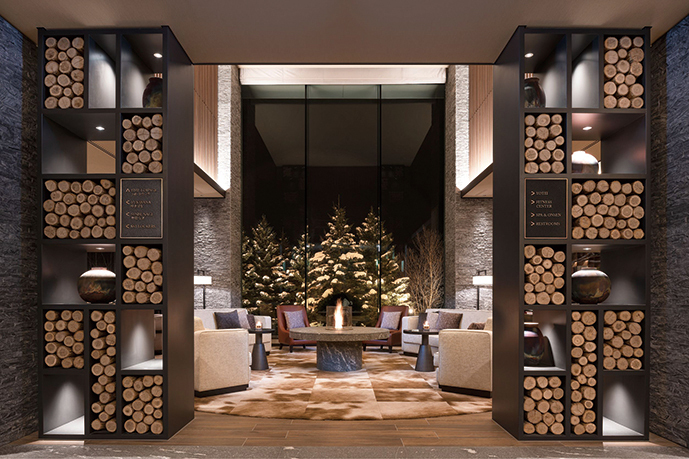
Image Credits: Wine and Dine Niseko
Niseko Village’s answer to a proper night out, and open to non-guests. Ume Lounge runs daily from 11:30 AM to 10 PM with a cosy fireplace, an alpine mixologist’s cocktail list and a strong Japanese whisky selection, a calmer alternative to Hirafu’s bar crawl.
The Hilton’s own lounge, The Flame, is the other in-house option if you’re staying there instead. Best for a quiet, dressed-up drink rather than a loud night out; Hirafu is the move if you want more choice.
Note: taxis get genuinely hard to find around the dinner rush (roughly 5 to 8 PM), and buses run far less often once the evening sets in than they do during the day. Stay within walking distance of Hirafu’s main strip if a late night out matters to you, and don’t count on hailing a cab on the spot.
📖 Related Guide: Sorting your connectivity so you can book a table or call a cab on the night? Our best travel eSIMs guide has the cheapest Japan-ready options.
Things to Do in Niseko in Summer
Niseko doesn’t close when the snow melts. Resort prices across the board drop once the lifts stop spinning for skiing, and the crowds that pack Hirafu’s streets in February simply aren’t there: summer here is cheaper and quieter, worth it if snow isn’t the specific reason you’re travelling.
Mountain Biking on Mt. Annupuri
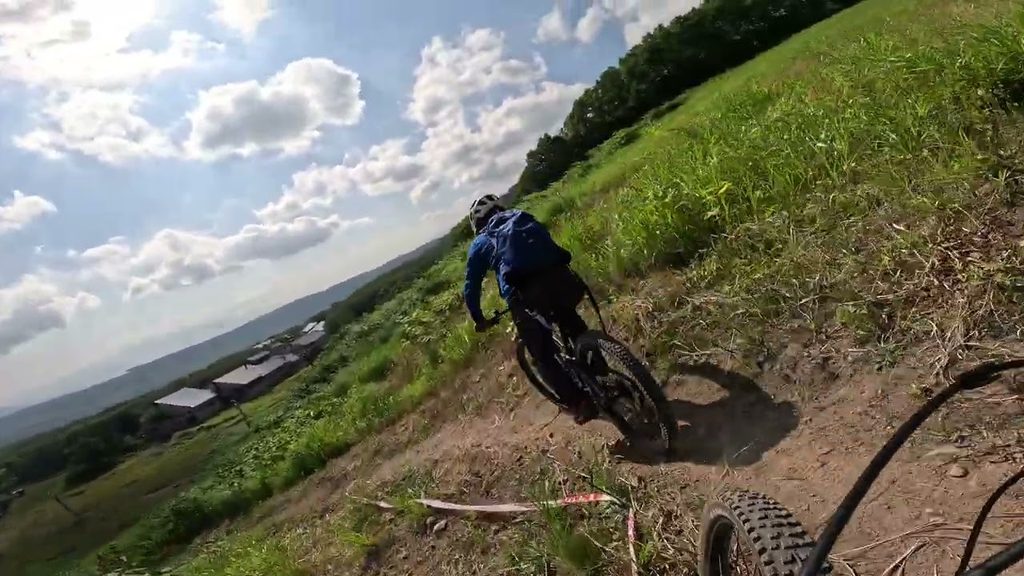
Image Credits: annupuri.info
The ski slopes become a lift-accessed bike park through summer, with trails that range from gentle forest paths to proper downhill runs. Bike and gear hire is available at the base, so you don’t need to bring anything of your own. Best for anyone who rode Niseko’s lifts in winter and wants to see what the mountain looks like without the snow.
Golf With Mt. Yotei Views
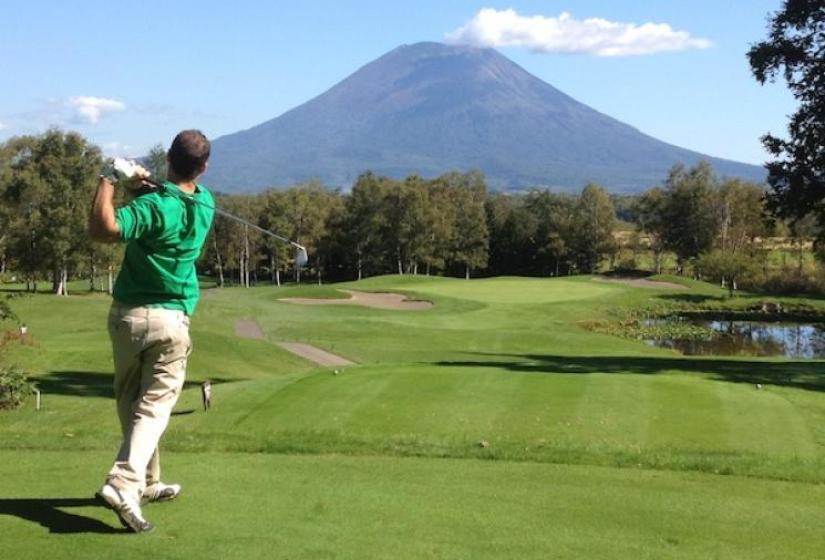
Image Credits: Holiday Niseko
Hanazono Golf, an 18-hole, par-72 course in the Hanazono resort area, is the one to pick if the view matters: every hole frames Mt. Yotei, and there’s an onsen bathhouse on site to soak in afterwards. Niseko Village’s Prince course and the Arnold Palmer-designed Niseko Golf Course are the other two worth knowing, both with the same mountain on the horizon.
Summer green fees run noticeably cheaper than you’d pay at a comparable course closer to Tokyo, and the season typically opens in early May, with closing dates varying by course, some into autumn, snowmelt permitting; confirm with the course before you plan around it. A relaxed half-day with the same Mt. Yotei views as the gondola, weather permitting.
Sunrise Hot Air Balloon

Image Credits: VELTRA
A quieter, pricier way to see the whole Niseko valley and Mt. Yotei at once, drifting over the farmland and forest below. Flights depend entirely on calm morning weather, so book with flexibility and expect the operator to call it off if the wind’s wrong.
📖 Related Guide: Figuring out the best rail route for a summer Hokkaido loop? Our JR Pass guide breaks down whether it’s worth it for your route.
Things to Do in Niseko in Autumn
Autumn is Niseko’s quietest, least-covered season, and one of the better times to go if you’d rather hike than queue. The colour window generally runs from late September to early October, though it shifts a little year to year.
Hike Mt. Annupuri’s Beginner Trail
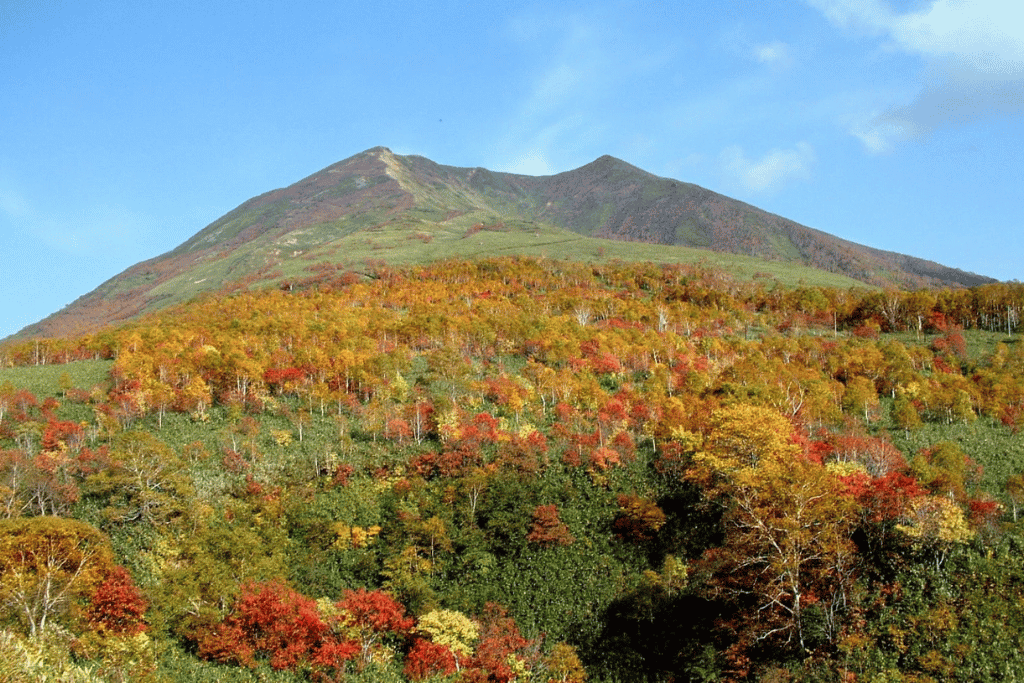
Image Credits: Niseko United
The easiest route up any of Niseko’s mountains, and a good first hike if you’re not an experienced climber. The trail to the 1,308-metre summit passes Kagami Numa, a small pond that mirrors the surrounding colour, before the final push to the top. Give it a few hours round trip and start early to beat any afternoon cloud.
Hike the Iwaonupuri Trail From Goshiki Onsen
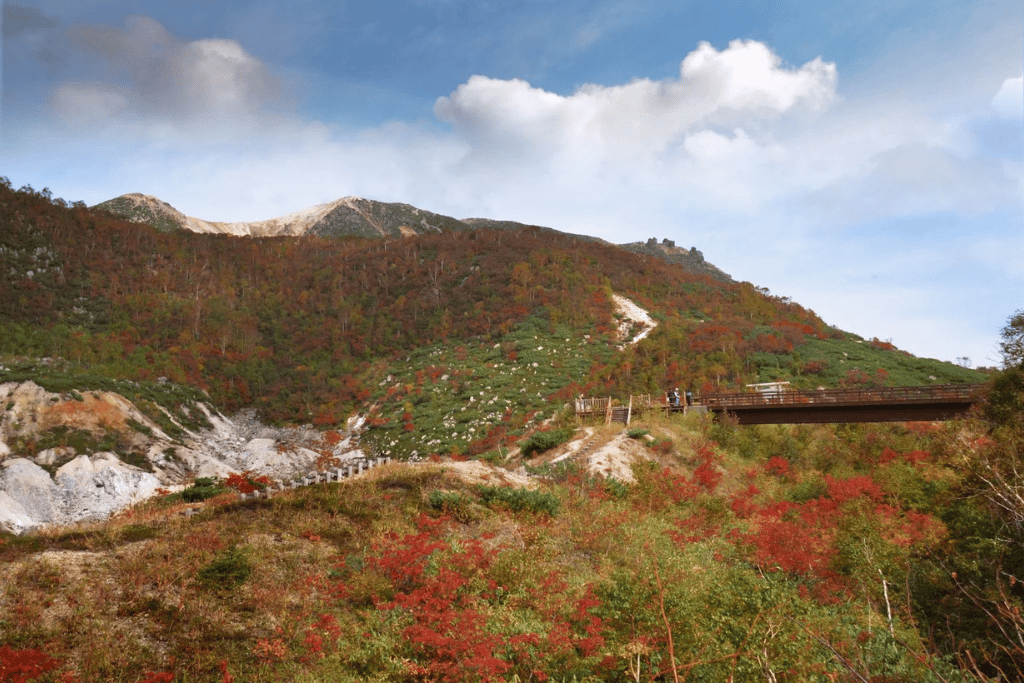
Image Credits: Niseko United
A step up in difficulty, starting from the Goshiki Onsen area’s information centre. It’s a proper hiking trail rather than a stroll, manageable for beginners with reasonable stamina, but there are no water refill points on the mountain, so carry what you need.
Best for hikers who want more of a workout than the Annupuri route offers.
Drive the Panorama Line
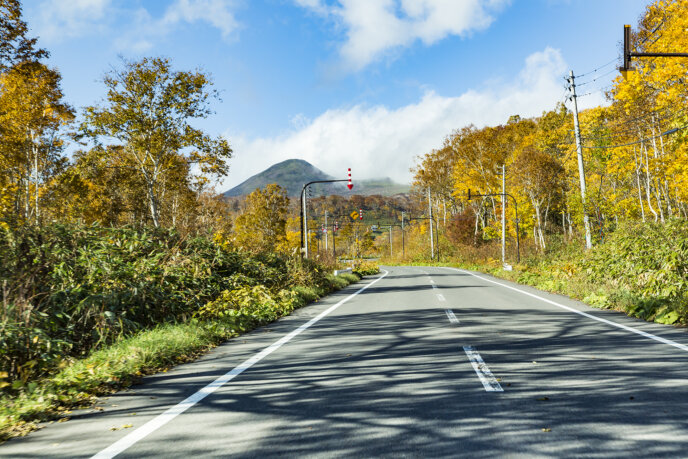
Image Credits: Experience Niseko
The easiest way to see the colours without lacing up boots. The Panorama Line is widely rated as Niseko’s best scenic drive for autumn foliage, winding past viewpoints over the valley with Mt. Yotei in the background; Route 58 out of Kutchan is the fallback if you’d rather stick to a bigger road. A rental car makes the most of this; see the getting-around notes below.
Soak at Goshiki Onsen
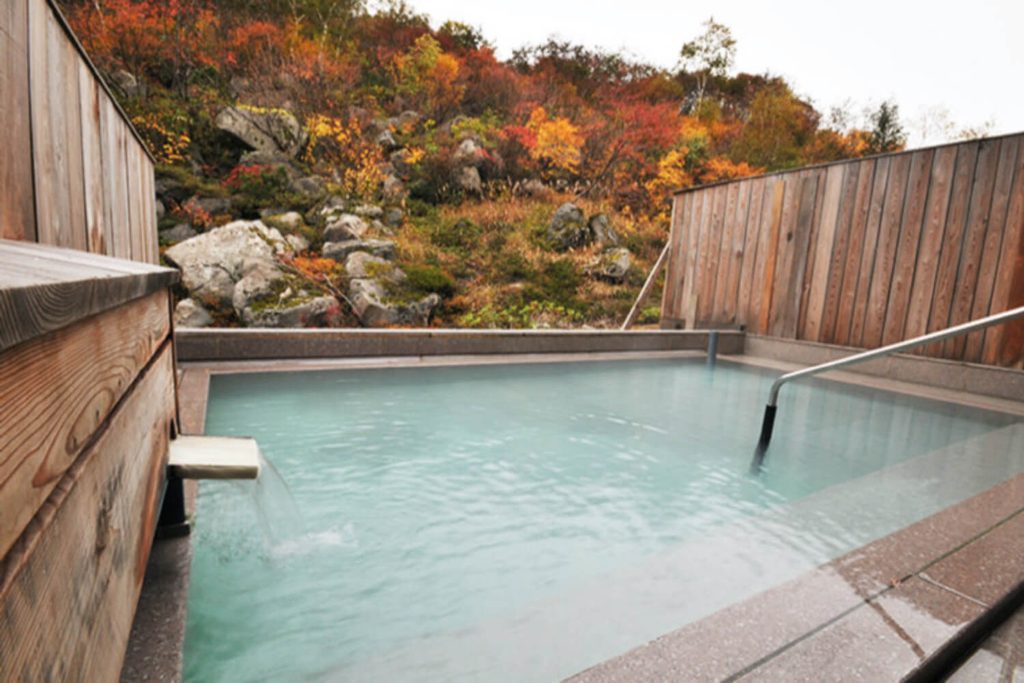
Image Credits: Samurai Snow: Japan ski and snowboard specialists
Goshiki Onsen sits up in the mountains surrounded by the same colour that draws hikers to the trails nearby, so you can turn a hike into a soak with almost no detour. A fitting way to end an autumn day that doesn’t involve a single ski run.
📖 Related Guide: Chasing autumn colour elsewhere in Japan too? Our Kyoto things-to-do guide covers the original imperial capital, maples and all.
How to Get to Niseko From Singapore
There’s no direct flight, so every route runs through a connection, then a final overland leg into the mountains.
Fly from Changi to Tokyo (Haneda or Narita) or Osaka, then take a domestic flight to Sapporo’s New Chitose Airport. A morning flight into Chitose is worth prioritising, since it gives you the best shot at reaching Niseko before evening snow slows the roads.
From New Chitose, you’ve got four ways to cover the final stretch:
| Option | Cost (~S$) | Time | Notes |
|---|---|---|---|
| Airport shuttle bus | ~S$49–57 one-way | ~3 hours | ⚠️ Book days ahead in peak season; seats sell out |
| JR train via Otaru and Kutchan | ~S$24 one-way | ~3–3.5 hours | ⚠️ Limited luggage space; needs a transfer |
| Rental car | ~S$65 per day | ~2.5–3 hours | Most flexible; winter driving needs confidence |
| Private transfer or taxi | ~S$285–325 per car | ~3 hours | Book well ahead; priciest but door-to-door |
Figures sourced from operator and creator reports current as of November 2026. ⚠️ Confirm fares for your travel dates before booking; winter 2026/27 pricing may not be posted yet on operator sites.
The bus is the best value for most travellers and usually makes a snack stop partway at Mushroom Kingdom, a roadside rest stop with toilets and snacks about halfway along the route. Seats run out fast in peak season, so book online in advance rather than turning up at the counter.
If your plans go sideways (a creator we checked had their train cancelled by a record snowfall and ended up booking a last-minute taxi through the GO Taxi app for a new-user discount), a ride-hailing app is a reasonable backup; just expect to pay more than the scheduled options.
📖 Related Guide: Thinking about which card covers all these bookings without bleeding fees? Our best multi-currency cards in Singapore guide compares the options.
How Much Does a Niseko Trip Cost, and How Do You Pay?
Expect to spend most of your budget on accommodation, roughly S$280 to S$550 a day in peak season. Niseko isn’t a cheap ski trip.
For 2026/27, mid-range hotels and apartments in Hirafu run roughly 34,000 to 63,000 JPY (~S$276 to 512) a night in January’s peak, with luxury properties starting from around 230,000 JPY (~S$1,870) a night and climbing well past that for the top suites. ⚠️ These are season averages, not a fixed rate; always check live prices for your actual dates.
Add a peak-season day lift pass (~S$104–110) and food (~S$30–50 a day if you mix food trucks with a sit-down dinner), plus gear hire if you need it, and a mid-range day in peak season lands somewhere around S$280 to S$550 once accommodation is split across a stay.
Hirafu is a mix of card-friendly and cash-only spots. Hotels, the lift pass counters, and most sit-down restaurants take cards without issue. Pay with a YouTrip card, and every yen transaction runs at the Mastercard wholesale exchange rate with 0% foreign transaction fee, billed straight to your SGD wallet with no markup.
Since the yen is one of YouTrip’s 12 holdable wallet currencies, you can lock in a rate before you fly and top up your JPY wallet in-app ahead of the trip.
The cash half is the food trucks, Elvis King of Kebabs and some of the smaller onsen. Withdraw yen from an ATM once you land rather than changing money at a counter before you fly.
With YouTrip, the first S$400 of overseas ATM withdrawals each calendar month is free, then a flat 2% after that, and the allowance resets on the 1st. Japanese convenience-store ATMs (7-Eleven, Lawson, FamilyMart) take foreign cards and are easy to find around every base village, including Hirafu.
A money changer looks fee-free but bakes a markup of a few percent into the rate it quotes you, so pulling cash from an ATM on arrival almost always comes out ahead.
👉 Bottom line: tap your YouTrip card for the hotel, lift pass and sit-down meals, pull a little yen from an ATM for the food trucks and the cash-only kebab stand, and skip the money changer. For deeper detail, see our SGD to JPY rate guide and the Japan ATM withdrawal guide.
FAQs
Niseko is known for having some of the lightest, driest powder snow in the world, driven by cold Siberian winds crossing the Sea of Japan. It’s also known for its onsen hot springs, the single-seat chairlift at Grand Hirafu, Mt. Yotei views, and a food truck scene that’s grown into a destination in its own right.
Yes. Mt. Annupuri’s gentler slopes suit first-timers, and schools like Rhythm Japan and GoSnow run structured lessons with their own rental gear. Book morning lessons so you can practise on quieter afternoon slopes.
Onsen soaking, the food truck scene, the gondola up to Mt. Yotei viewpoints, snowmobiling or snowshoeing at Niseko Village, and (outside winter) hiking, mountain biking and scenic drives all work without a lift pass.
No, that’s a common misconception. Niseko United is on the 2026/27 Ikon Pass, but it’s one of ten Japanese resorts now included, alongside Shiga Kogen, Myoko Suginohara, Zao Onsen and others. Check your tier’s day allowance on the official Ikon Pass site before you rely on it.
Niseko United and the individual resort sites publish daily snow reports, live webcams and weather forecasts through the season. Check the day’s ropeway and lift status too, since high winds or heavy snowfall can pause specific lifts.
Yes, if you’d rather hike, bike or hit a quieter onsen than ski. Summer brings mountain biking and golf at a fraction of winter’s prices, and autumn (late September to early October) has some of Niseko’s best hiking and foliage with almost none of the crowds.
Niseko Earns Its Reputation, Snow or Not
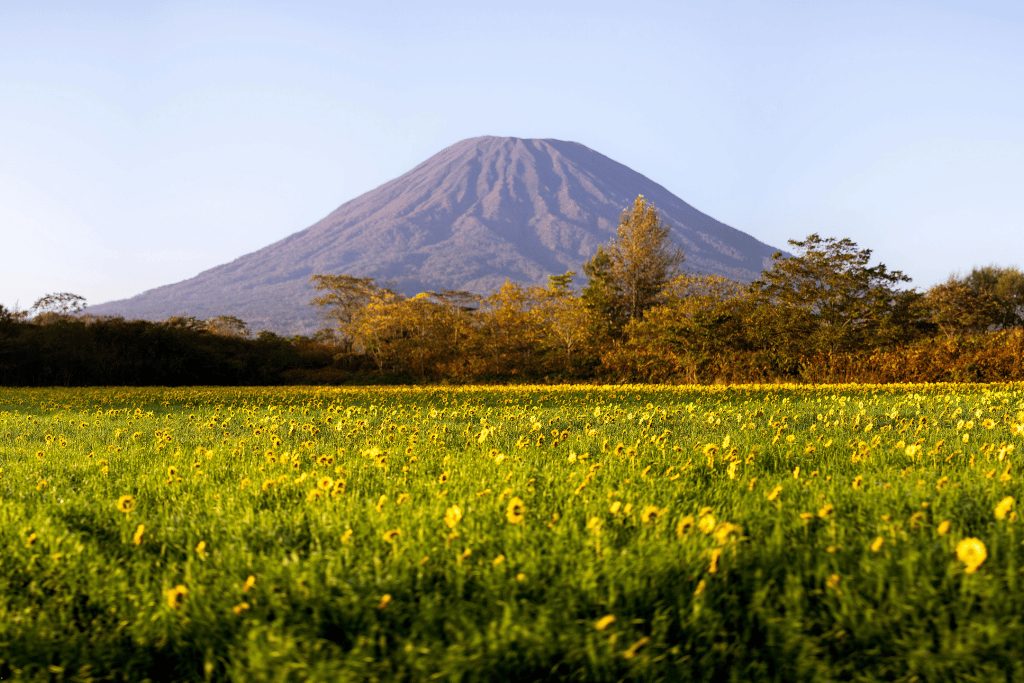
The powder gets Niseko on everyone’s list. The single-seat chairlift, a backcountry gate you can actually hike into, an onsen with Mt. Yotei on the horizon, and a kebab stand with a cult following are what make people come back. Sort the lift pass and the yen before you land, and the rest is just picking which mountain to start on.
Not a YouTrooper yet? Sign up with code <YTBLOG5> for a free YouTrip card and S$5 in credit. Lock in your rate across 12 currencies and spend in 150+ countries with no foreign transaction fees. Check out the latest YouTrip Perks, join our Telegram for deals, and swap tips in our Community Group.


This guide is written and maintained by the YouTrip content team and checked against Niseko United and Grand Hirafu’s own lift-ticket pages, the official Ikon Pass and Niseko United announcements, and the SGD to JPY rate our own FX guide tracks, linked throughout. We revise it whenever lift prices, transfer fares or the exchange rate move; this version reflects pricing and rates as of November 2026.