



Xi’an is so much more than the Terracotta Warriors
Most people land in Xi’an for one reason: 8,000 clay soldiers buried for two thousand years. Worth the trip on their own. But the warriors are the opening act, not the whole show. This is China’s oldest capital and the start of the Silk Road, and the real reason to stay is everything that happens after you’ve seen the army.
| Quick answer | Details |
|---|---|
| Why go | Ancient capital, start of the Silk Road, the Terracotta Warriors, and a food scene that rivals the history |
| Best things to do | See the Terracotta Warriors, cycle the city wall, eat through the Muslim Quarter, and catch Datang Everbright City lit up at night |
| How long | 2–3 days for the city, 4–5 if you add Mount Huashan or other day trips |
| Getting there | Scoot flies direct from Changi, around 5.5 hours, several times a week |
| Visa | Visa-free up to 30 days for Singapore passport holders |
| Best time | Spring (Mar–May) and autumn (Sep–Nov); skip the July–Aug heat |
| Paying | China runs on Alipay and WeChat Pay QR; link a YouTrip card for 0% FX |
Table of Contents
- Is Xi’an worth visiting?
- How many days do you need in Xi’an?
- Best time to visit Xi’an
- Getting to Xi’an from Singapore
- Best things to do in Xi’an
- Things to do in Xi’an at night
- Free things to do in Xi’an
- What to eat in Xi’an
- Day trips from Xi’an
- Getting around Xi’an
- Paying in Xi’an with YouTrip
- FAQ
Is Xi’an Worth Visiting?

Yes, easily. Xi’an served as the imperial capital for 13 dynasties and was the eastern starting point of the Silk Road, so the history here is older and denser than almost anywhere else in China.
The Terracotta Warriors alone are a UNESCO World Heritage Site, but the city wall, the pagodas, the Muslim Quarter and the food earn the trip on their own.
It works best as a two-to-three-day stop, often paired with Beijing or Shanghai on a wider China trip. If you only know it as “the city with the warriors”, that’s exactly the gap this guide fills.
📖 Related Guide: Pairing Xi’an with the capital? Our 17 best things to do in Beijing covers the must-sees plus a few hidden gems.
How Many Days Do You Need in Xi’an?
Two to three days covers the city itself, and four to five lets you add the big day trips. Here’s the rough split most travellers land on.
- One day: A flying stopover. Terracotta Warriors in the morning, city wall and the Muslim Quarter in the evening. Rushed, but doable.
- Two to three days: The sweet spot. Warriors, city wall, both pagodas, Shaanxi History Museum, plus a full evening eating through the Muslim Quarter and Datang Everbright City.
- Five days: Add Mount Huashan, Huaqing Palace, and the imperial tombs further out, with time to slow down for the food.
📖 Related Guide: Building a longer China itinerary? Our things to do in Shanghai guide is a natural next stop.
Best Time to Visit Xi’an
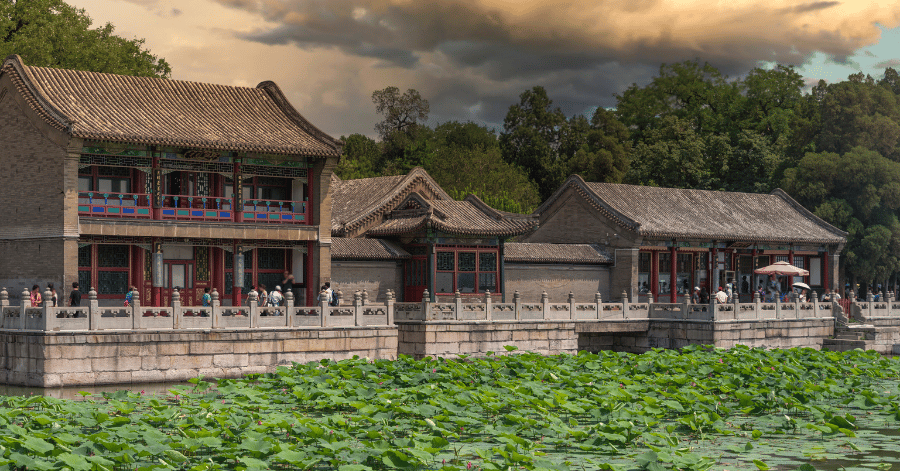
Spring (March to May) and autumn (September to November) are the most comfortable, with mild days that suit all the outdoor walking this city demands. Spring also brings cherry and crabapple blossoms around the pagodas.
Avoid July and August if you can. Summer highs hit 35–40°C with humidity, and the Terracotta Warriors halls get packed and stuffy. Winter is cold but quiet, with the thinnest crowds of the year.
📖 Related Guide: Timing your trip around the blooms? Our China cherry blossom guide maps the best spots and forecast windows.
Getting to Xi’an from Singapore
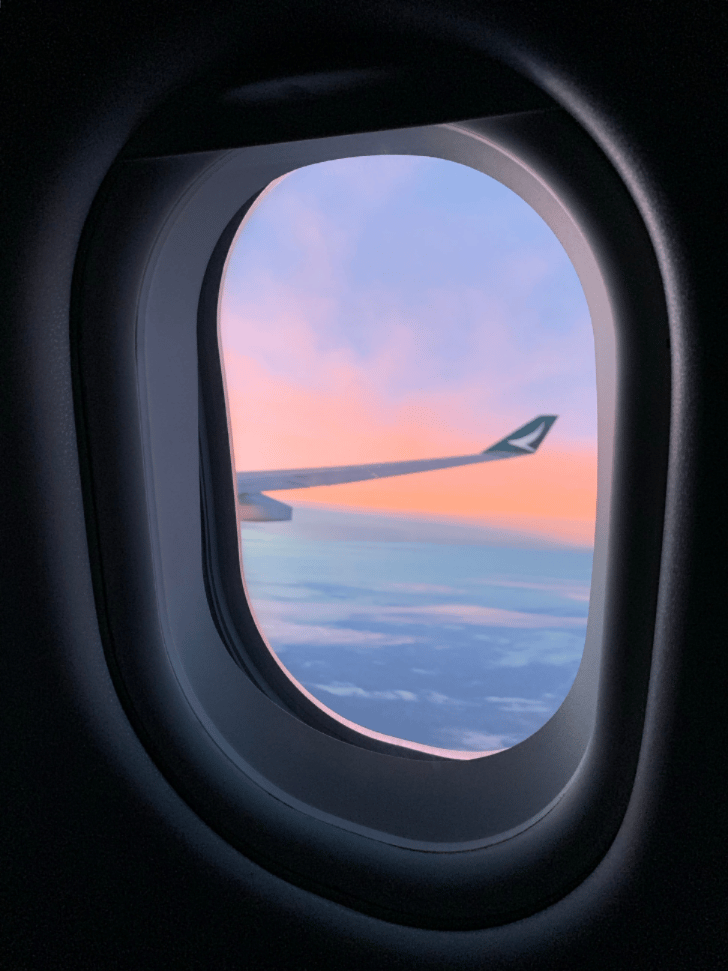
Scoot flies direct from Changi to Xi’an Xianyang International Airport in around 5.5 hours, several times a week (schedules shift seasonally, so check before you book).
You can also connect through Beijing, Shanghai or Hong Kong on a high-speed rail leg if you’re already in China.
Singapore passport holders can enter China visa-free for up to 30 days for tourism, under the mutual visa-exemption arrangement confirmed by Singapore’s ICA and in force since February 2024. Bring a passport valid for at least six months!
One thing to sort before you fly: payments.
- China is almost entirely cashless, and nearly everything is paid by scanning a QR code through Alipay or WeChat Pay. Both now let foreign visitors link an overseas Visa or Mastercard, so set them up before you land.
- For getting around, download DiDi (China’s Grab, with an English interface) instead of waiting for taxis.
📖 Related Guide: First time using ride-hailing there? Our how to use DiDi in China guide walks through the setup.
Best Things to Do in Xi’an
Here are the attractions worth your daylight hours, roughly in order of how unmissable they are.
1. Terracotta Warriors
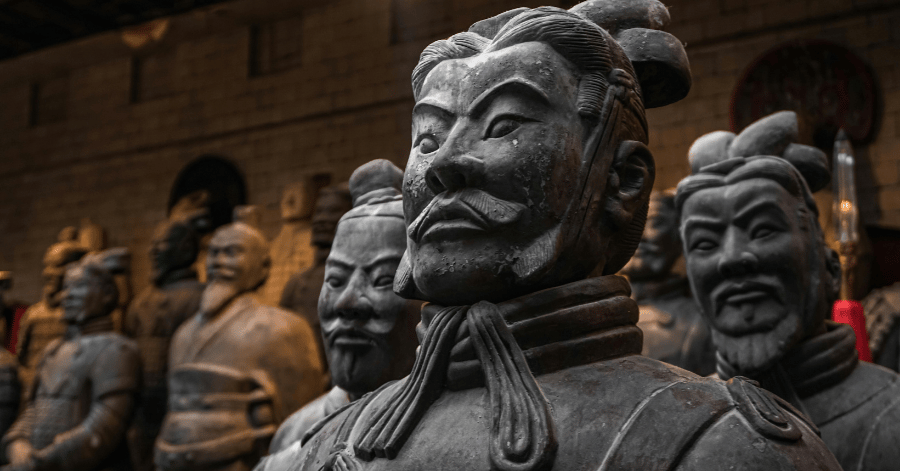
The reason most people come. Discovered in 1974 by farmers digging a well, the Terracotta Army is around 8,000 life-sized soldiers, horses and chariots built to guard China’s first emperor, Qin Shi Huang, in the afterlife. Each face is unique, and many are still being excavated.
It sits about 40km northeast of the city in Lintong District, roughly an hour by car. A DiDi runs around 100–130 CNY (~S$19–25) each way, or join a private guided tour for the backstory.
- Opening Hours: 8:30 AM to 6:30 PM in peak season with last entry at 5 PM.
- Admission: 120 CNY (~S$23)
- Tip: Book in advance with your real name and passport. Go early or after 3 PM to dodge the crowds.
2. Xi’an City Wall
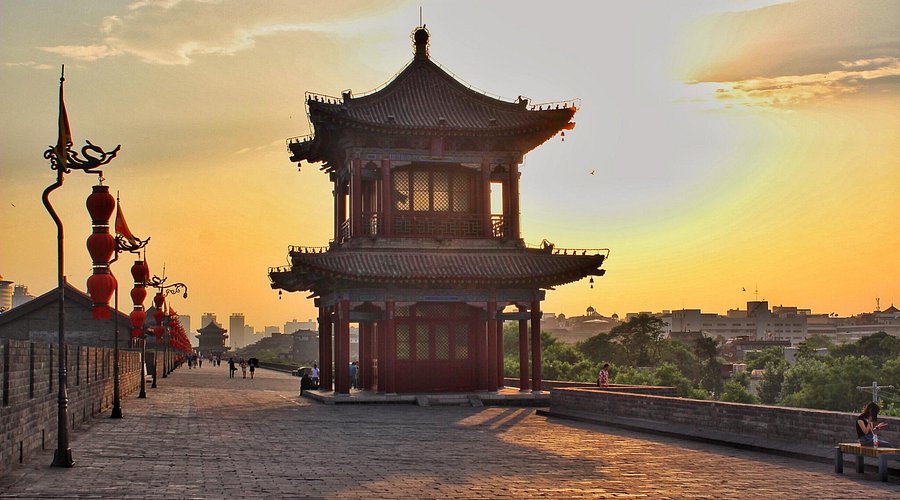
Image Credits: Tripadvisor
The most complete ancient city wall in China, a 13.7km rectangle that completely encloses the old town, standing about 12m high. Built in the Ming dynasty on Tang-era foundations, it’s wide enough on top to walk, run or cycle.
Renting a bike up top is the move. It’s 45 CNY (~S$8.50) for three hours, plus a refundable deposit, and a full loop takes two to three hours at an easy pace. There’s almost no shade, so start early or come at golden hour when the wall lights up.
3. Muslim Quarter and Beiyuanmen Street
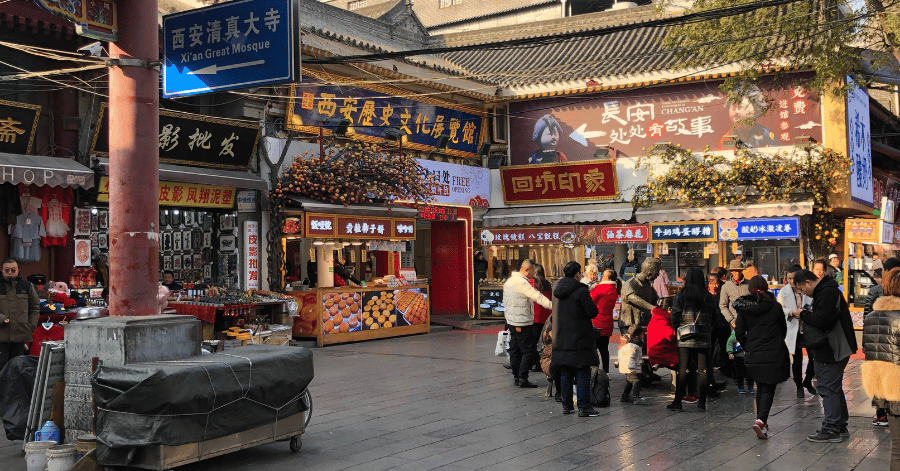
Image Credits: Wikipedia
Xi’an’s most atmospheric food district, a maze of lantern-lit lanes that has been home to the Hui community for over a thousand years, descendants of Silk Road traders. The headline street is Beiyuanmen, running north from the Drum Tower.
Most of it is halal, so expect lamb rather than pork: sizzling skewers grilled on red-willow branches, hand-pulled noodles, and pomegranate juice everywhere. It gets shoulder-to-shoulder busy in the evenings and on weekends, which is exactly when it’s best.
4. Bell Tower and Drum Tower
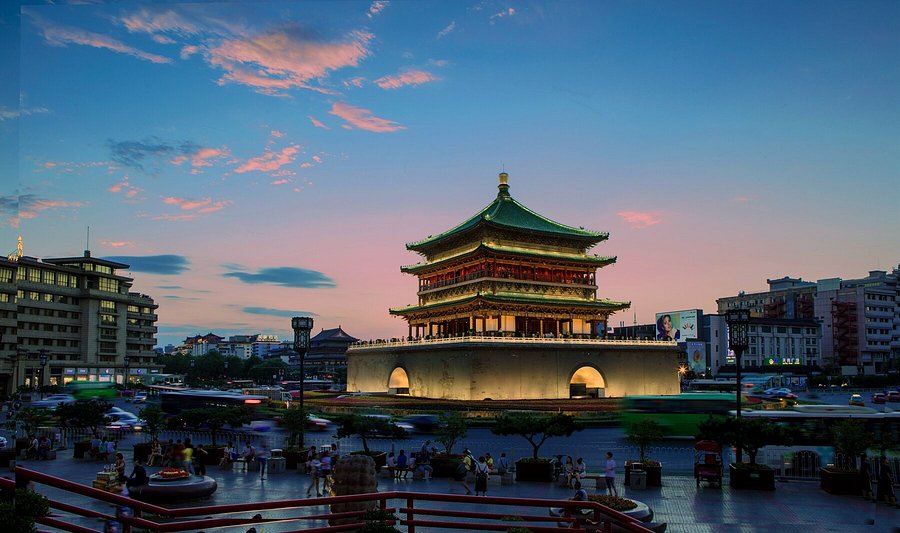
Image Credits: Tripadvisor
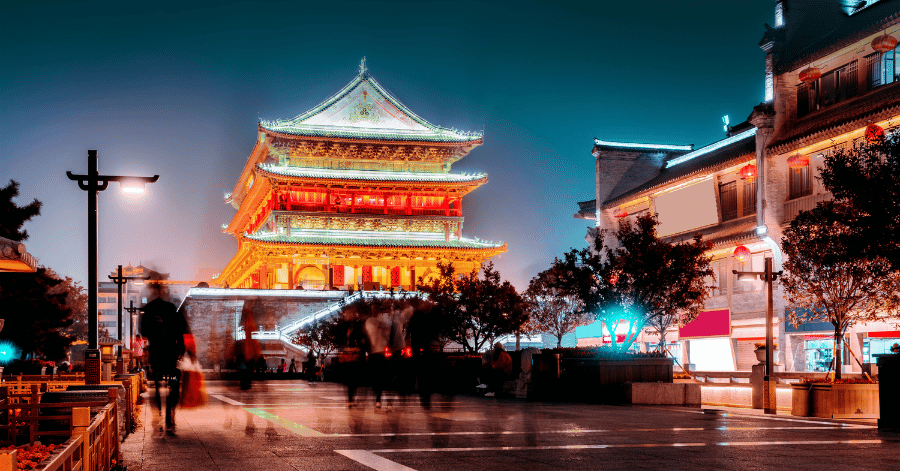
Two Ming-dynasty timekeeping towers that mark the geographic centre of the old city. The Bell Tower once rang in the dawn; the Drum Tower, 200m away, beat the sunset. The Drum Tower runs short live drum performances a few times a day.
Both are most striking lit up after dark, when locals gather to take photos in rented Tang-dynasty dress. The Drum Tower is also the gateway into the Muslim Quarter, so you’ll pass it anyway.
5. Great Mosque of Xi’an
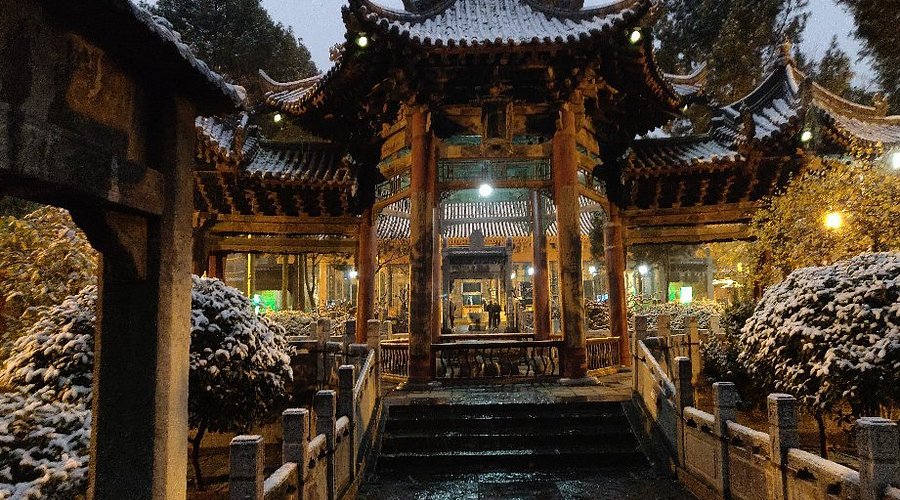
Image Credits: Tripadvisor
One of the oldest and largest mosques in China, founded in 742 AD during the Tang dynasty and tucked down Huajue Lane, about 500m from the Drum Tower. It’s an unusual, beautiful blend of Chinese temple architecture and Islamic design, with four quiet courtyards.
Entry is around 25 CNY (~S$5). It’s a calm, leafy escape from the chaos of the food street right outside, and easy to pair with a Muslim Quarter wander.
6. Big Wild Goose Pagoda and Da Ci’en Temple
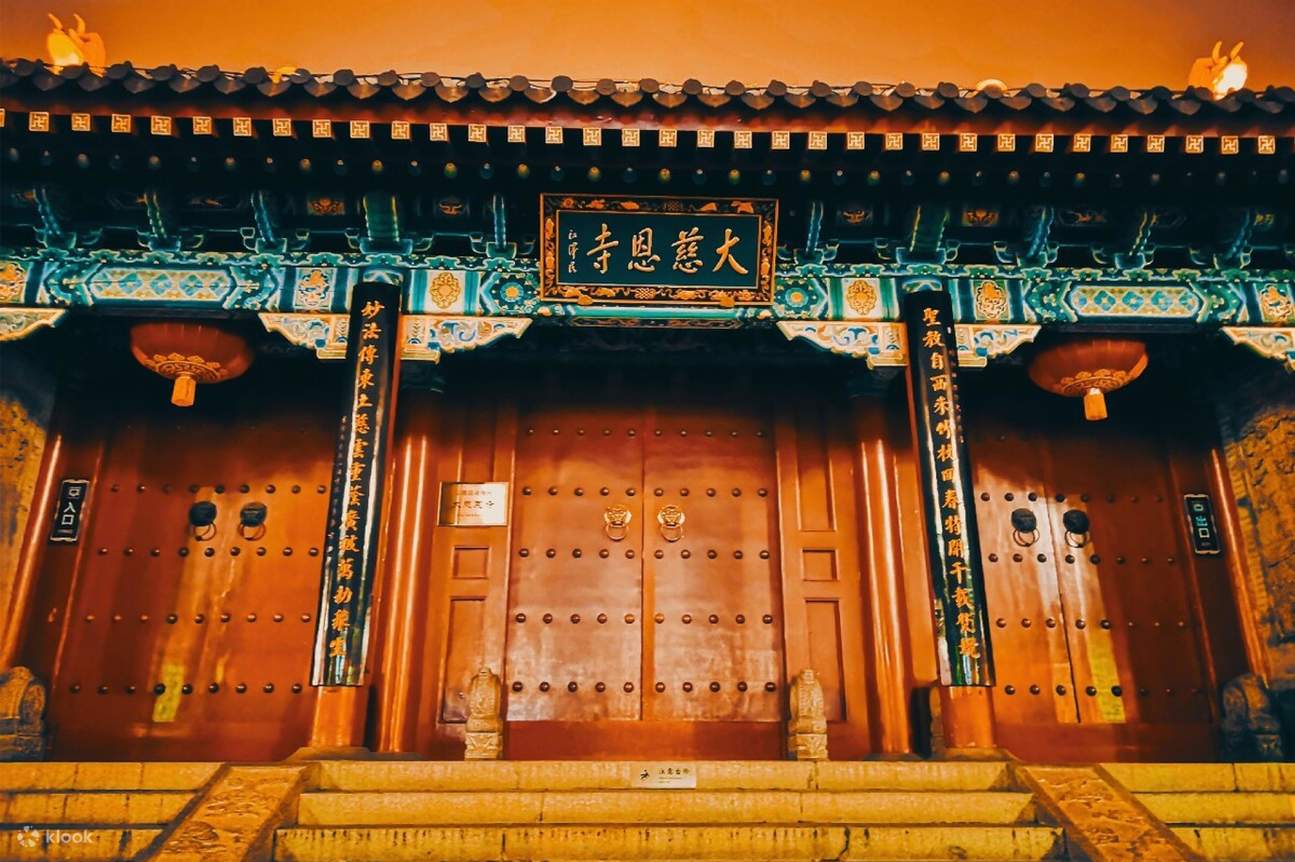
Image Credits: Klook
A 64.5m Tang-dynasty pagoda built in 652 AD to house Buddhist scriptures brought back from India by the monk Xuanzang, whose pilgrimage inspired the classic novel Journey to the West. The surrounding Da Ci’en Temple complex is one of the most important Buddhist sites in the country.
Come in the evening when the pagoda is lit, and the musical fountain show runs in the north square (nightly in the warmer months, usually paused over winter). You can pay extra to climb the pagoda for city views.
7. Small Wild Goose Pagoda and Xi’an Museum
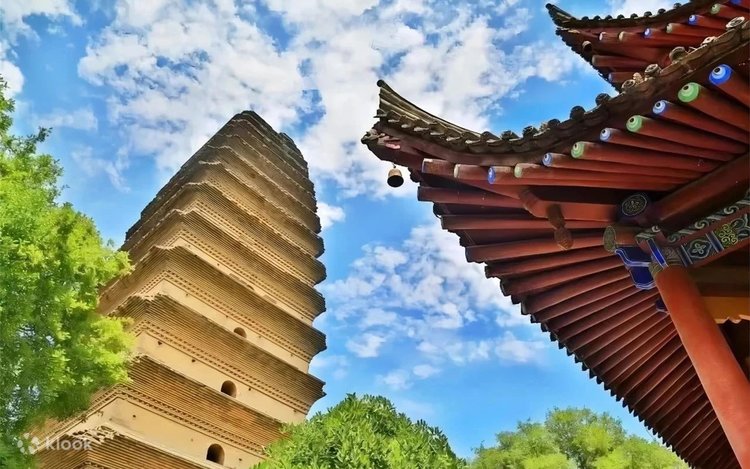
Image Credits: Klook
The Big Wild Goose Pagoda’s quieter, older sibling, built in 707 AD and set in a peaceful park. It’s slightly shorter after the top storeys were lost to earthquakes over the centuries, and far less crowded than its famous counterpart.
It shares grounds with the Xi’an Museum, which is free and worth an hour. A good low-key stop when you’ve had enough of the crowds.
8. Shaanxi History Museum
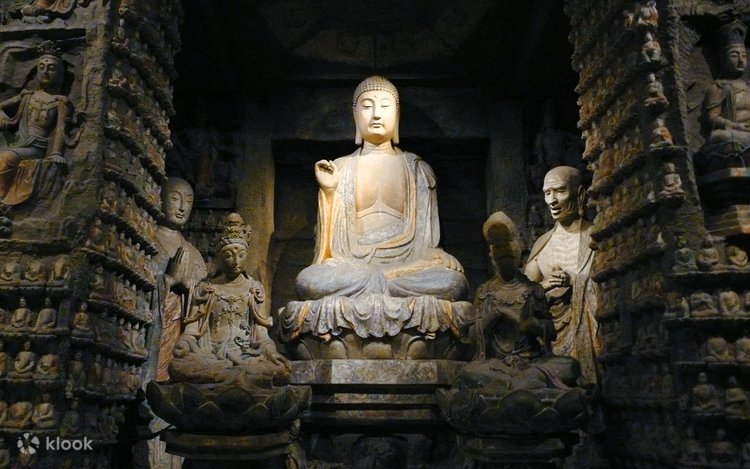
Image Credits: Klook
One of the best museums in China, holding more than 370,000 artefacts that walk you through the region’s run as the imperial heartland, from Zhou bronzes to Tang dynasty murals. If you only do one museum in Xi’an, make it this one.
Admission is free, but you have to book a timed slot online in advance, and the daily quota sells out fast. Sort it before you arrive or you won’t be able to get in!
9. Xi’an Beilin Museum (Forest of Stone Steles)
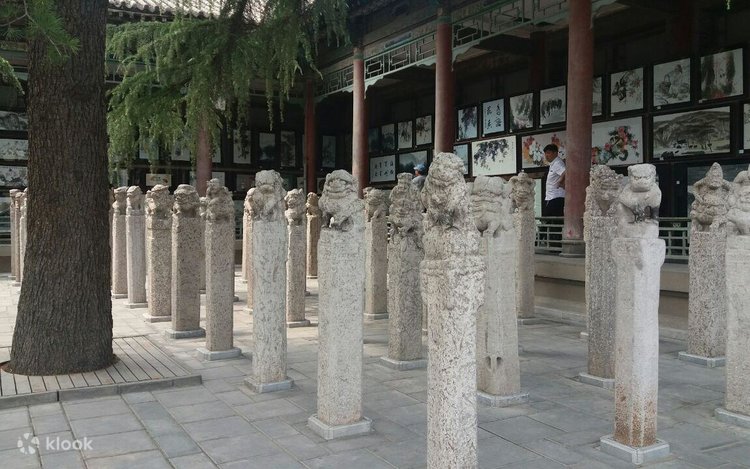
Image Credits: Klook
A quieter pick for history buffs, home to the largest collection of stone steles and calligraphy in China, some dating back nearly two thousand years. The carved stone tablets are genuinely jaw-dropping when you consider they were cut by hand.
It sits near the city wall’s south gate, so it folds neatly into a city-wall morning.
10. Huaqing Palace and Mount Li
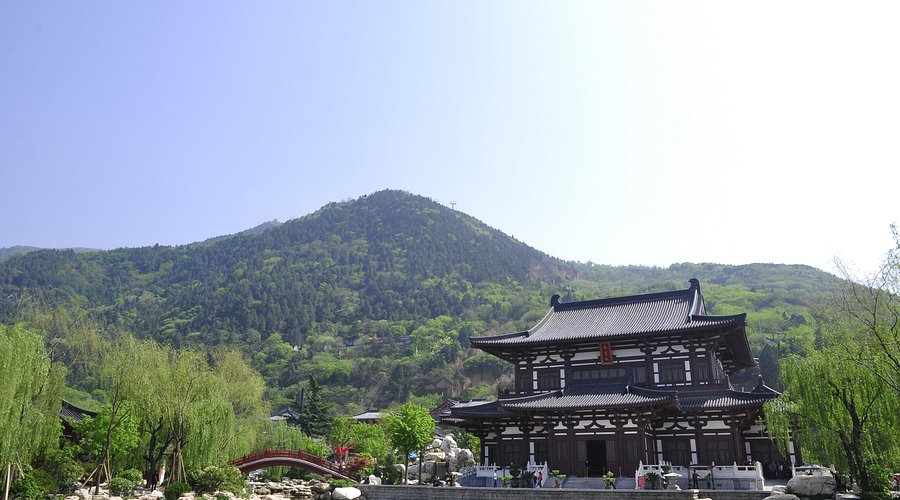
Image Credits: Tripadvisor
A Tang-dynasty hot-spring retreat at the foot of Mount Li, famous for the love story between Emperor Xuanzong and his consort Yang Guifei. The grounds hold imperial bathing pools and gardens, and the site of the 1936 Xi’an Incident, where you can still see bullet holes in the rock.
It’s on the way to or from the Terracotta Warriors, so most travellers bundle the two into one day trip east of the city.
11. Tang Paradise
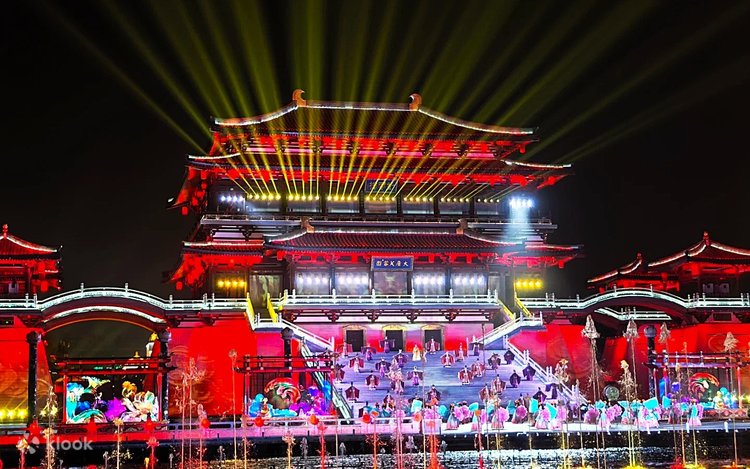
Image Credits: Klook
A large cultural theme park built on the site of the original Tang royal gardens, recreating Tang-dynasty life with pavilions, a big central lake and nightly light shows. It’s more atmosphere than rides, and it’s at its most magical after sunset.
Tickets are around 120 CNY (~S$23). Lights come on at dusk, so an evening visit gets you the full effect.
12. Rent Hanfu and Try the Cup-Breaking Ritual

Image Credits: Klook
The most fun you’ll have with a camera here. Renting hanfu, the flowing traditional Han-dynasty robes, and walking the city wall or Datang Everbright City in costume is hugely popular and surprisingly affordable, with rental shops all over the old town.
While you’re at it, try the rice-wine cup-breaking ritual found around the food streets: down a tiny cup of rice wine, then smash it for good luck.
| Attraction | Price (approx) | Hours |
|---|---|---|
| Terracotta Warriors | 120 CNY (~S$23) | 8:30 AM–6:30 PM, last entry 5 PM |
| City Wall bike rental | 45 CNY (~S$8.50) / 3 hrs | Daytime–evening |
| Great Mosque | 25 CNY (~S$5) | Daytime |
| Tang Paradise | 120 CNY (~S$23) | 9 AM–10 PM |
| Shaanxi History Museum | Free (book ahead) | Closed Mondays |
📖 Related Guide: Hopping further into the mountains and megacities? Our 15 best things to do in Chongqing covers night views, food and day trips.
Things to Do in Xi’an at Night
Xi’an genuinely transforms after dark, with whole districts lit up like a film set. This is where the city earns its “more than the warriors” reputation.
13. Datang Everbright City
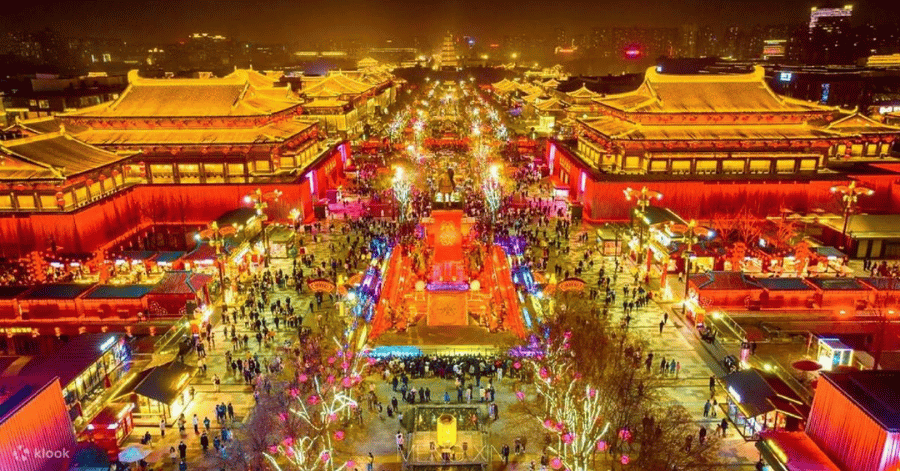
Image Credits: Klook
A free, 1.5km pedestrian street running south from the Big Wild Goose Pagoda, lined with grand Tang-style architecture, sculptures, street performers and food stalls. Locals call it the Grand Tang All Day Mall, and it’s busiest and best at night when the whole avenue glows.
There’s a musical fountain at one end where the crowd literally yells to make the water shoot higher. Budget at least an hour to walk it end to end.
14. Tang Dynasty Show and Legend of the Camel Bell

Image Credits: Trip.com
Two of the city’s big-ticket evening performances. The Tang Dynasty Show is an over-the-top production of music, dance and elaborate costumes, available as a dinner show or show-only. Legend of the Camel Bell tells a Silk Road desert tale, complete with real camels and wolves on stage.
Your hotel can usually arrange tickets in advance. Neither is West End theatre, but both are a fun, easy way to absorb the history.
15. City Wall After Dark
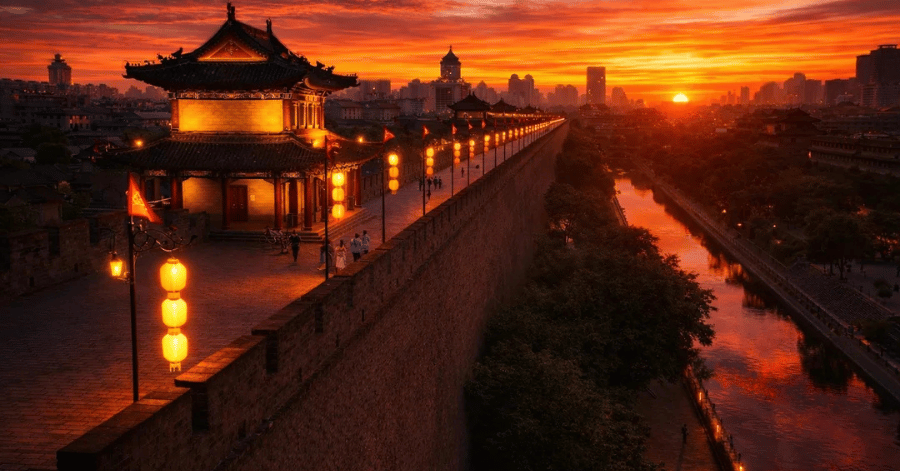
Image Credits: Available-Exam-263 on Reddit
The Ming wall is floodlit every evening, and circling it (on foot, by bike, or in a golf cart) is one of the prettiest things you can do at night for free. The watchtowers and gates glow gold against the modern skyline behind them.
📖 Related Guide: Want more neon-and-skyline energy? Our things to do in Shenzhen guide leans into the modern, lit-up side of China.
Free Things to Do in Xi’an
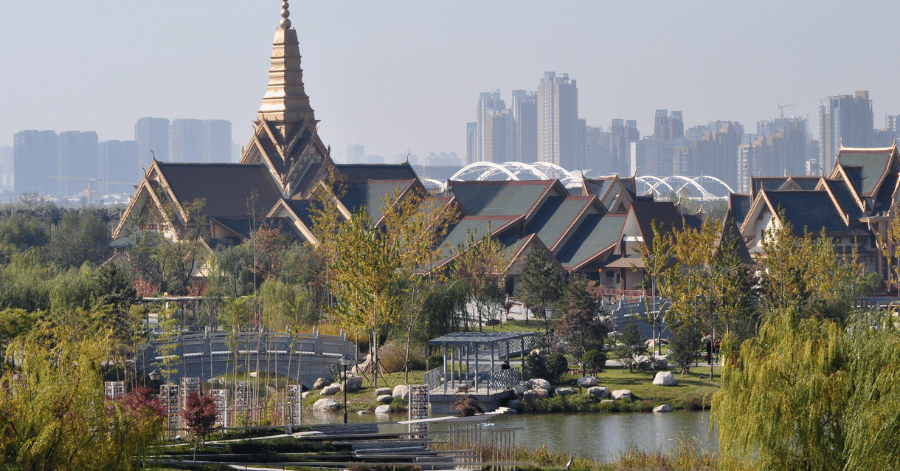
Plenty of the best of Xi’an costs nothing. The Shaanxi History Museum is free (just book ahead), and so is a walk along the city wall’s outer moat park. Datang Everbright City and its nightly performances are free to wander.
For something more local, head to Xingqing Palace Park for morning tai chi and impromptu street opera, or Daxingshan Temple to meet its famously chilled-out resident cats.
The South morning street market is where locals shop and eat breakfast, well off the tourist trail. And simply people-watching the hanfu photoshoots around the Bell Tower is its own free entertainment.
📖 Related Guide: Stretching a budget across more China stops? Our Guangzhou travel guide is full of low-cost eats and sights.
What to Eat in Xi’an
Xi’an is a noodle-and-lamb town, and the food is reason enough to visit. Shaanxi cuisine is bold, carb-heavy and built for the cold, and the Muslim Quarter is where you’ll graze through most of it.
For a calmer alternative, Yongxingfang (永兴坊), a curated heritage food street inside the city wall’s Zhongshan Gate, gathers 100-plus Shaanxi dishes in one spot. Here’s the must-eat list:
Roujiamo (Chinese Hamburger)
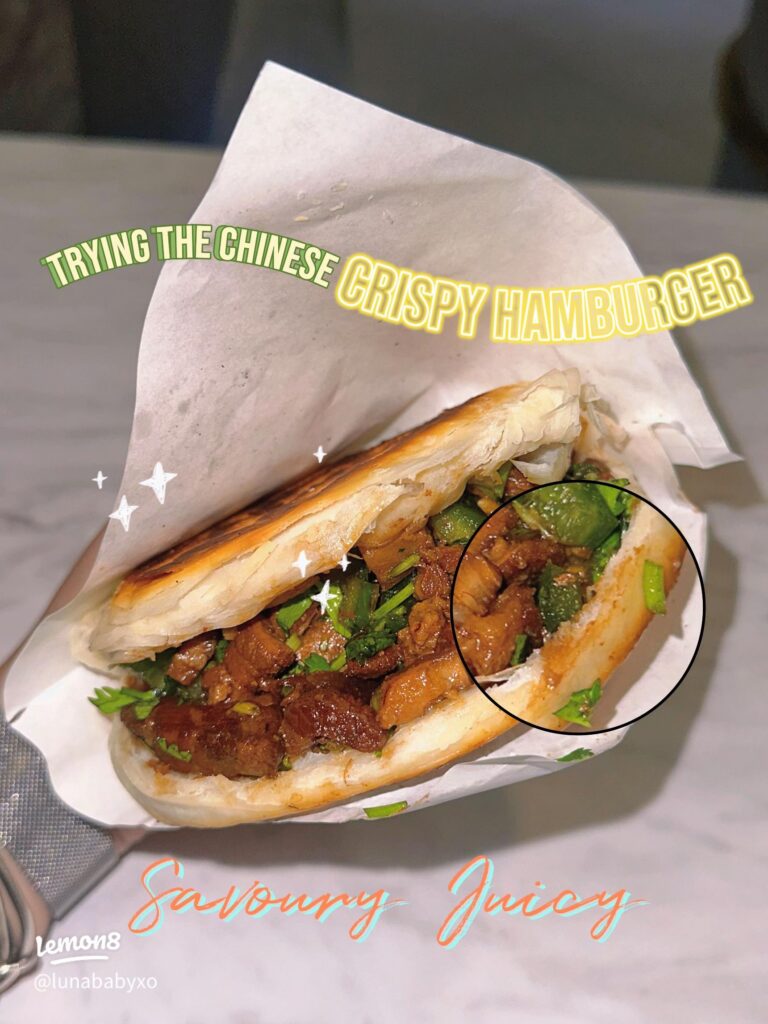
Image Credits: @lunababyxo on Lemon8
Xi’an’s most addictive street snack, often called the original hamburger: a crisp flatbread baked fresh, then split and stuffed with slow-stewed beef or lamb. Cheap, hot, and worth queuing for. Try one the moment you arrive, and you’ll understand the hype.
For the benchmark version, join the morning queue at Qinyu Roujiamo (秦豫肉夹馍) near the Bell Tower, a time-honoured spot featured on the documentary A Bite of China. Go before noon, as it routinely sells out.
Biang Biang Noodles
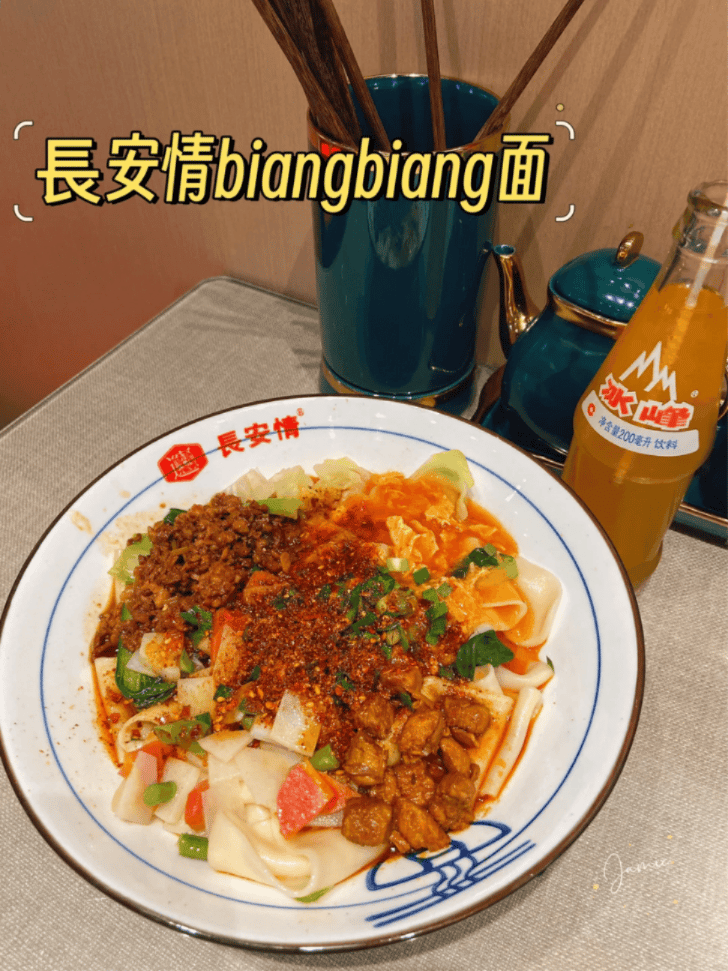
Image Credits: Attractions, Food & Itineraries
The city’s signature dish, named after the slapping sound the dough makes against the counter. They’re wide, thick, belt-like hand-pulled noodles tossed in chilli oil, garlic, vinegar and soy. The character for “biang” is one of the most complex in the Chinese language.
Nanyuanmen Biangbiang Noodles, just off the Muslim Quarter, is a dependable local favourite. Or watch the chefs slap and pull the metre-long belts to order at Chang’anqing near the Bell Tower.
Liangpi (Cold Skin Noodles)
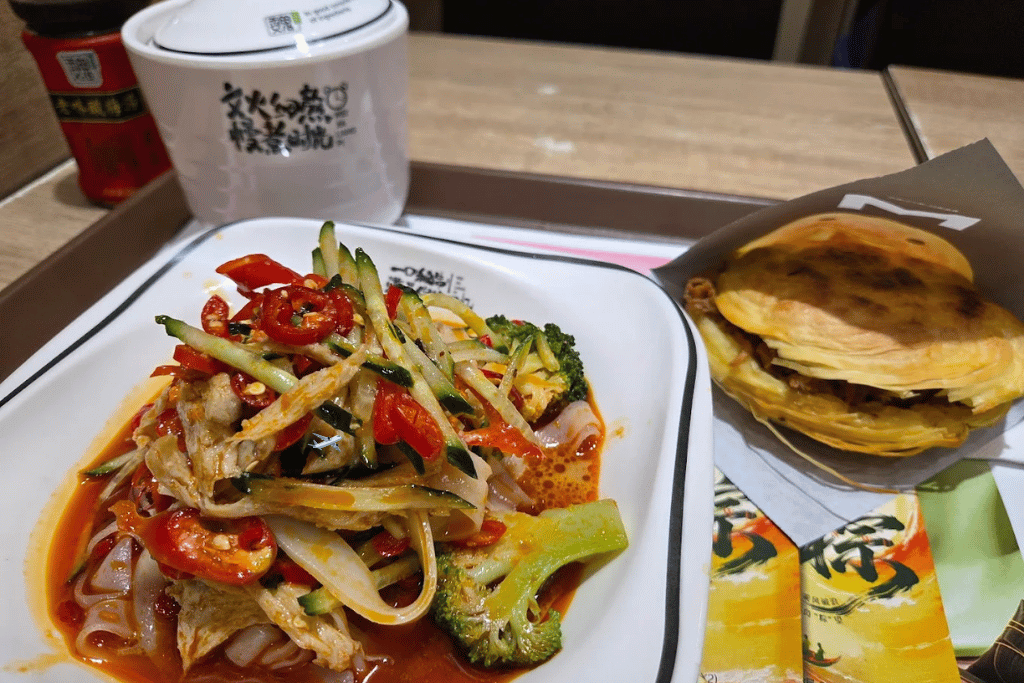
Image Credits: Kai Chan on Google Reviews
A refreshing counterpoint to all the hot, heavy food: chewy, slippery cold noodles in a tangy sauce of vinegar, garlic, chilli oil and sesame, usually with cucumber. A local favourite in warmer months.
Wei Jia Liang Pi (魏家凉皮) is the reliable local chain with branches all over the centre, around 15 CNY (~S$3) a bowl. For a halal sesame-paste version inside the Muslim Quarter, try Sheng Zhi Wang.
Yangrou Paomo (Lamb Bread Soup)
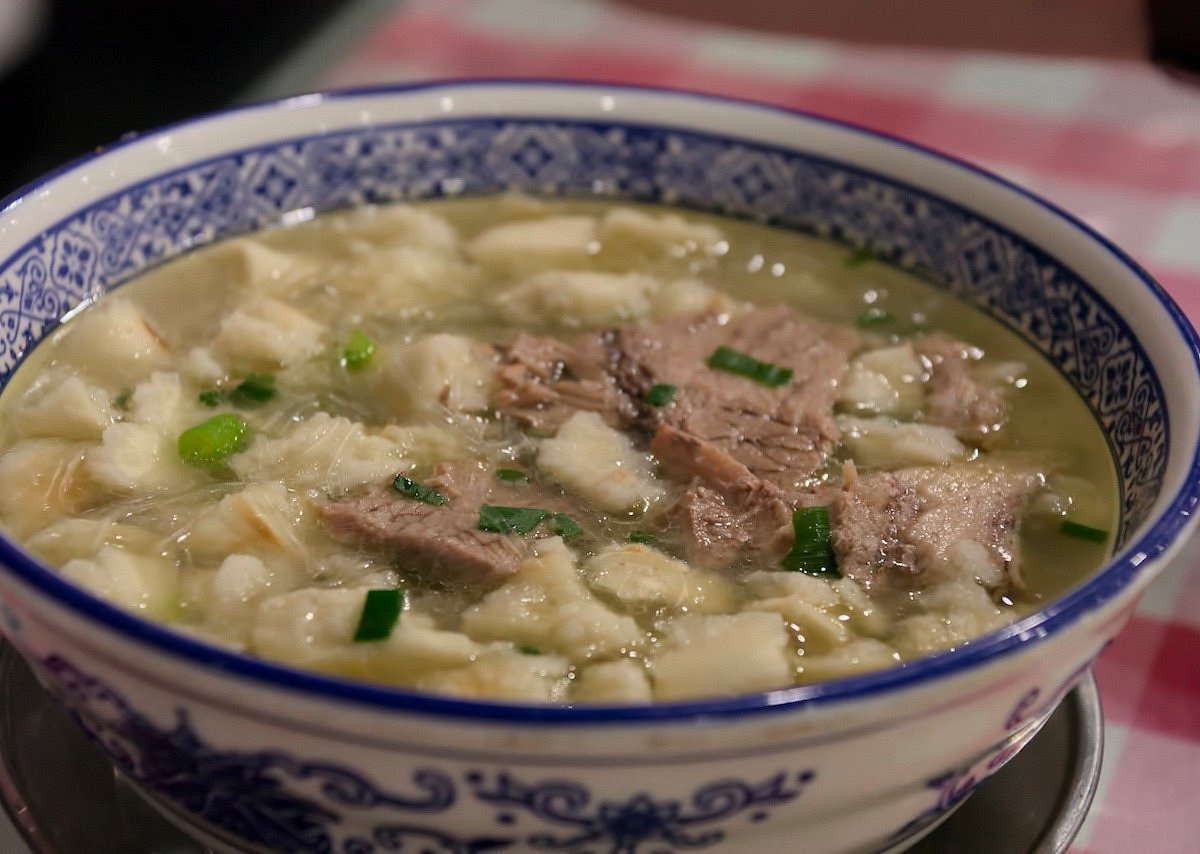
Image Credits: Tripadvisor
The most ritualistic dish here. You’re handed a couple of dense flatbreads to tear into tiny pieces by hand, then the kitchen fills the bowl with hearty lamb or beef stew. It traces back to Silk Road travellers and is the ultimate cold-weather meal.
The benchmark house is Lao Sun Jia (老孙家) on Beiyuanmen, serving it since 1898, with the century-old Tong Sheng Xiang by the Drum Tower a close second.
Red-Willow Lamb Skewers
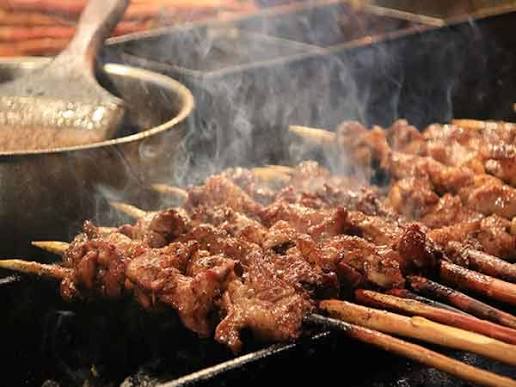
Image Credits: Top China Tours
The smell that defines the Muslim Quarter. Cumin-and-chilli-dusted lamb grilled over coals on actual red-willow branches, which lend a faint sweetness. Order a handful and watch the vendor count the sticks at lightning speed.
Skip the main tourist drag and head into the back alleys of Xiyangshi and Dapiyuan after dark, where locals grill them over charcoal. Wash it down with an ice-cold Bingfeng soda.
Sweet Snacks: Tanghulu and Zenggao
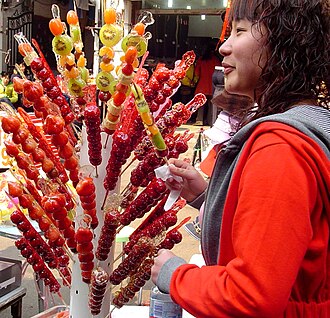
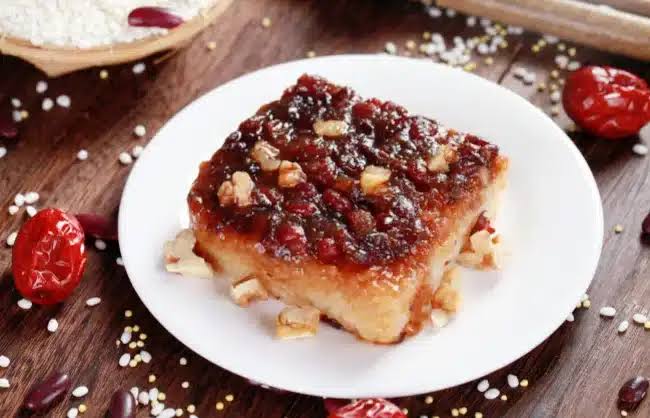
Image Credits: Wikipedia; China Xian Tour
Save room for dessert. Tanghulu are candied fruits on a stick under a glassy sugar shell. And zenggao is a sticky steamed glutinous rice cake topped with red dates and honey. Tanghulu carts line Beiyuanmen all evening, while steamy barrels of zenggao appear in the mornings around Sajinqiao, the more local lane.
For a drink, go for the fresh pomegranate juice pressed on the spot, made from fruit grown out in Lintong where the warriors are.
📖 Related Guide: Got a bigger appetite for Sichuan heat next? Our things to do in Chengdu guide doubles as a hotpot crawl.
Day Trips from Xi’an
If you’ve got more than three days, the area around Xi’an holds some of the best sights in China.
Mount Huashan

Image Credits: Tripadvisor
The most dramatic day trip going. Huashan is one of the Five Great Mountains of China, about 120km east, and reachable in roughly 30 minutes by high-speed train from Xi’an North to Huashan North (around 54.50 CNY (~S$10)). Cable cars carry you up to a network of granite peaks.
It’s most famous for the heart-stopping cliffside plank walk bolted to a sheer drop, strictly for those with a head for heights. Even without it, the West and South Peak views are extraordinary. Plan a full day, as cable-car queues can be long on weekends.
Huaqing Palace and the Terracotta Warriors
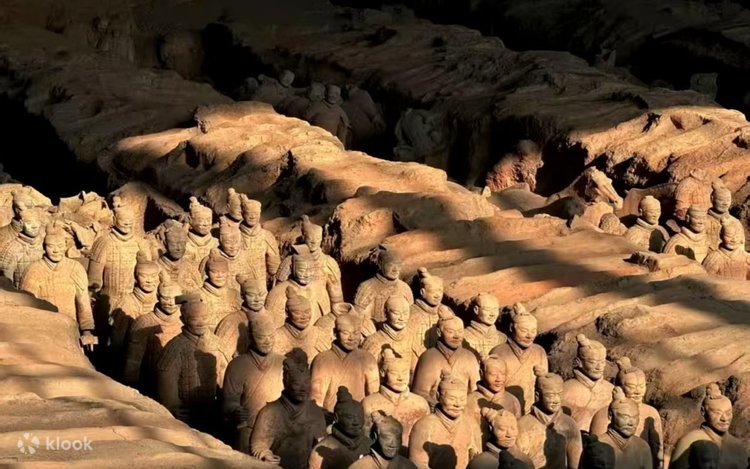
Image Credits: Klook
The classic combined day trip just outside the city, since both sit out in Lintong. Pair the warriors in the morning with the imperial hot springs and gardens of Huaqing Palace in the afternoon, with the same DiDi or tour car ferrying you between them.
Famen Temple and the Imperial Tombs

Image Credits: Klook
For deeper history, head west to Famen Temple, a Buddhist pilgrimage site said to house a finger-bone relic of the Buddha in its underground palace. Further out are the Qianling and Maoling mausoleums, vast Tang and Han imperial tombs lined with stone guardians, sometimes called the Pyramids of the East.
📖 Related Guide: Tackling the Huashan plank walk or any serious hiking? Our best travel insurance in Singapore guide compares plans that cover adventure activities.
Getting Around Xi’an
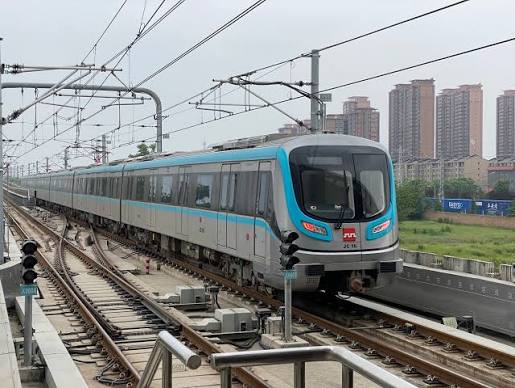
Image Credits: Wikipedia
The old city inside the walls is genuinely walkable, with the Bell Tower, Drum Tower, Muslim Quarter and city wall all within a short stroll of each other. For everything beyond, Xi’an has a clean, cheap, and fast Metro that reaches most major sights, plus DiDi for door-to-door trips like the airport or the warriors.
For short hops, scan a Hello Bike share bicycle through the Alipay app. Put your key destinations into your maps app in Chinese characters (copy-paste from notes), as English search results can be patchy.
📖 Related Guide: Used to a different China metro already? Our Beijing subway guide shows how the systems compare.
Paying in Xi’an with YouTrip
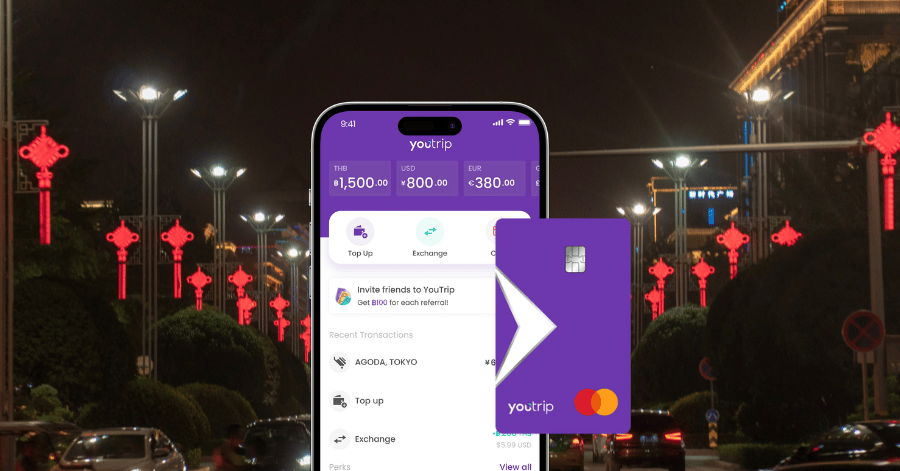
China is effectively cashless, and street vendors to taxis all expect an Alipay or WeChat Pay QR scan. The smart setup is to link a YouTrip card to both apps before you fly, so every scan draws from your card with no foreign transaction fees, converted from SGD at the Mastercard wholesale rate. That beats a credit card quietly stacking 3–3.5% FX on every spend.
You’ll still want a little cash for the odd stall that won’t take a foreign-linked wallet, or for temple entry. Withdraw CNY from an ATM once you land. With YouTrip, your first S$400 of overseas ATM withdrawals each calendar month is free, then a flat 2% after that.
For the full setup, see our Alipay for foreigners guide and the WeChat Pay setup guide, and if you want to compare your options first, our best multi-currency card in Singapore roundup breaks them down.
📖 Related Guide: Wondering if it’ll actually work on the ground? Our can YouTrip be used in China guide answers it in full.
FAQ
Xi’an is most famous for the Terracotta Warriors, the army of 8,000 life-sized clay soldiers guarding China’s first emperor. Beyond that, it’s known as China’s oldest imperial capital, the eastern start of the Silk Road, its intact Ming-dynasty city wall, and its Muslim Quarter street food.
The historic centre inside the city wall is very walkable, with the main sights clustered together. For attractions further out like the Terracotta Warriors, the Big Wild Goose Pagoda or the airport, use the Metro or a DiDi ride. Hello Bike share bikes cover the in-between distances.
Plenty. Cycle the 13.7km city wall, eat through the Muslim Quarter, climb the Big Wild Goose Pagoda, browse the Shaanxi History Museum, watch a Tang Dynasty show, and wander Datang Everbright City at night. Mount Huashan makes an unforgettable day trip.
One day only scratches the surface, covering the Terracotta Warriors and a quick evening on the city wall and Muslim Quarter. Two to three days is far more comfortable and lets you fit in the pagodas, museums and night attractions without rushing.
Yes. Both Alipay and WeChat Pay now let foreign visitors link an overseas Visa or Mastercard, and almost everywhere in Xi’an accepts QR payments. Set the apps up before you arrive, and link a YouTrip card so you’re not charged foreign transaction fees on every scan.
Only a little. China runs on mobile payments, but keep some yuan for small stalls or temples that won’t take a foreign-linked wallet. Withdraw it from an ATM when you land rather than changing money in Singapore, where the rate is marked up.
For deeper detail on costs, see our China ATM withdrawal guide and the best SGD to CNY rate guide.
Go for the Warriors, Stay for Everything Else
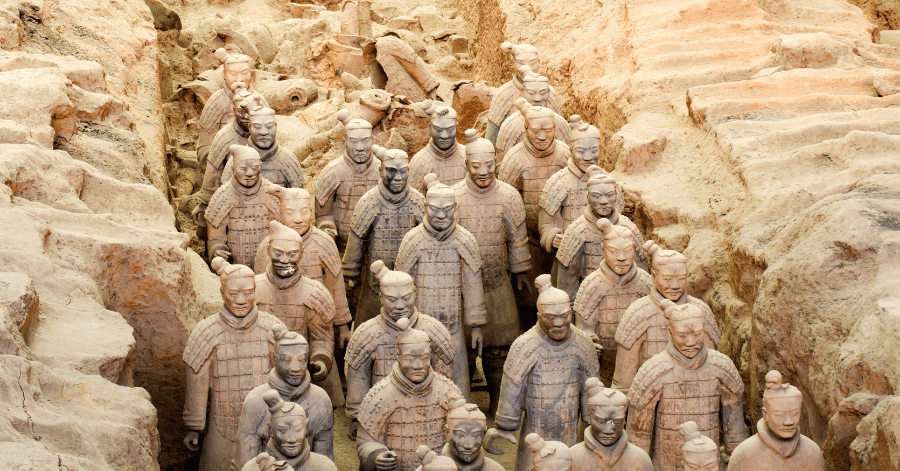
Xi’an rewards the travellers who give it more than a day. The army is the headline, but the wall at golden hour, a bowl of biang biang noodles in the Muslim Quarter, and Datang Everbright City lit up at night are what you’ll actually remember.
Before you fly, link your YouTrip card to Alipay and WeChat Pay so you can scan-and-go across the city with zero foreign transaction fees, at the wholesale exchange rate.
New here? Sign up with code <YTBLOG5> for S$5 in your wallet, unlock member Perks, and join us on Telegram and the YouTrip Community Group for travel deals and rate alerts. Then go eat your way through China’s oldest capital!