



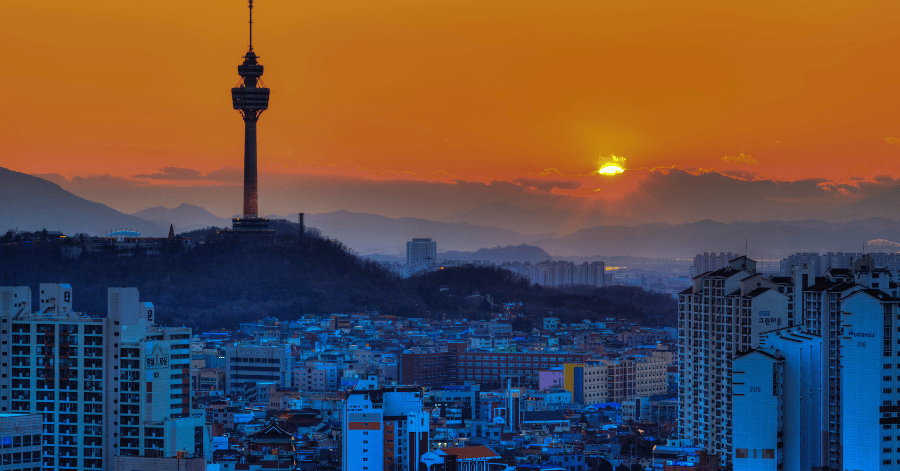

Is Daegu worth a few days of your Korea trip?
Yes, if you want markets, mountain views and cafés without Seoul’s crowds. Daegu is an inland city ringed by mountains, a short train ride from both Seoul and Busan, and its market alleys smell of street food after dark. Most tourists skip it, which only keeps the crowds smaller for you.
| Quick plan | Details |
|---|---|
| How long | 2 to 3 days; one day if you’re adding it to Seoul or Busan |
| Best for | Street food, markets, hiking and cafés without the Seoul crowds |
| Getting here | About 2 hours by KTX from Seoul, under an hour from Busan |
| Don’t miss | Apsan at sunset, Seomun Night Market (Friday to Sunday), a Palgongsan day trip |
| Entry costs | Most parks and museums are free; the 83 Tower deck is 15,000 KRW (~S$14) |
| Paying | Tap your YouTrip card at 0% FX; pull won from an ATM, free on your first S$400 each month |
Daegu at a glance: the 19 spots
| Spot | Area | Good for | Entry |
|---|---|---|---|
| Apsan Observatory | South Daegu | Sunset city views | Cable car 14,000 KRW return |
| 83 Tower | Duryu | City skyline from the deck | 15,000 KRW |
| E-World | Duryu | Rides and winter lights | One-day ticket 49,000 KRW |
| Seomun Market | Jung-gu | Textiles by day, street food at night | Free to enter |
| Gyeongsang Gamyeong Park | Jung-gu | Joseon-era governor’s compound | Free |
| Daegu Modern History Street | Jung-gu | Colonial-era churches and houses | Free |
| Kim Gwangseok-gil | Jung-gu | Murals and cafés | Free |
| Suseong Lake | Suseong-gu | Duck boats, fountain show | Free |
| Duryu Park | Duryu | Cherry blossoms, lakeside walks | Free |
| Daegu Arboretum | Dalseo-gu | A garden built on an old landfill | Free |
| The ARC | Nakdong riverside | Shell-shaped riverside pavilion | Free |
| Daegu National Museum | Suseong-gu | Regional history, no ticket | Free |
| Daegu Art Museum | Suseong-gu | Contemporary art | 1,000 KRW |
| Gatbawi | Palgongsan | A 4m stone Buddha with a hat | Check at the trailhead |
| Donghwasa Temple | Palgongsan | Pine trails and a big Buddha statue | Check at the gate |
| Palgongsan Cable Car | Palgongsan | Mountain views without the hike | 14,000 KRW return |
| Biseulsan | South Daegu | Azalea valley in April | Check on the day |
| Dongseongno | Downtown | Shopping and late dinners | Free |
| Banwoldang to Jungangno | Downtown | Fashion and an underground mall | Free |
What’s in this guide
- What is Daegu famous for?
- Best things to do in Daegu
- Things to do in Daegu at night
- What to eat in Daegu
- Shopping in Daegu
- Things to do in Daegu by season
- BTS in Daegu
- How many days in Daegu?
- Day trips from Daegu
- How to get to Daegu from Seoul, Busan and Incheon
- Getting around Daegu
- Where to stay in Daegu
- Paying in Daegu: cards, cash and ATMs
- FAQs
What Is Daegu Famous For?
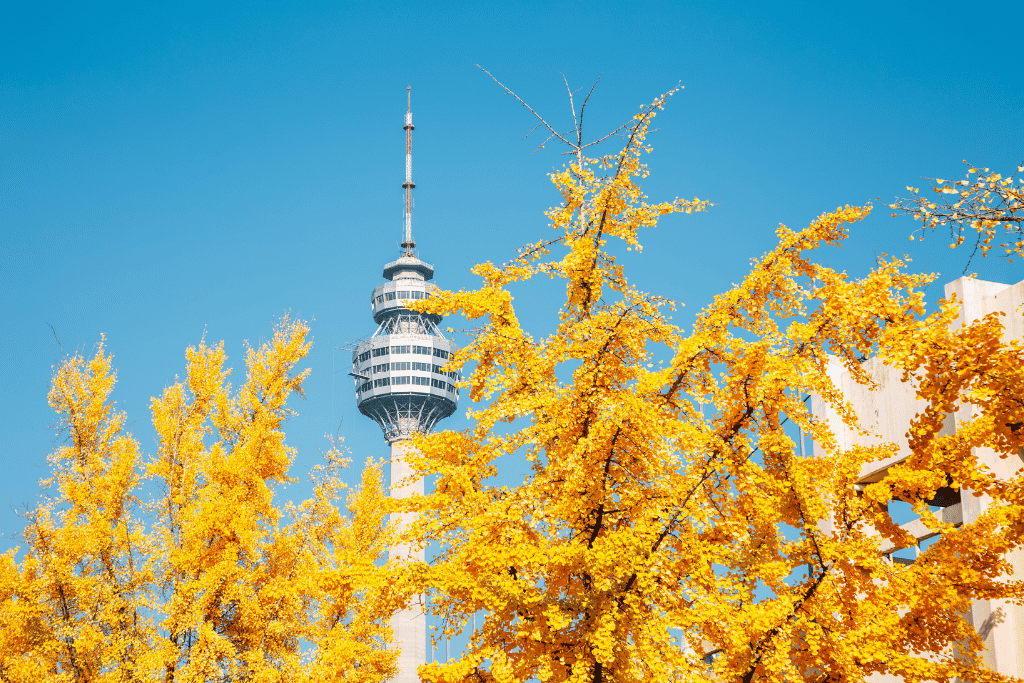
Daegu is famous for Seomun Market’s textiles and night street food, the Apsan and Palgongsan mountains, and a café scene built around small speciality roasters and bakeries. It also has a theme park, E-World, with an observation tower next door.
Daegu is a metropolitan city of about 2.35 million people in Korea’s southeast, the fourth largest in the country, so it’s a proper city rather than a day-trip town. It sits inland between Seoul and Busan, in a basin with mountains on most sides. That geography explains the view-from-above appeal of Apsan and 83 Tower.
Seoul is the big-city stop, and Busan is the coast. Daegu has fewer tour groups and plenty to do for free.
📖 Related Guide: Starting in the capital? Our things to do in Seoul guide covers the other end of the trip.
Best Things to Do in Daegu
Daegu’s main sights split into mountain viewpoints, the market and heritage streets of the old centre, and the parks and museums near Suseong Lake and Duryu Park. Most cost nothing. The main paid ones are the Apsan cable car (14,000 KRW, ~S$13.50 return), the 83 Tower deck (15,000 KRW, ~S$14.40) and E-World.
Apsan Observatory
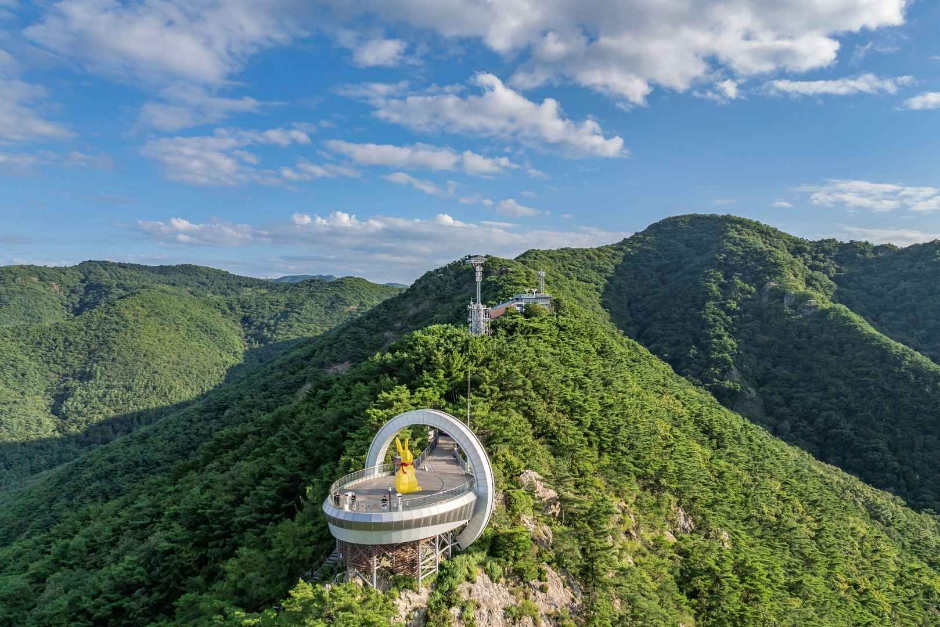
Image Credits: Visit Korea
Apsan is the mountain on the south side of the city. The cable car up to the Apsan Observatory is the quickest way to see Daegu laid out below you. A return ticket costs 14,000 KRW (~S$13.50) for adults. You can also walk up: the route from the Anjirang Valley entrance takes about an hour.
Go for sunset. The city is still bright when you arrive. From up top, the basin is wall-to-wall apartment blocks out to the mountains, and it starts to look like a circuit board once the lights come on.
Best for anyone with a single evening free. Save it for a clear day, since haze flattens the view.
📍 South Daegu · 🕘 The cable car runs year-round, with hours that shift by season · 💰 Cable car 14,000 KRW (~S$13.50) return
83 Tower
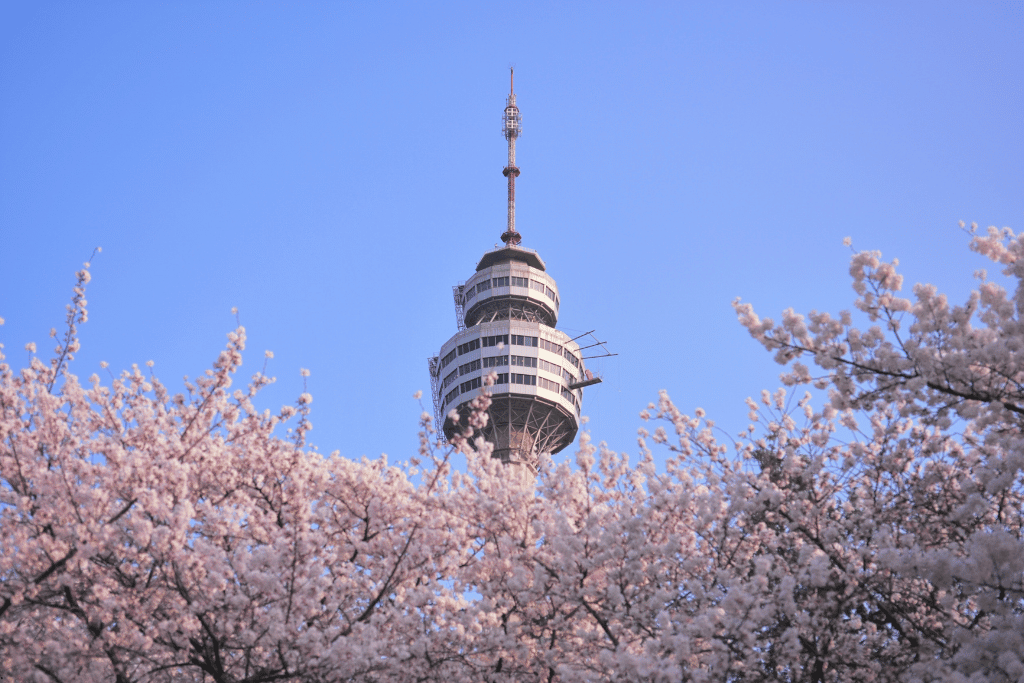
Image Credits:
Duryu’s observation tower is the landmark you can pick out from much of the city. An elevator takes you up in seconds, and the deck looks over the whole basin. The observation deck costs 15,000 KRW (~S$14.40) for adults, and prices vary by ticket type.
The tower has listed a restaurant and a Sky Lounge, so check what’s open on the day. It also has an ice rink in the cold months (12,000 KRW, ~S$12, for adults). Couples treat it as a date-night stop, and it works best after dark, when the city lights come on below. For a daytime view with fewer couples, Apsan is the better bet.
📍 Duryu, next to E-World · 🕘 Roughly 11 AM to 8:30 PM; hours shift by season · 💰 Observation deck 15,000 KRW (~S$14.40)
E-World
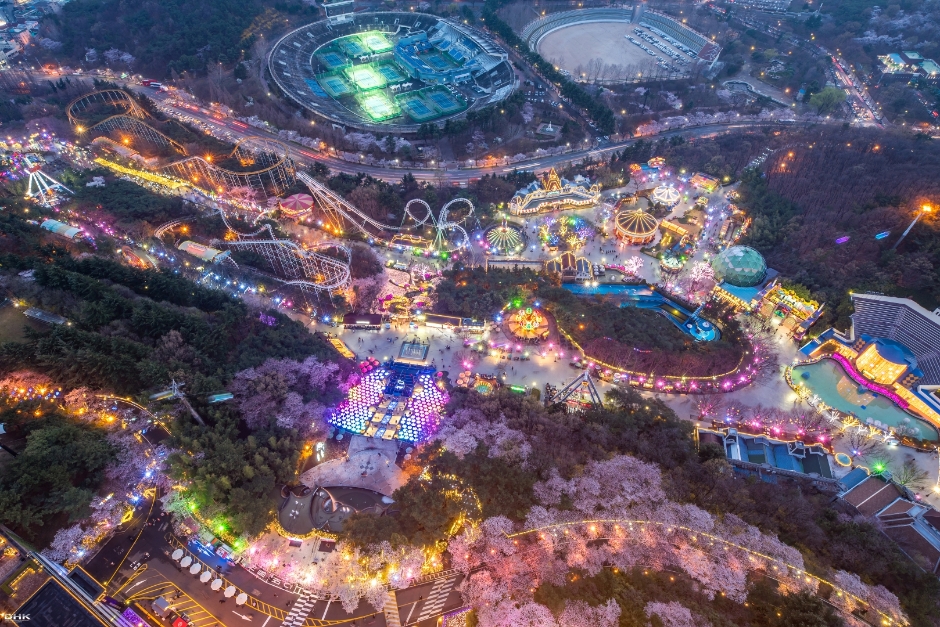
Image Credits: Visit Korea
Daegu’s theme park sits at the foot of 83 Tower. Rides include a log flume and bumper cars, and the Ghost House haunted attraction has a reputation for being properly scary. In winter, a lighting festival decorates the park and the tower, and this season’s lights run from 21 November 2026.
A one-day adult ticket costs 49,000 KRW (~S$47), and an adult evening ticket costs 35,000 KRW (~S$34), according to a Korea tourism listing. Prices change, so check E-World’s own site before you buy.
It’s an easy add-on if you’re travelling with teenagers or a group that wants one loud afternoon. Skip it if your idea of Korea is temples and market stalls, since the rides are the whole point.
📍 Duryu · 🕘 Typically opens at 10 AM and closes between 9 and 10 PM, depending on the day and season · 💰 One-day ticket: 49,000 KRW (~S$47) for adults
Seomun Market
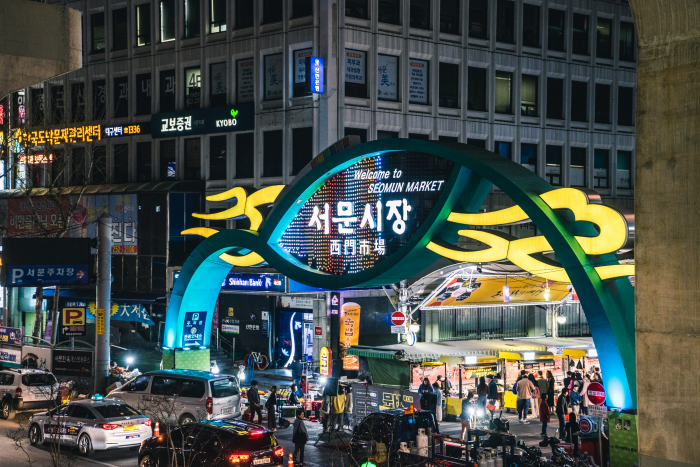
Image Credits: Visit Korea
Seomun Market is one of Daegu’s oldest markets, with more than 4,000 shops. By day, it’s known for textiles and sewing services, and in the late Joseon era it was reportedly counted among Korea’s three largest markets.
The reason most visitors come is the food. After dark, the Seomun Night Market sets up with around 26 stalls selling skewers and street snacks, according to Asia Business Daily’s 2026 season report. It runs Friday to Sunday only, from March to December: 7 PM to 11:30 PM on Fridays and Saturdays, and 7 PM to 10:30 PM on Sundays. A Tuesday visit finds the stalls dark, so check before going in winter.
Come hungry and go in the evening, since daytime is mostly for fabrics.
📍 Jung-gu · 🕘 Market by day; night market Friday to Sunday from 7 PM · 💰 Free to enter; snacks priced per stall
Gyeongsang Gamyeong Park
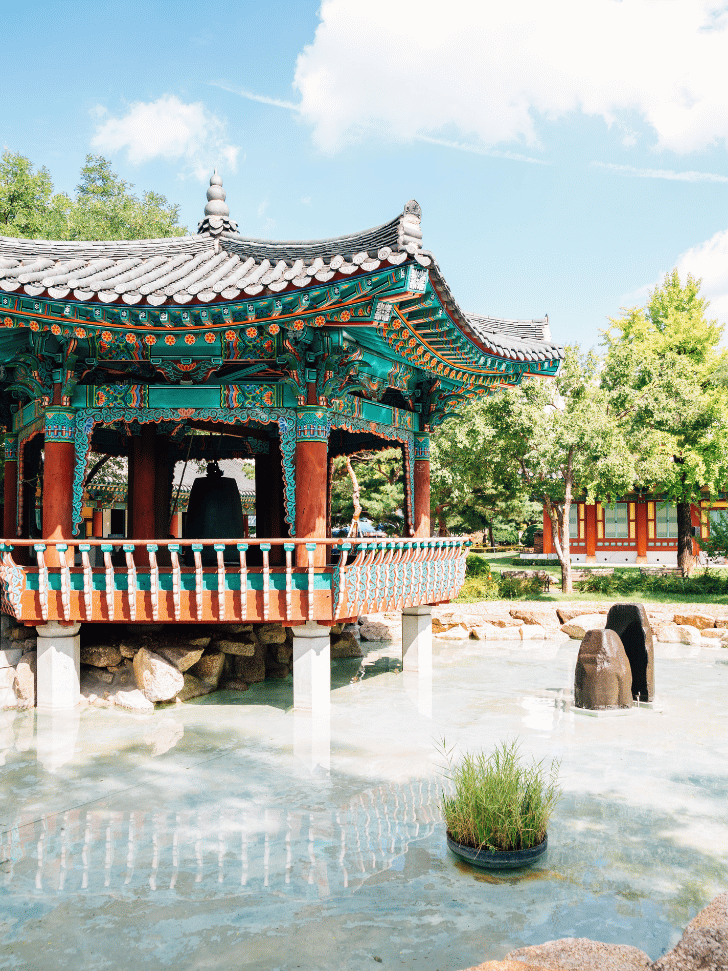
The park preserves the site of the Joseon-era governor’s office for Gyeongsang Province. Daegu grew up where the Nakdong and Geumho rivers meet, and this was the seat of provincial power. Seonhwadang, the hall where the governor worked, is the building to look for in a park with a fountain.
It’s quiet and flat, and an hour is plenty.
📍 Jung-gu · 🕘 Open at all times, though individual buildings may keep set hours · 💰 Free
Daegu Modern History Street
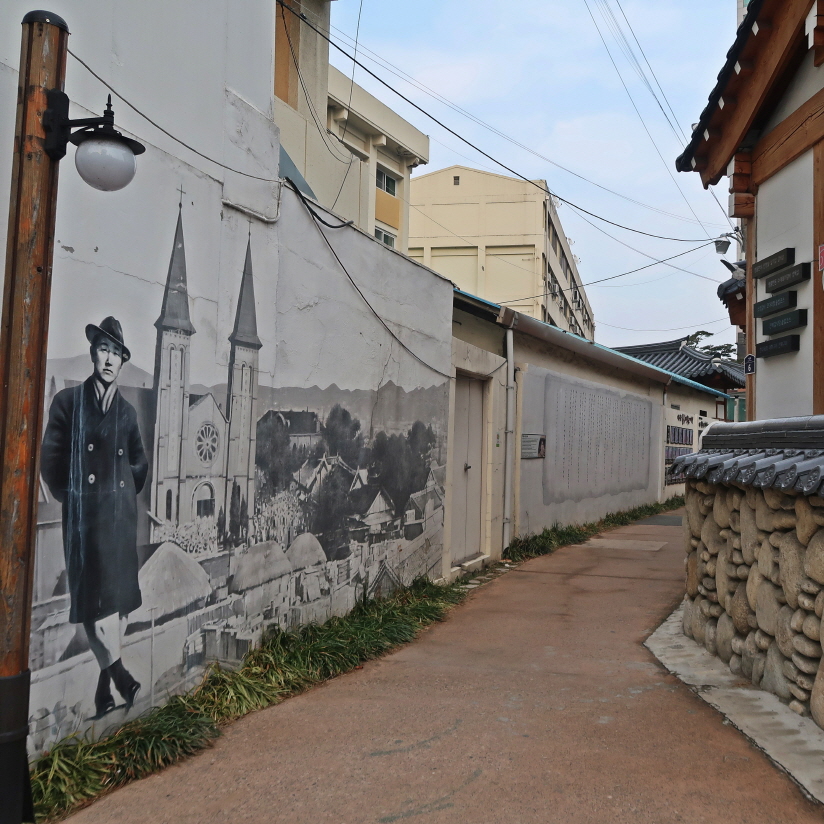
Image Credits: Visit Korea
A walking route through the old centre, passing early 20th-century colonial-era buildings, traditional houses, old churches and small museums. It covers Daegu’s role in Korea’s modernisation and independence movement.
Cheongna Hill, a gently sloping hill lined with missionary-era houses, sits along the route. The Missionary Switzer House is the best known of them, but it’s a private building whose interior is listed as not open to visitors. Enjoy it from the outside, and confirm with the Jung-gu tourist office if you want to go in.
Also in Jung-gu, Gyesan Cathedral was built in the early 1900s (1902 to 1903) and is a designated Historic Site. Entry is free, and it’s an active church, so keep your voice down and dress modestly.
The walk takes about two hours at a slow pace and sits within easy reach of Seomun Market.
📍 Jung-gu · 🕘 Streets open all day; individual buildings vary · 💰 Free to walk
Kim Gwangseok-gil
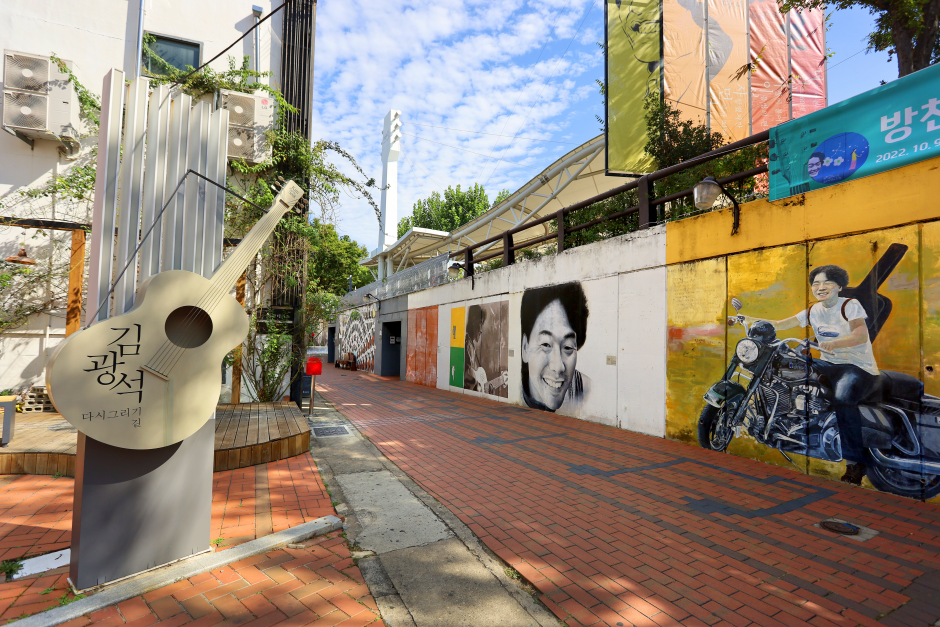
Image Credits: Visit Korea
A mural street in Jung-gu, beside Bangcheon Market, where the folk singer Kim Kwang-seok used to live. Colourful murals share the street with a handful of cafés and shops, and it’s an open street, so there’s nothing to pay.
You don’t need to know his music. The murals work as street art, and there are cafés if you want a coffee after the photos.
📍 Jung-gu · 🕘 Open street, cafés from late morning · 💰 Free
Suseong Lake
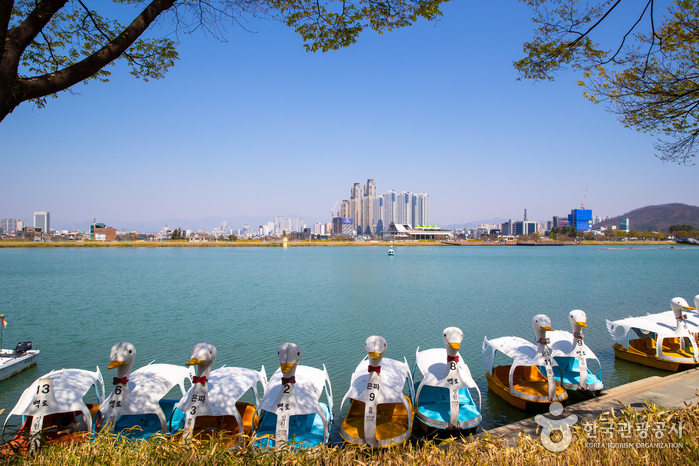
Image Credits: Visit Korea
A lake on the southern edge of the city, ringed by parkland with cafés and restaurants along the shore. A 2 km promenade circles the lake, and there’s a small amusement park beside it.
By day, you can rent a paddle boat. Stay until evening for the musical fountain show, which generally runs from late March to October, so it’s off in winter. Check the current times before building a night around it. At dusk, the shoreline cafés light up, which is a better look than the paddle boats.
For a coffee by the water, Air Coffee is an aeroplane-themed café near the lake with a cockpit photo zone. A 2024-era listing gives its address as 42 Muhak-ro and shows it open 11 AM to 10 PM, Tuesday to Sunday. Confirm it’s still listed on Naver or Kakao Maps.
📍 Suseong-gu · 🕘 Fountain show in the evening, seasonal · 💰 Free; paddle boats extra
Duryu Park
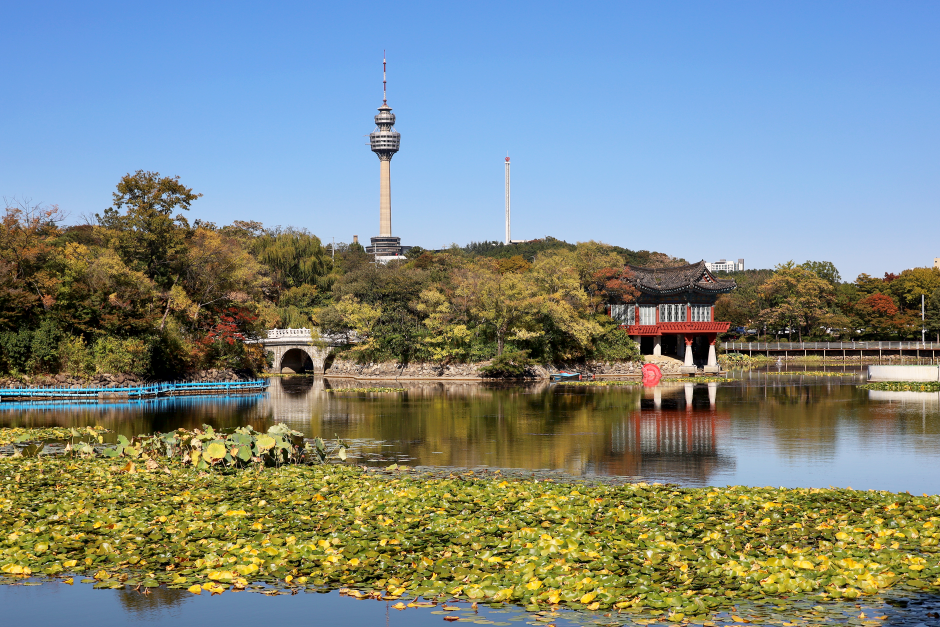
Image Credits: Visit Korea
A large park around E-World and 83 Tower, with ponds and tree-lined paths. In spring, the cherry trees bloom along the paths.
Walk through it on the way to E-World or the tower; it isn’t worth a trip on its own.
📍 Duryu · 🕘 Open access · 💰 Free
Daegu Arboretum
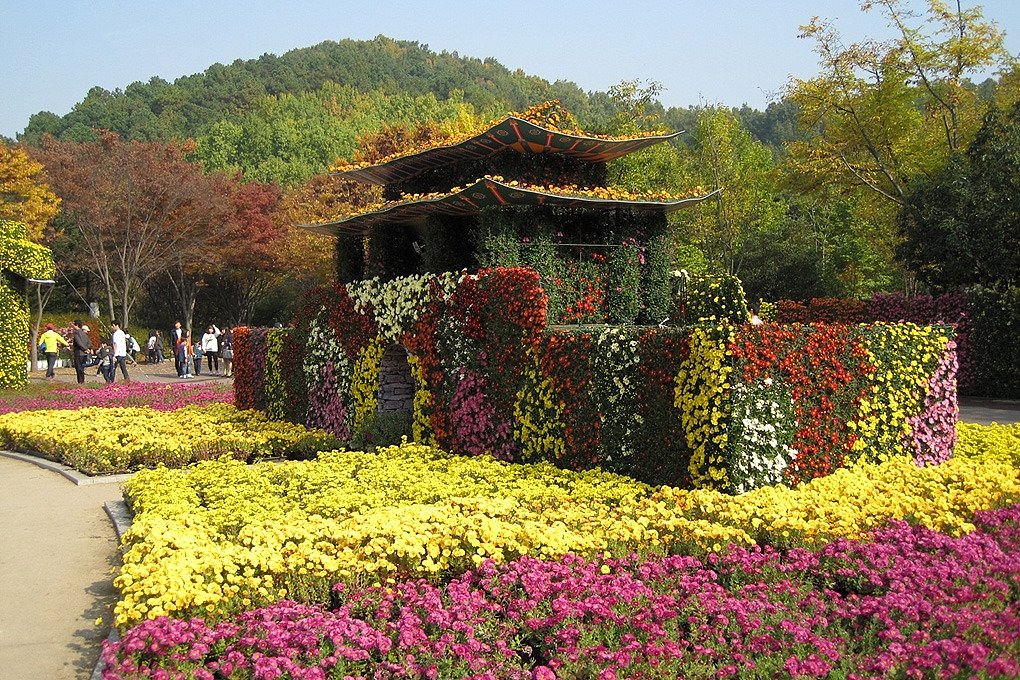
Image Credits Tripadvisor
Daegu Arboretum opened in 2002 on top of the city’s former landfill, and the greenhouses and trails don’t give that away. Thousands of plant species grow across them, with an indoor exhibition hall, and entry is free.
Spring and summer are the easy seasons for flowers, and the arboretum holds a chrysanthemum exhibition each autumn, usually in November (the 25th ran from 6 to 15 November 2026).
Best for a slow, flat morning. It’s in Dalseo-gu on the western side of Daegu, a long way from the old centre, so allow time to get there.
📍 342 Hwaam-ro, Dalseo-gu · 🕘 9 AM to 6 PM (8 AM to 7 PM from May to August); some facilities close on Mondays · 💰 Free
The ARC
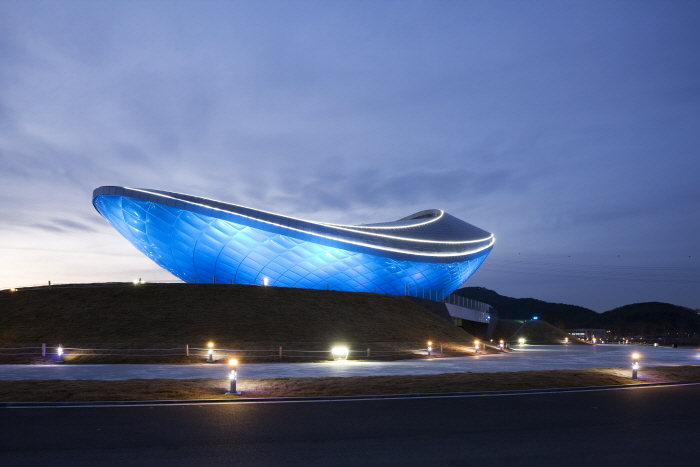
Image Credits: Visit Korea
A curved pavilion on a green peninsula where the Nakdong and Geumho rivers meet, designed by Hani Rashid and Lise Anne Couture of Asymptote. Seen from the riverbank, it looks like a giant pebble mid-skip. The setting is the reason to go: mountains on three sides, and a riverside path for a sunset walk.
Entry is free, and it closes on Mondays and 1 January. It sits out in Dalseong-gun, so allow time to get there.
📍 Nakdong riverside · 🕘 Exhibition hall 10 AM to 5:30 PM, observatory to 10 PM, closed Mondays · 💰 Free
Daegu National Museum
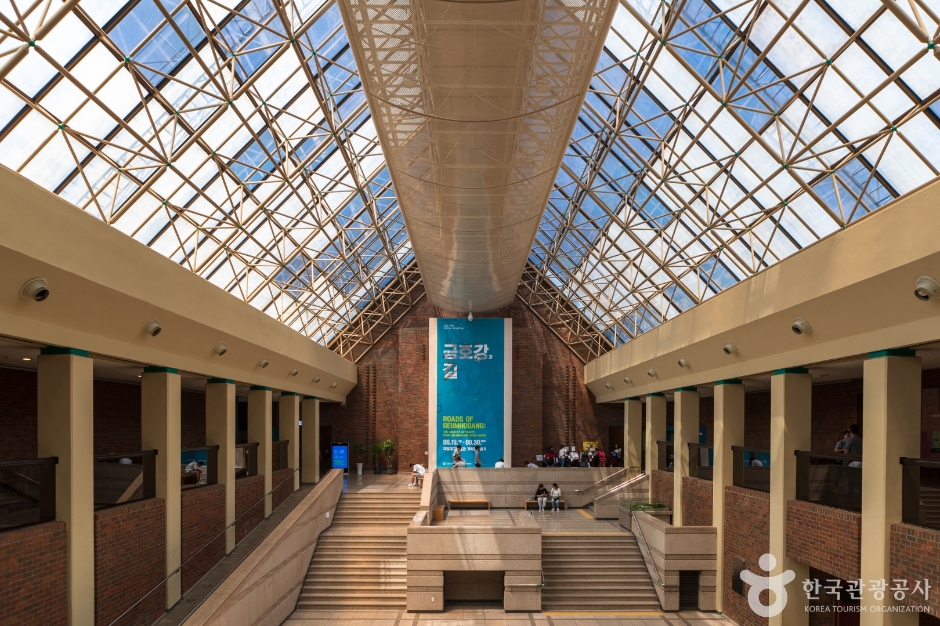
Image Credits: Visit Korea
Daegu National Museum is free (special exhibitions may charge), with regional history and art collections and outdoor grounds that are good for a walk. It opens 9 AM to 6 PM and closes on Mondays and some public holidays.
An hour or two covers it. Go if you want context for the temples you’ll see on Palgongsan.
📍 Suseong-gu · 🕘 9 AM to 6 PM, closed Mondays · 💰 Free
Daegu Art Museum

Image Credits: Tripadvisor
A municipal art museum with a rotating programme of exhibitions on current art and social themes. Adults pay 1,000 KRW (~S$1), though special exhibitions may differ; it opens from 10 AM to 6 PM and closes on Mondays. Go on a rainy afternoon, not as a first-day priority.
📍 Suseong-gu · 🕘 10 AM to 6 PM, closed Mondays · 💰 1,000 KRW (~S$1) for adults
Also in Daegu. Spa Valley Nature Park, a zoo in Gachang with indoor and outdoor zones, and Daegu Aquarium beside the Shinsegae department store (it follows the store’s holidays) suit a rainy day with children.
📖 Related Guide: Pairing Daegu with the coast? Our 18 best things to do in Busan covers beaches, temples and seafood markets.
Things to Do in Daegu at Night
Daegu at night means three things: Seomun Night Market from Friday to Sunday, a skyline view from Apsan or 83 Tower, and an evening around Dongseongno. Each is a short ride from the next.
Apsan and 83 Tower After Dark
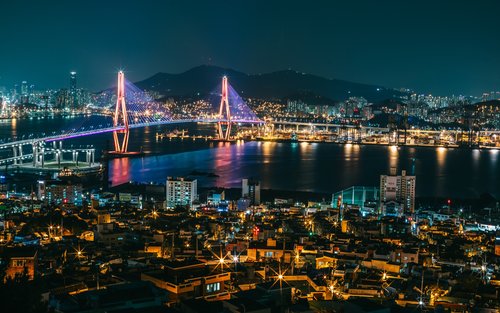
Image Credits: Klook
Take the Apsan cable car up before sunset and stay while the city lights up, then come down for dinner. A return ticket costs 14,000 KRW (~S$13.50). If the haze is bad, the 83 Tower deck (15,000 KRW, ~S$14.40) gives you the skyline from the other side of the city. Check the last cable car and the tower’s closing time before you plan dinner around either.
Seomun Night Market
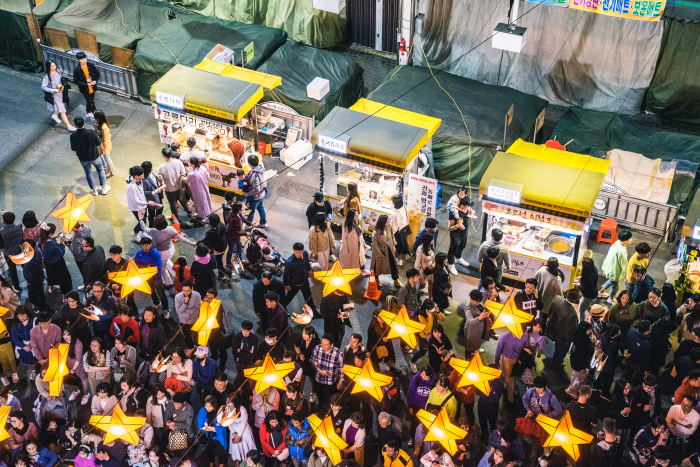
Image Credits: Visit Korea
Seomun Night Market is the obvious dinner stop from Friday to Sunday, with about 26 stalls open from 7 PM. It runs 7 PM to 11:30 PM on Fridays and Saturdays and 7 PM to 10:30 PM on Sundays, from March to December. On a weeknight, the stalls are dark, so plan another dinner then, and check before going in winter.
Dongseongno

Image Credits: Tripadvisor
Dongseongno is Daegu’s main downtown shopping district, a 1 km strip of fashion and cosmetics shops in Jung-gu, centred on Banwoldang Station. Restaurants and cafés in the streets around it make it a reasonable place to eat dinner.
Best for anyone who wants shops and dinner in one area. Check shop hours if you’re arriving late.
📍 Downtown Daegu, Jung-gu · 🕘 Shops mostly late morning to evening · 💰 Free to walk; food extra
| Night plan | When | What it is |
|---|---|---|
| Apsan Observatory | Sunset | Skyline view, cable car return 14,000 KRW (~S$13.50) |
| 83 Tower | After dark | The same view from the east side |
| Seomun Night Market | Fri to Sun, 7 PM onward, March to December | About 26 street-food stalls |
| Suseong Lake fountain | Seasonal evenings | Free show, café strip on the shore |
| Dongseongno | Dinner onward | Shops, cafés and restaurants |
What to Eat in Daegu
Daegu’s best-known dish is makchang, grilled intestines, and the local menu runs on through spicy braised ribs and a beef soup served with the rice on the side. Most of it is meat-heavy, so Muslim and vegetarian travellers should plan around the market snacks and ask what’s in each dish. We’ve listed areas rather than single shops, because alley restaurants change often.
Makchang
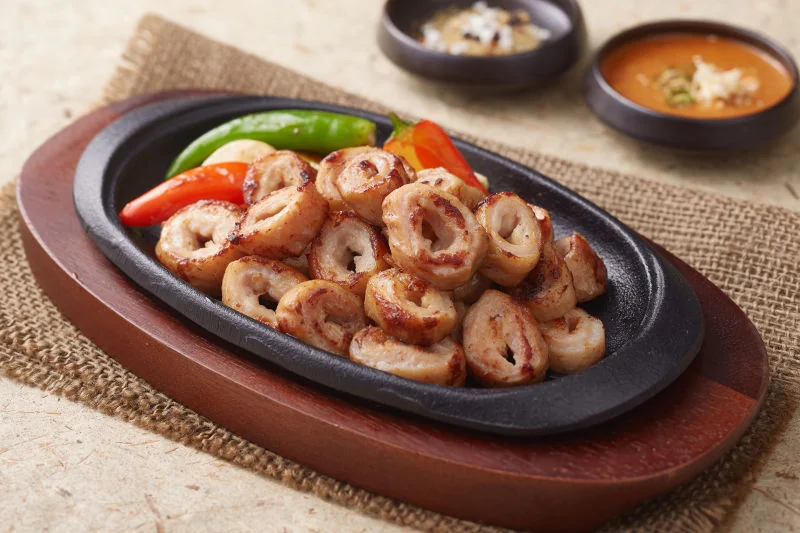
Image Credits: Visit Korea
Makchang is grilled intestine, usually pork or beef, chewy and charred at the edges, and cooked at the table. Daegu is famous for it, and the quickest way to try it is a lane of specialists rather than a single restaurant.
It’s often pork, so ask before you order if that matters, and don’t assume any makchang shop is halal. Many alley restaurants close on some Sundays or Mondays, so check before going.
| Where to try | Area | What you’ll find |
|---|---|---|
| Anjirang Gopchang Alley | Nam-gu, near Anjirang Station (Line 1) | A lane of intestine specialists serving both makchang and gopchang |
Jjim-galbi
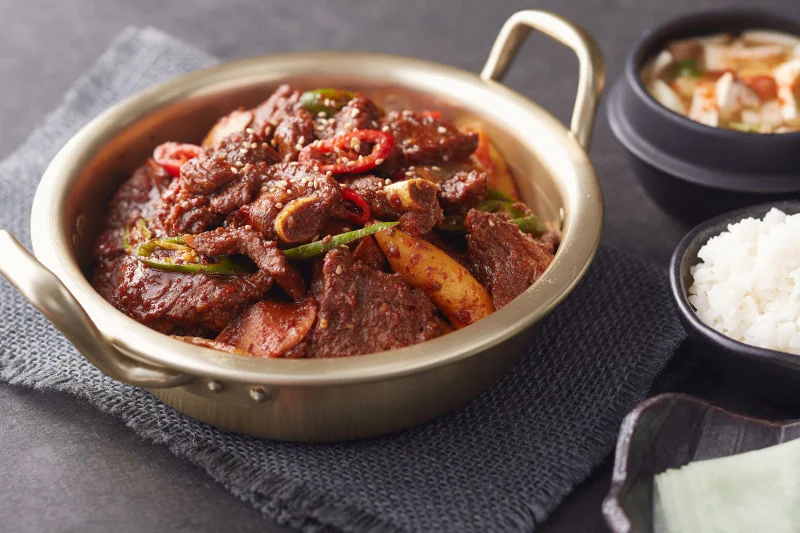
Image Credits: Visit Korea
Daegu-style jjim-galbi is short ribs braised in a chilli, garlic and ginger sauce, spicier than the mild soy-sauce version served elsewhere in Korea. Dongin-dong in Jung-gu is the best-known street for it, with a cluster of specialist restaurants that vary in opening hours. Order it by the portion for two, with rice to soak up the sauce.
It’s beef, so check the stock and the sauce if you’re avoiding pork.
| Where to try | Area | What you’ll find |
|---|---|---|
| Dongin-dong jjim-galbi restaurants | Jung-gu | Specialist rib restaurants, spicier than elsewhere in Korea |
Ttaro-gukbap
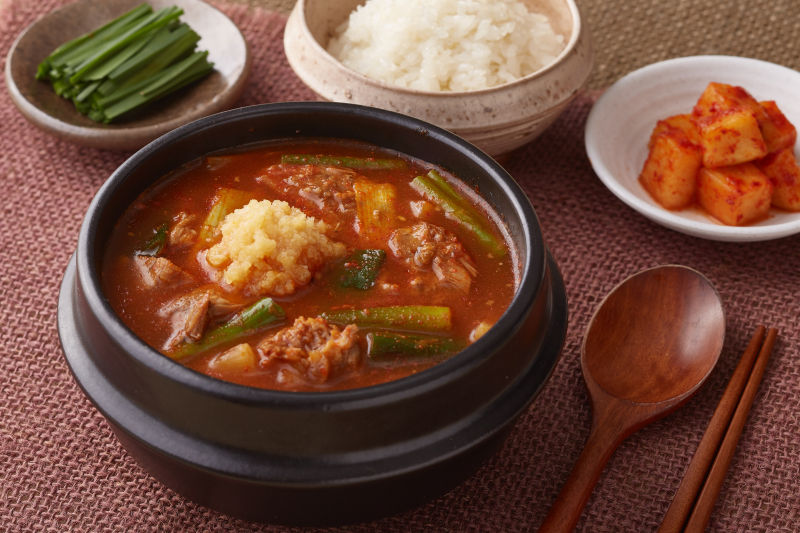
Image Credits: Visit Korea
Ttaro-gukbap is a beef soup that the Korea Tourism Organisation calls “a speciality in Daegu”. The rice and the soup come separately, which is where the “ttaro” (separate) comes from. The restaurant that page profiles makes its broth from beef bones, spices, meat and coagulated ox blood, so ask before ordering if that’s a dealbreaker.
| Where to try | Area | What you’ll find |
|---|---|---|
| Ttaro-gukbap restaurants | Jung-gu | Soup restaurants where the rice comes on the side |
📖 Related Guide: Craving Korean barbecue before you fly? Our JB Korean BBQ guide covers the closest fix.
Shopping in Daegu
Daegu’s shopping splits into two areas: Seomun Market for textiles and sewing services, and the Banwoldang to Jungangno shopping street for fashion and an underground mall. Seomun is the place for textiles and market food, and Banwoldang is the place for fashion and high-street shops.
Seomun Market for Textiles

Image Credits: Visit Korea
Seomun Market is the place for fabric by the metre, clothing, silk goods and handicrafts, plus sewing services. More than 4,000 shops spread across several large buildings, so decide what you’re hunting for before you start. It’s covered above with its night market, so come by day for textiles and in the evening for food.
📍 Jung-gu · 🕘 Market by day · 💰 Free to browse
Banwoldang to Jungangno Shopping Street
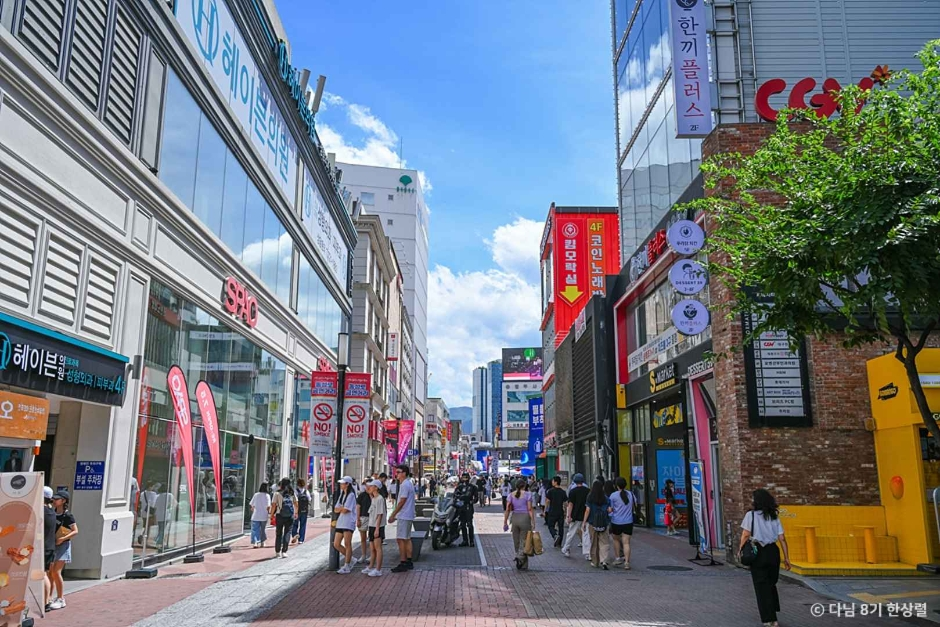
Image Credits: Visit Korea
The main shopping street runs between Banwoldang Station and Jungangno Station, two neighbouring stops on Metro Line 1, with fashion shops above ground. Jungangno Station connects to the Daehyun PriMall, an underground shopping centre of small shops that suits a browse if you’re after a bargain.
Best for an afternoon of window-shopping. It’s crowded on Saturdays, and prices vary a lot between shops.
📍 Between Banwoldang and Jungangno stations · 🕘 Shops mostly late morning to evening · 💰 Free to walk
Things to Do in Daegu by Season
Daegu is best in spring and autumn, with winter a decent fit for night views and indoor stops.
| When | What to do | Worth knowing |
|---|---|---|
| Winter | 83 Tower ice rink, E-World’s winter lights, market food | Cold, so outdoor spots are less reliable |
| April | Biseulsan azalea festival (mid-April) | Needs a hike or a shuttle |
| Spring | Cherry blossoms around Duryu Park | Bloom dates shift year to year |
| Early July | Daegu Chimac Festival (fried chicken and beer) in Duryu Park | 1 to 5 July in 2026; dates vary |
| Summer | Suseong Lake evening shows, Apsan after dark | Hot, so keep hikes for the morning |
| Autumn | Daegu Arboretum and the leaves on Palgongsan | Chrysanthemum show runs about ten days in November |
Spring is the busiest season. Cherry blossoms line Duryu Park, and our Korea cherry blossom forecast tracks the bloom dates city by city.
📖 Related Guide: Planning around the leaves? Our autumn in Korea guide covers foliage dates and what to pack.
BTS in Daegu
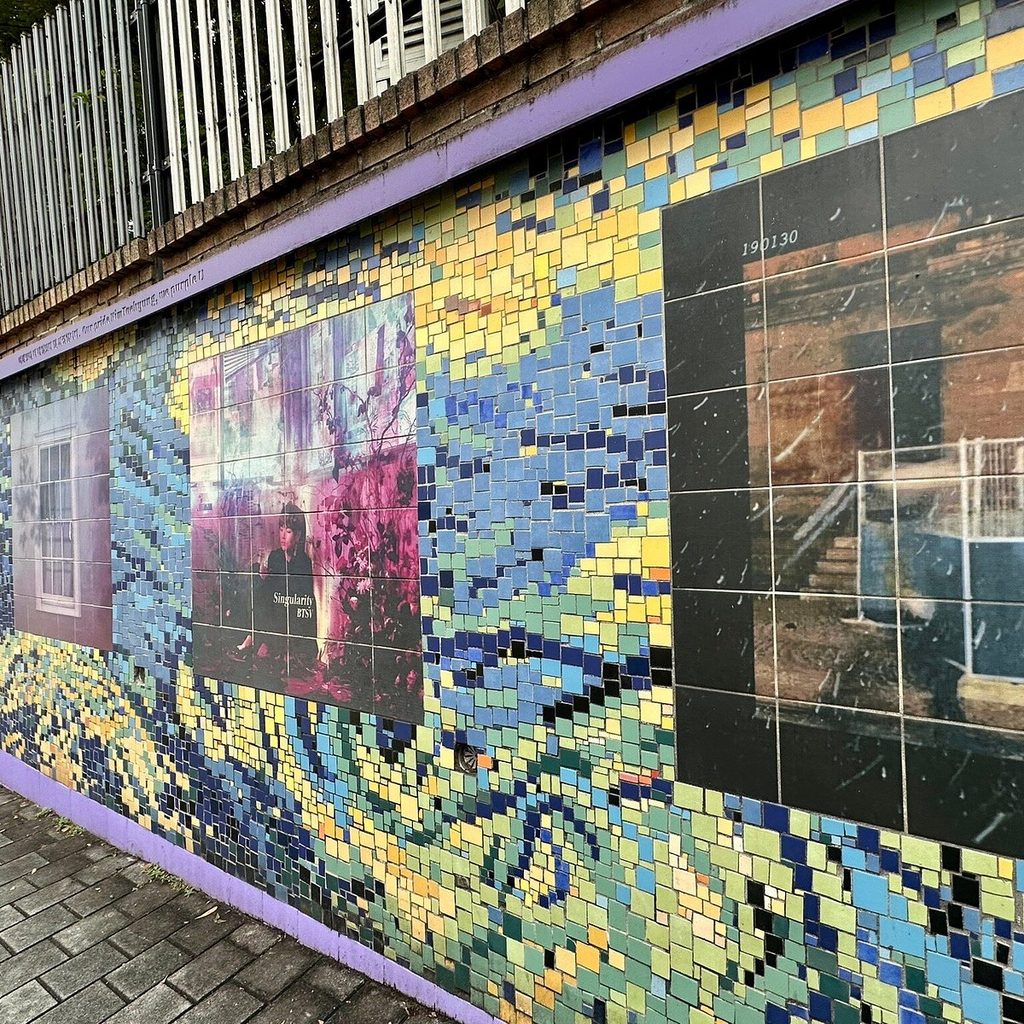
Image Credits: Tripadvisor
Two BTS members were born in Daegu: Suga and V. Most of what you’ll find is murals and fan stops, and we couldn’t find an official city trail map.
Tatler Asia’s Daegu guide points to V Mural Street in Seo-gu, in front of his elementary school, and a mural tour for Suga along Youth Culture Street.
Kim Gwangseok-gil is the nearest thing to a music-themed walk in the centre, though it honours a folk singer rather than the band.
BTS sights are a small extra, so don’t plan the trip around them.
How Many Days in Daegu Is Enough?
Two days is enough for the main sights, and three adds a Palgongsan day trip without rushing. One day works only as a stop between Seoul and Busan, and it means picking either the old centre or the mountains.
| Day | Plan |
|---|---|
| Day 1: old centre | Gyeongsang Gamyeong Park, Modern History Street, Kim Gwangseok-gil, then Seomun Market for dinner (the night market runs Friday to Sunday) |
| Day 2: views and fun | Daegu Arboretum or the National Museum in the morning, E-World and 83 Tower in the afternoon, Apsan at sunset |
| Day 3: Palgongsan | Gatbawi and Donghwasa, with the cable car if your legs have had enough |
Swap the days around if you arrive on a Friday, so Seomun Night Market lands on your first evening.
Day Trips from Daegu
Palgongsan is the main day trip from Daegu: a mountain on the city’s northeastern border with temples, trails and a cable car. Gatbawi and Donghwasa are the two sights most visitors want, and you can do both in one long day.
Gatbawi

Image Credits: Wikipedia
A seated stone Buddha about 4m tall, made in the Unified Silla era and nicknamed the Stone Hat Buddha for the flat stone, 15cm thick, on his head. It’s a medicine Buddha, and the climb is the main part of the visit.
The Daegu-side route has 1,365 stairs, which Gwanamsa Temple built to stand for the days of the year. Allow roughly 45 minutes to an hour for the stairs up from Gwanamsa, and more in heat or with children. The Gyeongsan-side route from Seonbonsa Temple is generally reported as shorter and easier.
You’ll climb most of the stairs staring at your feet. Then you look up, and there’s a 4m Buddha in a stone hat. Wear proper shoes.
Best for anyone happy to climb for the view. Skip it on summer afternoons, when the steep stairs are at their hardest.
📍 Palgongsan · 🕘 Daylight hours · 💰 Check at the trailhead
Donghwasa Temple

Image Credits: Tripadvisor
A temple complex on Palgongsan’s southern slope that has been rebuilt several times, including in 1732. It sits on Palgongsan’s southern slope with mountain trails nearby, and a large Buddha statue stands on the grounds. It also runs temple stay programmes if you want to stay overnight.
Donghwasa makes a good pair with Gatbawi, since both are on Palgongsan.
📍 Palgongsan, Dong-gu · 🕘 Daylight hours · 💰 Check at the gate
Palgongsan Cable Car
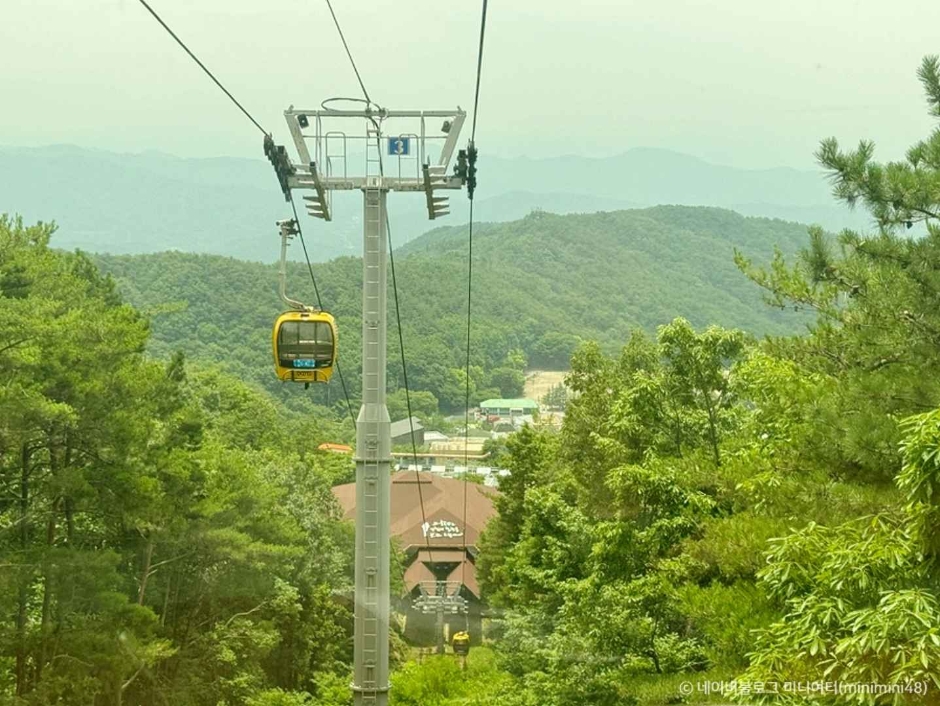
Image Credits: Visit Korea
A cable car runs 1.2km up the mountain to a viewpoint at 820m, so you get the panorama without the full hike. It usually runs from about 9 AM to 6 PM in November, with hours that change by season, and it may pause in bad weather. Some listings say it closes on Mondays, so check before you go.
A return ticket costs 14,000 KRW (~S$13.50) and a one-way ticket 11,000 KRW (~S$10.60), according to a Korea Tourism Organisation listing, so confirm at the ticket window. It’s the easiest way to add a view to a temple day.
📍 Palgongsan · 🕘 Roughly 9 AM to 6 PM in November, seasonal · 💰 14,000 KRW (~S$13.50) return
Biseulsan
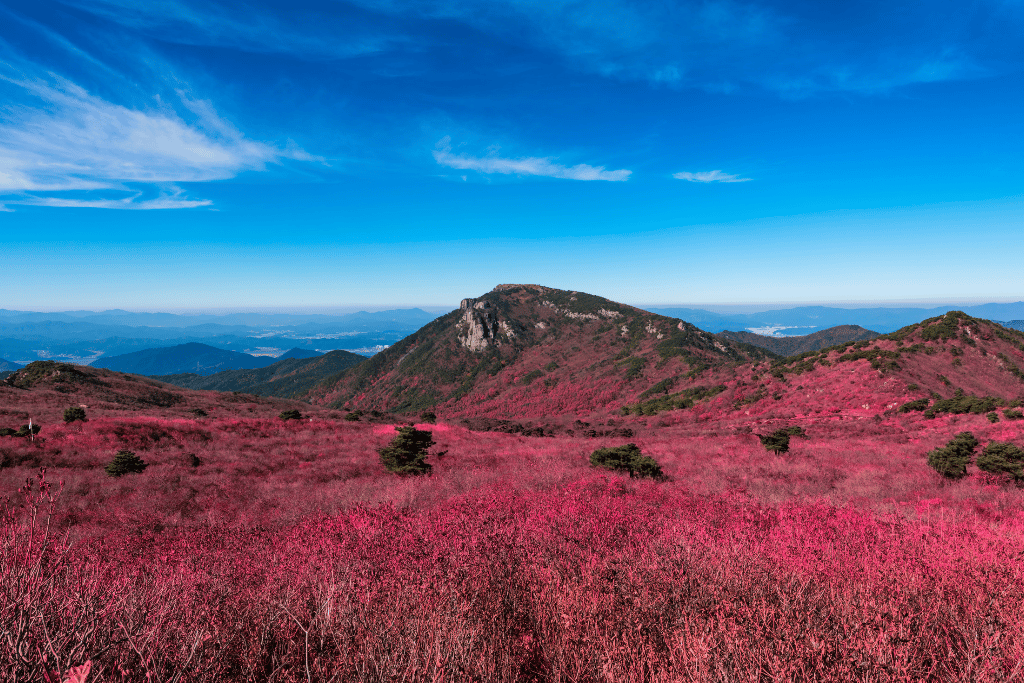
A natural recreation forest in Dalseong-gun, loveliest in mid-April when the azalea festival (the Chamkkot Culture Festival) turns a valley pink. The 30th edition ran in mid-April 2026. Reaching the azaleas takes a hike or a shuttle (a free electric shuttle ran during the 2026 festival), and photos don’t do the display justice. The Buddhist temple here is Daegyeonsa.
Entry is generally free, but shuttle fares vary.
Go in April if you don’t mind a climb.
📍 South Daegu · 🕘 Daylight hours · 💰 Check on the day
Gyeongju is the other classic add-on. The ancient Silla capital sits within about an hour of Daegu: roughly 20 minutes by KTX to Gyeongju Station, which sits outside town, or 50 to 55 minutes by intercity bus. It works as a separate day out rather than a Palgongsan combination.
📖 Related Guide: Adding Gyeongju to the trip? Our Gyeongju guide has 18 stops, the station quirks and what to eat.
How to Get to Daegu from Seoul, Busan and Incheon
Daegu is about 2 hours from Seoul by KTX, under an hour from Busan, and about 3 to 4 hours from Incheon Airport. KTX trains stop at Dongdaegu Station, which is the one to book.
| From | How | Time |
|---|---|---|
| Seoul | KTX from Seoul Station to Dongdaegu | About 1h 40min to 2 hours |
| Busan | KTX from Busan Station to Dongdaegu | Under an hour (roughly 40 to 50 minutes) |
| Incheon Airport | Airport Railroad (AREX) to Seoul Station, then KTX | About 3 hours or a little more |
| Incheon Airport | Direct TxBus to Dongdaegu, where listed | About 4 hours reported |
From Seoul
Daegu is roughly 280 km from Seoul by road, which is why most people take the KTX from Seoul Station rather than a bus. The train takes about 1h 40min to 2 hours. It’s a long day trip, so staying at least one night is the better plan.
From Busan
Daegu is roughly 110 km from Busan by road, and the KTX from Busan Station takes under an hour. That makes it an easy pairing: base yourself in Busan and visit Daegu for a day, or stop here on the way north to Seoul.
From Incheon Airport
Daegu is roughly 320 km from Incheon Airport by road, and there’s no direct train. The Airport Railroad to Seoul Station plus a KTX south takes about 3 hours or a little more. A direct TxBus to Dongdaegu is listed at about 4 hours, but it appears on third-party listings only, so confirm it on the airport’s own website.
Fares and times change with the service and seat class, so check the live price on the Korail app before you book.
📖 Related Guide: Chaining Seoul and Busan into one trip? Our Seoul to Busan guide compares the KTX, the bus and the budget flight.
Getting Around Daegu
Daegu Metro has three lines, including the Line 3 monorail, and Dongdaegu Station, the KTX stop, is on Line 1. Most of the old-centre sights are reachable by metro, and taxis fill the gaps.
Metro, Buses and Taxis
You can tap a T-money card or another Korean transit card on the metro. Dongdaegu Station is about five stops from Banwoldang. Taxis are cheap, with a base fare of roughly 4,500 KRW (~S$4.30). Kakao T works across Korea, and Daegu has its own taxi app too. If a foreign card won’t register in an app, you can pay the driver directly.
Daegu City Tour Bus
A hop-on hop-off bus circles the main sights. It runs every day except Monday from Dongdaegu Station, roughly hourly from around 9:30 AM, with the last departure at about 3:30 PM. Timetables change, and we couldn’t confirm the current fare, so check Trazy or Klook before you book.
Where to Stay in Daegu
Central Dongseongno and Banwoldang, Dongdaegu Station and the Suseong Lake area are the three places to base yourself, and they suit different trips.
- Dongseongno and Banwoldang put you in the middle of the shopping streets and the evening food, with plenty of hotels around Banwoldang Station. It’s the easiest base for a first visit without a car.
- Dongdaegu Station is the KTX stop, on Metro Line 1 and about five stops from Banwoldang. Choose it for an early train out or a late arrival.
- Suseong Lake has hotels near Suseongmot Station, with the lake and its cafés on your doorstep. It’s quieter, but further from the market and the old centre.
Paying in Daegu: Cards, Cash and ATMs
Cards work almost everywhere in Daegu, including at ticket offices, cafés and most restaurants. Keep a little cash for the market stalls at Seomun and the smaller restaurants.
Cards
Tap your YouTrip card, and you’re charged at the Mastercard wholesale rate, with no foreign transaction fee. A 15,000 KRW (~S$14.40) tower ticket costs you the won price and nothing else. A typical Singapore bank card adds about 3.25% on every overseas swipe, which adds up over three days of food, tickets and coffee.
If a card machine offers to bill you in Singapore dollars instead of won, decline it and choose won. That’s dynamic currency conversion, where the merchant’s payment provider sets the exchange rate, and it’s almost always worse for you.
Cash and ATMs
For cash, withdraw won from an ATM in Daegu rather than changing money before you fly. Money changers don’t charge a visible fee; they build a markup of a few percent into the rate, and it’s wider on a currency like the won.
Your first S$400 of overseas ATM withdrawals each calendar month is free with YouTrip, with a 2% fee after that, and the allowance resets on the 1st. Read the on-screen fee before you confirm, since some operators add their own.
👉 Bottom line: tap for everything, carry about 50,000 KRW (~S$48) in cash for the market stalls, and take it out of one ATM when you land. For deeper detail, see our South Korea ATM withdrawal guide and our guide to whether YouTrip works in Korea.
📖 Related Guide: Working out how much to take? Our SGD to KRW rate guide breaks down what a good rate looks like.
FAQs
Seomun Market’s textiles and night street food, the Apsan and Palgongsan mountains, E-World and 83 Tower, and its café scene. It’s also known for makchang, grilled intestines. The city sits inland between Seoul and Busan, and its summers run hot.
Yes, if you want markets, mountain views and cafés without Seoul’s crowds. Two to three days covers the main sights, or one day as an add-on to Seoul or Busan. It’s less suited to travellers who want beaches or a big shopping-mall scene.
Under an hour by KTX, and roughly 110 km by road. It’s an easy pairing: base yourself in Busan and visit Daegu for a day, or take the train inland as you head north to Seoul.
Suga and V were both born in Daegu. Most BTS sights in the city are murals and fan stops, such as V Mural Street in Seo-gu and the Suga mural tour on Youth Culture Street. Kim Gwangseok-gil is the nearest thing to a music-themed street, though it honours a folk singer rather than the band.
Roughly 320 km by road, and about 3 hours or a little more with the Airport Railroad to Seoul Station and a KTX south. There’s no direct train, though a direct bus is also listed at about 4 hours.
Yes, a metropolitan city of about 2.35 million people in Korea’s southeast, with its own metro, airport and KTX station. It’s a proper city, not a district of Seoul or Busan.
Watch the sunset from Apsan, then eat at Seomun Night Market from Friday to Sunday. Dongseongno is the downtown shopping district with restaurants nearby for dinner, and Suseong Lake’s fountain show runs on seasonal evenings.
Daegu, the Korea stop most tourists skip
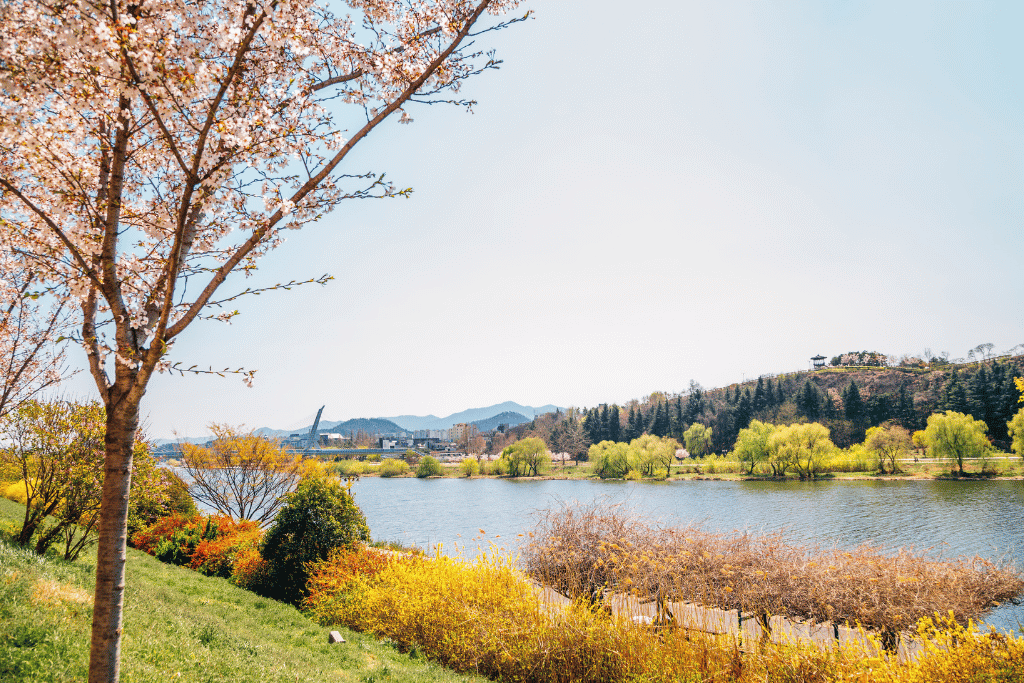
Daegu rewards two nights, and a Friday arrival if you can manage it. The night market, the mountain views, a plate of makchang and a free museum are all a short ride from each other.
Not a YouTrooper yet? Download the YouTrip app to spend in 150+ currencies with no foreign transaction fees, unlock travel perks through YouTrip Perks, and join the conversation on our Telegram channel and the YouTroopers community group for the latest deals and travel tips. Use code YTBLOG5 for S$5 to start.


This guide is written and maintained by the YouTrip content team and checked against the venues’ and Daegu’s official tourism pages, linked throughout. We revise it whenever entry prices, opening hours and seasonal schedules change; this version reflects information as of November 2026.