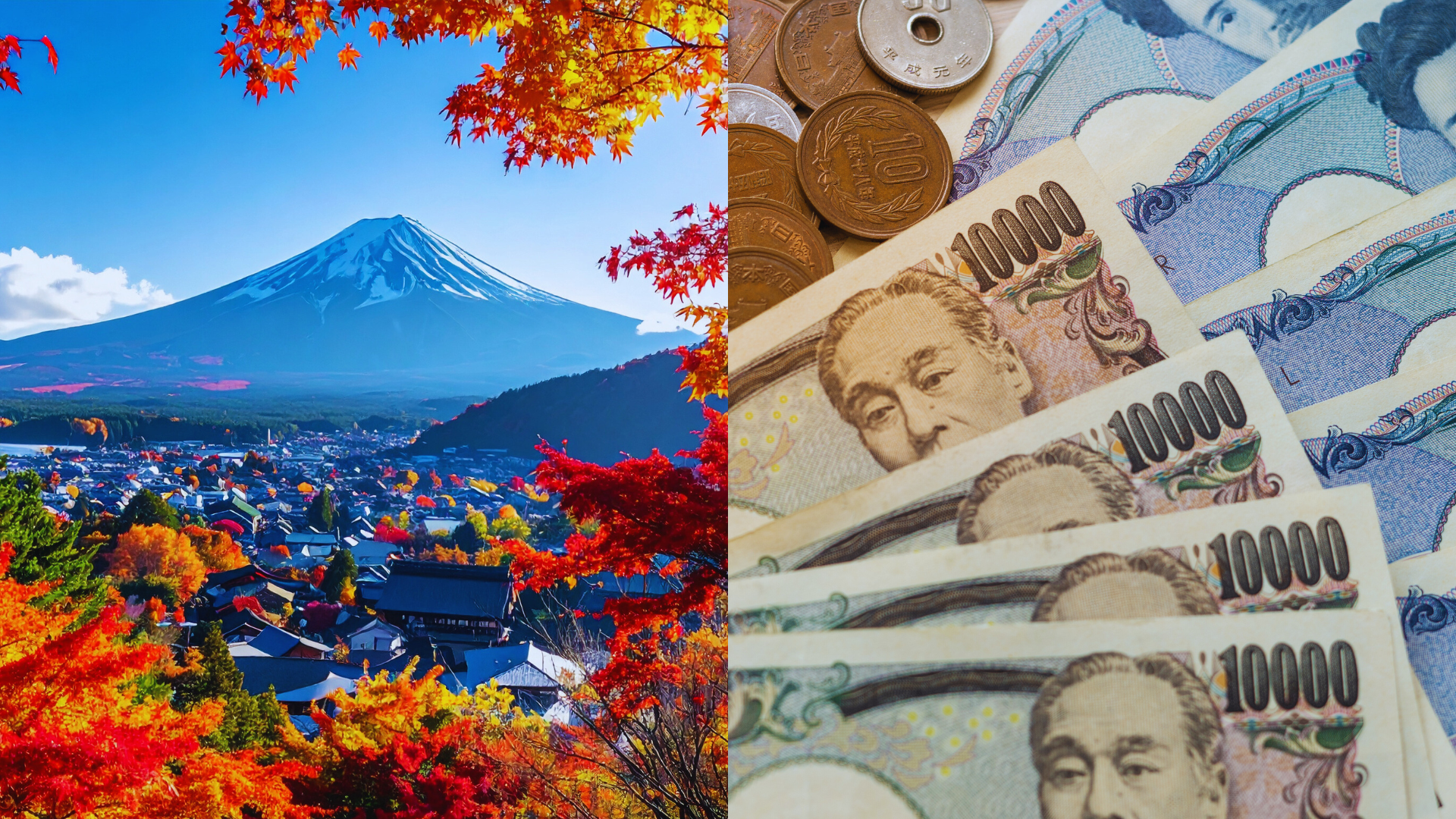


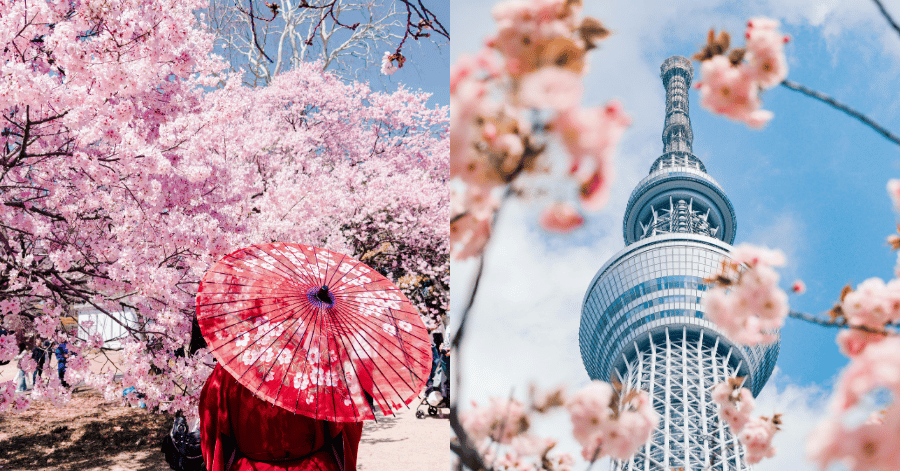

Tokyo isn’t just a city – it’s an experience that constantly rewires your expectations.
One minute you’re temple-hopping in total silence, the next you’re eating Michelin-level ramen from a vending machine. For Australian travellers, Tokyo hits the sweet spot: safe, efficient, culturally rich, wildly fun, and surprisingly affordable, only if you plan it right.
Whether you’re visiting in winter, travelling with kids, avoiding tourist traps, or wondering if three days is enough, this guide breaks down exactly what to do in Tokyo and why it’s worth the hype.
🇯🇵 Pro Tip: For Australian travellers, use a travel money card like YouTrip to lock in competitive JPY rates and avoid FX markups while moving around the city. Plus, enjoy A$1,500 in free ATM withdrawals monthly.
⚡ TLDR: Tokyo at a Glance
| Highlights | Details |
|---|---|
| Top Things to Do in Tokyo | Shibuya, Asakusa, Harajuku, teamLab, food hunting |
| Best Time to Visit | Spring and autumn (best weather), winter for value |
| Winter in Tokyo | Illuminations, hot pots, onsen, Fuji views |
| Tokyo with Kids | DisneySea, KidZania, Skytree, Pokémon Centres |
| Unique Experiences | Sumo stables, themed cafés, Golden Gai, Rurushibuya matcha |
| Non-Touristy Tokyo | Koenji, Shimokitazawa, Todoroki Valley, sento |
| Best Day Trips | Mt Fuji, Kawagoe, Mt Takao, Hakone |
| Ideal Trip Length | 5 to 7 days (3 days = highlights only) |
| Flight Time From Australia | ~9 to 10 hours direct |
| Daily Budget | A$200 to A$400 (lower with a no-FX-fee card like YouTrip) |
📚 Table of Contents
- Why Tokyo Is Worth Visiting
- Best Time of Year to Visit Tokyo
- Things to Do in Tokyo in Winter
- Things to Do in Tokyo With Kids
- Unique Things to Do in Tokyo
- Non-Touristy Things to Do in Tokyo
- Best Tokyo Food Spots and Matcha Cafes
- Best Day Trips From Tokyo
- Rainy Day in Tokyo? Here’s Your Plan
- FAQ
Why Tokyo Is Worth Visiting
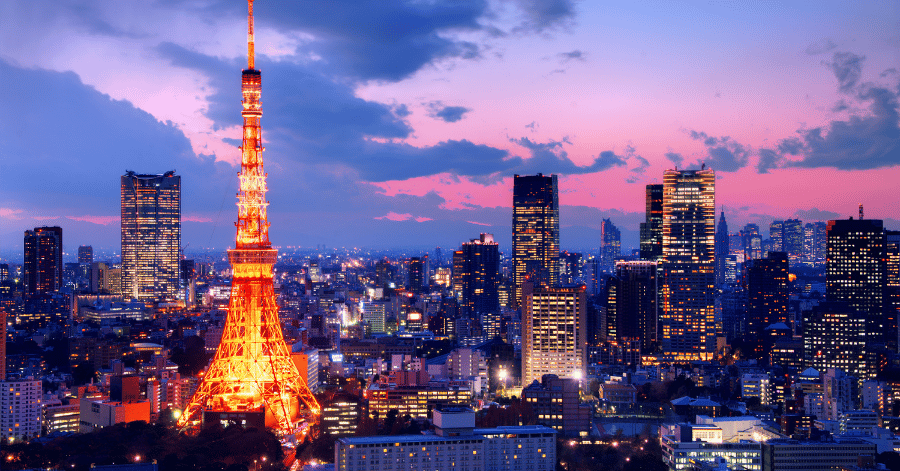
Tokyo isn’t just a city. It’s multiple cities stacked on top of each other.
You can walk from a 1,000-year-old temple to a vampire café in under 10 minutes. One moment you’re eating Michelin-rated ramen for under A$20, the next you’re browsing vintage vinyl in a quiet neighbourhood that feels nothing like the Tokyo you see on Instagram.
For Australians, Tokyo is especially appealing because it’s:
- Extremely safe and clean
- Easy to navigate despite the size
- Packed with value-for-money food
- Well-connected by direct flights from Sydney, Melbourne, Brisbane and Perth
And unlike many megacities, Tokyo rewards curiosity. The more you explore, the better it gets.
Best Time of Year to Visit Tokyo
There’s no bad time, but some seasons hit harder than others.
- Spring (Mar to May): Cherry blossoms, cool weather, peak crowds
- Summer (Jun to Aug): Festivals, fireworks, heat plus humidity
- Autumn (Sep to Nov): Best balance of weather, colour and crowds
- Winter (Dec to Feb): Cheapest hotels, clear skies, illuminations
For Australians, winter and autumn often offer the best value and least stress. Winter also gives you the clearest Mt Fuji views of the year.
Things to Do in Tokyo in Winter
1. Tokyo Midtown Winter Illuminations
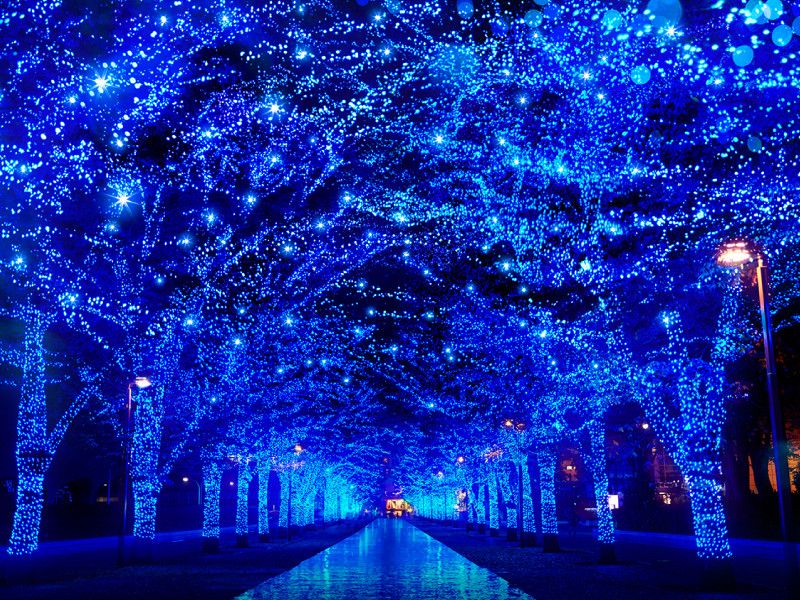
Image Credits: Japan Rail Pass
One of Tokyo’s most famous winter illuminations, Tokyo Midtown transforms its open plaza into a glowing LED wonderland. Easy to combine with dinner in Roppongi and perfect for a low-effort, high-impact winter night out.
- Where: Tokyo Midtown, 9-7-1 Akasaka, Minato City
- Admission: Free
- Opening hours: ~5 PM to 11 PM (seasonal, Nov to Feb)
2. Visit Traditional Onsen and Sento
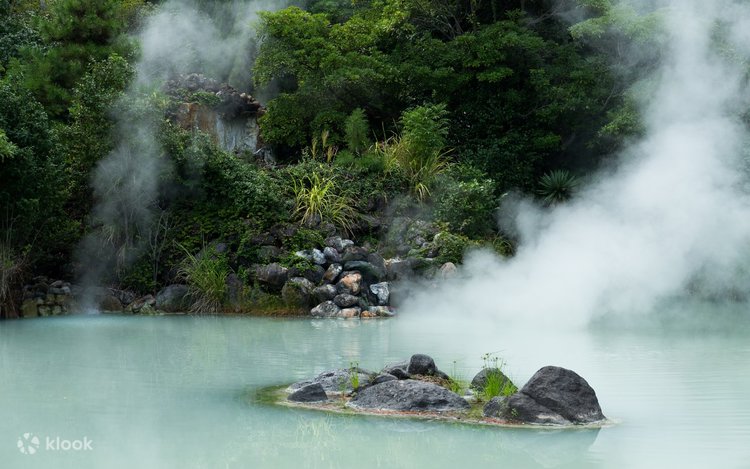
Image Credits: Klook
Winter is the perfect time to experience Tokyo’s bathing culture. Local sento (public bathhouses) like Koganeyu offer authentic experiences for around 520 JPY (~A$5), while day trips to nearby onsen towns like Hakone provide natural hot spring experiences with mountain views. Traditional neighbourhood bathhouses combine affordability with genuine local culture.
- Where: Koganeyu (4-14-6 Taihei, Sumida City) or day trips to Hakone
- Admission: Sento 550 JPY (~A$6); onsen day trips vary
- Opening hours: Sento typically 2 PM to 11 PM
3. Eat Peak Winter Comfort Food
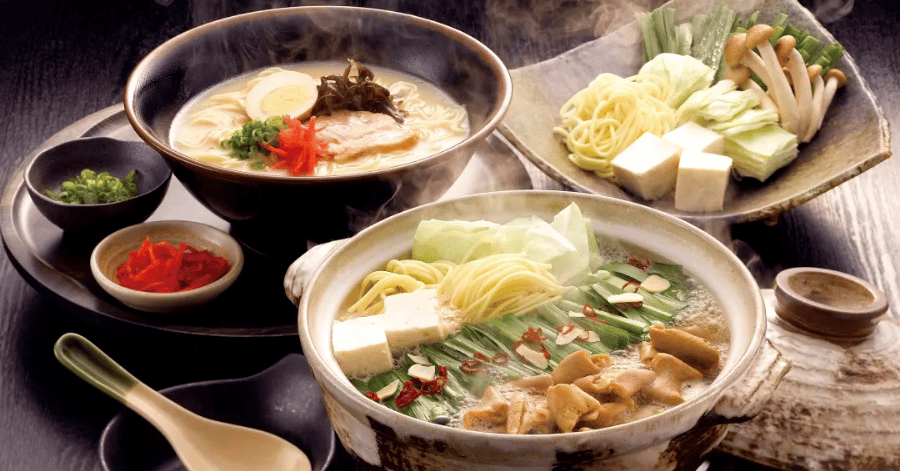
Image Credits: JNTO
Winter is the hot food season in Tokyo. Try oden from convenience stores, rich bowls of ramen, sizzling sukiyaki, or DIY shabu-shabu cooked at your table. These warming dishes aren’t just practical, they’re cultural staples that hit harder when it’s cold outside.
- Where: Citywide (restaurants, izakayas, convenience stores)
- Admission: Meals from 500 to 2,500 JPY (~A$5 to A$25)
- Opening hours: Varies by restaurant
4. Spot Mt Fuji on a Clear Winter Day
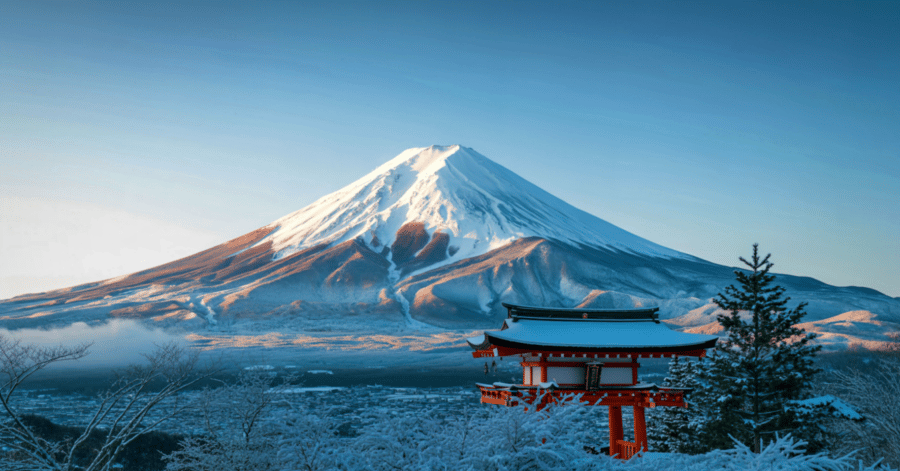
Winter offers the clearest air of the year, making it the best time to spot Mt Fuji from Tokyo. Early mornings after cold nights give you the highest chance. Visibility isn’t guaranteed, but catching Fuji framed behind the city skyline is one of Tokyo’s most rewarding moments.
- Where: Tokyo Skytree, Tokyo Tower, western Tokyo neighbourhoods
- Admission: Skytree 2,100 to 3,100 JPY (~A$21 to A$31); Tower main deck 1,500 JPY (~A$15)
- Opening hours: Observation decks vary by location
5. Gala Yuzawa Snow Resort (Day Trip)
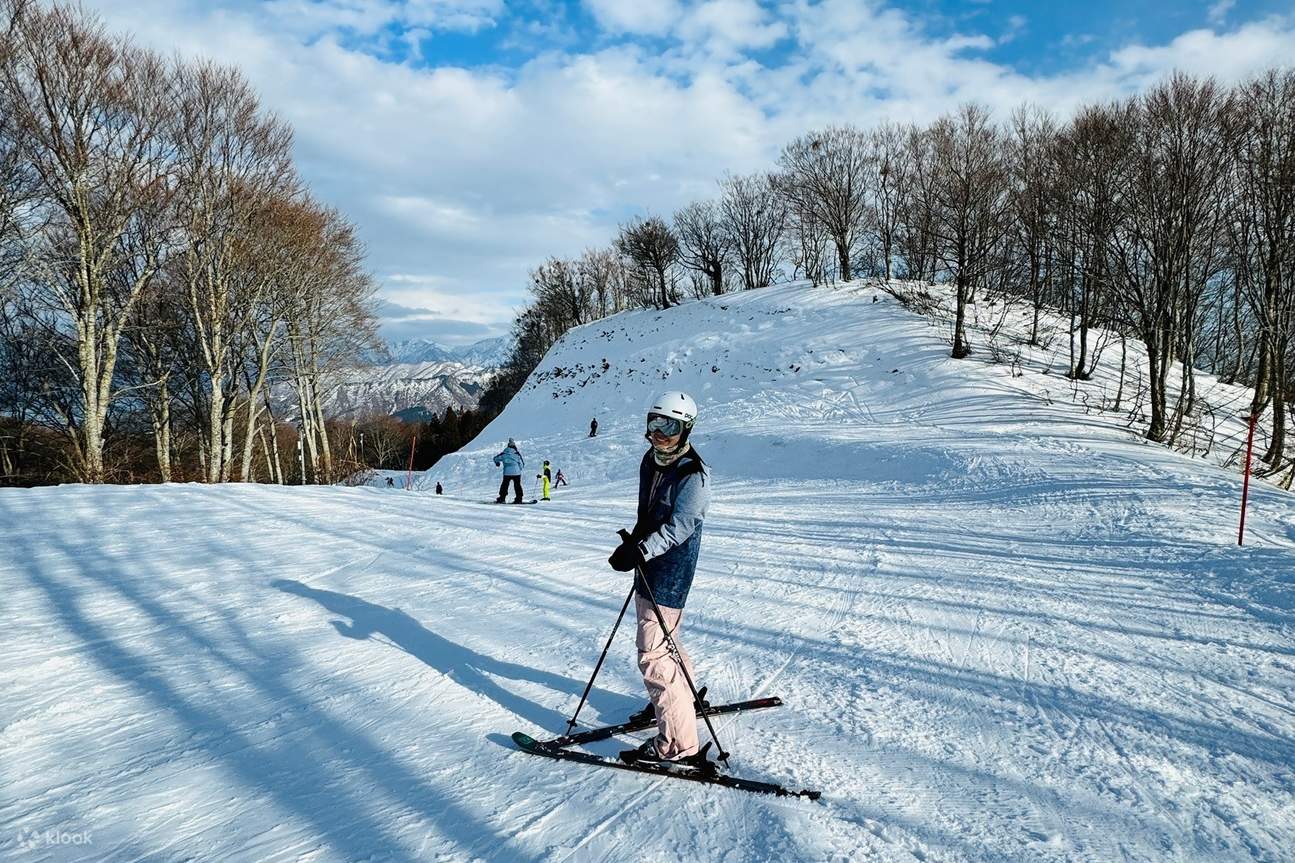
Image Credits: Klook
Reachable in just 77 minutes by Shinkansen, Gala Yuzawa is the easiest way to experience snow from Tokyo. Equipment rentals available, making it beginner-friendly and perfect for a spontaneous snow day.
- Where: Yuzawa, Niigata Prefecture
- Admission: 1-day lift pass 7,300 JPY on-site / 6,800 JPY online (~A$73 / ~A$68)
- Opening hours: 8 AM to 5 PM (seasonal)
Things to Do in Tokyo With Kids
6. Tokyo DisneySea
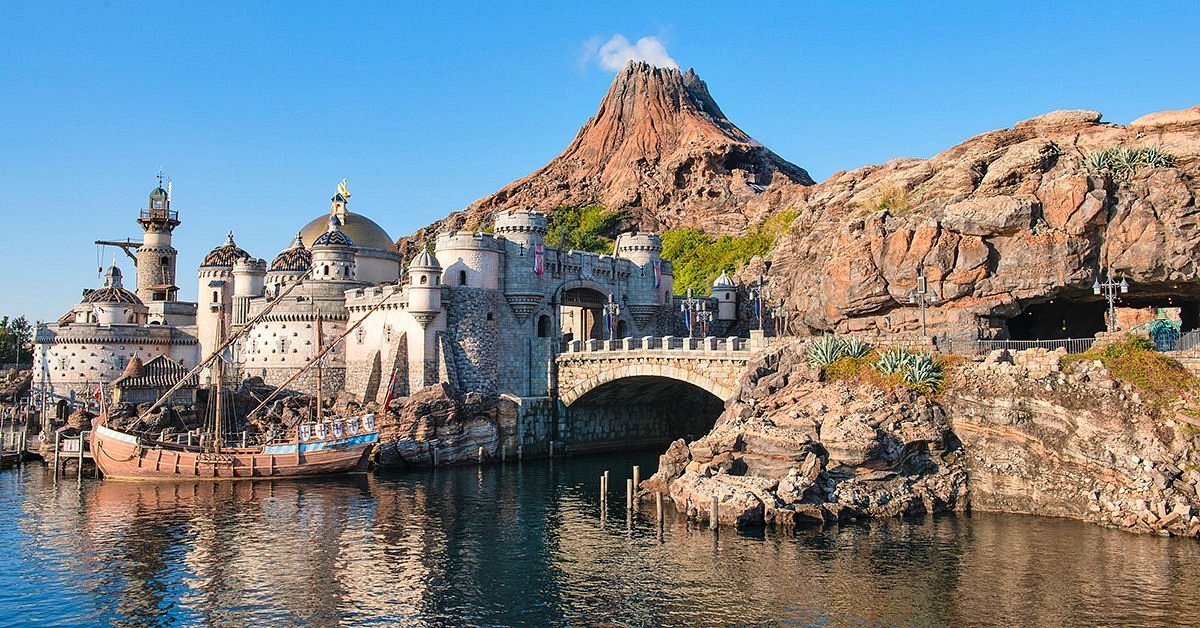
Image Credits: Tripadvisor
Exclusive to Japan, DisneySea is immersive, beautifully themed, and surprisingly adult-friendly. Allocate a full day. This isn’t a “pop in for a few rides” situation.
- Where: 1-13 Maihama, Urayasu (Chiba, near Tokyo)
- Admission: 7,900 to 10,900 JPY (~A$80 to A$110)
- Opening hours: 9 AM to 9 PM
7. teamLab Planets (Toyosu)
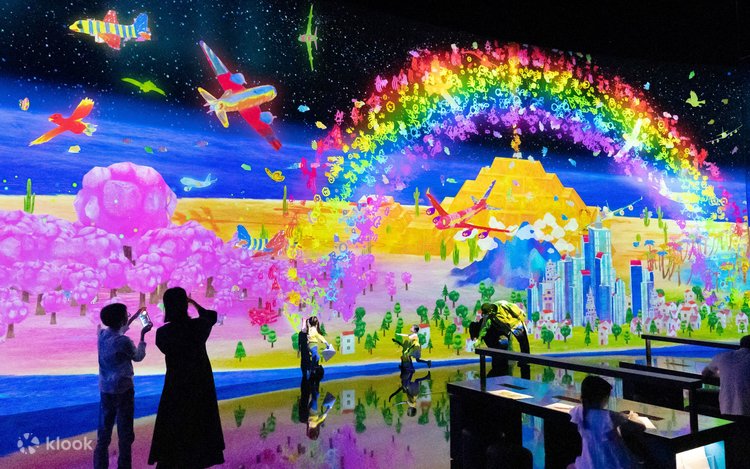
Image Credits: Klook
An interactive digital art museum where kids can walk through water, chase projected fish, and touch glowing walls. Book tickets in advance; walk-ins rarely work.
- Where: 6-1-16 Toyosu, Koto City
- Admission: 3,800 JPY (~A$38)
- Opening hours: 9 AM to 10 PM
8. KidZania Tokyo
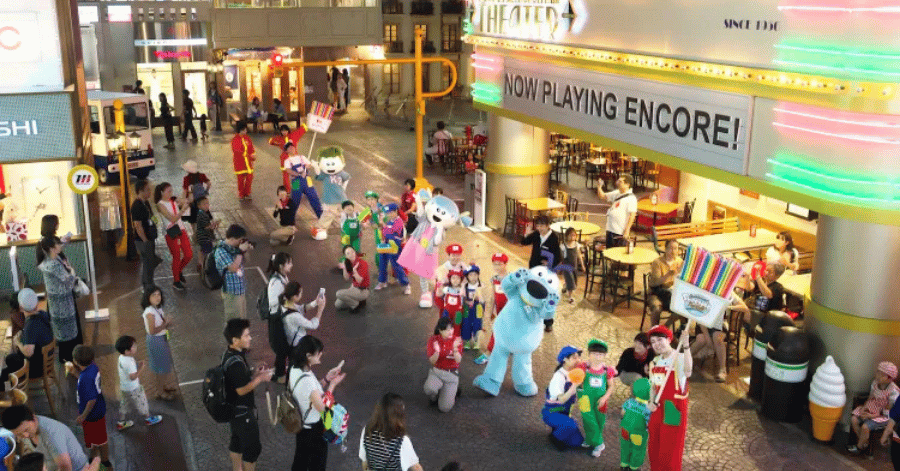
Image Credits: JNTO
A mini city where kids role-play real jobs like pilots, chefs and doctors. Educational without being boring, a rare parenting win.
- Where: Urban Dock LaLaport Toyosu, 2-4-9 Toyosu, Koto City
- Admission: Children (3 to 15) from 3,800 JPY (~A$38); adults from 2,300 JPY (~A$23). Pricing varies by date and time.
- Opening hours: Sessions from ~9 AM to 3 PM; 4 PM to 9 PM
9. Go Pokémon Hunting at Pokémon Centres
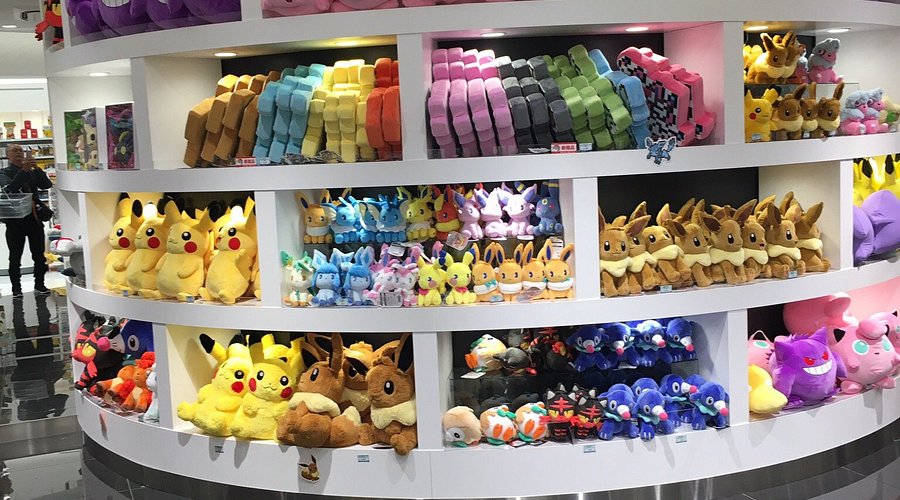
Image Credits: Tripadvisor
Pokémon Centres are flagship stores packed with exclusive merch, life-sized statues and interactive displays you won’t find outside Japan. The Pokémon Centre Mega Tokyo in Ikebukuro is the largest and most popular.
Perfect for kids, nostalgic adults, and anyone who wants souvenirs that aren’t generic.
- Where: Multiple locations, including Ikebukuro, Shibuya, Tokyo Station, Skytree Town
- Admission: Free
- Opening hours: Usually 10 AM to 8 PM (mall-dependent)
10. Head to Ueno Zoo
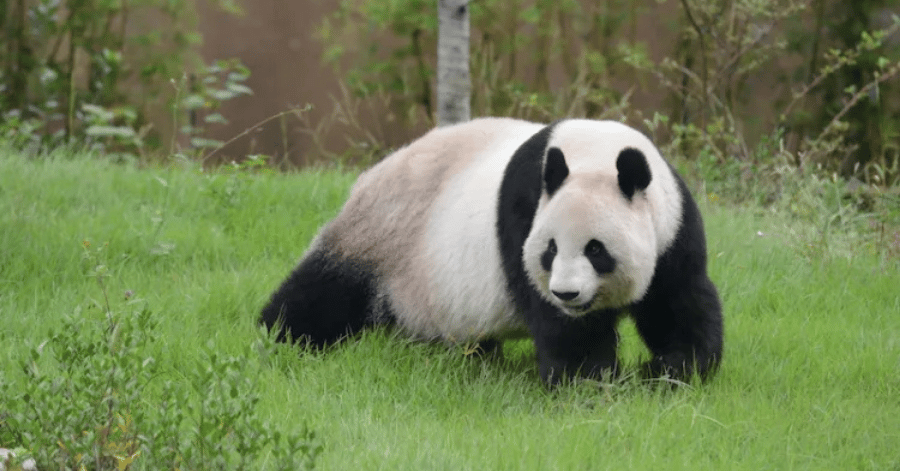
Image Credits: JNTO
Japan’s oldest zoo houses a wide range of animals in a spacious park setting. Pair it with a walk through Ueno Park, nearby museums, or a casual lunch in the area. Affordable, central and especially good for families travelling with kids.
❗ Note: Ueno Zoo’s last two giant pandas, Xiao Xiao and Lei Lei, returned to China on 27 January 2026, with 25 January 2026 being the final public viewing day. There are currently no giant pandas in Japan for the first time in around 50 years.
- Where: Ueno Park, Taito City
- Admission: 600 JPY (~A$6) adults; 200 JPY (~A$2) children 13 to 15; free for children under 12
- Opening hours: 9:30 AM to 5 PM
Unique Things to Do in Tokyo
11. Sumo Stable Morning Practice (Arashio Stable)
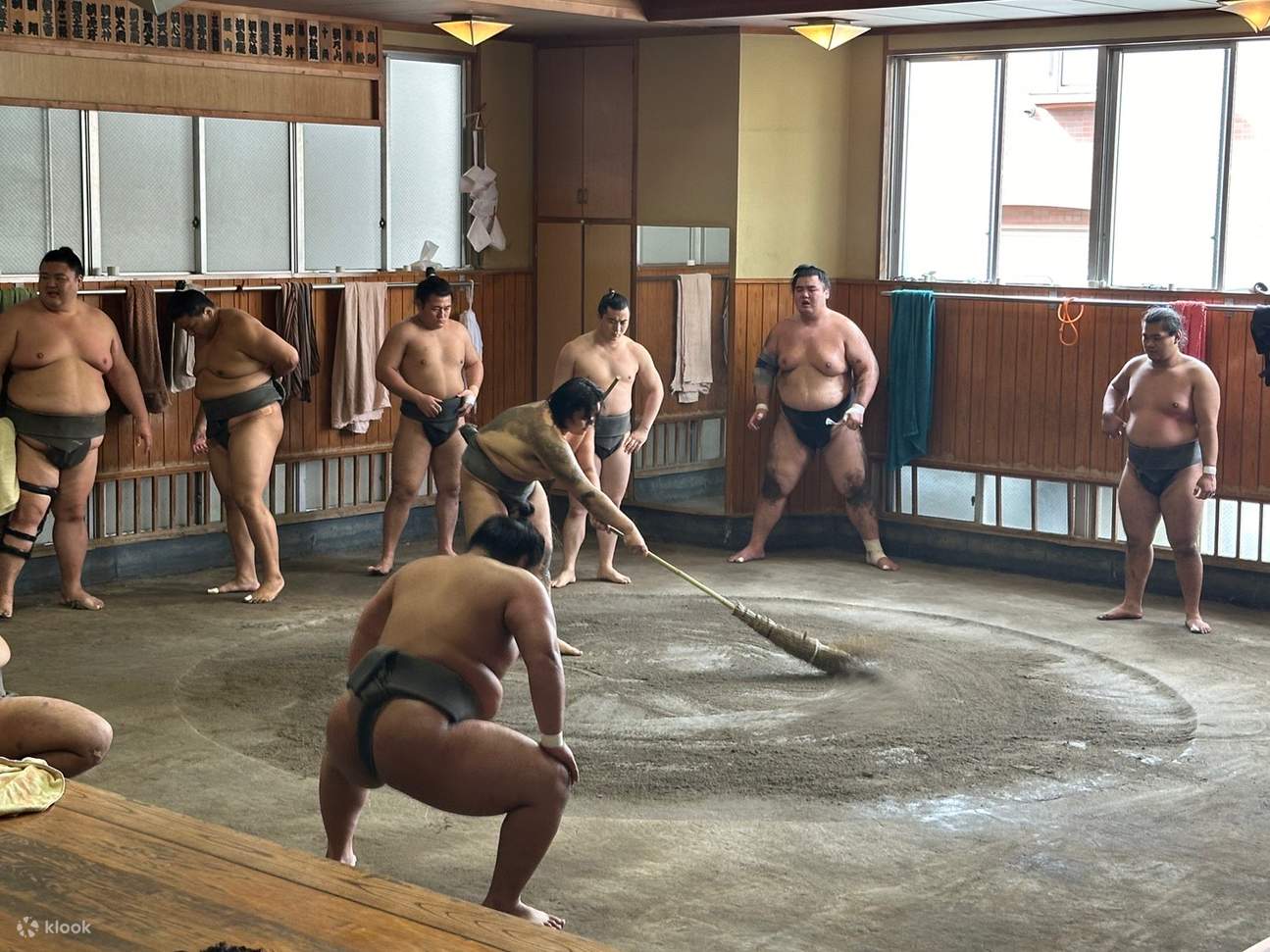
Image Credits: Klook
Watching sumo wrestlers train is intense, silent and deeply cultural. Arashio Stable is one of the few stables that lets the public watch practice for free, through street-level windows. Arrive by 6:45 AM to secure a spot, and skip the flash photography.
- Where: 2-47-2 Nihonbashi-Hamacho, Chuo City (1 min from Hamacho Station, Toei Shinjuku Line, Exit A2)
- Admission: Free
- Opening hours: Practice 7:30 AM to 10 AM (check the stable’s calendar before going)
12. Nakano Broadway
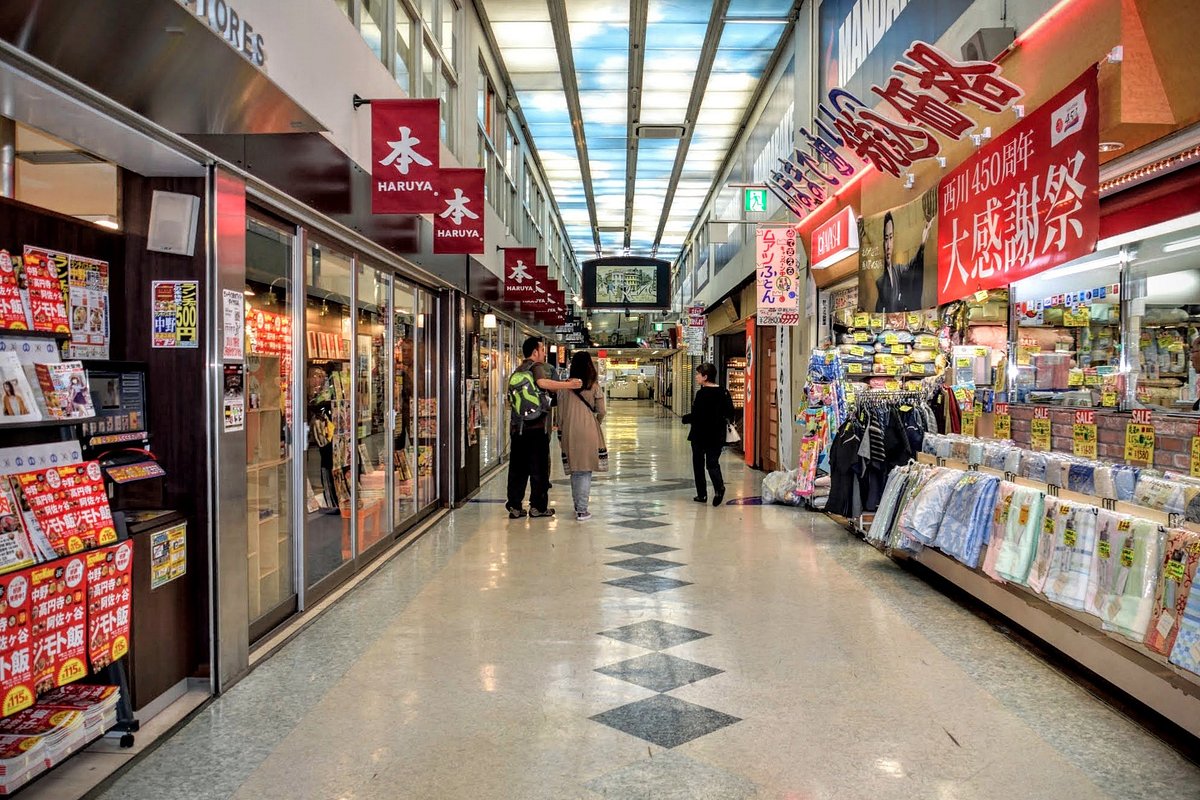
Image Credits: Tripadvisor
A multi-level mall packed with anime, manga, vintage toys and niche collectables. Less touristy than Akihabara and way more interesting if you like hunting for rare finds.
- Where: 5-52-15 Nakano, Nakano City
- Admission: Free
- Opening hours: ~10 AM to 8 PM
13. Eat at Wild Themed Cafés
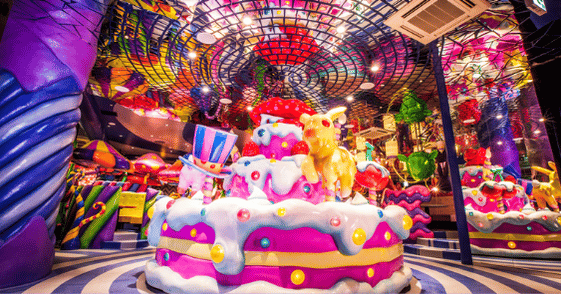
Image Credits: アソビシステム
Tokyo’s themed cafés go far beyond cats. Think gothic vampire castles, psychedelic rainbow rooms, anime collaborations, and pop-up character cafés that rotate seasonally.
Places like Kawaii Monster Café (Harajuku) or Vampire Café (Ginza) turn a simple meal into a full-on experience. Subtle? Absolutely not. Memorable? 100%.
- Where: Harajuku, Shibuya, Ginza (varies by café)
- Admission: Free entry; food and drinks 1,500 to 3,000 JPY (~A$15 to A$30)
- Opening hours: Typically 11 AM to 9 PM
14. Golden Gai (Shinjuku)
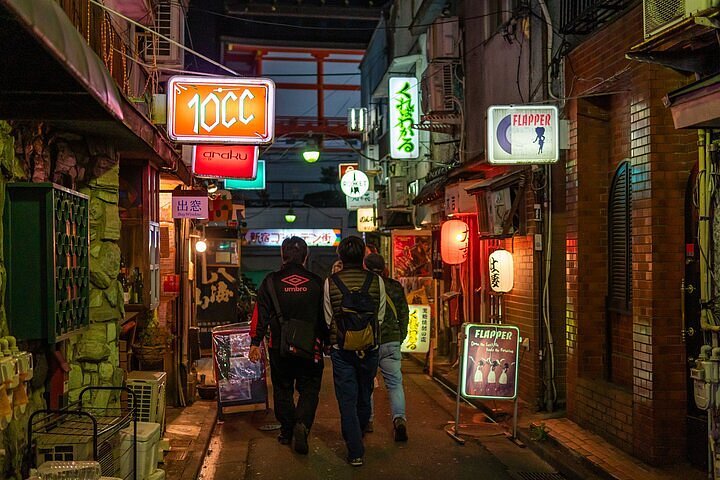
Image Credits: Tripadvisor
Over 200 tiny bars are squeezed into narrow alleys, many seating fewer than six people. Each bar has its own theme. It’s chaotic, charming and very Tokyo.
- Where: Kabukicho, Shinjuku City
- Admission: Free (some bars charge 500 to 1,000 JPY cover)
- Opening hours: 7 PM to late
15. Spot the Shinjuku 3D Cat
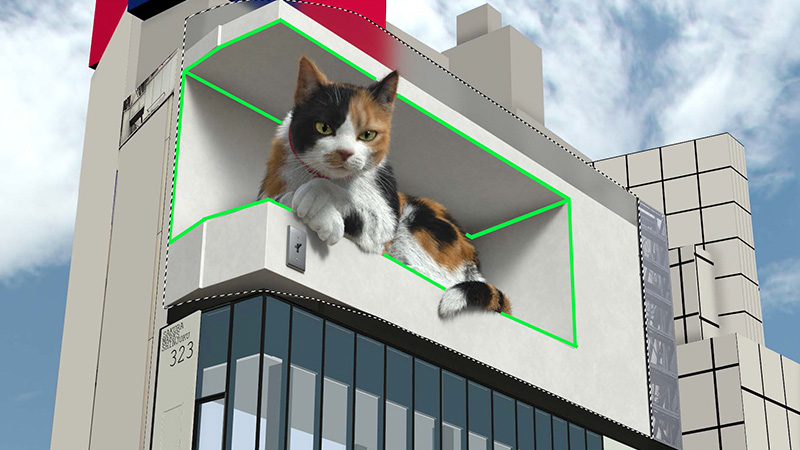
Image Credits: omnibusjp.com
A massive 3D billboard above Shinjuku East Exit features a hyper-realistic calico cat that yawns, stretches and meows at passers-by. It’s gone viral on TikTok and has become one of Tokyo’s most recognisable street-level attractions. Two minutes, no admission, weirdly satisfying.
- Where: Cross Shinjuku Vision, Shinjuku Station East Exit
- Admission: Free
- Opening hours: ~7 AM to 1 AM (display schedule)
16. Wander Cemeteries During Cherry Blossom Season
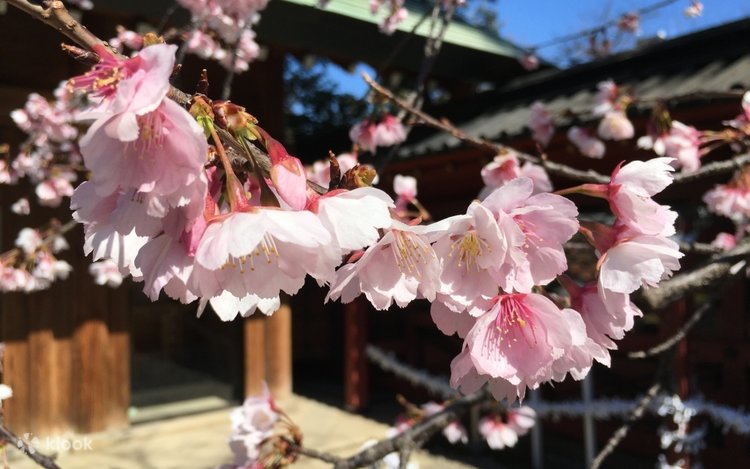
Image Credits: Klook
One of Tokyo’s most peaceful cherry blossom spots, Yanaka Cemetery blooms into soft pink tunnels in late March and early April. Unlike packed parks, this area stays calm and reflective, with traditional temples, old gravestones and neighbourhood cats wandering around.
It’s scenic, respectful, and a genuinely local way to experience sakura without shoulder-to-shoulder crowds.
- Where: Yanaka Cemetery, 7-5 Yanaka, Taito City
- Admission: Free
- Opening hours: Open daily, best visited during daylight hours
Non-Touristy Things to Do in Tokyo
17. Shimokitazawa Vintage Shopping
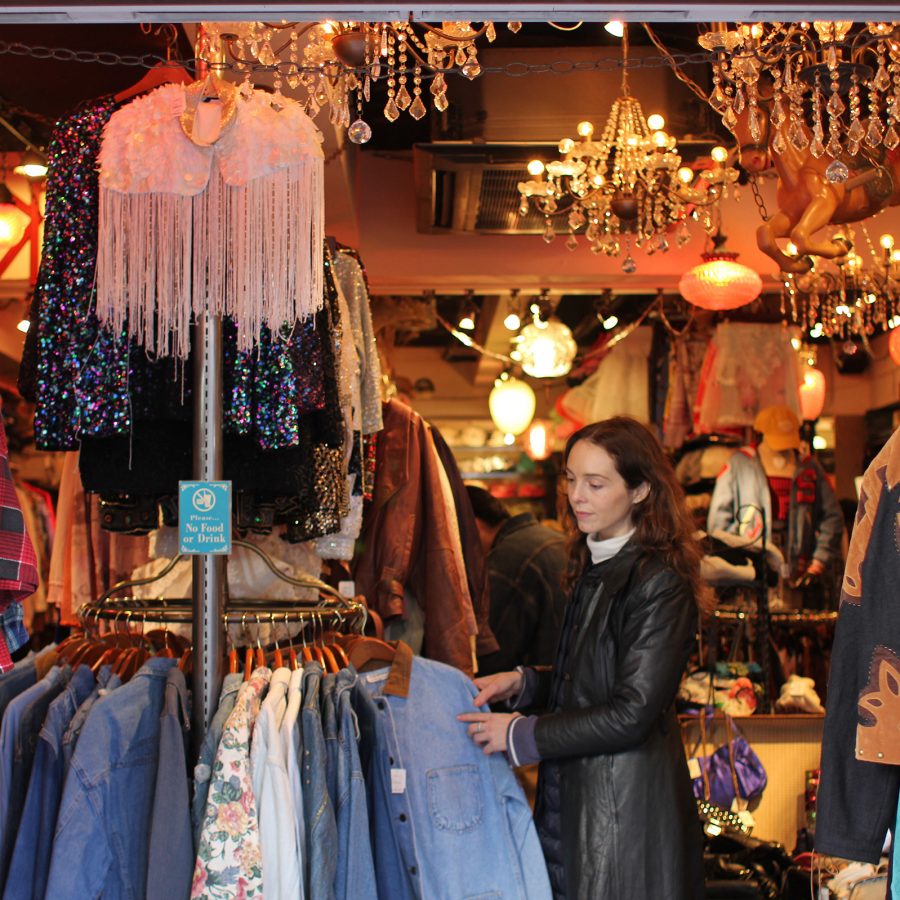
Image Credits: Cathay Pacific
Tokyo’s thrift capital, packed with indie fashion, record stores, cafés and theatres. Wander aimlessly, that’s the whole point.
- Where: Shimokitazawa Station area, Setagaya City
- Admission: Free
- Opening hours: Shops generally 11 AM to 8 PM
🧠 Get your thrifting haul for less when you pay with YouTrip for the best JPY exchange rates and zero FX fees.
18. Koenji Local Izakayas and Music Bars
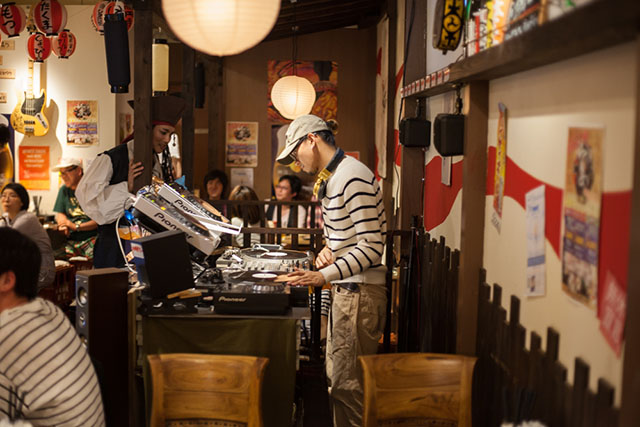
Image Credits: Japan Travel by NAVITIME
Creative, gritty and refreshingly non-touristy. Expect vintage shops by day and underground music bars by night.
- Where: Koenji Station area, Suginami City
- Admission: Free entry; food and drinks 500 to 1,000 JPY (~A$5 to A$10)
- Opening hours: Evenings till late
19. Todoroki Valley
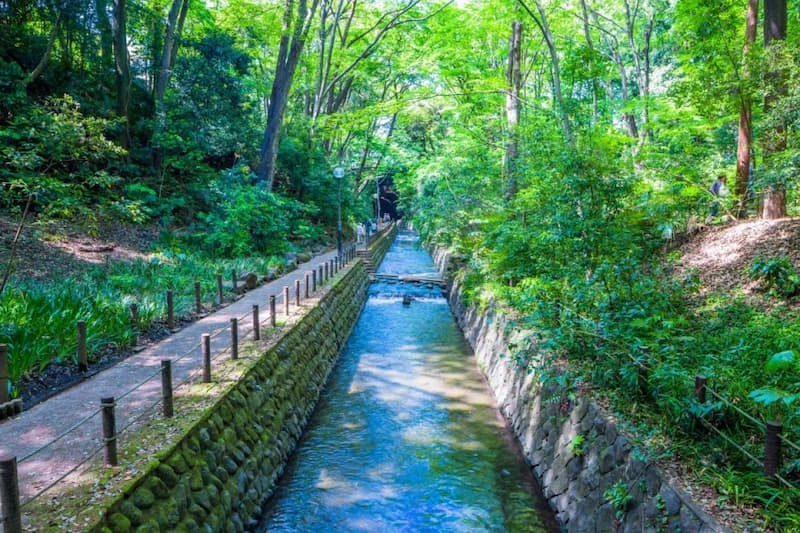
Image Credits: ZEKKEI Japan
Tokyo’s only ravine is hidden in the residential area of Setagaya. A leafy 1km walking trail follows a gentle stream past small shrines and a tiny temple. Most visitors don’t realise it exists, which is exactly the point. Pair it with matcha at the trail-side teahouse before heading back to the city.
- Where: Todoroki, Setagaya City (Todoroki Station, Tokyu Oimachi Line)
- Admission: Free
- Opening hours: Daylight hours
20. Tsukishima Monjayaki Street
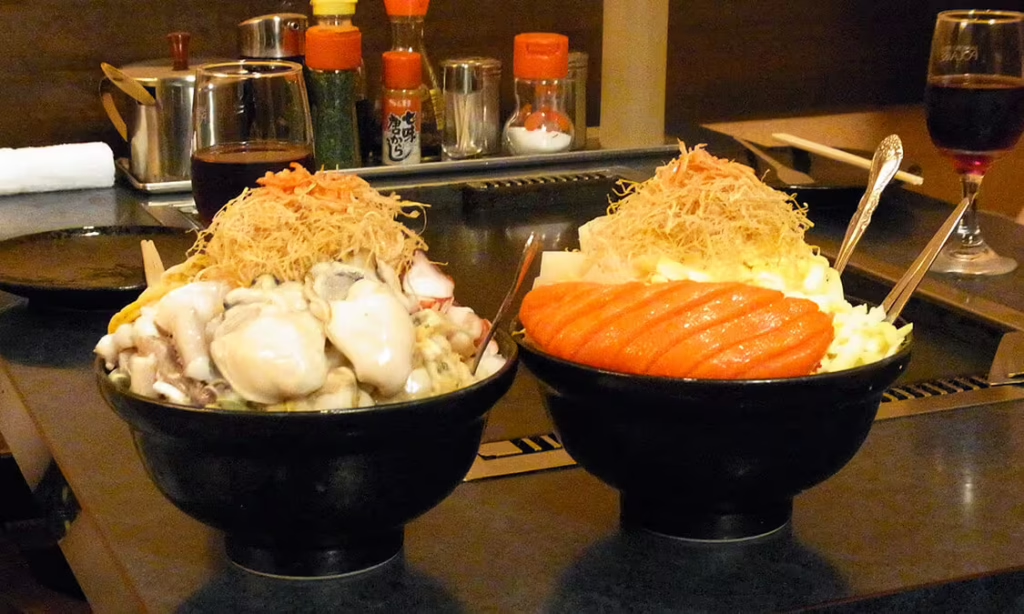
Image Credits: ANA
DIY monjayaki is messy, social and very Tokyo. You cook it yourself on a hotplate; fun beats aesthetics here.
- Where: Tsukishima Station area, Chuo City
- Admission: Free (meals 1,000 to 2,000 JPY / ~A$10 to A$20)
- Opening hours: 11 AM to 10 PM
21. Sumida River Cycling
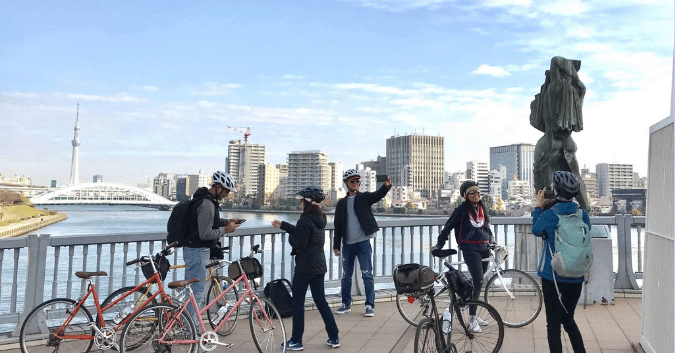
Image Credits: TOKYO GREAT CYCLING TOUR
One of Tokyo’s calmest experiences. Ride past temples, bridges and neighbourhood parks, it’s a side of Tokyo most visitors never see.
- Where: Along the Sumida River (Asakusa to Ryogoku stretch)
- Admission: Free (bike rental 1,000 to 2,000 JPY / ~A$10 to A$20)
- Opening hours: Daytime recommended
22. Hama-Rikyu Garden
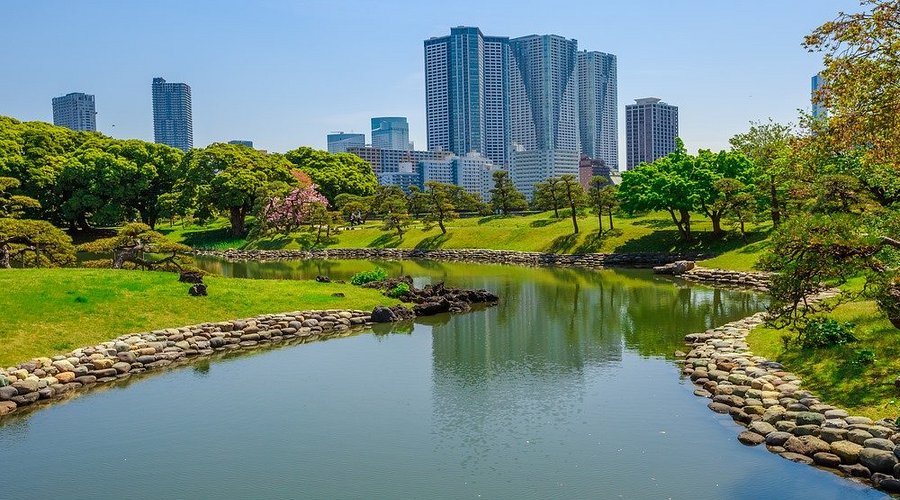
Image Credits: Tripadvisor
A Edo-era landscape garden ringed by skyscrapers, with a tidal pond and a 300-year-old pine tree. The on-site teahouse serves matcha and a traditional sweet on a floating pavilion. Pair it with a Sumida River cruise from the same dock.
- Where: 1-1 Hamarikyuteien, Chuo City
- Admission: 300 JPY (~A$3)
- Opening hours: 9 AM to 5 PM
Best Tokyo Food Spots and Matcha Cafes
23. Sushi no Midori (Tsukiji / Ginza)
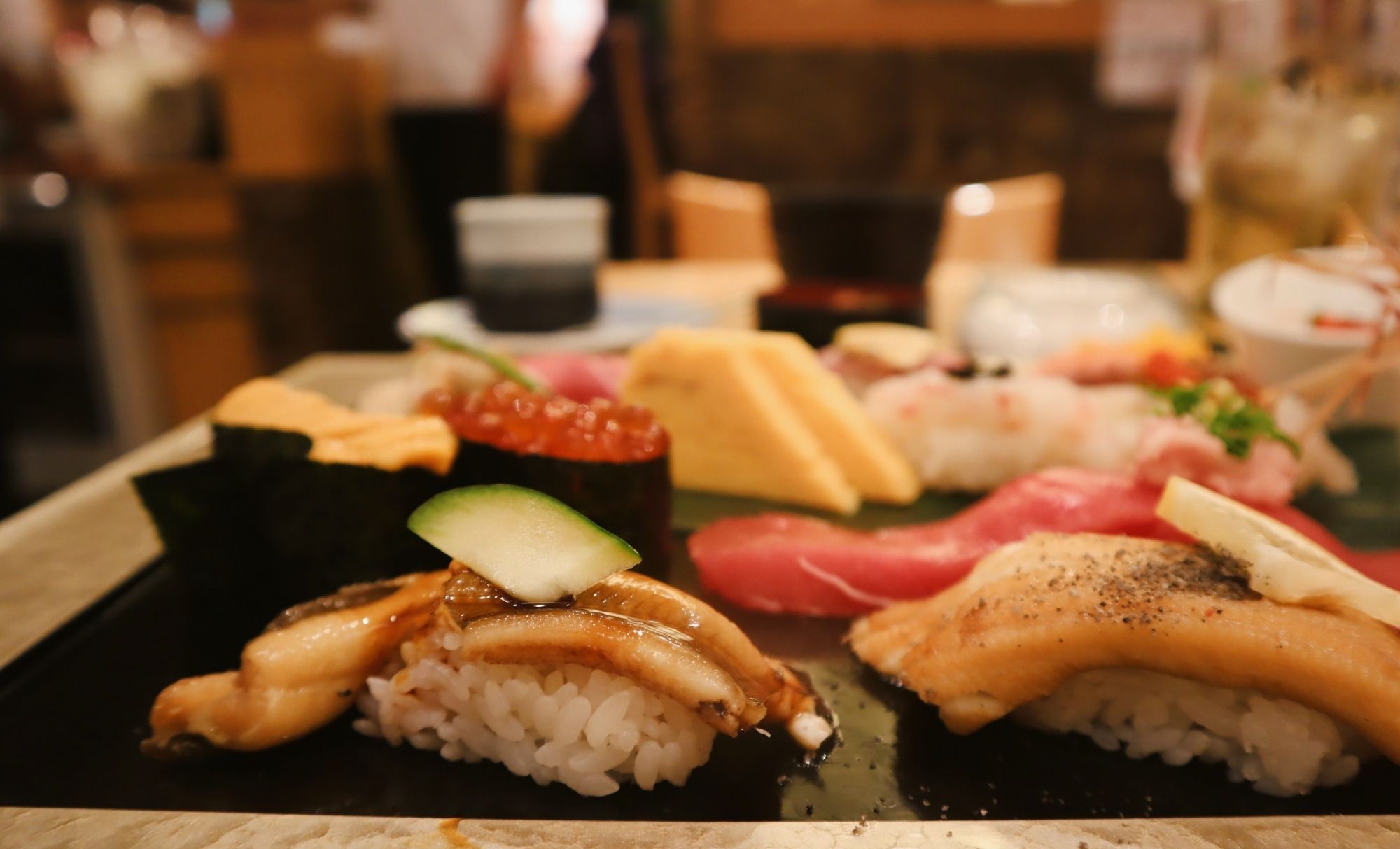
Image Credits: Trip.com
Sushi no Midori is a local legend for a reason. Fresh, generous slices of premium tuna, salmon and seasonal fish come at prices that won’t make your wallet cry. Expect lively crowds, a bustling sushi bar atmosphere, and a chef who knows their craft.
Perfect for both sushi newbies and seasoned aficionados, it’s a must-stop for anyone craving authentic Tokyo sushi without going full luxury.
- Must-try: Otoro, anago, seasonal chef’s set
- Budget: 3,000 to 5,000 JPY (~A$30 to A$50)
24. Ichiran Ramen (Multiple locations)
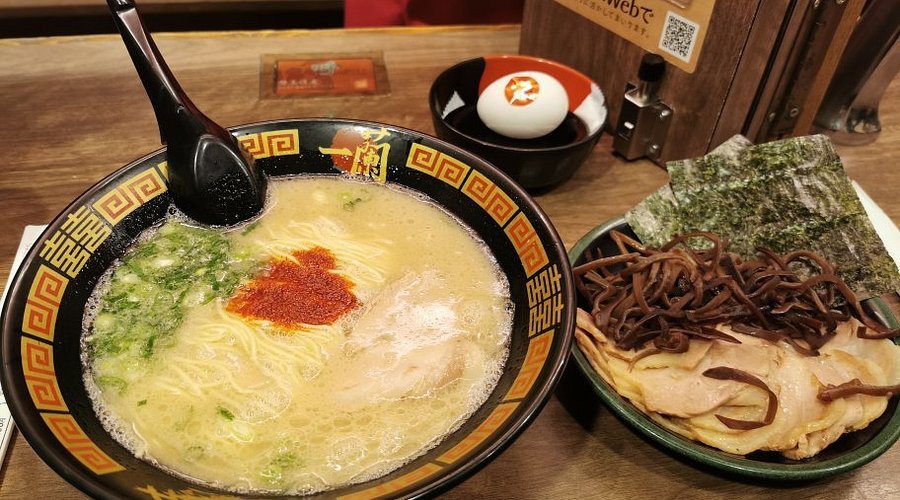
Image Credits: Tripadvisor
Ichiran Ramen is Tokyo’s iconic solo-ramen experience. Each diner sits in a private booth, letting you focus entirely on the rich, creamy tonkotsu broth and perfectly cooked noodles.
Customisable spice levels and garlic intensity mean every bowl is exactly how you like it. Simple, satisfying, and especially comforting on a cold winter day.
- Must-try: Classic tonkotsu ramen, extra garlic
- Budget: 1,000 to 1,500 JPY (~A$10 to A$15)
25. Tsukiji Outer Market Street Food (Tsukiji)
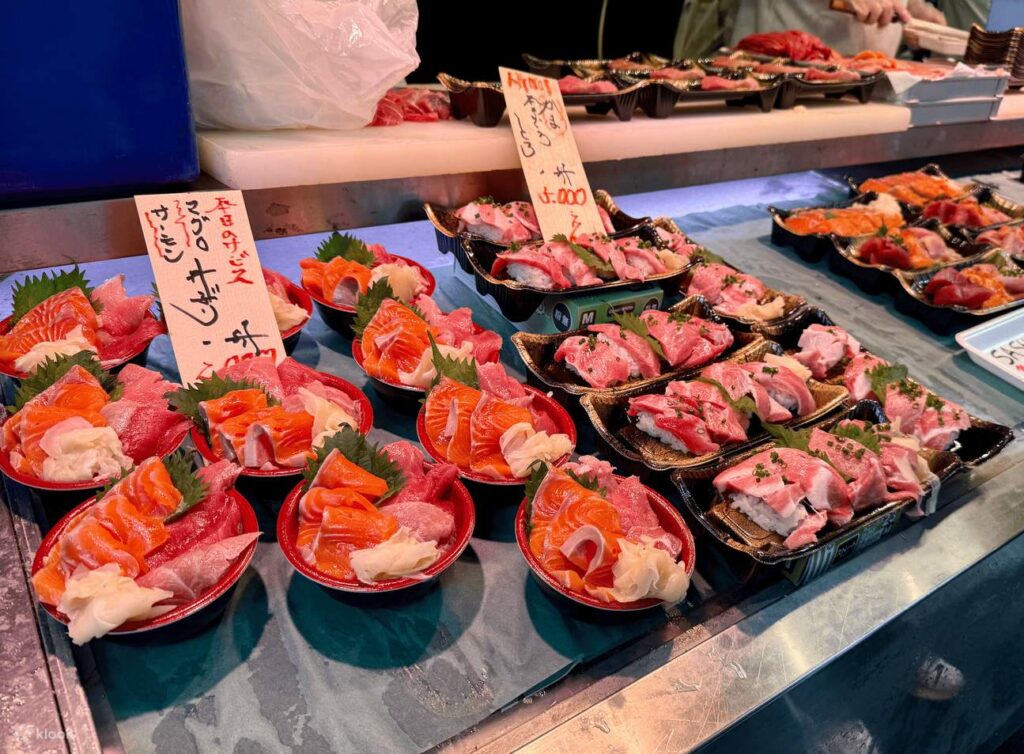
Image Credits: Klook
Walking through Tsukiji Outer Market is a sensory overload in the best way. Stalls packed with fresh seafood, sizzling skewers and delicate tamago sticks line the streets.
You can try a bit of everything while exploring, from juicy grilled scallops to melt-in-your-mouth tuna sashimi. Bustling and a perfect way to taste Tokyo without sitting down at a restaurant.
- Must-try: Grilled scallops, tuna sashimi cups
- Budget: 500 to 2,000 JPY per item (~A$5 to A$20)
26. Gyukatsu Motomura (Shibuya / Akihabara / Ginza)
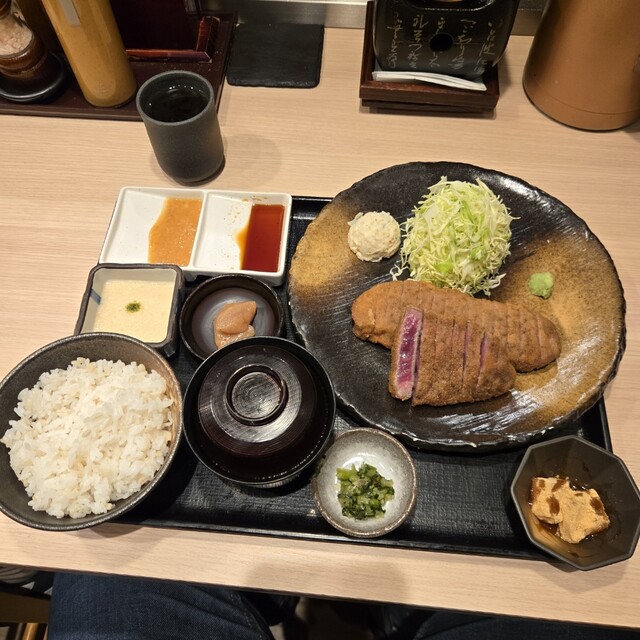
Image Credits: 食べログ
Gyukatsu Motomura serves the ultimate beef cutlet experience. The lightly breaded gyukatsu arrives pink inside, ready for you to grill to perfection on your tabletop skillet.
Crispy, tender, and bursting with flavour, each bite is an interactive delight. Casual, fun, and a must for meat lovers who want something uniquely Japanese.
- Must-try: Gyukatsu set with wasabi and soy
- Budget: 1,500 to 2,500 JPY (~A$15 to A$25)
27. Rurushibuya Matcha Cafe
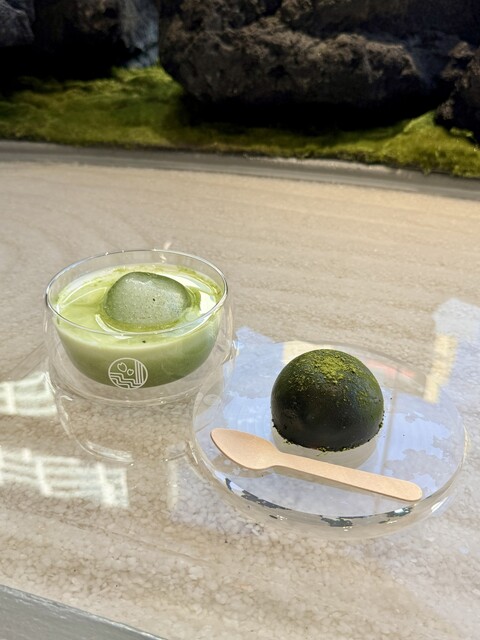
Image Credits: 食べログ
The matcha cafe is currently flooding TikTok feeds. Ruru Shibuya’s signature is a glass-topped “water table” with a Zen pebble base that makes your drink look like it’s floating. The menu leans modern Japanese: matcha lattes, hojicha lattes and yokan-inspired sweets. Visit on a weekday; weekends get hectic.
- Where: Shibuya Sakura Stage, SAKURA Side 2F, 3-4 Sakuragaoka-cho, Shibuya City
- Must-try: Matcha latte with a seasonal wagashi
- Budget: 1,500 to 2,500 JPY (~A$15 to A$25)
- Opening hours: 11 AM to 8:30 PM (last orders 8 PM)
28. Shiro-Hige’s Cream Puff Factory
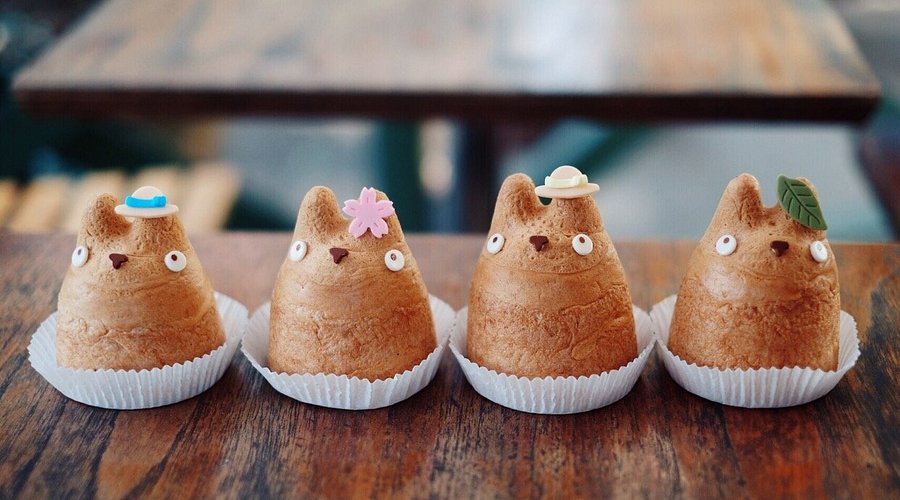
Image Credits: Tripadvisor
The world’s only officially licensed Studio Ghibli bakery. Each cream puff is hand-shaped into a Totoro and filled with rotating seasonal creams (custard, chocolate, chestnut, strawberry). Setagaya’s worst-kept secret is a 15-minute walk from Shimokitazawa, so it’s easy to combine.
- Where: 5-3-1 Daita, Setagaya City
- Must-try: Custard Totoro cream puff
- Budget: 600 to 800 JPY each (~A$6 to A$8)
29. Depachika Food Halls (Isetan, Takashimaya, Mitsukoshi)
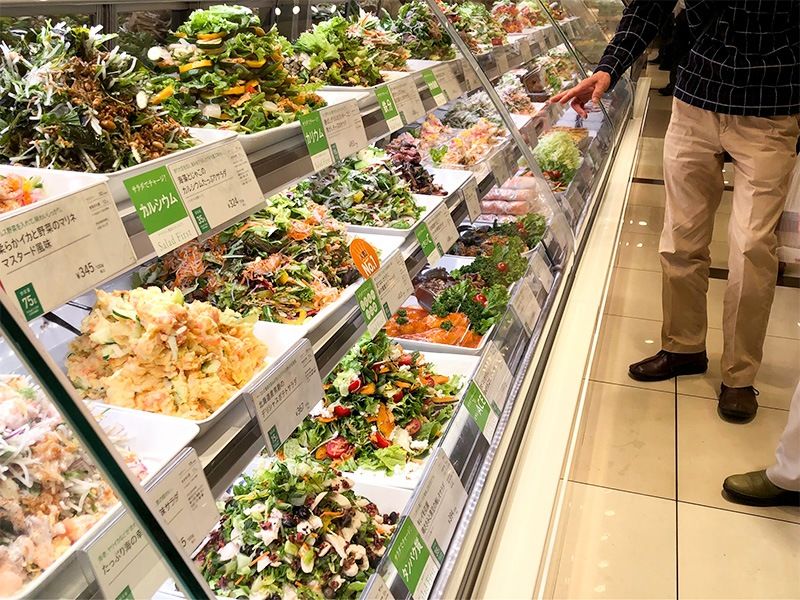
Image Credits: nippon.com
Tokyo’s depachika, the basement food halls of department stores, are like edible treasure troves. Beautifully packaged bento boxes, exquisite desserts and seasonal fruit displays create a feast for both eyes and taste buds.
You can graze, sample, and even snag end-of-day discounts, making it a convenient and indulgent stop for travellers looking for a true taste of Tokyo’s culinary diversity.
- Must-try: Bento boxes, wagashi, and strawberry desserts
- Budget: 800 to 3,000 JPY (~A$8 to A$30)
Best Day Trips From Tokyo
30. Mt Takao
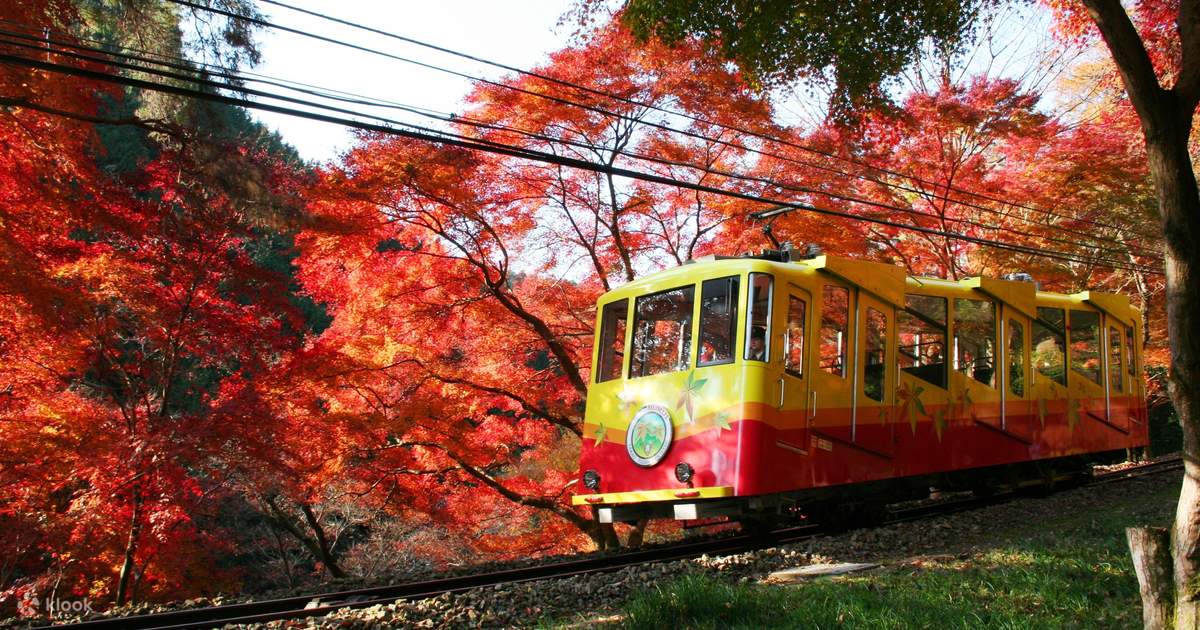
Image Credits: Klook
A 1-hour train ride from Shinjuku gets you to Tokyo’s most accessible mountain. Multiple hiking trails range from paved (cable car available) to genuinely steep. Clear winter mornings give you a Mt Fuji view from the summit, and the temple complex partway up is worth the stop.
- Where: Takaosanguchi Station (Keio Line)
- Admission: Free hiking; cable car 950 JPY return for adults (~A$10), 470 JPY for children (Grade 1 to 6)
- Best for: Half-day escape, autumn foliage, Fuji views
31. Kawagoe (Little Edo)
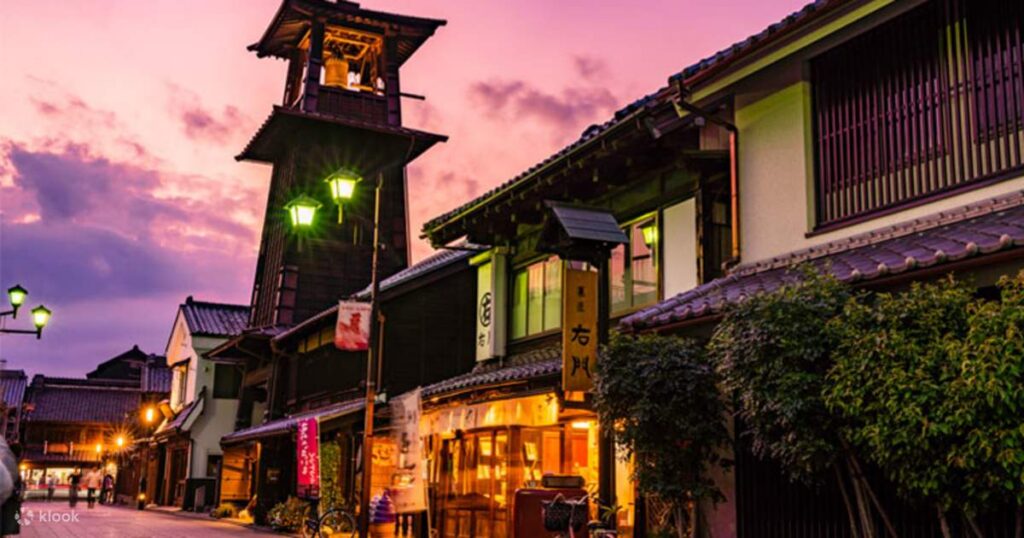
Image Credits: Klook
Kawagoe preserves a slice of Edo-period Tokyo with its kura warehouse streets, a candy alley (Kashiya Yokocho) and a wooden bell tower that rings four times daily. 30 minutes from Ikebukuro on the Tobu Tojo Line. It’s the easiest way to feel like you’ve stepped into old Japan without leaving the Tokyo region.
- Where: Kawagoe Station, Saitama Prefecture
- Admission: Free to wander
- Best for: Half to full day, photography, traditional sweets
32. Hakone
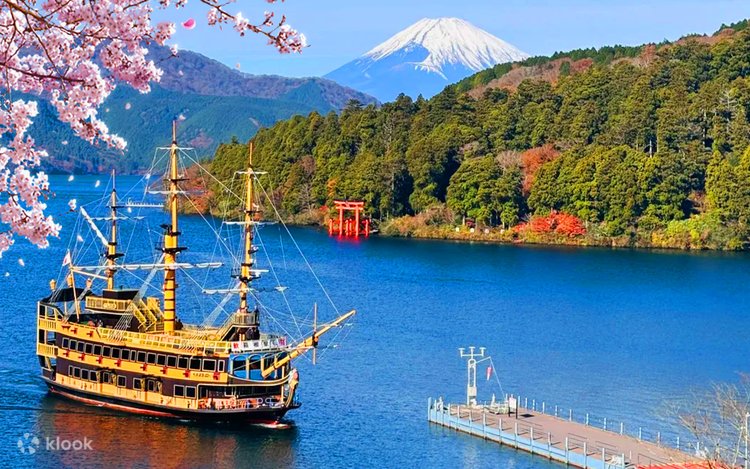
Image Credits: Klook
The classic Tokyo onsen escape. A loop using the Hakone Free Pass takes you on the mountain railway, ropeway, pirate ship across Lake Ashi and back. Mt Fuji views on clear days, sulphur-scented hot springs, and ryokan stays if you want to extend overnight.
- Where: Hakone, Kanagawa Prefecture
- Admission: Hakone Free Pass 7,100 JPY (~A$71) for 2 days from Shinjuku
- Best for: Overnight, onsen, Fuji views
33. Mt Fuji and the Fuji Five Lakes
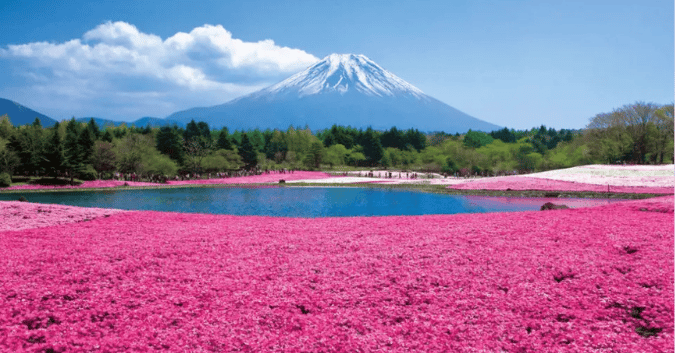
Image Credits: KKday
For close-up Fuji views, head to Lake Kawaguchi or Lake Yamanaka via direct bus from Shinjuku (~2 hours). The Chureito Pagoda viewpoint is the iconic shot. Best November to early March for clear, snow-capped Fuji.
- Where: Yamanashi Prefecture
- Admission: Bus ~2,000 JPY one-way (~A$20)
- Best for: Full day, photography, late autumn or winter
Rainy Day in Tokyo? Here’s Your Plan
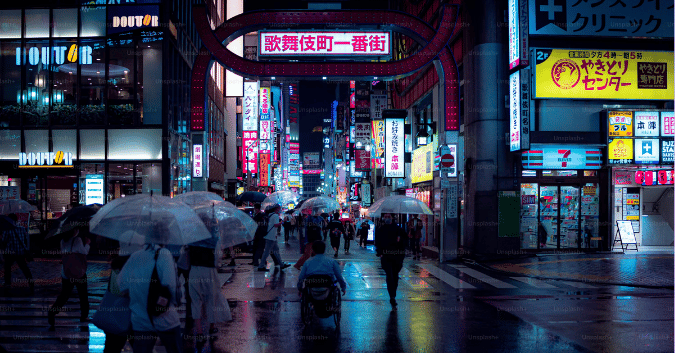
Image Credits: Unsplash
Tokyo is one of the few megacities that genuinely improves in the rain. Most of the best-loved spots are indoor, climate-controlled and connected by underground walkways. If the forecast turns:
- teamLab Planets or Borderless for digital art that pairs well with grey skies
- Depachika food halls for grazing without leaving Shinjuku, Ginza or Tokyo Station
- Pokémon Centre Mega Tokyo or Nakano Broadway for nostalgia shopping
- Themed cafés in Harajuku, Ginza and Akihabara
- Tokyo Skytree Town for a full mall, aquarium, plus observation deck combo
- Sento or onsen like Thermae-Yu in Shinjuku, indoor and very welcome in cold rain
FAQ:
Comparable to Sydney or Melbourne. Here’s what to expect:
– Budget travellers can get by on A$100 to A$150/day with hostels, convenience store meals and free attractions
– Mid-range travellers spend A$250 to A$400/day for hotels, restaurants and paid activities
– Luxury travellers can easily hit A$1,000+/day
– Public transport is efficient and affordable, with day passes costing around A$10
Three days cover the must-sees if you move fast: Shibuya Crossing, Sensō-ji and Asakusa, Shinjuku at night, plus one of Harajuku, Ginza or Akihabara. You’ll skip day trips, hidden gems and most matcha cafes.
A workable 3-day split:
Day 1: Asakusa (Sensō-ji + Nakamise), Tokyo Skytree, evening at Shibuya Crossing
Day 2: Meiji Shrine, Harajuku, Shinjuku at night (Golden Gai or themed café)
Day 3: teamLab Planets in Toyosu, Tsukiji Outer Market, Ginza shopping
No. Four days is the minimum if you want highlights plus one slower day for a hidden-gem neighbourhood, a matcha cafe trail or a half-day at DisneySea. Five to seven days is the sweet spot for Australians, given the flight time.
Nope. Most tourist areas, trains and attractions have English signage, and many menus include pictures or English translations.
Translation apps like Google Translate work well, but learning a few basic phrases like arigatou gozaimasu (thank you) or sumimasen (excuse me) helps interactions feel smoother.
Yes. Tokyo consistently ranks among the world’s safest major cities. Violent crime is extremely low, and solo travellers, including women, report feeling safe at all hours. Petty theft is rare but possible in crowded areas.
Police boxes (koban) are common and easy to find, plus public transport and streets are well-lit, making it ideal for family travel too.
Depends on your vibe and itinerary:
– Shinjuku: Great transport hub, nightlife and restaurants
– Shibuya: Trendy, youthful and bustling
– Asakusa: Traditional Tokyo with temples and affordable hotels
– Ginza: Upscale shopping and luxury stays
Pick your base near a major train line to save time and easily reach other districts.
Yes. Winter mornings (December to February) offer the clearest views. Look from the western Tokyo areas, Tokyo Skytree or Tokyo Tower observation decks. Clouds and haze can obscure visibility in summer.
For guaranteed views, consider a day trip to Hakone or the Fuji Five Lakes.
Direct flights run about 9 hours 50 minutes from Sydney, 9 hours 55 minutes from Melbourne, around 9 hours from Brisbane, and 9 hours 40 minutes from Perth.
Tokyo is 1 hour behind AEDT in summer and 2 hours behind AEST in winter, which makes jet lag minimal compared to Europe.
Plan Smart, Spend Less
Tokyo rewards good planning, especially when it comes to spending. From train rides and street food to shopping and attractions, paying smart can stretch your budget a lot further.
With YouTrip, you can enjoy mates rates, 0% foreign transaction fees and 2% cashback (for your first 5 months, up to A$40/month). Lock in the best Japanese Yen rates anytime before your trip.
💜 Not on YouTrip yet? Sign up for your free YouTrip card today and spend smarter this Easter — wherever that may be!
📚 Other guides you may enjoy: