



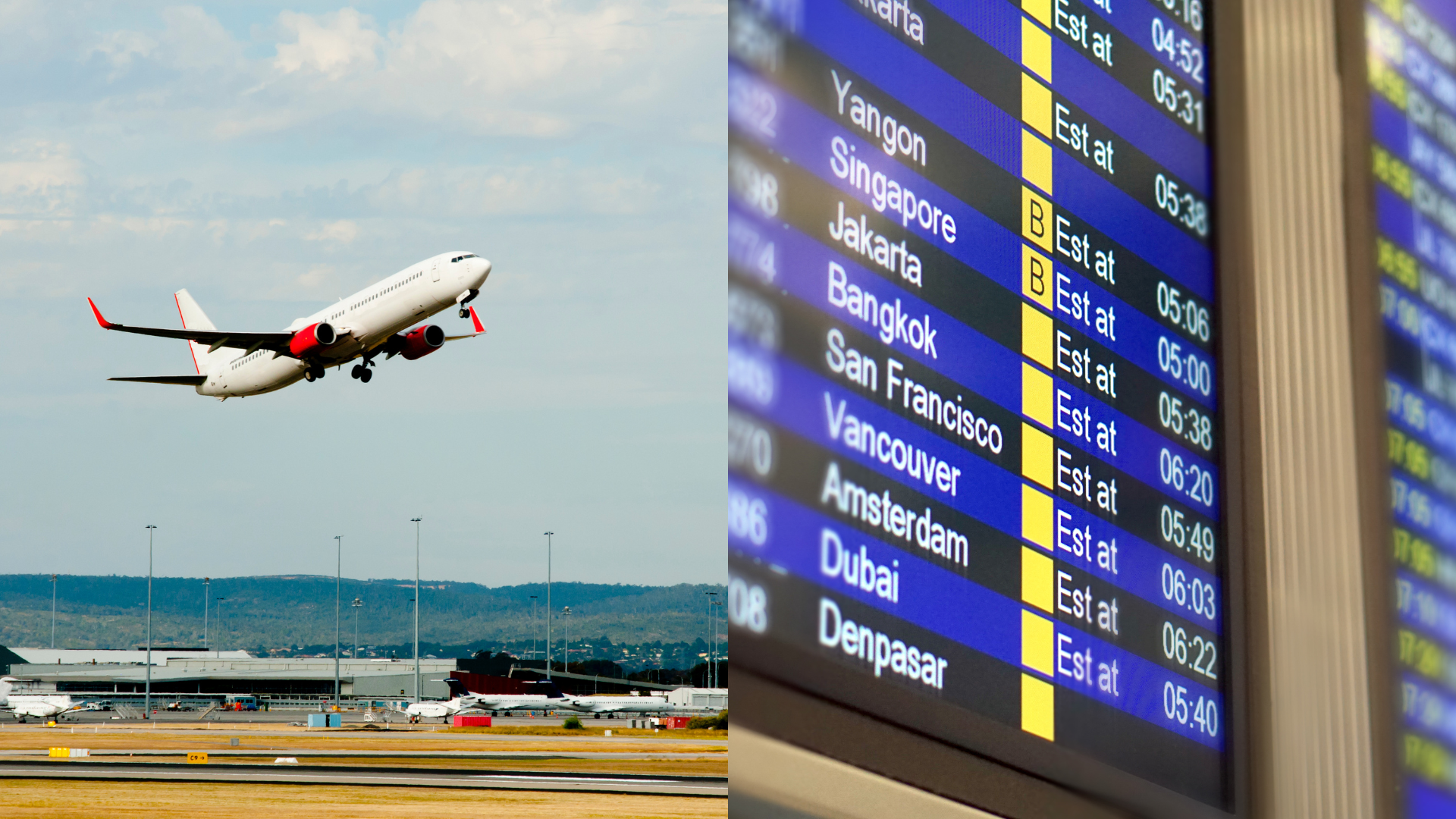


With escalating conflict in the Middle East dominating headlines, it’s natural to feel uneasy about upcoming travel plans.
“Is it safe to travel right now?”
The short answer: Yes — but it depends heavily on your destination and route.
The reality is that travel isn’t “off” — it just requires more awareness and planning than usual. For Australians in particular, the impact is less about whether you can travel at all, and more about how you travel and where you’re going.
Here’s a clear, fact-based breakdown of what’s happening, what the current situation means for your travel plans, and how to navigate it safely.
What’s actually happening — and why it matters
The current conflict involving Iran, Israel, and surrounding regions has disrupted one of the world’s most important aviation corridors. The Middle East isn’t just a destination — it’s a global transit hub, with cities like Dubai and Doha acting as key stopovers between Australia and Europe.
As tensions have escalated, governments (including Australia’s) have issued strong warnings against travel to several countries in the region. At the same time, airlines have been forced to reroute or cancel flights due to airspace risks.
This has created a ripple effect: flights are still operating, but routes are shifting, travel times are increasing, and prices are fluctuating.
✈️ Expensive flights shouldn’t stop you from exploring the world. 🌍 Stand to win $10,000 in free flights when you sign up for YouTrip from now – 20 April 2026. Find out more about our Travel Intern giveaway here. 🧳
The reality: you can still travel, and it’s not unsafe

One of the biggest misconceptions right now is that travelling from Australia to places like Europe is no longer viable. That’s not true.
Traditionally, many flights from Australia to Europe relied on Middle Eastern stopovers. Today, airlines are increasingly rerouting through major Asian hubs like Singapore, Hong Kong, and Tokyo instead. These routes are slightly longer, but they avoid high-risk airspace entirely.
In other words, you won’t need to fly through the Middle East.
Global aviation systems remain highly regulated and safety-focused, flights are operating under strict oversight, even if they take longer or less direct paths.
Where Australians should be more cautious
According to official Australian government advice, several countries in the Middle East are currently under “Do Not Travel” advisories, while others carry strong warnings to reconsider your plans.
These include:
- Countries to avoid entirely ❌: Iran, Iraq, Israel, Lebanon, Bahrain, Kuwait, Palestine, Qatar, Syria, United Arab Emirates, Yemen
- Countries where caution is advised ⚠️: Jordan, Oman, Saudi Arabia
It’s important to note that these warnings also apply to transit. Even if your final destination is considered safe, passing through a high-risk airport or airspace could still expose you to disruptions or safety concerns.
Destinations that are safe (and popular) to travel to

While the Middle East situation is serious, it’s also geographically contained. Large parts of the world — especially those popular with Australian travellers — remain stable and safe to visit.
Asia continues to be one of the most reliable options right now, offering both proximity and strong connectivity from Australia. Countries like Japan, South Korea, Thailand, Singapore, Malaysia, Vietnam, and Indonesia are unaffected by the conflict and remain popular choices.
For those who prefer to stay closer to home, destinations like New Zealand, Fiji, and Bali offer a low-risk escape with minimal disruption.
Europe is still very much on the table too — just with adjusted flight paths. Travelling via Asia instead of the Middle East is becoming the new normal, although it adds a few hours to your journey.
💡 Planning an upcoming trip? Get a YouTrip card to stay on top of your overseas spending. Enjoy mates rates and 0% FX fees in 150+ countries, plus 2% cashback for your first 5 months. ✨
Airline routes & updates: what major airlines are doing in this situation
| Airline | Current status | Route strategy | What travellers should expect |
| Qantas | ✅ Operating with adjustments | Avoiding Middle East, routing via Asia | Stable option overall, just with slightly longer flight times and some reroutes. Read Qantas’s official travel updates here. |
| Jetstar | ✅ Largely unaffected | Focused on Asia-Pacific routes (Bali, Japan, Southeast Asia) | Minimal disruption; good option for regional travel. Read Jets |
| Singapore Airlines / Cathay Pacific | ✅ Mostly operating, some suspensions (e.g. Dubai routes) | Asia-based routes; avoiding conflict zones | Generally reliable; limited impact. Popular options if you’re planning to rebook flights. |
| Emirates | ⚠️ Reduced operations | Still using Dubai hub, but with restricted airspace | Possible delays or reroutes. Read Emirates’ official travel updates here. |
| Qatar Aiways | ⚠️ Reduced operations | Still continuing via Doha, but with adjusted flight paths | Higher uncertainty; transit risk remains. Read Qatar’s official travel updates here. |
| Etihad Airways | ⚠️ Reduced operations | Operating via Abu Dhabi, under restrictions | Expect disruptions |
| Air New Zealand | ⚠️ Reduced operations due to fuel costs and disruptions | Avoiding Middle East; maintaining Pacific/Asia routes | Higher fares due to fuel costs, but generally stable for Australia-NZ/Pacific travel |
| British Airways / European carriers | ❌ Some route suspensions | Avoiding Middle East or cancelling routes | Limited availability on certain routes |
If you’ve booked tickets for an upcoming trip, keep an eye on airline communications and check your flight status in the days leading up to departure, as routes and schedules may be adjusted. Many airlines are also offering flexible options, including reroutes, refunds, or rescheduling.
The best approach for Australians
Rather than avoiding travel entirely, the smarter approach is to adapt. A few small decisions can make a big difference in reducing risk and avoiding unnecessary stress. Here are some recommendations for you:
- Choose airlines routing via Asia (e.g. Singapore, Hong Kong, Tokyo)
- Avoid itineraries with Middle East stopovers
- Travel to alternative destinations instead
- Prioritise airlines offering flexible changes
- Keep your eyes on official updates – it’s worth checking Smartraveller for the latest country-specific advisories and updates.
So… is it safe to travel right now?

The answer isn’t a simple yes or no — but it is reassuring.
Travel is still safe for Australians if you avoid high-risk regions, plan your routes carefully, and stay informed.
For most destinations across Asia, Europe (via alternative routes), and nearby regions, travel remains not only possible — but unaffected.
The final take
You don’t have to cancel all your travel plans. Choose smarter routes, alternative destinations, stay flexible, and keep informed for a safe trip.

Travelling soon? Sort out how you spend overseas before you fly. A multi-currency card like YouTrip can help you save the hassle and avoid surprises when paying abroad! Here’s what’s in it for you when you get a free YouTrip card:
- Mates rates in 150+ countries
- 0% foreign transaction fees
- Exchange 10 popular currencies in-app
- Free overseas ATM withdrawals of up to A$1,500/month, 2% fee applies thereafter
- Welcome offer: 2% cashback on international purchases for first 5 months (up to $40/month)
📚 More articles you may enjoy: