


Osaka is Japan’s most underrated city — and Australian travellers are catching on fast.
It’s louder than Tokyo, cheaper than Kyoto, and the food is genuinely better than both. Whether you’ve got two days or a full week, Japan’s kitchen always delivers.
This guide covers everything: the top sights, hidden gems, family-friendly picks, the best time to go, day trips to Kyoto, and every question you’ve Googled at 11 PM while planning your trip.
🇯🇵 Travelling to Osaka? Don’t get your holiday ruined by hidden fees and dodgy exchange rates! Get a free YouTrip travel money card to enjoy mates rates and 0% FX fees wherever you go. ✈️
⚡TL;DR: Osaka Quick Facts
| Question | Quick Answer |
|---|---|
| Is Osaka worth visiting? | Absolutely. One of Japan’s best cities for food, culture, and value |
| How long to spend? | 3 days is the sweet spot. 2 days works if you’re tight on time |
| Best month to visit? | March–April (cherry blossom) or October–November (autumn foliage) |
| Month to avoid? | July–August — extremely hot and humid |
| Osaka vs Tokyo? | Different vibes. Osaka wins on food, nightlife, and cost. Tokyo wins on variety and scale |
| Day trip to Kyoto? | Yes — 15 minutes by shinkansen. Easily done as a day trip |
| Best Osaka neighbourhood? | Namba/Dotonbori for food and nightlife; Shinsekai for retro vibes |
| Cash or card in Japan? | Japan is still very cash-heavy. Load JPY on YouTrip before you fly |
📚 Table of Contents
- What Is Osaka Best Known For?
- Is Osaka Worth Visiting?
- Is Osaka Nicer Than Tokyo?
- Top 10 Things to Do in Osaka
- What Should I Not Miss in Osaka?
- Free Things to Do in Osaka
- Unusual Things to Do in Osaka
- Things to Do in Osaka at Night
- Things to Do in Osaka in Winter
- Things to Do in Osaka with Kids and Family
- Osaka Food: What to Eat
- Best Osaka Restaurants
- Osaka Anime Experiences
- Shopping in Osaka
- Osaka to Kyoto: Day Trip Guide
- How Many Days Do You Need in Osaka?
- Which Month to Avoid Osaka?
- FAQ
What Is Osaka Best Known For?
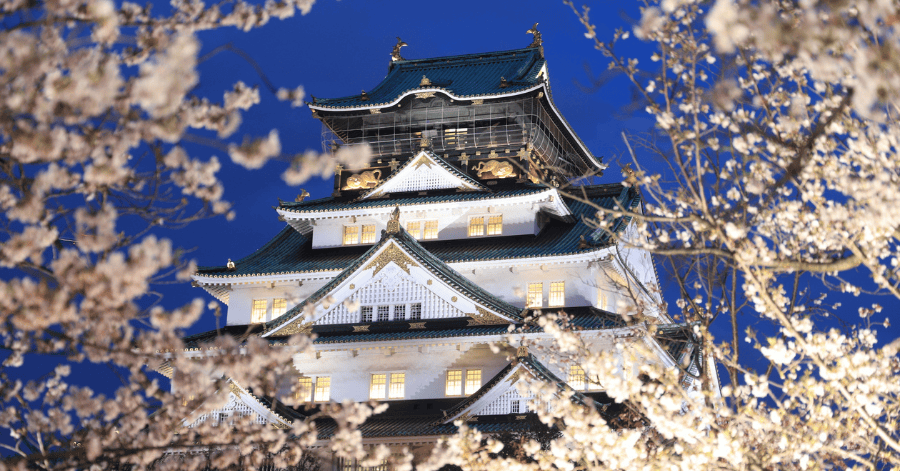
Osaka is best known for three things: food, nightlife, and Osaka Castle. Locals have a saying — kuidaore — which roughly translates to “eat until you drop.” That attitude defines the city.
More specifically, Osaka is famous for:
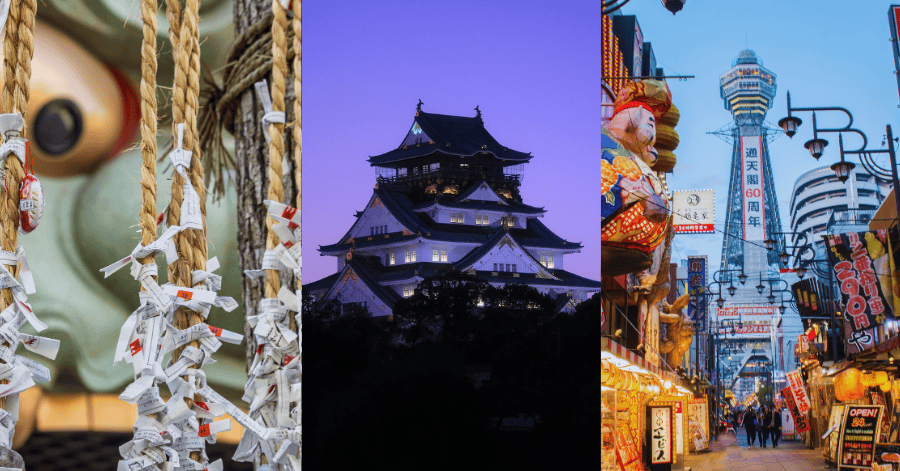
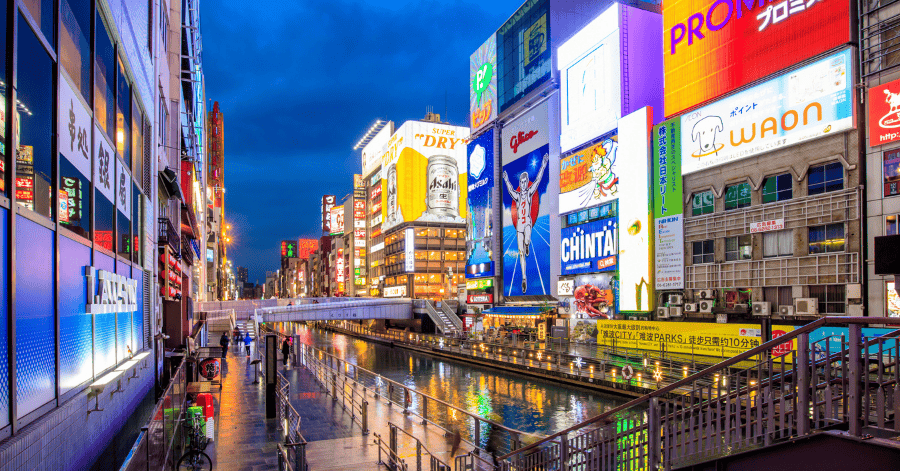
- Dotonbori — the neon-lit canal district that’s become Japan’s most photographed street
- Takoyaki and okonomiyaki — street food dishes that originated here
- Universal Studios Japan (USJ) — one of Asia’s most visited theme parks
- Osaka Castle — a 16th-century fortress surrounded by a moat and cherry trees
- Shinsekai — a retro working-class neighbourhood with excellent skewered kushikatsu
- Kuromon Ichiba Market — a 580-stall covered market nicknamed “Osaka’s kitchen”
- Nightlife — Namba and Shinsaibashi are among Japan’s busiest entertainment districts
It’s also a hub for day trips: Kyoto, Nara, and Kobe are all within 30–60 minutes.
Is Osaka Worth Visiting?
Yes — Osaka is absolutely worth visiting. It consistently ranks among Asia’s top cities for food tourism, and it punches well above its weight for culture and nightlife relative to cost.
For Australian travellers, Osaka offers:
- Lower hotel prices than Tokyo on average
- Incredible street food at 300–800 JPY per item (roughly A$3–$8)
- Easy access to Kyoto, Nara, and Kobe — three entirely different experiences within an hour
- A relaxed, welcoming local culture — Osakans are famously friendly and outgoing by Japanese standards
- Excellent transport — the metro, trains, and buses are punctual, affordable, and easy to navigate with Google Maps
If you’re visiting Japan for the first time and can only pick one base, many travellers (and most travel writers) recommend Osaka over Tokyo for first-timers.
Is Osaka Nicer Than Tokyo?
Osaka and Tokyo are very different cities — it depends what you’re after.
| Osaka | Tokyo | |
|---|---|---|
| Food | Widely considered better value and more accessible | World-class but can be pricier |
| Nightlife | More compact, social, and cheaper | More spread out, more diverse |
| Cost | Noticeably cheaper for accommodation and food | More expensive across the board |
| Vibe | Loud, social, chaotic in the best way | Slick, efficient, overwhelming in the best way |
| Day trips | Kyoto, Nara, Kobe within 30–60 min | Nikko, Kamakura, Hakone within 1–2 hrs |
| Culture | Castle, Shinsekai, street food history | Tsukiji, Akihabara, Shibuya crossing |
| Crowds | Big but manageable | Enormous — especially in peak season |
The verdict: Osaka wins on food, atmosphere, and value. Tokyo wins on scale and variety. Most Australian travellers doing 2–3 weeks in Japan visit both — and tend to love Osaka more than they expected.
Top 10 Things to Do in Osaka
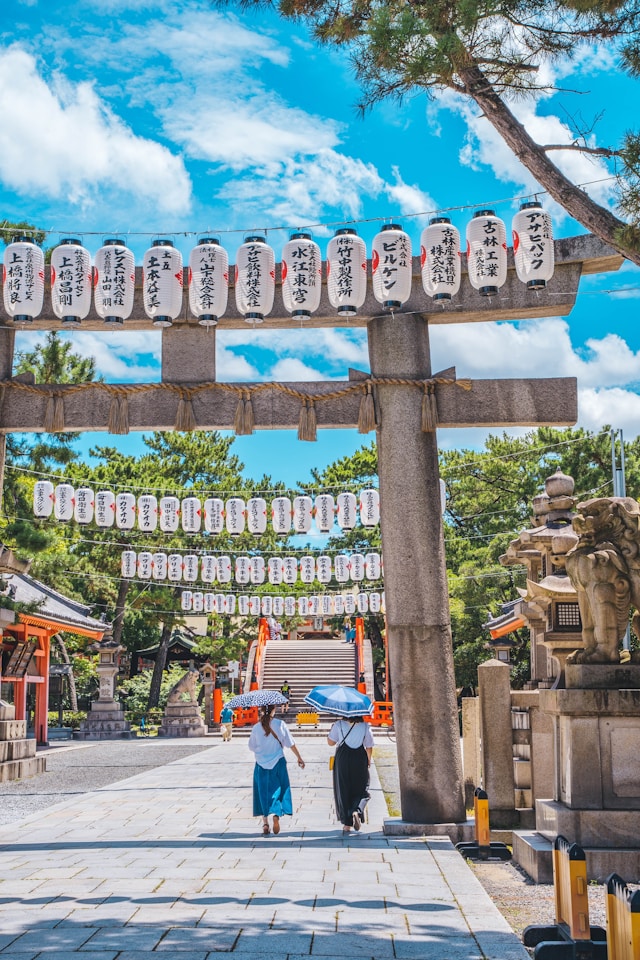
Image Credits: Unsplash
Here are the 10 best things to do in Osaka, ranked by popularity and experience value:
- Sumiyoshi Taisha Shrine — One of Japan’s oldest Shinto shrines, predating the influence of Chinese architectural styles. Peaceful and off the tourist trail.
- Walk Dotonbori — Japan’s most famous entertainment street. The Glico running man sign, canalside restaurants, and neon overload. Best experienced after dark.
- Osaka Castle and Nishinomaru Garden — Explore the landmark castle, walk the moat, and climb to the top floor for city views. The surrounding park is one of Osaka’s best cherry blossom spots.
- Universal Studios Japan (USJ) — Home to The Wizarding World of Harry Potter, Super Nintendo World, and one of Asia’s best theme park experiences. Book Express Passes in advance.
- Kuromon Ichiba Market — Wander Osaka’s 580-stall covered market. Sample fresh sashimi, wagyu skewers, and tamagoyaki straight from the vendors.
- Shinsekai — A retro neighbourhood untouched by gentrification. Eat kushikatsu (skewered and deep-fried everything) at a 50-year-old counter restaurant.
- Namba — The heart of Osaka’s shopping and dining scene. Den Den Town (Osaka’s electronics and anime district) is nearby.
- Umeda Sky Building — Two connected towers with a floating garden observatory 170m above the city. More dramatic than Osaka Castle’s view.
- Tennoji Zoo and Abeno Harukas — Visit Japan’s oldest zoo, then head to Abeno Harukas (Japan’s tallest building) for 300m-high views of the city.
- Hozenji Yokocho Alley — A narrow lantern-lit alley near Dotonbori with a moss-covered stone Buddha. Intimate, quiet, and one of the most atmospheric spots in the city.
What Should I Not Miss in Osaka?
The absolute must-dos in Osaka are:
- Eating takoyaki at the original Aizuya stall in Dotonbori — the dish was invented in Osaka and still tastes best here
- Walking Dotonbori at night — the city transforms after dark
- Visiting Osaka Castle during cherry blossom season (late March–early April) or autumn (November)
- Spending a full evening in Shinsekai eating kushikatsu and playing pachinko
- Taking a day trip to Kyoto — you’ll regret it if you skip it
- Going to Kuromon Market on a weekday — weekends are packed with tour groups
If you only have one full day, prioritise: Osaka Castle in the morning → Kuromon Market for lunch → Dotonbori/Namba in the afternoon → Shinsekai for dinner.
Free Things to Do in Osaka
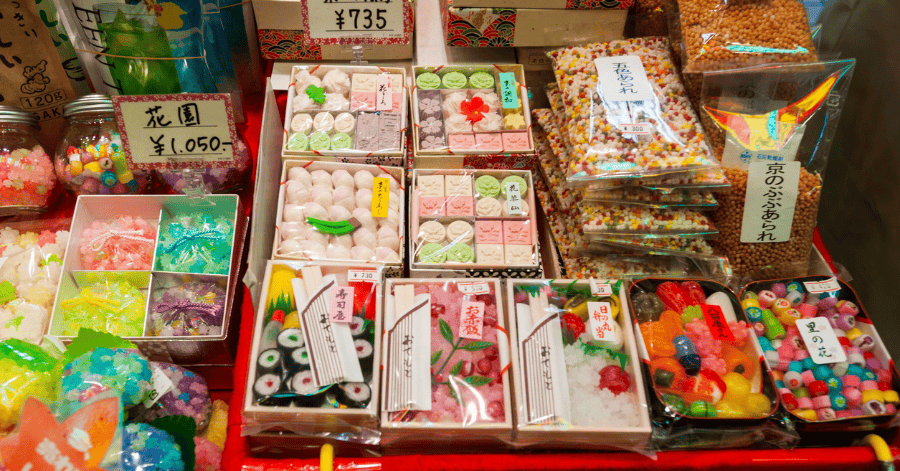
Osaka is one of the more affordable cities in Japan, and several of its best experiences cost nothing:
- Dotonbori canal walk — free to stroll any time of day
- Osaka Castle Park — the grounds are free (castle interior charges 600 JPY, about A$6)
- Sumiyoshi Taisha Shrine — free entry
- Shitennoji Temple grounds — free to walk (inner garden charges a small fee)
- Namba Parks rooftop garden — a free rooftop green space above a shopping mall
- Kuromon Ichiba Market — free to browse; pay only for what you eat
- Shinsekai neighbourhood — free to walk; just budget for kushikatsu
- Tenjinbashi-suji Shopping Street — Japan’s longest covered shopping arcade, free to walk
- Nakanoshima Park — a riverside park between two rivers; beautiful in spring
- Hozenji Yokocho Alley — free to walk; tip a coin at the moss shrine
Money tip: Japan is notoriously cash-heavy. Many Osaka restaurants, market stalls, and shrines still only accept yen. Load JPY onto your YouTrip card before you leave Australia to lock in a competitive wholesale exchange rate — rather than paying ATM fees or airport currency exchange margins when you land.
Unusual Things to Do in Osaka
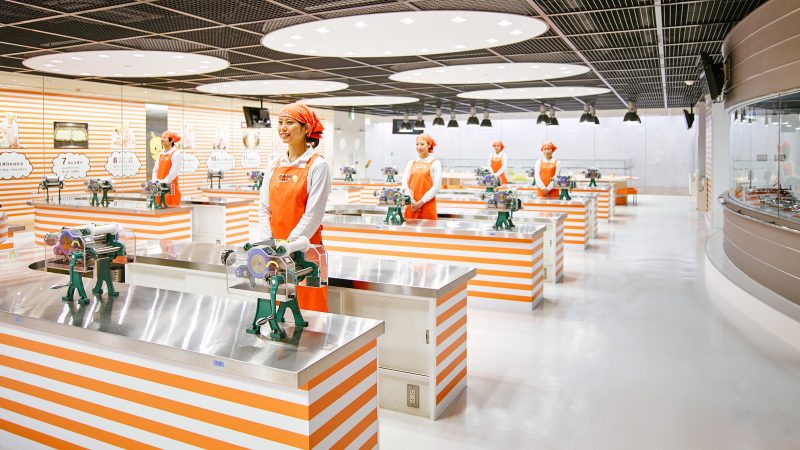
Image Credits: CUPNOODLES MUSEUM
Beyond the guidebook hits, these are the experiences that stick:
- Glico Man night tour — Book a guided evening walking tour of Dotonbori; several operators offer English-language food and culture walks that go well beyond the main strip.
- Spa World — An enormous public bathhouse with European and Asian-themed thermal baths across two floors. Open 24 hours. A genuinely bizarre, wonderful experience.
- Cup Noodles Museum — Design your own custom instant noodle cup. Surprisingly engaging, especially for kids.
- Osaka Museum of Housing and Living — A recreated Edo-period Osaka village inside a museum. Dress in period costume and wander the streets.
- Tsuruhashi Korean Market — Osaka has one of Japan’s largest Korean communities. Tsuruhashi is a dense, labyrinthine market neighbourhood unlike anything else in the city.
- Tempozan Ferris Wheel — One of the world’s largest Ferris wheels, sitting next to the Osaka Aquarium. Underrated views.
- Minoo Waterfall hike — A 2.6km trail through forest to a 33m waterfall. The route is lined with maple trees — spectacular in autumn.
Things to Do in Osaka at Night
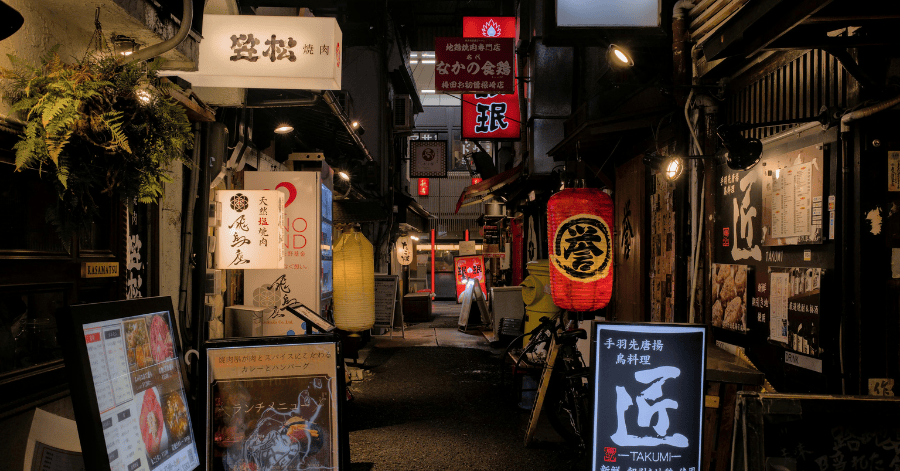
Image Credits: Unsplash
Osaka genuinely comes alive after dark. The neon, the noise, and the food are all better at night.
Best nighttime experiences in Osaka:
- Tennoji — Less touristy, more local. The izakayas around Tennoji Station are packed with salarymen after 6 PM, and the food is excellent
- Dotonbori — Walk the canal, eat from street vendors, and photograph the illuminated signs after 7 PM when the crowds peak (in the best way)
- Namba and Shinsaibashi — Osaka’s main nightlife and shopping strips. Bars, izakayas, karaoke, and late-night ramen
- Shinsekai — The retro neighbourhood has a different energy at night. Neon signs, pachinko parlours, and affordable bars
- Umeda Sky Building — The Floating Garden Observatory is open until 10:30 PM; the city views at night are the best in Osaka
- Bar hopping in Amerika-Mura — Osaka’s hipster/youth culture district, packed with independent bars and live music venues
- Night cruise on the Dotonbori canal — Several operators run 20-minute evening cruises; a good way to see the strip from the water
Things to Do in Osaka in Winter
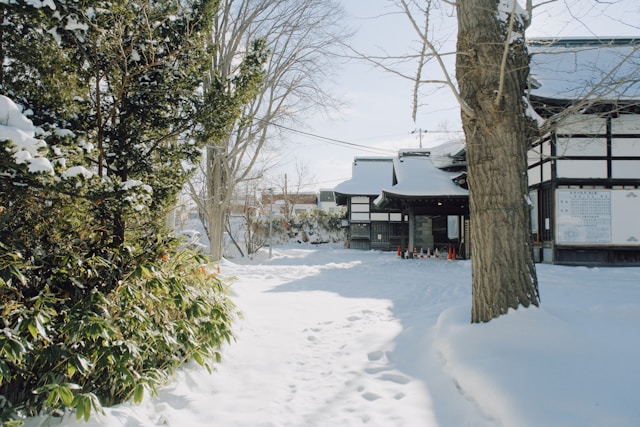
Image Credits: Unsplash
Osaka winters (December–February) are cold but dry and far less crowded than spring or autumn. Average temperatures sit at 5–10°C — cold by Australian standards but mild compared to northern Japan.
Best winter activities in Osaka:
- Universal Studios Japan — Winter is one of the best times to visit USJ. Shorter queues, Christmas and New Year events, and the park looks spectacular decorated for the holidays.
- Spa World — A 24-hour thermal bath complex purpose-built for cold weather. The European and Asian-themed pools are a winter highlight.
- Osaka Castle in snow — Rare but magical. Even without snow, the park is quiet, and the castle is beautifully lit at night in winter.
- Namba Grand Kagetsu (NGK) — Osaka’s famous comedy theatre hosting manzai (stand-up comedy) shows. Great indoor evening activity.
- Winter illuminations — Osaka has several major winter light festivals: Midosuji Illumination (November–January) and the lights at Expo City are worth seeing.
- Day trip to Kobe — 30 minutes from Osaka, and Kobe’s Kitano-cho district (European heritage buildings) feels particularly atmospheric in winter.
- Eat your way through the markets — Cold weather and hot street food were made for each other. Takoyaki, ramen, and hot kushikatsu hit differently in 6°C.
⚠️ Exact dates for illumination events change year to year — check official event calendars for 2026/2027 dates.
Things to Do in Osaka with Kids and Family
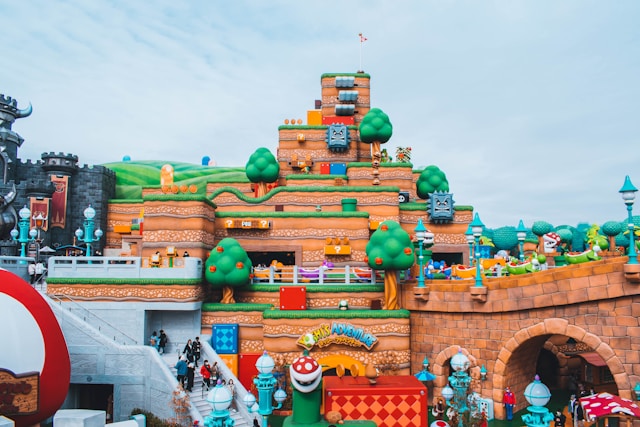
Image Credits: Unsplash
Osaka is a genuinely excellent family destination. Japan’s transport is stroller-friendly, food options are diverse, and the theme parks are world-class.
Theme Parks
- Universal Studios Japan — The top family attraction in Osaka. Super Nintendo World (Mario Kart ride, Yoshi’s Adventure) and the Minion Park are specifically designed for kids. Book Express Passes in advance during school holidays.
- Legoland Discovery Centre — Indoor Lego attraction inside Tempozan Marketplace. Best for ages 3–10.
- Kids Plaza Osaka — A hands-on children’s museum with interactive science and creative play exhibits across five floors.
Animals and Nature
- Osaka Aquarium Kaiyukan — One of the world’s best aquariums. The whale shark tank is the centrepiece; the ringed seal exhibit is a hit with younger kids.
- Tennoji Zoo — Japan’s oldest zoo, well-maintained, and easily combined with Abeno Harukas and Tennoji Park.
- Minoo Park — A gentle 2.6km nature hike to a waterfall with tame deer along the trail.
Interactive Experiences
- Cup Noodles Museum — Kids design and pack their own instant noodle cup. Budget around 1.5 hours.
- Osaka Museum of Housing and Living — Edo-era village replica inside a museum. Kids can dress in a kimono.
- Ninja experience workshops — Several operators in Namba offer 60-minute beginner ninja sessions suitable for children aged 5+.
Practical Tips for Families
- Children under 6 ride the Osaka Metro for free
- Convenience stores (7-Eleven, FamilyMart, Lawson) are excellent for cheap, varied meals when kids need something familiar
- Japan is a pushchair-friendly country — most metro stations have lifts
- Most major tourist areas have baby change facilities
Osaka Food: What to Eat
Osaka is Japan’s food capital — and that’s not an exaggeration. The city’s identity is built around eating well, eating often, and eating affordably.
The Osaka classics you must eat:
| Dish | What It Is | Where to Try |
|---|---|---|
| Takoyaki | Octopus-filled batter balls, topped with mayo and bonito | Dotonbori stalls; original Aizuya on Tanimachi-suji |
| Okonomiyaki | Savoury cabbage-and-batter pancake with various fillings | Mizuno in Dotonbori (queue expected) |
| Kushikatsu | Deep-fried skewers of meat, seafood, and vegetables | Any restaurant in Shinsekai; Daruma is the most famous chain |
| Ramen | Osaka-style tends toward lighter tonkotsu or shoyu | Kinryu Ramen on Dotonbori, open until 5 AM |
| Udon | Thick wheat noodles, typically in a mild dashi broth | Dotonbori Imai (been operating since 1949) |
| Wagyu beef | Kobe and Matsuzaka beef are both within day-trip range | Kuromon Market vendors for affordable cuts |
| Fresh sashimi | Morning catch served straight at Kuromon Ichiba | Kuromon Market — best before noon |
| Crab — kani | Iconic Osaka dish; large crabs grilled or hotpot-style | Kani Doraku on Dotonbori |
Rule of thumb: If you see a queue outside a stall in Osaka, join it. The locals know.
Best Osaka Restaurants
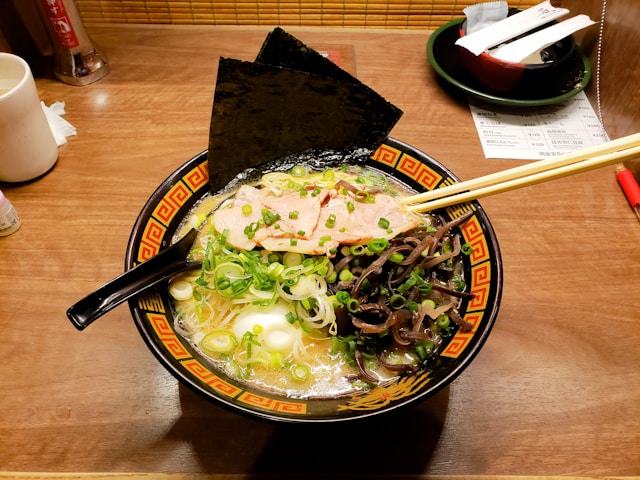
Image Credits: Unsplash
Budget to mid-range:
- Ikinari Steak (multiple locations) — Standing steak restaurant, A$15–25 per serving. One of Osaka’s better value sit-down meals.
- Ganko Sushi (Namba and Umeda) — Reliable multi-level sushi restaurant with English menus and set menus from 1,500 JPY (~A$13)
- Kinryu Ramen (Dotonbori) — The 5 AM ramen spot. Open late, cash only, always full of locals
- Daruma Kushikatsu (Shinsekai) — The most famous kushikatsu chain. Never double-dip in the shared sauce — it’s a cardinal rule
Mid-range:
- Mizuno (Dotonbori) — The definitive okonomiyaki restaurant. Expect a queue
- Yoshimi Okonomiyaki (Umeda Hanshin) — More accessible than Mizuno, excellent quality, less of a wait
- Dotonbori Imai — 70+ years old, famous udon, old-school atmosphere
Splurge:
- Kichisen (3 Michelin stars) — Tea ceremony kaiseki. The most serene dining experience in the city
- Hajime (3 Michelin stars) — One of the world’s best restaurants. Book 3–6 months in advance via the restaurant website
- Koryu (2 Michelin stars) — Kappo cuisine, counter dining, extraordinary seasonal kaiseki
Osaka Anime Experiences
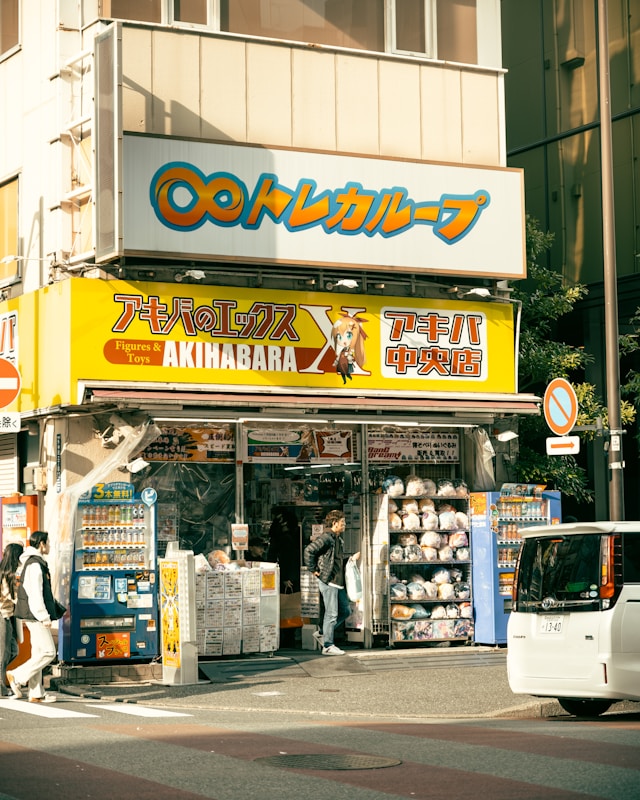
Image Credits:
Osaka is a major hub for anime culture, second only to Tokyo’s Akihabara. The main centre is Den Den Town in the Nipponbashi area of Namba.
Best anime experiences in Osaka:
- Tengachaya Rokkaku (nearby) — A slightly offbeat neighbourhood with several long-running vintage anime goods shops less frequented by tourists.
- Den Den Town (Nipponbashi Denden Town) — Osaka’s answer to Akihabara. Six blocks of anime shops, manga cafes, retro game stores, and figure retailers. Best on weekends when street cosplay events happen.
- Universal Studios Japan — Nintendo World — Not strictly anime, but Super Nintendo World is the most immersive video game experience anywhere in the world. Lines for the Mario Kart ride regularly exceed 90 minutes — get an Express Pass.
- Joshin Shinsaibashi — A massive electronics and anime merchandise chain. Good for trading cards, figures, and limited-edition character goods.
- Mandarake Complex (Den Den Town) — Five floors of second-hand manga, anime, and retro gaming. One of the best Mandarake stores in Japan.
- Good Smile x Animate Cafe (Shinsaibashi) — Themed collaboration cafes that rotate every few months. Check the schedule before visiting.
- K-Books Osaka — A specialist store for doujinshi (indie manga) and anime goods. Popular with serious collectors.
Shopping in Osaka
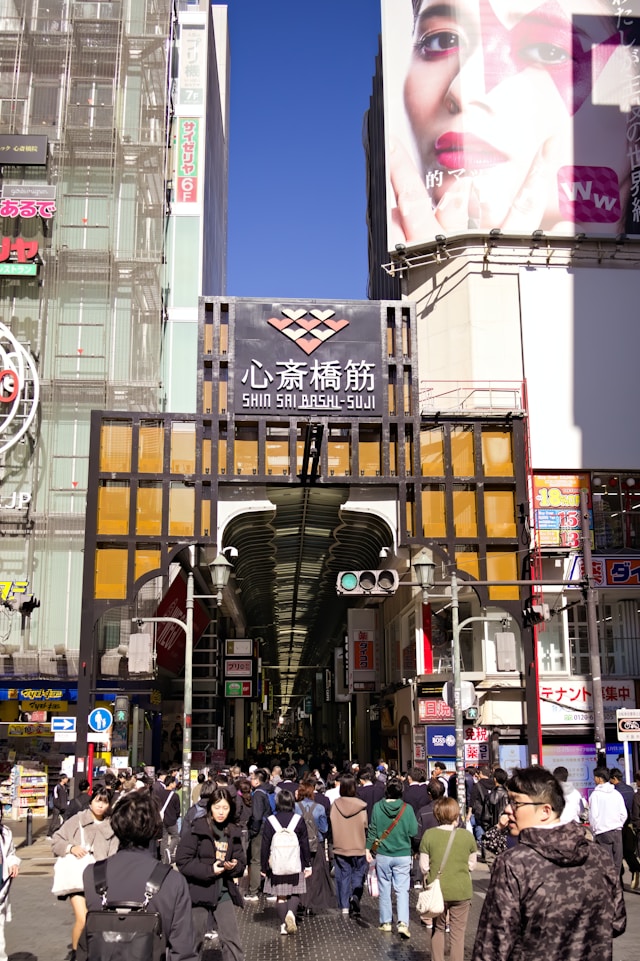
Image Credits: Unsplash
Osaka is one of Japan’s best shopping cities. Here’s where to spend:
For Fashion and Streetwear
- Shinsaibashi-suji — Osaka’s main shopping arcade. 600m of covered retail covering everything from fast fashion to designer brands.
- Amerika-Mura (Amemura) — Osaka’s streetwear and vintage district. Think Harajuku, but less filtered and cheaper. Great for independent labels and vintage finds.
- Horie — More upmarket than Amemura. Boutique fashion, concept stores, and small cafes.
For Electronics and Tech
- Den Den Town (Nipponbashi) — Five blocks of electronics, cameras, audio equipment, and gaming hardware. More negotiating room than Tokyo’s Akihabara.
- Yodobashi Camera Umeda — One of Japan’s biggest electronics retailers. Multiple floors, English-speaking staff, and tax-free shopping are available.
For Souvenirs and Local Goods
- Kuromon Ichiba Market — Best for food souvenirs: pickled vegetables, dashi packs, wagyu beef products
- Tenjinbashi-suji — Japan’s longest covered shopping street (2.6km). Very local, very affordable, a mix of food, clothing, and everyday goods
- Dotonbori — Unlimited souvenir shops and Osaka-themed merchandise
For Luxury
- Umeda Grand Front — Premium retail in Osaka’s north hub. Apple Store, international luxury brands, concept stores.
- Isetan Umeda — Japanese department store anchor in Hankyu Umeda. Strong food hall on the basement level.
Practical Tips
- Tax-free shopping is available for purchases over 5,000 JPY (~A$44) at most major stores — show your passport at checkout
- Japan remains heavily cash-based; smaller shops and market stalls may not accept cards
- Convenience store ATMs (7-Eleven, especially) are the most reliable for international cards
Osaka to Kyoto: Day Trip Guide
Getting from Osaka to Kyoto is one of the easiest day trips in Asia.
| Route | Duration | Cost (approx.) | Best For |
|---|---|---|---|
| JR Shinkansen (Nozomi/Hikari) | 14 minutes | 1,420 JPY (~A$14) | Speed |
| JR Special Rapid (Shin-Osaka to Kyoto) | 30 minutes | 560 JPY (~A$6) | Value |
| Hankyu Limited Express (Umeda to Kawaramachi) | 45 minutes | 410 JPY (~A$4) | Best for budget travellers |
Recommended: The Hankyu line from Umeda (Osaka) to Kawaramachi (central Kyoto) is the best value option if you’re not on a Japan Rail Pass.
What to Do in Kyoto on a Day Trip
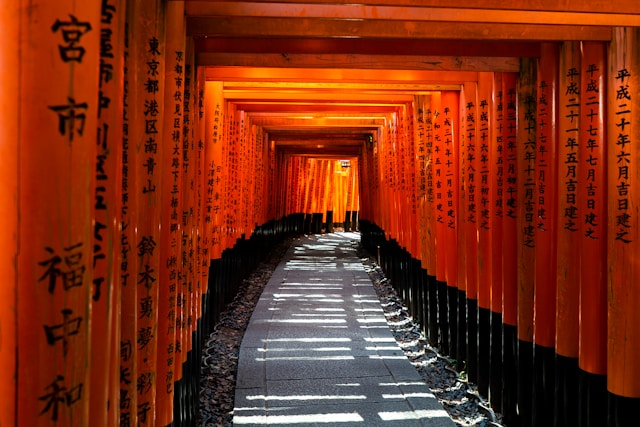
Image Credits: Unsplash
A full Kyoto guide would run another 3,000 words — but for a day trip from Osaka, prioritise:
- Fushimi Inari Taisha — The iconic orange torii gate mountain path. Arrive early (before 8 AM) or after 4 PM to avoid crowds
- Arashiyama — Bamboo grove, monkey park, and the river crossing. Takes a half-day
- Nishiki Market — Kyoto’s covered food market; excellent for snacks and a quick cultural immersion
- Kinkakuji (Golden Pavilion) — Overrun with tourists but genuinely stunning; book a morning slot and move on quickly
- Gion district — Traditional geisha district, beautiful to walk in the late afternoon
Should You Stay in Osaka or Kyoto?
Stay in Osaka. Hotels are cheaper, the food scene is better, and Kyoto is a straightforward day trip by train. The only reason to base yourself in Kyoto is if your primary interest is traditional temples and you prefer a quieter atmosphere.
How Many Days Do You Need in Osaka?
Is 3 Days in Osaka Too Long?
Three days in Osaka is not too long — it’s the ideal length. You’ll have time to do USJ, take a day trip to Kyoto, and still have a full day for the city’s food and neighbourhoods without rushing.
3-day Osaka itinerary:
- Day 1: Osaka Castle → Kuromon Market → Dotonbori → Shinsekai → Namba bars
- Day 2: Kyoto day trip (Fushimi Inari + Arashiyama)
- Day 3: Universal Studios Japan
If you have a 4th day, use it for Kobe (30 min by train), the Minoo waterfall hike, or a day in Nara to see the deer.
Which Month to Avoid Osaka?
The months to avoid Osaka are July and August.
Osaka in summer is genuinely brutal: temperatures regularly hit 35°C with 80%+ humidity. The combination is punishing — especially if you’re planning to spend time outdoors, walking between sights, or visiting USJ.
Beyond the heat:
- July–August coincides with Obon (mid-August), when domestic travel peaks and accommodation prices spike
- The busiest tourist weeks in summer mean queues at major attractions are significantly longer
Best months to visit Osaka:
| Month | Why |
|---|---|
| Late March – Early April | Cherry blossom season. Osaka Castle Park is one of Japan’s best sakura spots |
| May | Warm, green, post-blossom crowds drop significantly |
| October – November | Autumn foliage, cooler temperatures, and arguably the city’s best food season |
| December – February | Cold but dry, fewer crowds, winter illuminations, and excellent for USJ |
For Australian travellers: Japan’s spring school holiday season (late March – early April) aligns roughly with Australian school holiday periods — book accommodation and Shinkansen tickets at least 3 months in advance if travelling then.
FAQs:
Osaka is best known for its street food (takoyaki, okonomiyaki, kushikatsu), Dotonbori entertainment district, Osaka Castle, and its vibrant nightlife. It’s widely regarded as Japan’s food capital.
Yes. Osaka is one of Asia’s best travel destinations — it offers excellent food, a lively atmosphere, affordable prices relative to Tokyo, and easy access to Kyoto, Nara, and Kobe.
Neither is objectively “nicer” — they’re different experiences. Osaka is louder, cheaper, and more food-focused. Tokyo is bigger, more polished, and more varied. Most travellers who visit both end up preferring Osaka for the energy and food, and Tokyo for the scale.
Three days is the ideal minimum. Two days lets you cover the highlights but leaves no room for Universal Studios Japan or a Kyoto day trip. With four or more days, you can add Nara, Kobe, or the Minoo waterfall.
No — three days in Osaka is not too long. It’s the sweet spot: enough time for USJ, a Kyoto day trip, and the city’s main food and cultural sights without rushing.
July and August. The heat and humidity are extreme (35°C+), accommodation prices are higher, and it’s the busiest period for domestic Japanese tourists.
Do not miss: Dotonbori at night, Osaka Castle (ideally during cherry blossom or autumn), Kuromon Ichiba Market, Shinsekai for kushikatsu, and at least one day trip to Kyoto.
The fastest option is the Shinkansen (14 minutes, 1,420 JPY). The best value is the Hankyu Limited Express from Umeda to Kawaramachi (45 minutes, 410 JPY — about A$4).
Yes. Shinsaibashi-suji is Osaka’s main shopping arcade, Den Den Town covers electronics and anime, and Amerika-Mura is the go-to for streetwear and vintage. Most major stores offer tax-free shopping for overseas visitors on purchases over 5,000 JPY.
Excellent. Universal Studios Japan, Osaka Aquarium Kaiyukan, Kids Plaza, the Cup Noodles Museum, and Tennoji Zoo are all well-suited to families. Japan’s transport is clean, safe, and stroller-friendly.
Yes — Den Den Town in Nipponbashi is Osaka’s version of Akihabara. Super Nintendo World at USJ is also a must for gaming and Nintendo fans.
Budget 5,000–10,000 JPY per day (~A$50–$100) for food, transport, and incidentals. Many smaller restaurants, market stalls, and shrines still only accept cash.
Using a multi-currency travel card like YouTrip to hold JPY means you convert at the rate you choose, not the rate the airport or ATM gives you.
Heading to Japan?

Don’t forget to load JPY onto your YouTrip card before you fly. You’ll get a competitive wholesale exchange rate, no foreign transaction fees, and a card that works at most major stores and ATMs across Osaka. One less thing to stress about before takeoff.
💜 Not on YouTrip yet? Sign up for your free YouTrip card today and spend smarter this Easter — wherever that may be!
📚 Other guides you may enjoy: